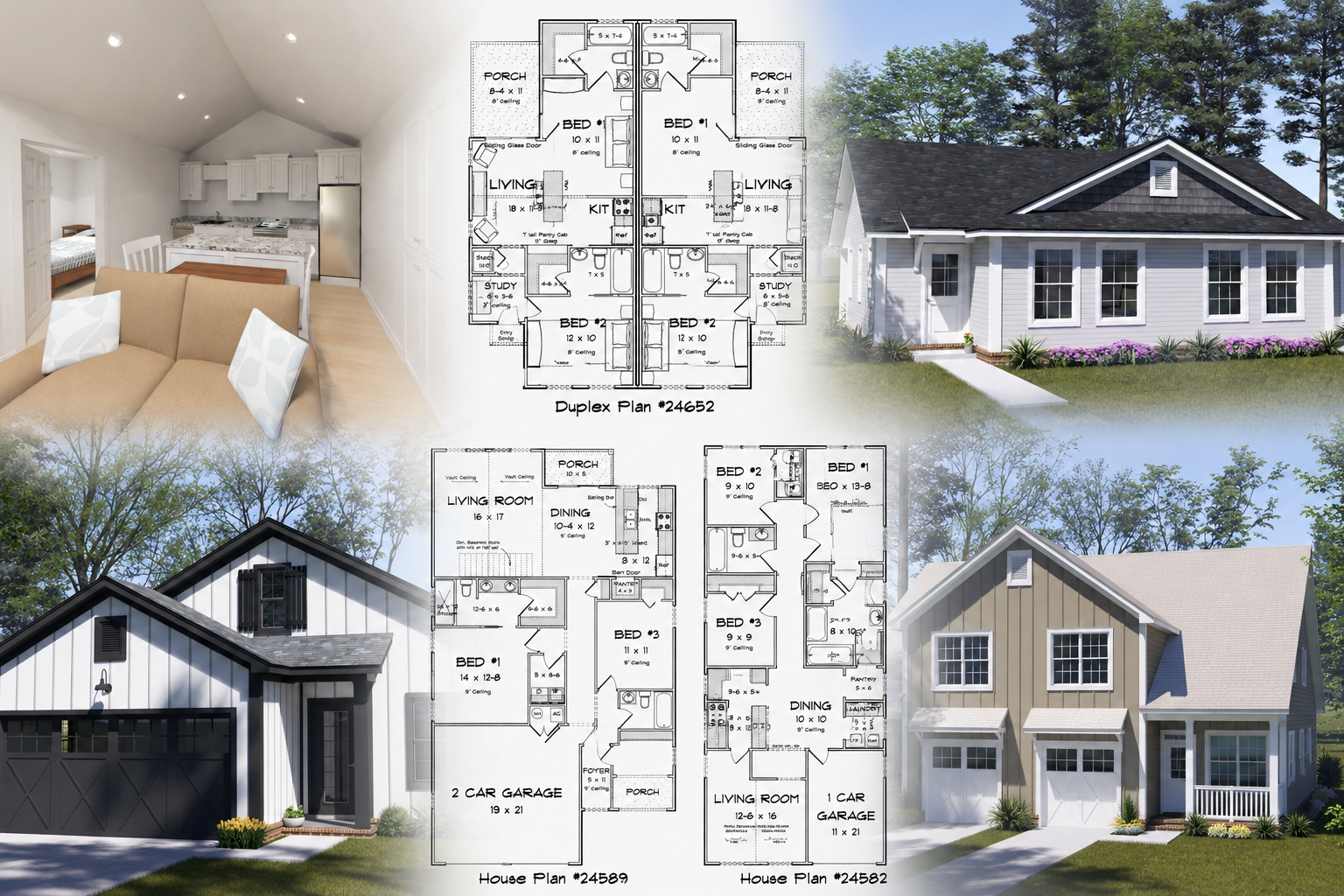
For developers, builders, and investors, one of the most important questions during project planning is whether a site should be developed with duplex homes or traditional single-family residences. The answer depends on local market conditions, land costs, rental demand, financing goals, and long-term investment strategy.
Both housing types can generate attractive returns, but they do so in different ways. Duplex developments often maximize land efficiency and rental income, while single-family homes can deliver strong sales velocity and broad buyer appeal.
Using several plans from W.L. Martin Home Designs, let’s compare the advantages of each approach and explore which development strategy may offer the best return on investment for your next project.
Understanding the Return-on-Investment Equation
When evaluating development opportunities, most investors focus on several key metrics:
- Revenue generated per lot
- Construction cost per square foot
- Land utilization efficiency
- Rental income potential
- Resale value
- Market demand
- Financing flexibility
A project that generates the highest gross revenue does not always produce the highest return. In many markets, efficient floor plans and optimized lot usage can outperform larger, more expensive homes.
Why Duplex Developments Continue to Gain Popularity
Across North America, rising land costs and ongoing affordability challenges have increased demand for attached housing options.
For developers, duplexes offer several potential advantages:
- More units per lot
- Greater rental income potential
- Lower land cost allocation per unit
- Flexible ownership structures
- Strong appeal for build-to-rent communities
Featured Duplex Plan: Alderhaven Bluff #24652
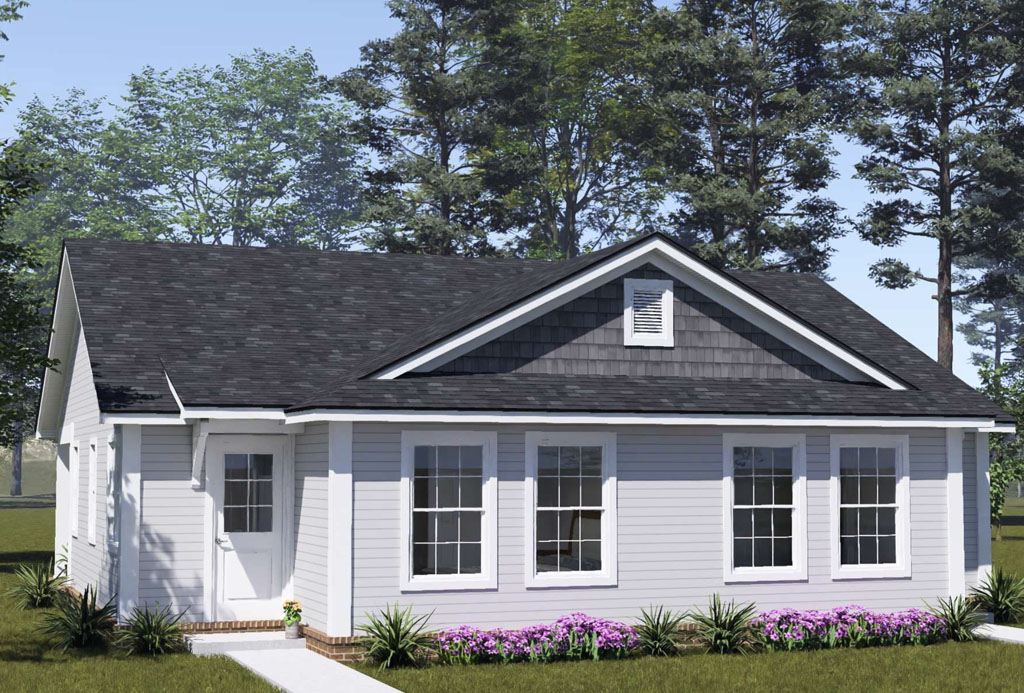
The Alderhaven Bluff demonstrates how smaller footprints can create impressive investment opportunities.
Plan Highlights:
- Duplex design
- Two identical units
- 692 square feet per unit
- 2 bedrooms
- 2 bathrooms
- Dedicated study in each unit
- Open-concept kitchen with island
- Walk-in closets in both bedrooms
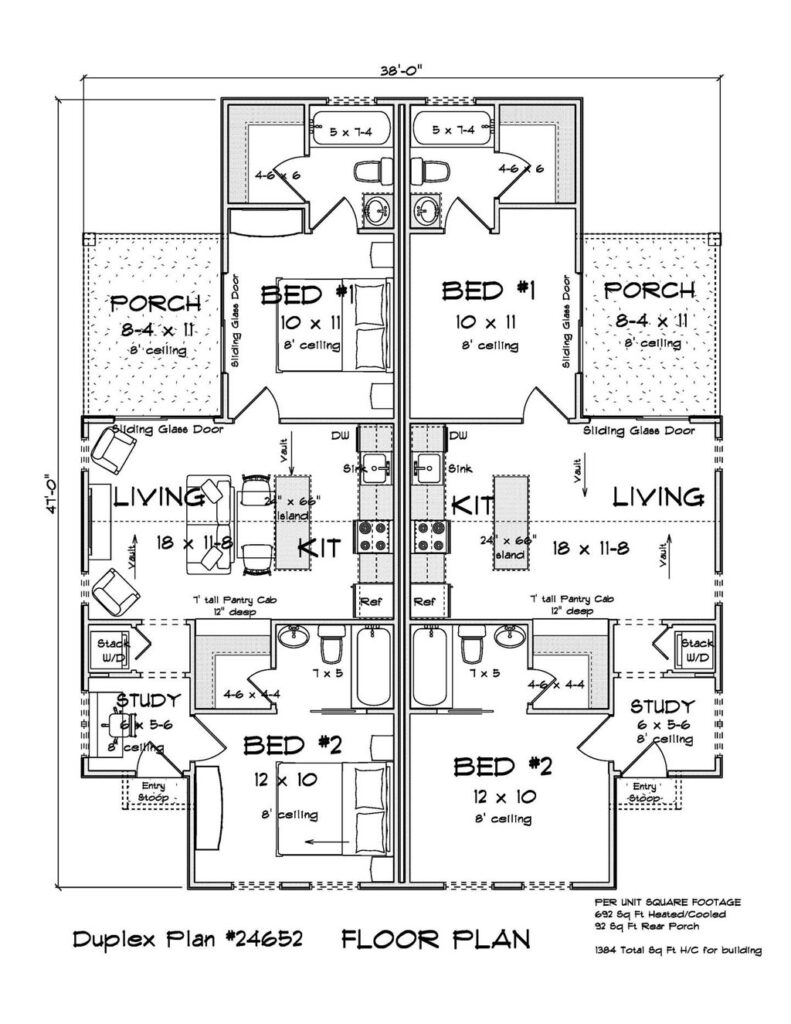
What makes this plan particularly attractive from a development perspective is the dual-suite layout. Each bedroom includes its own bathroom and walk-in closet, creating a setup that works well for:
- Roommate housing
- Workforce housing
- Short-term rentals
- Long-term rental communities
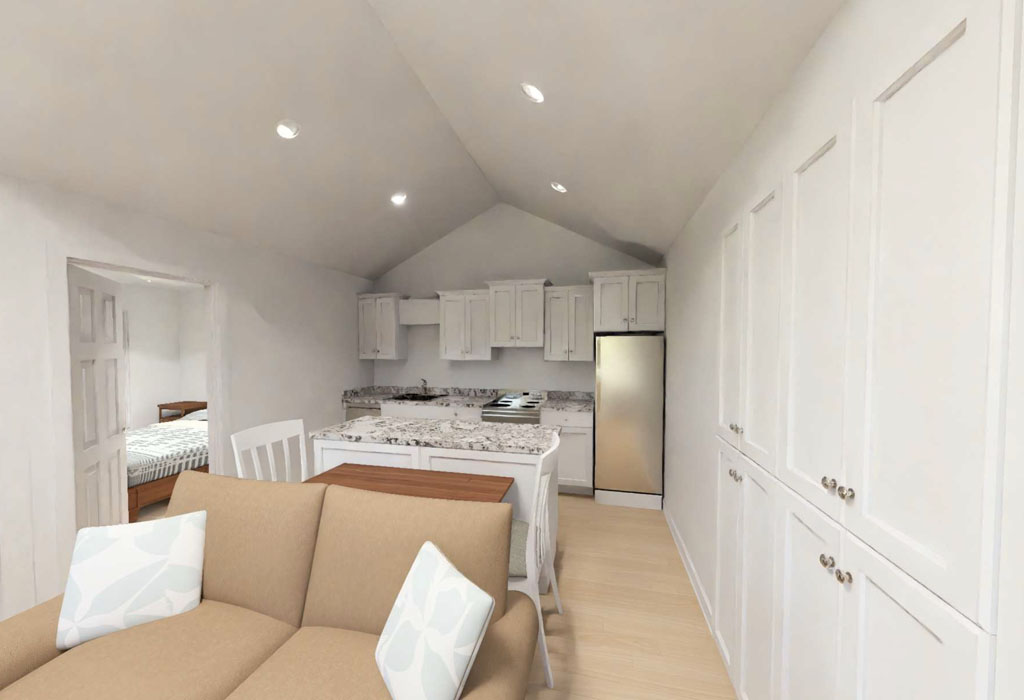
The dedicated study adds functionality that many renters actively seek, especially in today’s work-from-home environment.
Because the Alderhaven Bluff fits within a relatively narrow footprint, developers may be able to increase density while maintaining privacy and livability.
Featured Duplex Plan: Waterford #24593
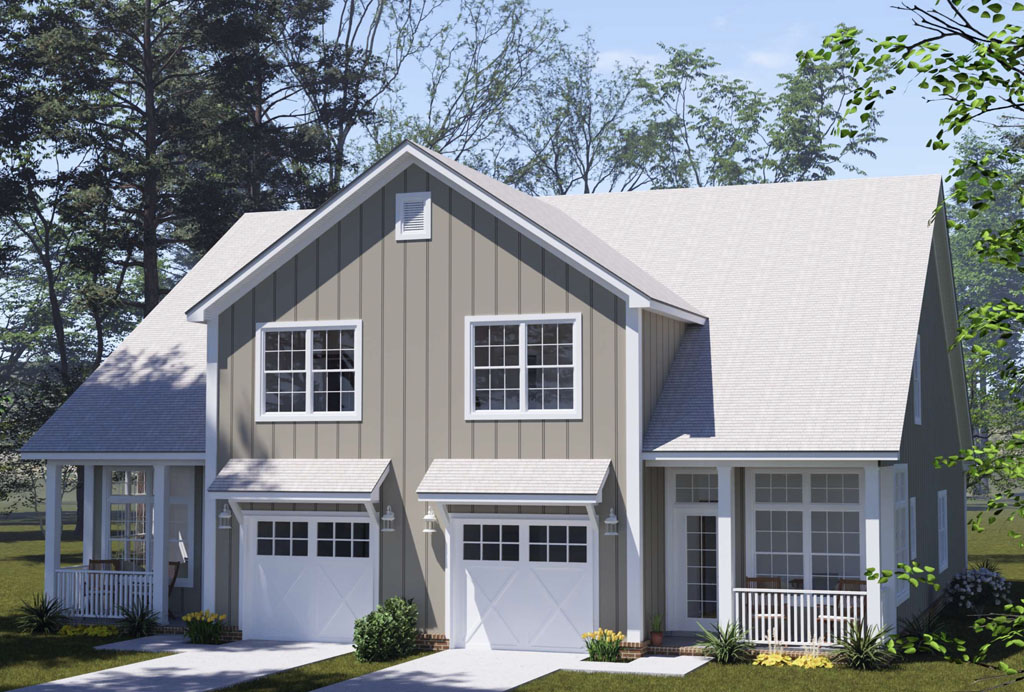
The Waterford takes a different approach by delivering a larger, more upscale duplex product.
Plan Highlights:
- Two-story duplex
- 1,393 square feet per unit
- 2 bedrooms
- 2.5 bathrooms
- Study
- Loft
- Attached 1-car garage
- Main-level primary suite
- Island kitchen
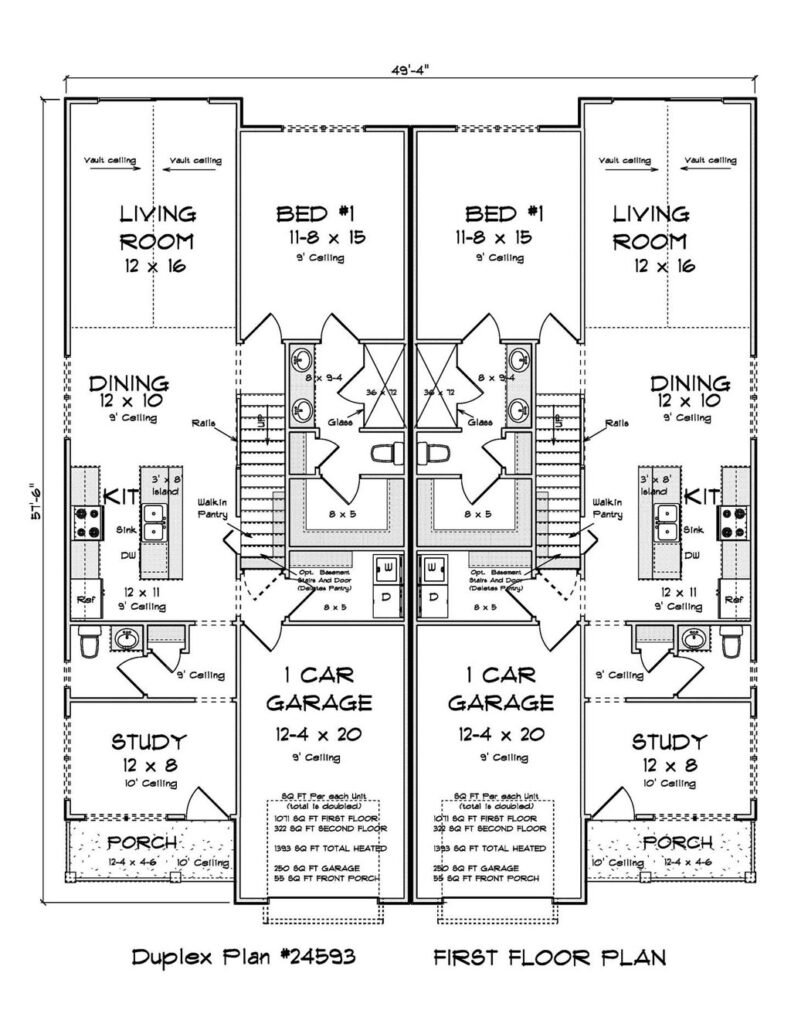
Unlike many duplex designs that feel noticeably smaller than single-family homes, the Waterford offers a living experience that closely mirrors a detached residence.
This creates opportunities in several market segments:
- Build-to-rent communities
- Empty-nester housing
- First-time buyers
- Owner-occupied investment properties
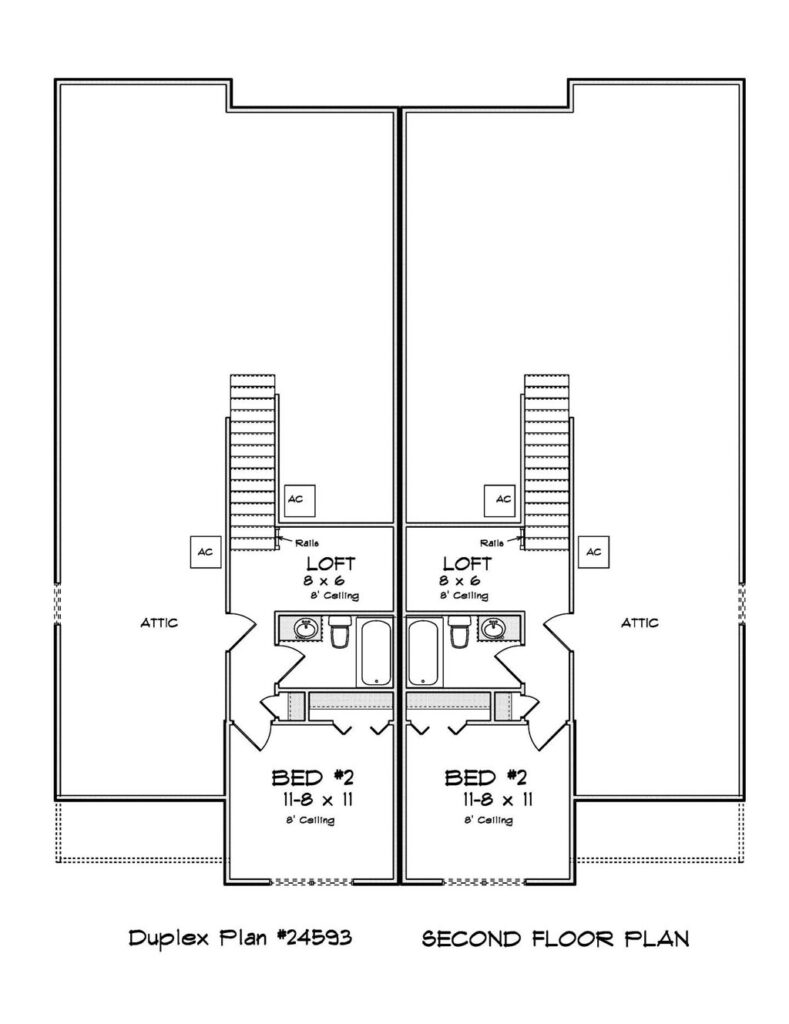
The attached garage, private primary suite, and flexible loft space help position the Waterford as a premium rental or for-sale product.
For developers seeking strong rental rates while maintaining efficient land usage, this type of duplex can be especially appealing.
The Advantages of Single-Family Development
Despite the growing popularity of duplexes, single-family homes remain the dominant housing type in many markets.
Benefits often include:
- Larger buyer pool
- Easier financing for purchasers
- Strong resale values
- Simpler homeowner association structures
- Greater neighborhood acceptance in some communities
Single-family homes also tend to attract owner-occupants who may be willing to pay a premium for privacy and outdoor space.
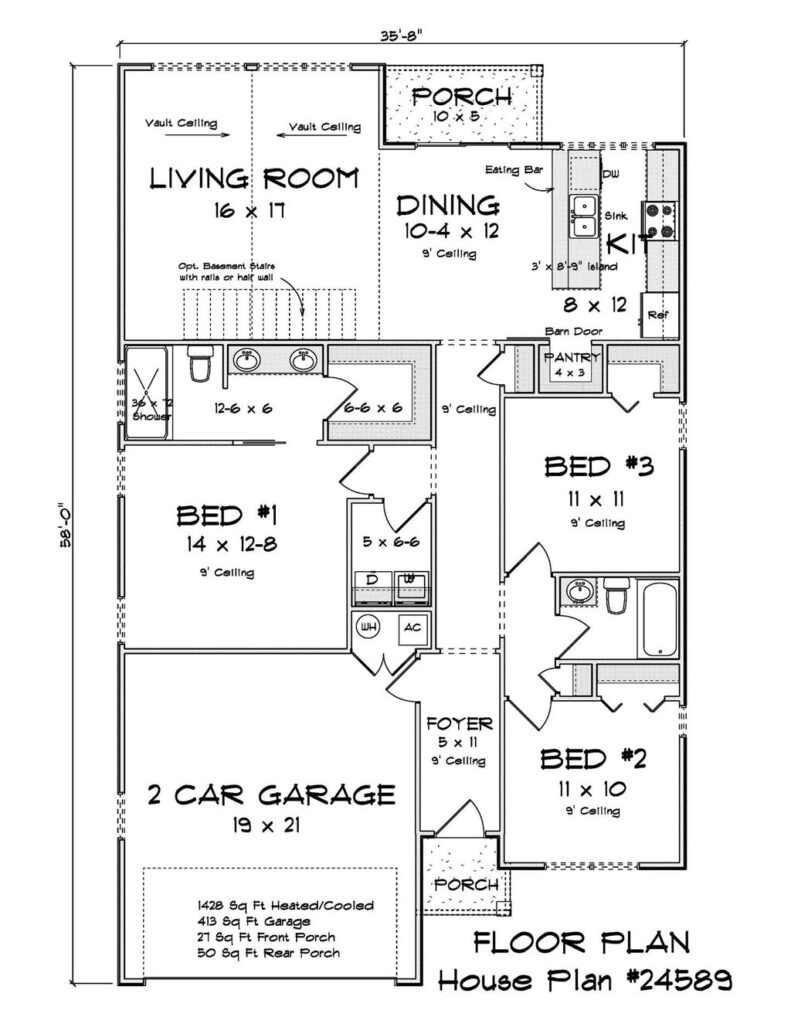
Featured Single-Family Plan: Highland Park #24589
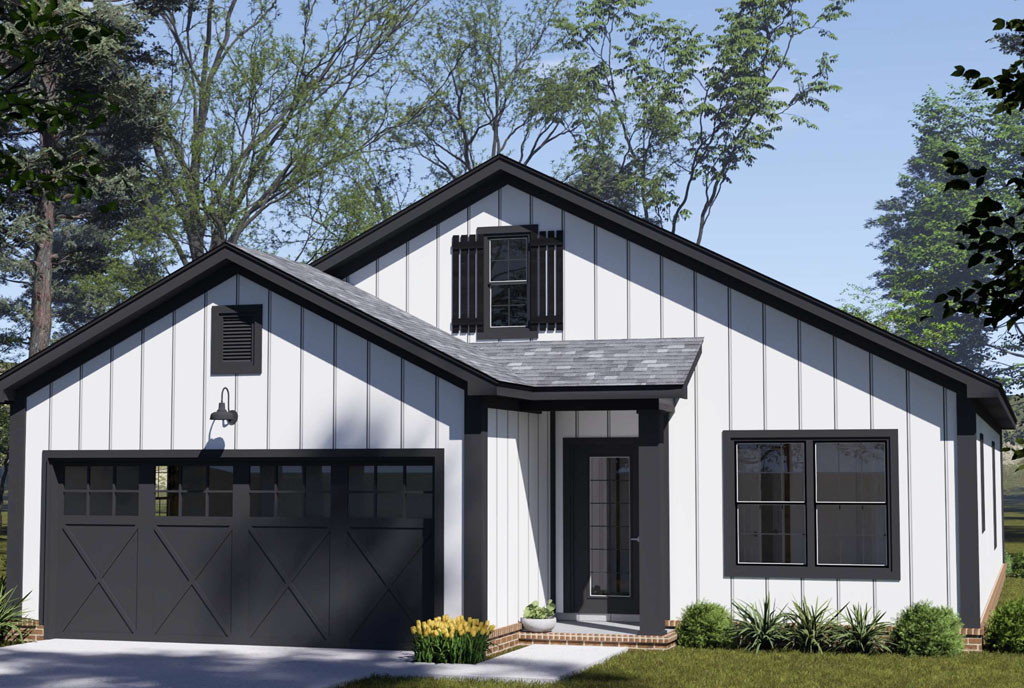
The Highland Park is a highly marketable single-family design that balances affordability with modern functionality.
Plan Highlights:
- 1,428 square feet
- 3 bedrooms
- 2 bathrooms
- Attached 2-car garage
- Large kitchen island
- Open living and dining areas
- Separate laundry room
- Spacious primary suite
The three-bedroom layout appeals to a broad range of buyers, including:
- Young families
- First-time homeowners
- Move-down buyers
- Empty nesters
The attached two-car garage provides a feature many buyers still prioritize, particularly in suburban developments.
From a development standpoint, the Highland Park offers a builder-friendly footprint that can fit comfortably into a variety of subdivision layouts.
Featured Single-Family Plan: Overlook #24582
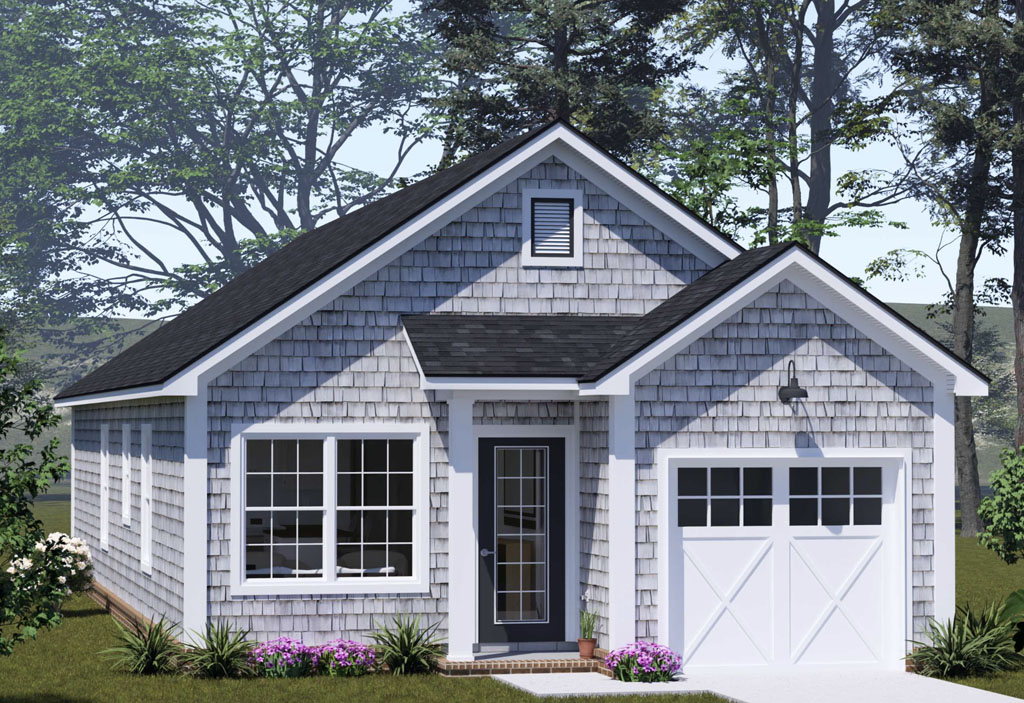
The Overlook demonstrates how developers can create affordable housing opportunities without sacrificing functionality.
Plan Highlights:
- 1,120 square feet
- 3 bedrooms
- 2 bathrooms
- Attached 1-car garage
- Narrow-lot design
- Island kitchen
- Walk-in pantry
- Rear primary suite
The Overlook is particularly well suited for:
- Infill development
- Entry-level housing
- Smaller subdivision lots
- Workforce housing projects
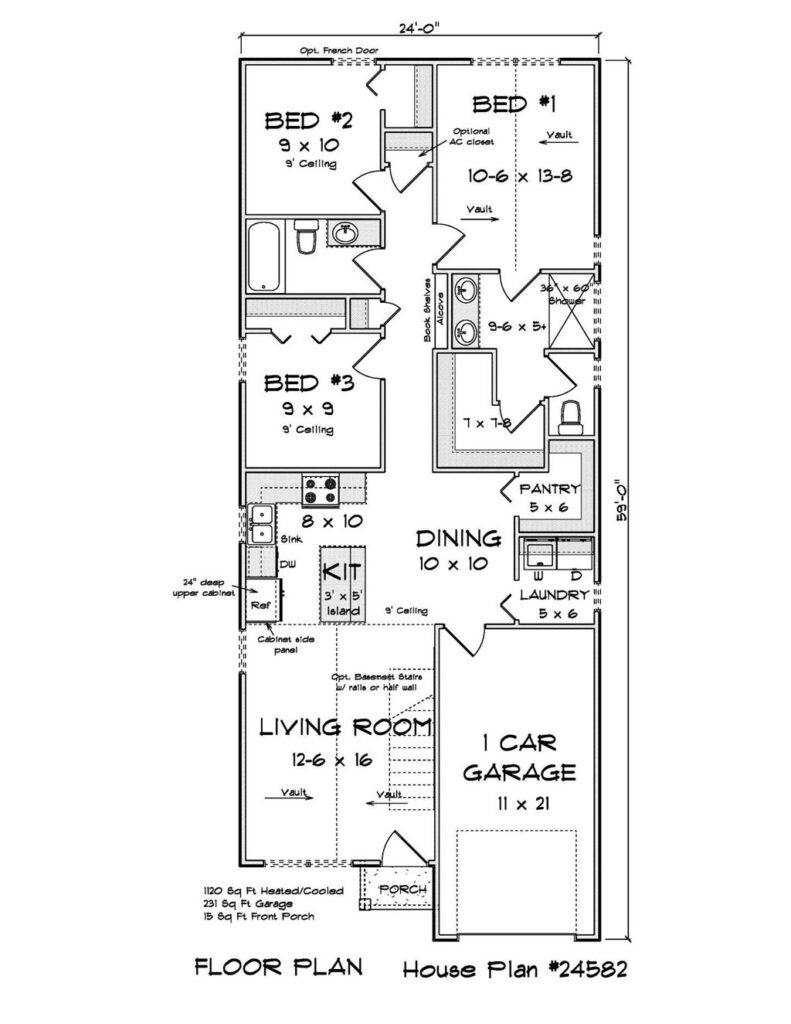
Its narrow-lot compatibility allows developers to increase lot yield while still delivering a detached home product that many buyers prefer.
Comparing Potential Returns
Land Efficiency
When land costs are high, duplexes often have a significant advantage.
A duplex such as the Alderhaven Bluff or Waterford can generate income from two households on a single lot, potentially improving revenue per acre.
Advantage: Duplex
Rental Income Potential
Duplexes generally outperform single-family homes when held as rental properties.
Two units create multiple income streams and reduce vacancy risk compared to a single tenant household.
For example, a vacancy in one Waterford unit still leaves income flowing from the second unit.
Advantage: Duplex
Resale Market
Single-family homes often attract a larger buyer pool.
Plans like the Highland Park and Overlook appeal to traditional homebuyers who may be less interested in attached housing.
This broader demand can support strong resale values.
Advantage: Single-Family
Build-to-Rent Communities
Many developers are increasingly targeting build-to-rent projects where duplexes provide an effective balance between density and resident privacy.
The Waterford is especially well suited for this segment because it delivers many of the features renters expect in a detached home.
Advantage: Duplex
Entry-Level Homeownership
In markets where affordability is critical, smaller single-family homes can remain extremely competitive.
The Overlook’s compact design and narrow-lot flexibility make it a strong option for developers seeking affordable detached housing.
Advantage: Single-Family
Which Development Strategy Is Right for Your Project?
The best choice often depends on your business model.
Consider Duplex Development If You Want To:
- Maximize units per acre
- Build rental communities
- Increase revenue on expensive land
- Create workforce housing
- Develop owner-occupied investment opportunities
The Alderhaven Bluff #24652 and Waterford #24593 provide two excellent examples of duplex designs that serve very different market segments while maximizing land efficiency.
Consider Single-Family Development If You Want To:
- Target traditional homebuyers
- Build subdivisions for resale
- Appeal to families seeking privacy
- Offer detached housing at multiple price points
The Highland Park #24589 and Overlook #24582 demonstrate how thoughtfully designed single-family homes can remain highly competitive in today’s market.
Final Thoughts
There is no universal winner in the duplex versus single-family debate. The strongest returns come from matching the right product to the right market.
In areas with rising land costs and strong rental demand, duplex plans such as the Alderhaven Bluff and Waterford may provide superior revenue potential and land efficiency.
In markets driven by homeownership demand, single-family plans such as the Highland Park and Overlook can deliver excellent absorption rates and long-term value.
For many developers, the most successful communities combine both housing types, creating a diverse product mix that appeals to a wider range of buyers and renters while maximizing the potential of every acre.
Explore these and other developer-focused home plans from W.L. Martin Home Designs to find the right solution for your next residential project.