Category: House Developer News & Tips

  • Why the Best House Plans Work in Any Region and Any Market

    Why the Best House Plans Work in Any Region and Any Market

    When it comes to choosing house plans for a new build or a development, most people think about size, style, and budget. But one of the most important qualities of a great home design is something that’s often overlooked. Versatility. A well-designed home should work just as well on a wooded lot in North Carolina as it does in a Texas suburb or a coastal town in Oregon.

    Developers especially benefit from choosing house plans that can be adapted easily across different markets. And for buyers building a home from scratch, it pays to start with a plan that offers flexibility no matter where you live or how your needs evolve.

    At W.L. Martin Home Designs, regional adaptability is something we build into every plan.
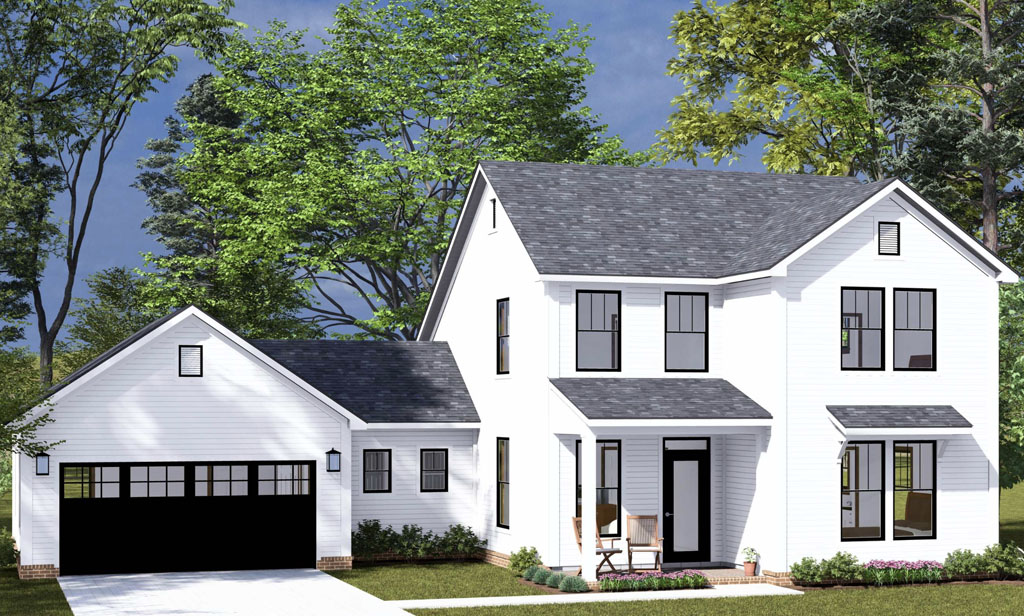
    One Plan, Many Possibilities

    A great floor plan is more than a set of rooms arranged on paper. It’s a carefully crafted guide for how a home will live, feel, and function. While design styles may vary from region to region, the core principles of livability are universal.

    In fact, according to the National Association of Home Builders, 85 percent of new single-family homes in the U.S. are being built with open floor plans that combine kitchen, dining, and living spaces. That trend isn’t just popular in one state or city. It works across climates and buyer demographics because it reflects how people actually want to live.

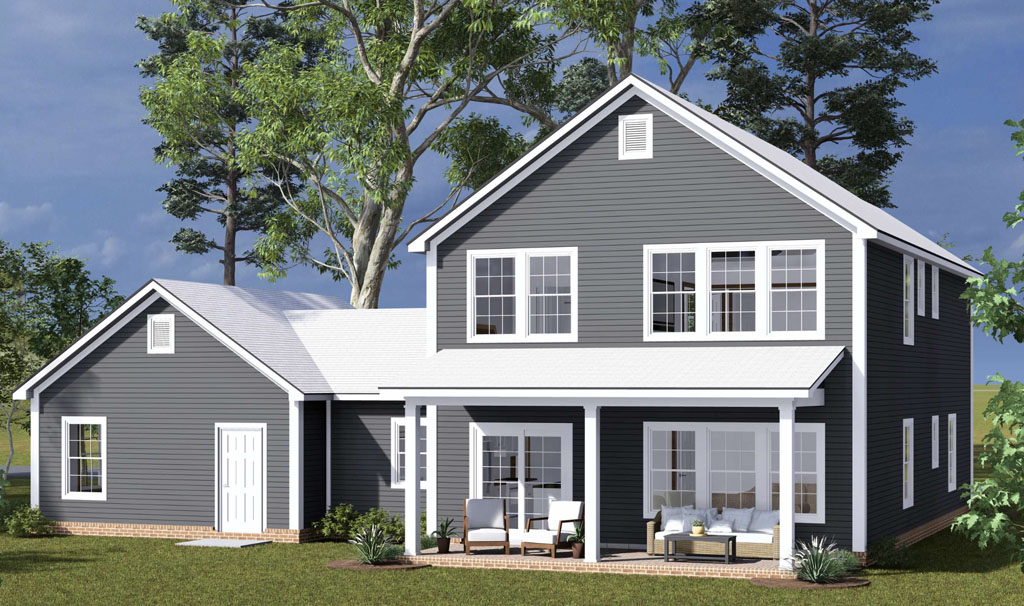
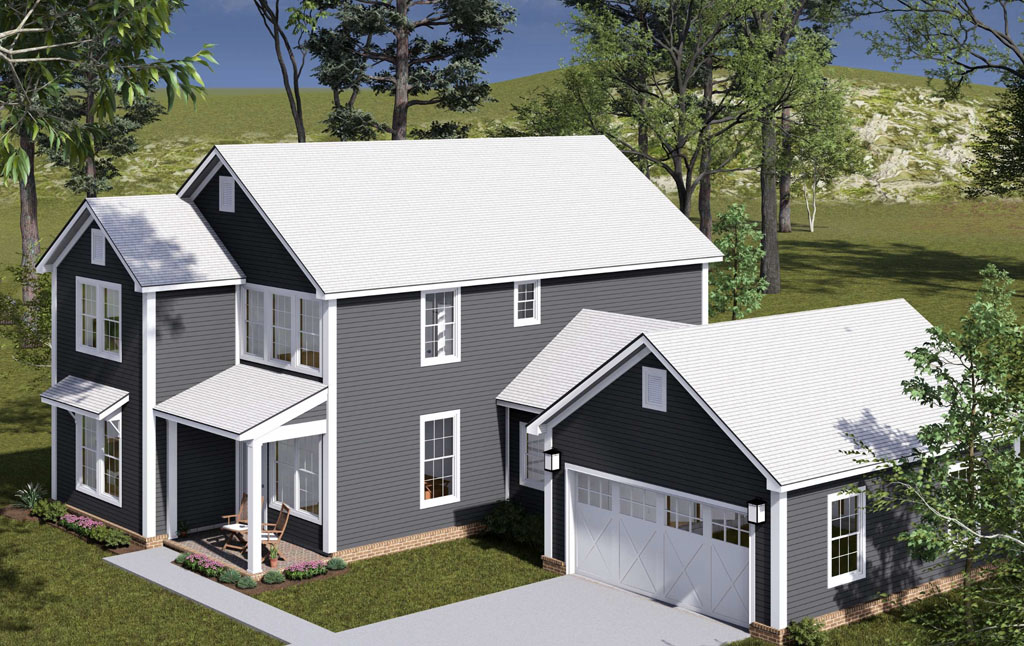
    When a home is designed with flexibility in mind, builders can make small regional adjustments without sacrificing the integrity of the plan. For example, a covered front porch can be deepened for hot Southern climates to create more shade. A plan with an attached garage can be flipped to fit narrow urban lots. Or additional insulation can be added in colder zones to meet local energy codes.
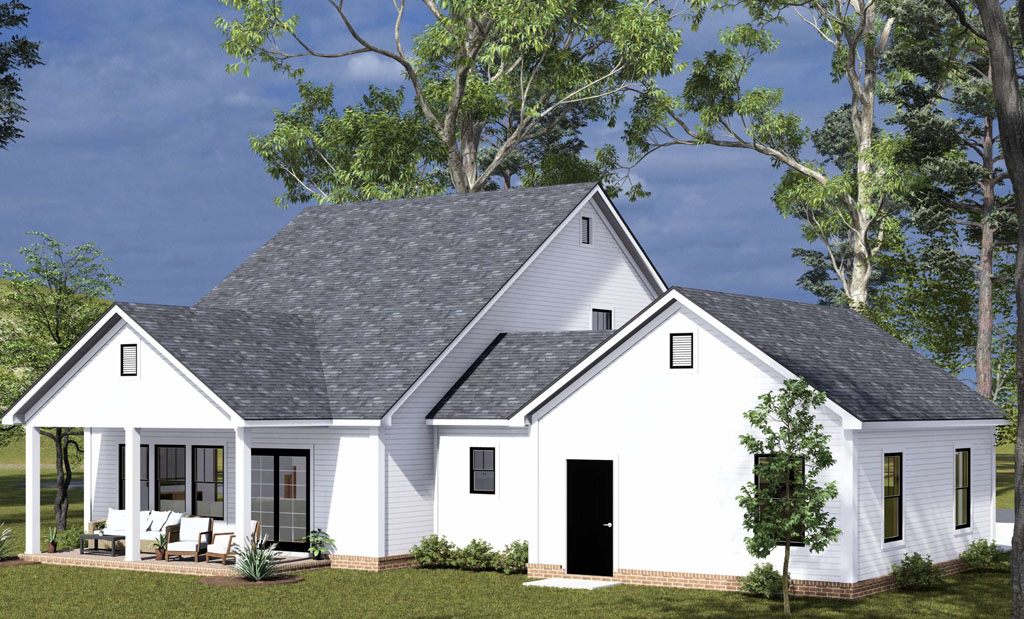
    Key Features That Travel Well

    There are several features that consistently perform well across different parts of the country. These are the details that make a house feel smart, functional, and timeless regardless of setting or square footage.

    Open-concept living areas continue to dominate buyer preferences. A report from Realtor.com found that listings with open kitchens and living spaces consistently receive more views and sell faster, especially among millennial buyers.

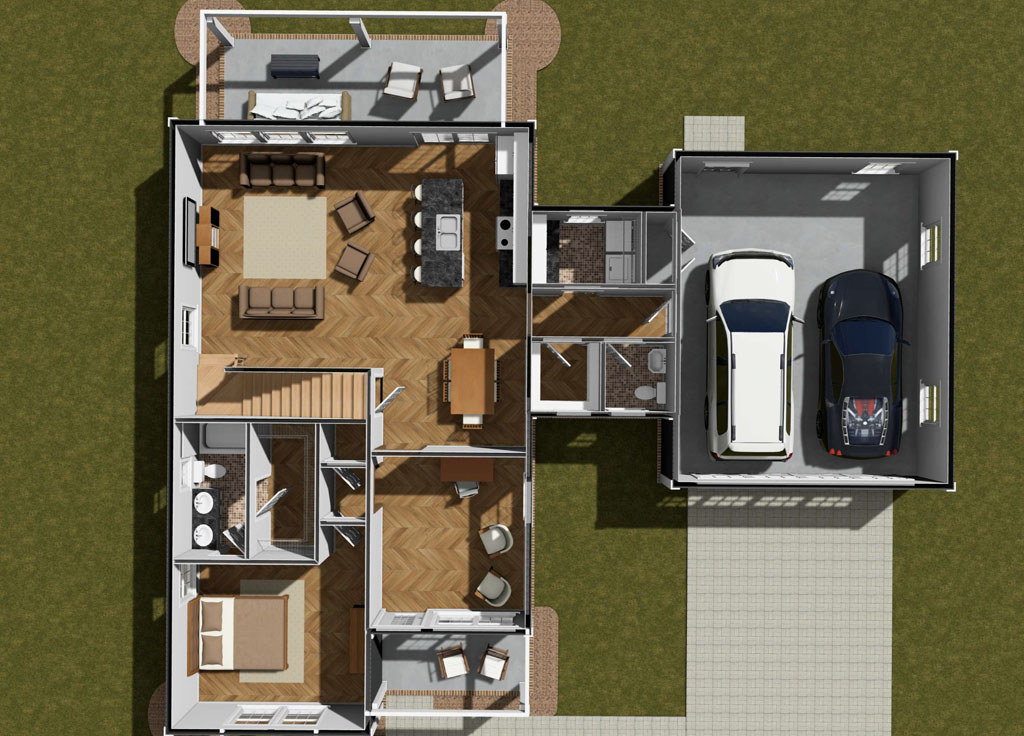
    Primary suites on the main floor are another widely appreciated feature. They’re ideal for aging in place, which is increasingly important as more than 25 percent of U.S. homeowners are now aged 60 or older, according to Census Bureau data. At the same time, younger buyers see main-floor suites as a way to future-proof their homes.

    Outdoor living spaces are also key, but they look different depending on the region. In the South, a screened porch or wide veranda might be most appealing. In colder climates, a smaller deck with southern sun exposure might add more value. What matters is that the space is designed to connect with the indoors and support how people use their homes every day.
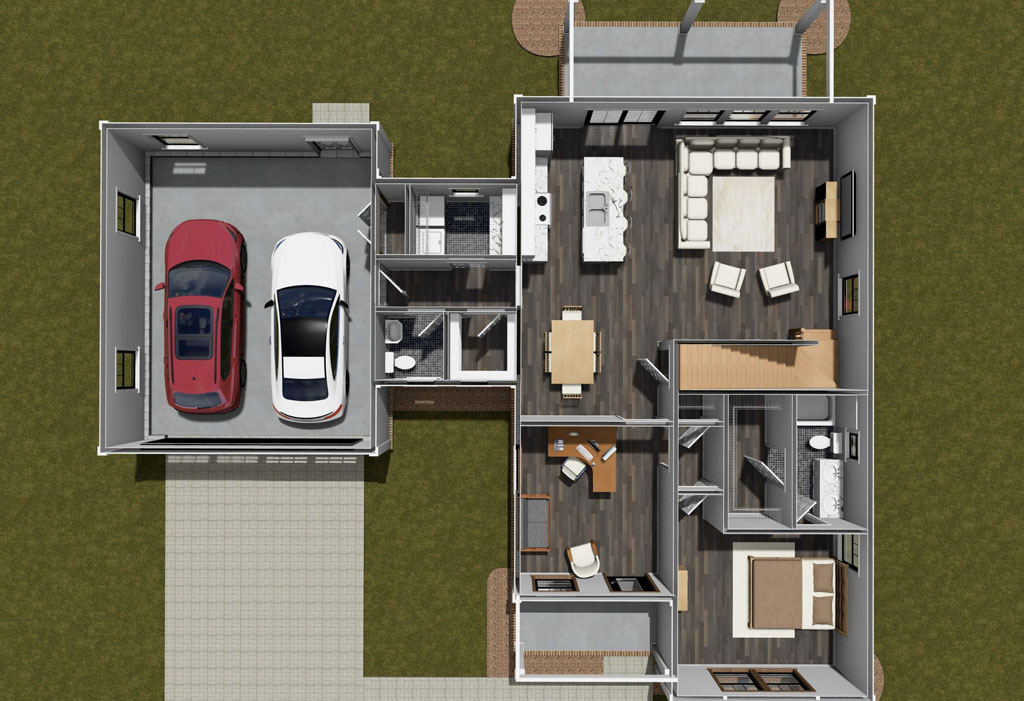
    Why Regional Adaptability Matters to Developers

    For developers building in multiple locations or looking to standardize a group of homes, plans that work in a variety of environments can streamline construction and improve return on investment.

    Plans that require minimal customization reduce design costs, speed up permitting, and help builders stick to timelines. It also gives developers the ability to reuse successful plans with confidence, knowing that buyers in different cities or states will respond positively.

    Homes that can be adjusted for local building codes, energy efficiency requirements, or lot orientation are a huge win for developers looking to maximize flexibility without compromising quality.
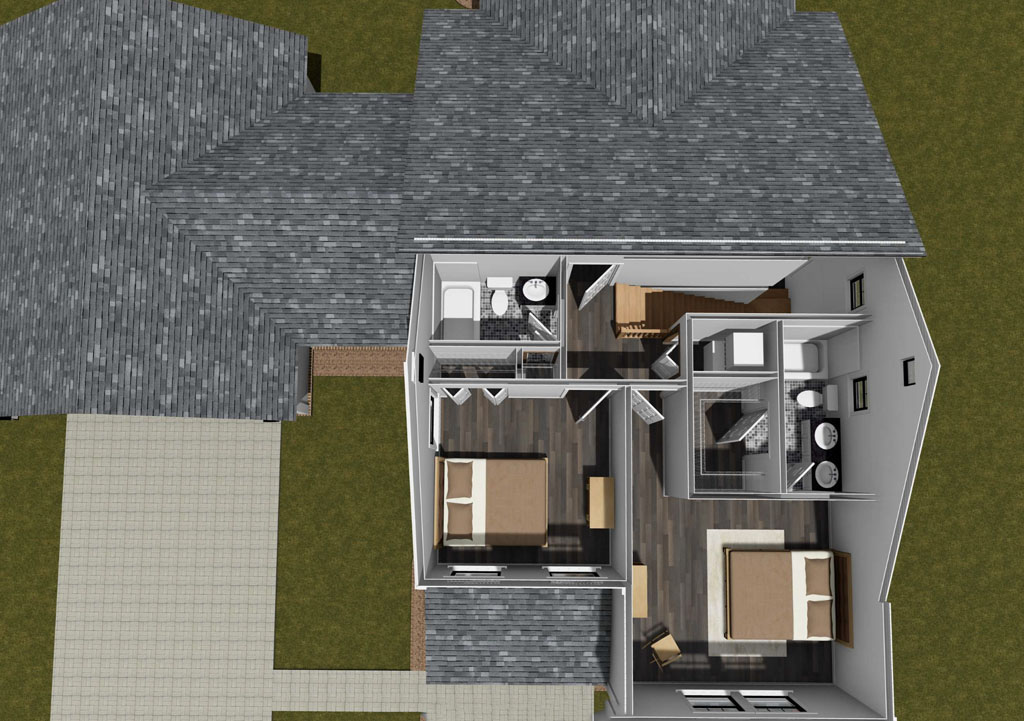
    Finding Plans That Do More

    When you’re searching for house plans, it’s easy to get caught up in the visual style. Craftsman, farmhouse, modern, or traditional. But what makes a plan really valuable over time is its adaptability. A good plan should be able to flex with your lot, climate, and lifestyle.

    At W.L. Martin Home Designs, our plans are created with that in mind. We work with developers and individual homebuilders across North America, and we’ve learned what makes a house work in different regions and markets. Many of our plans are designed with subtle options built in, like alternate layouts, bonus rooms, or customizable porch features, so they can fit seamlessly into a variety of settings.

    Choosing a house plan that works beyond just your zip code is a smart move. It makes the build easier, the resale stronger, and the living experience more enjoyable, wherever the home may be.

    Explore our house plans today and find a design that doesn’t just look good in renderings, but works beautifully in real life, from coast to coast.
  • What Homebuyers Don’t Know They Want Until They See It in a Floor Plan

    What Homebuyers Don’t Know They Want Until They See It in a Floor Plan

    When people start shopping for a new home or browsing house plans, they usually have a list in mind. They want three bedrooms, two bathrooms, maybe a home office or an open kitchen. But what’s interesting is how often buyers fall in love with a home not because it checks all the expected boxes, but because of the little things they didn’t even realize they wanted.

    The best home designs offer something extra. These are the details that surprise buyers in the best way possible. They’re not always obvious on a checklist, but they make everyday life easier, more comfortable, or simply more enjoyable. For developers, including these kinds of features can help a home stand out and sell faster. For homebuyers, it can be the difference between a house that works and a house that truly feels like home.

    The Unexpected Favorites in Great Floor Plans

    Here are some of the most loved features that people don’t usually ask for but instantly appreciate when they find them built into a plan.

    Laundry room access through the primary closet
    It sounds simple, but it changes the game. Connecting the primary suite closet directly to the laundry room cuts out a lot of unnecessary steps. It’s a detail that makes everyday chores easier and helps the home flow better overall. Once buyers see it, it’s hard to go back to dragging baskets down the hall.

    Drop zones and mudrooms near the garage
    People rarely say they want a mudroom, but they’re thrilled when they see one. A small space to kick off shoes, store bags, or drop keys right by the garage or side entry is a major upgrade in livability. Especially in family homes or builds in areas with wet or snowy weather, it’s a feature that quietly improves day-to-day life.

    A pocket office or tucked-away work nook
    Not every home needs a full-sized office. In fact, many buyers would rather have that square footage used elsewhere. But what really impresses people is a small, smartly placed workspace. A nook near the kitchen, a built-in desk by a window, or a pocket office with a sliding door often checks the box for productivity without requiring an extra room.

    Split bedroom layouts for privacy
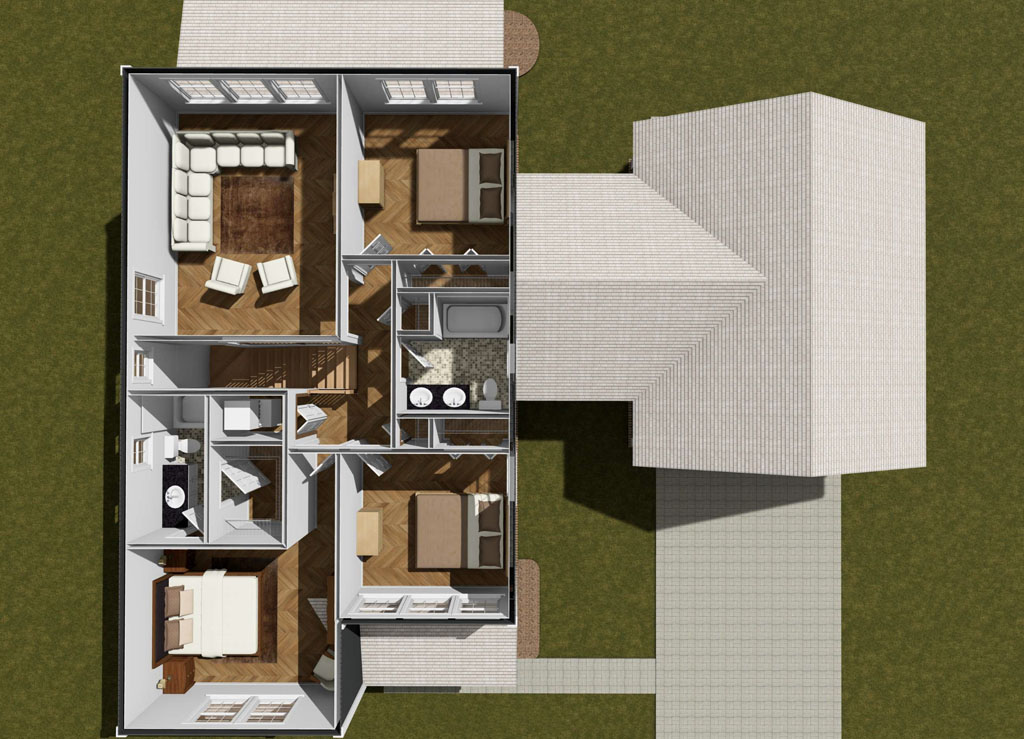
    Families with older kids, roommates, or multigenerational households appreciate split-bedroom floor plans more than they realize. Having the primary suite on one side of the house and secondary bedrooms on the other gives everyone a little more space and privacy. It’s especially appreciated in homes under 2,000 square feet where smart separation really pays off.

    Windows where they matter most
    A home can have plenty of windows and still feel dark. On the other hand, a home with thoughtful window placement feels bright and welcoming even if it’s modest in size. Transom windows in a hallway, a well-placed window in a stairwell, or extra glass in a kitchen corner can make a room feel more open. Buyers don’t always know how much they’ll love it until they walk through a plan that gets natural light just right.

    Built-in storage that blends in
    Buyers are always happy to find walk-in closets and kitchen cabinets, but what really surprises them is clever, built-in storage in unexpected places. Think bench seating with hidden compartments in an entryway or linen cabinets tucked between bedrooms. These details add function without adding bulk, and they make the home feel more finished and polished.

    Connection between indoor and outdoor living spaces
    A sliding door to the backyard is fine. A design that creates a real transition between the inside and outside is better. Covered patios, extended porches, or French doors that line up with the dining space all encourage buyers to imagine how they’ll actually use the backyard. Outdoor space that feels like a true extension of the home often seals the deal.

    Details That Make a Lasting Impression

    None of these features are flashy. They’re not always at the top of a buyer’s wish list. But when built into a thoughtful design, they create those moments of “oh, I love that” during a walk-through or plan review.

    At W.L. Martin Home Designs, we pay close attention to these kinds of features. Many of our most popular plans include clever design elements that improve everyday living in subtle but meaningful ways. Whether you’re a homebuyer or a builder planning your next project, it’s worth looking for those unexpected details that turn a great house into a favorite home.

    If you’re looking for house plans with real-life livability and surprising touches that buyers love, take a look through our plan collections. The next big feature you didn’t know you wanted might already be waiting.

  • Five Subtle Design Choices That Can Make or Break a Home’s Long Term Value

    Five Subtle Design Choices That Can Make or Break a Home’s Long Term Value

    Most people know that curb appeal matters. A fresh exterior, inviting entry, and clean landscaping can absolutely help a home sell faster. But curb appeal is just the beginning. When it comes to long-term value, the kind that helps a home age well in the market and stay desirable for years, what’s happening inside the walls is just as important.

    Smart developers and homeowners understand that layout and livability carry just as much weight as square footage or finish materials. You don’t need a massive floor plan or luxury upgrades to get long-term return on investment. What matters most is how a home is designed to function day after day and how well it adapts as life changes.

    Here are five often overlooked but critically important design elements that have a major impact on a home’s value over time.

    Thoughtful Floor Plan Flow

    A beautiful kitchen or bathroom might turn heads during a showing, but it’s the flow of the floor plan that really determines how a home feels to live in. Buyers may not always use the term “floor plan flow” but they can sense when a home makes sense spatially.

    Poor layout decisions like a master bedroom right off the main living area or a dining room that’s too far from the kitchen can make even a nicely built home feel awkward. A good floor plan groups spaces logically, allows privacy where needed, and ensures that high-traffic zones like kitchens and hallways are accessible but not congested.

    Designs with open-concept main areas balanced by quiet, more private bedroom wings tend to hold their appeal much longer. They also offer more flexibility for a wide range of buyers in different life stages.

    Natural Light in the Right Places

    It’s hard to overstate how much natural light affects how people feel in a home. It makes spaces feel larger, cleaner, and more inviting. But beyond aesthetics, homes with ample natural light tend to be more energy efficient and appealing across seasons.

    Strategic window placement makes a big difference. For example, homes designed to capture morning light in the kitchen and main living spaces tend to feel warm and energizing throughout the day. South-facing windows offer year-round brightness, while high clerestory windows can bring in light without sacrificing privacy.

    Homes that are designed with light in mind, not just window count, tend to show better, sell quicker, and offer better long-term comfort.

    Future Proofed Layouts That Grow With the Owner

    Buyers today are thinking long term. They want homes that work for them now and ten years from now. That means the ability to adapt as families grow, kids leave home, or aging in place becomes a consideration.

    Floor plans that include flexible rooms like a study that could become a nursery or a bonus room that doubles as a guest suite are more desirable across buyer demographics. Designs that incorporate wider doorways, single-level living, or options for additional living quarters are also gaining popularity.

    Developers who include future-proof elements in their plans appeal to buyers looking to stay in their homes longer and avoid costly remodels down the road.

    Storage Where It Matters

    Storage is one of those things that often goes unnoticed until it’s missing. While walk-in closets and large pantries are easy to spot, the most valuable storage features are the ones that solve everyday problems.

    Well-placed linen closets, built-in mudroom cubbies, oversized laundry rooms, and additional attic or garage storage are highly functional upgrades that buyers rarely regret. These features help a home feel organized and livable long after the move-in date.

    In a market where square footage is at a premium, the right storage in the right places adds real, lasting value.

    Connected Indoor and Outdoor Living Spaces

    Outdoor space used to be a bonus feature. Now it is a key part of how people want to live. Especially in homes under 2,500 square feet, the connection between indoors and outdoors can make a space feel larger and more flexible.

    Designs that include covered patios, screen porches, or French doors that open onto backyard decks create seamless flow and support entertaining, relaxing, or even working from home. The more usable the outdoor space, the more it contributes to the perceived livability of the home.

    Homes that are built with this connection in mind, not as an afterthought, are more likely to maintain buyer interest over time.

    Long Term Value Starts with Smart Design

    While cosmetic upgrades come and go, the real return on a home comes from how well it functions. Developers who prioritize livability, flow, and smart adaptability are offering more than just a house. They are creating homes that people can see themselves in for years to come.

    At W.L. Martin Home Designs, our plans are created with these ideas at the core. Whether you are building your first home or designing your next development, choosing plans that prioritize long-term value gives your project a competitive edge and your buyers the kind of space they will want to stay in.

    Explore our latest plans and see how thoughtful design can do more than just turn heads. It can make a home truly last.
  • The Top 7 Most Requested Home Features in 2025 (And How to Pick Plans That Include Them)

    The Top 7 Most Requested Home Features in 2025 (And How to Pick Plans That Include Them)

    Design trends come and go, but some features are more than just a passing fad. In 2025, homeowners and homebuyers are making it clear what they want in a house. These aren’t wild wish-list items either. They’re practical, livable features that make a big difference in daily life.

    Whether you’re a developer planning your next neighborhood or a creative buyer searching for the perfect design, these are the must-haves that people are asking for. And the good news? Many of these features are already built into today’s most thoughtfully designed house plans.

    Flexibility and Function Are Leading the Way

    One of the biggest shifts in recent years is the demand for flexible spaces. People want homes that can grow with them and adapt to how they live now and how they might live five years from now. In response, home designs are becoming smarter, not bigger.

    Here are the features topping the list for 2025

    1. Dedicated home offices or flexible workspaces
    Remote and hybrid work is here to stay. Even buyers who don’t work from home full-time still want a space where they can take Zoom calls, manage schedules, or escape for a few quiet minutes. Dedicated home offices are highly requested, but even a smartly placed nook or flex room that can double as a workspace will get attention.

    2. Walk-in pantries and smart kitchen layouts
    The kitchen is still the heart of the home, but now it has to be more organized and efficient than ever. Buyers are asking for large, walk-in pantries that can store everything from bulk groceries to small appliances. Open kitchen layouts with islands are still going strong, especially when they connect seamlessly to dining and living areas.

    3. Mudrooms and drop zones
    Storage and organization are big priorities, and not just in the kitchen. People want places to stash shoes, bags, pet gear, and sports equipment without cluttering the main living space. Mudrooms and drop zones near the entryway are increasingly standard, even in smaller homes.

    4. Outdoor living that feels like an extension of the indoors
    Covered patios, screened porches, and well-placed decks are no longer just nice extras. They’re must-haves. Today’s buyers want outdoor spaces they can actually use, whether it’s for entertaining, relaxing, or working outside on a nice day. Bonus points for outdoor kitchens or built-in seating.

    Comfort, Efficiency, and a Touch of Luxury

    Not every top feature is about function. Many buyers are also prioritizing comfort and small luxuries that enhance their day-to-day life. And while developers are still watching budgets, the right mix of upgrades can help homes sell faster and for more.

    5. Spa-inspired bathrooms
    People want bathrooms that feel like retreats. That means bigger showers with benches, dual vanities, and freestanding tubs when space allows. Even in homes under 2,000 square feet, smart bathroom layouts are a top selling point.

    6. Energy efficiency and eco-friendly features
    Today’s buyers are more tuned in than ever to how homes perform behind the walls. Things like energy-efficient windows, better insulation, solar-ready roofs, and smart thermostats are not just bonuses anymore. Builders who can offer plans designed with energy use in mind are ahead of the game.

    7. Smart storage everywhere
    It’s not just about walk-in closets anymore. Buyers want extra storage wherever they can get it — under stairs, built into benches, or tucked between living spaces. Thoughtful built-in storage is one of the easiest ways to add perceived value without expanding the footprint.

    How to Find Plans That Include These Features

    The easiest way to make sure your next home or development includes what people want is to start with a plan that already considers these trends. Many home designs today, including those offered by firms like W.L. Martin Home Designs, are created with these exact priorities in mind.

    Look for plans with open-concept living areas, integrated office or flex space, and outdoor living designed as part of the overall layout. Prioritize storage and consider how a plan uses space rather than how much square footage it includes. A well-designed 1,800 square foot home with the right features can feel more livable than a 2,400 square foot home with wasted space.

    As preferences evolve, smart builders and buyers are looking beyond square footage and asking what a house does for the people living in it. That’s where thoughtful design makes all the difference.

    If you’re searching for house plans that already check these boxes, take some time to browse collections that reflect current living trends. A little foresight now leads to happier homeowners and faster sales later.

  • Starter Mansions: The Surprising Sweet Spot in Today’s New Home Market

    Starter Mansions: The Surprising Sweet Spot in Today’s New Home Market

    If you think “mansion” means 10 bedrooms, a bowling alley, and a four-car garage, think again.

    Welcome to the age of the Starter Mansion — homes that live large without being over-the-top, hitting that perfect 2,000 to 2,500 square foot range that both homebuyers and developers are falling head-over-heels for.

    At W.L. Martin Home Designs, we’ve been watching this trend catch fire — and we’re here for it. Whether you’re a creative buyer dreaming up your perfect first “big” home, or a developer planning your next hot-selling neighborhood, the Starter Mansion wave is one you’ll want to ride.

    What Exactly Is a Starter Mansion?

    In short? It’s a home that feels luxurious but doesn’t require lottery winnings to own.

    Think smart layouts, beautiful finishes, bonus spaces (hello, home offices and flex rooms), and thoughtful outdoor areas — all wrapped up in a footprint that’s still manageable.

    Usually between 2,000 and 2,500 square feet, these homes offer the “move-up” feel that growing families, young professionals, and even downsizing boomers crave — without tipping into true oversized territory.

    Translation: You get to live large without living in a house you spend your whole weekend cleaning.

    Why Developers and Builders Are Loving This Size Sweet Spot

    If you’re a developer, this trend should be music to your ears. Here’s why:

    • More Buyers, More Buzz: Starter mansions hit a broad range of budgets — appealing to first-time “luxury” buyers and seasoned homeowners alike.
    • Better Land Use: You can fit more homes per development without sacrificing the “wow” factor buyers expect.
    • Higher Profit Margins: Thoughtful, upscale designs with a moderate footprint keep construction costs reasonable while allowing for premium pricing.
    • Future Flexibility: These homes adapt — perfect for growing families today, empty-nesters tomorrow.

    In short: smartly-sized luxury sells.

    Creative Buyers, This One’s For You Too

    If you’re house hunting and your Pinterest board is full of dream kitchens, cozy reading nooks, and stylish work-from-home spaces… but you don’t want (or need) a 5,000 sq ft mega-mansion, Starter Mansions are your vibe.

    You get room to breathe — multiple bedrooms, real entertaining spaces, maybe even a bonus room or flex area — without feeling like you’re rattling around in something way too big.

    Plus, homes in this size range typically mean:

    • Lower maintenance costs
    • More energy efficiency
    • Room to personalize without blowing the budget

    Big enough to feel amazing. Small enough to live smart.

    How W.L. Martin Home Designs Fits Right In

    At W.L. Martin Home Designs, many of our plans hit this golden sweet spot — offering timeless curb appeal, clever layouts, and livable luxury that’s designed for real life (and real budgets).

    We understand that “home” is about more than square footage.
    It’s about how the space feels, flows, and adapts to the people inside it. That’s why our 2,000–2,500 sq ft designs balance beauty with practicality — perfect for developers building the next must-live-in neighborhood, and creative buyers crafting their dream homes from the ground up.

    Want a home (or a whole development) that feels just right?
    Browse our collection today — and find a design that lives large without living oversized.

    Explore House Plans at W.L. Martin Home Designs

    Quick Fun Fact

    According to Realtor.com, the average size of a new single-family home is trending slightly smaller than it did a decade ago — but expectations for smart features, bonus rooms, and gorgeous outdoor spaces are higher than ever. Starter mansions hit that sweet spot between size and style perfectly.

  • The Rise of AI in Home Design — and Why Human Expertise Still Matters More Than Ever

    The Rise of AI in Home Design — and Why Human Expertise Still Matters More Than Ever

    In today’s fast-evolving housing industry, innovation is happening at every turn — and one of the biggest developments is the growing role of artificial intelligence (AI) in residential home design. More and more companies are experimenting with AI tools to generate floor plans, create custom layouts, and even optimize designs for energy efficiency.

    It’s an exciting time full of new ideas, but it’s also a time to recognize something equally important: the human element in home design remains irreplaceable. Experienced designers, like those at W.L. Martin Home Designs and many other established firms, bring a depth of understanding and creativity that technology simply can’t match — at least not yet.

    How AI is Influencing Modern Home Design

    Artificial intelligence is starting to leave its mark in several interesting ways:

    • Rapid Concept Development: AI tools can generate a wide range of floor plan ideas quickly, offering developers and builders a starting point for customization.
    • Energy and Layout Optimization: Some systems can recommend window placements, insulation upgrades, and room configurations to maximize natural light and lower utility costs.
    • Customization at Scale: AI can assist in tailoring certain aspects of a home to buyer preferences without needing a full redesign.

    These capabilities are promising, and they may eventually help developers move faster and offer more flexible options. AI is contributing exciting ideas to the future of residential construction.

    Why Human-Designed Homes Are Still the Best Foundation

    Even with the promise of AI, the reality today is clear: homes designed by experienced professionals offer a level of thoughtfulness, livability, and emotional resonance that automated systems can’t yet replicate.

    Designers at companies like W.L. Martin Home Designs — along with many other highly respected architectural firms — create plans based on:

    • Real-world experience with how families live and grow in a space
    • An understanding of subtle details like sightlines, room proportions, and flow
    • A focus on character, warmth, and lasting value — not just functionality

    These are the kinds of human insights that make a house truly feel like a home, and they are difficult for AI to fully capture.

    A Glimpse Into the Future: Collaboration Between AI and Designers

    Looking ahead, it’s likely that AI will become an increasingly important tool — helping designers brainstorm ideas, optimize energy use, and speed up certain aspects of the planning process. Some forward-thinking firms are already blending AI insights into their workflows to offer even smarter, more efficient designs.

    However, the heart of great home design will continue to rest with human experts — those who combine technical skill with creativity, intuition, and real-world knowledge. Developers and homeowners alike will continue to benefit most from homes crafted by experienced professionals who understand not just structures, but the people who live inside them.

    Final Thoughts

    AI is opening exciting new doors in home design, but human expertise remains the cornerstone of creating homes that people truly love.

    By choosing home designs from experienced firms like W.L. Martin Home Designs and other talented designers, developers can ensure their projects stand the test of time — offering not just efficient spaces, but meaningful, livable homes.

    If you’re looking for thoughtfully crafted house plans — from compact cottages to versatile family homes — now is the perfect time to explore options created with real experience, care, and a vision for the future.

  • Starter Homes Are Back – Why Developers Are Shifting Focus to Smaller, Smarter Floor Plans

    Starter Homes Are Back – Why Developers Are Shifting Focus to Smaller, Smarter Floor Plans

    The starter home is making a strong comeback in 2025, driven by a combination of economic pressure, buyer demand, and shifting developer strategy. After several years where luxury builds and large floor plans dominated new construction, developers are returning to the fundamentals: efficient, affordable homes that meet the needs of everyday buyers.

    Housing affordability remains one of the biggest challenges across North America. According to recent data from Redfin, the average home price in the U.S. hit a new high in early 2025, while mortgage rates have stabilized around 6.5%. Although still elevated compared to pre-2020 levels, the Federal Reserve has indicated potential interest rate cuts later this year, which could further fuel demand—especially from first-time buyers and those looking to downsize. Developers who can respond with fast-to-build, cost-conscious floor plans are in a prime position to meet this growing need.

    Why Smaller Homes Make Sense for Builders in 2025

    Recent surveys from the National Association of Home Builders show that homes under 1,500 square feet are experiencing renewed interest from both builders and buyers. These compact designs offer a practical solution in the face of rising labor costs, persistent supply chain fluctuations, and tariffs on materials like imported lumber and appliances. Smaller homes require fewer resources to construct, which shortens project timelines and minimizes overhead for builders looking to keep margins strong.

    In addition to cost savings, smaller home designs are easier to scale. Developers looking to maximize limited land inventory—especially in suburban infill zones or growing small towns—can fit more units per acre using narrower footprints and simplified layouts. These designs also align well with zoning updates in many regions that now support duplexes, townhomes, and accessory dwelling units, all of which pair well with compact single-family designs.

    Meeting Buyer Demand With Efficient Home Plans

    Today’s buyers are looking for value and versatility. First-time homebuyers, in particular, are searching for homes that offer livable space without unnecessary square footage. Open-concept kitchens, smart storage, and energy-efficient layouts are more attractive than oversized rooms that add to build cost and utility bills. Developers who build with this mindset can better serve a generation of buyers focused on practicality, sustainability, and long-term affordability.

    At W.L. Martin Home Designs, we’ve curated a wide range of home plans that are especially well-suited for developers targeting this shift in the market. Our catalog includes homes from just 400 square feet up to 2,500 square feet, with many plans specifically designed to meet the needs of budget-conscious builds. Every plan is created with both aesthetic appeal and functional flow in mind—important factors when building homes that must appeal to a broad audience of entry-level buyers.

    Why Now Is the Right Time to Invest in Starter Home Plans

    The bottom line is that the market is leaning toward practicality. With inflation pressuring consumer spending and rent prices continuing to rise, more people are choosing to buy instead of rent—if they can find an affordable option. Developers who embrace this shift and build with efficiency in mind will be better positioned to meet that demand. With mortgage rate changes on the horizon, the timing couldn’t be better to plan ahead and build smarter.

    Whether you’re developing a compact subdivision, infill community, or simply trying to get ahead of shifting buyer behavior, smaller homes offer more than just a lower price tag. They’re quicker to build, easier to maintain, and more likely to sell in a market where value matters more than ever.

    Ready to find plans that align with today’s demand? Explore the selection at W.L. Martin Home Designs, where you’ll find efficient, ready-to-build designs that make sense for your next project.

  • How to Maximize Profit Per Lot: Smart Floorplans for Narrow Lots

    How to Maximize Profit Per Lot: Smart Floorplans for Narrow Lots

    As land prices rise and infill opportunities tighten, developers across North America are facing a critical question: How do you maximize returns on narrow or irregularly shaped lots? The answer lies in smart design—and W.L. Martin Home Designs is here to deliver.

    Why Narrow Lots Are Driving Development in 2025

    The push for higher-density development is reshaping the way communities are built. According to the National Association of Home Builders (NAHB), the average lot size for new single-family homes in the U.S. has dropped to just 8,456 square feet, or about 0.19 acres, the smallest in decades. Meanwhile, Redfin reports that narrow lot development is increasing in urban and suburban markets alike, as cities encourage zoning reform to support more housing options.

    Developers are adapting quickly—opting for efficient, well-designed homes that work within tighter footprints. These homes not only allow for more units per acre, but they also cater to a growing demographic of buyers and renters seeking smaller, more affordable living spaces.

    Smart Floorplans Make All the Difference

    When space is limited, every square foot matters. That’s where clever floorplan design becomes essential. Smart narrow-lot plans make the most of vertical space, offer open-concept layouts to enhance flow, and maintain curb appeal despite a smaller footprint.

    At W.L. Martin Home Designs, we specialize in homes designed to fit narrow lots without sacrificing livability, style, or profitability.

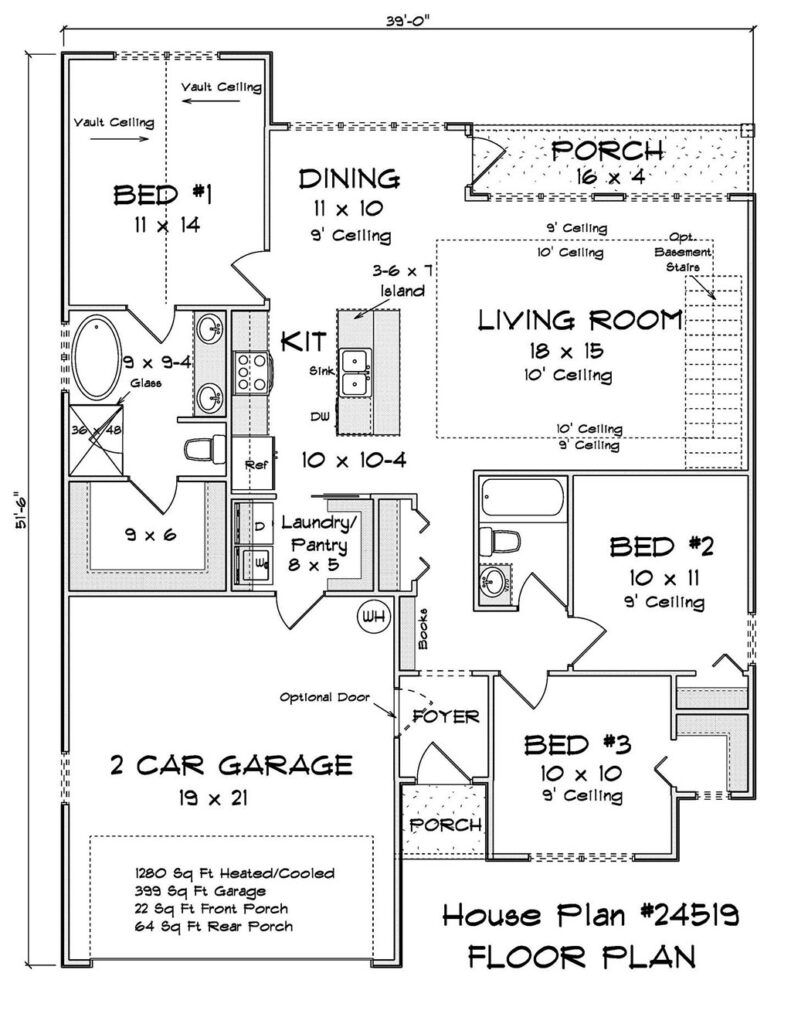
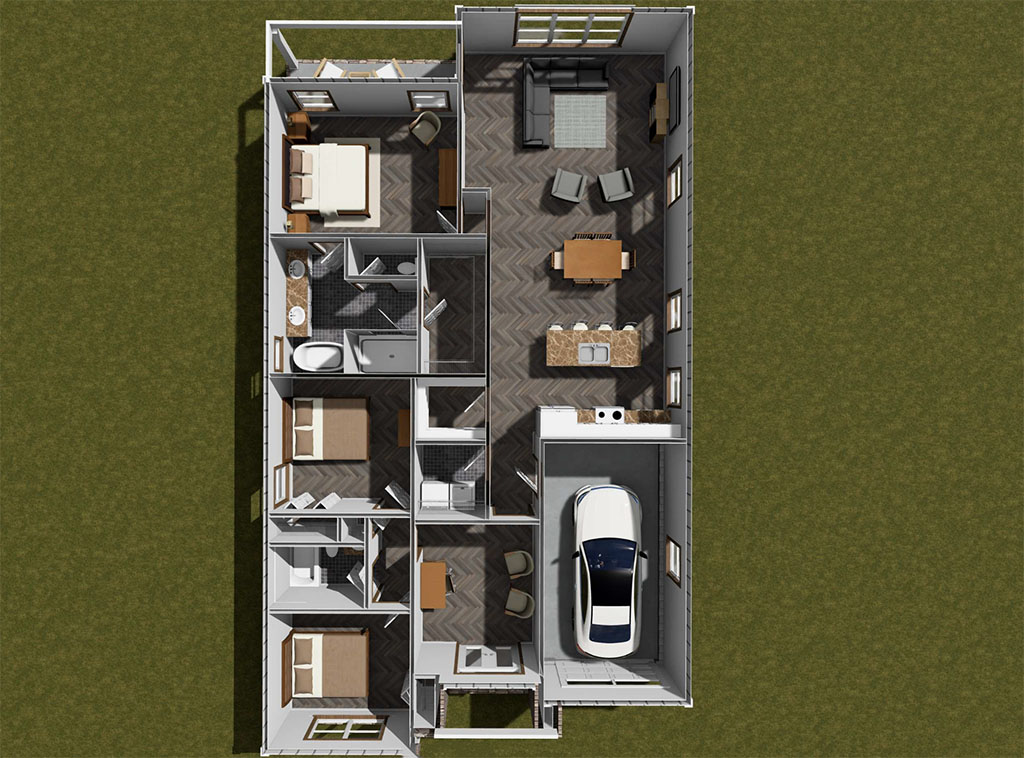
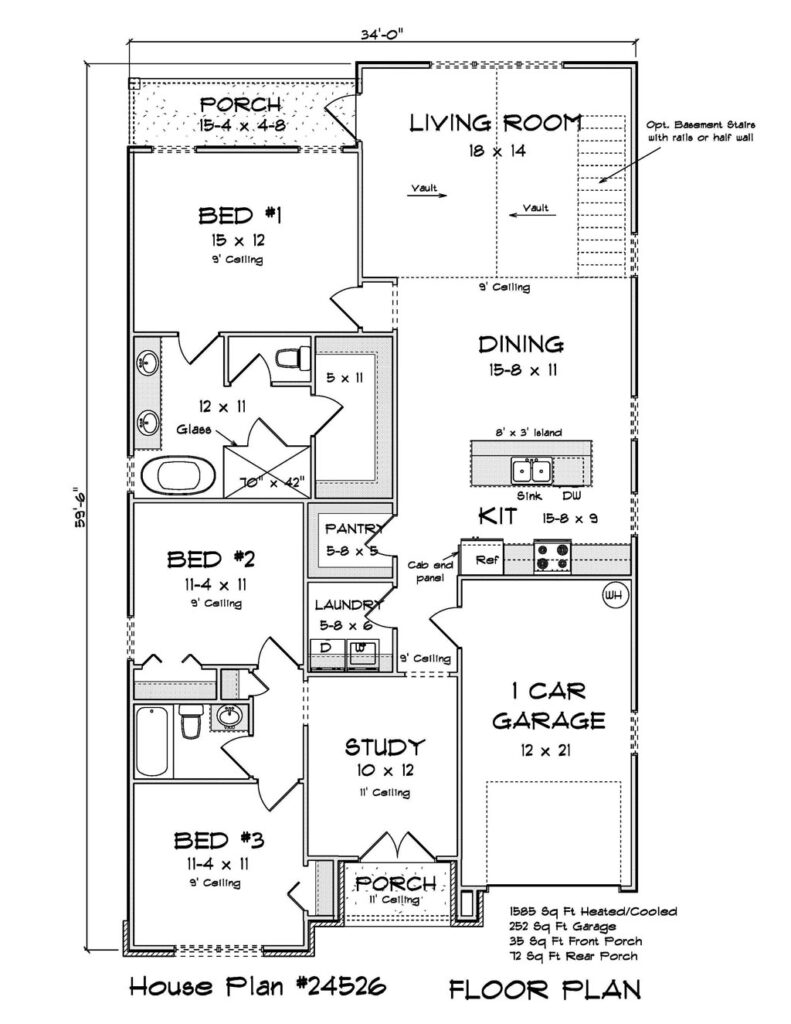
    Plan Spotlight: The Windermere (#24523)

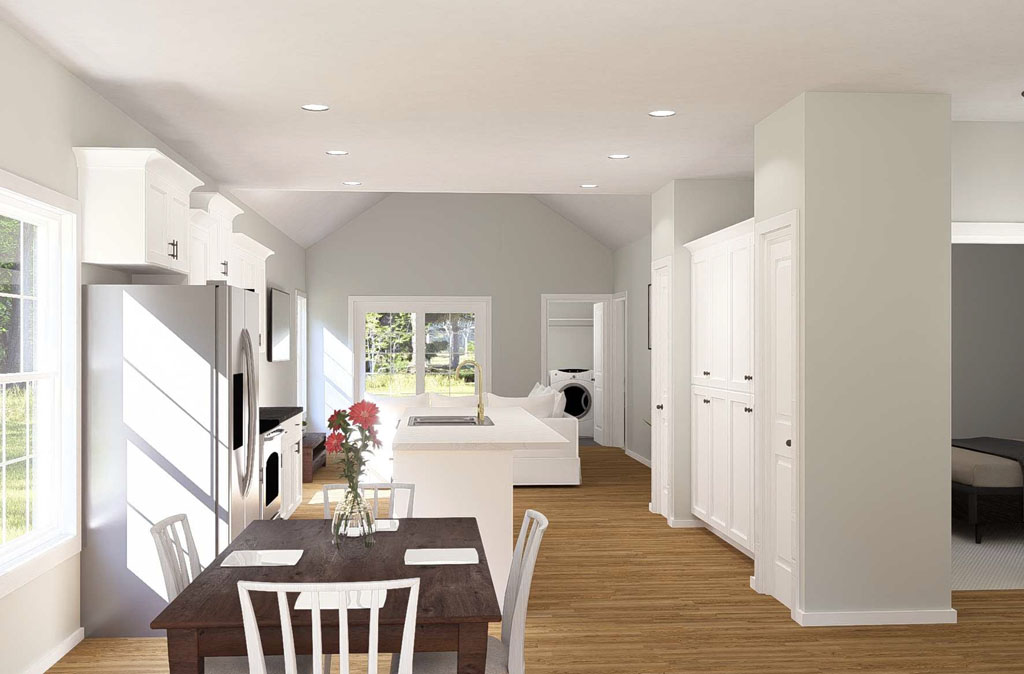
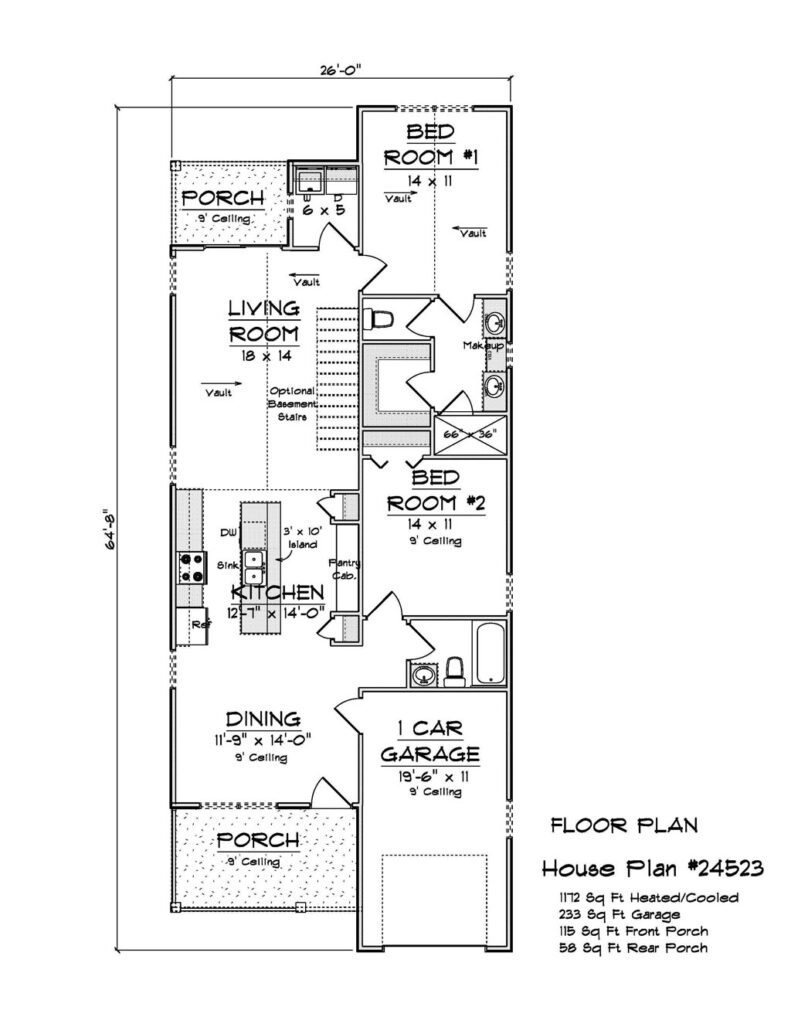
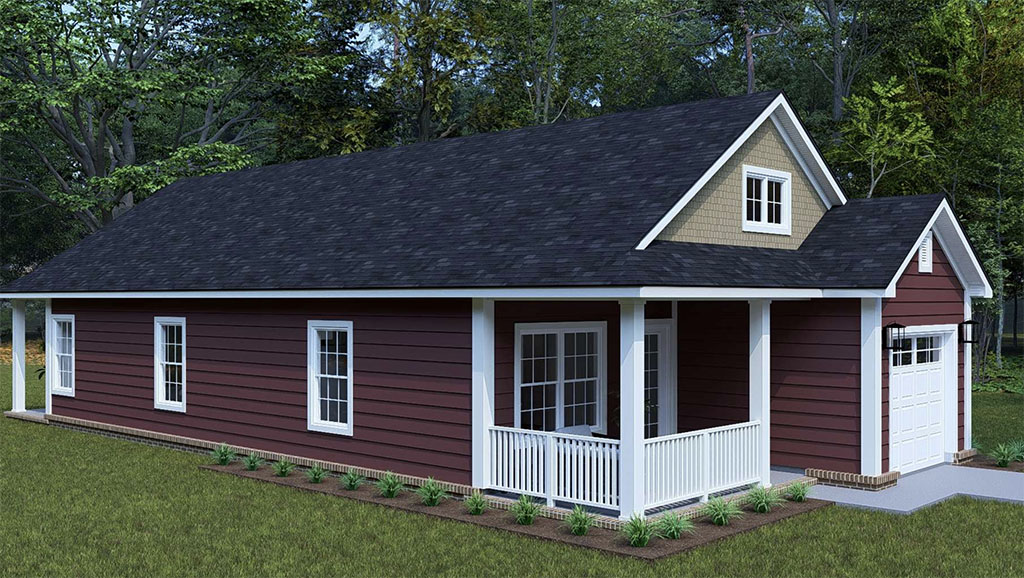
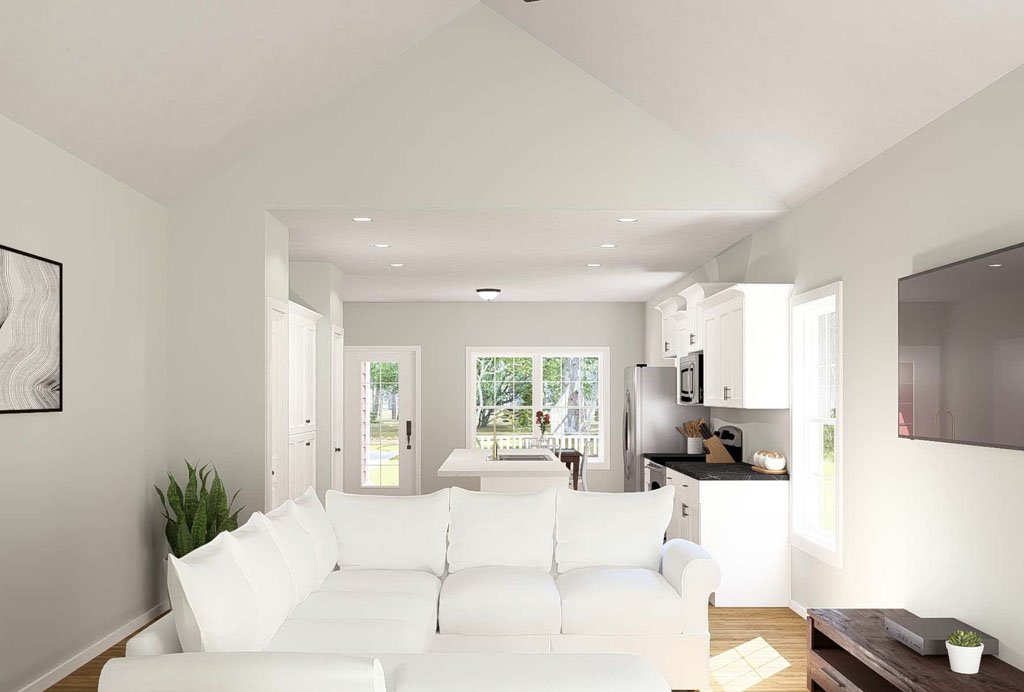
    One standout example is the Windermere Plan #24523. At just 1,172 square feet, this home proves that compact design doesn’t mean compromise.

    • Width: Just 26 feet—perfect for infill or high-density developments
    • 2 Bedrooms, 2 Baths: An ideal layout for first-time buyers or downsizers
    • Open Living Concept: Maximizes sightlines and space flow
    • Optional Features: Flexible areas for personalization or upgrades

    The Windermere is a top choice for developers looking to fit more homes on smaller lots without sacrificing the features today’s buyers demand.

    Why Developers Choose W.L. Martin Home Designs

    We understand what developers need: plans that are code-compliant, cost-efficient to build, and designed to sell. That’s why we offer a wide variety of narrow-lot home plans—ranging from cozy 400 sq. ft. cottages to spacious 2,500 sq. ft. family homes—all optimized for real-world buildability.

    Whether you’re working in a tight subdivision or navigating infill requirements in a growing metro area, we’ve got plans that deliver both form and function.

    Looking Ahead

    With interest rates remaining high and land availability continuing to shrink in key markets, the trend toward narrow-lot development isn’t going anywhere. Builders and developers who embrace smart design will not only meet market demand—they’ll also maximize return on investment per lot.

    Ready to explore more narrow-lot house plans?
    Browse our full collection here or contact us for recommendations tailored to your project.

  • How Builders Are Adapting to Rising Interest Rates in 2025: The Case for Smaller, Smarter House Plans

    How Builders Are Adapting to Rising Interest Rates in 2025: The Case for Smaller, Smarter House Plans

    As we move deeper into 2025, interest rates continue to hover near decade highs—and it’s reshaping how builders and developers approach new residential projects. With U.S. mortgage rates sitting between 6.75% and 7.1%, and Canadian rates hovering around 5.6%, many buyers are hitting pause on large home purchases. That hesitation is rippling through the market, and for builders, it means one thing: efficiency is everything.

    But this market isn’t all doom and gloom. In fact, savvy builders are seeing opportunity in the shift. Rather than focusing on large, high-cost custom homes, many are turning their attention to smaller, more affordable designs that are easier to finance, faster to build, and perfectly aligned with today’s buyer mindset.

    Buyers Are Downsizing Their Expectations—Not Their Standards

    Rising borrowing costs mean that buyers can afford less home for the same monthly payment. According to a March 2025 report from the National Association of Realtors, the average buying power has dropped by nearly 12% year-over-year. As a result, the demand for homes under 2,000 square feet—especially those between 1,200 and 1,800 sq. ft.—is steadily increasing.

    That doesn’t mean buyers are willing to sacrifice style or comfort. In fact, today’s homebuyers are looking for well-designed homes that use space creatively. Open floor plans, multi-functional rooms, and energy-efficient features are more important than ever.

    Why Smaller Homes Make Sense for Builders in 2025

    For builders and developers, shifting focus to smaller homes is more than just following buyer demand—it’s a smart strategy for managing costs and keeping inventory moving. Smaller homes mean:

    • Lower construction costs (especially with material prices still fluctuating)
    • Faster build times, which means quicker turnaround and cash flow
    • Broader market appeal, from first-time buyers to downsizers
    • Easier financing, both for buyers and lenders

    With interest rates high, every dollar matters—for you and your buyers. Smaller homes give you more flexibility in pricing, allow for higher density in subdivisions, and provide a faster path from breaking ground to closing the sale.

    W.L. Martin Home Designs: Built for This Market

    At W.L. Martin Home Designs, we’ve always specialized in homes that deliver maximum livability in a smart footprint. Our house plans range from compact 400 sq. ft. cottages to efficient 2,000+ sq. ft. family homes—each one designed to be builder-friendly and market-ready.

    Some of our most requested plans this year fall into the 1,400–1,800 sq. ft. sweet spot. These homes feature:

    • Open-concept living spaces
    • Split-bedroom layouts for privacy
    • Energy-efficient footprints with simple rooflines
    • Flexible rooms for home offices or guest spaces
    • Covered porches and outdoor living areas

    And for developers working in higher-density areas or under new zoning regulations, our growing collection of duplex plans offers even more options to stay competitive in this evolving market.

    The Bottom Line: Build Smart, Build Efficient

    Interest rates may be high, but buyers haven’t disappeared—they’ve just shifted their focus. They’re looking for homes that are practical, efficient, and attainable. Builders who respond with smaller, smarter home designs will be the ones who keep projects moving and profits healthy through the rest of 2025.

    Now is the time to rethink your plan portfolio. Explore our selection of builder-friendly house plans designed to meet today’s budget-conscious market—without compromising the quality and style buyers still expect.

    Ready to adapt to the market shift?

    Browse our best-selling small and mid-sized home plans at www.wlmartinhomes.com, or reach out to us for plan recommendations tailored to your next project.

  • Zoning Changes in 2025 Are Opening Doors for More Infill and Duplex Projects

    Zoning Changes in 2025 Are Opening Doors for More Infill and Duplex Projects

    Across North America, local governments are rethinking traditional zoning laws—and it’s creating new opportunities for developers, especially those focused on efficient single-family homes and duplex builds. As cities continue to face housing shortages and affordability challenges, the shift toward more flexible land use is turning small lots and previously off-limits parcels into buildable goldmines.

    In 2025, we’re seeing a growing number of municipalities move away from strict single-family zoning to allow for denser housing types like duplexes and narrow-lot homes. Places like Portland, OR; Minneapolis, MN; and even mid-sized cities like Raleigh, NC and Hamilton, ON are at the forefront of this trend. Their goal is to increase housing supply without the need for large-scale development—and builders who are prepared with the right plans are already stepping in to meet that demand.

    Why Developers Should Be Paying Attention

    According to a recent report by the Urban Land Institute, more than 60% of major U.S. and Canadian metros are either implementing or exploring zoning reforms to allow “missing middle” housing. That includes duplexes, small-lot homes, and accessory dwelling units (ADUs). These types of infill projects are attractive to cities because they fit seamlessly into existing neighborhoods while offering more housing per acre.

    For developers and builders, this means it’s time to think smaller and smarter. If you’ve historically focused on larger single-family homes in new subdivisions, it may be worth exploring new opportunities in infill development using compact home plans and duplex designs that meet these evolving zoning standards.

    The Rise of Duplexes: Flexible, Profitable, and In-Demand

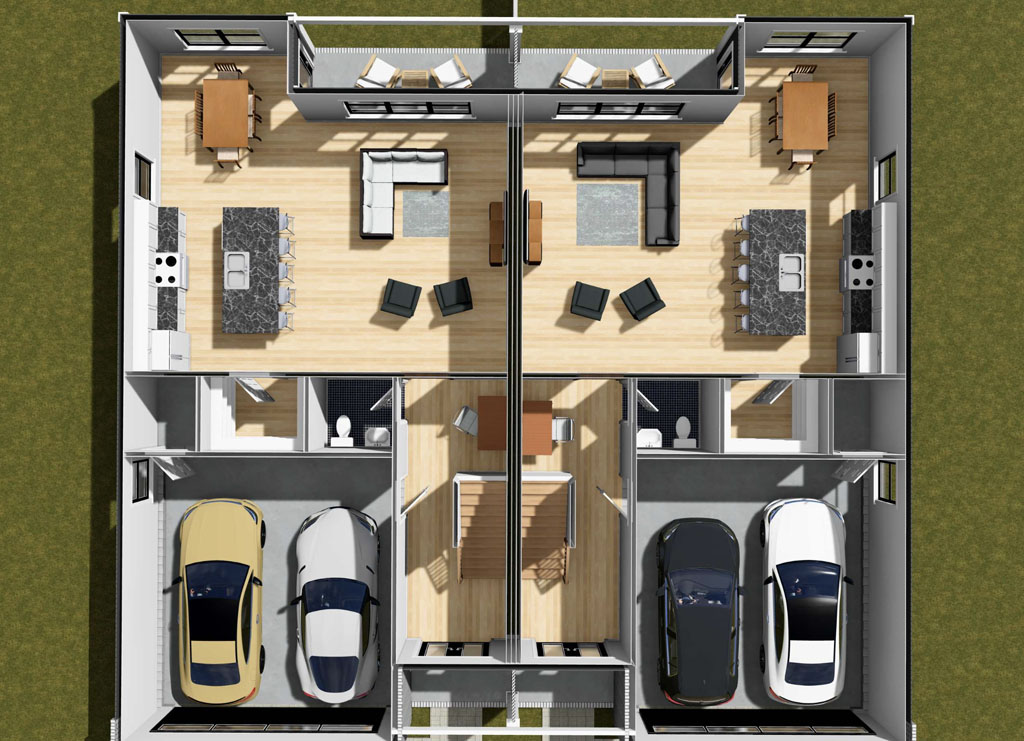
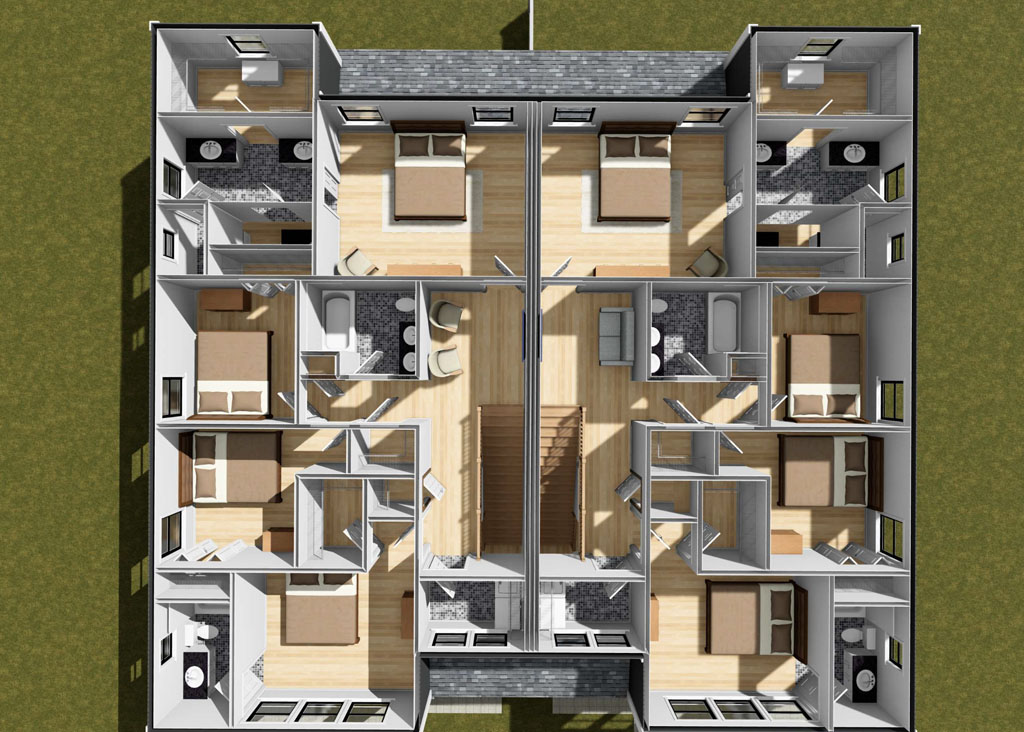
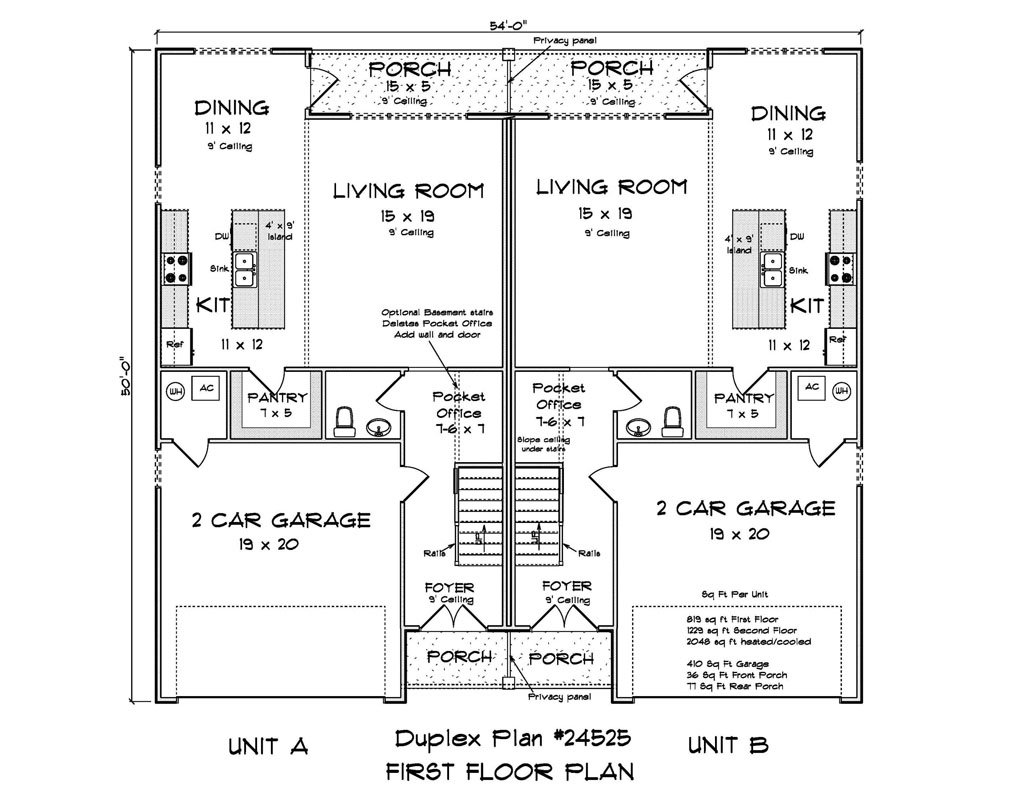
    Duplexes are emerging as a key solution in cities easing zoning restrictions. With two units under one roof, duplexes can double your rental income or sales potential—without requiring double the lot size. For example, a standard 50-foot lot that once only allowed a single home may now be eligible for a well-designed duplex that blends seamlessly with the neighborhood.

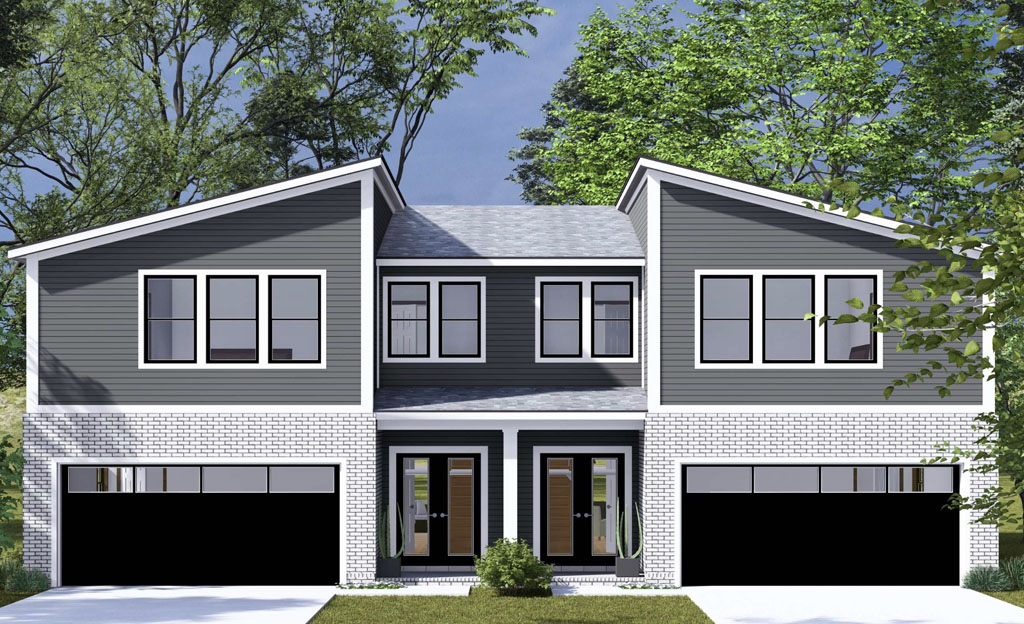
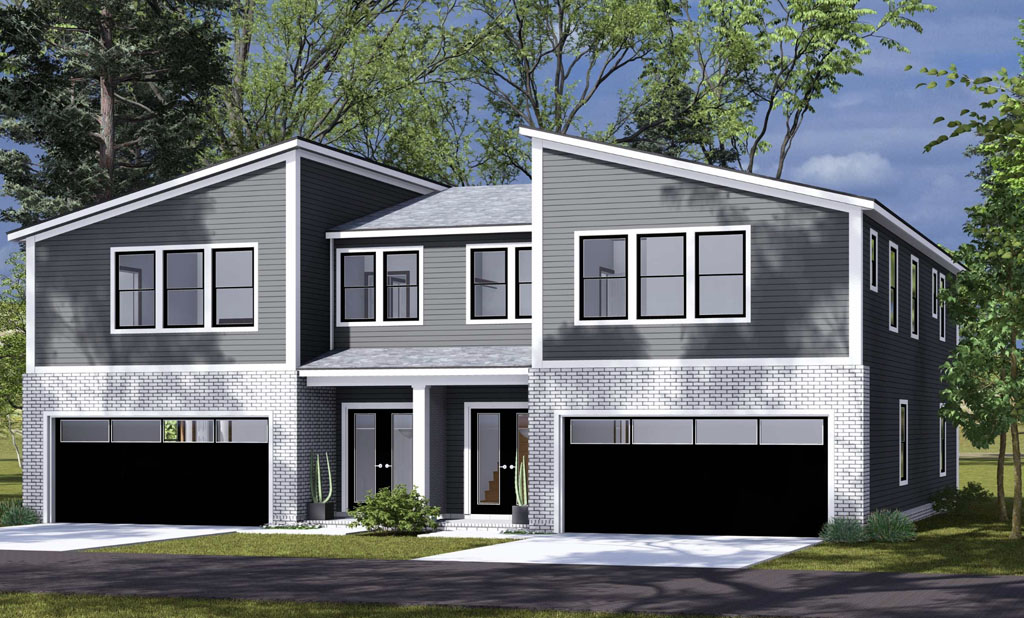
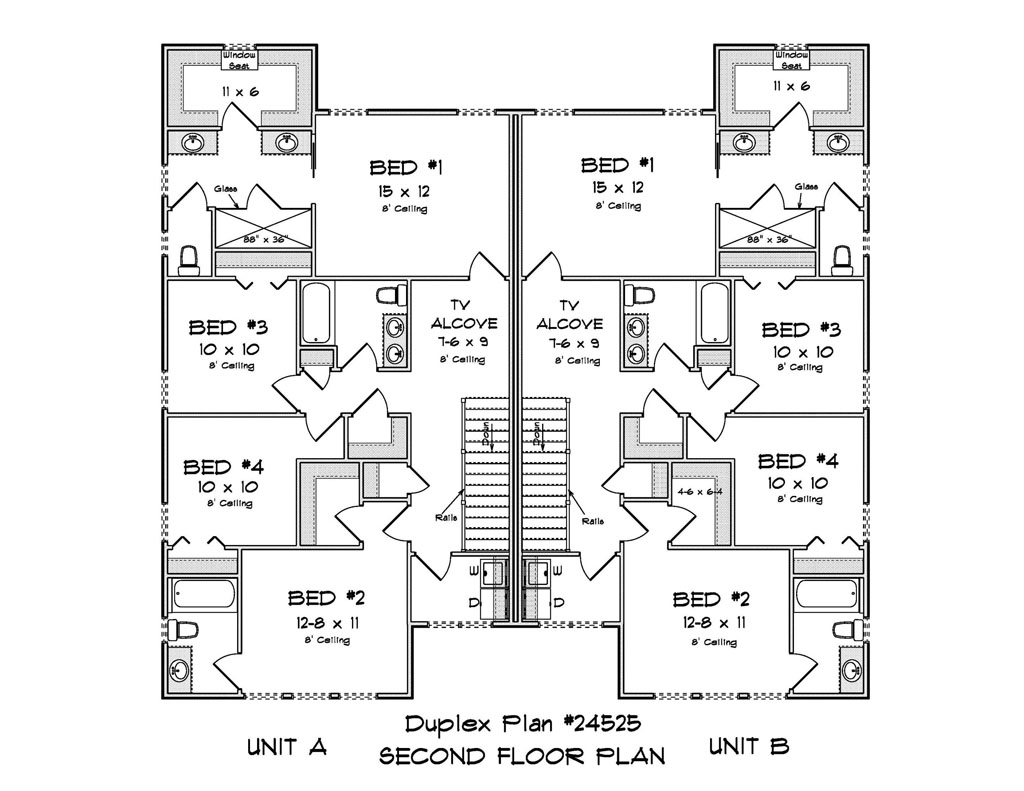
    At W.L. Martin Home Designs, we’ve seen increased demand from developers looking for duplex plans that are both stylish and functional. Whether you’re targeting long-term renters, first-time buyers, or multi-generational families, duplexes offer unmatched flexibility. Many of our duplex designs include thoughtful touches like private entrances, mirror layouts for construction efficiency, and even individual garages or outdoor spaces.

    Smaller Homes for Smaller Lots

    Zoning reform also means more flexibility with minimum lot sizes and setbacks, which opens the door for narrow-lot single-family homes. These homes are ideal for urban infill or redevelopment projects, where available land is limited but demand for housing is high.

    Smaller footprints don’t mean compromising on quality. Smart home designs under 1,500 or 2,000 square feet can still offer open floor plans, multiple bedrooms, and stylish curb appeal. In fact, many of today’s buyers are actively looking for more manageable homes with lower utility costs and maintenance requirements—a trend that aligns perfectly with the current zoning shifts.

    The Bottom Line for Builders

    If you’ve been watching zoning changes from the sidelines, now is the time to lean in. Local governments are creating new pathways for smart growth—and that means fresh opportunities for builders who have the right house plans ready to go.

    At W.L. Martin Home Designs, we specialize in house plans that fit the evolving needs of today’s housing market. From compact single-family homes to beautifully designed duplexes, our catalog includes build-ready plans that meet zoning requirements in cities across North America. And because many of our plans are customizable, we can help you adapt your next project to fit a specific lot, code, or community aesthetic.

    Ready to take advantage of the new zoning landscape? Explore our collection of duplex and infill-friendly home plans and position your next project for success in 2025 and beyond.

vaycasinovaycasinothailand digital arrival cardprimebahishacklinkmilbetalgototohttps://algototo.digital/nobartvjudi bolaslot gacordepo 5kslot gacordeposit 5000slot onlineslot online link 5k deposit slot tanpa potongan agb99 deposit 5k deposit 5k dana slot danacasibomcasibom girişpadişahbetbetwoonnitrobahissonbahisgrandpashabetvegabetcasino levantholiganbetholiganbet girişholiganbet güncelholiganbet güncel girişmatbet girişmatbet güncelmatbet güncel girişmilosbetbetofficetimebetcratosroyalbetcratosroyalbet girişcratosroyalbet güncelcratosroyalbet güncel girişcasinolevantcasino levantholiganbet güncelholiganbet güncel girişholiganbet güncel girişmatbetmatbet girişgrandpashabetultrabetenbetgalabethiltonbetpadişahbetsuratbetsüratbetbetplayatlasbetkralbetHoliganbet Girişalmanbahiswinxbetwinxbetalmanbahisholiganbetholiganbet girişmeritkingmeritking girişmeritkingmeritking girişvaycasinovaycasino girişptt kargoptt kargo takipptt kargo sorgulamaptt kargo iletişimaras kargoaras kargo takiparas kargo sorgulamaaras kargo iletişimvegabetvegabetgalabetgalabetvdcasinovdcasinovdcasinovaycasinovaycasino girişrestbetrestbetbetkolikbetkolikgalabetvdcasinomilosbettimebetultrabetvegabetgalabetvdcasinomilosbettimebetultrabetkralbetkralbetlunabetonwinberlinbetrestbetbetplayraddissonbet