Author: House Plans Guy

  • Pre-Construction Design Checklist for Residential Developers

    Pre-Construction Design Checklist for Residential Developers

    When it comes to residential development, especially for single-family homes and small communities, most of the success happens before the first shovel ever hits the ground. From navigating zoning to selecting the right house plans, the pre-construction phase sets the tone for everything that follows. At W.L. Martin Home Designs, we’ve worked with hundreds of developers across North America, and we’ve learned that having a solid pre-construction design checklist isn’t just helpful, it’s essential.

    Whether you’re planning a handful of infill homes or a larger neighborhood project, the steps you take in the early stages can make or break your timeline and budget. This guide walks through the critical pieces to consider, with practical insights you can apply on your next build.

    1. Analyze Your Lots and Local Zoning First

    Before you even start browsing floor plans, you need to understand what’s allowed. Each lot will have its own unique constraints based on zoning, setbacks, height limits, and allowable square footage. Some municipalities have design guidelines or architectural controls that dictate roof pitch, exterior materials, or garage orientation.

    According to the National Association of Home Builders (NAHB), roughly 25% of a home’s final price is driven by regulatory costs before and during construction. Understanding your local rules helps you avoid plan revisions down the line, which can be expensive and time-consuming.

    2. Select Plans That Fit Lot Sizes and Buyer Expectations

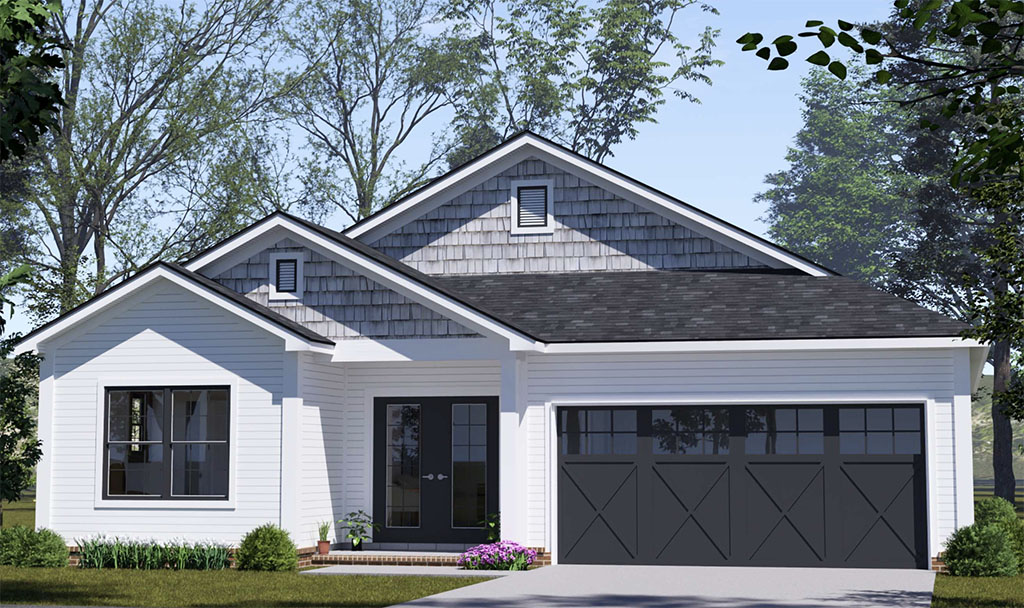
    Once you know what your site allows, you can start matching plans to your project goals. For example, a narrow infill lot may call for a 24-foot wide plan with a front-load garage, while a suburban lot might offer more flexibility. Square footage is important, but so is layout. Today’s buyers expect open concept living, large kitchen islands, and energy-efficient features — even in smaller homes.

    Many developers find success offering a mix of 3-bedroom and 2-bedroom layouts ranging from 1,200 to 2,000 square feet. It allows them to serve first-time buyers, downsizers, and growing families within the same development. At W.L. Martin, we offer dozens of these types of plans that balance affordability with visual appeal.
    3. Coordinate Early with Engineers and Consultants

    Once you have a shortlist of plans, it’s a good idea to bring in your structural engineer or other consultants to flag any red flags early. Slab-on-grade foundation? They’ll need to check soil suitability. Plans with bonus rooms over garages? You’ll want to review any potential HVAC routing or beam requirements. Catching issues now can save you thousands later.

    If your jurisdiction requires energy modeling, site drainage plans, or landscape design approval, now is also the time to pull those professionals into the conversation. Even if you’re working from stock plans, your local team may need to adapt details for compliance.

    4. Don’t Skip the Plan Review for Code and Permitting

    Even if your selected plan has been used before, that doesn’t guarantee it meets your specific state, county, or municipal building codes. Requirements around insulation, stair geometry, framing spans, and even egress windows can vary widely.

    The International Residential Code (IRC) is updated every three years, and not every location adopts the same version at the same time. For instance, some U.S. regions are still using IRC 2018, while others have moved on to 2021 or newer. It’s crucial to ensure your house plans are up to date and adjusted to local amendments before submitting for permit.

    5. Plan for Customization Requests and Revisions

    Many developers prefer to standardize a few floor plans across multiple lots for efficiency, but you’ll often need to tweak details. Whether it’s flipping the layout for a left-hand garage, adjusting windows for privacy, or upgrading finishes, expect a few changes to meet market expectations or client requests.

    At W.L. Martin, we specialize in plan modifications and can turn around changes quickly for developers who are trying to stay on a tight schedule. Having a go-to process for customizations can save days or even weeks during your pre-construction timeline.

    6. Finalize Your Pre-Construction Package for Permits

    Once you’ve verified your plans, coordinated with your team, and completed any revisions, you’re ready to submit for permits. Make sure your submittal package includes everything your city or county requires. This typically includes:

    • Full construction drawings (site-specific if needed)
    • Truss or structural framing details
    • Energy compliance documentation
    • Site plan with setbacks and easements
    • Engineer stamps, if applicable

    Submitting a complete and compliant package reduces the chances of delays or resubmittals, which can hold up your build schedule.

    7. Have a Material and Spec Plan Ready for Bidding

    Before breaking ground, create a specification sheet or schedule outlining key materials, finishes, and systems. This includes siding types, roofing materials, HVAC systems, windows, and insulation levels. Clear specifications allow subcontractors to provide accurate bids and ensure you don’t end up over budget due to vague expectations.

    A well-prepared plan package also helps your superintendent and trades during the construction phase. Less guessing means fewer mistakes, fewer change orders, and smoother site coordination.

    Conclusion

    Pre-construction planning is where your project’s profit margins are protected. The more thorough and organized you are before construction starts, the fewer surprises you’ll face along the way. At W.L. Martin Home Designs, we work closely with developers to deliver house plans that are not only attractive and buildable but also easy to customize and permit.

    If you’re preparing for your next project and want help selecting the right home designs or need plans modified for a specific site, get in touch with us. Our team can help streamline your pre-construction process and provide the plans that meet your timeline, budget, and buyer expectations.
  • What Today’s Homebuyers Really Want in 2025 and How Developers Can Deliver

    What Today’s Homebuyers Really Want in 2025 and How Developers Can Deliver

    If you think you know what buyers want in 2025, think again. The housing market is shifting quickly, and developers who can anticipate those changes are the ones who will keep projects moving and sales closing. While price and location are still the top deciding factors, there are several emerging design priorities that are quietly shaping buyer decisions. Many of these trends are less about square footage and more about how people want to live.

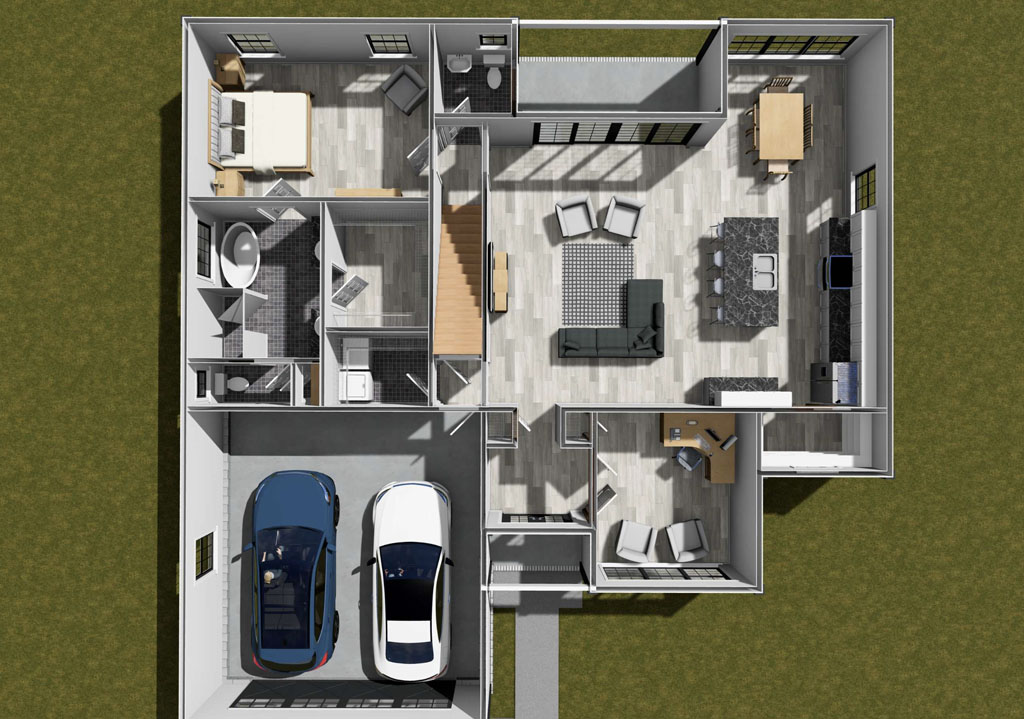
    According to the National Association of Home Builders (NAHB), more than 60% of buyers now place a home office or flexible workspace on their “must-have” list. That number was below 35% just five years ago. Remote and hybrid work models are here to stay, and buyers want spaces that can adapt to multiple uses over time. This has led to a surge in demand for plans that integrate small offices, study nooks, or flexible bonus rooms without adding significant cost to the build.

    Another major shift is the rise of wellness-focused design. A recent Zillow Consumer Housing Trends Report found that 59% of buyers consider natural light an essential feature, even ranking it above upgraded kitchens in some markets. Developers are responding with plans that emphasize large windows, open layouts, and indoor-outdoor connections. Energy efficiency is also part of the wellness trend. The U.S. Department of Energy reports that homes with high-efficiency systems can save owners up to 25% on energy costs annually, which is becoming a key selling point as utility costs rise.

    Pet-friendly design is also making its way into buyer preferences in surprising ways. A Realtor.com survey found that 43% of pet owners would move to accommodate their pets’ needs. This can mean anything from built-in feeding stations to small wash stations in mudrooms. For developers, these features are often low-cost but can make a home stand out in competitive markets.

    For buyers concerned about future flexibility, multi-generational layouts are gaining attention. According to a Pew Research Center study, the number of Americans living in multigenerational households has quadrupled since the 1970s, and developers are seeing demand for plans that can accommodate grandparents, adult children, or rental units without feeling cramped.

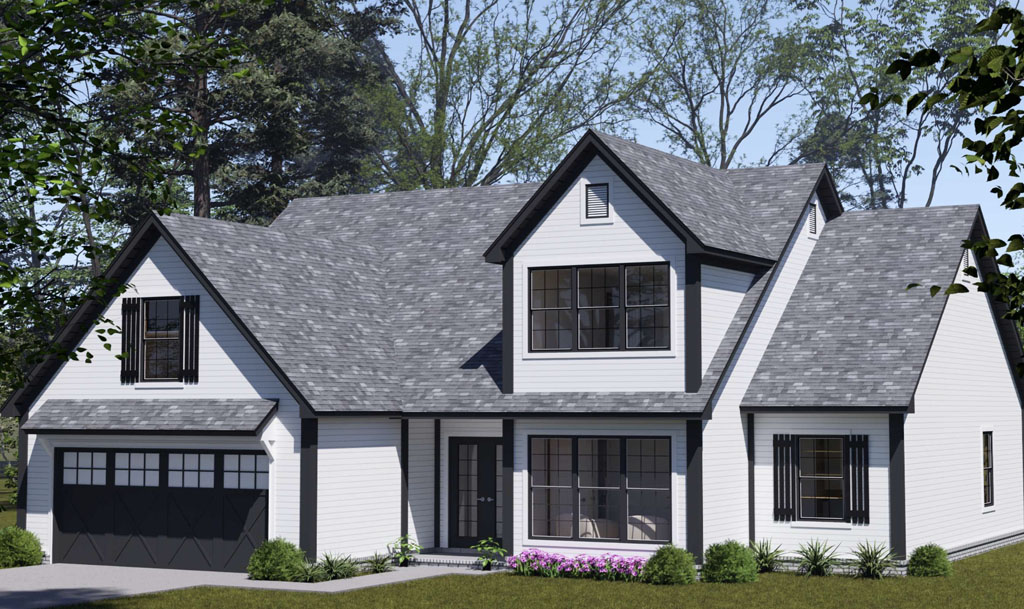
    The most successful developers are taking these trends seriously and choosing plans that allow for quick, efficient builds while also hitting these new buyer priorities. W.L. Martin Home Designs offers a large variety of home plans for developers and homebuyers across a wide budget range, from compact 400-square-foot layouts to spacious 2,500-square-foot designs. This flexibility allows builders to respond quickly to evolving market demands while keeping construction timelines and budgets under control.

    The 2025 buyer is looking for more than a place to live. They want a home that works for their lifestyle today and adapts to their needs tomorrow. Developers who select plans with built-in versatility, wellness features, and smart use of space will be the ones with the shortest “for sale” signs in the neighborhood.

  • What Slower Home Price Growth Means for Developers and Budget-Conscious Buyers in 2025

    What Slower Home Price Growth Means for Developers and Budget-Conscious Buyers in 2025

    After a prolonged period of rapid home price increases, new data from the S&P CoreLogic Case-Shiller U.S. National Home Price NSA Index shows that price growth is continuing to cool. In May 2025, home prices rose just 2.3% year-over-year—down from 2.7% in April. This marks the smallest annual gain since July 2023 and the fourth consecutive month of deceleration.

    For homebuyers and residential developers alike, this shift in momentum may signal new opportunities—particularly when it comes to building homes that are affordable, efficient, and tailored to today’s market demand.

    Slower Price Growth Creates Breathing Room

    The cooling pace in home price appreciation offers a degree of relief, especially after years of double-digit increases that pushed many prospective homeowners—and even some developers—out of the market. According to Zillow, the median U.S. home value as of mid-2025 sits around $358,000, only a modest rise from earlier in the year. Meanwhile, Realtor.com reports that active listings are up nearly 10% year-over-year, creating more inventory and potentially more competitive pricing in many markets.

    At the same time, mortgage rates remain relatively high—hovering around 6.8% for a 30-year fixed loan—which has softened demand in some areas. This cooling effect is opening up space for developers to re-enter markets with homes that hit the sweet spot between cost efficiency and design appeal.

    Developers: Now’s the Time to Build Smart

    For developers, slower price appreciation doesn’t mean the market is in decline—it means it’s adjusting. Buyers are more cautious, which puts pressure on builders to offer homes that are both financially accessible and aligned with what today’s buyers want: quality, functionality, and style without unnecessary size or cost.

    That’s where W.L. Martin Home Designs comes in. We specialize in home plans ranging from 400 to 2,500 square feet—exactly the types of homes that budget-conscious buyers and first-time homeowners are actively looking for in today’s market. Smaller footprint homes are not only more affordable to build but also quicker to complete and easier to sell in today’s environment.

    Homebuyers Want Flexibility and Efficiency

    According to a 2025 National Association of Home Builders (NAHB) survey, nearly 60% of prospective buyers say affordability is their top concern. Many are looking for:

    • Homes under 2,000 square feet to reduce energy and maintenance costs
    • Flexible floor plans that can serve multiple purposes (home offices, in-law suites, etc.)
    • Open concept living areas that make smaller homes feel more spacious
    • Energy-efficient designs to keep utility bills low over the long term

    W.L. Martin Home Designs offers hundreds of customizable plans that reflect these preferences. Whether you’re building a small starter home, a narrow-lot urban infill project, or a cozy retirement cottage, we provide layouts that are practical, stylish, and cost-effective to build.

    The Competitive Advantage of Building Now

    While buyers are navigating higher borrowing costs, they’re also much more selective—making thoughtful home design a competitive advantage. Developers who respond to the current market by offering homes that are right-sized and well-designed are better positioned to close deals faster and maximize ROI.

    The current economic climate also makes it a good time to lock in construction costs before materials and labor prices potentially rise again. By starting your next project now with one of our house plans, you can take advantage of a more balanced market and meet the demand for attainable homes that don’t sacrifice on quality or design.

    Find the Right Home Plan for the Moment

    As the housing market cools but stabilizes, developers and homebuyers alike are searching for smart, affordable, and flexible housing options. At W.L. Martin Home Designs, we offer a curated collection of home plans that align with current trends in affordability, size, and functionality. Whether you’re building for a first-time buyer, downsizer, or anyone in between, now is a great time to choose a design that fits today’s budget-conscious climate.

    Browse our collection today to find the perfect plan to move forward with confidence in 2025.

  • W.L. Martin Home Designs Unveils New Collection of Build-Ready Plans for Developers and Homebuilders

    W.L. Martin Home Designs Unveils New Collection of Build-Ready Plans for Developers and Homebuilders

    JACKSONVILLE, Fla. – Aug. 4, 2025 – W.L. Martin Home Designs, a trusted name in residential home planning, is proud to announce the release of a brand-new collection of build-ready home plans. Available now at https://wlmartinhomes.com/?orderBy=Newest#SEARCH, this latest offering includes a diverse mix of designs such as compact tiny homes, efficient duplexes, and versatile single-family homes just over 2,600 square feet.

    The new designs are created with today’s developers in mind. They offer flexible, construction-friendly plans that work well across a wide range of lot sizes and community layouts. Each plan is thoughtfully developed to support the needs of modern lifestyles, combining functionality, affordability, and curb appeal to meet the growing demands of the current housing market.

    “Our new plans represent the sweet spot where timeless design meets modern living—efficient, stylish, and perfectly in step with how people want to live today,” says the W.L. Martin Home Designs team.

    The collection focuses on open-concept layouts, multifunctional spaces, and smart use of square footage. Plans are tailored to make the builder’s process smoother from start to finish, while also providing appealing options for homebuyers looking for practical yet attractive homes.

    Builders and developers can explore the latest collection now at: https://wlmartinhomes.com/?orderBy=Newest#SEARCH

    About W.L. Martin Home Designs

    W.L. Martin Home Designs specializes in high-quality residential house plans ranging from 400 to over 2,600 square feet. Serving builders and developers across North America, the company delivers smart, buildable designs that reflect how families live today. Each plan emphasizes efficiency, versatility, and long-term livability.

  • How to Design a Profitable Starter Home Package with Stock House Plans

    How to Design a Profitable Starter Home Package with Stock House Plans

    Starter homes are more important than ever in today’s housing market. With rising interest rates, tighter lending standards, and a national shortage of affordable housing, the demand for entry-level homes continues to grow. According to the National Association of Home Builders (NAHB), in 2024, only 40% of new single-family homes were considered “affordable” for the average buyer. That’s down from over 60% just five years ago. For developers, this presents both a challenge and an opportunity: how to deliver quality starter homes at a price point that appeals to first-time buyers, while still turning a profit.

    One of the most effective ways to do this is by building a starter home package using stock house plans. Pre-designed plans offer a reliable foundation for speed, efficiency, and cost control. But to make them truly profitable, it’s essential to choose the right plan, tailor the build intelligently, and align with what today’s buyers are actually looking for.

    Here are five proven strategies to design a starter home package that sells—and delivers a solid return.

    1. Prioritize function over square footage

    Today’s buyers aren’t necessarily looking for large homes—they want smart layouts that live larger than they are. According to Zillow’s 2025 Consumer Housing Trends Report, the average size of a starter home purchase is between 1,100 and 1,500 square feet. Within that range, developers can create desirable spaces by choosing open-concept floor plans that eliminate wasted space. Focus on maximizing kitchen-living-dining flow, including multifunctional islands, and reducing the number of formal rooms.

    1. Select a style that balances affordability with curb appeal

    Starter homes still need to feel like “home” to the buyer, and exterior style matters. According to a 2024 Redfin survey, 68% of buyers said curb appeal played a major role in their decision to purchase. Choose architectural styles that are timeless but cost-effective to build—such as Craftsman-inspired, Farmhouse, or Modern Cottage. Avoid overly ornate features like complex rooflines, turrets, or excessive trim. Instead, use simple but attractive elevations with front porches, gable accents, and quality siding to create charm without cost overruns.

    1. Bundle standard finishes that feel upgraded

    New buyers may not know the difference between builder grade and premium finishes—but they will recognize style and value. Create a package of finishes that look upscale without blowing your budget. Think LVP flooring throughout the main areas, shaker-style cabinets, matte black or brushed nickel hardware, and energy-efficient appliances. Buying in bulk across multiple builds can also lower material costs significantly. According to BuildZoom, bundling finishes across even 3-5 units can reduce material costs by up to 12%.

    1. Stick to a simple roof and foundation structure

    Complex foundations and rooflines can derail the budget quickly. Stick to rectangular or L-shaped footprints with a standard slab or crawlspace foundation. Roofs with fewer angles and a moderate pitch not only reduce framing time but also lower long-term maintenance issues. According to HomeAdvisor data from 2024, a complex roofline can increase roofing labor costs by 18% or more—an unnecessary expense in the starter home category.

    1. Offer upgrade tiers that don’t slow down the build

    Some buyers will want to customize—especially when they’re purchasing early in the development timeline. But custom work can be a bottleneck. To keep production moving, offer 2-3 finish packages with predefined upgrades, such as “Essentials,” “Comfort,” and “Select.” These packages give buyers a sense of choice while keeping the build on schedule. The key is limiting decisions to finishes, not structural changes. The National Association of Realtors suggests that predictable build timelines are one of the top three factors influencing buyer satisfaction, especially in new communities.

    Designing profitable starter homes is not about cutting corners—it’s about making intentional choices that align with both market demand and construction efficiency. When developers use stock house plans as a starting point, they not only reduce upfront design costs but also streamline the permitting and build process. This is especially useful when developing multiple homes in a single neighborhood or infill project.

    As affordability becomes a growing concern across North America, the need for high-quality starter homes will only increase. Developers who can deliver these homes quickly, affordably, and attractively are well-positioned to win in today’s housing market. Stock house plans, when paired with thoughtful design and smart material choices, can be the foundation of that success.

    Need help finding house plans under 1,500 square feet for your next starter home community? W.L. Martin Home Designs offers hundreds of professionally drawn plans ready for permitting and building, with options for customization when you need it.

  • What Are the Most Cost-Efficient Home Designs to Build?

    What Are the Most Cost-Efficient Home Designs to Build?

    For developers looking to maximize profits and minimize construction headaches, the question of cost-efficiency in home design is always front and center. Whether you’re building a small neighborhood of spec homes or planning an infill project on narrow lots, the layout, size, and architectural style of your homes can make a significant difference in your bottom line. So what makes a house plan cost-efficient to build, and which designs are leading the way?

    Simple Footprints Mean Lower Costs

    One of the easiest ways to save money in construction is by selecting a house plan with a compact, rectangular or square footprint. According to the National Association of Home Builders (NAHB), the foundation and framing make up over 30% of a new home’s construction costs. Designs that avoid complex angles, bump-outs, and unnecessary corners require less material and labor, leading to a more predictable and efficient build.

    Single-story homes are often more cost-effective on a per-square-foot basis when built on flat lots, especially when the land isn’t in short supply. However, for tighter lots or areas where land costs more than building vertically, two-story homes can stretch your square footage without significantly increasing your foundation and roof costs.

    Rooflines Matter More Than You Might Think

    The roof is one of the most expensive exterior components of any home, and complexity adds cost fast. Designs with multiple gables, dormers, or steep pitches can be beautiful but also expensive to build and maintain. A simple gable or hip roof with a moderate pitch is often the most budget-friendly choice, especially when paired with affordable roofing materials like architectural shingles.

    NAHB data estimates that roofing accounts for around 3 to 4 percent of total construction costs, but this can increase significantly with more intricate roof geometry. Keeping the roof design straightforward reduces framing time and cuts down on waste.

    Open Floor Plans Help Keep Construction Costs Low

    Open-concept living has been popular with buyers for years, but it also benefits builders. Fewer walls mean fewer materials and less labor. Combining the kitchen, dining, and living areas into one shared space reduces drywall, framing, and electrical work. It also allows for more flexibility with furniture placement and gives smaller homes a more spacious feel.

    Open layouts are especially effective in plans under 1,800 square feet, where maximizing usable space is crucial. For example, a 1,400-square-foot open-plan home can often feel just as livable as a more compartmentalized 1,700-square-foot layout.

    Efficient Use of Square Footage

    Bigger isn’t always better, particularly when every extra square foot adds cost. According to Statista, the average construction cost per square foot for a single-family home in the U.S. was around $160 in 2023, although this varies by region. Efficient home designs prioritize function over excess, avoiding large, unused formal rooms that don’t add value for the typical buyer.

    Well-designed smaller homes with features like walk-in closets, large kitchen islands, and dual-use spaces (think home office/guest room combos) appeal to today’s buyers without bloating construction budgets. Features that serve more than one purpose provide flexibility for homeowners and cost-savings for developers.

    Material Selection and Standard Sizing

    Plans that are designed with standard-sized building materials in mind can also reduce waste and save time. For example, homes that are designed around standard 4-foot sheet widths for drywall and plywood panels can minimize cuts and scraps. Selecting plans that accommodate stock cabinet sizes, standard window dimensions, and simple trim packages also help keep costs down.

    Many of the most popular and cost-effective house plans today are designed with these principles built in. They allow developers to source materials easily and avoid long lead times or costly custom work.

    So Which Designs Should Developers Consider?

    At W.L. Martin Home Designs, we’ve seen strong demand for house plans that blend affordability with style. Ranch-style homes with open layouts and modest footprints continue to be favorites among builders. Compact two-story designs with three or four bedrooms are also top performers, particularly in growing suburban neighborhoods.

    Plans ranging from 1,200 to 2,000 square feet tend to offer the best balance between construction cost and resale value. They’re large enough to appeal to families, yet efficient enough to stay within budget and build quickly. Builders who stick with simple foundations, clean rooflines, and well-thought-out interiors are usually rewarded with faster construction times and fewer budget surprises.

    Final Thoughts

    Choosing a cost-efficient home design isn’t just about picking a smaller plan. It’s about finding a layout that’s simple to build, appeals to today’s buyers, and uses space and materials wisely. With the right design, developers can streamline their process, reduce waste, and boost profits without compromising quality or curb appeal.

    If you’re looking for plans that check all those boxes, browse our collection at W.L. Martin Home Designs. We specialize in designs that are as buildable as they are livable, so you can break ground with confidence.

  • How to Choose the Right House Plans for Maximum ROI on Small to Mid-Sized Lots

    How to Choose the Right House Plans for Maximum ROI on Small to Mid-Sized Lots

    If you’re a residential developer working with small to mid-sized lots, you already know that every square foot matters. The right house plan can mean the difference between a quick sale and a slow-moving property. With lot prices still high in many parts of North America, especially in growing suburban and infill areas, choosing the best-fitting and best-performing plan has never been more important.

    In this guide, we’ll walk through how to choose house plans that not only fit your lot size but also maximize your bottom line. We’ll look at smart design choices, buyer preferences, and real estate trends that drive profit — and we’ll back it up with data.

    Lot Size and Zoning: Know What You’re Working With

    Before you browse house plans, take a close look at your lot’s buildable footprint. Many jurisdictions have setback requirements, minimum green space percentages, and height limits that affect what you can build. Narrow-lot developments are especially common today in urban and suburban areas, with many lots falling between 25 and 50 feet wide.

    According to a 2023 report by the National Association of Home Builders (NAHB), narrow lot homes (defined as under 50 feet wide) now make up approximately 28% of new single-family construction in metro areas. This is a growing trend, and it demands smart, space-efficient floor plans.

    What Today’s Buyers Want (And What They’ll Pay For)

    Developers who choose house plans that align with buyer preferences increase their chance of a fast sale and solid ROI. A recent Zillow Consumer Housing Trends Report found that 83% of home buyers value an open floor plan, while 72% prioritize energy-efficient features.

    Here are a few design features that consistently perform well in homes under 2,500 square feet:

    • Open concept kitchens and living rooms
    • Dedicated laundry rooms
    • At least 2 bathrooms, even in smaller homes
    • Storage space that’s cleverly built in (think pantries, mudrooms, attic space)
    • Flex rooms that can serve as home offices or guest spaces

    And most importantly, curb appeal matters. A home’s exterior design directly affects perceived value. Developers should select house plans that include attractive elevations — especially craftsman, modern farmhouse, and transitional styles, which are highly popular with today’s buyers.

    What Home Sizes Offer the Best ROI?

    Bigger isn’t always better. According to the U.S. Census Bureau, the average size of newly completed single-family homes in 2023 was 2,411 square feet. That’s a slight drop from previous years, reflecting a shift toward more efficient homes that better align with affordability and market demand.

    Homes between 1,600 and 2,400 square feet tend to offer the strongest return on investment. They strike a balance between construction efficiency and buyer appeal. Most importantly, this size range allows room for open layouts, three-bedroom configurations, and modern features—all without inflating build costs unnecessarily.

    The majority of new homes completed in 2023 were between 1,800 and 2,999 square feet, reinforcing the importance of mid-sized homes for developers targeting the widest pool of buyers.

    Customizing Plans Without Starting from Scratch

    A common misconception among developers is that custom homes always mean custom blueprints. Not true. At W.L. Martin Home Designs, many developers use pre-designed house plans and work with our team to make smart customizations based on local building codes or market trends.

    Customizing a stock plan is not only faster than starting from zero, it’s also far more cost-effective. Whether it’s adding a third bathroom, swapping a two-car garage for a one-car garage and storage area, or adjusting the roofline to comply with HOA standards, our plans are built to flex without losing integrity.

    Case in Point: Mid-Sized Plans That Sell Fast

    One of our developer clients in the Carolinas built a small community of single-story homes using a modified version of our Plan 1947. At just under 1,950 square feet, the plan included 3 bedrooms, 2 baths, and an open living-dining-kitchen space that made the home feel much larger than its square footage. With energy-efficient windows and vaulted ceilings, the homes sold out within 3 months — without any price drops.

    That’s the power of choosing the right plan from the start.

    Final Thoughts

    Maximizing ROI starts with choosing a house plan that fits your lot, appeals to your buyer, and allows for efficient construction. The trend toward slightly smaller, smarter homes is not going away anytime soon. Developers who embrace flexible, well-designed home plans in the 1,600–2,400 square foot range will continue to see strong returns — especially in today’s inventory-tight housing market.

    At W.L. Martin Home Designs, we specialize in house plans that make life easier for builders and more appealing to buyers. Whether you’re developing a cul-de-sac of craftsman homes or a tight urban infill, we’ve got plans designed to perform.

  • What Size Homes Are Most Popular Across the United States?

    What Size Homes Are Most Popular Across the United States?

    When it comes to building or buying a home, one of the first considerations is size. What’s interesting is that “popular” home sizes can vary significantly depending on the region, the local economy, and even shifting buyer preferences. For developers, understanding these trends is more than just informative, it’s strategic. Building homes that align with current demand can help ensure quicker sales and long-term satisfaction for buyers.

    Nationally, the average size of new single-family homes has been on a bit of a rollercoaster. According to the U.S. Census Bureau and the National Association of Home Builders (NAHB), the average new single-family home was around 2,411 square feet in 2023. That’s a slight drop from previous years when average sizes peaked above 2,500 square feet, particularly around 2015. The shift downward points to changing preferences, especially among younger buyers who are looking for more manageable, cost-effective homes without sacrificing comfort.

    In the South—the region that consistently builds the most new homes—sizes tend to run a bit larger. The average single-family home there is closer to 2,500 square feet. This is due in part to land being more available and affordable, allowing for larger footprints. By contrast, the West and Northeast, where land prices and density constraints are higher, tend to lean toward smaller homes. In urban areas of California or New York, for example, homes in the 1,400 to 1,800 square foot range are often the norm for new builds.

    The Midwest presents a bit of a balance. In many parts of Ohio, Indiana, and Missouri, new homes average between 2,000 and 2,300 square feet. This reflects a mix of affordability and space, as well as a steady demand for homes that accommodate families but stay within moderate price points.

    There’s also a rising interest in smaller homes, especially among first-time buyers, downsizers, and those focused on sustainability. According to Realtor.com and Redfin data, homes under 1,800 square feet have seen increasing demand, especially in suburban areas where affordability has become a key issue. As a result, many developers are strategically investing in floor plans between 1,200 and 2,000 square feet, a sweet spot that appeals to a wide range of buyers, from young families to empty nesters.

    What this means for developers is clear: flexibility and awareness of regional trends matter. A cookie-cutter approach won’t work in today’s market. But what does work is offering thoughtfully designed homes that fall within the most in-demand size ranges, typically between 1,200 and 2,500 square feet. This range balances cost efficiency for developers with the space and livability that buyers want.

    At a time when buyers are more value-conscious than ever, home plans that are smartly laid out within these popular size brackets can make a real difference in marketability. Whether it’s a compact cottage or a modest two-story family home, offering options in this range meets the evolving needs of the modern homeowner.

    As home sizes continue to shift based on demographics, economic conditions, and lifestyle changes, staying in tune with what’s being built—and what’s selling—is essential. Developers who build with these trends in mind are more likely to succeed in today’s competitive housing landscape.

  • Designing for Family: How W.L. Martin Home Designs Plans Support Multi-Generational Living

    Designing for Family: How W.L. Martin Home Designs Plans Support Multi-Generational Living

    Over the past decade, more and more families across North America have found themselves reevaluating how they live—not just for convenience, but for care. Rising costs of assisted living, shifting family dynamics, and a renewed focus on togetherness have all played a role in the growing trend of multi-generational living. At W.L. Martin Home Designs, many of our house plans have naturally evolved to reflect this changing landscape, offering thoughtful features that make it easier to care for aging parents or grandparents right at home.

    Rather than turning to costly care facilities or senior living arrangements, families are increasingly choosing to bring elder care into the heart of their homes. According to data from Pew Research Center, the number of Americans living in multi-generational households has more than quadrupled in the last five decades, with nearly 60 million people living in a home with three or more generations under one roof as of 2021. This shift is fueled not just by financial necessity, but by cultural values, emotional connection, and practicality. Home design has had to respond, and that’s where our plans at W.L. Martin shine.

    Many of our plans include what we call “flexible living spaces” — rooms and layouts that adapt to a family’s changing needs. Bonus rooms above garages, finished basements with full bathrooms, and dual primary suites are just a few of the design features that can make a huge difference when you’re welcoming an older parent or relative into your home. These spaces are more than just extra square footage. They provide privacy, accessibility, and comfort while keeping family members close. Whether it’s a 1,800 square foot craftsman-style plan or a modern farmhouse closer to 2,400 square feet, these options help make caregiving not only manageable but often more meaningful.

    This is not a new concept to us. In fact, we explored this topic in a past article titled The Rise of Multigenerational Living and Designing Homes for Extended Families. In that post, we discussed how there is a shift toward multi-generational living in response to economic pressures, but a longer-term cultural and generational evolution. The demand for floor plans that offer privacy, accessibility, and adaptable living areas continues to grow, and we’ve seen it become one of the most common design priorities among both developers and individual homeowners. Our plans often incorporate thoughtful layout options that accommodate these needs without requiring oversized footprints or custom builds from scratch. That same trend is still going strong today, and the interest in building homes that bring multiple generations under one roof has only expanded since that article was first published.

    We also see growing demand for plans that incorporate wider doorways, walk-in showers, and minimal-step entries, even at modest square footages. While these features were once reserved for “aging in place” designs, they’ve become increasingly common in homes meant for everyday families. One major reason is that these features future-proof the home. They allow families to adapt over time, instead of facing the need for a costly renovation or a stressful move down the line.

    The costs associated with assisted living facilities can be staggering. According to Genworth’s 2023 Cost of Care Survey, the national median monthly cost for a private room in a nursing home was over $9,500. Assisted living facilities averaged around $4,800 per month. For many families, putting that kind of money into a monthly fee with no equity return makes less sense than investing in a home that can serve multiple generations.

    But it’s not just about saving money. It’s about maintaining relationships. Families are increasingly prioritizing environments that encourage connection between generations. Studies from the National Institute on Aging show that older adults who live in intergenerational homes tend to experience improved mental health, better social interaction, and a stronger sense of purpose. For children, growing up with grandparents in the home can lead to emotional development benefits and a deeper understanding of family values.

    At W.L. Martin Home Designs, we believe the best house plans aren’t just about square footage. They’re about building homes that reflect the realities—and the values—of the people who live in them. Whether you’re looking for a modest cottage with smart layout options or a modern two-story plan with intentional separation of spaces, chances are we have a design that can accommodate your family’s needs today and tomorrow.

    If you’re considering bringing a parent or grandparent into your home, or just want the flexibility to do so in the future, let’s explore the possibilities together. Many of our existing plans are just a conversation away from becoming the perfect multi-generational solution. You don’t have to compromise on style or efficiency to build a home that includes everyone. Sometimes, all it takes is the right floor plan.

  • How to Read a House Plan Like a Pro (Free Guide for Developers)

    How to Read a House Plan Like a Pro (Free Guide for Developers)

    Whether you’re a seasoned home builder or just getting started in residential development, being able to read and understand a house plan is one of the most valuable skills you can have. A well-drawn plan isn’t just a layout of walls and rooms—it’s a full blueprint for cost-efficient, code-compliant, and marketable construction. At W.L. Martin Home Designs, we’re offering this free guide to help you sharpen your understanding of architectural house plans so you can make smarter decisions and avoid costly delays.

    A lot of developers rely on architects or builders to interpret plans, but knowing how to review them yourself allows you to catch potential issues early, stay in control of your build, and better communicate with your team. Below, we’ll walk through what to look for and how to read each section of a plan with confidence.

    1. Start with the Floor Plan

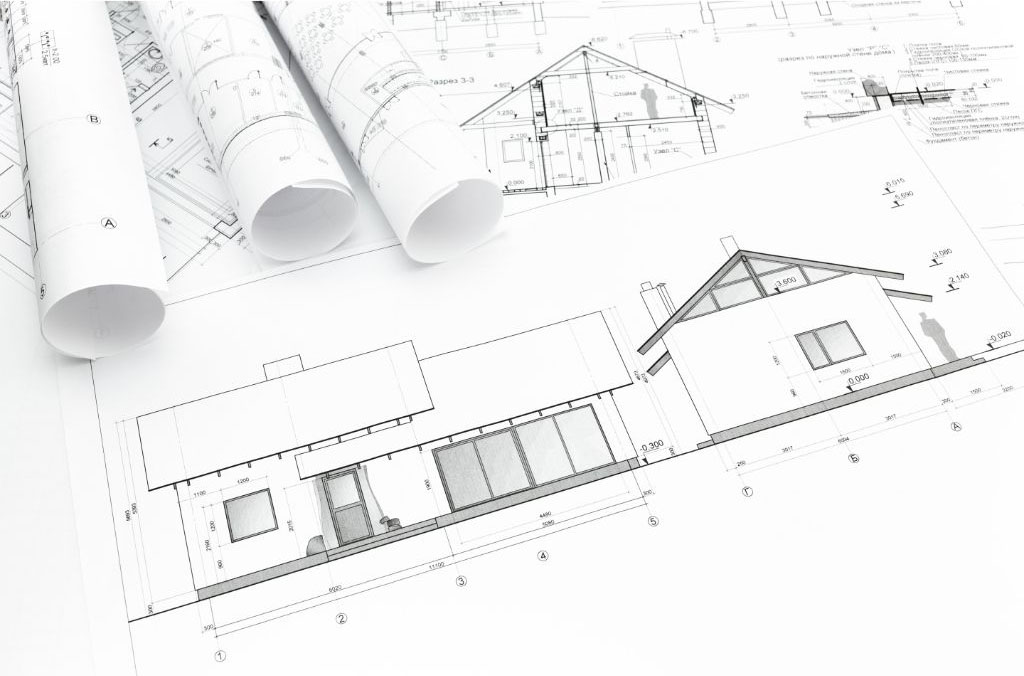
    The floor plan is the heart of any house plan set. This is the bird’s-eye view that shows the room layout, wall placements, door and window locations, and traffic flow. When reading the floor plan, pay attention to:

    • Room dimensions: These are usually written in feet and inches. Make sure the room sizes match your market’s expectations. For example, in many suburban areas, buyers now expect a primary bedroom to be at least 14×14 feet.
    • Wall thickness: Interior walls are typically 4 inches thick while exterior walls are often 6 inches to accommodate insulation. Check these dimensions to make sure the total square footage adds up.
    • Door swings and traffic flow: The plan will show which way doors open. Look for bottlenecks or awkward transitions between rooms that could frustrate future homeowners.

    2. Know What Elevations Show You

    Elevations are flat drawings of the home’s exterior from each side—front, rear, and both sides. They show you not just how the house will look, but also important details like:

    • Roof slope (or pitch): A 6:12 pitch means the roof rises 6 inches for every 12 inches horizontally. This affects cost, curb appeal, and even how snow or water will shed.
    • Exterior finishes: Elevation drawings label materials like brick, siding, or stone veneer. This can impact both your material costs and how the home fits the neighborhood aesthetic.
    • Window and door placements: Make sure they align with the floor plan and work well with the home’s style.

    3. Understand the Foundation Plan

    Your foundation plan tells you whether the house is designed for a slab, crawlspace, or basement. This decision impacts excavation costs, mechanical layout, and energy efficiency.

    • Footings and support walls: These are shown in thick lines and will carry the home’s load. Confirm that they align with bearing walls from the floor plan.
    • Mechanical chases and access points: If HVAC, plumbing, or electrical systems need to run under the home, make sure the foundation plan accounts for it.
    • Soil and frost considerations: Building in the North? You may need a deeper footing or insulated slab. Developers in colder climates must watch for foundation details that meet local frost line requirements.

    4. Check the Roof Plan and Framing Information

    A roof plan outlines the layout of rafters or trusses and gives insight into how the roof structure is built. If your build area is prone to high winds or heavy snow, you’ll need to pay attention to how loads are managed.

    • Valleys, hips, and ridges: These affect water drainage and flashing requirements.
    • Load-bearing walls: These must align with supports shown in the framing plan to keep the home structurally sound.
    • Truss layout: Many developers use pre-engineered trusses. Confirm that the plan accommodates standard truss sizes to reduce delays.

    5. Review Notes and Symbols Carefully

    Every house plan set includes a legend or key that explains the symbols used. These might indicate things like electrical outlets, lighting fixtures, plumbing points, or specific construction details.

    • Electrical layout: This includes switches, outlets, and lighting. Check to make sure the layout matches common expectations (like having outlets on every wall longer than 6 feet, as required by code).
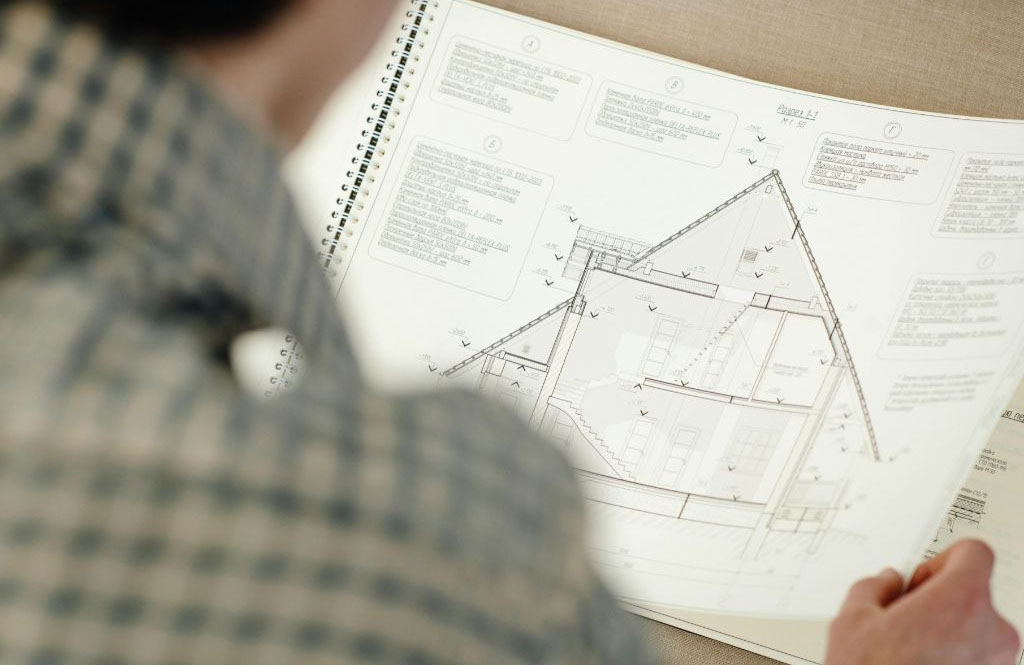
    • Section cuts: These are marked with arrows and callouts like “A-A” and refer to cross-sections that show vertical slices of the house for more detail.
    • Construction notes: These often contain crucial info about materials, fastening methods, or special instructions for the builder.

    Why This Matters to Developers

    According to the NAHB (National Association of Home Builders), framing, foundation, and drywall account for over 35% of the average home construction cost. The earlier you catch potential issues in a plan, the more money and time you save during construction. By understanding how to read a plan properly, you can reduce miscommunication, avoid unnecessary change orders, and even speed up your permitting process.

    Plus, cities and counties often have slightly different code requirements. When you know how to interpret a plan correctly, you can spot missing details that might trigger delays or plan rejection during permit review.

    At W.L. Martin Home Designs, we work hard to provide house plans that are builder-friendly and code-aware—but we also know that developers benefit from having more knowledge at their fingertips. That’s why we’re committed to offering more guides like this in the future to help developers like you build smarter, faster, and with fewer headaches.

    Stay tuned for more free tips, checklists, and resources in upcoming posts. We’re here to help you get the most out of every build.

    Have questions about plan symbols, local code compliance, or modifying one of our home designs? We’d love to help. Reach out anytime or explore our growing collection of house plans designed specifically for developers across North America.

vaycasinovaycasinothailand digital arrival cardprimebahishacklinkmilbetalgototohttps://algototo.digital/nobartvjudi bolaslot gacordepo 5kslot gacordeposit 5000slot onlineslot online link 5k deposit slot tanpa potongan agb99 deposit 5k deposit 5k dana slot danacasibomcasibom girişpadişahbetbetwoonnitrobahissonbahisgrandpashabetvegabetcasino levantholiganbetholiganbet girişholiganbet güncelholiganbet güncel girişmatbet girişmatbet güncelmatbet güncel girişmilosbetbetofficetimebetcratosroyalbetcratosroyalbet girişcratosroyalbet güncelcratosroyalbet güncel girişcasinolevantcasino levantholiganbet güncelholiganbet güncel girişholiganbet güncel girişmatbetmatbet girişgrandpashabetultrabetenbetgalabethiltonbetpadişahbetsuratbetsüratbetbetplayatlasbetkralbetHoliganbet Girişalmanbahiswinxbetwinxbetalmanbahisholiganbetholiganbet girişmeritkingmeritking girişmeritkingmeritking girişvaycasinovaycasino girişptt kargoptt kargo takipptt kargo sorgulamaptt kargo iletişimaras kargoaras kargo takiparas kargo sorgulamaaras kargo iletişimvegabetvegabetgalabetgalabetvdcasinovdcasinovdcasinovaycasinovaycasino girişrestbetrestbetbetkolikbetkolikgalabetvdcasinomilosbettimebetultrabetvegabetgalabetvdcasinomilosbettimebetultrabetkralbetkralbetlunabetonwinberlinbetrestbet