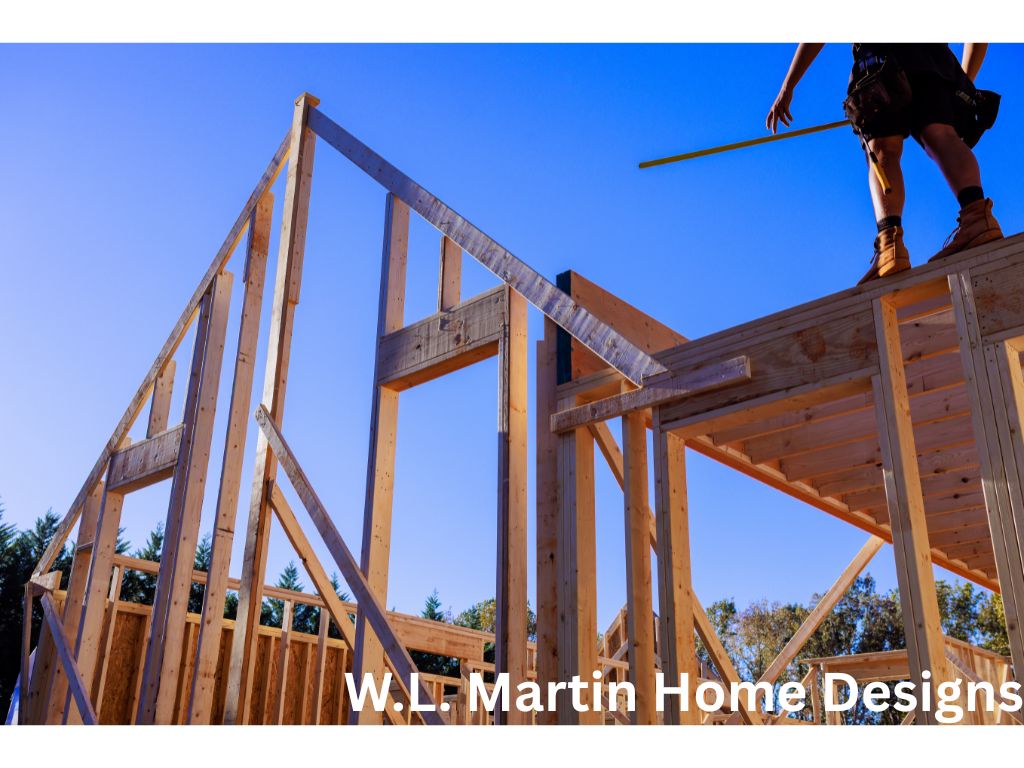
The most expensive surprises in residential construction often start long before a shovel hits dirt. They start in the house plans. For developers and new home buyers alike, “hidden cost traps” usually mean design choices that look great on paper but quietly inflate framing hours, waste materials, slow approvals, or trigger change orders once trades get involved. With affordability still a dominant challenge, avoiding these traps matters more than ever. One reason is structural supply pressure, which Freddie Mac estimated back a few years ago that the US is short by roughly 3.8 million homes, which keeps demand high for attainable product and increases the penalty for designs that are slow or expensive to build.
One major trap is unnecessary complexity in the building envelope. Extra corners, bump-outs, and complicated rooflines create more linear footage of foundation, more framing cuts, more flashing points, and more opportunities for leaks and callbacks. Even small geometry changes can add real dollars across a subdivision because you pay for the complexity on every repeat. Another trap is sprawling floor plans that waste square footage in hallways and oversized transition zones. You are still paying to heat, cool, roof, floor, and finish that space, even if it does not improve livability. The National Association of Home Builders has shown how sensitive final pricing can be to costs outside the buyer’s control, estimating that regulation alone accounts for a meaningful share of the price of a new single family home, often cited around one quarter of the final price in their analyses, depending on the year and methodology (NAHB, “Cost of Regulations” research summaries). When regulations and approvals are already heavy, plans that add permitting complexity or inspection friction can push costs and timelines even higher.
A third trap is “trade inefficiency” baked into the layout. When kitchens, laundry, and bathrooms are spread far apart with no alignment, plumbing runs get longer, mechanical routing gets harder, and soffits and chase work multiply. Likewise, long spans or inconsistent bearing lines can require heavier structural solutions, more beams, or extra engineered components. None of these issues are always visible to a buyer scrolling a floor plan, but they show up fast in bids, scheduling, and punch lists. You can often spot them early by asking: Are wet walls stacked and grouped? Do duct runs have obvious paths? Are there too many structural jogs? If your plan makes the plumber and framer “solve puzzles,” your budget will feel it.
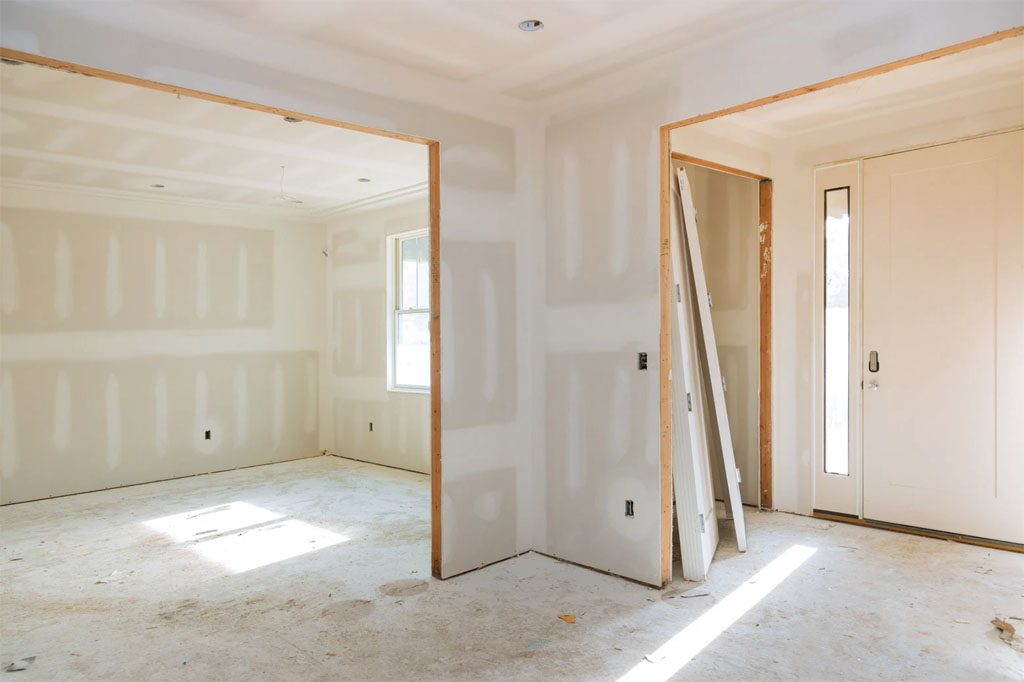
The good news is that avoiding these traps is very doable with a simple pre-build plan review process. For developers, treat plan selection like value engineering before you ever price a home: run quick framing takeoffs, look for repeatable dimensions, confirm common window and door sizes, and verify clean roof intersections. Ask your trades to mark up the plan once and keep those notes for every repeat build. For new home buyers, the best “free money” is asking practical questions early: Where will furniture actually go? How much hallway space is there? Are bathrooms back-to-back or scattered? Does the roofline look simple from the elevations? Finally, always budget for the real world, not the brochure: sitework and permitting vary widely by city and lot, and NAHB data consistently shows that non-construction factors like regulation, fees, and lot-related costs are major drivers of final price (NAHB research on regulation and fees).
At W.L. Martin Home Designs, we build our plan library to reduce these hidden cost traps instead of hiding them. Our Affordable by Design approach focuses on efficient footprints, builder-friendly structure, and practical trade paths, including grouped wet areas, sensible spans, and layouts that repeat cleanly across multiple builds. We do not “trick” builders or buyers with flashy drawings that explode in cost during estimating. The goal is straightforward: plans that are ready to build, easier to permit, and easier to execute, so developers can protect margins and buyers can get an attainable home without compromise. If you are selecting house plans for 2026, choosing designs that avoid hidden cost traps is one of the fastest ways to keep your build on budget and on schedule while delivering the kind of livability today’s market rewards.