If you have ever fallen in love with a house plan and then wondered, “Will this even fit on my lot?”, you are not alone. As land prices rise and development shifts toward infill and smaller parcels, builders and buyers are more frequently working with tighter lot widths and stricter zoning constraints. The U.S. Census Bureau’s Survey of Construction has tracked a long-term trend toward smaller lots for new single-family homes compared with earlier decades, which is one reason “narrow lot” and compact-footprint plans have become a core strategy for keeping projects feasible and homes more affordable by design (U.S. Census Bureau, Survey of Construction).
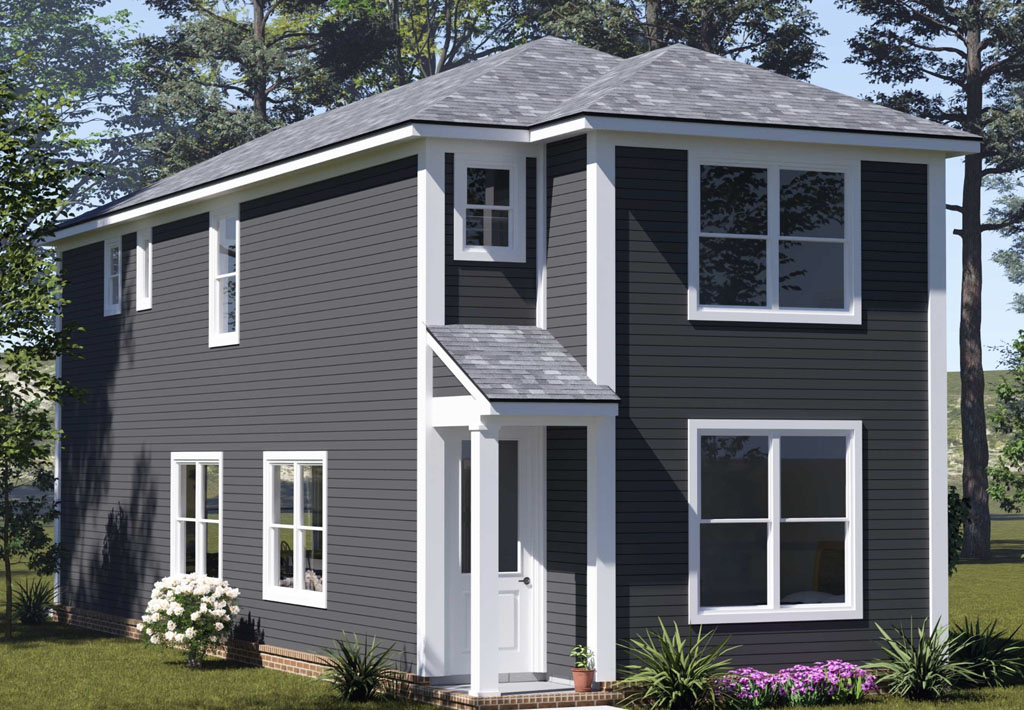
The key concept to understand is the buildable envelope, which is the portion of your lot where the structure is allowed to sit after accounting for required setbacks. Setbacks are the minimum distances a home must be from the front property line, side property lines, and rear property line, and they are set by local zoning or development standards. In simple terms, the maximum plan width you can build is often lot width minus left side setback minus right side setback. The maximum plan depth is often lot depth minus front setback minus rear setback. Many jurisdictions also regulate lot coverage (the percentage of the lot that can be covered by buildings) and sometimes floor area ratio, which can limit size even when the footprint “fits” (local zoning ordinances and building department standards; International Code Council codes are commonly adopted and then amended locally).
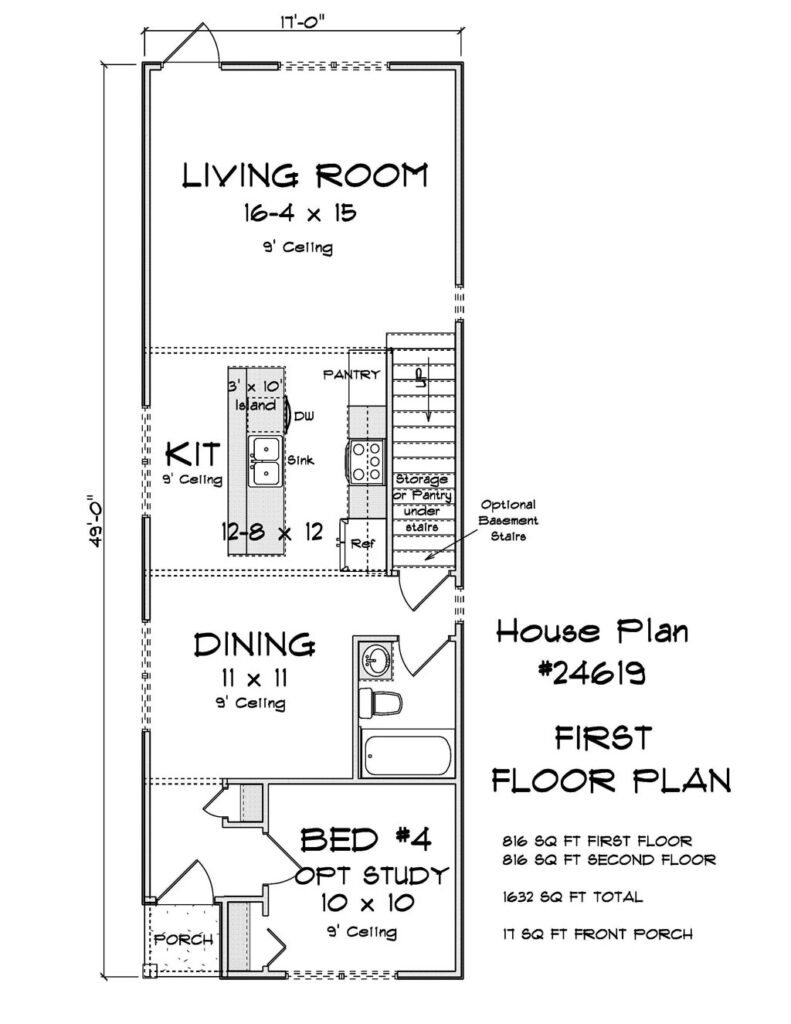
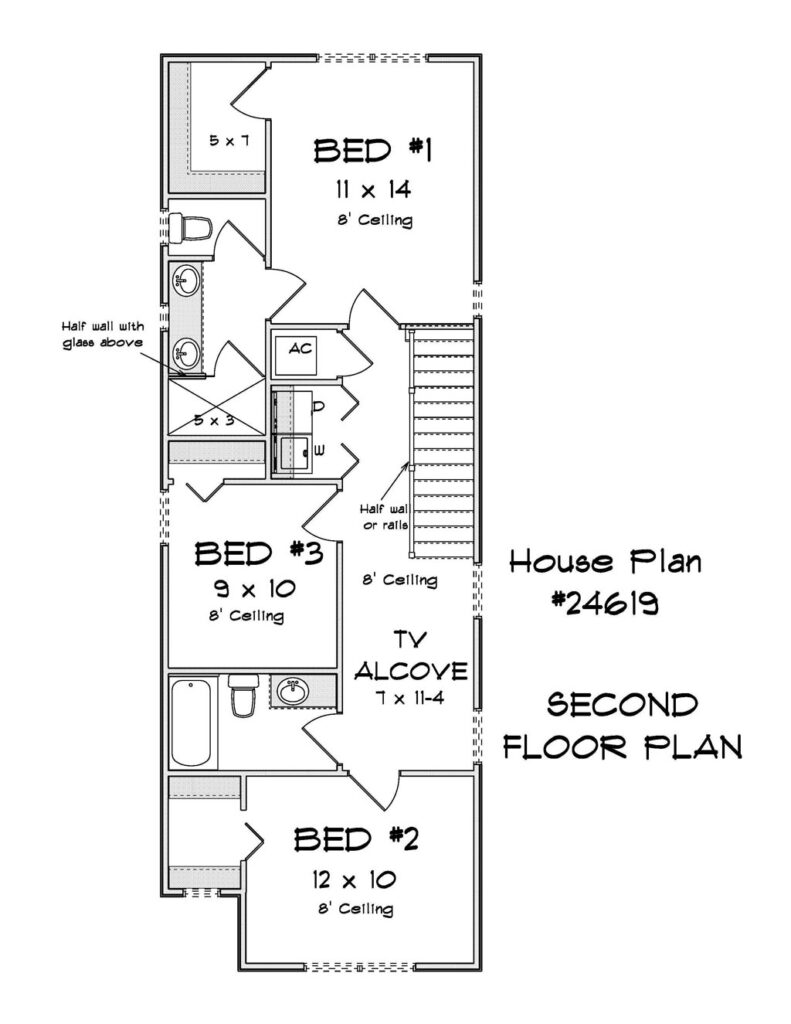
To check fit confidently, start with two documents: a current boundary survey (or plat) and the zoning rules for your property’s district. On the survey, note the exact lot width at the building line if the lot is irregular, plus any easements that restrict building near the edges. Then pull the zoning setbacks, any corner-lot visibility triangles, and the rules for garages, porches, and projections since some features can encroach differently than the main walls. Next, compare the plan’s minimum width and depth and any exterior projections to your calculated envelope. If the plan includes a front-load garage, confirm driveway location and curb-cut rules too. The National Association of Home Builders regularly highlights how lot characteristics and local regulation can materially affect what can be built and what it costs, which is why this quick “envelope math” is one of the most important early steps for both first-time buyers and developers (NAHB, Eye on Housing and NAHB research on land use and housing affordability).
Even when the numbers work on paper, a few common issues can derail permitting: easements for utilities or drainage along the sides or rear, slope and required grading swales, septic and well separation distances in rural areas, and elevation requirements in flood-prone zones. Roof overhangs, bay windows, covered patios, and exterior stairs can also push you over a setback line if you do not account for projections. If you are close, a plan modification can often solve it without starting over, such as reducing garage width, switching to a side-entry or rear-entry configuration when allowed, adjusting porch depth, or simplifying bump-outs. This is exactly why W.L. Martin Home Designs maintains a strong focus on narrow-lot and space-smart layouts, with many plans intentionally designed for lots that are short on width, short on depth, or both, helping developers and new home buyers deliver attractive homes that stay affordable by design.
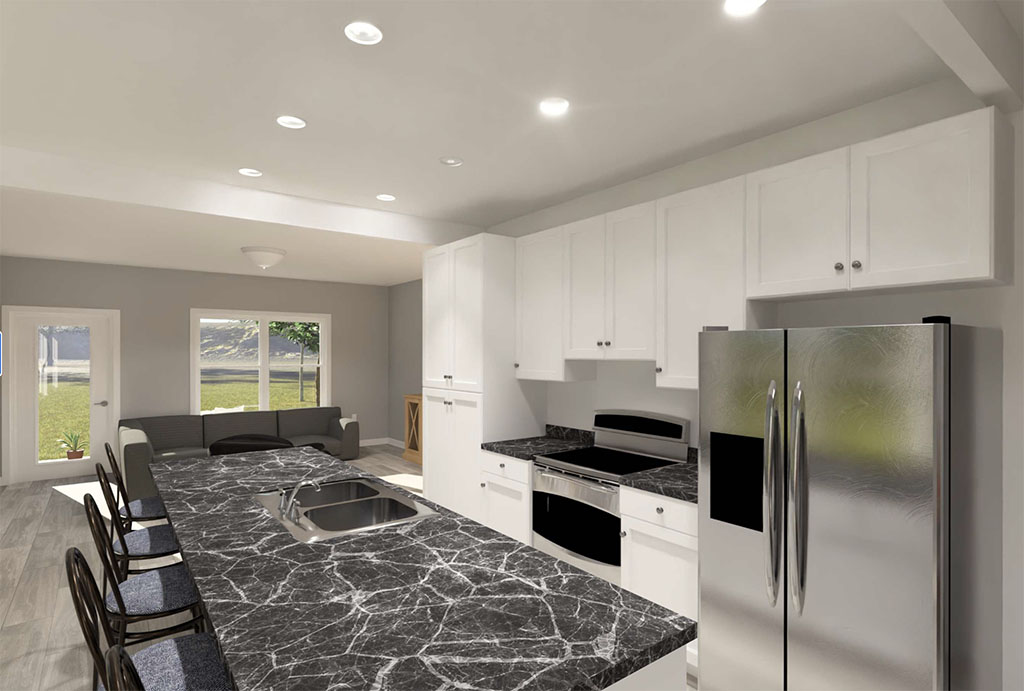
A practical next step is to ask your local planning or building department for a written setback summary for your address, then share your survey and the plan dimensions with your builder or a local design professional who can confirm compliance before you spend money on revisions or engineering. If you are shopping plans specifically for constrained sites, prioritize designs that publish clear minimum widths, keep the footprint efficient, stack plumbing, and reduce unnecessary exterior jogs. W.L. Martin Home Designs can help you narrow your search to compact and narrow-lot-friendly options and identify common tweaks that make a great plan fit a challenging lot, which is often the difference between a smooth permit review and a costly redesign.