Blog

  • Designing for Efficiency and How Developers Can Build Smarter with W.L. Martin Home Designs

    Designing for Efficiency and How Developers Can Build Smarter with W.L. Martin Home Designs

    For residential developers, efficiency isn’t just a buzzword — it’s a critical part of creating homes that meet buyer expectations, pass energy codes, and remain competitive in the market. With homebuyers increasingly focused on sustainability, energy savings, and smart living, developers are under pressure to find solutions that align with those demands. That’s where choosing the right home plan becomes a foundational step.

    W.L. Martin Home Designs offers a diverse collection of thoughtfully crafted house plans, many of which are designed with efficiency and buildability in mind. From compact footprints to simplified rooflines and modern building materials, these plans offer developers a solid foundation to build homes that are energy efficient, cost-effective, and attractive to today’s buyers.

    According to the U.S. Department of Energy, homes built to modern energy codes can be as much as 30 percent more efficient than homes built just a decade ago. For developers, this is a clear opportunity. Building from the ground up allows you to integrate high-efficiency systems, up-to-date insulation, and layout designs that promote better heating and cooling flow from the very beginning. In contrast, retrofitting older homes can be both costly and limited in its return on investment.

    One of the biggest advantages of starting with a plan from W.L. Martin Home Designs is that many of the homes are designed with modern living in mind, which naturally supports efficiency goals. Many plans in the 1,200 to 2,000 square foot range are already laid out to take advantage of passive heating and cooling strategies, such as open-concept living areas that promote air circulation and strategically placed windows that can reduce the need for artificial lighting during the day.

    For example, many of W.L. Martin’s plans allow developers to incorporate these efficiency-friendly features:

    • Simple, compact shapes that reduce construction waste and heating and cooling loads
    • Rooflines designed to support solar panel installations
    • Covered porches and deep eaves that help with passive shading
    • Proper orientation potential to optimize solar gain and natural light
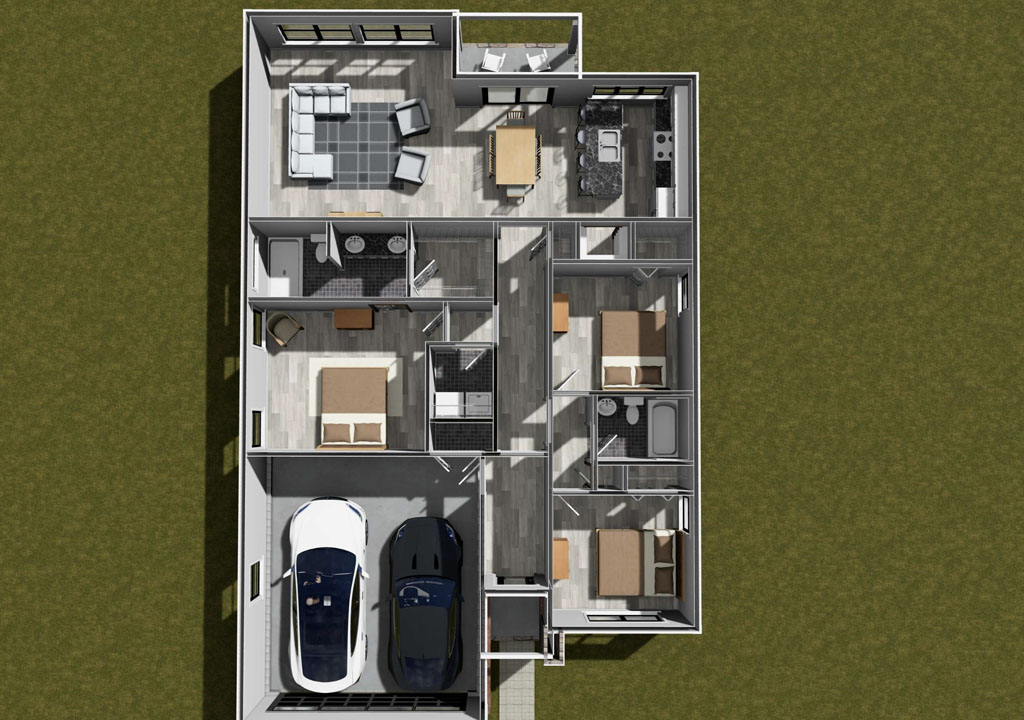
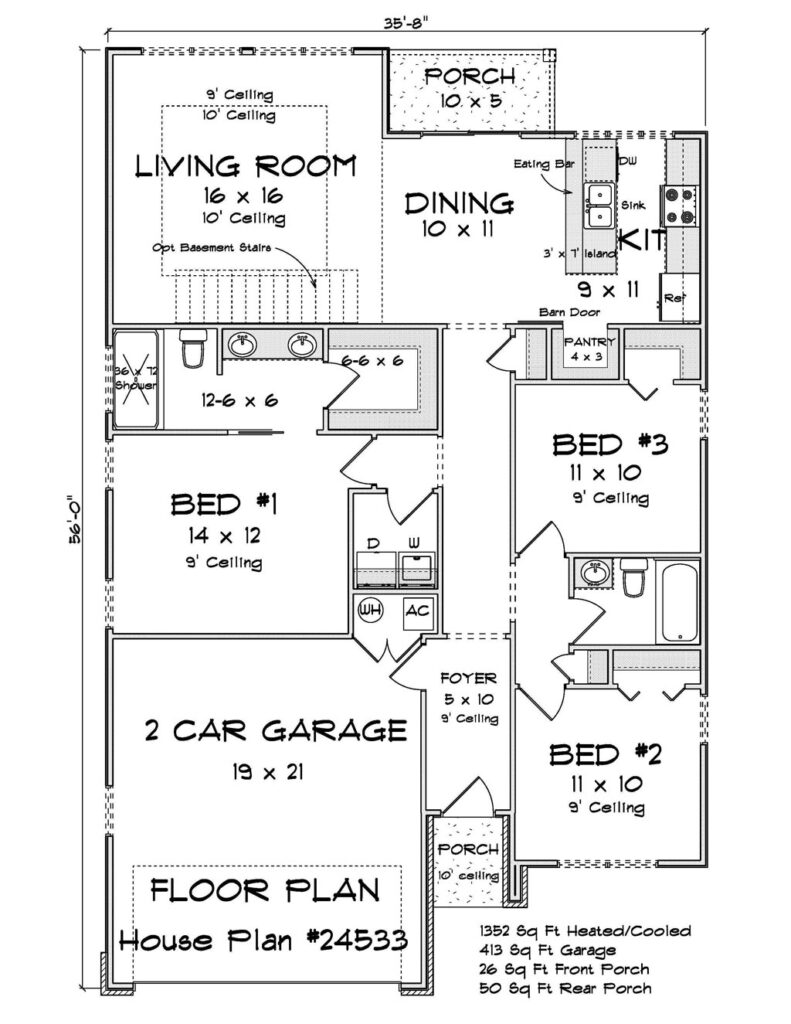
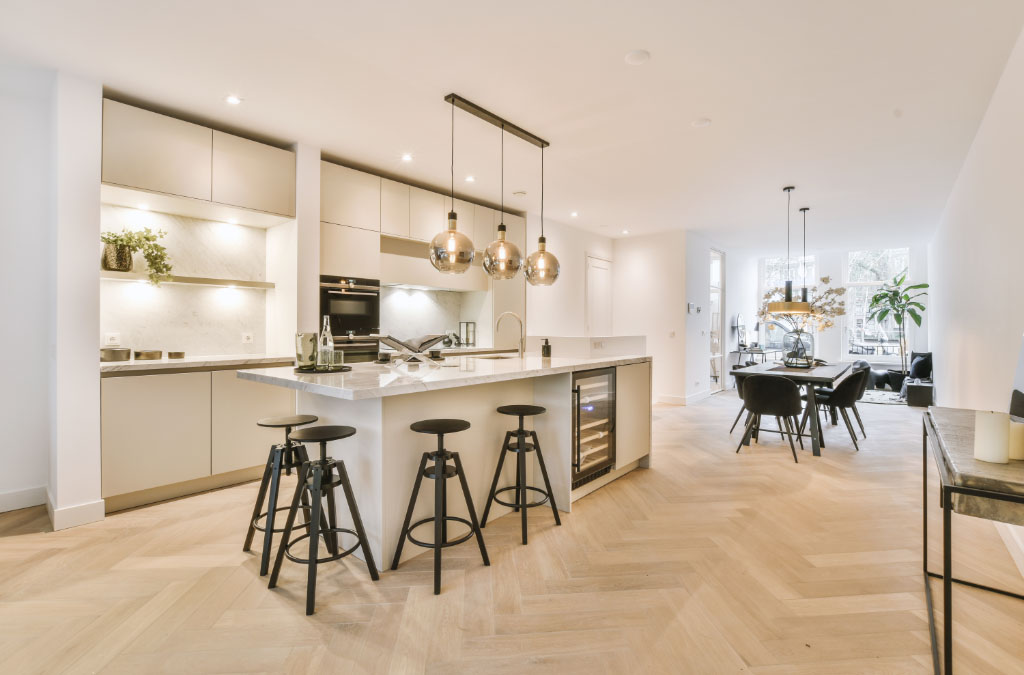
    • Open layouts that reduce unnecessary hallways and walls, improving airflow
    • Attic and wall framing that accommodates high-R-value insulation
    • Smart home technology compatibility for energy monitoring and automation
    • Tankless water heater options and efficient HVAC zones

    As the U.S. Environmental Protection Agency reports, heating and cooling typically account for about 42 percent of a home’s energy use. By building from scratch using a plan that’s been designed with airflow, sunlight, and insulation in mind, developers can drastically reduce those numbers and appeal to cost-conscious buyers.

    The growing demand for energy-efficient homes is also backed by the National Association of Home Builders, which found in a 2024 report that over 70 percent of homebuyers rank energy efficiency as a “very important” factor in their purchasing decision. For developers, this trend underscores the value of choosing plans that not only look good on the outside but also function efficiently on the inside.

    In addition to energy savings, efficient homes often benefit from reduced maintenance and fewer callbacks after move-in. Thoughtful design leads to fewer construction errors, better moisture control, and longer-lasting materials, all of which contribute to long-term homeowner satisfaction.

    At W.L. Martin Home Designs, we believe that building smart starts at the drawing board. That’s why our plans are created to be builder-friendly, code-conscious, and future-focused. Whether you’re developing a single infill lot or an entire community, you’ll find options that help you meet your goals — and your buyers’ expectations — when it comes to efficiency, comfort, and modern living.

    By starting with the right plan, developers can streamline construction, control costs, and deliver homes that live better and perform better from day one. And in today’s housing market, that’s a clear competitive edge.
  • Smart Landscaping Ideas That Add Value to Smaller Homes

    Smart Landscaping Ideas That Add Value to Smaller Homes

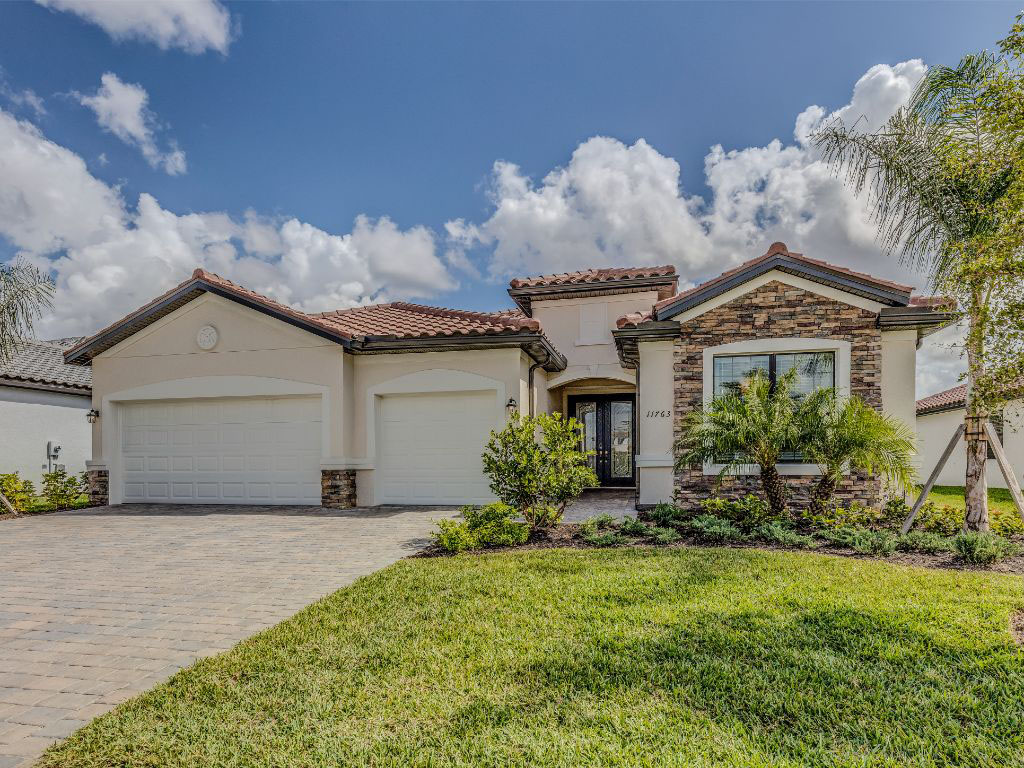
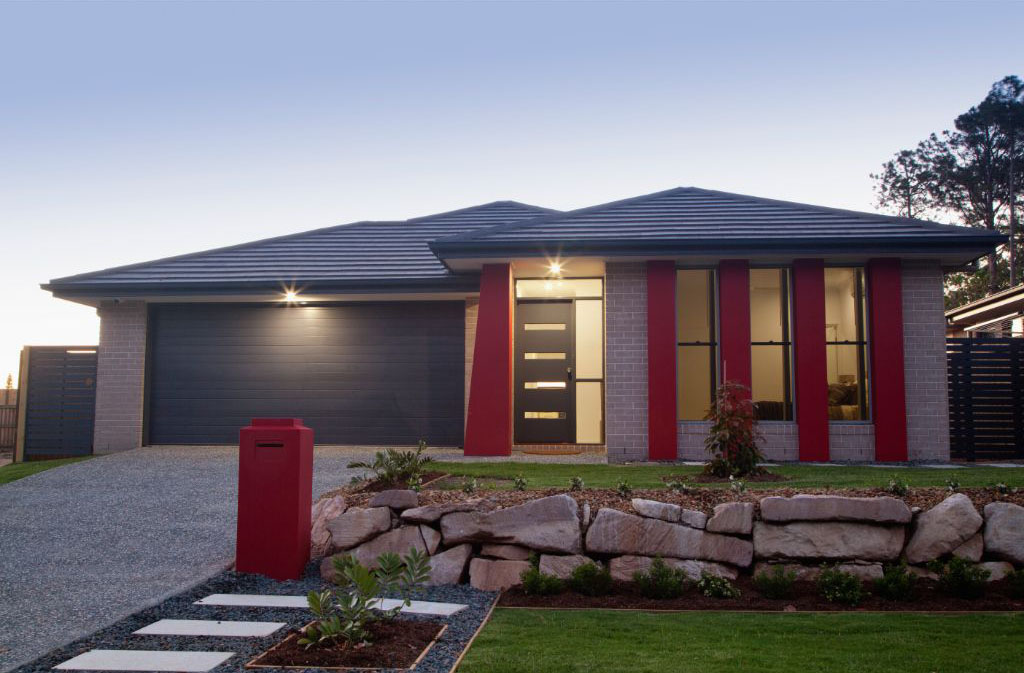
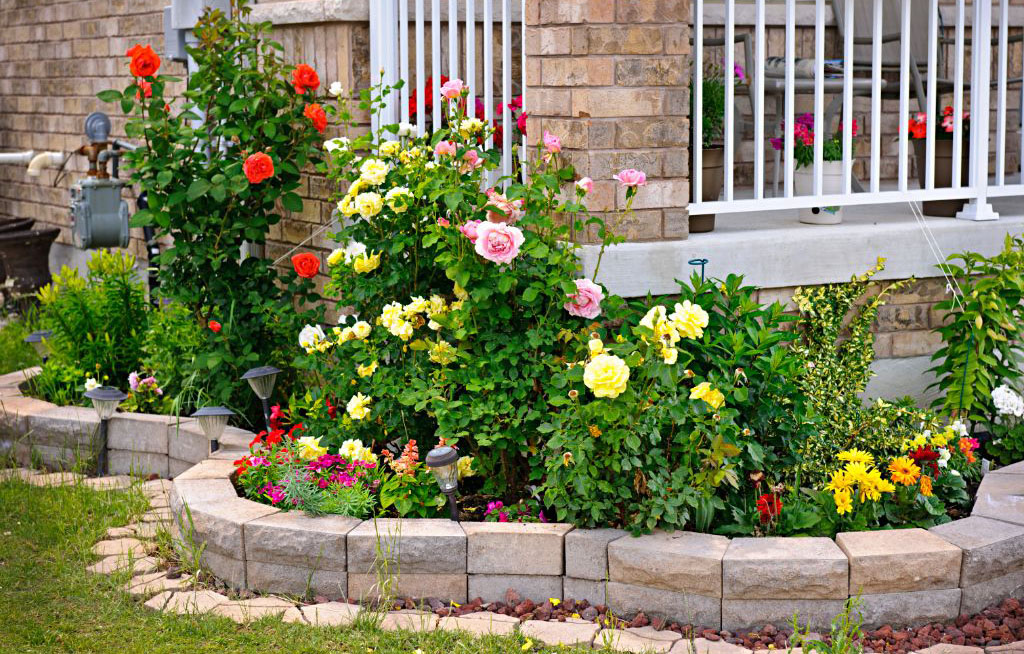
    When it comes to building homes in the 400 to 2,500 square foot range, developers are often laser-focused on floor plans, finishes, and functionality. But one area that often gets less attention—yet has a big impact on a home’s value—is landscaping. Smart, intentional landscaping doesn’t have to break the budget, and for smaller homes, it can dramatically improve curb appeal, livability, and overall marketability.

    Whether you’re developing a pocket neighborhood of 1,000 square foot cottages or a few modern bungalows in a growing suburb, thoughtful landscaping is a smart way to elevate your project and set your homes apart.

    Scale It Right

    One of the most common mistakes with landscaping smaller homes is using plants or features that overwhelm the house itself. For example, a large tree or bulky shrub can easily dominate a small yard and throw off the balance of the whole design. Instead, focus on proportional elements. Narrow trees like columnar oaks or sky pencil hollies offer vertical interest without eating up precious space. Trellises with climbing vines can also add height and charm without the footprint of a full garden bed.

    For developers, it’s often more efficient to create repeatable front yard layouts that are simple, scalable, and visually balanced. The key is to enhance the architecture of the home without overshadowing it.

    Keep It Low-Maintenance

    Smaller homes often appeal to buyers or renters who are also looking for simpler living. That means landscaping should be attractive but easy to care for. Using native plants is one of the best ways to achieve this. They typically require less water, are more resistant to pests, and thrive with minimal upkeep. Regional plant palettes—like lavender and sage in the Southwest or hostas and hydrangeas in the Midwest—can keep things looking fresh without weekly maintenance.

    Gravel pathways, mulch beds, and weed barriers can also cut down on labor while adding visual texture. For rental properties or spec homes, this kind of low-maintenance approach is especially valuable since it keeps ongoing costs down for the end user.

    Outdoor Living That Makes Sense

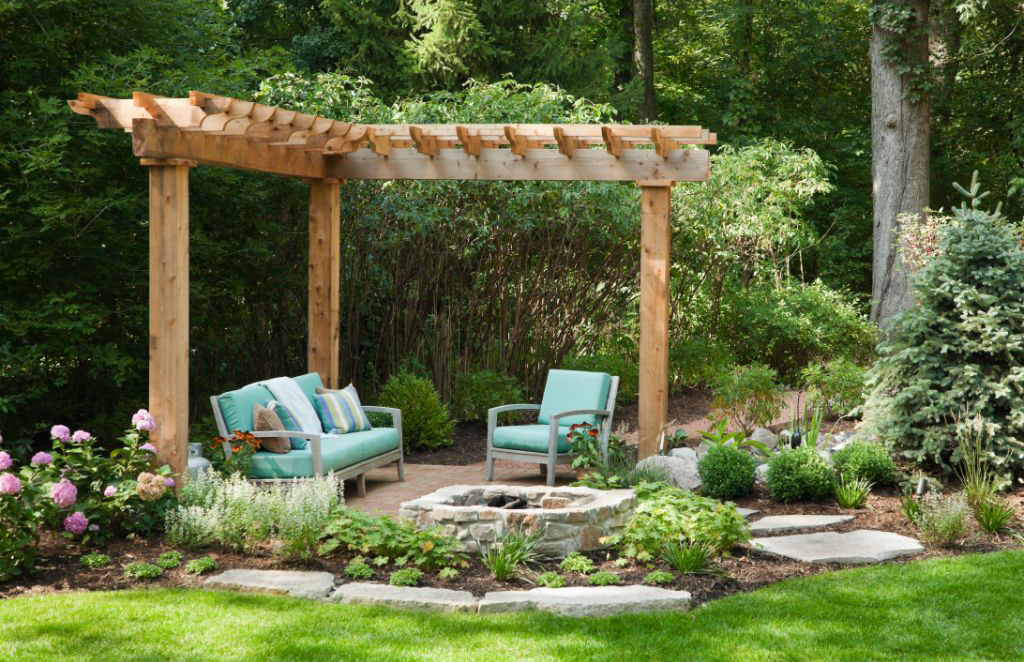
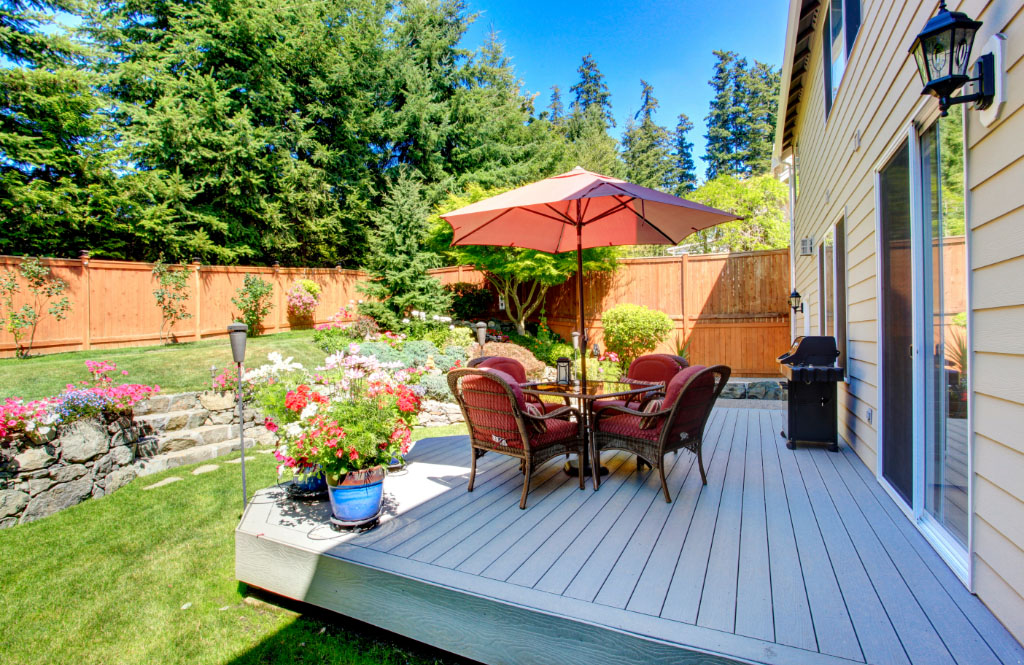
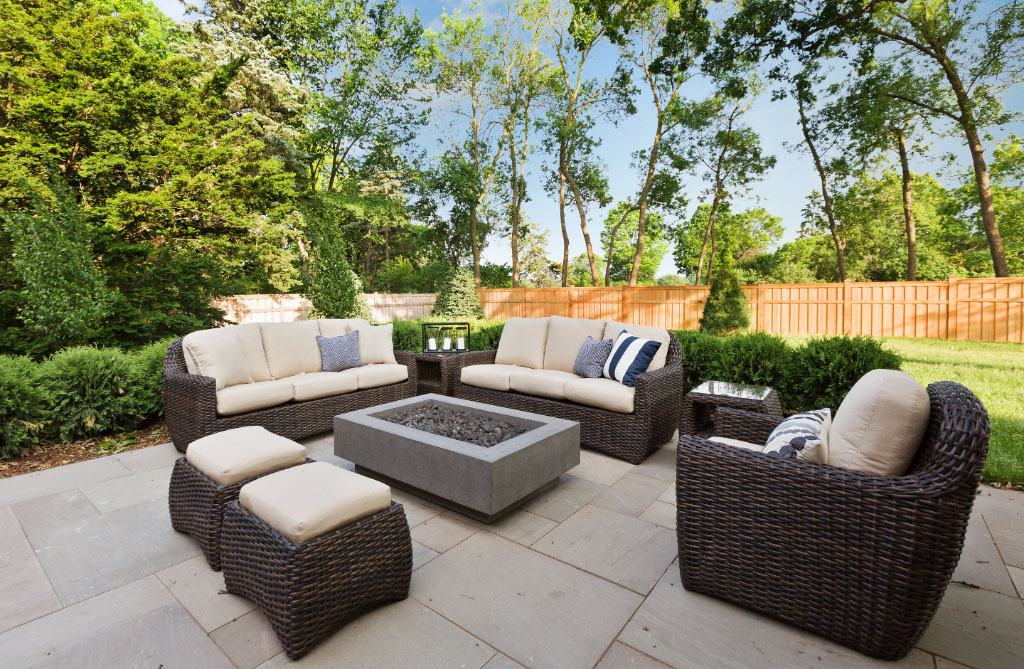
    More buyers than ever are looking at outdoor spaces as an extension of the home, even if it’s a small one. A simple patio, a small deck, or a fire pit area can make a backyard feel like an extra room. For developers, this is an opportunity to create usable outdoor areas without adding square footage to the actual house.

    Consider pairing your home designs with outdoor features that fit the home’s footprint. A 600 square foot cottage, for example, could benefit from a covered front porch with planter boxes or a small seating area out back. Even just a few square feet of hardscaping with a place for a grill or bistro table can go a long way in appealing to today’s buyers.

    Use Landscaping for Privacy and Separation

    Many homes in the 400 to 2,500 square foot range are built on compact lots. Whether it’s a row of townhome-style units or individual homes in an infill development, space is often at a premium. Landscaping can play a key role in creating privacy and defining zones within small yards.

    Privacy hedges, small retaining walls with greenery, or even portable planters can give buyers the feeling of separation without needing large fences. For developers working in tighter urban or suburban neighborhoods, these touches help make the home feel more livable, even before anyone steps inside.

    Consider Water Efficiency and Regional Needs

    Smart landscaping today also means thinking about water usage. In areas where drought is a concern, options like drip irrigation systems, rain gardens, and drought-resistant plants can save water while still looking great. Features like permeable pavers or gravel can also help manage runoff while contributing to a modern, clean aesthetic.

    If you’re developing in multiple regions, it’s worth customizing your landscaping approach based on climate and soil conditions. What works well in Oregon might not thrive in Texas, and local plantings will always perform better in the long run.

    The Bottom Line

    For developers, landscaping can often feel like an afterthought—but it shouldn’t be. A well-planned yard can make a small home feel more spacious, more inviting, and more valuable. By keeping the scale right, using low-maintenance and native plants, and adding simple outdoor living features, you can create homes that stand out in today’s competitive market.

    It doesn’t take much space to make a big impression. And when buyers or renters pull up to a home that looks cared for and thoughtfully designed, it makes all the difference.

  • Why Bonus Rooms, Media Rooms, and Flex Spaces Are a Must in Today’s Home Designs

    Why Bonus Rooms, Media Rooms, and Flex Spaces Are a Must in Today’s Home Designs

    If you’ve ever wished your home had just a little more space for movie nights, out-of-town guests, or even your new work-from-home setup, you’re not alone. More homeowners and developers are prioritizing homes that come with adaptable spaces—bonus rooms, media rooms, and flex spaces that shift to match changing lifestyles. At W.L. Martin Home Designs, we’ve been watching this trend grow and have designed many of our house plans to include these versatile areas. They’re not just an afterthought anymore. They’re a central part of modern living.

    A 2024 report from the National Association of Home Builders (NAHB) found that 32% of prospective homebuyers rank a flexible space such as a bonus room or media room as “essential” when shopping for a new home. Another 48% say it’s “desirable,” showing just how important these features have become. Whether it’s a growing family, multi-generational household, or just someone wanting a home that adapts over time, extra space is now a serious selling point.

    So what’s driving this demand? A lot of it comes down to lifestyle. With more people working remotely, the home office has become a necessity, but not everyone wants a dedicated bedroom to double as a workspace. A flex room solves that. It can function as a quiet place to work during the day and easily transform into a guest bedroom or even a playroom after hours. It’s about getting more function from the same square footage.

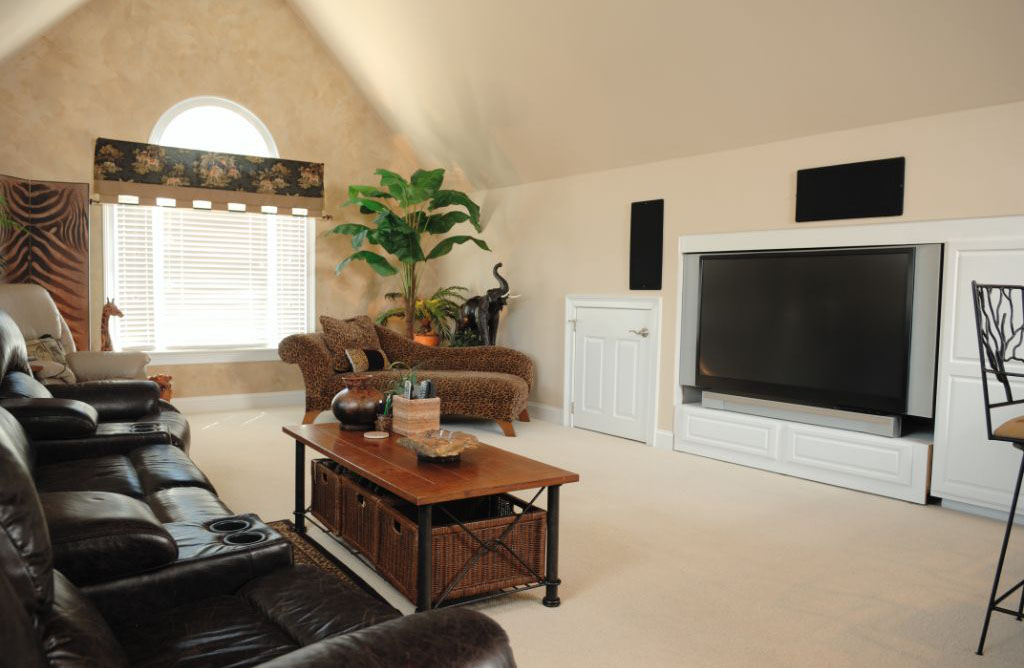
    Media rooms are another popular feature, especially for families. According to a 2023 Houzz survey, nearly 1 in 5 homeowners said they prioritized creating a dedicated space for media or entertainment in recent remodeling projects. While open-concept living areas still have their place, many homeowners now want a separate room for watching sports, streaming movies, or gaming with friends. It offers better acoustics, more privacy, and can even improve resale value.

    Developers are catching on. When you’re building homes that stand out in today’s competitive market, offering plans that include bonus or flex spaces gives you a major edge. Many of the house plans at W.L. Martin Home Designs start around 1,200 square feet and still manage to include a flexible room. It’s all about smart design. Whether it’s a finished attic, a room over the garage, or a versatile nook off the main living area, these spaces are designed to be used and re-used as life evolves.
    Guest-friendly spaces are also in high demand, especially with short-term rental popularity and people hosting family and friends more frequently. Zillow’s 2024 consumer housing trends report notes that 41% of buyers want a home that can easily accommodate overnight guests. A flex room that quickly turns into a comfortable guest bedroom checks that box without needing to add another dedicated bedroom to the footprint.

    At W.L. Martin Home Designs, we’ve embraced this shift. Many of our home plans—whether you’re looking at a 1,000-square-foot cottage or a 2,400-square-foot family home—are designed with entertainment and flexibility in mind. We build in spaces that developers can market as offices, media rooms, hobby areas, or guest quarters depending on the target buyer. The idea is to create floor plans that feel spacious, smart, and ready to adapt.

    If you’re a developer looking for home plans that offer that extra something buyers love, we’ve got options that check every box. Whether it’s entertaining guests, working from home, or simply wanting a place to unwind, homes with bonus rooms and flexible layouts continue to prove their value. Take a look at our collection and see how versatile design can work for you—and your future homeowners.

  • Future Ready House Plans That Prep Your Home Designs for Smart Tech Integration

    Future Ready House Plans That Prep Your Home Designs for Smart Tech Integration

    As technology continues to transform how we live, today’s new homes are becoming smarter, more efficient, and better connected. Buyers now expect more than just four walls and a roof. They’re looking for features that make life easier, safer, and more energy-efficient. For developers, that means choosing house plans that not only meet today’s needs but are also flexible enough to adapt to tomorrow’s innovations. At W.L. Martin Home Designs, our ready-to-build house plans are designed with this future in mind.

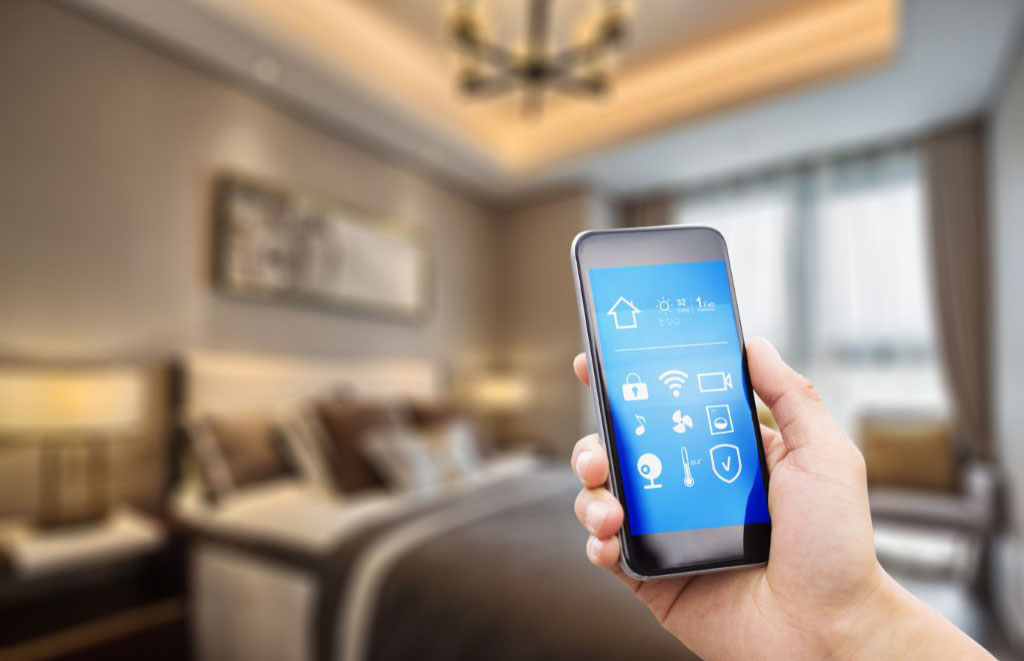
    Smart home technology isn’t just a luxury anymore. According to a 2024 report from Statista, over 63 million U.S. households use smart home devices, and that number is projected to keep growing steadily. From voice-activated lighting to app-controlled thermostats, smart features are becoming standard expectations in new builds. This shift presents both a challenge and an opportunity for developers: how to incorporate these features cost-effectively while keeping the homes appealing to a broad range of buyers.

    The good news is that preparing a home for future smart upgrades doesn’t require a complete overhaul of a floor plan. Many of W.L. Martin’s house plans already offer design elements that make it simple for builders to integrate smart home features now or later. For example, our plans often include spacious utility rooms, flexible living areas, and open layouts that make it easier to run wiring, install smart hubs, or add low-voltage panels without major structural changes. Many of our house plans also include attic access or central mechanical closets, which can help futureproof the home for easy technology upgrades.

    Here are a few key areas where developers can prep a home for future smart technology:

    Smart Lighting and Outlets: Planning for additional outlet locations and wiring pathways can help accommodate smart lighting systems or voice-controlled devices. Even in compact homes, like those around 1,200 square feet, a few extra strategically placed outlets or conduit lines can make a big difference.

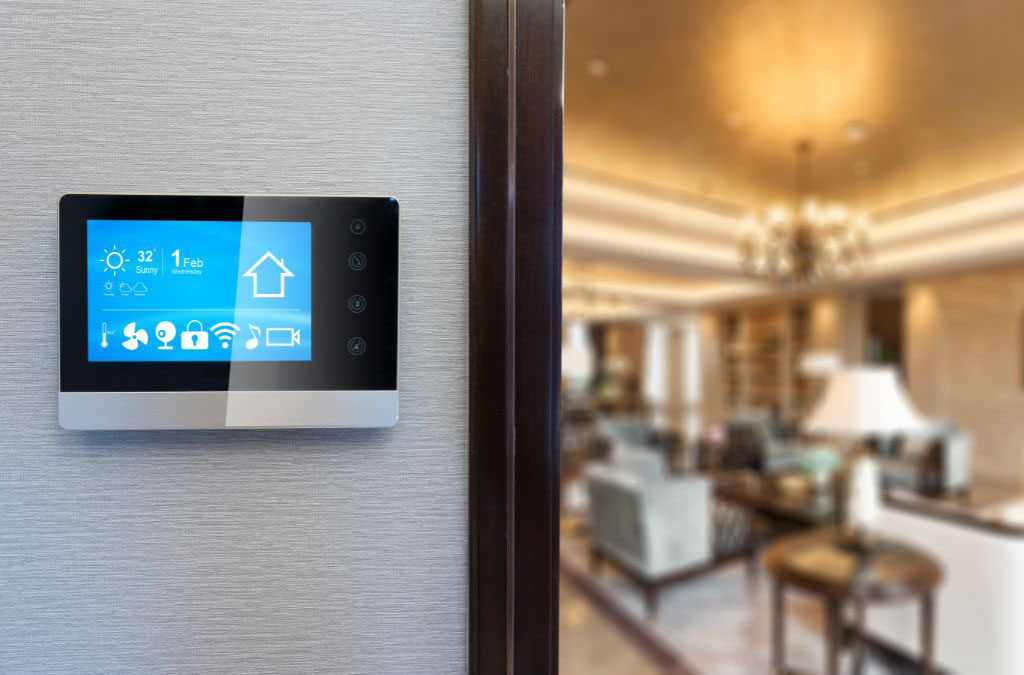
    Centralized Control Panels: Including a utility closet or hallway space for a smart home control panel gives homeowners an easy way to manage lighting, HVAC, security, and more. These central hubs don’t take up much space and can be added during construction with minimal cost.

    Wi-Fi Optimization: Open-concept layouts, which are common in many of our small and mid-sized home plans, allow for better Wi-Fi distribution without signal-blocking walls. Developers can also run Ethernet cables during construction to provide hardwired connections for smart TVs, security cameras, or office setups.

    EV-Ready Garages: With electric vehicle adoption rising fast, homes that include a pre-wired outlet for EV chargers will appeal to more future buyers. Even in homes with modest square footage, pre-installing a 240V line in the garage or carport can be a huge selling point.

    Energy Monitoring and Solar Readiness: Installing a breaker box that supports solar integration or energy monitoring apps can help buyers who want to track their electricity use or install solar panels later on. Rooflines featured in several of our home plans also work well for solar panel installations, especially those with clean south-facing slopes.

    Smart Kitchens and Baths: Developers are starting to offer homes with built-in smart kitchen appliances, voice-controlled faucets, and digital shower systems. While these aren’t always standard, framing and plumbing choices during construction can make later upgrades easier. For example, many of W.L. Martin’s plans feature large kitchens and well-organized utility zones that simplify future retrofits.

    At W.L. Martin Home Designs, we understand that flexibility is key. That’s why our home plans are drawn with thoughtful layouts that allow for customization. Whether you’re building a 900 square foot starter home or a 2,500 square foot family residence, our plans give you the freedom to add the features that modern buyers are asking for. You can buy house plans from our collection that are easy to adapt and ready to build with today’s construction standards in mind—and tomorrow’s tech upgrades in view.

    If you’re a developer looking for smart, buildable solutions that keep your buyers happy and your projects future-ready, explore our growing collection of home plans. With timeless design, smart layouts, and flexibility for the future, W.L. Martin Home Designs is here to help you build homes that sell today and stay relevant tomorrow.

  • Why Pocket Neighborhoods Are the Future—and What That Means for Your House Plan Strategy

    Why Pocket Neighborhoods Are the Future—and What That Means for Your House Plan Strategy

    If you’re a developer keeping an eye on where the housing market is heading, you’ve probably noticed a shift. Square footage isn’t the only thing buyers are after anymore. People are looking for community, walkability, and homes that are easy to live in and maintain. That’s where pocket neighborhoods come in. This growing trend is changing how neighborhoods are designed and how developers are thinking about land use, especially when it comes to smaller lots and tighter budgets.

    So what is a pocket neighborhood?

    At its core, a pocket neighborhood is a small cluster of homes arranged around a shared green space or courtyard. These communities are intentionally designed to encourage interaction among neighbors while still offering privacy within each individual home. Most pocket neighborhoods consist of about 8 to 16 homes, often under 1,200 square feet, and are tucked into a walkable layout that’s more compact than traditional suburban developments.

    The idea isn’t brand new, but it’s gaining fresh momentum in today’s housing climate. Architect Ross Chapin helped pioneer the modern version of the pocket neighborhood in the Pacific Northwest in the early 2000s. Since then, the concept has spread across North America as both cities and smaller towns look for creative housing solutions that feel more livable and less cookie-cutter.

    Why does this matter to developers?

    For starters, pocket neighborhoods are an efficient way to make the most of a piece of land. You can fit more homes per acre without sacrificing the look and feel of a high-quality community. Infrastructure costs tend to be lower since homes are clustered more closely together. At the same time, the end product often feels more thoughtful and connected than rows of houses on wide lots.

    There’s also growing buyer demand. Millennials and downsizers alike are looking for homes that offer simpler living, less upkeep, and a sense of belonging. Many municipalities are changing their zoning laws to support “missing middle” housing, which includes small single-family homes, duplexes, and cottage courts. Pocket neighborhoods are a perfect fit for these policies.

    So what makes a good house plan for a pocket neighborhood?

    The best plans are compact but don’t feel cramped. Homes that range from 600 to 1,200 square feet typically work well, especially when they’re designed with open-concept living areas and efficient layouts. One- and two-bedroom floor plans are the most common, often with features like front porches, tall windows for natural light, and shared outdoor areas. Some developments also include a few duplexes or accessory dwelling units (ADUs) to add density without losing the small-scale charm.

    It’s also common to see thoughtful touches like shared garden plots, walkways connecting the homes, and minimal fencing to encourage a sense of openness. Garages or parking areas are usually placed at the rear of the homes or off a shared drive, keeping the focus on people rather than cars.

    Building a pocket neighborhood is about more than just housing density. It’s about creating small communities where people feel connected to the space and to each other. As a developer, this opens up a different way to think about land use and design—and gives you a chance to offer something truly unique in a competitive market.

    If you’re exploring the idea of a pocket neighborhood or looking for ways to create smarter, more connected communities, W.L. Martin Home Designs offers a wide range of house plans that are ideal for this type of development. From compact single-family homes to efficient duplex layouts, our designs can help you make the most of your land while delivering the charm and livability pocket neighborhoods are known for. We’re happy to work with you to find or customize plans that align with your vision and local requirements.

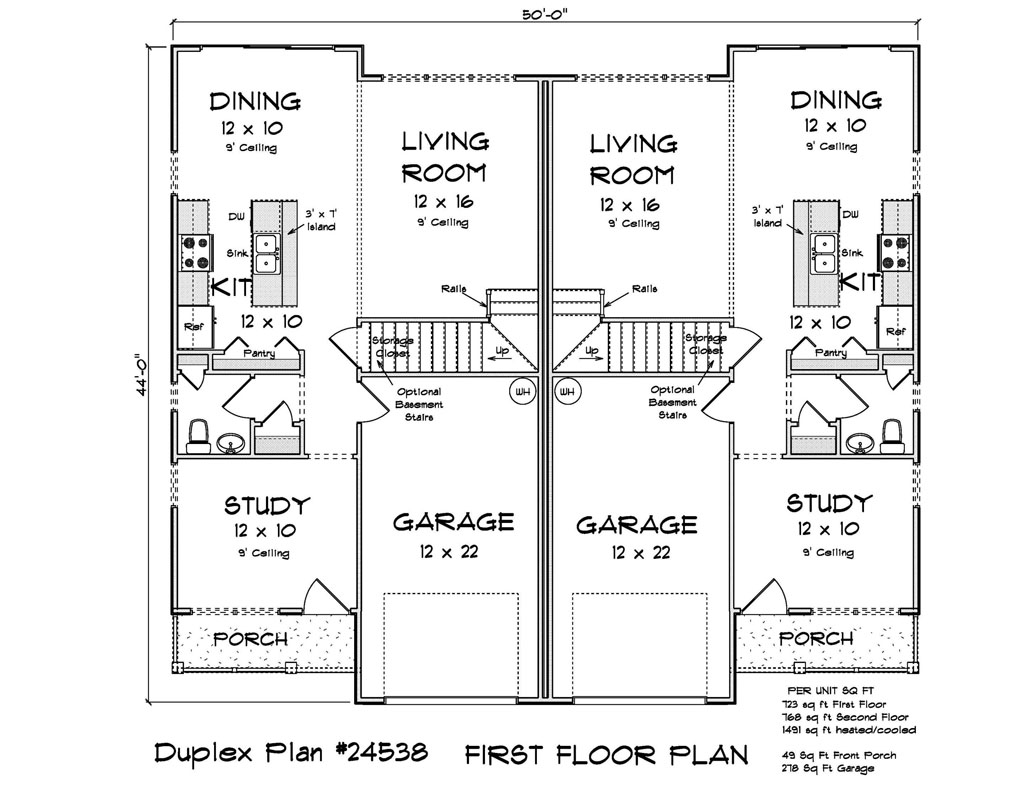
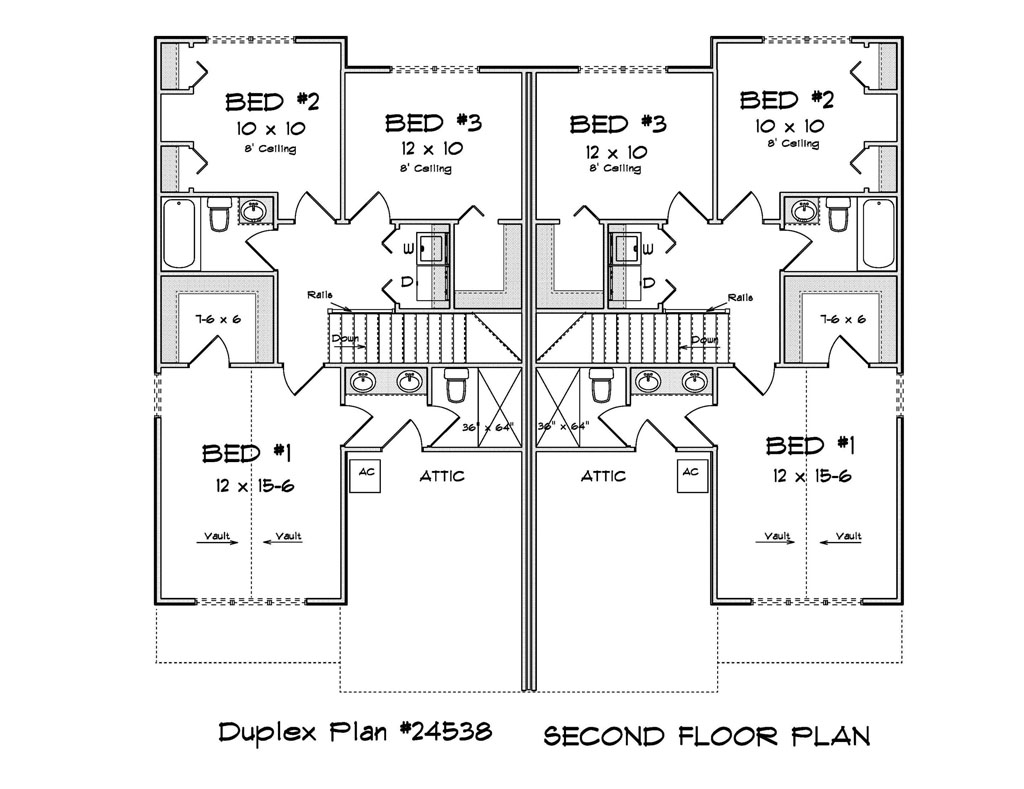
  • Why Duplex Homes Make Sense for Small Developments

    Why Duplex Homes Make Sense for Small Developments

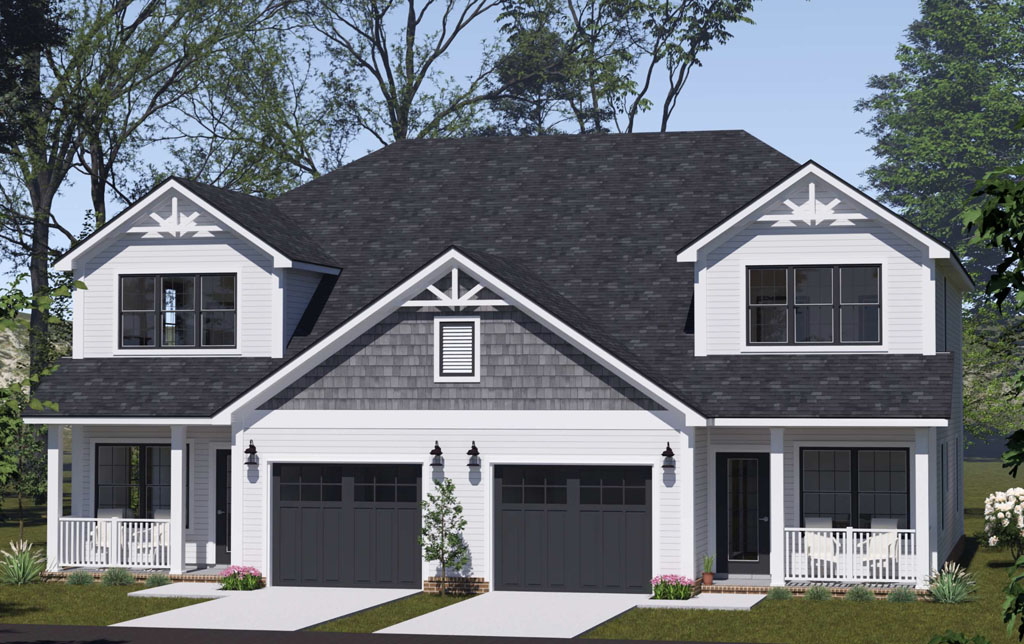
    With land prices staying high and open lots getting harder to find, more developers are starting to look at duplexes as a smart, cost-effective way to build. Whether you’re working with a few leftover lots in an existing neighborhood or planning a small development on a compact piece of land, duplex homes can help you make the most of what you’ve got.

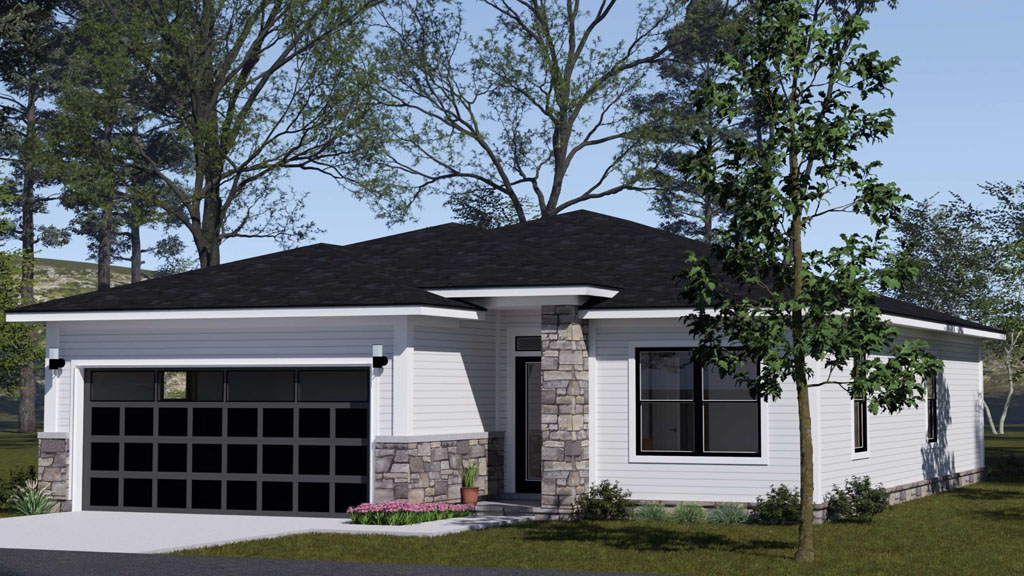
    At W.L. Martin Home Designs, we’ve seen demand grow quickly for well-designed duplex plans that don’t just save space but also look and feel like quality single-family homes. That’s exactly what today’s homebuyers and renters are asking for.

    Why Developers Are Choosing Duplexes for Smaller Projects

    Smaller projects, like infill developments or five-to-ten-lot neighborhoods, can be tricky. Land use has to be efficient, the homes need to fit local zoning, and the end product still has to feel like a good investment for buyers. This is where duplexes offer a big advantage.

    More homes per lot
    With a duplex, you can build two homes on a single lot. That means more potential income or sales revenue without needing to buy more land. According to the National Association of Home Builders, the average cost to develop a finished lot jumped 40% from 2020 to 2023. With prices like that, doubling the number of units on the same land just makes financial sense.

    Great for tight or odd-shaped lots
    Many duplex plans are specifically designed for narrow lots or smaller footprints, which makes them a great fit for infill sites. Some W.L. Martin duplex plans can fit on a lot as narrow as 40 feet, so you can still build even when space is limited.

    Better return on investment
    Duplexes also offer great flexibility for your business model. If you’re building to sell, buyers love the idea of living in one unit while renting out the other. If you’re keeping properties for long-term rentals, duplexes typically earn more per square foot. A 2024 report from ATTOM Data found that duplexes in suburban markets often generate 8% higher gross rental yields than similar-sized single-family homes.

    More demand from cities and buyers
    Cities across North America are opening the door to more duplex construction, especially in areas that used to be zoned only for single-family homes. Places like Portland, Austin, and Minneapolis are updating their zoning to allow for two or more units per lot. That gives builders more flexibility than ever, especially in older neighborhoods or tight urban markets.

    Duplex Plans That Work for Today’s Market

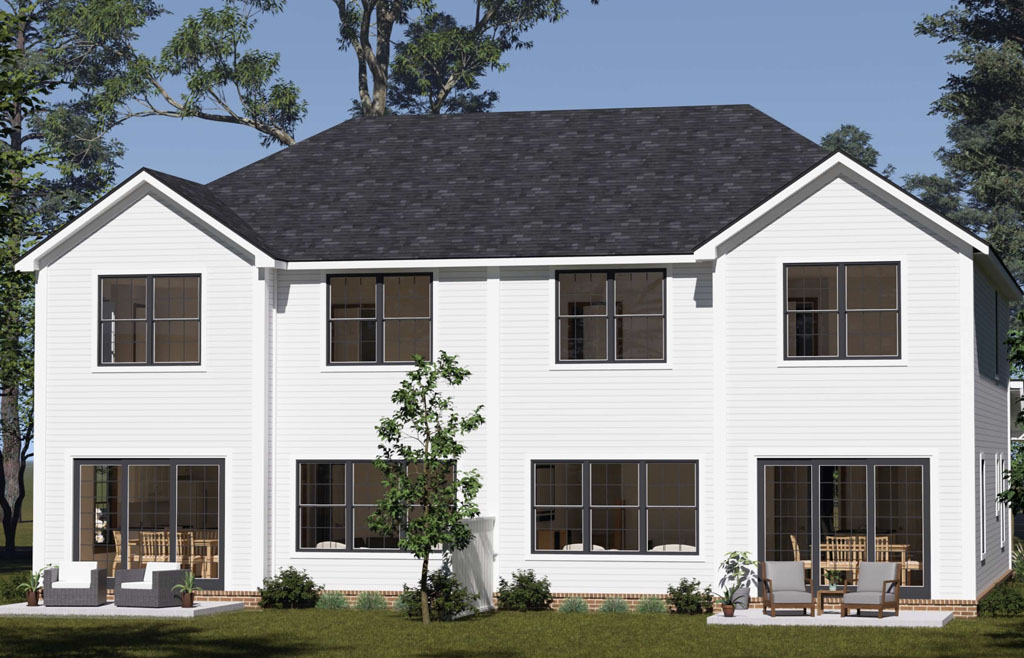
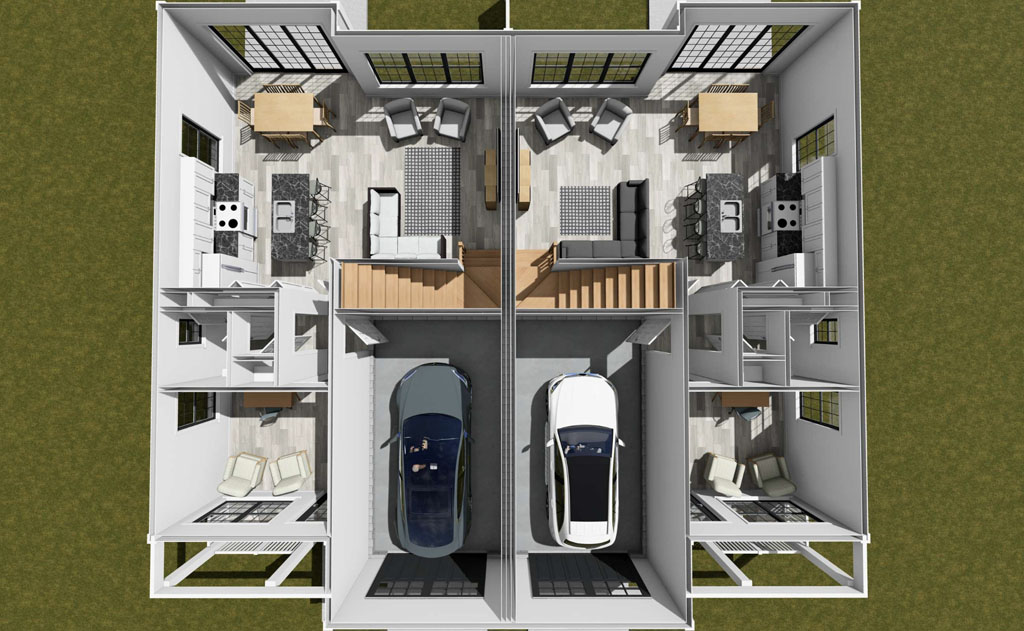
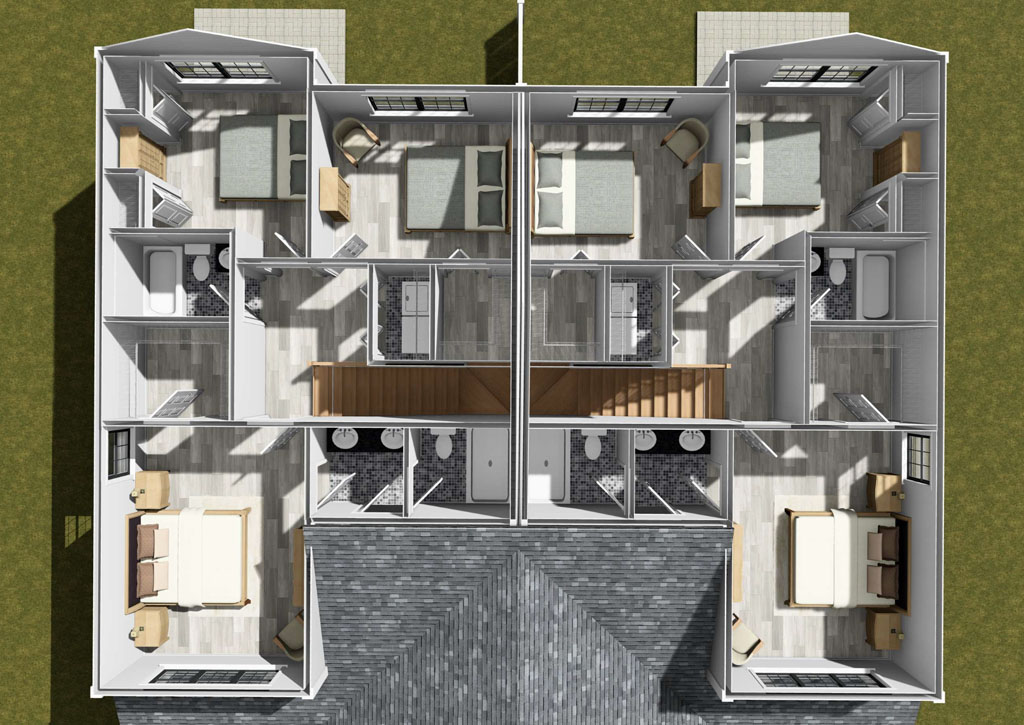
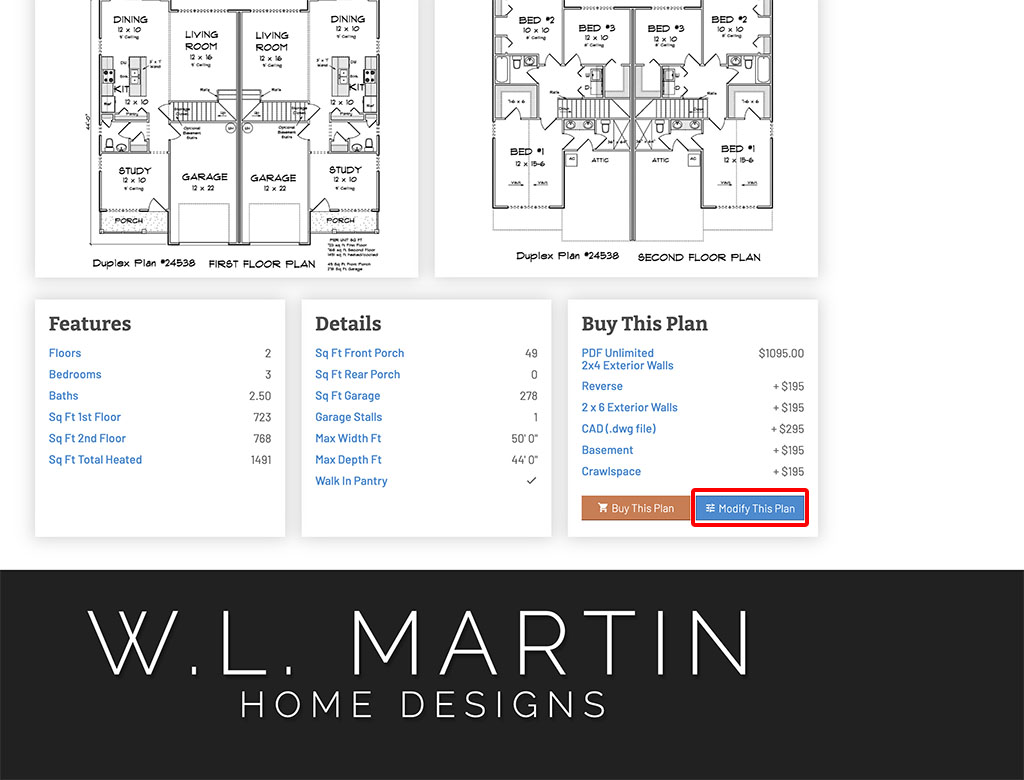
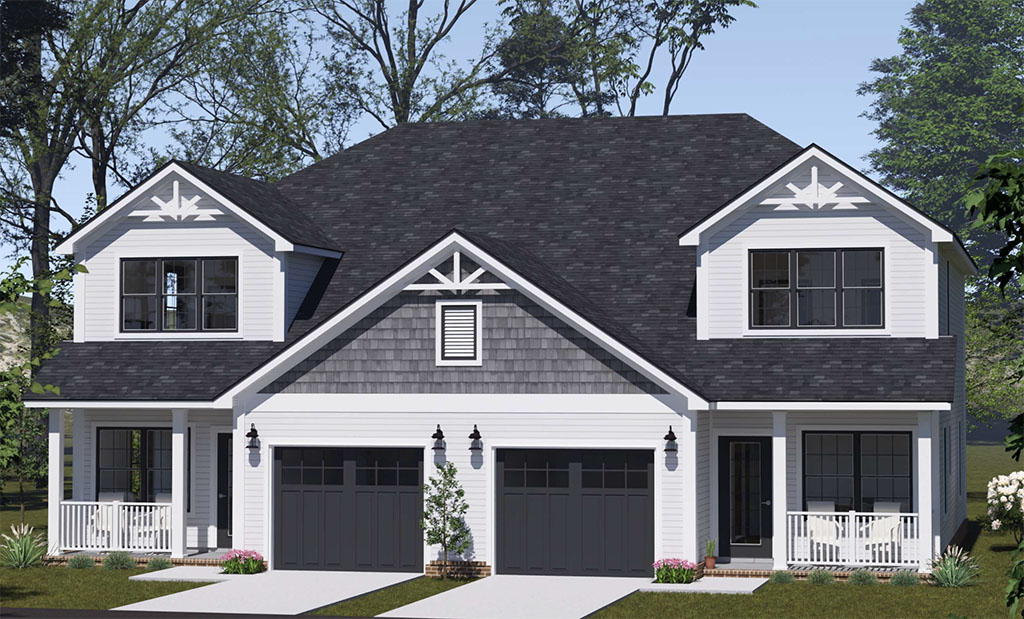
    At WL Martin Home Designs, we offer a wide range of duplex plans that are ready to build. Whether you’re looking for traditional side-by-side units or stacked designs that work on sloped or narrow lots, we’ve got options to suit your site and your buyer profile.

    Some plans are just over 1,000 square feet per unit, ideal for affordable housing or rental-focused projects. Others go up to 2,500 square feet for buyers looking for more space, better finishes, and longer-term ownership. And if you need changes, most of our plans can be customized to meet local codes or unique development needs.

    Every plan is designed with curb appeal and practicality in mind. These are homes people want to live in, whether they’re buying or renting.

    Developers Are Paying Attention

    According to a 2025 survey by Builder Magazine, nearly 40% of developers said they’re adding more duplexes and other multi-unit options into their projects. That’s up from just 24% four years ago. The numbers show that smaller-scale multi-family homes aren’t just a niche — they’re becoming a core part of many residential development strategies.

    If you’re a developer working on smaller parcels or looking for higher-density options that still feel like a neighborhood, duplex homes should definitely be on your radar.

    Explore Duplex Plans Designed for Small Developments

    We know every development is different. That’s why W.L. Martin Home Designs offers duplex plans in a wide range of styles, sizes, and layouts. Whether you’re building five homes or fifty, we make it easy to find a plan that fits your land and your market.

    Browse our duplex house plans and see how you can make better use of your land, serve today’s buyers, and improve your bottom line.

  • 10 Design Tricks That Make Tiny Homes Feel Bigger

    10 Design Tricks That Make Tiny Homes Feel Bigger

    As the demand for smaller homes continues to rise across North America, developers and homebuyers alike are looking for ways to make compact spaces feel open, livable, and efficient. According to the National Association of Home Builders (NAHB), the average size of new single-family homes in the U.S. has steadily declined from over 2,700 square feet in 2015 to around 2,400 square feet in 2023. With affordability, sustainability, and lifestyle simplicity driving this shift, smaller homes are more than a trend — they’re becoming a staple.

    At W.L. Martin Home Designs, we specialize in house plans ranging from 400 to 2,500 square feet, which means we know how important smart design can be, especially in homes under 1,200 square feet. Here are 10 subtle yet powerful design tricks that can make small homes feel significantly more spacious without increasing the footprint.

    1. Use Consistent Flooring Throughout the Main Living Areas

    One flooring type across connected rooms helps blur the lines between spaces, creating a more seamless and open feeling. A consistent material like engineered hardwood, luxury vinyl plank, or polished concrete can make a 900-square-foot home feel unified and visually larger.

    2. Maximize Natural Light with Tall Windows

    Natural light expands a room’s visual boundaries. Floor-to-ceiling or clerestory windows in small living rooms or bedrooms bring in sunlight while drawing the eye upward, which adds a sense of height. According to ENERGY STAR, homes with proper daylighting strategies also use up to 20% less energy for lighting.

    3. Opt for Open or Semi-Open Floor Plans

    Removing unnecessary interior walls between kitchens, dining areas, and living rooms can make a compact home feel airy. Even in homes under 1,000 square feet, semi-open plans using partial dividers or half-walls offer separation without sacrificing openness.

    4. Prioritize Ceiling Height Over Extra Rooms

    Taller ceilings make any room feel more spacious. A 9- or 10-foot ceiling in a small living area adds vertical volume that enhances comfort. The NAHB has reported that taller ceilings remain one of the top desired features among homebuyers, even in smaller homes.

    5. Incorporate Built-In Storage Solutions

    Built-in shelving, bench seating with hidden compartments, and wall-integrated closets reduce the need for bulky furniture. Efficient storage frees up floor space and keeps clutter at bay, which is essential for maintaining a sense of openness.

    6. Use Mirrors Strategically

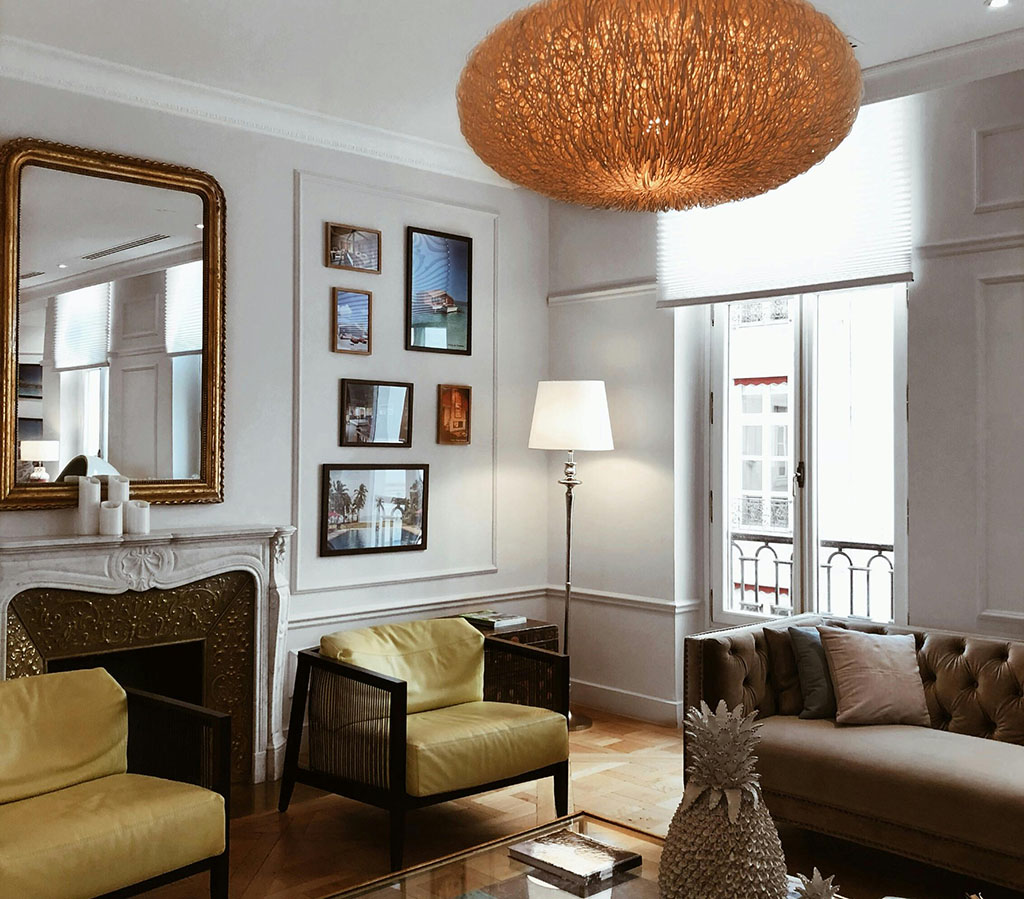
    Mirrors reflect both natural and artificial light, helping to double the visual space in a room. Installing a large mirror across from a window or placing mirrored closet doors in tight bedrooms can dramatically increase perceived space.

    7. Choose Sliding or Pocket Doors Instead of Swinging Doors

    Traditional swing doors require clear space to operate, which eats into usable square footage. Pocket or barn-style sliding doors are excellent alternatives in tight hallways or bathrooms, helping to free up valuable wall space.

    8. Design with Light, Neutral Colors

    Pale or neutral tones like soft whites, beiges, and light grays reflect more light and reduce visual barriers between walls, ceilings, and floors. According to Sherwin-Williams, lighter paint colors can make rooms feel up to 20% larger to the human eye.

    9. Visually “Lift” the Room with Vertical Lines

    Design elements like tall bookcases, vertical shiplap, or floor-to-ceiling curtains encourage the eye to move upward. This technique adds perceived height and gives small spaces a more elegant feel.

    10. Limit Hallways and Dead-End Corners

    In smaller homes, hallways can become space-wasters. Designing floor plans that eliminate unnecessary corridors and instead use open transitions between rooms makes every square foot more functional.

    For developers, these small design tweaks can significantly enhance the appeal of compact homes, making them feel luxurious without increasing build costs. Buyers notice these details, and in a competitive market, homes that “feel” bigger often stand out more than homes that “are” bigger.

    At W.L. Martin Home Designs, we offer hundreds of floor plans between 400 and 1,200 square feet that apply these principles effectively. Whether you’re developing a small home community, looking for infill solutions, or building ADUs, thoughtful design can help you deliver comfort and style without excess.

    Interested in browsing plans that put these ideas into action? Start with our collection of small home plans designed for smart living and efficient building.

  • Customizing Your House Plan: How W.L. Martin Home Designs Makes Modifications Easy

    Customizing Your House Plan: How W.L. Martin Home Designs Makes Modifications Easy

    At W.L. Martin Home Designs, we understand that no two homeowners or developers are exactly alike. While many of our house plans are designed to be practical, efficient, and ready-to-build, sometimes a plan is almost perfect but not quite what you need. That’s where our home plan modification service comes in.

    Whether you’re a developer building multiple units with slight variations or a homeowner looking to personalize your future home, we’re here to help make that plan work for you.

    Why Modify a House Plan?

    Even though our catalog includes hundreds of thoughtfully designed home plans ranging from cozy 400-square-foot cottages to spacious 2,500-square-foot family homes, every building site, lifestyle, and personal vision is unique.

    You might find yourself saying:

    “I love this floor plan, but I wish the kitchen was open to the living area.”
    “I need a little more space in the primary bedroom.”
    “This plan would be perfect if the garage were on the left side instead of the right.”
    “Can we turn that den into a fourth bedroom?”

    These types of requests are more common than you might think and we’ve designed our process to make these kinds of modifications straightforward and stress-free.

    Common Home Plan Modifications We Handle

    Here are just a few of the many types of changes our customers request:

    Room reconfigurations: Adjusting the size or placement of bedrooms, bathrooms, or living areas
    Kitchen layout changes: Customizing cabinetry placement, appliance locations, or adding pantry space
    Garage modifications: Changing orientation, size, or even converting a garage into livable space
    Foundation adjustments: Adapting plans to crawl spaces, basements, or slab foundations depending on your region
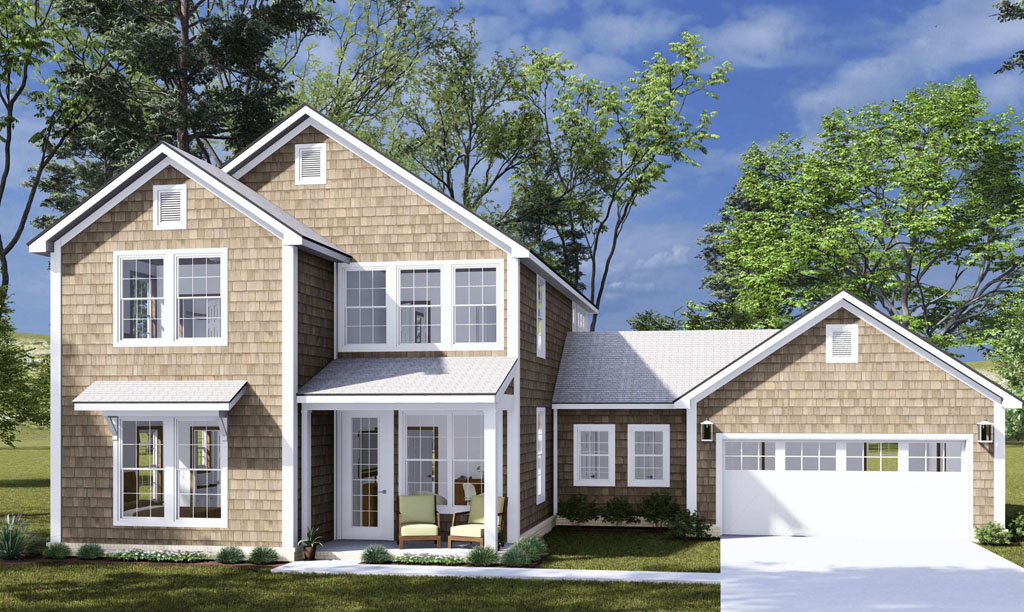
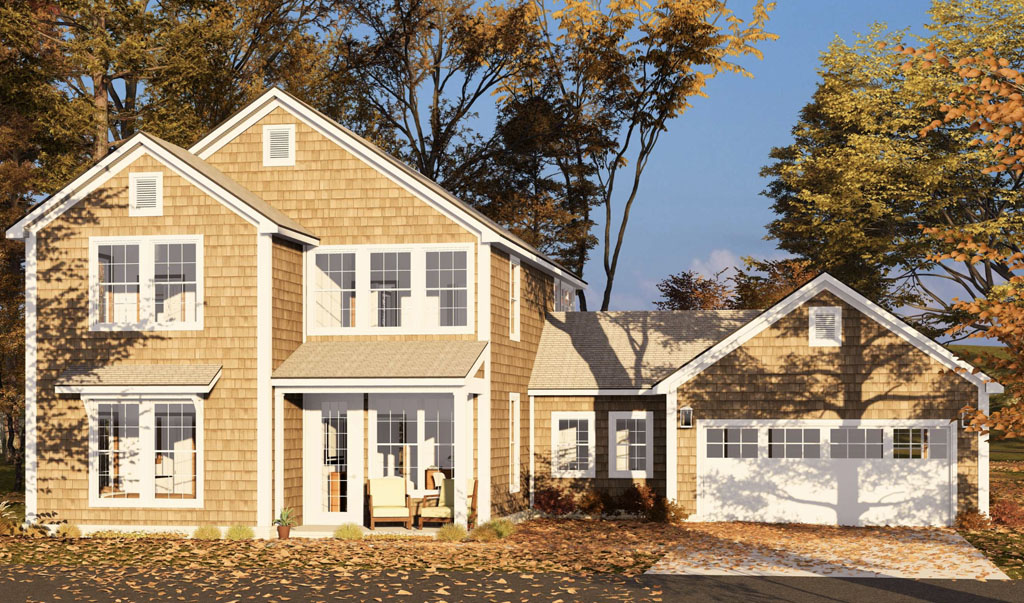
    Exterior tweaks: Modifying rooflines, adding porches, or changing window styles to enhance curb appeal
    Accessibility improvements: Widening doorways, reducing thresholds, or creating barrier-free bathrooms

    If you have a unique vision, chances are we can make it happen.

    How the Plan Modification Process Works

    Making modifications to your chosen plan is a simple, personalized process. Here’s how it typically works:

    1. Select a Plan You Like
      Browse our house plan catalog and find a design that’s close to what you need.
    2. Reach Out With Your Requests
      You can contact us directly during the ordering process or even before placing your order to discuss any changes you have in mind. Whether it’s a quick email or a phone call, we’re happy to walk through your ideas.
    3. We Review and Provide a Quote
      Once we understand your requested changes, we’ll provide a custom quote and timeline for completing your modified plan.
    4. Approve and Receive Your Customized Plan
      After final approval, we’ll get to work updating your plans and deliver a revised, build-ready design that meets your exact specifications.

    It’s that easy.

    Developers: Streamline Your Builds with Custom Options

    If you’re a builder or developer working on multiple homes, plan modifications can help differentiate models or better match local market demand. We often work with professionals who want to:

    Mirror a floor plan to suit a particular lot
    Create a “Plan A” and “Plan B” version of the same model
    Adjust elevations to comply with HOA or zoning requirements
    Add unique touches that give your community a signature look

    We’re happy to help you modify one or multiple plans in your portfolio to fit your vision.

    A Home Plan That Truly Feels Like Yours

    Buying a pre-designed house plan doesn’t mean you have to settle for a one-size-fits-all design. At W.L. Martin Home Designs, we give you the flexibility to customize and modify plans so they fit your needs, style, and build site perfectly.

    Ready to explore what’s possible?
    Browse our home plans and reach out when you’re ready to customize. We’re here to make your home planning process as easy and personal as possible.

    Have a question about modifying one of our plans?
    Send us a message or give us a call. We’re ready to help bring your vision to life.

  • Why Multi-Family Home Plans Are Gaining Popularity: Building Comfortable Spaces for More Than One Family

    Why Multi-Family Home Plans Are Gaining Popularity: Building Comfortable Spaces for More Than One Family

    The idea of multiple generations living under one roof isn’t exactly new, but over the past decade, it’s become more of a priority than a preference. For many families, building a home that allows for aging parents, adult children, or extended family to live comfortably in the same house is now a smart, long-term solution. At W.L. Martin Home Designs, we’re seeing an increase in demand for home plans that feature dual primary bedrooms, in-law suites, and layouts that provide both shared and private spaces.

    According to the Pew Research Center, the number of Americans living in multigenerational households has quadrupled since the 1970s. In 2021, roughly 18 percent of the U.S. population lived in a home with three or more generations. That’s nearly one in five people. The reasons are varied—rising housing costs, a desire to care for aging parents, cultural preferences—but the takeaway is clear: home designs need to evolve to accommodate this way of living.

    Multi-family style homes, or homes with more than one primary suite and flexible living areas, offer a practical solution without sacrificing comfort or privacy. A well-designed in-law suite or second primary bedroom often includes a private bathroom, walk-in closet, and sometimes even a small kitchenette or sitting area. These features allow for independent living while still being connected to the main household.

    Developers are catching on. Building homes with dual living potential can add serious value to a property, making it more appealing to a wider market of buyers. As demand increases for flexible housing options, a home that can comfortably house more than one family becomes a smart investment.

    In our experience working with builders across North America, plans that offer these multi-use layouts often stand out because they offer more than just space — they offer options. One builder in Georgia shared that their buyers are now actively requesting layouts that allow for a mother-in-law to move in or for adult children to return home temporarily.

    Another advantage of these designs is their long-term adaptability. A secondary suite might start out as a grandparent’s quarters, then later become a guest room, a rental unit, or a dedicated office. Designing with this kind of flexibility in mind not only supports today’s needs but anticipates tomorrow’s changes.

    We’ve worked on a range of home plans between 1,200 and 2,500 square feet that incorporate features like private entrances for secondary suites, full en suite bathrooms in multiple bedrooms, and even duplex-style designs that share a central common space while offering complete privacy for both households. These aren’t just functional homes—they’re livable, thoughtful, and future-ready.

    If you’re a developer looking to meet the needs of today’s modern families, or a homeowner planning for a multi-generational future, it’s worth considering how a well-designed home plan can make all the difference. Browse our growing collection of house plans designed for flexibility, family, and function at wlmartinhomes.com, and let’s find the right fit for your next project.

  • Home Designs Built for Hosting: Finding the Perfect Entertainment-Focused Floor Plan

    Home Designs Built for Hosting: Finding the Perfect Entertainment-Focused Floor Plan

    When it comes to designing a home, more and more people are thinking beyond just bedrooms and bathrooms. They’re looking for homes that reflect how they truly live—and that often includes entertaining. Whether it’s hosting game nights with friends, throwing backyard cookouts, or simply enjoying weekend movie marathons with family, having a home that’s built for entertaining can make all the difference. At W.L. Martin Home Designs, we’ve noticed a clear trend: people want spaces that are both beautiful and functional for gatherings. Fortunately, many of our house plans are designed with entertainment in mind.

    Why Entertainment Spaces Matter More Than Ever

    According to a 2024 survey by the National Association of Home Builders (NAHB), 67% of homebuyers ranked an open-concept kitchen and living area as a top priority when searching for a new home. Additionally, about 48% of homebuyers stated they specifically look for a home with dedicated entertainment space—whether that’s a media room, game room, or expansive outdoor living area. As lifestyles shift toward more home-based leisure, developers and homeowners alike are seeking plans that embrace these priorities.

    Open-Concept Living: The Heart of Entertaining

    One of the standout features in many of our home plans is the open-concept layout. By removing unnecessary walls and creating a seamless flow between the kitchen, dining, and living areas, these spaces become ideal for entertaining. Guests can mingle freely, conversations continue from one room to the next, and the host can stay connected while preparing food or drinks.

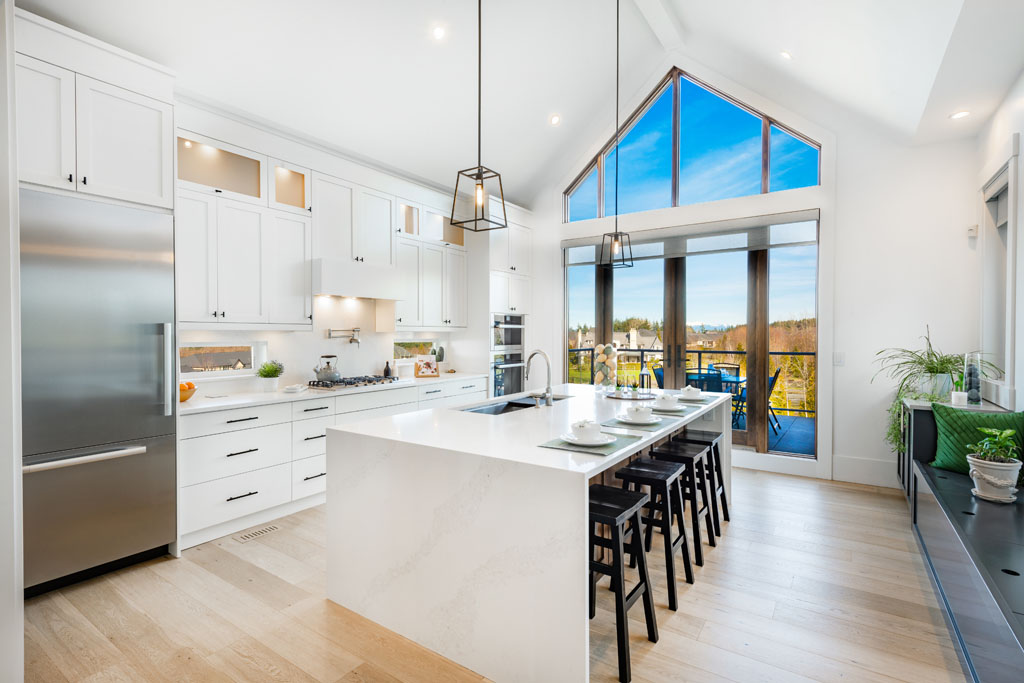
    Plans such as The Willowcrest and The Ashland Ridge highlight this design approach with kitchens that open into large family rooms and dining spaces. Oversized kitchen islands, ample counter space, and walk-in pantries also make these designs ideal for dinner parties or holiday meals.

    Outdoor Living with Purpose

    Another area where W.L. Martin Home Designs shines is in the integration of outdoor entertainment spaces. Covered patios, screened porches, and even outdoor kitchens are becoming essential parts of modern home design. Whether it’s a summer barbecue or a quiet evening with friends under the stars, these features extend your living space in all the right ways.

    Our Cypress Springs plan includes a rear covered porch with room for a full outdoor dining set and grill station. And with clever positioning off the main living area, it feels like a natural extension of the home—perfect for indoor-outdoor entertaining.

    Bonus Rooms and Flex Spaces

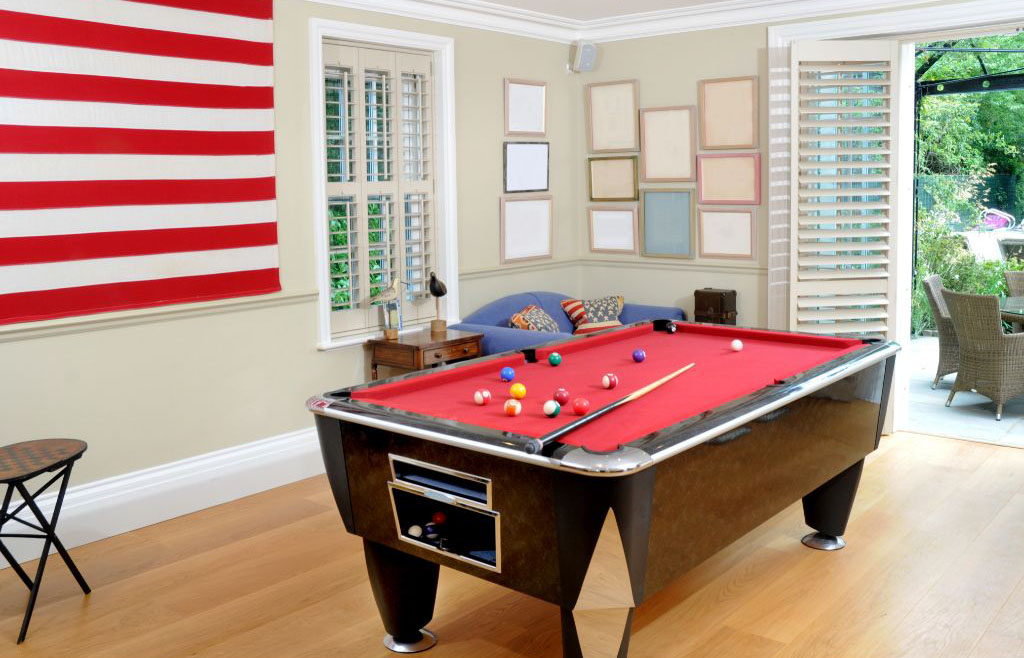
    Versatility is key when it comes to entertainment. That’s why many of our home plans include bonus rooms or flex spaces that can adapt to your needs. These rooms are perfect as game rooms, home theaters, or even bars. The Maplebrooke plan, for example, features an upstairs bonus room that could easily be outfitted with a pool table, projector screen, or cozy seating for sports nights.

    Having an extra space that can be tailored for entertainment gives homeowners the freedom to personalize their living experience, whether they’re big on hosting or just enjoy an occasional get-together.

    Smaller Homes, Big on Hospitality

    It’s not just large homes that can be entertainment-ready. In fact, many of our plans under 2,000 square feet are designed to maximize usable space. The Elmwood Cottage, coming in at just under 1,500 square feet, makes excellent use of an open layout, kitchen island seating, and a connected rear porch—all without feeling cramped.

    This is particularly appealing to developers and buyers in urban or suburban markets, where space may be at a premium, but lifestyle needs haven’t changed.

    Designing Homes that Reflect Modern Living

    At W.L. Martin Home Designs, we understand that home is more than a place to sleep—it’s a place to live, connect, and celebrate. That’s why so many of our plans feature the kinds of amenities today’s buyers are looking for. From smart layouts and open concepts to flexible rooms and inviting outdoor spaces, our designs support how people actually use their homes.

    If you’re a developer searching for house plans that will attract modern buyers—or someone dreaming about your own perfect entertainment-ready space—explore our collection of thoughtfully crafted home designs. Whether you’re building small or going all out, we’ve got plans that bring people together.

vaycasinovaycasinothailand digital arrival cardprimebahishacklinkmilbetalgototohttps://algototo.digital/nobartvjudi bolaslot gacordepo 5kslot gacordeposit 5000slot onlineslot online link 5k deposit slot tanpa potongan agb99 deposit 5k deposit 5k dana slot danacasibomcasibom girişpadişahbetbetwoonnitrobahissonbahisgrandpashabetvegabetcasino levantholiganbetholiganbet girişholiganbet güncelholiganbet güncel girişmatbet girişmatbet güncelmatbet güncel girişmilosbetbetofficetimebetcratosroyalbetcratosroyalbet girişcratosroyalbet güncelcratosroyalbet güncel girişcasinolevantcasino levantholiganbet güncelholiganbet güncel girişholiganbet güncel girişmatbetmatbet girişgrandpashabetultrabetenbetgalabethiltonbetpadişahbetsuratbetsüratbetbetplayatlasbetkralbetHoliganbet Girişalmanbahiswinxbetwinxbetalmanbahisholiganbetholiganbet girişmeritkingmeritking girişmeritkingmeritking girişvaycasinovaycasino girişptt kargoptt kargo takipptt kargo sorgulamaptt kargo iletişimaras kargoaras kargo takiparas kargo sorgulamaaras kargo iletişimvegabetvegabetgalabetgalabetvdcasinovdcasinovdcasinovaycasinovaycasino girişrestbetrestbet