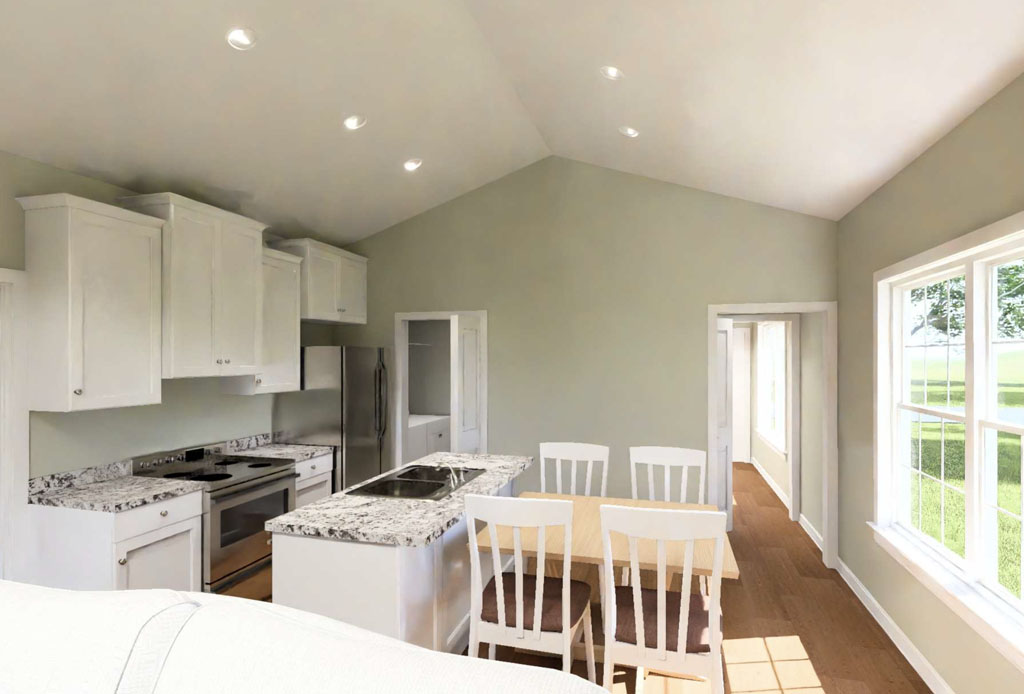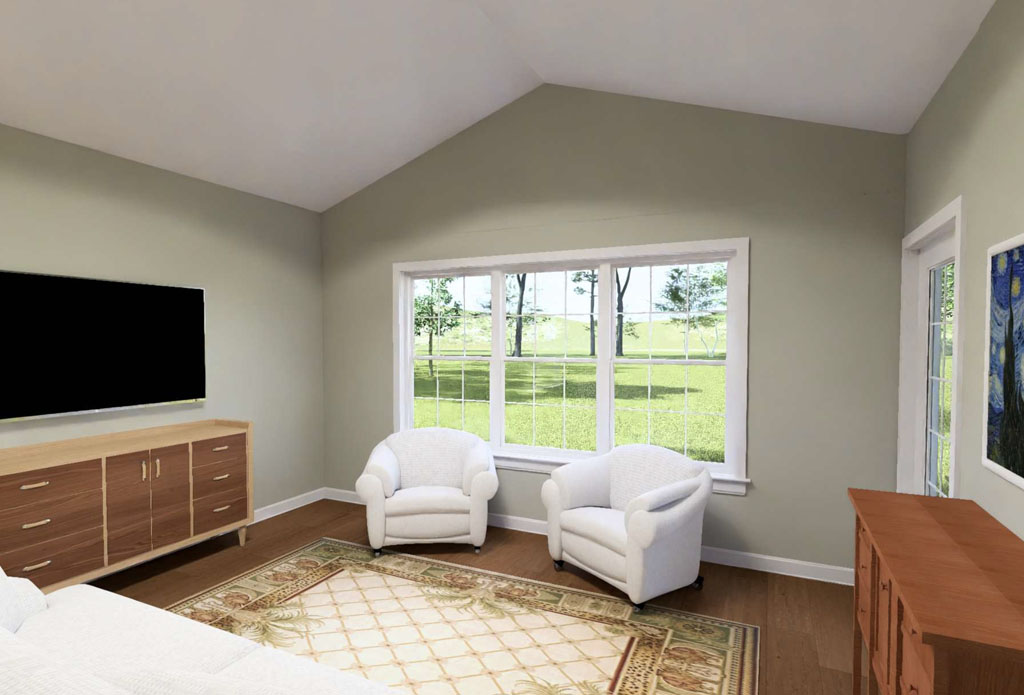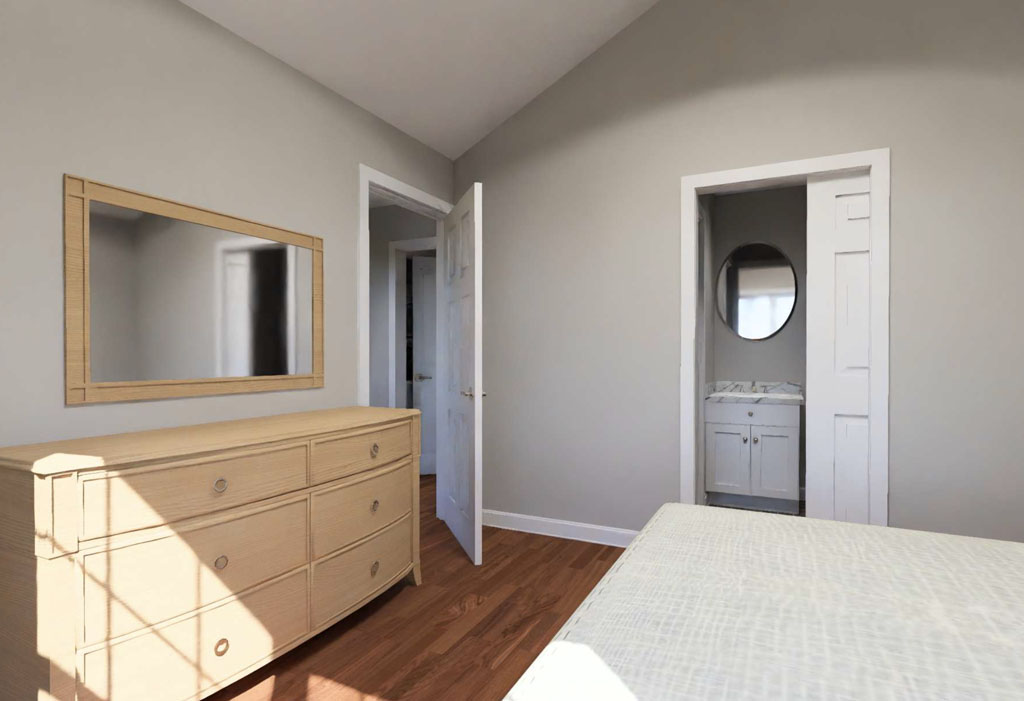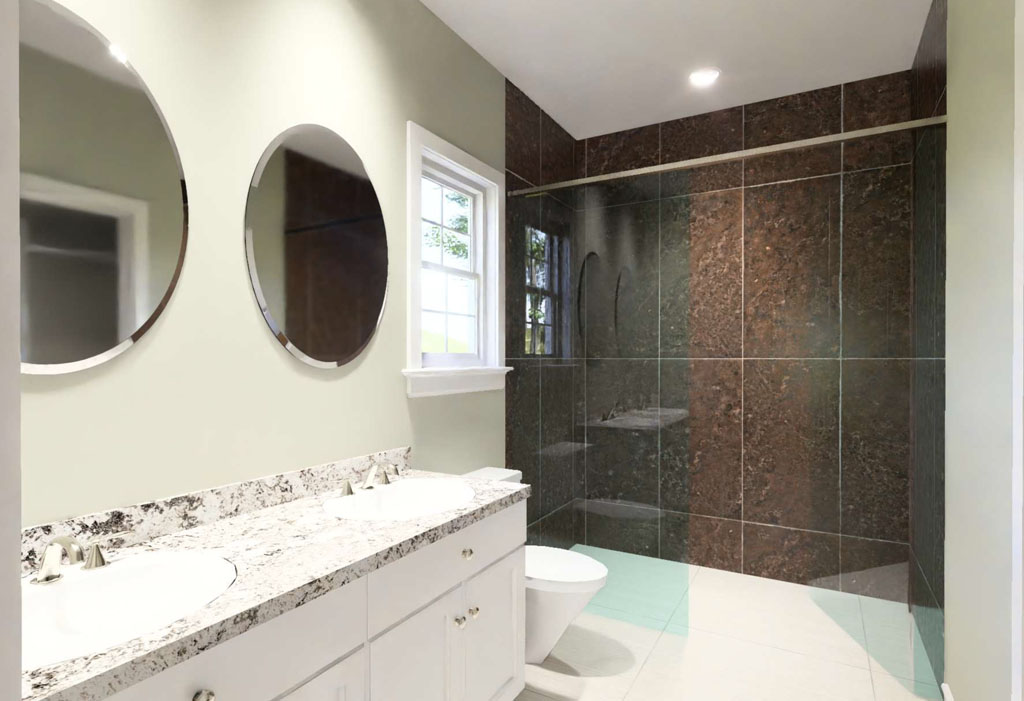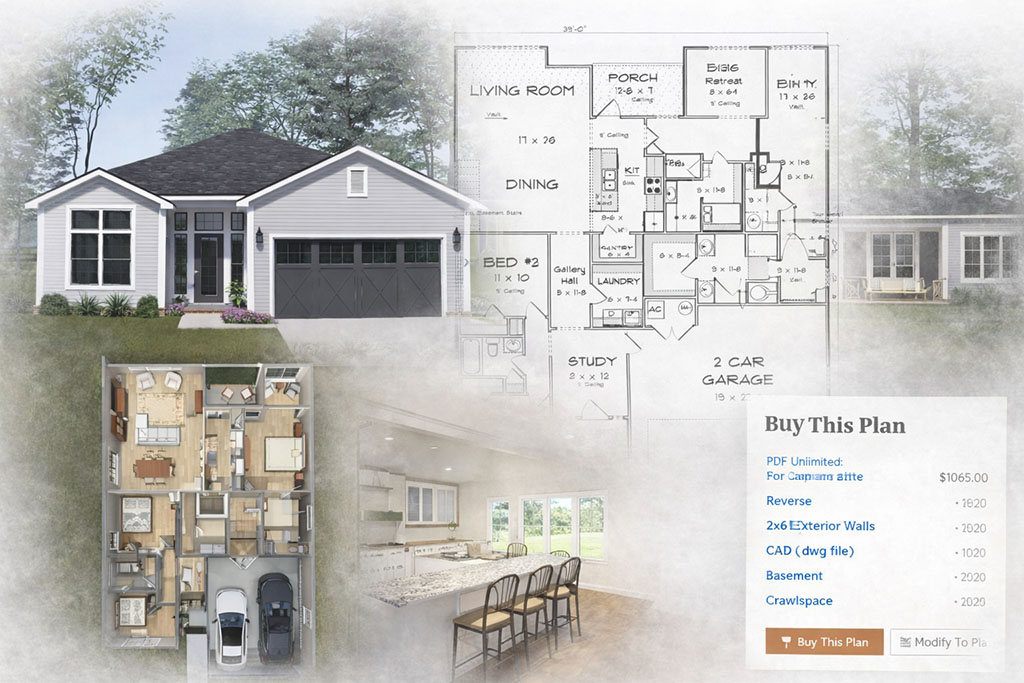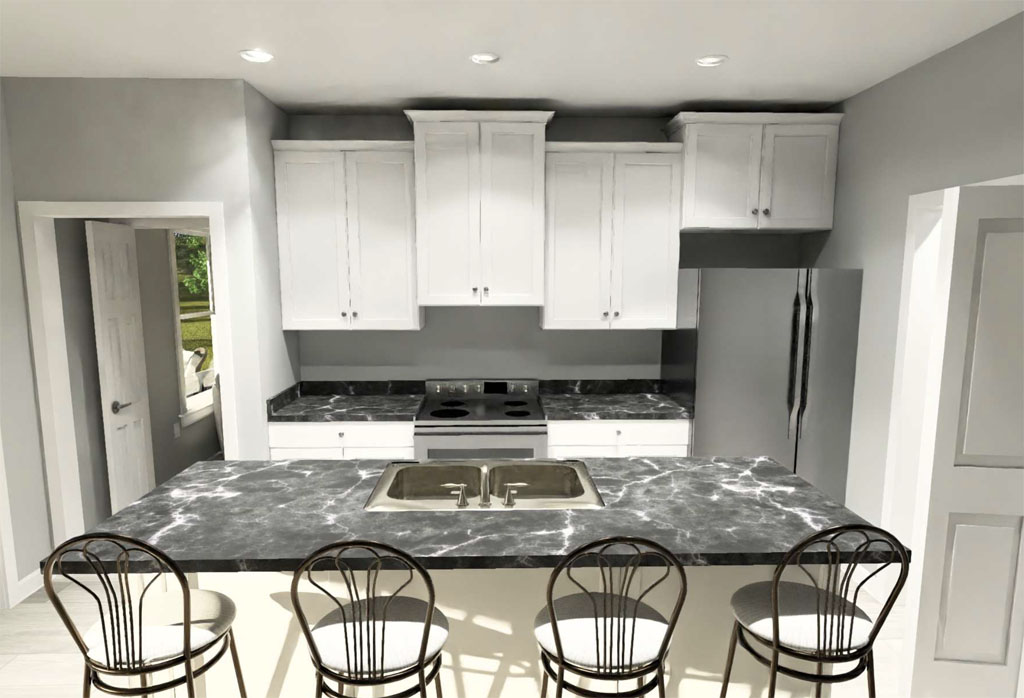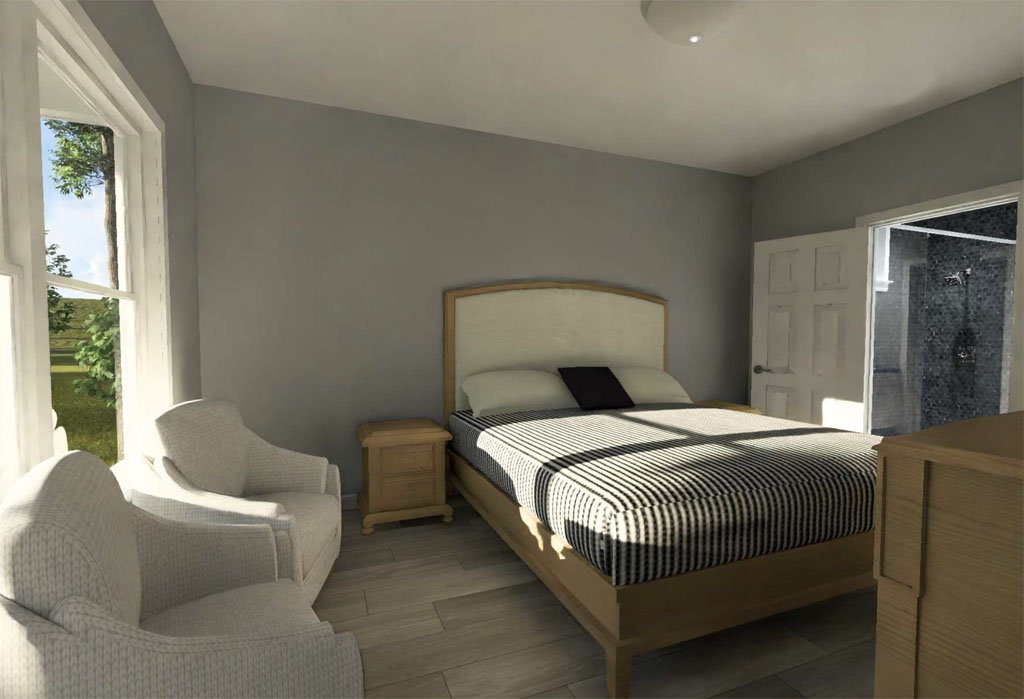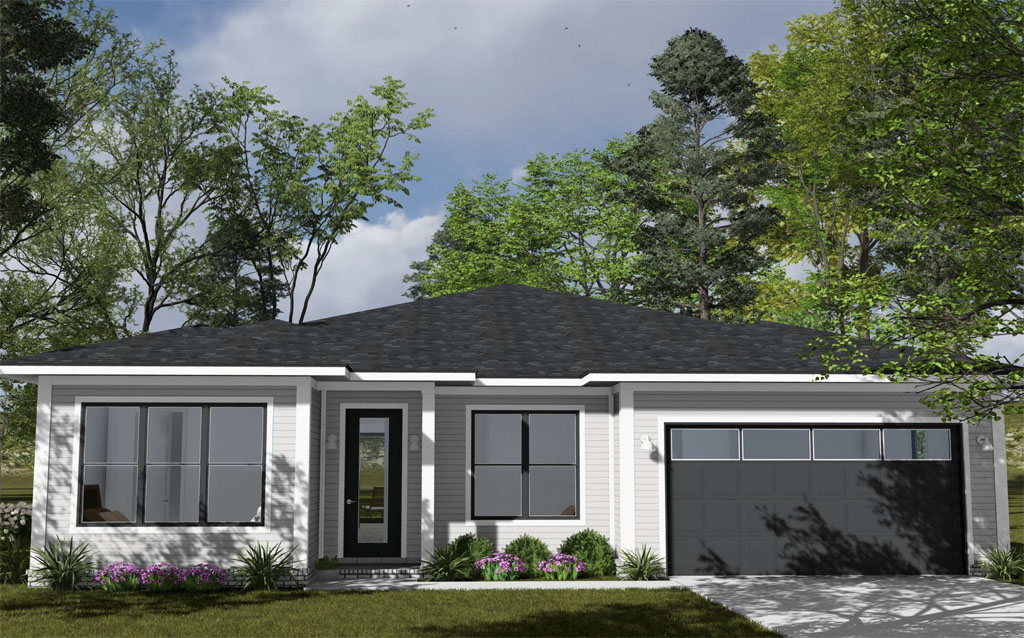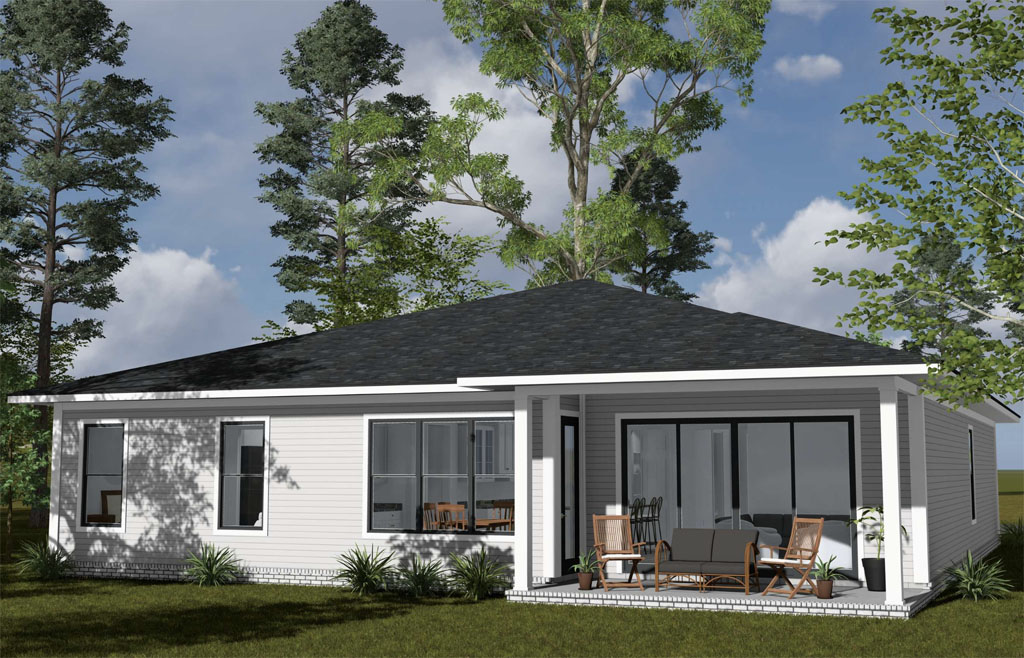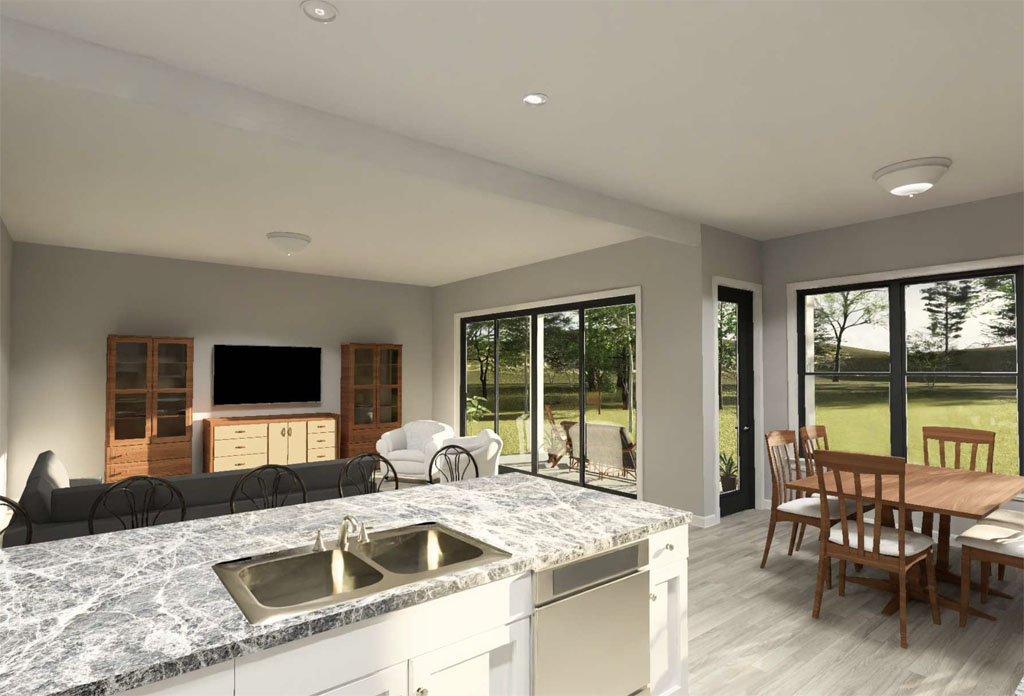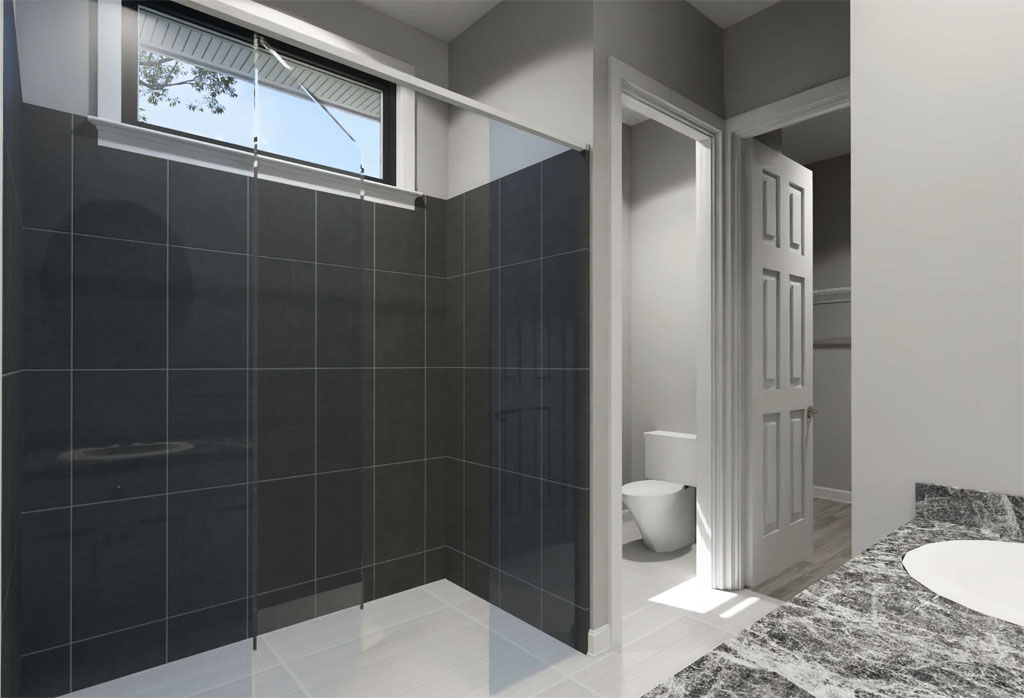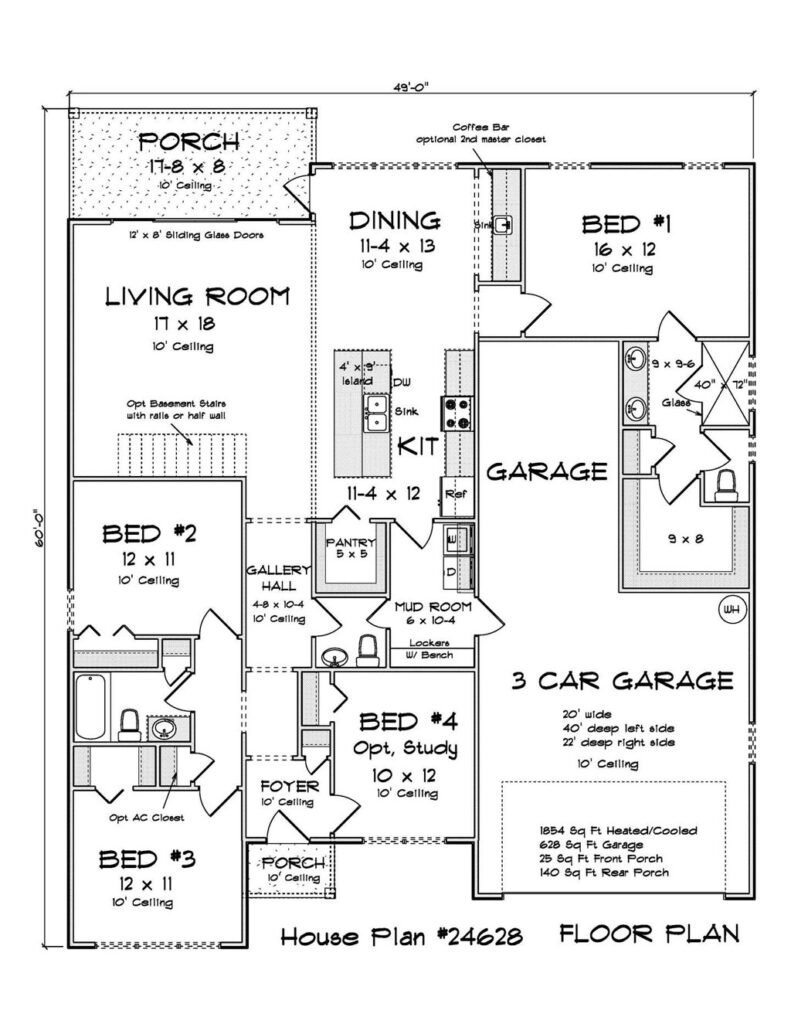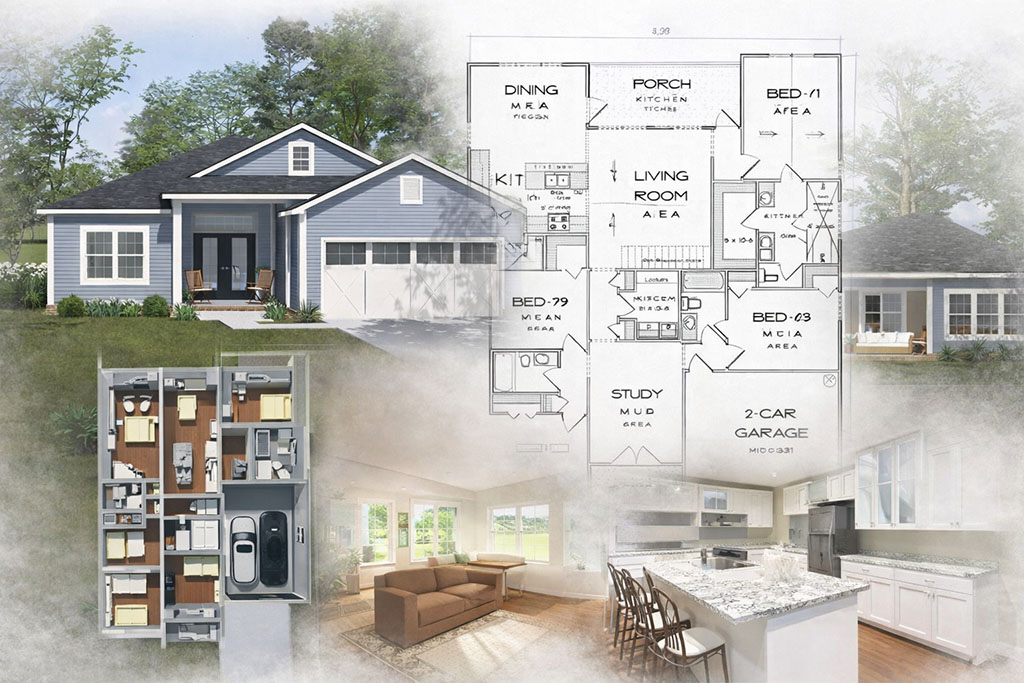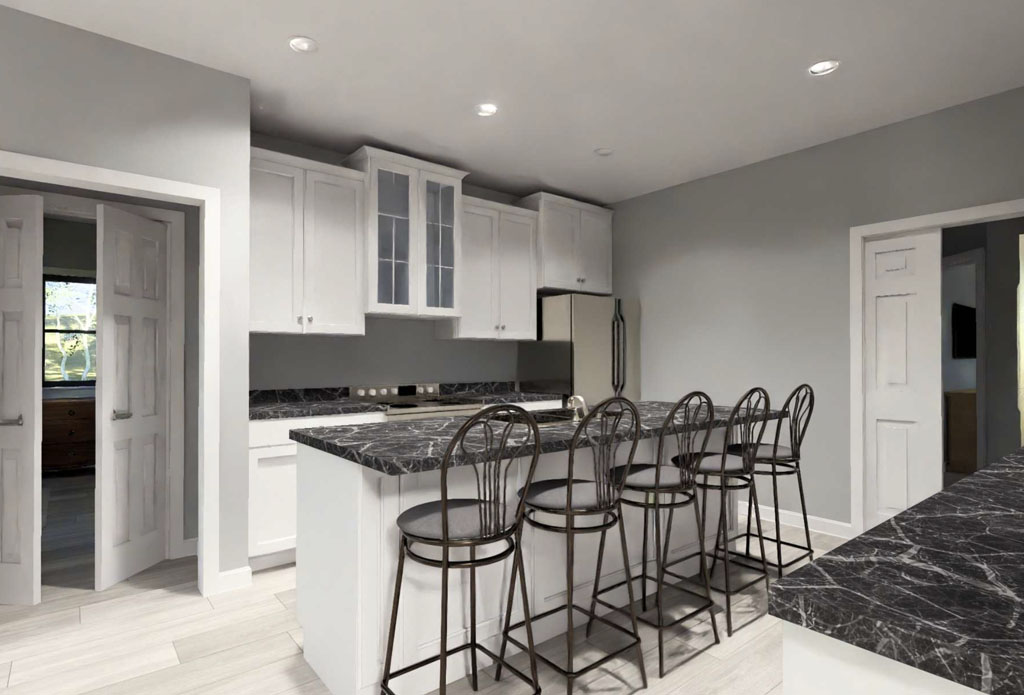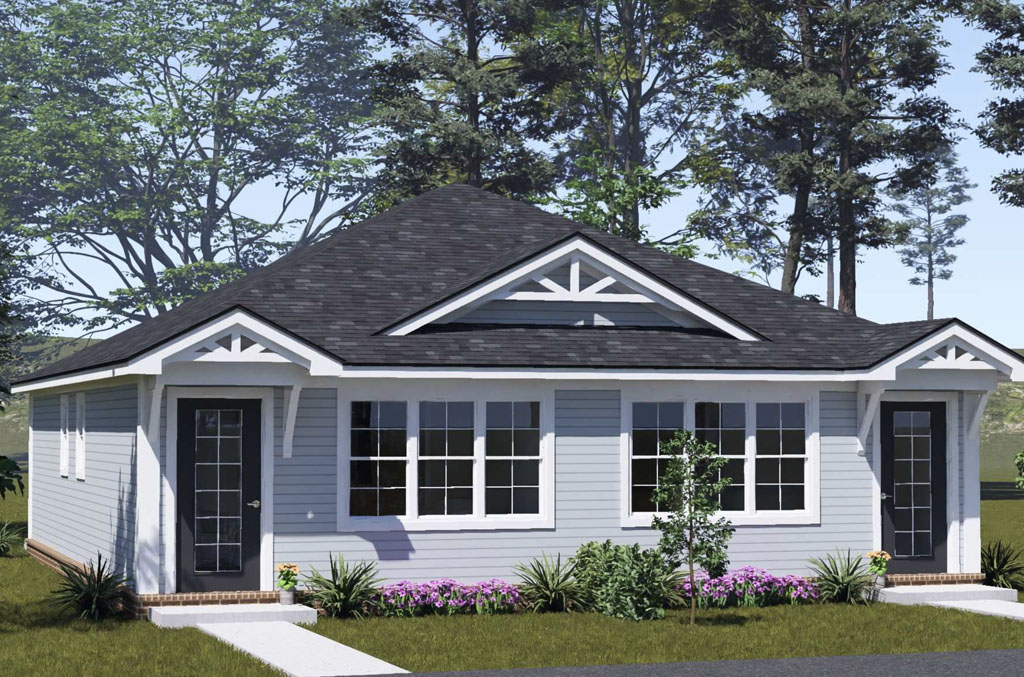
A simple, mobile checklist you can use on your next walk
Finishing clean is not luck. It is process. Callbacks drain schedules and margins, and they rattle buyer confidence right when you need great reviews. The fix is a punchlist that people actually use in the field and a plan set that prevents problems before they start.
Industry groups keep saying the same thing. J.D. Power’s new home buyer research points to workmanship, materials, and warranty service as core drivers of satisfaction. The National Institute of Building Sciences notes that standardized checklists reduce rework by catching issues while they are still cheap to fix. NAHB guidance ties consistent quality control to fewer callbacks and better profitability. In short, a clear checklist plus a buildable design pays for itself.
A tighter punchlist that fits real schedules
Make it mobile Your superintendent lives on their phone. A browser based checklist with photos and due dates keeps everyone aligned without another app to manage.
Group it by trade and by room Supers can flip between scopes for subs and the room view for the buyer walkthrough.
Assign one owner and one date Every item gets a name and a target date, then one verification date. Fewer handoffs, fewer misses.
Take photos as your default proof Before and after photos end the guesswork and protect your team at closing.
What to check, in fewer steps
Rough to finish, hit the items that create the most callbacks.
Framing and envelope: openings square, flashing visible where required, attic access framed per plan
MEP rough and finals: bath fans vented outside, GFCI and AFCI tested, water heater TPR discharge correct
Insulation and air sealing: top plates and penetrations sealed, raised heel areas fully insulated
Drywall and paint: seams flat to light, consistent sheen, touch ups logged by room
Flooring and trim: transitions flush, doors latch without rub, stair rails solid
Exterior and site: siding clearances to grade, kickout flashing at roof to wall, downspouts directed away
Buyer walk items: keys and remotes, filter sizes and locations, shutoff labels, warranty contacts
How W. L. Martin plans make punchlist life easier
Our house plans are drawn for constructability, which means fewer opportunities for punch items to appear in the first place.
Simple geometry and truss friendly rooflines reduce leak prone intersections and drywall stress
Aligned loads and clear spans limit field improvisation that turns into cracks and nail pops
Standardized window and door schedules improve fit and finish and simplify replacements if needed
Clustered wet rooms shorten runs and reduce hidden leaks, squeaks, and comfort complaints
Clear notes and details help supers verify quickly without hunting through pages
When the design works for the field, your punchlist gets shorter and your buyer walkthrough gets calmer.
Free resource for you
Grab our mobile friendly punchlist, grouped by trade and by room, plus a homeowner walk checklist for closing day. It is built in a simple format you can open on any phone, share with subs, and attach photos to for proof of completion. Contact us and we will send the download, or ask us to tailor it to the specific W. L. Martin plan you select.
Bottom line
A clean finish is a competitive advantage. Use a punchlist that your team will actually follow, and pair it with plans that minimize rework from the start. W. L. Martin Home Designs helps you do both, so you can close with confidence and move on to the next build with fewer callbacks.
Fresh data points to the quickest pace of new single family home sales in roughly three years. August posted an annualized rate near 800,000, up about 20 percent month over month. Builders leaned on discounts and practical incentives to bring buyers back, while borrowing costs eased ahead of a widely expected rate cut. It is an encouraging signal for a market that has felt frozen for much of the year.
Before we break out the confetti, remember what seasoned economists are saying. New home sales are based on contract signings and can swing a lot from one month to the next. Several research teams cautioned that revisions are common and that the broader housing market still faces affordability headwinds. Even so, mortgage rates have ticked lower recently, with the 30 year average moving down into the mid 6 percent range, and that tends to wake up qualified buyers who were waiting for a better entry point.
Why this uptick matters for your pipeline
• Incentives are working. Price adjustments, rate buydowns, and help with closing costs are converting fence sitters • Lower rates expand the buyer pool. Even a modest drop can improve monthly payment math for move up and first time buyers • New construction has a spotlight. With resale inventory still tight, your spec or pre sale home can stand out if you move decisively
The takeaway is straightforward. Momentum is building, but you still need a plan set that keeps costs predictable and cycles tight.
Make the next 90 days count
Lock your product. Select two or three proven footprints that cover your core lot widths and price bands. Avoid one off designs that slow approvals and bidding
Value engineer on paper. Keep corners to a minimum, stack wet rooms, and use truss friendly spans. These choices reduce materials, trades coordination, and surprises
Standardize finishes. Offer three packages that meet different budgets without reinventing the SKU list. This speeds ordering and install
Lead with clarity. Publish what is included, showcase energy and comfort features, and keep options simple so buyers can say yes quickly
Where W. L. Martin Home Designs fits
Our plans are built for exactly this moment. We design with cost and constructability in mind, so you are not paying for complexity that buyers never see. Expect efficient footprints, aligned loads, clustered kitchens and baths, and simplified rooflines that work beautifully with truss packages. Window schedules favor repeatable sizes, and furniture friendly layouts help smaller homes live large.
If you want to move from interest to contracts while rates are cooperating, it is a good time to select and buy a house plan from W. L. Martin Home Designs. A ready to build plan helps you submit faster, bid tighter, and hit the market while buyer activity is rising. Developers and new home buyers both benefit when the plan supports speed, quality, and predictable costs.
Practical next steps
• Browse plans by lot width and square footage, then shortlist a few that fit your target price points • Ask us to align a plan to your local code notes, energy package, and utility layout so your permit set is clean and complete • Pair your plan with a three tier finish menu to keep selections under control and protect margin • If you build to rent, use our smaller footprints with durable finish specs to reduce turnover cost
Bottom line
New home sales are showing real energy, helped by builder incentives and easing mortgage rates. The trend can be noisy, and affordability is still a challenge in many markets, but momentum favors teams who are prepared. Choose a plan that is already value engineered, get it into permitting, and be ready to meet buyers while confidence improves. W. L. Martin Home Designs is here with plans that shorten the path from lot to closing.
Practical swaps that protect buyer appeal and your margins
Value engineering is not about cheapening a house. It is about building the same perceived value with fewer parts, fewer steps, and fewer headaches. For small to mid-size homes, the win is huge because every corner, span, and SKU matters.
W. L. Martin Home Designs bakes value engineering into the plans from day one. Our footprints are efficient, our spans are truss friendly, plumbing cores are stacked, and window and door sizes are standardized so you spend less time solving problems in the field. Below is a simple, developer friendly playbook you can use on any 1,000 to 2,000 sq ft build, with a free swap list you can put to work on your next takeoff.
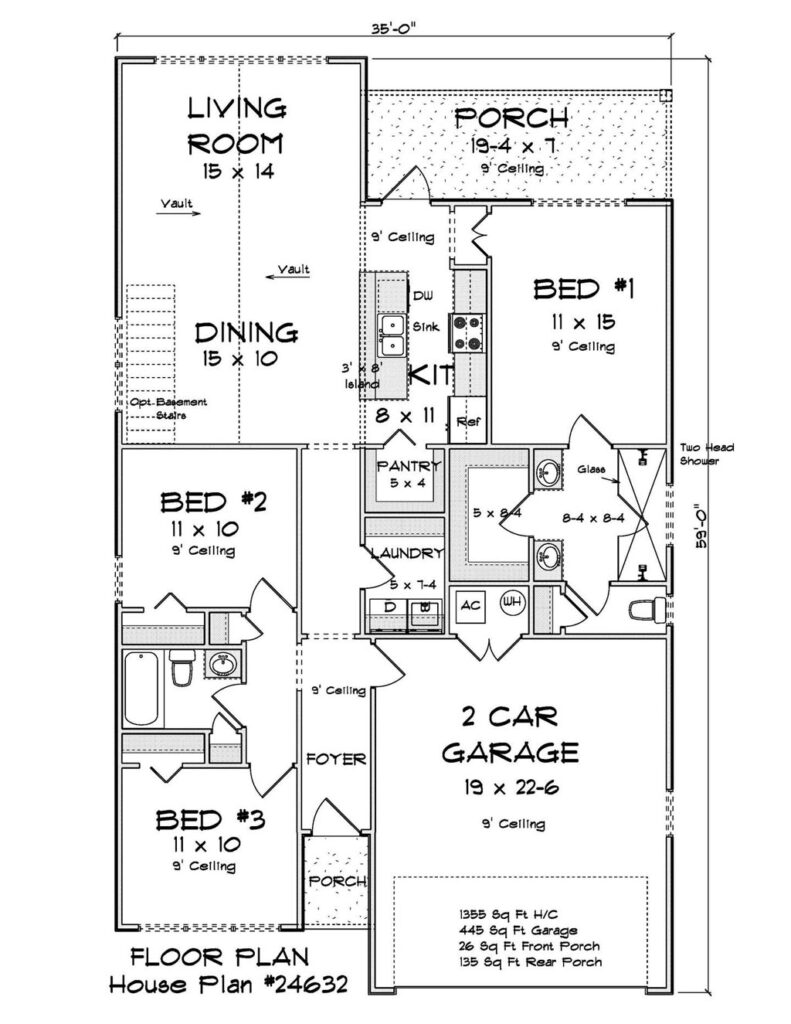
The short list of what really drives cost
Corners and roof complexity
Spans and load paths
Kitchens and baths count and layout
MEP travel distance and access
Custom SKU creep in finishes
W. L. Martin plans tackle these where it counts. Most plans keep footprints to 4 to 6 corners, align bearing walls floor to floor, centralize wet rooms, and use simple gables or hips so truss packages drop in cleanly. That is value engineering built in.
Trade by trade plays that work
Site and foundation
• Choose simple rectangles and L shapes. Fewer corners means shorter footings and less formwork • Where allowed, consider frost protected shallow foundations for slab on grade in cold climates to reduce excavation and concrete volume • Standardize garage depths and porch sizes to match common rebar and form lengths
Framing
• Use advanced framing where your engineer and code official approve. 2×6 at 24 inches on center, single top plates with aligned loads, and insulated headers in non bearing walls reduce stick count and thermal bridging • Keep roof geometry simple. Straight gables and clean hips make trusses faster to set and cheaper to buy • Right size spans. A small shift in stair or bearing wall location can eliminate a steel beam or an LVL • Repeat modules. 12, 24, and 36 inch dimensions keep sheathing and drywall cuts to a minimum
How W. L. Martin Home Designs helps • Aligned loads between floors, truss friendly rooflines, repeated dimension modules, and details that support advanced framing where acceptable
Mechanical, electrical, plumbing
• Stack kitchens, baths, and laundry. Back to back wet walls shorten runs and reduce fittings • Centralize the mechanical room. Shorter duct and line set runs improve comfort and lower install time • Keep ducts inside conditioned space when possible. Fur-downs, dropped hallway ceilings, or truss chases can do it • Prewire smart but simple. Conduit to future solar and EV saves a costly retrofit without overspec
How W. L. Martin Home Designs helps • Most plans cluster wet rooms and show clear chases and drops so trades do not improvise on site
Envelope and windows
• Limit unique window sizes. Reuse 2 or 3 sizes for the entire house • Use advanced framing corner and T wall details to add insulation where studs usually stack up • Select siding systems that install fast. Prefinished fiber cement or engineered wood with simple trim profiles keeps labor predictable
How W. L. Martin Home Designs helps • Window schedules use standard sizes and repeated units. Corner counts are restrained to keep linear feet of exterior wall and trim down
Kitchens and baths
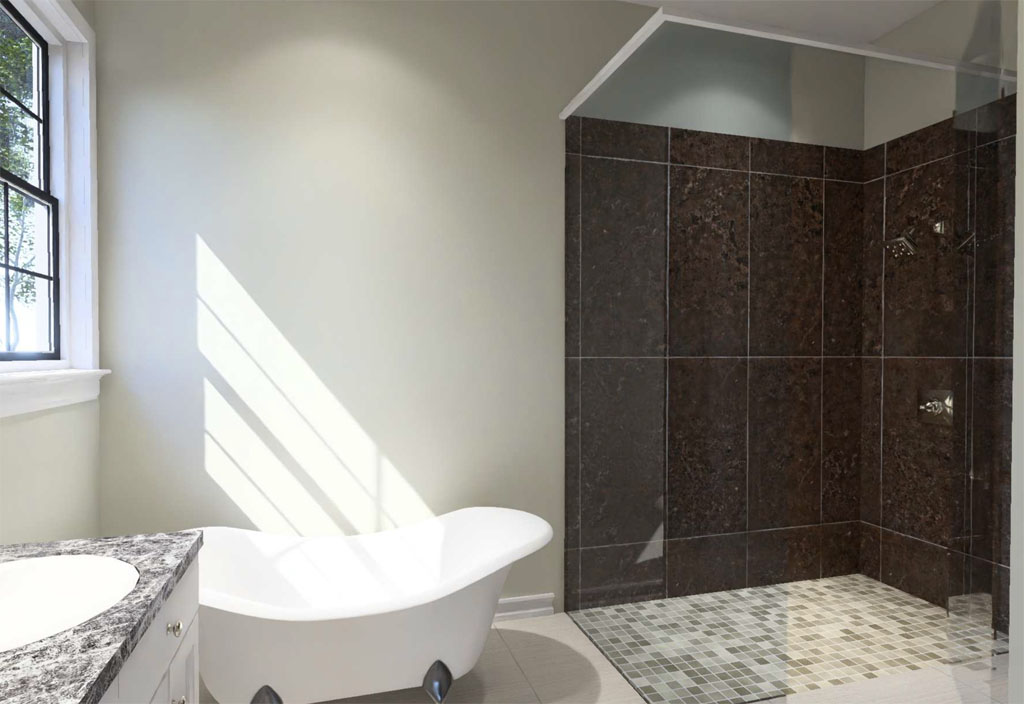
• Design with cabinet modules in 3 inch increments. Fewer fillers, less custom work, faster install • In secondary baths, use high quality one piece or multi piece surrounds. Save tile for the primary shower where buyers notice it • Prefer large format tile and stacked patterns over intricate layouts to control labor
How W. L. Martin Home Designs helps • Kitchen and bath layouts are planned on modular grids with appliance and vanity sizes that are easy to source in any market
Finishes that feel rich without high labor
• Luxury vinyl plank throughout common areas for speed, durability, and moisture tolerance • Quartz with standard slab thickness and common colors. Reserve waterfalls for price points that demand them • Three tier finish packages so you control substitutions instead of chasing one offs
How W. L. Martin Home Designs helps • We can pair any plan with Bronze, Silver, Gold finish menus that align to your budget and supply chain
Your free value engineering swap list
Use this as a checklist against your current spec. The goal is to keep perceived quality the same while reducing parts and labor steps.
Framing • 2×6 24 inch OC advanced framing where engineered and code approved • Insulated headers in non bearing walls instead of solid lumber • Trussed roofs over stick framed hips and valleys wherever the look allows • Drop a corner when moving a wall will not hurt furniture layouts
MEP • Back to back bathrooms on a shared wet wall • Laundry stacked near kitchen core to shorten plumbing runs • Ducts in conditioned space using truss chases or hallway drops • 200 amp panel with a 1 inch conduit to garage for future EV. No expensive EVSE day one
Envelope and openings • Repeatable window sizes. One tall, one wide, one slider used throughout • Prefinished siding and trim packages with matched accessories • Raised heel trusses to hit attic insulation R values cleanly at the eaves
Interior finishes • LVP in common areas, carpet in bedrooms, tile only in primary shower • Stock cabinet door style in three finishes, full overlay look without custom shop time • 3 cm quartz in kitchen, 2 cm in baths if your market allows a mix
Exterior details • Front porch sized for curb appeal but framed to standard lumber lengths • Simple gable or hip facing the street. Keep valleys to a minimum
Why this works and where the data points
These moves line up with published guidance from industry groups that study first cost and long term performance. Advanced framing strategies reduce redundant studs and improve insulation continuity, which cuts material and can improve energy performance. Ducts inside conditioned space reduce distribution losses and callbacks related to comfort. Standardizing SKUs lowers procurement risk and speeds install. Truss friendly roof and floor systems reduce labor hours and crane time compared to complex stick framing.
W. L. Martin Home Designs plans lean into those same levers. Most of our 1,000 to 2,000 sq ft designs have 4 to 6 corners, stacked wet rooms, clear load paths, and simple roof forms so you buy fewer parts and spend less time coordinating trades. That is money you can keep or use to upgrade where buyers actually feel it, like primary showers, kitchen counters, and natural light.
Quick feasibility checklist you can run in 30 minutes
• Count corners. Target 4 to 6 • Check span map. Can trusses solve everything without steel • Trace your wet wall path. Kitchen to baths to laundry in one line • List unique window sizes. Keep it to three • Confirm duct path inside the envelope • Compare spec to a three tier finish menu
Every builder has a story about a small miss that turned into a big change order. The fix is not magic. It is a tight preconstruction checklist that catches conflicts before they hit the slab. Industry groups have preached this for years for a reason. The International Code Council’s Residential Code spells out many of the field checks reviewers expect to see in drawings. NKBA publishes practical clearances that make kitchens work in real life. ENERGY STAR and EPA WaterSense give measurable specs that reduce callbacks. When you pull these threads into one preconstruction pass, you protect budget and schedule.
Preconstruction checklist that pays for itself
Start with the tape measure checks. Confirm stair geometry against the International Residential Code so rise, run, headroom, and handrails pass on day one. Verify bedroom egress window sizes and sill heights on the plans to avoid costly reorders. Make sure garage separation and the door to the house match your local adoption so no one is scrambling for the right door slab after framing. The U.S. Census Bureau’s Survey of Construction shows single family homes already spend months in the field, which means every week saved before ground break compounds through the schedule.
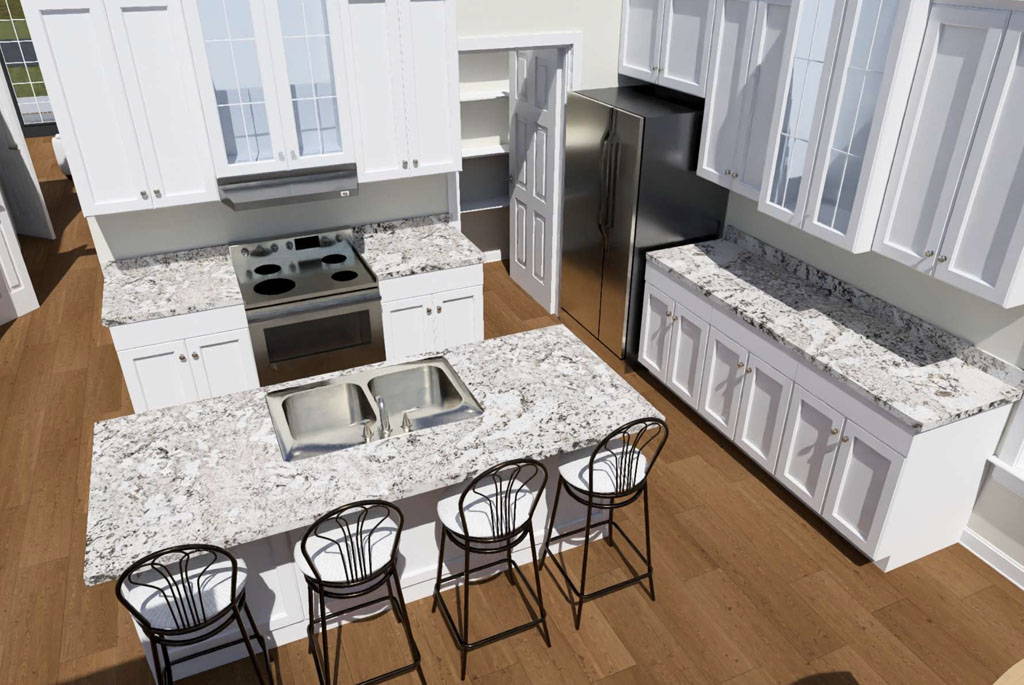
Move to layout and flow. NKBA’s planning guidance is the easiest way to avoid kitchen friction. Draw 42 inch aisles for one cook, 48 inches where two people will work, landings around the range, sink, and fridge, and island seating that actually fits. In baths, confirm 30 inches clear in front of toilets and 24 inches on at least one side so the room does not feel pinched. These are small line moves that prevent expensive cabinet or plumbing relocations once rough in begins.
MEP and structure coordination that kills surprises
Most change orders live where ducts, pipes, and beams collide. Do a coordinated pass before you order trusses. Mark the main duct runs, bath fan routes, dryer vent, and hood vent termination on the plans. Confirm the path clears beams, joists, and bracing. ENERGY STAR emphasizes sealed, short duct paths for comfort and efficiency, and those routes only happen when they are reserved up front. Note electrical panel size and location, call for AFCI and GFCI where required, and leave wall space for real world clearances at water heaters and furnaces per manufacturer instructions.
Plumbing deserves the same treatment. Stack wet walls wherever possible. Verify that shower valves, niches, and drains align with framing before tile is ordered. EPA WaterSense labeled fixtures can cut water use without buyer pushback, but only if rough heights and valve types match the spec. On structure, double check point loads down to footings, portal frame details at garage openings, and braced wall panel lengths and methods. Clear bracing that matches the book is one of the fastest paths to clean inspections and fewer field fixes.
Permit ready details that speed approvals
A checklist should also make the permit reviewer’s job easier. Page one should list adopted code editions, design criteria for snow, wind, seismic, live loads, and the chosen energy path so there is no guesswork. If you are using a performance path for energy, make sure the compliance report matches the window and door schedule. The Department of Energy’s REScheck tool is practical for many jurisdictions, and clean submittals that align with the plans come off review faster. Clear site plans with setbacks, finished floor elevations, drainage arrows, and downspout locations prevent late redlines on small lots where stormwater is sensitive.
Specs and orders locked before concrete
Checklists close the loop by locking the things that trigger rework if they move later. Confirm appliance models and openings, right size the hood and add a dedicated circuit for a microwave drawer if planned, and verify venting method so you do not discover a recirculating unit on a gas range. Confirm cabinet runs, finished end panels, and crown decisions so framing does not box you in. Verify door swings and clearances at laundry and pantry. In small plans, a half inch hinge issue can force a costly reframe. This may feel like extra work in the office, but the Project Management Institute has long tied clear scope definition to lower rework and better outcomes, and housing is no exception.
How W. L. Martin plans make checklists easy
W. L. Martin Home Designs builds many of these checks into the drawings so your preconstruction meeting becomes faster and more reliable. Plans call out egress window sizes and stair geometry on the sheets, list code editions and design criteria on the cover, and include braced wall or shear plans with methods, lengths, and hold downs shown instead of implied. Kitchen and bath layouts are drawn with NKBA friendly clearances, and appliance openings are dimensioned so purchasing can order with confidence. Mechanical and electrical notes reserve real wall space for panels and equipment, and site plan templates make setbacks and drainage obvious.
If your jurisdiction wants sealed calculations, portal frames at a specific garage opening, or a different frost depth, the sets can be paired with local engineering or addenda so your permit review is as smooth as your precon. That kind of clarity is exactly how a smart plan choice saved one of our builders significant money in the story we shared in How a Plan Choice Put $20,000 Back in a Builder’s Pocket. The math is simple. Fewer surprises, fewer change orders, fewer days eaten by rework.
The bottom line for developers and plan buyers
Change orders will never be zero, but a good checklist will cut the volume and the cost. Use code aligned tape checks, NKBA clearances, ENERGY STAR and WaterSense specs, and coordinated MEP paths to remove the obvious traps. Pair that process with plan sets that are already reviewer friendly and you start faster and finish cleaner. W. L. Martin’s 400 to 3,500+ square foot plans are designed to make this work feel routine, which means more predictable budgets for developers and fewer headaches for homeowners building their next place. If you want a short preconstruction checklist you can run on every plan, we can share the one our builders use and point you to plan families where these details are already standard.
Time is money in homebuilding, and the first place it slips away is often the permit desk. You cannot control every reviewer queue or staffing level, but you can control how easy your plans are to read. When a set answers questions up front, review cycles shrink and starts move forward. Census data shows new single family homes commonly spend about seven to eight months from start to completion, so every week shaved off permitting brings revenue forward. NAHB has also estimated that government regulation makes up a meaningful share of a new home’s final price, which means avoidable friction in approvals adds real cost. The antidote is clarity.
Why permit speed matters
Slow permits stack delays. Carry costs climb, trades need to be rescheduled, and sales teams lose momentum. Faster approvals do not come from shortcuts. They come from drawings that are complete, coordinated, and code literate. Reviewers are looking for confidence that the home will be built safely and in line with adopted codes. Give them that confidence on paper and your project moves.
Start strong with a clear, code aware cover sheet
First impressions set the tone. Page one should spell out the project address, occupancy classification, construction type, adopted code editions, and the key design criteria. List ground snow load, frost depth, basic wind speed and exposure, seismic category, roof and floor live loads, and the energy climate zone. Make the energy path obvious, whether you are using the prescriptive route with listed U factors and R values or a performance route with a compliance report. When these basics are missing, the review stalls before it starts.
Structure and life safety that pass the tape check
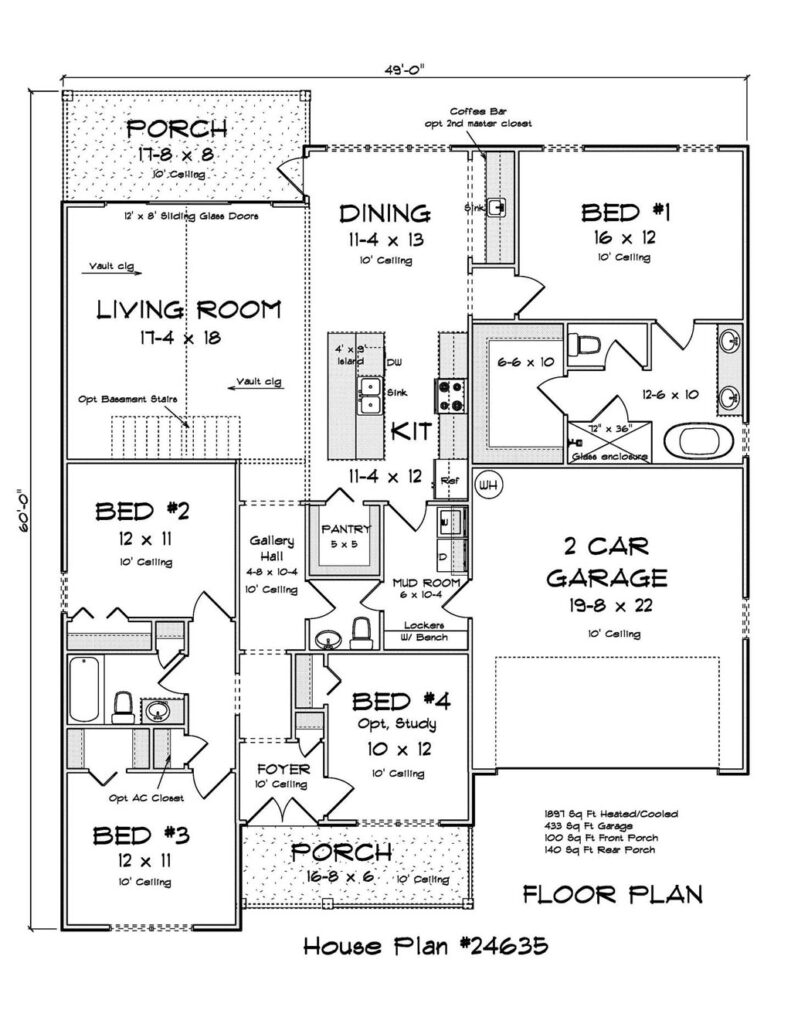
Residential reviewers scan for a continuous load path and wall bracing that matches the book. Provide a labeled foundation plan with footing sizes, reinforcing, and anchor bolt notes. On the floor plan, call out headers and beams and include a simple schedule. Add a braced wall or shear plan that traces lines, shows panel lengths and methods, and marks hold downs or portal frames at garage openings. If roof trusses are a deferred submittal, say so and show how loads transfer.
Most resubmittals come down to predictable life safety misses. Show stair geometry with rise, run, headroom, handrail and guard details that pass a tape measure check. Label emergency escape and rescue openings in sleeping rooms with clear rough openings and sill heights. Place smoke and carbon monoxide alarms per code and note interconnection and power source. Detail the garage separation and the door into the house so there is no guesswork.
Energy and site details that prevent second trips
Energy notes can stall permits when they are vague. List window and door U factors and SHGC that match your climate zone. Note insulation by assembly, air sealing, duct testing where required, and the ventilation approach. If you include a REScheck or performance report, make sure it matches the window and door schedule. Even a light mechanical schematic helps when jurisdictions ask for it, and placing noisy equipment away from bedrooms makes reviewers and buyers happier.
On tight lots, site clarity is everything. A simple site plan that shows property lines, setbacks, finished floor elevations, driveway slope, downspout locations, drainage arrows, and lot coverage keeps everyone aligned. Many cities also require erosion control notes, utility laterals, and floodplain or wildland interface notes where applicable. Include them the first time and you avoid the second trip.
How W. L. Martin plan sets move faster
W. L. Martin Home Designs builds permit readiness into the drawings so you spend less time in the queue. Cover sheets list adopted codes and full design criteria. Floor plans call out egress window sizes where required and show stair geometry that passes in the field. Structural sheets label headers and posts with a clear schedule, and braced wall or shear plans mark methods, lengths, and hold downs so reviewers are not left to infer intent. Elevations and sections align with the notes, which keeps comments focused rather than scattered. Energy compliance is spelled out with prescriptive values on the drawings or paired with a performance report that matches the window and door schedule. Electrical layouts include smoke and CO locations, and site plan templates make setbacks, grades, and downspouts obvious at a glance.
If your jurisdiction wants sealed calculations, portal frame details at a specific garage opening, a different frost depth, wildland urban interface notes, floodplain elevations, or special inspections, the package can include engineering or local addenda so you submit once and move on. Builders tell us this level of clarity turns long comment lists into short checklists, which means fewer resubmittals and earlier starts.
The business case is simple. The industry already spends months building after the start, so shaving even a week or two off permitting brings cash flow forward. When your plans speak the reviewer’s language, you reduce change orders, protect schedule, and give your sales team a date they can trust. If you want dependable speed from submittal to stamp, ask about W. L. Martin designs in the 400 to 2,500 square foot range that arrive code aware and reviewer friendly, and tailor the package to your city or county so your next plan hits the counter ready to approve.
When a home comes in under 2,000 square feet, the kitchen carries the listing. It is where buyers linger, where photos win clicks, and where the floor plan either feels effortless or feels like a compromise. The surprise for many developers is that a small kitchen can punch above its size without blowing the budget. It just needs the right shape, smart clearances, honest storage, and a few performance choices that show up in the first five minutes of a tour.
Industry surveys keep confirming what you already see on site. NAHB’s What Home Buyers Really Want has long shown kitchen features near the top of buyer wish lists, particularly storage like pantry solutions. Houzz trend data continues to put islands and added storage among the most popular upgrades. Remodeling’s Cost vs. Value reporting shows that sensible kitchen improvements tend to return a solid share at resale compared with many other projects. Translation for builders and BTR operators. Put money where buyers can feel it and your photos will do the rest.
Shape choices that make small kitchens feel big
The first move is shape. In compact footprints, four layouts repeatedly live large. A one wall kitchen with an island is clean and perfect for narrow plans. An L shape with an island opens to living and gives you a protected prep corner. A galley that ends on a window works beautifully in townhomes and is fast to build. A tight U shape can deliver the most counter space on slightly wider lots if you avoid deep, dead corner traps. Keep the big three on two walls, not three, and movement gets easier for any cook.
Clearances that create real flow
Flow beats finishes, and flow comes from clearances that work in real life. The National Kitchen and Bath Association’s planning guidance is an easy standard to build around. Target about 42 inches for a one cook aisle and 48 inches if two people will be in the space. Leave landing space beside the fridge door and near the range so hot pans have a home. Give the main sink a generous stretch on at least one side so prep does not collide with cleanup. These numbers are not fancy. They are the reason buyers can walk a model and think this just works.
Storage is where small kitchens fail or fly. A right sized pantry makes a big difference. On many plans, a 24 inch deep reach in with full height shelving or a 36 inch cabinet pantry with pullouts outperforms a token walk in. Go vertical with 42 inch uppers or stacked cabinets to capture cubic feet without widening the room. Use drawer bases where plates and pots live so counters stay clear. Treat corner cabinets like grown ups and use simple blind corner pullouts rather than expensive gadgets that still waste space. Buyers can feel when clutter has been designed out of the picture.
Appliances can open up space without feeling compromised. The 24 inch category has matured, which means a narrower dishwasher and counter depth refrigeration can free precious inches while still feeling premium. ENERGY STAR’s guidance gives you an easy script for marketing and for utility exposure in rentals. Certified refrigerators use roughly 9 percent less energy than standard models, while certified dishwashers cut energy by about 12 percent and water use by about 30 percent compared with non certified units. Pair a 30 inch slide in range with a 24 inch dishwasher and you get real cooking power plus the cabinet inches you need for storage.
Appliances, lighting, and ventilation that work quietly
Light, ventilation, and sound quality are non negotiable, especially in open plans. Put a window at the sink or the end of a galley so the space reads bright in person and in photos. Layer warm white LED under cabinet lighting so the counter stays evenly lit without glare. Choose a quiet, ducted hood that actually clears steam and odor rather than just recirculating it. If dishwashers run during dinner, keep the decibel rating low enough that conversation does not compete.
Islands, finishes, and small touches buyers love
The island is the Swiss Army knife in 1,200 to 1,800 square foot homes. Aim for a depth that lets you do storage on both sides and a length that seats four comfortably. If aisles are too tight for an island, a peninsula often delivers the same seating and storage with one less walkway to police. In either case, keep seating comfortable with adequate knee space and stool width so the island looks inviting in photos and functions on pizza night.
Finish specs can do double duty for marketing and maintenance. A light mid tone quartz tends to hide crumbs better than pure white while still reading bright. A simple shaker or slim rail door in a satin finish is easy to touch up and looks right across multiple elevations. Full height splash behind the range photographs beautifully while a modest splash elsewhere controls cost. In BTR, step up hardware quality one notch to reduce service calls. Houzz trend reporting continues to show that islands, quartz, and under cabinet lighting earn their keep in buyer satisfaction and in listing images.
Exceptional conveniences
Do not forget the little conveniences that signal a thought through plan. Put a duplex outlet in the pantry for small appliances, hide a charging drawer in the island so cords do not take over the counter, and stub a data line to the fridge location so a future smart package does not require surgery. These touches are inexpensive and easy to standardize across a series.
The business case is straightforward. Kitchens sell houses, and functional small kitchens sell faster. NAHB’s long running buyer research, Houzz preference trends, and Cost vs. Value returns all point in the same direction. Deliver a kitchen that moves with 42 inch aisles, hides clutter with honest storage, provides seating that feels generous, and photographs clean. Your absorption improves, your buyer pool widens, and your appraisal conversations get easier.
W. L. Martin Home Designs leans into this approach across plans from 400 to 2,500 square feet. You will see islands that seat four without crowding, L shapes and galleys that hit NKBA clearances, pantry solutions tucked under stairs or beside the fridge wall, and appliance packages that include 24 inch options for narrow lots. Many plans place the sink on a window wall for flattering light and keep loud mechanicals away from the cooking zone so conversations stay easy. If your community needs a peninsula instead of an island, a bigger pantry in the same footprint, or a cabinet module that repeats across multiple elevations, those tweaks are straightforward.
For teams that like a quick punch list, focus on these wins you can repeat without fuss. Keep aisles around 42 inches, give the fridge and range real landing space, prefer drawer bases, plan an island or peninsula that seats at least three, specify a quiet ducted hood and under cabinet lighting, and standardize cabinet runs and appliance openings across models. Small moves, big impact.
Want to point buyers to plans where the kitchen does the selling. W. L. Martin has several ready to go, and the team can adjust clearances and storage to hit the sweet spot for your lot mix and budget.
Hybrid work is not a blip. It is simply how millions of people organize their week now, which means the floor plan has to carry more weight than it used to. The good news for developers is that thoughtful, work friendly layouts do not have to be large or expensive. A few smart moves in the 1,000 to 2,000 square foot range can make a home live better, list better, and sell faster.
If you want the quick context. McKinsey’s American Opportunity Survey found that 58 percent of workers have the option to work from home at least one day per week and 35 percent can do so five days per week, and when people have the option 87 percent take it at least some of the time. That survey is widely cited because it confirms what buyers are feeling on the ground. Pew Research Center reported in 2023 that among workers whose jobs can be done remotely, hybrid became the most common arrangement and more than a third were fully remote. Gallup’s 2023 reporting reached the same conclusion. Hybrid is stabilizing as the preferred setup for remote capable roles. In other words, a real home office is no longer a nice to have feature. It is table stakes for a large slice of the market.
Below are the design choices that reliably make a difference, pulled from what buyers ask for and what appraisers and inspectors actually see in the field.
A real office, not a leftover corner
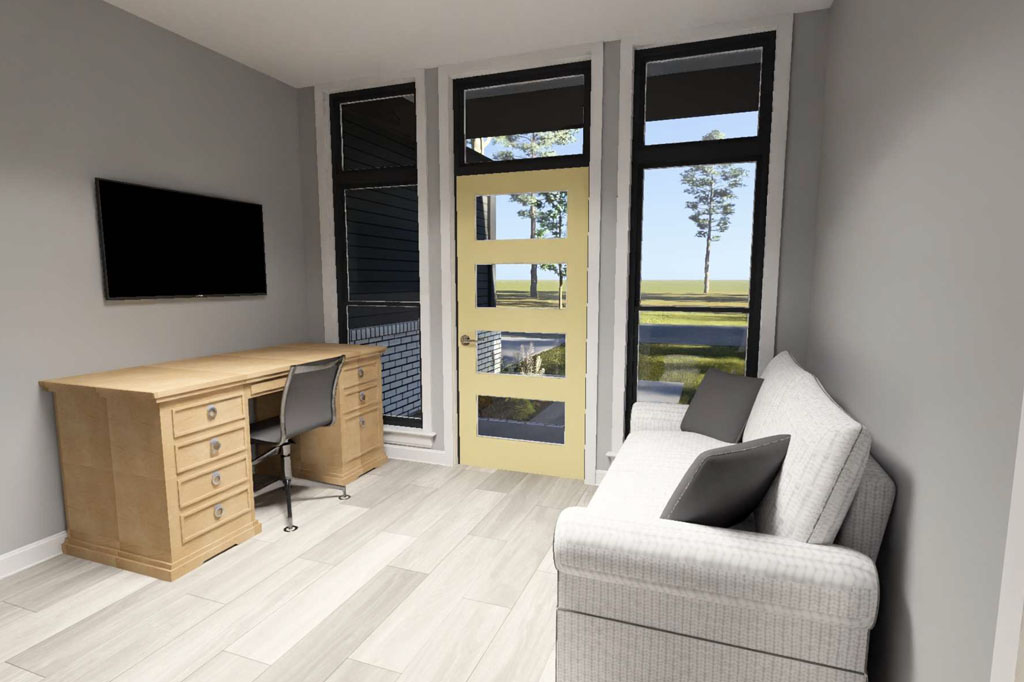
The dining nook with a laptop is past its prime. What works now is a compact but intentional room that can close off and that feels good on camera. Aim for 8 by 10 feet or larger if possible. Place it near the entry but with acoustic separation so calls do not bleed into the living room. A glazed door keeps light moving while a solid core slab and weatherstripping keep sound where it belongs. If the lot and plan allow, give this room its own exterior door. That small tweak supports client drop ins, tutoring, or just a quiet entrance during nap time.
Many W. L. Martin Home Designs plans already include study rooms, pocket offices tucked off the entry, and optional exterior access to a study. Those touches translate directly into day to day usability for remote workers and freelancers.
Plan for two remote workers, not one
Plenty of households now have two people taking calls. Treat the office plus a secondary focus space as standard. That second zone might be a niche with a built in desk on the landing, a window bay with a counter in the primary suite, or a bedroom that converts with a wall bed. Give each zone a hardwired data jack, two standard outlets on separate circuits, and a quiet return air path so HVAC noise does not hijack a call.
Light that flatters and reduces eye strain
Video calls made everyone an amateur lighting designer. Favor north or east light for offices to avoid harsh shadows. If the only option is west facing, add a small roof overhang or exterior shading and specify soft white interior fixtures around 3000 to 3500 Kelvin with high CRI. Simple rules work. Put the window in front of or beside the desk, never directly behind it. Add a ceiling fixture on a dimmer plus a task light at the desk. It looks better and it feels better at 3 p.m. when eyes are tired.
Quiet is a feature buyers can feel
Noise is the number one complaint about improvised offices. You do not need exotic details to fix it. Use a solid core office door. Insulate the office walls with mineral wool. Decouple one side of the shared wall with resilient channel if budget allows. Keep loud spaces like laundry, powder rooms, and the fridge wall away from the office when possible. These moves are inexpensive on paper but they add up to a perceptible difference during a showing.
HVAC and fresh air that do not distract
A comfortable office is one where the vent does not howl into a headset. Use a larger supply register with a lower face velocity in the office and consider a dedicated return or transfer grille that keeps the door from whistling. Balanced ventilation with an ERV is increasingly common in efficient homes. That lines up with all electric strategies and with wellness focused buyers. It also keeps the office from getting stuffy during long calls.
Connectivity that just works
Wi Fi is great until it is not. Run at least one Cat6 data jack to every likely desk location and to a central media panel that can host a router and a small UPS. Conduit from the exterior to the panel preserves future flexibility for fiber or satellite internet. If you like repeatable details, specify a simple tech closet layout with a vented door and a duplex outlet on a dedicated circuit. Small effort, big payoff.
Flexible storage that looks neat on camera
Background clutter reads as stress. Built in shelving or a shallow closet in the office lets buyers hide printers, sample kits, and cords behind doors. A 24 inch deep cabinet run with a countertop can double as a standing desk and a video backdrop. If you are building a series, standardize a clean, simple millwork package that looks custom without the custom price.
Outdoor work zones that truly work
A small covered patio off the office or living area can double as a fresh air work spot for part of the year. Add a duplex outlet, a ceiling fan, and a step light. Position for shade during prime work hours. Buyers respond well to homes that offer multiple places to take calls, and this is an easy way to create one more.
Space planning that sells in any market
Developers do not need larger homes to deliver better work from home. They need smarter adjacencies. The patterns that perform are consistent across markets. Office near the front with optional exterior door. Open living in the middle. Bedrooms grouped for quiet in back or upstairs. Laundry clustered near bedrooms or garage, not next to the office. Wet walls stacked to simplify plumbing and to free up quiet walls around the office. Simple rooflines that make future solar and battery tie in easier.
Why this matters for value and leasing
Trusted sources keep telling the same story. McKinsey’s data shows the pool of hybrid capable workers is massive. Pew confirms hybrid is sticky, not temporary. Gallup reports that employee preference has settled around hybrid because it balances flexibility and teamwork. On the housing side, the National Association of Home Builders has tracked a steady rise in demand for specialty spaces, and the home office ranks near the top of buyer wish lists in recent years. Harvard’s Joint Center for Housing Studies has also noted the way pandemic era shifts reshaped design priorities, with space for work and study consistently cited in homeowner surveys.
You can feel this in leasing statistics and on tours. When a plan gives a buyer two legitimate places to work, they stop trying to mentally force a desk into the dining room. That reduces friction and it widens your pool of qualified buyers or renters.
A quick developer checklist
Provide one dedicated office plus a secondary focus spot
Solid core office door with perimeter weatherstripping
Insulated office walls, optional resilient channel on one side
Two data jacks and four outlets at the main desk wall
North or east light preference, dimmable overhead plus task light
ERV or balanced ventilation and a quiet supply register
Optional exterior door to the office where the lot allows
Built in storage that lets the room stage cleanly in minutes
How W. L. Martin Home Designs fits in
W. L. Martin Home Designs offers several plans across 400 to 3,500+ square feet that already bake in this thinking. You will find true study rooms instead of improvised corners, pocket offices off the foyer, and optional layouts with easy exterior access to a study so clients or students can come and go without crossing the whole house. Many plans include secondary focus nooks, smart wiring stubs for hardline internet, and quiet mechanical placement that respects call time. If you are building in a community that skews hybrid, our team can also adapt top sellers with a lockable study, more acoustic separation, or a different window orientation to tame afternoon glare.
Hybrid work is here to stay, and buyers have learned what makes a home easy to work in. Give them quiet, light, and just enough separation. Keep the structure simple so the budget behaves. Then market the plan clearly as hybrid ready. If you would like plan suggestions, we can point you to W. L. Martin designs with studies, exterior access options for those studies, and flexible layouts that make work from home feel effortless.
When you are building new, the floor plan and square footage carry a lot of weight. But the first thing buyers notice is not a bedroom count, it is the face of the home. Exterior color shapes that first impression, signals quality, and can even nudge the sale price. For developers working across entry level footprints up to about 2,500 square feet, a thoughtful color strategy is one of the most affordable ways to stand out on the street and online.
At W. L. Martin Home Designs, we lean into that idea. Dozens of plans on our site are rendered in unique color palettes that are chosen to spotlight architectural details like gables, brackets, dormers, and porches. From compact 400 to 1,000 square foot cottages to efficient 1,800 to 2,500 square foot family homes, you will see how the right palette can make a plan feel tailored and memorable.
Why color matters more than most people think
Color is not just visual, it is emotional. Calming blues and misty grays read clean and coastal. Earthy greens communicate nature and stability. Inky charcoals project modern confidence when paired with crisp trim. That emotional read happens fast, which is why high performing exteriors almost always combine a body color, a trim color, and a small accent for contrast.
Popular and trusted sources have been underscoring this for years. Zillow’s paint color research has repeatedly found correlations between certain exterior and door colors and stronger sale outcomes, including the widely cited finding that black front doors were associated with a bump of roughly several thousand dollars in sale price in earlier analyses. The National Association of Realtors has highlighted curb appeal projects, including exterior painting, as cost effective upgrades that improve buyer interest and help listings show better in photos and at open houses. Major paint brands like Sherwin Williams and Benjamin Moore keep pushing complex neutrals, desaturated greens, and near blacks because homeowner surveys show confidence in these palettes and strong perceived value when paired with modern windows and roofs.
The takeaway for builders is simple. Color is not just about liking navy more than tan. It can influence perceived quality, photo click through, and how fast your spec sells.
Modern color moves that are winning now
Here are palettes and pairings that buyers are responding to in new construction, pulled from trends covered by Houzz, HGTV, Architectural Digest, and the annual color direction from leading paint companies.
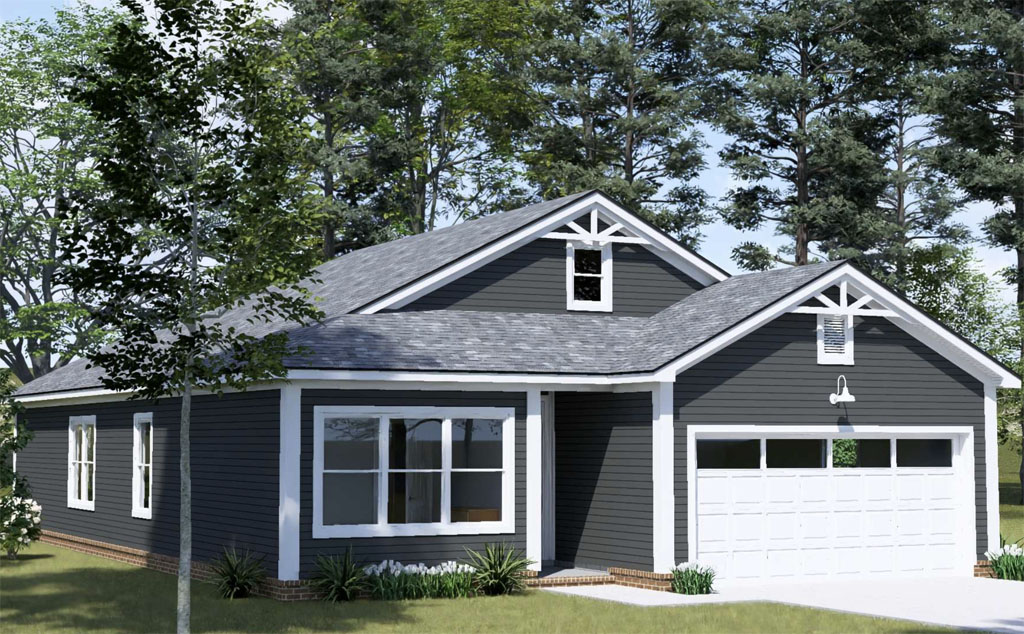
Deep charcoal body, warm white trim, stained wood accents. Reads modern without feeling stark, works with black windows and standing seam roofing.
Desaturated green body, stone base, satin black windows. Connects to the landscape and looks premium in wooded or lakeside settings.
Creamy off white body, bronze metal accents, medium walnut door. A softer take on the modern farmhouse look with better long term versatility.
Soft greige body, putty trim, slate roof tone. Classic and buyer friendly, photographs beautifully under both sun and overcast light.
Navy or ink blue body, bright white trim, natural cedar brackets. High contrast that highlights gables and porch geometry.
Two tone modern. Dark body at the main massing, lighter vertical siding in bump outs, and a color matched garage. Adds depth without feeling busy.
Front doors are a small but high impact move. Black, charcoal, deep teal, or a rich wood tone tend to test well because they frame the entry and anchor the elevation. Zillow’s earlier findings about black doors line up with what stagers and agents report in the field, that a dark, well finished door reads secure and upscale.
How color can showcase the architecture
Great plans deserve to be seen. Color placement is the trick.
Use the body color to quiet the largest planes so the form reads cleanly.
Use trim intentionally so rakes, fascias, and window casings pop in a controlled way. This is where a crisp white or warm off white earns its keep.
Reserve the darkest value for the thinnest lines, for example window frames or metal accents. This creates definition without heaviness.
Change siding orientation with color in mind. Vertical boards in a slightly lighter value can make a bump out feel taller. Horizontal lap in a deeper value can ground the mass.
Treat stone and brick as colors, not just materials. Match undertones so the palette feels intentional.
Across our catalog, you will see these tactics at work. Many W. L. Martin Home Designs plans use distinctive colorways to emphasize features like shed dormers on narrow lot cottages, timber brackets on mountain craftsman fronts, or the low, horizontal lines of modern prairie inspired elevations.
Data points developers like to know
You do not need an art degree to make a smart color choice. You just need to know what the market is already telling us.
Zillow’s paint color analyses have tied specific shades to measurable sale premiums, including black doors associated with around a six thousand dollar lift in older studies, and deep grays testing well on modern exteriors when balanced by warm accents.
The National Association of Realtors has reported that exterior paint upgrades are among the curb appeal projects that help homes show better and recover a meaningful portion of their cost at resale, especially when coordinated with simple landscaping and a clean entry sequence.
Major paint brands publish annual homeowner surveys that consistently show strong buyer confidence in complex neutrals, muted greens, and near blacks on exteriors, with a preference for matte and satin sheens that photograph well.
Even when the exact premium varies by market and year, the pattern is steady. Tidy, modern palettes that feel coordinated tend to sell faster and with fewer concessions.
A quick, practical color process
Use this checklist to pick a market ready palette for your next build.
Start with fixed elements. Roof color, stone, brick, and window finish are your anchors. Choose body and trim colors that complement those undertones.
Consider light. Dark palettes look best with meaningful soffit lighting and generous window area. In full sun markets, slightly lighter values reduce fade and heat.
Pick one moment. Choose either the door, shutters, or brackets to carry the accent. Restraint reads more expensive than scattering accents everywhere.
Test big. Paint at least a two by two foot swatch on primed material and view it morning, noon, and dusk before approving.
Mind maintenance. Satin or matte sheens hide imperfections better than glossy finishes, and mid tone colors show dust and pollen less than ultra darks in many climates.
Think buyers. If the home sits under 1,800 square feet and targets first time buyers, lean classic with a little contrast. If it is a custom feeling spec near 2,500 square feet, you can push to a richer, moodier body color with warm accents.
How W. L. Martin plans make color work for you
Because so much of our portfolio is designed for efficient footprints, we prioritize elevations that gain presence from smart color. Dozens of W. L. Martin Home Designs plans on the site are shown with unique palettes that highlight the architecture, for example lighter gable insets that make rooflines read crisp, dark window frames that sharpen the grid, and warm wood tones that add a welcoming focal point at the entry. If you are browsing for a narrow lot plan or a build optimized for speed and value, these renderings double as ready made color roadmaps.
Exterior color is one of the simplest levers you can pull to boost curb appeal, improve listing photos, and help buyers fall in love before they reach the front step. The market data from sources like Zillow, NAR, and leading paint brands points in the same direction. Coordinated palettes with clear contrast and a single accent read newer, cleaner, and more valuable.
Ready to see how color can elevate your next build. Explore W. L. Martin Home Designs, where many plans already showcase colorways that do the heavy lifting, and use those palettes as a springboard for your lot, climate, and buyer profile.
Smaller homes thrive on smarter square footage. That is the thinking behind a new feature we are rolling into select W.L. Martin Home Designs plans: a combined laundry and pantry. If you have ever tried to fold towels while juggling grocery bags, you already know why this pairing works. It brings storage, appliances, and everyday chores together in one efficient hub that saves steps and frees up floor area for the spaces you use the most.
You can see this idea in action in our Plan #24558, a 1,395 square foot home with 3 bedrooms, two full bathrooms, a study room, and an attached 1 car garage. The combined laundry and pantry concept fits naturally in a home of this size, and it translates just as well to our smaller builds around 1,200 square feet. By unifying two utility spaces that often sit back to back, we reduce redundant walls and doors while creating a single, highly organized room that supports real daily routines.
Why a combined laundry and pantry saves space
In many small to mid-size homes, the pantry and laundry compete for precious square footage near the kitchen and garage entry. Merging them recaptures circulation space that would otherwise be lost to separate hallways or transitional zones. That reclaimed area can fund a larger kitchen island, a window in the dining nook, or a little more breathing room in a primary suite.
It also simplifies the mechanical core of the home. Shared plumbing, power, and ventilation lines shorten runs and reduce complexity. Fewer penetrations and shorter duct routes can help trim costs and improve performance. The result is a compact utility hub that lives where it is most useful, typically adjacent to the kitchen or near the garage drop zone.
Everyday convenience you can feel
A good house plan is not just about dimensions, it is about how a home helps you move through a day. The pantry-laundry blend connects dots that are already close together. Groceries come in from the garage and land on a counter that doubles as a folding surface. Bulk paper goods live beside the detergent, easily restocked. A high shelf holds small appliances you do not want on the kitchen counters. Hampers and pull-out bins sort laundry, recycling, and pet supplies in one place.
Here is how the combined room pulls its weight for buyers and builders alike:
Fewer walls, more livable feet: One shared room replaces two small ones, which reduces doors and dead-end corners. Those saved feet can go where buyers feel them, like a wider great room or a larger shower.
Shared utilities, simpler builds: One location for water, drain, 240-volt power, and venting streamlines installation and can lower change orders during construction.
Cleaner kitchen lines: Food storage moves out of the main kitchen envelope. The kitchen stays tidy, with less visual clutter and more uninterrupted cabinet runs.
Better traffic flow: A single entry with a pocket or full-height door reduces pinch points in the kitchen-hallway zone, which makes smaller homes feel open.
Flexible storage for real life: Adjustable shelves, tall cubbies for brooms, a spot for a second fridge or freezer, and labeled bins that can shift as household needs change.
Design details that make the most of the room
The magic is in the layout. Keep appliances and shelving working together rather than competing. Consider a stackable washer and dryer to gain a tall pantry cabinet. If side-by-side units are preferred, a continuous counter above becomes a landing zone for groceries and a folding surface. Use full-height cabinets for bulk storage and a mix of pull-outs and open shelves for items reached daily.
Door strategy: A pocket or full-swing door keeps the room quiet and contained. Soft-close hardware helps when hands are full.
Noise and comfort: Insulate interior walls and choose a solid-core door to keep laundry sounds out of living areas.
Light and power: Task lighting under shelves, a bright ceiling fixture, and dedicated circuits for appliances prevent shadows and overloaded outlets.
Wet zone planning: Place a laundry sink near the washer for pretreating, and keep it close to floor drains when possible.
Vertical organization: Label-friendly bins, can risers, and pull-out trays make the most of every inch from floor to ceiling.
Built for today, adaptable for tomorrow
Trends come and go, but efficiency stays valuable. A multifunction utility room works for first-time buyers, growing families, and downsizers who want less house with more usefulness. It pairs well with smart-home appliances, evolving pantry habits like bulk buying, and the desire to keep the kitchen serene. If needs shift later, the space can accommodate a second refrigerator, a hobby station, or additional pet care storage without reworking the whole plan.
W.L. Martin Home Designs offers several plans in the 1,000 to 1,500 square foot range, and many can incorporate this combined laundry and pantry approach. Plan #24558 shows how the idea fits beautifully in a 1,395 square foot footprint with three bedrooms, two full baths, a study, and a one car garage. For homes closer to 1,200 square feet, the consolidation often unlocks room for a better kitchen layout or a more generous entry storage wall.
For developers and future homeowners
Developers gain a marketable talking point that buyers understand the moment they walk through the door. One room that does the work of two looks smart on a floor plan, but it feels even smarter when you see the flow in person. It can help differentiate a community of smaller-footprint homes without adding square footage.
Future homeowners get a space that works as hard as they do. Fewer steps between groceries, laundry, and the garage. Less visual clutter. A place for everything that changes with the seasons and the household.
If you are exploring small and mid-size home plans that balance cost, comfort, and flexibility, start with W.L. Martin Home Designs. Browse our collection, look for the combined laundry and pantry in select plans like Plan #24558, and reach out if you would like to tailor a layout. We are happy to help you make every square foot count.
Minimalism in residential design has matured from a clean look on social feeds into a practical framework for how new homes are planned, built, and lived in. It is about clarity of layout, restraint in materials, and square footage that works harder. For developers, this is not only aesthetic, it is a path to fewer change orders, faster builds, and stronger buyer appeal. At W. L. Martin Home Designs, we have leaned into this shift for years, which is why so many of our plans already deliver what today’s and tomorrow’s buyers are asking for.
Why minimalism is gaining momentum
Several forces are pulling design in the same direction. Households want spaces that are easier to maintain, simpler to furnish, and more energy efficient. The buildings sector accounts for roughly a third of global final energy use and around a quarter to a third of energy related carbon emissions, so every design decision that reduces envelope area, improves daylighting, or optimizes mechanicals matters. Builders continue to navigate labor constraints and material cost volatility, which makes simple forms, repeatable details, and offsite friendly geometry more valuable. Buyer preferences have also shifted toward flexible rooms, uncluttered kitchens, and outdoor connections. Industry surveys from architects and builders show sustained demand for energy efficient features, low maintenance materials, better storage, and right sized plans that do not waste circulation space. Minimalism happens to be a clean way to deliver all of this at once.
What minimalism looks like in new housing today
Minimalist homes do not feel empty, they feel clear. The best examples balance warmth with restraint, then back it up with measurable performance. Below are patterns we see again and again in the highest performing new builds:
Simple geometry that reduces corners and jogs, which lowers exterior surface area and air leakage potential while simplifying framing and siding sequences
Open yet right sized living cores, where kitchens, dining, and living connect without excess hallways, a layout that shortens duct runs and shrinks wasted square footage
Natural light by design, with window sizes and placements tuned to orientation, which cuts daytime lighting loads and improves comfort without glare
A tight, well insulated shell, continuous exterior insulation, careful air sealing, and thermally broken details that set the stage for efficient HVAC
Material restraint, fewer finish types used more consistently, which eases procurement, reduces waste, and makes rooms feel calmer
Built in storage that hides clutter, pantry walls, linen towers, drop zones, and primary closets that keep surfaces clear without upsizing the home
Flexible rooms, a pocket office or guest room that can swing between uses so the home adapts as families change
Quiet, efficient systems, heat pumps, balanced ventilation, and induction cooking that lower operating costs and improve indoor air quality.
The business case for developers
Minimalism lowers complexity, which lowers risk. Rectilinear footprints, single main ridge rooflines, and stacked wet walls speed framing, plumbing, and MEP coordination. Cleaner elevations with a restrained palette reduce change orders during exterior selections. Windows sized in standard increments help supply chain resilience. In energy, frameworks like ENERGY STAR for new homes establish a baseline that is at least 10 percent more efficient than code, with average savings of about 20 percent compared to typical new construction. Passive building strategies, even when you do not pursue full certification, routinely cut heating and cooling demand by 40 to 60 percent in comparable climates. These are not just green talking points, they show up as smaller equipment sizes, quieter interiors, and lower ownership costs that help buyers qualify.
How W. L. Martin plans build minimalism in from the start
We design for developers who need plans that field well on real sites, with crews of various experience levels, and in climates across North America. That is the lens behind our minimalist forward approach. • Compact footprints that fit 400 to 2,500 square feet without feeling cramped, with great room cores that carry volume and light while bedrooms and baths remain efficient • Structural grids that standardize spans and bearing points, so beams and joists repeat, which speeds framing and supports panelization or truss friendly roofs • Stacked kitchens, baths, and laundries that align wet walls vertically, reducing runs and minimizing penetrations through the envelope • Clean roof forms, typically a single primary gable or hip with limited intersections, which improves drying, lowers flashing risk, and keeps install time predictable • Window schedules optimized around orientation rather than ornament, with larger panes where light is wanted and fewer north facing perforations where it is not • Right sized mechanical spaces, dedicated chases for balanced ventilation, and heat pump ready layouts that make high performance packages straightforward • Storage where it counts, pantry walls, linen towers, and built in drop zones designed into the plan so the living areas stay uncluttered without inflating square footage • Finish palettes that assume a small set of durable, widely available materials, siding in two profiles instead of four, tile in one pattern carried through wet rooms, unified trim strategies • Universal design options that keep clearances clean and thresholds low, which makes homes livable for more buyers without visual noise • Solar and EV readiness baked in, roof planes that actually accept PV, main panels sized with spare capacity, conduit paths and EV rough in locations shown on the plan
Three plan types, many minimalist outcomes
Small footprint ADUs and cottages at 400 to 900 square feet that still live big. Our smallest studios put the kitchen on a single wall with a dining built in, a stacked bath and laundry core, and full height closet walls. Vaulted great rooms borrow volume, tall windows are placed for privacy and light, and storage niches keep surfaces clear. Developers can repeat these with tiny site tweaks and get reliable results.
Narrow lot plans from 1,300 to 1,800 square feet that maximize width challenged sites. We keep the stair unobtrusive and straight, align kitchens and powder rooms to stack plumbing, and use a single roof ridge parallel to the street. Primary suites are compact but complete, with built in storage instead of an oversized footprint. These plans are friendly to town infill and suburban tracts alike.
Family ready homes from 1,900 to 2,500 square feet that feel calm, not cavernous. The living core is open and bright, secondary bedrooms share a smart Jack and Jill layout, and a flex room near the entry swings between office, guest, or play. Exterior elevations stay crisp with purposeful fenestration. Energy packages can step up to solar ready, and garages include EV rough ins that do not fight the layout.
Performance that supports the look
Minimalism is easier to defend when it is not only pretty. In our plans, simplified geometry tightens the envelope by limiting corners, which reduces air leakage risk. Careful daylighting design reduces artificial lighting during the day and pairs well with high efficiency lighting at night. ENERGY STAR ready details and balanced ventilation strategies support lower utility bills for buyers and quieter interiors that feel like a step up. For developers, these choices also mean fewer specialty transitions, fewer unique details to remember in the field, and less punch list churn at the end.
Why this is future proof
The industry is clearly moving toward higher performance expectations, simpler maintainability, and flexible space planning. Minimalism threads these needs together. Simple forms accept exterior updates gracefully as materials evolve. Clean elevations do not go out of style every few years. Energy smart shells make it easier to integrate next generation equipment, from heat pump water heaters to battery storage. When buyers ask for calm, healthy spaces that are easy to live in, plans that lead with clarity will keep winning.
How we customize for your lots and brand
Developers often need a recognizable through line across a community, but not copy paste repetition. Our minimalist base plans are designed to flex. We can mirror footprints for site fit, adjust window schedules for orientation, swap in regionally favored materials without fussy trim changes, or package energy options to hit a specific program. Because the geometry is clean and details are repeatable, these changes are efficient to draft and predictable to build.
If you are looking to meet demand for smaller, smarter, and calmer homes, the W. L. Martin Home Designs portfolio is ready. Minimalism is built in, so you can deliver designs that look current today and age well as codes and buyer expectations rise.