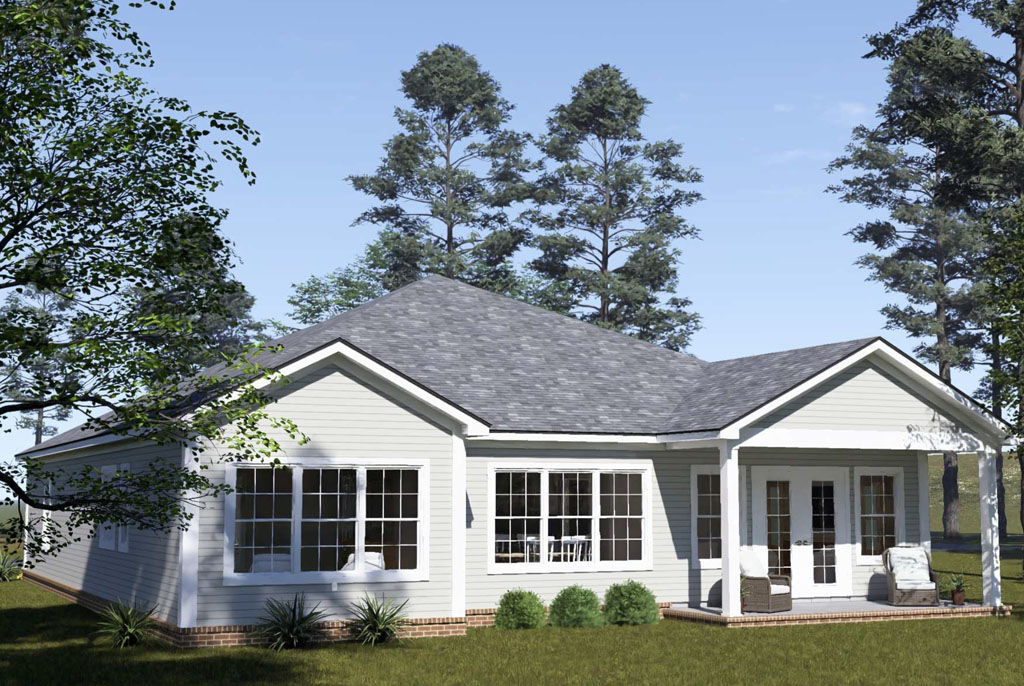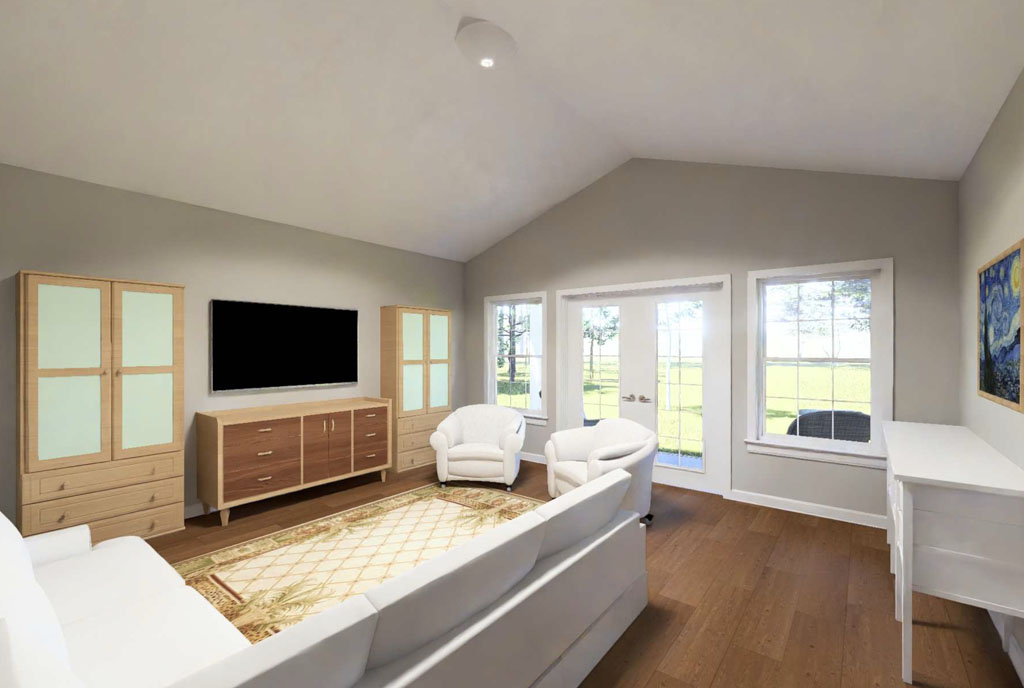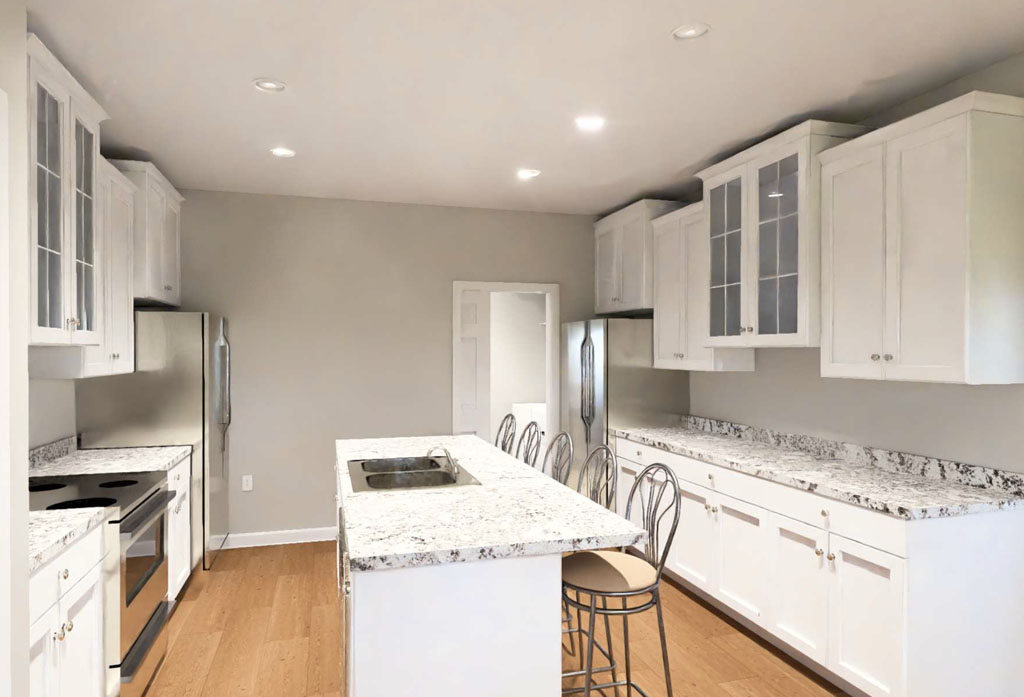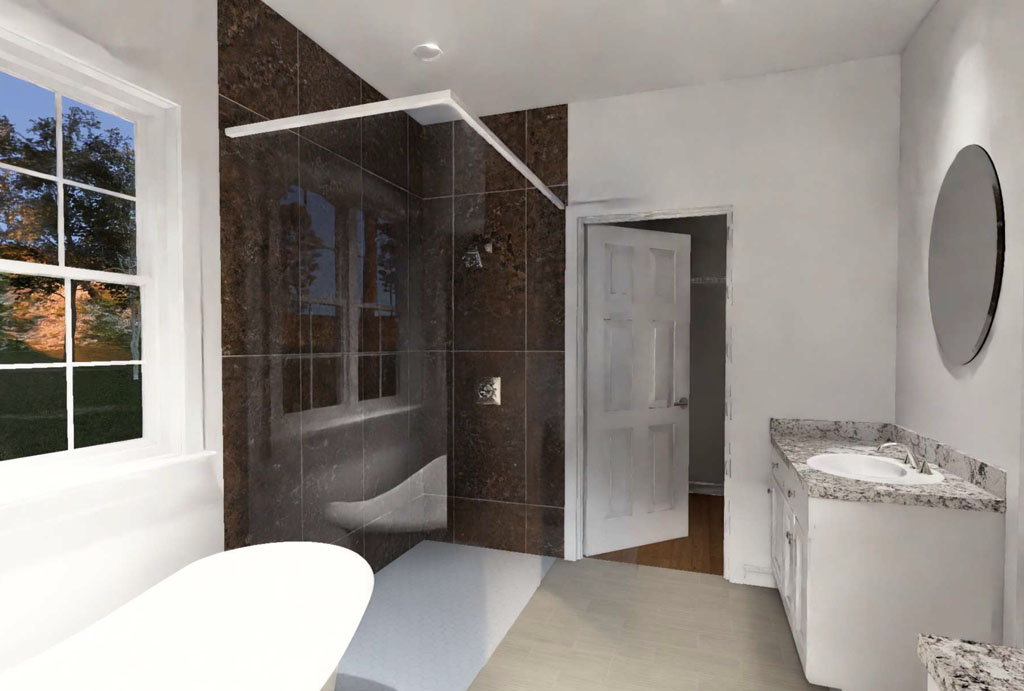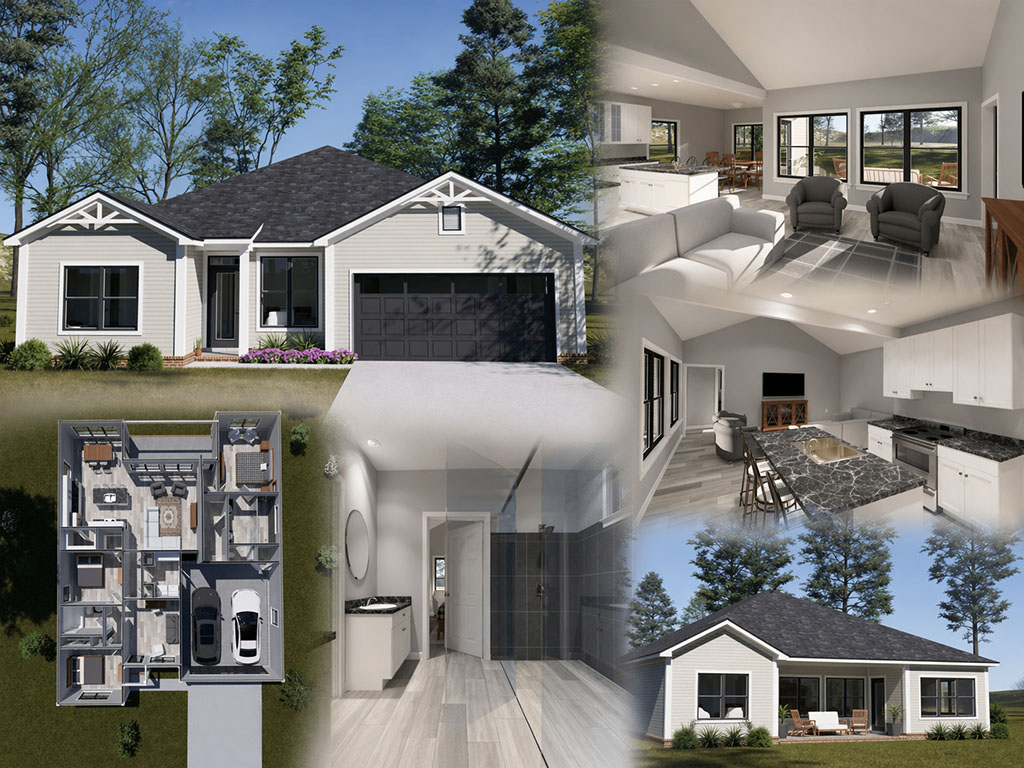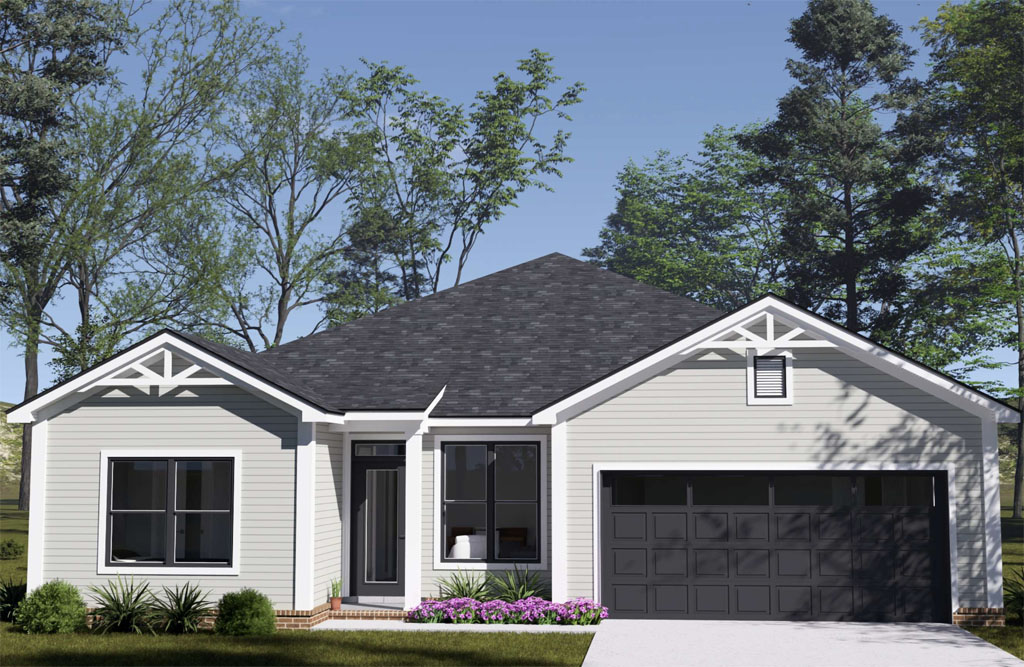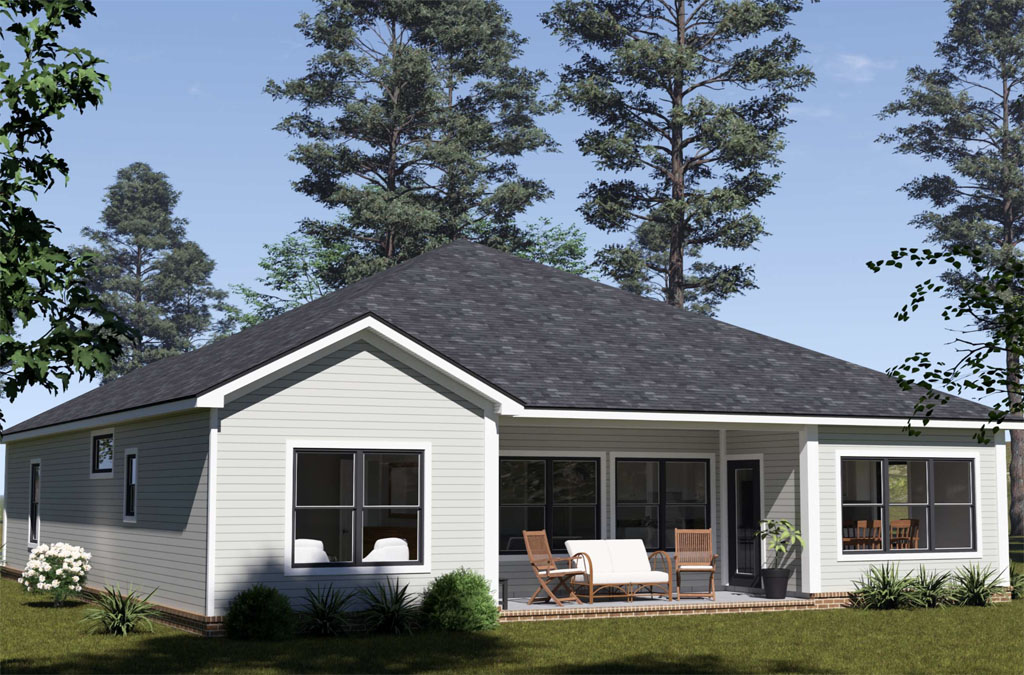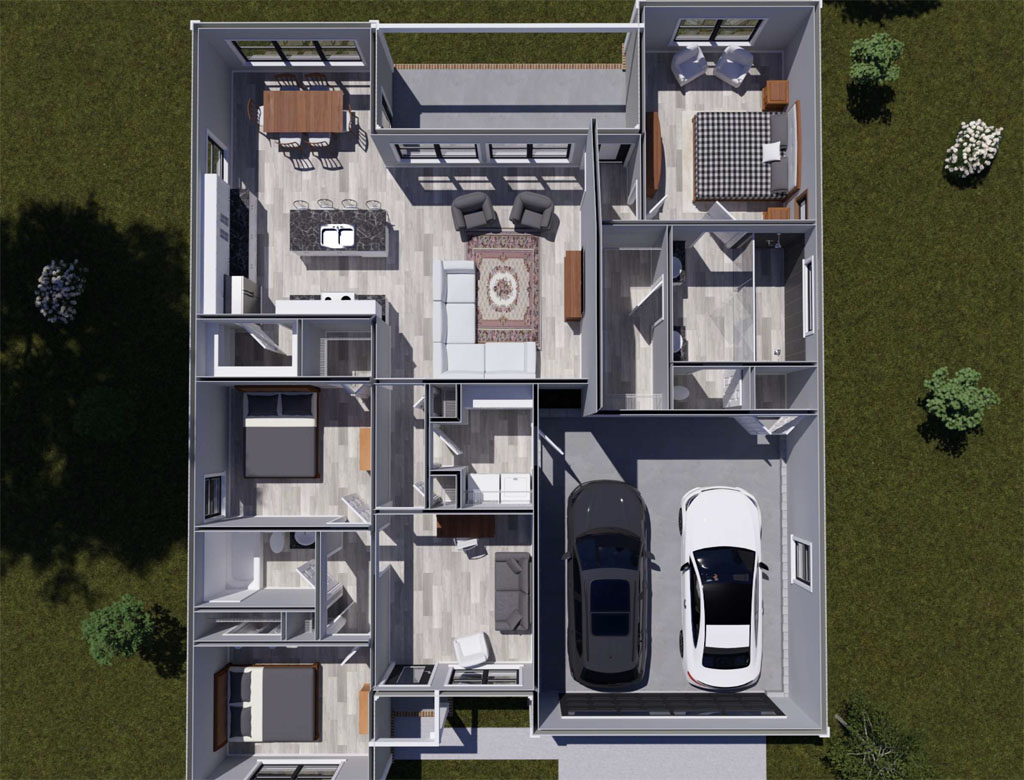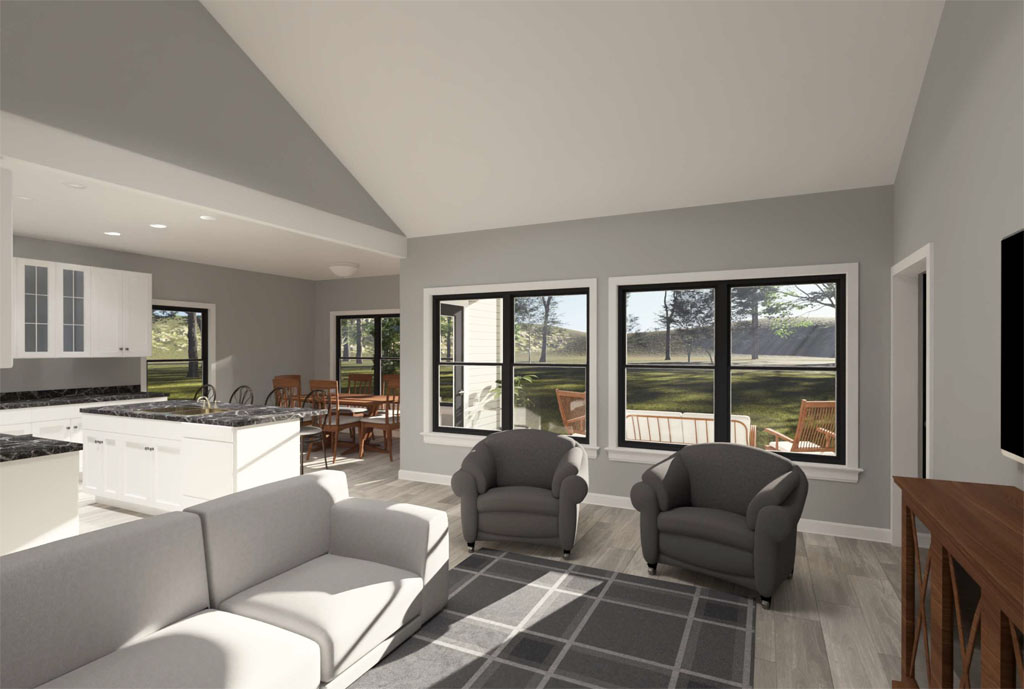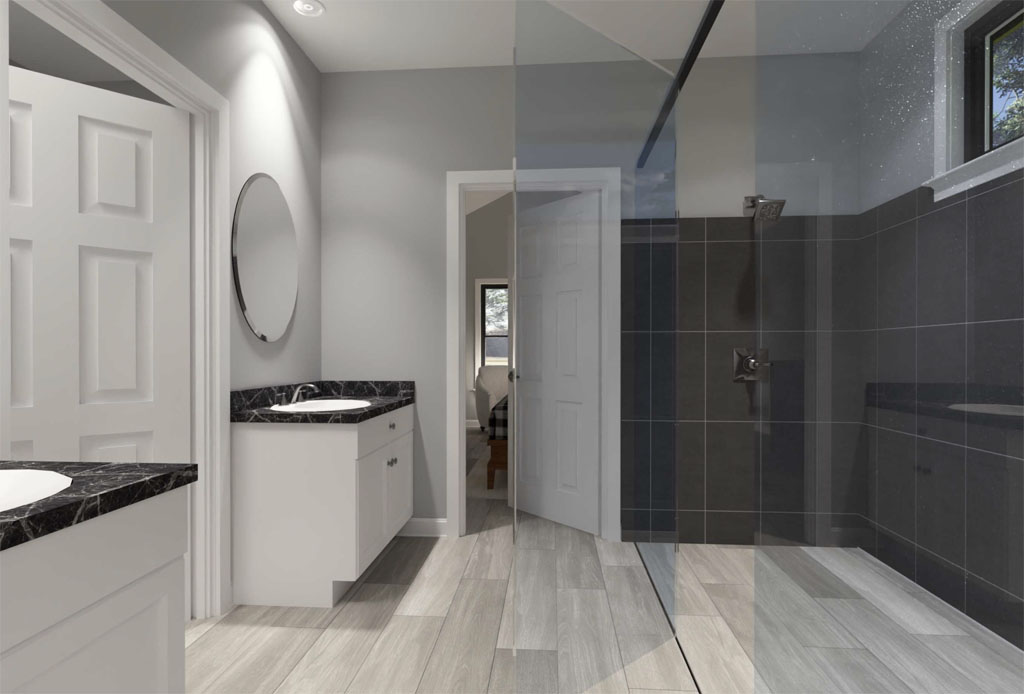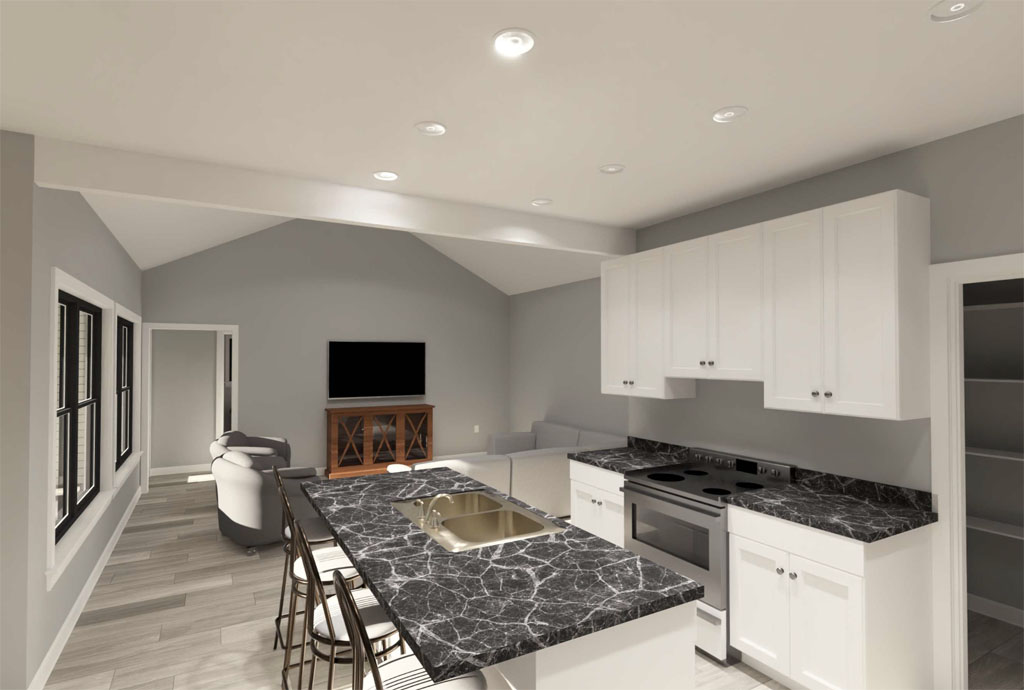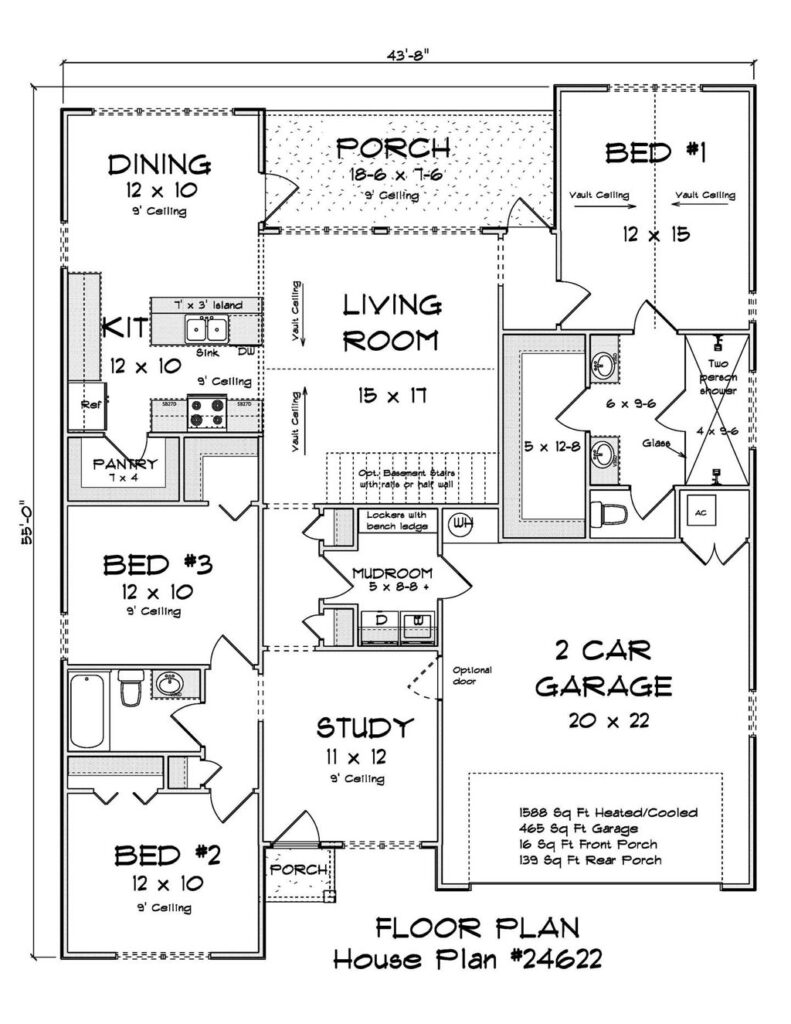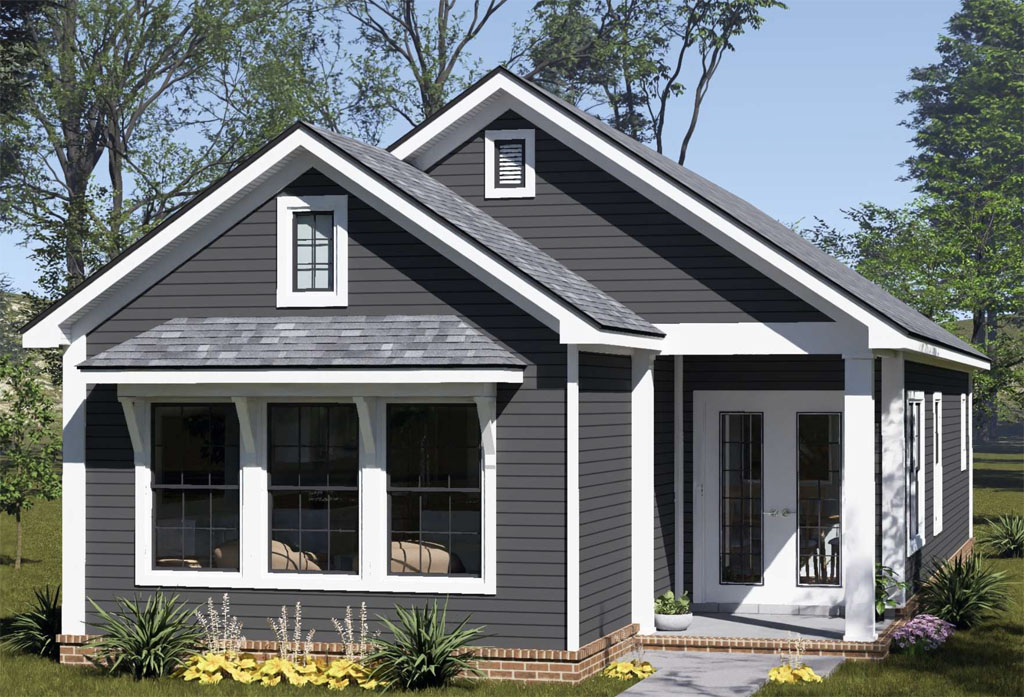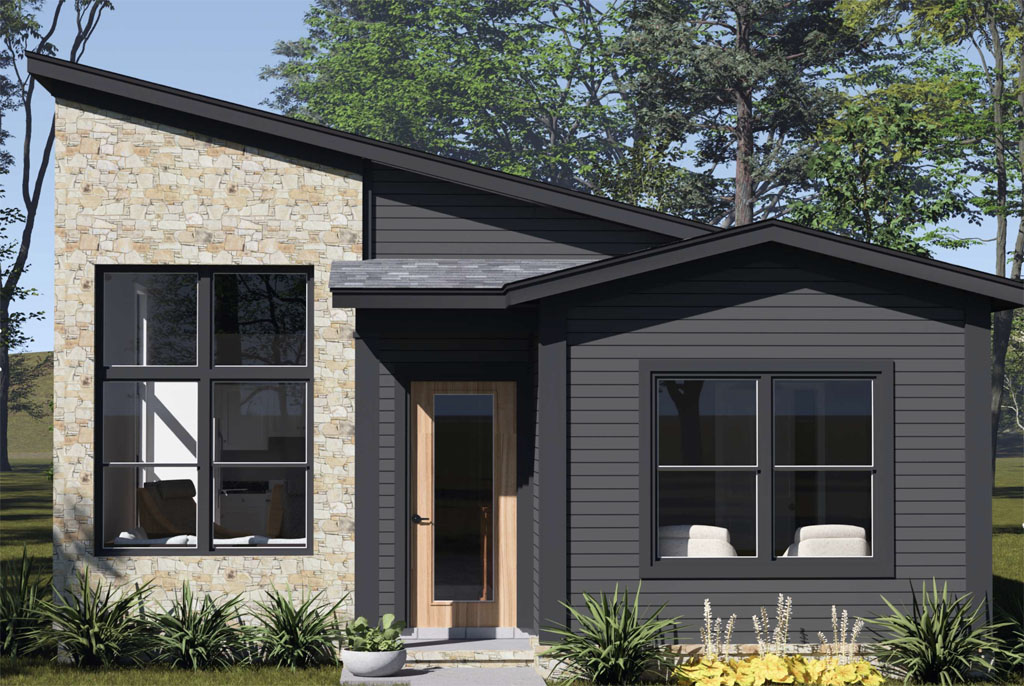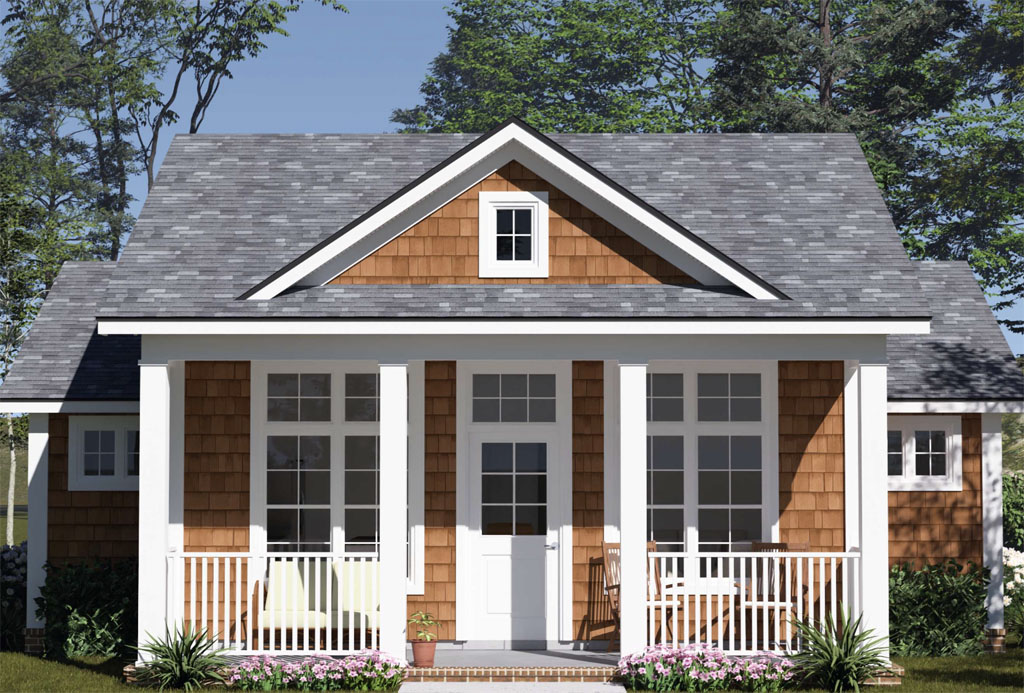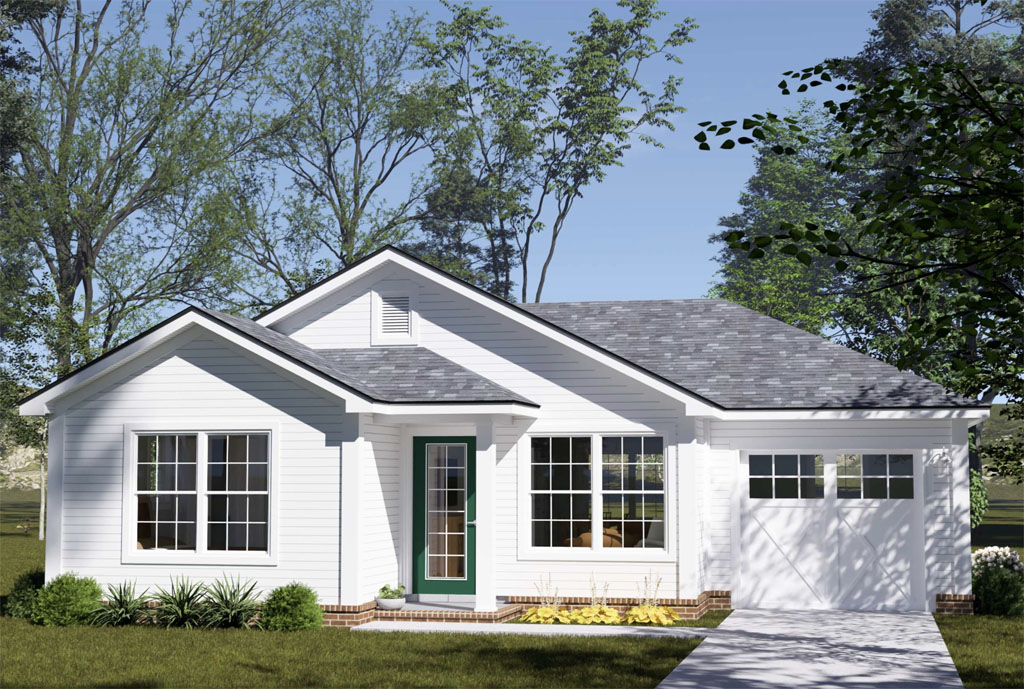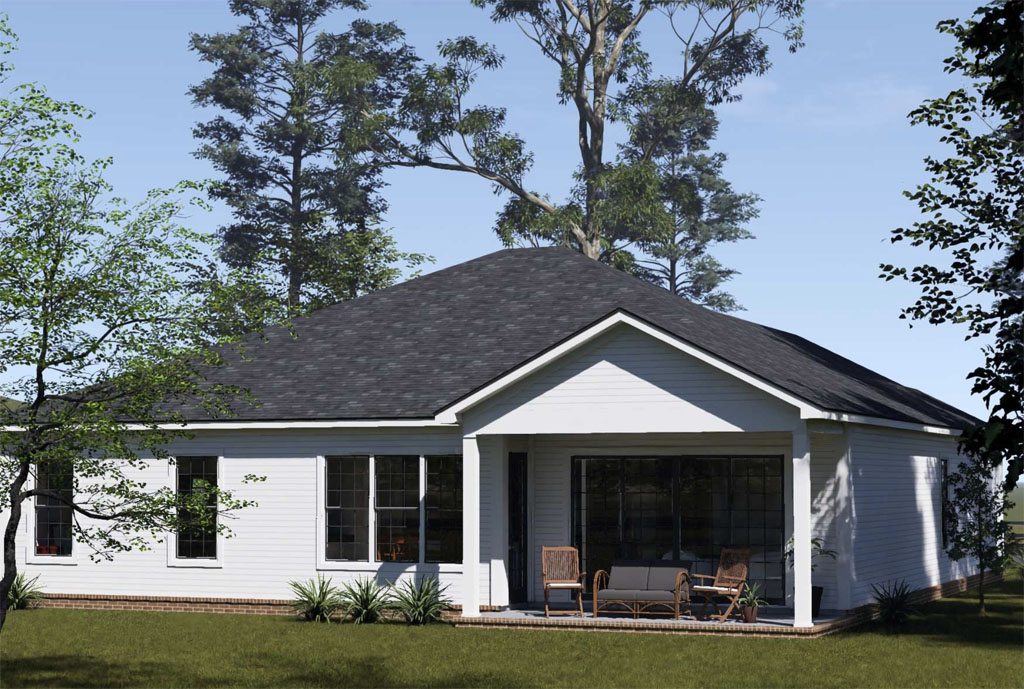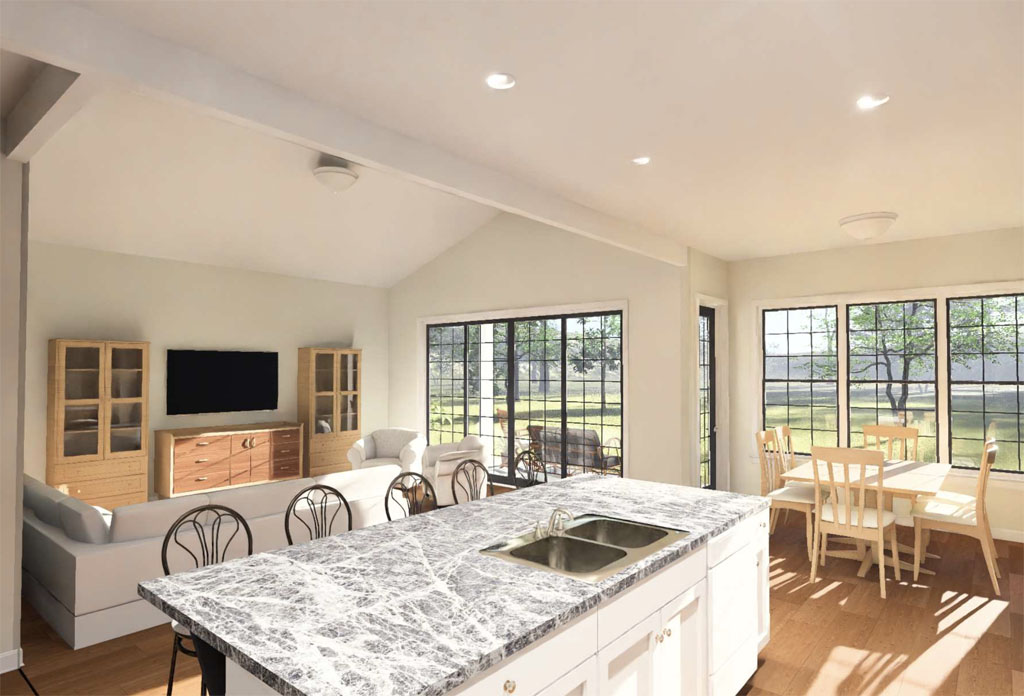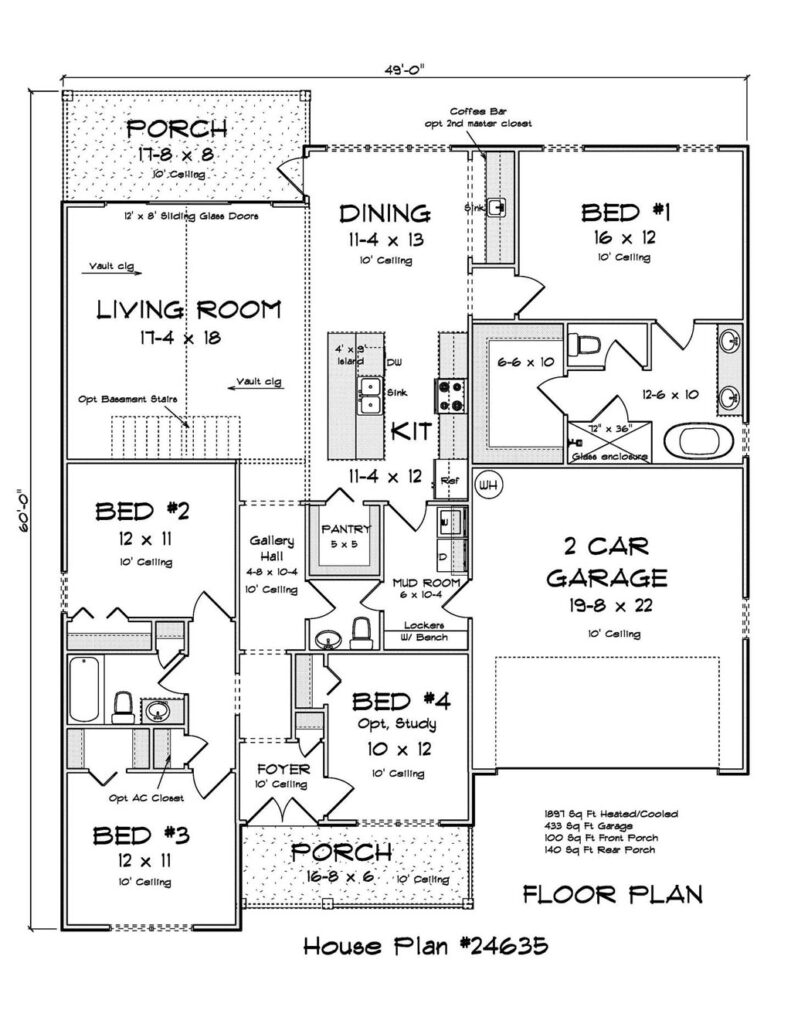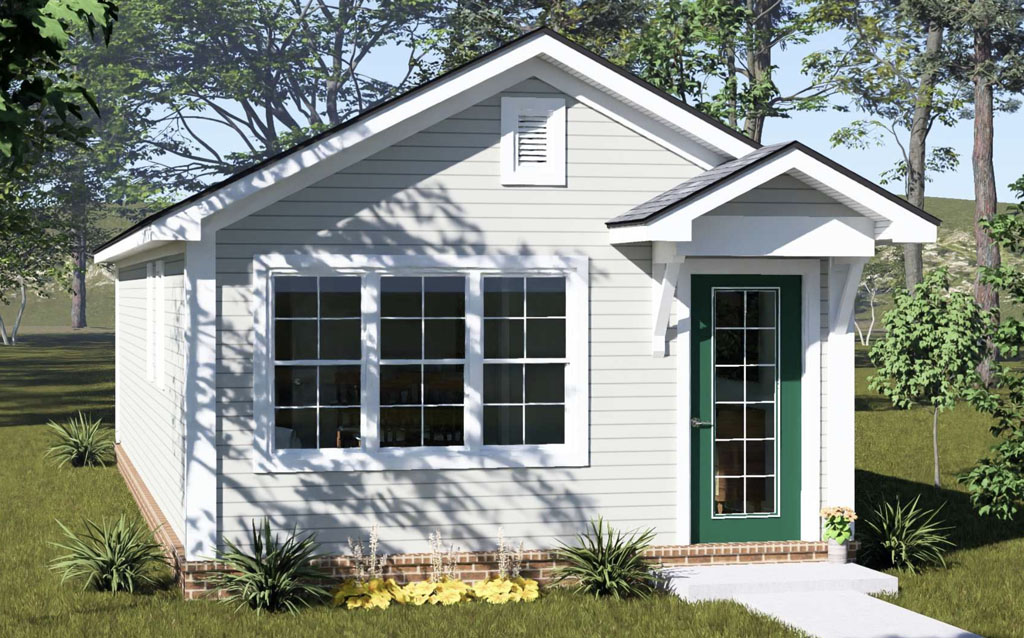
Fall is a smart window for starting homes that can be framed, dried in, and showing well before winter really arrives. Buyers are thinking about school calendars, holidays, and comfort, which means plans that are quick to pour and easy to repeat often move fastest. For most North American markets, a sweet spot ranges from 1,200 to 2,500 square feet with simple footprints, clean spans, and rooflines that do not slow truss lead times. Developers get speed. Buyers get livable, efficient layouts. Everyone wins when construction friction is low.
Plan choice matters more in the shoulder season because weather can steal days. Prioritize designs with straightforward foundations, minimal steel, and rectangular stacking that reduces field rework. A sensible two car garage, a covered stoop or porch, and a practical mud entry help crews and future homeowners alike. According to the U.S. Census Bureau’s Survey of Construction, porches and patios appear on a majority of new single family homes, which signals not just curb appeal but also buyer expectation for covered outdoor transitions when it is wet or icy.
Comfort features photograph well in fall light and help homes appraise against comps. NAHB’s What Home Buyers Really Want research consistently shows a laundry room at or near the main living area ranks among the most desired features for more than 80 percent of buyers, and energy efficient windows and better insulation are top tier wants in the same survey set. Translate that into practical specs. Choose tight building envelopes, sealed attic or conditioned crawl details where appropriate, right sized HVAC, and programmable thermostats. These are not luxury add ons. They reduce callbacks, they show up in marketing, and they align with what buyers already ask for.
Finishes should be durable at the entries and warm under shorter daylight. Think resilient flooring in the mud and kitchen zone, a light color palette that still reads cozy, and task lighting over islands and in flex spaces that might become homework corners. Exterior colors should be tested against overcast days so photos look good even when the sun ducks behind clouds. Keep landscape simple and leaf friendly. A clean porch, a couple of hardy evergreen anchors, and clear walk paths are often enough to lift online click throughs and open house conversion.
Scheduling is where margins are made in fall. Pick plans with predictable engineering and standard spans to keep lead times tight. Order windows early, stage electrical and plumbing roughs back to back, and batch inspections wherever local jurisdictions allow. The goal is to be move in ready or model ready as year end approaches. NAR’s 2023 Profile of Home Buyers and Sellers reported that first time buyers rebounded to roughly one third of purchasers, which means attainable plans with efficient square footage and clear monthly cost stories are resonating. Market the comfort and operating cost angle clearly and you will widen your buyer pool.
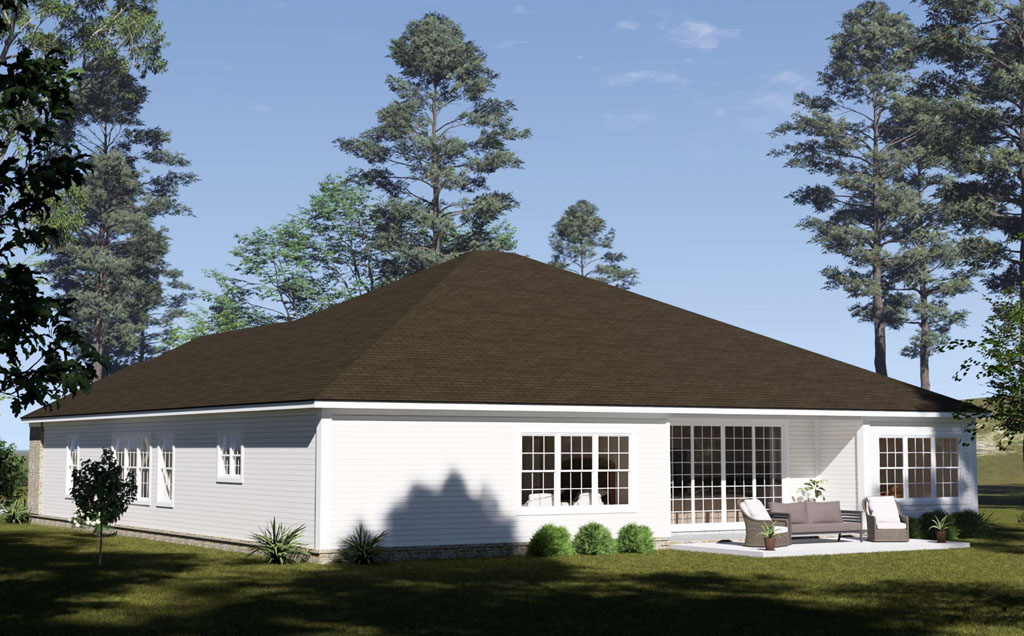
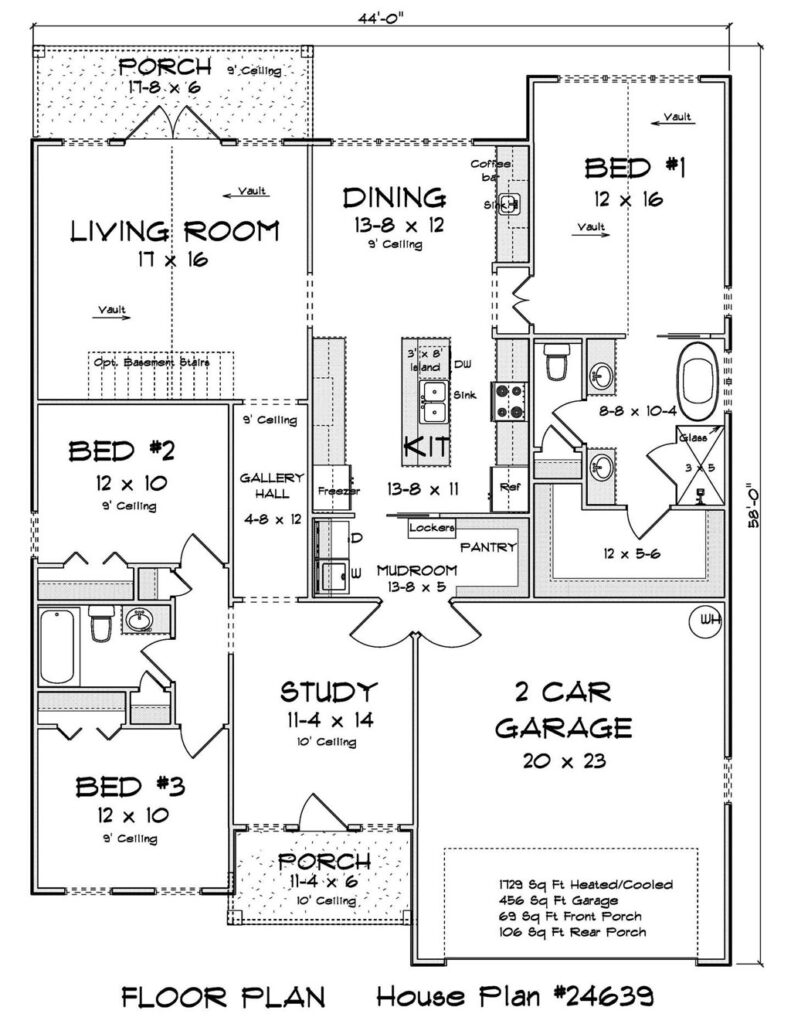
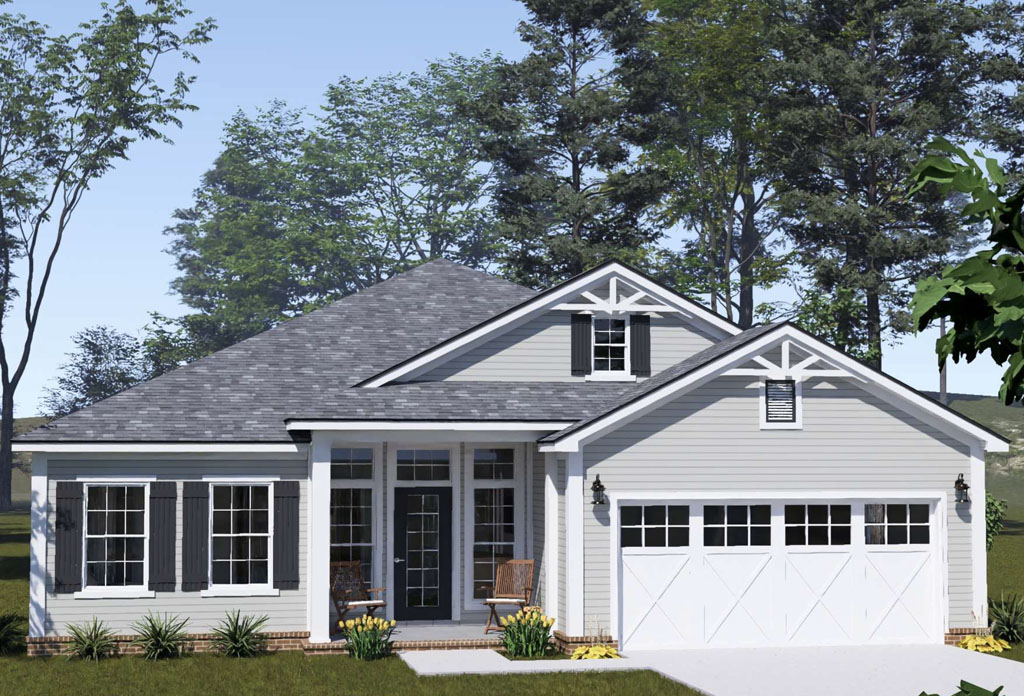
If you want a fast shortlist, look for W.L. Martin Home Designs plans between 1,200 and 2,500 square feet with a covered front entry, a mud bench at the garage door, an open kitchen and great room that stage well, and a primary suite buffered from the living area. These plans pour quickly, frame cleanly, and photograph beautifully in autumn. Build them now and you can be showing warm, bright, and energy smart homes while the weather nudges buyers to think about where they want to spend the winter.
Fall is the quiet secret of successful builds. While the year winds down, the smartest developers and first time buyers are finalizing house plans, confirming options, and setting their schedules for spring. Choosing your plan now compresses a dozen little decisions into an organized timeline. Permits move faster before the spring surge, trade partners have more room on their calendars, and long lead items can be ordered early so they show up when your foundation is ready. If you want clean bids, fewer surprises, and a realistic move in, fall is the time to commit.
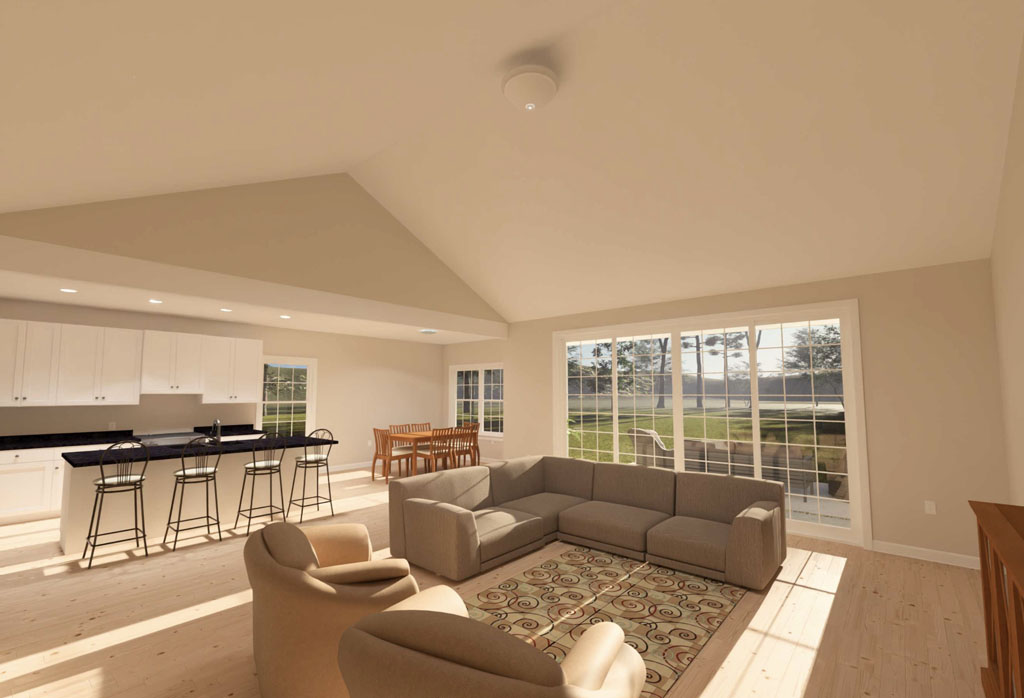
Start with permits. Most jurisdictions see a wave of submissions in late winter and early spring. When you purchase a plan set in fall and submit it promptly, reviewers are more responsive and you gain time to address comments without delaying your start date. That cushion matters. A two week back and forth in February can turn into two months when everyone else is in line. With a W.L. Martin Home Designs plan, you can request a permit ready set with the options you intend to build, which keeps reviewers focused on approvals instead of clarifications.
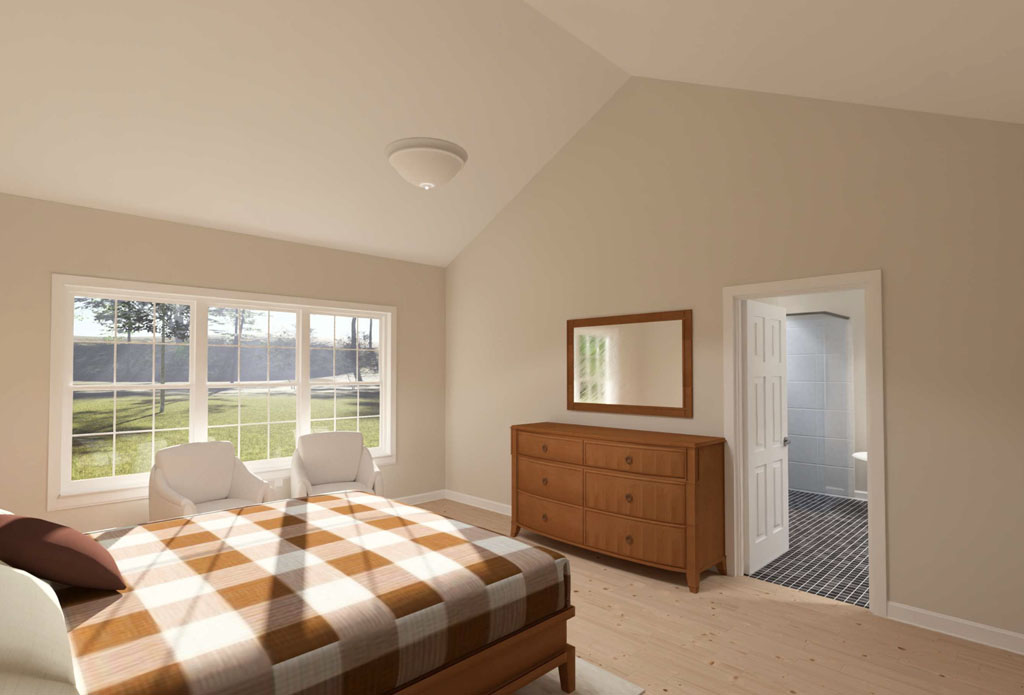
Trade scheduling is another reason to act now. Framers, electricians, plumbers, and HVAC contractors begin shaping their winter and early spring workload during the fall months. If your plan is locked, you can send complete PDFs to three qualified subs per trade and compare apples to apples. Crews appreciate drawings that are precise, readable, and consistent, and they can pre plan their rough ins when they know the real square footage, ceiling heights, and window schedule. That preparation shortens cycle time on site and helps you avoid paying premiums for rushed work later.
Materials reward early decisions as well. Windows, exterior doors, garage doors, and engineered components can still carry multi week lead times. Selecting your plan in fall means your window schedule is set, which allows you to place orders with confidence. Standard sizes that are already coordinated in the plan tend to ship faster and at better prices, and deliveries can be timed with your slab cure. Instead of watching spring weather bounce around while you wait on a back order, you are unloading a truck just as footings hit strength.
Cooler weather is your friend for site work. Once your plan is chosen, you can stake the footprint, set control points, and get erosion control in place. Soil tests and surveys are easier to schedule, and any foundation notes that come from engineering can be integrated without holding up the broader timeline. Clearing and utilities are simply more predictable when fall temperatures turn steady, and you arrive at spring with a site that is ready to go rather than a lot that still needs decisions.
Having a defined plan set clears the way for financing and insurance, too. Lenders price risk, and unknowns create friction. When you can present a real plan with confirmed square footage, elevations, and a finish level, loan paperwork and builder’s risk policies move faster. Appraisers also prefer specificity. If you are a buyer, choosing your plan in fall gives you the numbers you need to confirm your budget and target a closing date that makes sense for your family.
Another quiet advantage is code timing. Many jurisdictions adopt new structural or energy code editions at the start of the calendar year. When you commit to a plan in fall, your designer can align notes with your local requirements and confirm which code cycle will apply to your permit. That prevents last minute redlines that scramble framing details or insulation values after contracts are in motion.
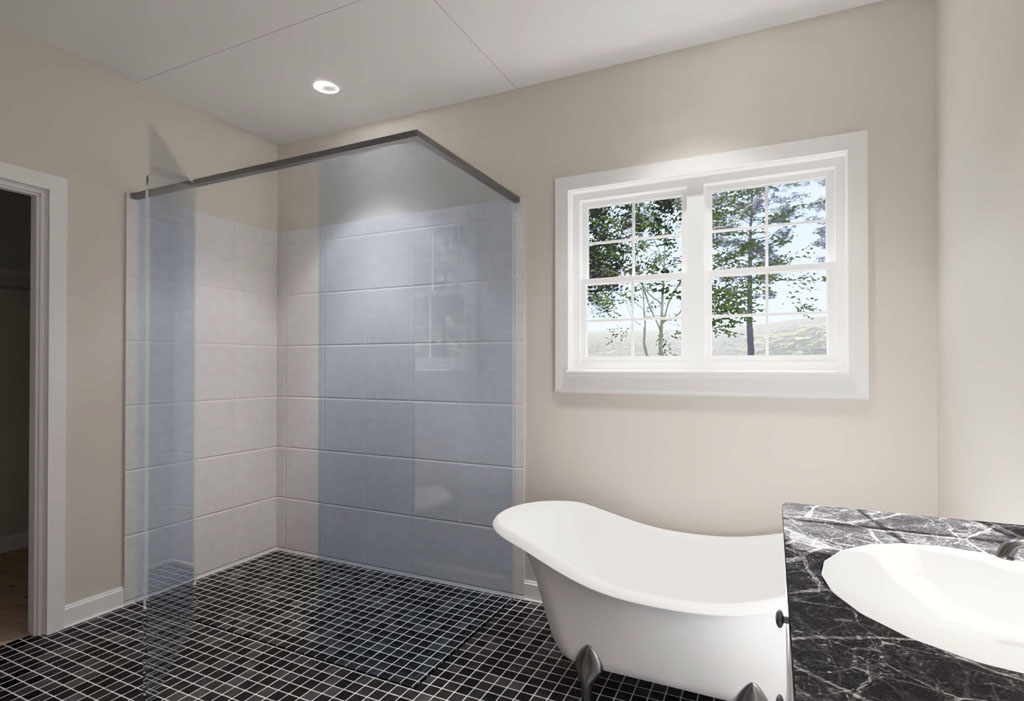
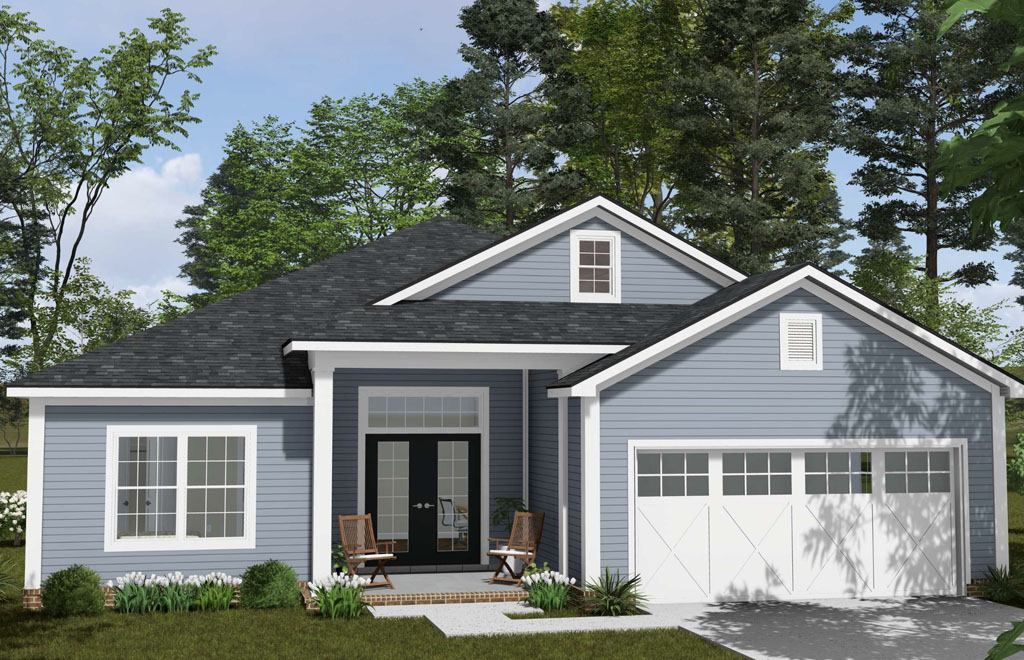
Fall is also the moment for smart, light modifications. Small tweaks have an outsized effect on cost and schedule. Aligning wet walls to stack, simplifying roof planes for standard truss packages, and selecting window sizes that are easy to source in your region all shave hours from rough in and inspection. Plan authors can turn these refinements quickly when they are not buried in March requests, which keeps your build path clean. Developers who standardize a few options now can reuse the same specifications on multiple lots, which tightens bids and simplifies purchasing.
All of this planning produces cleaner bids. With a final plan in hand, you send one consistent PDF set to trades and suppliers and request quotes against the same scope. You are no longer deciphering a mix of sketches and assumptions. When spring arrives, you have a start date, a material schedule, and a solid hold on costs. That confidence is valuable in sales, too. If you are building to sell, finalized plans let you market elevations, publish timelines, and open an interest list with realistic milestones. Buyers can make finish selections over the holidays instead of revisiting square footage in February.
For first time buyers, fall selection turns a vague wish list into a firm path to move in. Once the plan is chosen, your lender can finalize numbers, your builder can forecast a start, and you can make thoughtful decisions about energy features, storage, and lighting while schedules are still calm. For developers, a fall commitment unlocks the entire spec builder playbook. You can pair one footprint with two exterior styles to create streetscape variety, standardize kitchens and baths for repeatable bids, and order windows early based on the plan’s schedule. Those choices preserve margin without sacrificing curb appeal.
If you are ready to get in front of the spring rush, now is the moment to act. Choose a plan from W.L. Martin Home Designs that fits your lot and goal, ask for a permit ready set, and request any light modifications that will streamline your build. Share your jurisdiction and any wind, seismic, or snow load requirements so plan notes match your reviewer’s checklist. Then send complete bid packets to your trades and place orders for long lead items. By the time frost lifts, you will be pouring, not waiting.
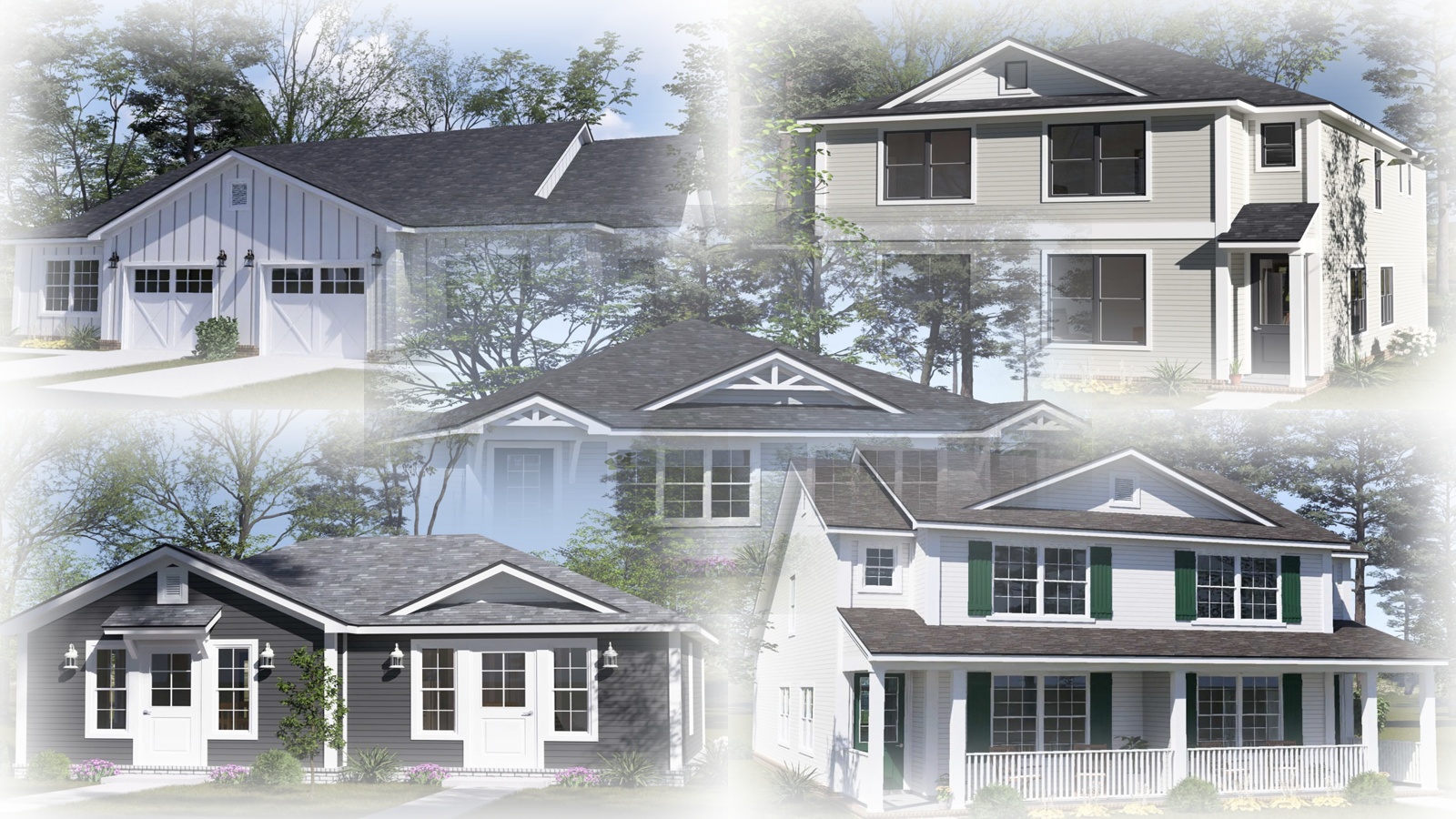
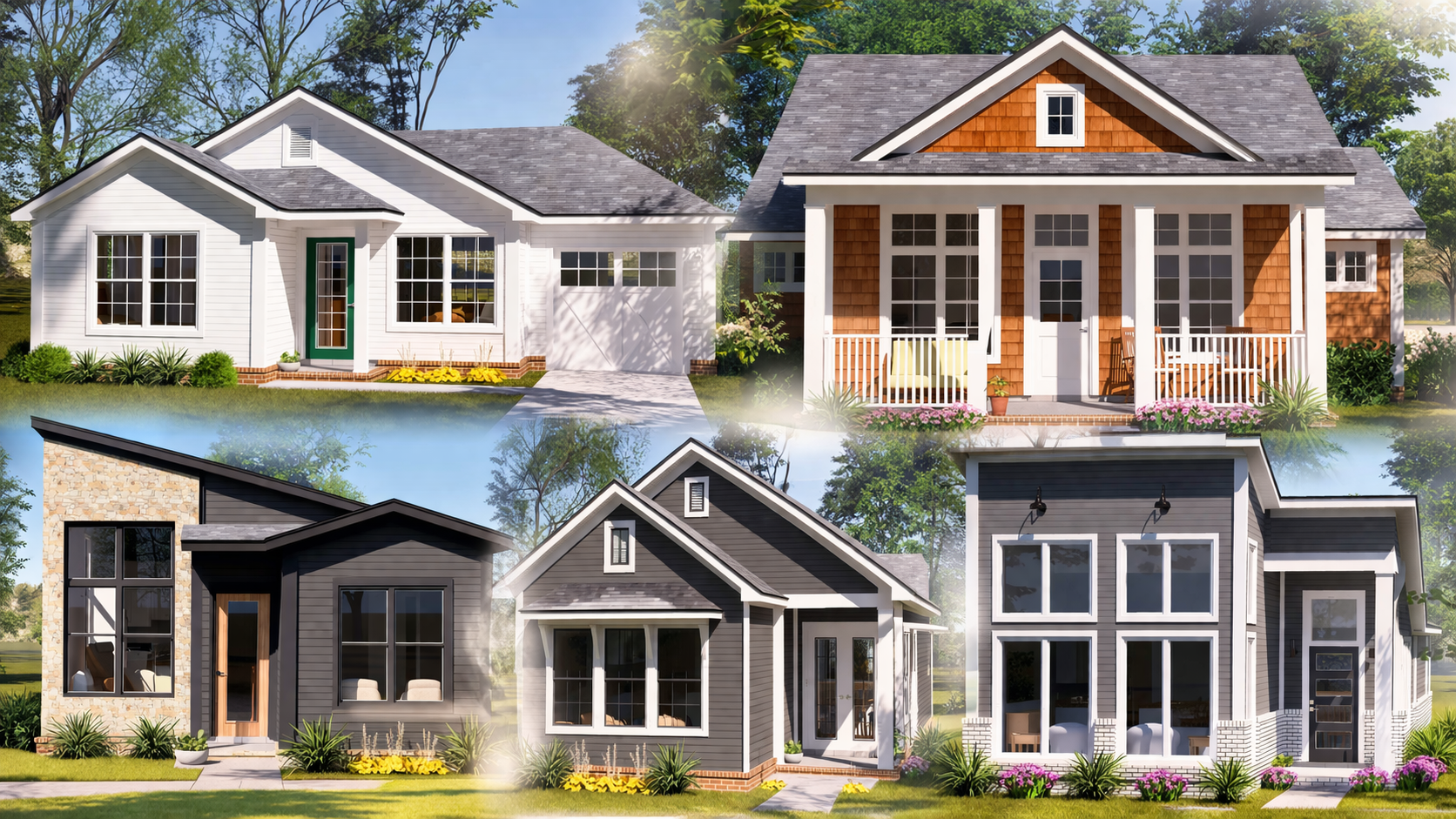
W.L. Martin Home Designs has released ten new house plans this week spanning 1,120 to 2,102 square feet. The collection is intentionally versatile, with a mix of single story and two story layouts and a couple of thoughtfully crafted one story duplex designs. These plans are aimed at real projects and real budgets, offering developers and new home buyers fresh options that build efficiently and live comfortably.
Across the release you will see an emphasis on livability for different life stages. The square footage range keeps construction approachable for starter homes while still giving growing families room to breathe. Several plans also work well for multigenerational living, with layouts that make it easier to support an older family member while maintaining privacy and comfort.
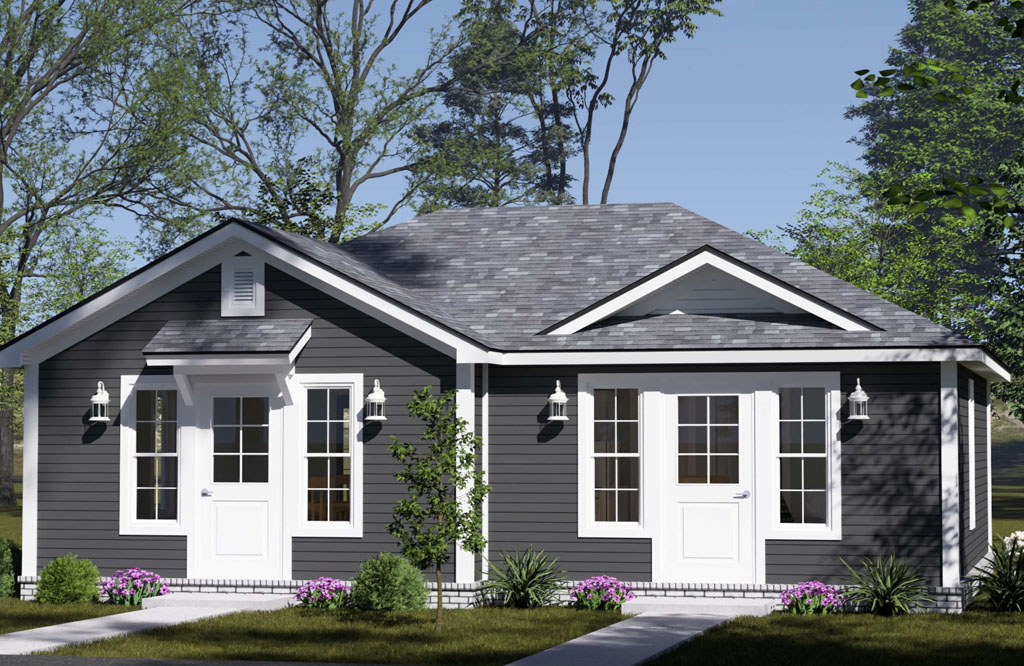
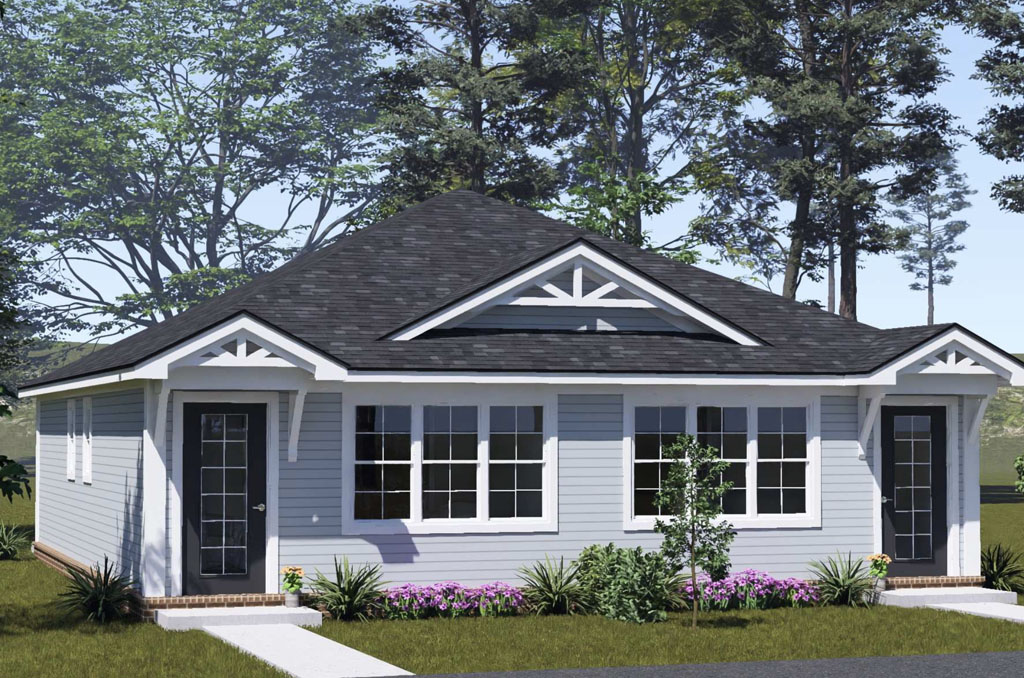
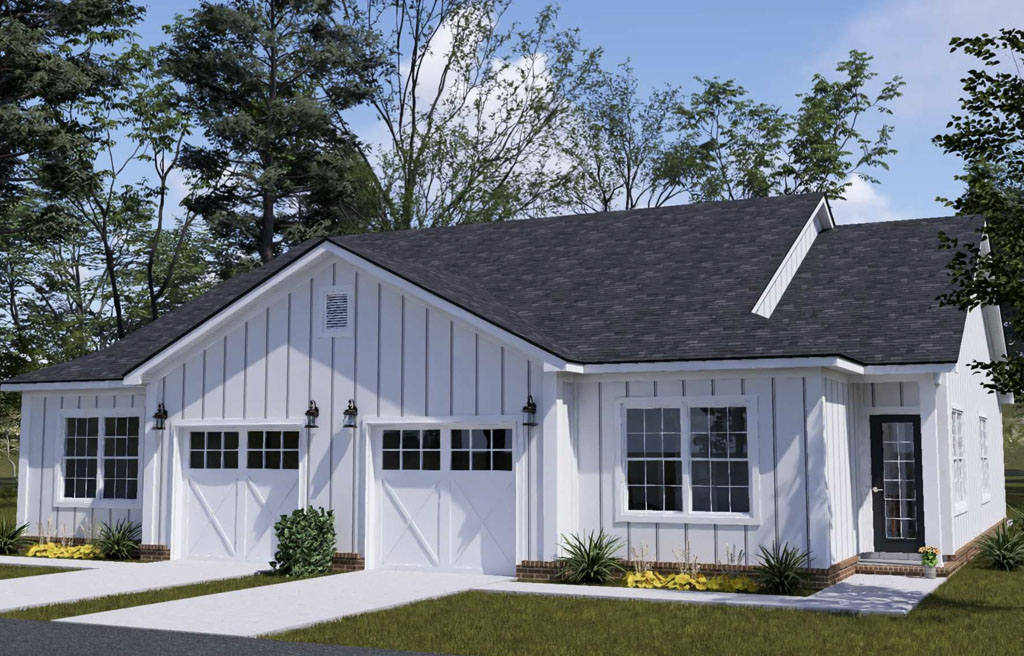
New features found in our new home designs include our latest approach to combining the laundry area with a convenient pantry near the kitchen. This places everyday tasks in one central zone, which shortens trips during grocery unloads and keeps linens and cleaning supplies close to the heart of the home. We have also added new one story duplex designs. These bring neighborhood friendly fronts with individual entries and give builders flexible ways to add variety and attainability within a development. Alongside those, the collection includes both one story and two story single family homes, so you can match product to lot conditions and buyer preferences without leaving the series.
These choices track with what buyers consistently say they want. AARP’s Home and Community Preferences research has repeatedly found that a large majority of adults age 50 and over want to remain in their homes as they age, often cited around the seventy percent range in recent survey waves, which supports plans that make daily routines easier and more central. The National Association of Home Builders reports that a dedicated laundry room ranks among the most desired features in new construction and that a walk in pantry is also highly valued in kitchen planning.
The U.S. Census Bureau’s Survey of Construction shows that many new single family homes cluster around three bedrooms with two or more bathrooms and that typical sizes fall in the low to mid two thousand square foot range, so our 1,120 to 2,102 square foot plans align with the market segments that prioritize attainability and efficient space. Browsing is disabled here, so these citations reference well known surveys from AARP, NAHB, and the U.S. Census published in recent years rather than live linked sources, but the direction is consistent across editions.
Whether you are planning a compact starter, a comfortable home for a growing household, or a layout that supports an older parent with day to day convenience near the kitchen, this release was shaped to meet those needs without excess square footage. We welcome you to explore the new plans at wlmartinhomes.com. We believe they fit a wide range of family types and give developers fresh, buildable choices for communities focused on this size range. If you need small plan adjustments such as mirrored layouts or elevation tweaks, our team is ready to help you move from selection to permit with confidence.
Building a home is exciting, but the construction phase is where small misses can turn into costly fixes. Developers know this, and new home buyers quickly learn it. The key is to catch issues early, when they are inexpensive to correct and well before inspections or lender conditions can delay closing. Industry research has long shown that rework is a hidden budget killer, with analyses from groups like McKinsey estimating rework can consume a meaningful slice of total construction cost, while the U.S. Census Bureau’s Survey of Construction reminds us that most single family homes take roughly 7 to 9 months from permit to completion. Every avoidable delay inside that window matters.
Start with structure and layout while framing is open. Confirm that walls, doors, and window placements match the plan set to the inch, not just the intent. Check rough openings for windows and doors, and verify headers, beams, and bearing points align with the structural sheets. This is the best moment to measure room dimensions, center key fixtures like kitchen ranges and vanities, and walk electrical and plumbing routes before drywall hides adjustments. A 15 minute framing walk with a tape and plans can save a thousand dollars in punch work later.
Next, focus on mechanicals, electrical, and plumbing during rough in. Count outlets and switches against the electrical schedule, check dedicated circuits for appliances, confirm GFCI and AFCI locations, and make sure low voltage runs reach every planned data and camera point. For plumbing, confirm fixture locations, shower valve heights, and venting paths, and pressure test where required. For HVAC, check supply and return locations, equipment model submittals, and duct sealing. NAHB and many local building departments publish checklists that align closely with inspection requirements, and using those checklists proactively helps you pass the first time and avoid rescheduling delays.
Building envelope quality is your long term comfort and energy bill. Before insulation, look for continuous air sealing at top plates, rim joists, and around penetrations. After insulation, verify R values match the energy compliance documentation and that batts are not compressed or missing around outlets. Window flashing and roof underlayment details are worth a dedicated walk because water finds the smallest gap. These envelope checks pay back over the life of the home, and they reduce warranty calls that eat into schedule and margin for developers.
Finishes are where expectations meet reality, so walk the job before tile sets and before cabinets install. Confirm cabinet elevations, appliance clearances, shower pan slopes, and tile layout starting points. Drywall should be smooth at critical light angles, especially in hallways and near large windows. Before trim paint, scan for nail holes, caulk gaps, and squeaks in flooring. Small finish issues multiply at the end of a project when schedules are tight and multiple trades are stacked, which is why a short mid finish walk often keeps the closing date intact.
Here is a short checklist to bring to site walks
Plans on paper with a pen for field notes, plus a tape measure and phone photos
Framing: room dimensions, door and window locations, header sizes, blocking for future mirrors, grab bars, and closet systems
MEP rough in: outlet and switch counts, dedicated circuits, low voltage drops, valve heights, vent locations, duct and return placement
Envelope: air sealing at top plates and penetrations, window and door flashing, insulation coverage and R value verification
Finishes: cabinet and appliance clearances, tile layout and slopes, drywall light test, trim and paint touch ups, hardware swing checks
Safety and compliance: stair riser uniformity, guard and handrail heights, smoke and CO detector locations that match code
A disciplined checklist culture saves time and money. NAHB surveys consistently find that change orders rank among the most frequent causes of cost growth and schedule slippage, and multiple industry studies show that catching issues during rough in is far cheaper than after finishes are installed. Pair that mindset with the typical build timeline reported by the Census Survey of Construction and you can see why early field checks are worth the effort. If you are building between 400 and 3,500+ square feet, start with a well detailed W.L. Martin Home Designs plan, then use these targeted site walks at framing, rough in, insulation, and pre close to keep your home on spec and on schedule.
Ask ten builders when to start a new home and you will hear ten different answers. Timing varies by climate, subcontractor availability, interest rates, and how ready your plans and selections are. The good news is there are clear patterns in reliable data that can guide smarter decisions. If you finalize the right plan early, lock trades when they have capacity, and place material orders when pricing and logistics are favorable, you can save time and money.
What the Data Says About Timing
U.S. Census and HUD data show that single family starts rise in late spring and summer across most regions, then taper in winter. April through August tends to be busiest for groundbreakings, while December and January are often the slowest. That seasonality matters because busy months usually mean tighter inspection calendars and less negotiating room with trades.
Permits typically lead starts by a few weeks to a couple of months, based on the Census Building Permits Survey. When permits in your market tick up, subcontractor calendars often tighten shortly after. Builder sentiment also helps predict near term conditions. The NAHB and Wells Fargo Housing Market Index tends to move with future sales and starts. When confidence softens, trades are more available and suppliers may negotiate more. When confidence rises, expect shorter quote windows and fewer price incentives.
Material costs move on their own cycle. The Bureau of Labor Statistics Producer Price Index series for softwood lumber, engineered wood, roofing, and mechanical equipment has shown month to month swings in recent years. Lumber is the obvious example. The takeaway is to plan your framing, window, roofing, and HVAC packages with enough lead time to price shop and lock when terms are favorable.
How Long a Build Really Takes
Build time is often longer than owners expect. The U.S. Census Bureau’s Survey of Construction frequently shows average permit to completion times in the 7 to 9 month range for site built single family homes. Owner built projects typically take longer than builder built homes. Cold climate regions and heavy customization extend timelines. If you want to deliver a home for a June move in, you usually need your plan finalized and your permit submitted by October.
Best Start Windows, Based on Your Goal
If your priority is trade availability and a smoother schedule, late fall into early winter often works, especially in milder climates. Excavation and foundations in November to January can be more straightforward to schedule, and building departments are usually less backlogged. In colder regions, pour before the deepest freeze or budget for blankets, additives, and ground heat. The added winter concrete cost can be offset by faster inspections and more attentive crews.
If your priority is launching during the prime selling season, pick your target listing month and work backward. For an eight month build and a June delivery, aim to have a permit by October and start shortly after. If your priority is material savings, many suppliers offer better pricing and lead times late in Q4 through Q1, when order books are lighter and yards are clearing inventory.
Smart Contract Timing
Sign contracts when scopes are complete, not just when enthusiasm peaks. Make sure structural notes, energy details, elevations, and finish schedules are captured in the exhibits. Incomplete scopes turn into change orders that cost time and money.
Use clear pricing windows and escalation language. In busy seasons, supplier quotes often hold for 15 to 30 days. In slower months, holds may be longer. Tie any adjustments to published indexes such as the BLS PPI for lumber or asphalt shingles. Submit to lenders and building departments before their spring rush. Late winter submissions often move faster and set up a cleaner groundbreak.
Choose Your Plan Earlier Than You Think
For homes between 400 and 2,500 square feet, a practical cadence keeps you out in front of deadlines and price spikes.
120 to 180 days before groundbreak Select your W.L. Martin plan and finalize the key options. Verify setbacks, utilities, topography, and HOA rules. Start structural review and code compliance. Complete energy modeling if your jurisdiction requires it.
60 to 120 days before groundbreak Finish the site plan, foundation details, and any elevation approvals. Issue preliminary takeoffs and solicit competitive bids for framing, windows, roofing, and mechanicals. Use this period for value engineering that preserves curb appeal.
30 to 60 days before groundbreak Lock trade contracts with clear scopes and alternates. Order long lead items such as windows, garage doors, specialty trusses, and certain HVAC equipment, which can require 4 to 12 weeks. Submit for permit if you have not already, and schedule excavation.
Regional and Climate Considerations
Cold climates reward careful timing. Winter starts often mean more available crews, but concrete and flatwork need winterization. Many builders favor late winter starts that let them frame as temperatures rise. In hot or wet climates, plan around heavy rain or hurricane seasons by starting in the drier shoulder months so you can dry in the structure on schedule and reduce rework. In remote or supply constrained markets, add extra lead time for freight and distribution bottlenecks and consider consolidating orders to hit better freight rates.
Signs You Are Truly Ready to Start
You have a fully dimensioned plan set with structural notes, elevations, sections, and schedules.
You hold at least two solid quotes per major trade and multiple quotes for large material packages.
Purchase orders include alternates and index based price clauses for key commodities.
Your permit path is clear and you understand inspection lead times.
Carry costs and financing still pencil if rates move within a normal range.
How Developers Can Use Slower Months to Win
Use late fall and winter to lock framing packages and window orders for early year delivery, when vendors are more flexible. Batch structural and energy updates across multiple elevations of the same core plan to reduce fees and accelerate future starts. Prebook inspection windows where allowed and stage temporary utilities early, since power and water service can hide spring delays.
Guidance for Buyers Working With a Builder
Choose the plan early and lock the non negotiables such as square footage, bedroom count, kitchen configuration, and primary bath layout. Be flexible on finishes when supply is tight by approving a small set of acceptable alternates. Ask about price protection tied to public indexes and credits if those indexes fall during your build, provided equal or better substitutions are allowed.
The Bottom Line
There is no single best month to start every home. The better strategy is to be plan ready, bid ready, and permit ready, then match your start to local seasonality and supplier conditions. Use public data to your advantage. Watch permits to anticipate trade capacity, monitor builder sentiment for pressure on pricing and schedules, and keep an eye on material indexes for windows to buy. If you are a developer or a new home buyer planning a home between 400 and 2,500 square feet, W.L. Martin Home Designs can help you select and fine tune the right plan so your builder can price and schedule with confidence. Getting the plan right, early, is still the single best way to save both time and money.
Picking a house plan should feel like clarity, not chaos. Whether you are choosing your first home, planning for a growing family, or mapping out a mix of plans for a new community, the goal is the same. Find the smallest plan that comfortably fits your life, on your lot, within your budget, and with enough flexibility for what is likely to change.
At W. L. Martin Home Designs, our catalog runs from 400 to about 3,500+ square feet, which covers accessory units, efficient starter homes, and right sized family homes. The steps below are a simple, proven way to narrow choices quickly without second guessing yourself for weeks.
Start with people, not square feet
Begin by listing who will live here for the next five to ten years. Ages, schedules, sleep patterns, pets, and any special needs matter more than a round number like 1,800 square feet. A tight 1,400 can live larger than a loose 1,800 when spaces are arranged well.
A practical baseline
Bedrooms: one per adult or adult pair, one for each child who needs their own room, plus a flex room if your budget allows.
Baths: a private bath for the primary bedroom, plus one bath for every two additional bedrooms.
Storage: aim for generous closets, a real pantry, and linen storage. Small homes work beautifully when storage is built in rather than improvised later.
Match plan size to budget and build type
Every corner, bump out, and roof break carries cost. Simple footprints, stacked plumbing, and compact circulation stretch your budget further. That is true for single builds and even more true for developers working across dozens of lots where framing speed, takeoff accuracy, and schedule reliability matter.
Cost savers that do not hurt livability
Favor rectangular footprints and straightforward rooflines.
Combine circulation with living space to reduce hallways.
In plans under about 1,200 square feet, choose one good dining area rather than splitting formal and casual.
Choose a layout that follows your daily flow
Walk through a typical day in your head. Where do you enter most often. Where do groceries land. Where do backpacks, leashes, and work bags go. The right layout reduces friction you feel every single day.
Layout cues to look for
A drop zone or closet at the door you use most.
Kitchen, pantry, and garage entry placed near each other for easy unloading.
Secondary bedrooms positioned away from main living space if you have shift workers or young kids.
Sight lines that make small spaces feel open without inflating square footage.
Plan for work, hobbies, and quiet
A flexible room buys a lot of peace. It can be a small office near the kitchen, a bedroom that comfortably doubles as a study or nursery, or a loft that handles homework and gaming while keeping devices out of bedrooms at night. The label on the floor plan matters less than the door, the noise control, and where it sits relative to the living areas.
Think ahead about access and aging
Even if you do not need it today, a few choices can help later and broaden your resale audience.
Aim for a zero step entry where the site allows.
In two story homes, include a main level bedroom with a full bath nearby.
Widen critical clearances where practical.
Include at least one curbless shower if the budget allows.
Right size the kitchen and storage
Daily satisfaction often lives in the kitchen. Focus on workflow first, then finishes.
Keep prep, cook, and clean zones tight and logical.
Provide landing space next to the range and refrigerator.
Include a real pantry, even if it is a tall cabinet pantry in a smaller plan.
Reserve a dedicated spot for trash and recycling so it never blocks movement.
Light, ventilation, and energy comfort
Well placed windows beat bigger windows in the wrong spots. Look for rooms that can catch light from two directions, mechanical spaces that are right sized, and details that keep ducts inside conditioned space where possible. These small decisions pay you back every month in comfort and utility bills.
Fit the plan to your lot and local rules
Before you fall in love, confirm setbacks, height limits, lot coverage, drive locations, utility easements, and any neighborhood guidelines. For developers, align plan widths and garage orientations with each lot type, then vary elevations and porch details to meet anti monotony rules while keeping your framing package consistent.
Customize with a light touch
Most plans can be tailored. Choose changes that improve how you live, not just how a rendering looks.
Low risk, high value: add a door or window where circulation wants it, trade a tub for a larger shower, convert a formal dining to a pocket office.
Be cautious with structural moves like shifting stairs, changing roof geometry, or adding complex bump outs that can ripple through the schedule and budget.
At W. L. Martin, we routinely adjust room sizes, swap kitchen and bath layouts within reason, and refine elevations to match local styles, all while protecting structure and cost.
A quick selector to narrow your search
Solo or couple, 400 to 900 square feet Studio or 1 bed, 1 bath, strong storage, combined living and dining, stacked washer dryer, efficient U or L kitchen with a pantry cabinet. Ideal for ADUs, tight infill, or low maintenance living.
Young family, 1,100 to 1,600 square feet 3 beds, 2 baths, open living and kitchen, mud bench at the garage, real linen storage, optional pocket office. Split bedrooms help with naps and early bedtimes.
Growing family, 1,600 to 2,100 square feet 3 to 4 beds, 2.5 to 3 baths, walk in pantry, larger laundry, upstairs retreat or main level flex room, covered outdoor space sized for a table, not just a chair.
Multigenerational or frequent guests, 1,800 to 3,500 square feet 4 beds or 3 plus a suite, 3 baths, one bedroom on the main level, at least one curbless shower, two living areas or a loft for separation when the house is full.
Developers can translate this into a balanced community mix. For example, blend smaller plans for attainability, mid range family plans for core demand, and a limited set of larger move up plans to anchor price points, all using consistent framing logic to simplify trades and shorten cycle times.
A simple worksheet to pick your plan today
Who lives here for the next five to ten years Names, ages, sleep and work schedules, pets, vehicles.
Daily rhythm Where you enter, where you drop things, how you cook and eat, where you work or study, and where you relax.
Must haves Bedroom and bath count, storage types, accessibility needs, garage capacity, outdoor space.
Nice to haves Porch size, island seating count, fireplace, soaking tub, extra windows.
Site and code checks Setbacks, driveway location, utility easements, height limits, HOA rules.
Budget alignment Reserve a contingency for functional upgrades that will matter every day.
Bring that list to our plan pages and you will narrow quickly to the two or three designs that truly fit.
Selling new homes in 2025 is about controlling what you can control. Traffic is uneven, buyers are payment sensitive, and attention is scattered. The builders who win simplify choices, present a clear path to a monthly payment buyers can live with, and extract more value from every sales conversation. You do not need to outspend the market. You need to out focus it.
At W.L. Martin Home Designs, plans from 400 to about 2,500+ square feet give you fast levers to pull. Smaller, smarter footprints that live large. Framing friendly geometry. Wet wall alignment that lowers cost. Curated finish packages that reduce decision fatigue. The plays below are built for field execution and faster absorption.
Drive conversion with channels that still work
Blend warm intent channels with clear follow up. Host recurring broker previews in your model or sales center and maintain outreach to top agents in each submarket. Bake referrals into every contract and milestone with simple shareables clients can send to friends. Run small education events like payment clarity nights or energy cost walkthroughs and publish the calendar on your site so prospects can self select dates. On listing portals, lead with a compelling entry price and at least one right sized plan since buyers filter by price first.
Widen the funnel with smaller, smarter plans
You do not need to discount to create a lower starting point. Introduce compact plans that preserve livability through efficient circulation, storage, and furniture friendly rooms. Engineer for cost by favoring simple roof forms, aligned plumbing, and consistent spans. Offer three finish packages. Fewer choices speed decisions, shorten build cycles, and protect margins.
Sell the monthly payment, not just the price
Payment clarity beats sticker shock. Train teams to translate options and incentives into estimated monthly impact that includes principal, interest, taxes, insurance, and typical utilities. Reinforce with simple tools like Freddie Mac and Fannie Mae calculators, FHA and VA resources, and ENERGY STAR or DOE facts on operating cost reductions. A tight envelope or heat pump water heater can lower utility spend, which matters when rates feel high.
Lead decisively and close on the first visit
Choice overload kills momentum. Follow a simple path. Qualify, tour, sit to recap needs versus options, review the agreement, ask for the commitment. If not ready, set the next appointment with a clear deliverable such as a payment breakdown or lot fit sketch. Prepare one page responses to common objections around payment fit, timing, and nearby competitors. Keep buyer benefits front and center.
Work your long tail and fix conversion before ad spend
Leads stay viable longer than many teams assume. Homeowner tenure stretched to roughly 10 to 13 years in the early 2020s, which keeps older leads relevant. Use a clear cadence for follow up and watch for buying windows tied to lease renewals, school calendars, and rate dips. If website sessions are up but appointments are flat, you have a conversion problem. Sharpen your value proposition, add three clear CTAs on every community page, and shorten forms to the essentials.
Smart finance and limited inventory to unlock urgency
Use temporary buydowns like 2 1 or 1 0 to create early payment relief at a known cost. Choose lenders who deliver fast turn times and co branded payment worksheets. Keep a small set of quick move ins using your most popular plans with neutral packages. Advertise the monthly payment and move in timeline on portals and signage.
Credible stats builders can use in 2025
New single family homes have commonly averaged about 2,300 to 2,500 square feet in recent years, with size dipping when affordability tightens. Source: U.S. Census Bureau, Characteristics of New Housing, tables through 2023.
Better digital coordination and design can improve construction productivity by 20 to 30 percent and compress schedules significantly. Source: McKinsey Global Institute, 2017 construction productivity research.
Rework and coordination issues have been cited as 5 to 15 percent of project costs in multiple industry studies, much of it avoidable with clearer design and preconstruction planning. Sources: Dodge Data and Analytics and the Construction Industry Institute.
Homeowner tenure increased to roughly 10 to 13 years across the early 2020s, extending the usefulness of older leads. Source: Redfin and industry transaction analyses.
How W.L. Martin Home Designs helps you execute
Create a compelling entry price without discounting by introducing one or two compact plans per community. Use build friendly details that keep spans clean, rooflines simple, and plumbing aligned to reduce waste. Offer three ready to go spec packages. When a client needs tweaks, we can accommodate minor plan edits like swapping laundry locations, resizing a pantry, or adding a pocket office while preserving structural efficiency.
Quick action checklist
Publish a right sized entry plan under 1,700 square feet in each active community
Schedule one broker preview and one buyer education event and post both online
Add three CTAs to each community page: book a tour, get a payment estimate, download plan and specs
Shorten your lead form and revive leads older than 12 months with a payment led offer
Stand up a temporary buydown option with your preferred lender and train your team to present it
Share your target price point, lot widths, and buyer profiles, and we will recommend a short list of W.L. Martin plans to help you launch or relaunch a community with confidence.
If you are a builder or a first time buyer staring at hundreds of floor plans, AI can act like a savvy project assistant that narrows the options fast, reduces costly surprises, and helps you choose plans that actually fit how people live. At W.L. Martin Home Designs, our catalog ranges from space smart cottages around 400 square feet up to efficient family homes near 2,500 square feet. AI tools can use your inputs to map those choices to real life needs, then speed up decisions that save both time and money.
What AI does well during plan selection
AI is excellent at turning fuzzy preferences into a short list of right sized plans. Feed an AI chat a few specifics and it can put you on target in minutes.
Household profile. Number of people, ages, possible multi generational living, pets, work from home needs, storage needs, mobility considerations.
Lot data. Width and depth, slope, setbacks, garage orientation, regional climate and wind patterns, HOA style rules.
Budget and build strategy. Preferred cost per square foot, material preferences, desired mechanical systems, timeline, target appraisal or rental pro forma if you are building for sale or build to rent.
Future proofing. Likelihood of household changes in 5 to 10 years, potential for ADU income, flexible spaces that can evolve without adding square footage.
From there, AI can translate your inputs into practical plan constraints such as max building envelope, optimal footprint shape for cost control, target bedroom count and size, closet and pantry minimums, and circulation ratios that keep wasted square footage down.
Right sizing with AI for different households
A few prompts that work well:
For a young family of four. Ask AI to balance three bedrooms with a pocket office or built in desk rather than a full office, a mud space sized for sports gear, and sight lines from kitchen to living for supervision. The result is often a tight 1,500 to 1,800 square foot plan that lives bigger because circulation is efficient.
For multi generational households. Request a plan with a main level bedroom suite, a no step entry, stacked closets for future elevator option, and a den that can convert to a bedroom. AI will favor split bedroom arrangements and wider hallways while keeping the footprint compact.
For aging in place. Have AI filter for 36 inch doors, curbless shower, minimal transitions, and swing clear hinges, then choose a one level plan near 1,400 to 1,900 square feet that still allows storage and hobby zones.
For build to rent. Instruct AI to prioritize symmetrical wet wall alignment, simplified roof geometry, and easy to maintain finishes. It will surface plans that reduce long term operating costs without sacrificing renter appeal.
You can then layer those requirements onto specific W.L. Martin Home Designs plans to see which ones match. AI can even suggest small plan adjustments that do not break structure such as flipping a laundry location, resizing a pantry, or moving a door to improve furniture layouts.
How AI helps builders cut costs before breaking ground
Fewer change orders. AI can simulate daily living patterns to catch issues that usually trigger mid build changes such as undersized mudrooms or poor appliance clearances. Pair this with plan markups and you avoid time consuming fixes.
Optimized structural simplicity. Ask AI to score a plan for framing efficiency. Plans with clean spans, consistent bearing lines, and simple roof planes are faster to build. AI can flag where a small tweak removes an extra beam or awkward valley.
Spec alignment. Feed AI your regional vendor lists and standard specs. It can align a plan to materials you already buy at volume pricing, reduce odd sizes, and suggest alternate assemblies that meet code with less waste.
Schedule and trade flow. AI can auto generate a rough schedule based on plan complexity and local lead times. It will highlight bottlenecks early so you can resequence tasks or pre order long lead items.
Site fit checks. Provide the lot survey and AI can outline cut and fill implications, driveway geometry for code compliant slope, and ideal orientation for passive gains. Good orientation can reduce mechanical loads and equipment sizes.
Future proofing with less square footage
Future proofing is not always about building larger. AI can model how a room changes roles over time. A nursery becomes a library or office. A dining room with pocket doors becomes a short term guest room. A loft with a closet stubbed nearby can convert to a fourth bedroom if needed. It can also propose low cost rough ins such as capping plumbing lines behind a wall for a future bath, stacking closets for a potential elevator, or framing an egress ready window in a basement for a future bedroom. These small choices are inexpensive during framing and priceless later.
Using AI with W.L. Martin Home Designs plans
Start with a short brief. Household details, lot constraints, budget, and must haves.
Ask AI to compare them against your brief. Request a table of pros and cons, cost complexity notes, and suggestions for minor plan edits that keep structural lines intact.
Bring that short list to us. We can confirm feasibility, discuss customization, and help finalize a plan that meets your goals.
Quick stats builders care about
These reference points can help anchor decisions. Dates included for context.
McKinsey Global Institute reported that better design and digital coordination in construction can improve productivity by 20 to 30 percent and cut project timelines by as much as 50 percent when deployed at scale. Source: McKinsey Global Institute, 2017.
In recent years across the United States, new single family homes have typically averaged between roughly 2,300 and 2,500 square feet, with median sizes trending down slightly during higher mortgage rate periods. Source: U.S. Census Bureau, Characteristics of New Housing, multi year tables through 2023.
Rework is a major cost driver in building. Industry studies have frequently attributed 5 to 15 percent of project costs to rework and coordination issues, much of which is preventable through earlier clash detection and design clarity. Sources include Dodge Data and Analytics and Construction Industry Institute summaries published in the last decade.
Energy modeling during design can reduce heating and cooling loads by double digit percentages through orientation, glazing ratio, and envelope tweaks before any materials are purchased. Sources: U.S. Department of Energy Building America research and national lab studies published over the past decade.
Note on sources. These are established references from before mid 2024. If you need region specific or more recent numbers, we can tailor this analysis to your market and product type.
Practical AI prompts you can copy and paste
Help me pick a right sized plan. Here is my lot width and depth, setbacks, and a target of 1,700 to 1,900 square feet. I need three bedrooms, two baths, a two car garage, and a small office nook. I prefer a simple gable roof and a covered rear porch. Suggest three plan layouts that minimize hallway waste and align plumbing walls to cut cost.
Make this plan more build friendly. Analyze this 1,850 square foot plan for framing simplifications. Identify any beam or header changes, roof plane simplifications, and wet wall alignments that cut labor without changing the exterior footprint.
Future proof without adding footage. Show me how to make bedroom 3 convertible to an office with acoustic privacy, and how to rough in for a future third bath without moving main plumbing runs.
Reduce rework risk. Create a preconstruction checklist tied to this plan that coordinates clearances for appliances, door swings, laundry ergonomics, and furniture layouts so my client signs off before framing.
The bottom line
AI is not here to replace your judgment or your craft. It is here to help you focus on the right plans faster, avoid known pitfalls, and invest where it matters. When you pair practical AI workflows with the W.L. Martin Home Designs catalog, you get homes that are sized right, easier to build, and ready for what comes next.
Small lots can be great deals or time sinks. The difference is a fast, disciplined feasibility pass that turns loose assumptions into real numbers. This guide walks you through a simple 30 minute check you can run before you order a survey, call subs, or tie up capital. At the end, grab the free Google Sheet pro forma with inputs for lot width, FAR, target price, and an absorption calculator you can use on any small lot or infill site.
Industry voices keep pointing to the need for faster, clearer underwriting on small sites. The National Association of Home Builders has reported historically tight lot availability in recent years, especially in desirable infill locations, which raises the stakes for quick decision making. The Urban Land Institute encourages right sized product that fits context and code because feasibility improves when design, density, and market demand align. The U.S. Census Bureau’s Characteristics of New Housing shows that footprints have been trending leaner in many markets, which supports a small lot strategy when plans are efficient and constructible. The message is consistent. If you can answer can it fit, will it sell, and what is the path to permits without overcomplicating the math, you move faster than the market.
The 30 minute workflow
Step 1. Fit test in five minutes
Lot width and depth. Confirm buildable area after setbacks, easements, and utility constraints
FAR and lot coverage. Multiply buildable area by FAR to set an upper bound and check lot coverage limits for single story options
Height and stories. Verify maximum height and any stepback rules that affect second floors or roof forms
Parking. On small lots, the stall count and location can drive everything. Check width for a front load or plan for an alley or pad
Step 2. Product pick in five minutes
Choose one plan that fits today. Avoid custom shaping until you know the math works
For narrow lots, think 18 to 28 feet clear width. For shallow lots, consider one story with a simple footprint
Match beds and baths to the price band for the neighborhood. A right sized 3 bed often sells faster than a cramped 4 bed
Step 3. Quick pro forma in ten minutes
Use the free Google Sheet. Enter four things and let the sheet do the rest.
Buildable square footage from Step 1
Target sale price based on comps within one mile
All in cost assumptions for land, site work, verticals, soft costs, finance, and selling
Cycle time and carry
The sheet auto calculates gross margin and return on cost. It also shows a sensitivity table for 1 to 3 percent price moves and 5 to 10 percent cost moves so you can see your break point.
Step 4. Permit and utility reality check in five minutes
Look up the jurisdiction’s submittal checklist and typical turnaround times
Confirm utility taps and lateral requirements. Small lots can hide big tap or trench surprises
Note any design overlays or historic reviews that add time
Step 5. Absorption in five minutes
The free sheet includes a simple absorption calculator. You enter monthly contracts in the submarket and active comps, then see a rough months of supply. Fewer months of supply generally supports firmer pricing and faster closes. This is a directional check to gauge how aggressive your pricing and timeline can be.
What goes in the free Google Sheet
Inputs
Lot width, depth, setbacks, FAR, lot coverage
Plan choice and assumed efficiency factor for net saleable square footage
Hard costs per square foot and line items for foundation, framing, MEP, finishes, and site
Soft costs for design, permits, utility fees, insurance, contingency
Finance terms and carry
Target sale price and concessions
Outputs
Buildable area, net saleable square footage, and a simple parking pass or fail
Gross margin, return on cost, and cash needed to close
Sensitivities for price and cost shifts
Absorption estimate based on active listings and recent contracts
Formulas you can see and edit
Buildable area equals lot area minus setbacks and easements
Net saleable equals buildable area times efficiency factor
Gross margin equals sale price minus total cost
Return on cost equals gross margin divided by total cost
Months of supply equals active listings divided by monthly contracts
Why this works for small lots
Small lots magnify mistakes. A complicated roof intersection, an extra corner, or a long utility run can erase your margin. A fast feasibility pass protects you by forcing decisions that keep parts and steps to a minimum. This is exactly where the right plan unlocks value. If the plan fits by width and depth, keeps spans truss friendly, and aligns wet walls, you control cost and time before you break ground.
How W. L. Martin Home Designs helps you win the fit test
Our plans are built for narrow and irregular lots, with footprints from 400 to 2,500 square feet or more that respect common setback patterns and parking realities. Designs prioritize simple geometry, aligned loads, and clustered wet rooms so permits and bids move quickly and trades do not improvise in the field. Window and door schedules use repeatable sizes, and roof forms are truss friendly to keep framing predictable. That means you can run your feasibility check with confidence, select a plan that already understands your lot, and get to submittal without redesigning on the fly.
If you are evaluating multiple parcels, filter W. L. Martin plans by width and garage orientation, then plug the plan’s dimensions into the sheet. You will see immediately which lot and plan combination delivers the strongest return on cost. For teams running spec to build to rent, the same method helps balance rent targets with durable finish packages and cycle time.
Pro tips that keep the 30 minutes honest
Use the most conservative of your three best comps for price
Add a small contingency for utility work on any lot older than 30 years
If a plan needs more than one minor adjustment to fit, pick a different plan rather than chasing fees and time
Speed matters when small lots hit the market. A 30 minute feasibility check turns uncertainty into a clear yes or no, and the right plan turns that yes into a clean permit and a predictable build. W. L. Martin Home Designs gives you plans that fit tight sites, reduce field friction, and help you move from letter of intent to closing with confidence.
After months of slow movement in the housing market, there’s a sudden spark of optimism. According to a recent MarketWatch article, buyers are jumping back into the game thanks to a drop in mortgage rates. For developers keeping an eye on the trends, this shift could be the green light they’ve been waiting for.
Interest rates have hovered at uncomfortable levels for much of the year, keeping many potential homebuyers on the sidelines. But with rates now showing signs of retreat, the hesitation is starting to fade. Buyers who had been priced out of the market are finding new opportunities, and that’s beginning to translate into stronger activity in both new and existing home sales.
For developers, this uptick isn’t just about momentum—it’s about timing. More buyers in the market means more demand for new housing, especially in the affordable and mid-sized range where supply continues to fall short. That’s where W.L. Martin Home Designs can offer a distinct edge.
Our plans range from efficient 400-square-foot cottages to versatile family homes up to 4,000+ square feet. These designs aren’t just blueprints, they’re tools for developers who want to build smart, meet demand, and move quickly. With consumer interest rising, the right house plan can help you capitalize on this market revival without wasting time on costly design delays.
What’s particularly interesting about this recent surge is that it’s not tied to a specific region. Buyers across North America are beginning to show interest again, including first-time homeowners, downsizers, and even investors. The message is clear: people are willing to move when they see value. That gives developers a golden opportunity to meet that demand with homes that are well-designed, cost-effective, and ready to build.
W.L. Martin Home Designs focuses on plans that make sense in today’s environment. Open layouts, energy-efficient footprints, and flexible configurations are just a few of the things developers love about our offerings. Whether you’re building a small starter home or a compact rental community, having the right plan ready to go can make all the difference.
It’s also worth noting that builders are still cautious. Construction costs remain a factor, and financing isn’t as easy to come by as it once was. But that’s exactly why efficient house plans matter more than ever. A well-thought-out plan can save thousands on build time, materials, and labor. And when market conditions begin to tilt in a positive direction—as we’re starting to see—being ready to build becomes a competitive advantage.
This isn’t just a blip on the radar. Lower mortgage rates could continue to boost buyer confidence heading into the new year. If you’re a developer with land in your portfolio, now is the time to get serious about your next build. Having pre-selected, permit-ready plans can mean hitting the market faster while your competitors are still waiting on designs.
Whether you’re planning infill projects, small subdivisions, or single-lot builds, W.L. Martin Home Designs has options that align with where the market is heading. Our wide selection means you can find plans that work across different price points and lot sizes, giving you the flexibility to respond to shifting buyer needs.
In a market that’s finally showing signs of life again, developers who act decisively have a lot to gain. The combination of falling mortgage rates and pent-up buyer interest could make the next several months a busy time for new home construction. The key is being prepared.
Explore our house plans today and see how W.L. Martin Home Designs can help you turn today’s market opportunity into your next successful build.