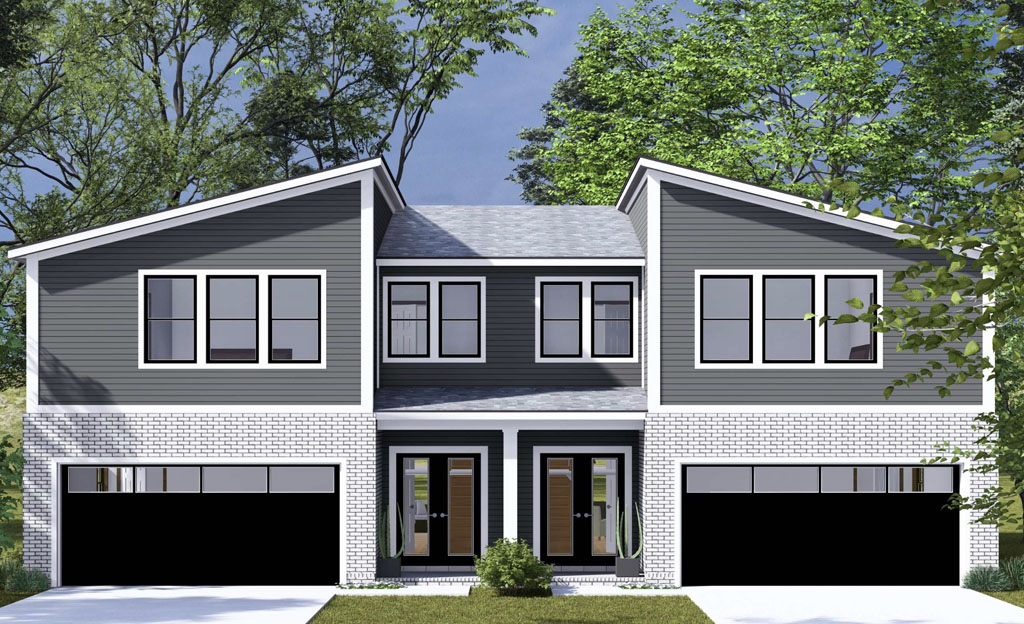
Across North America, local governments are rethinking traditional zoning laws—and it’s creating new opportunities for developers, especially those focused on efficient single-family homes and duplex builds. As cities continue to face housing shortages and affordability challenges, the shift toward more flexible land use is turning small lots and previously off-limits parcels into buildable goldmines.
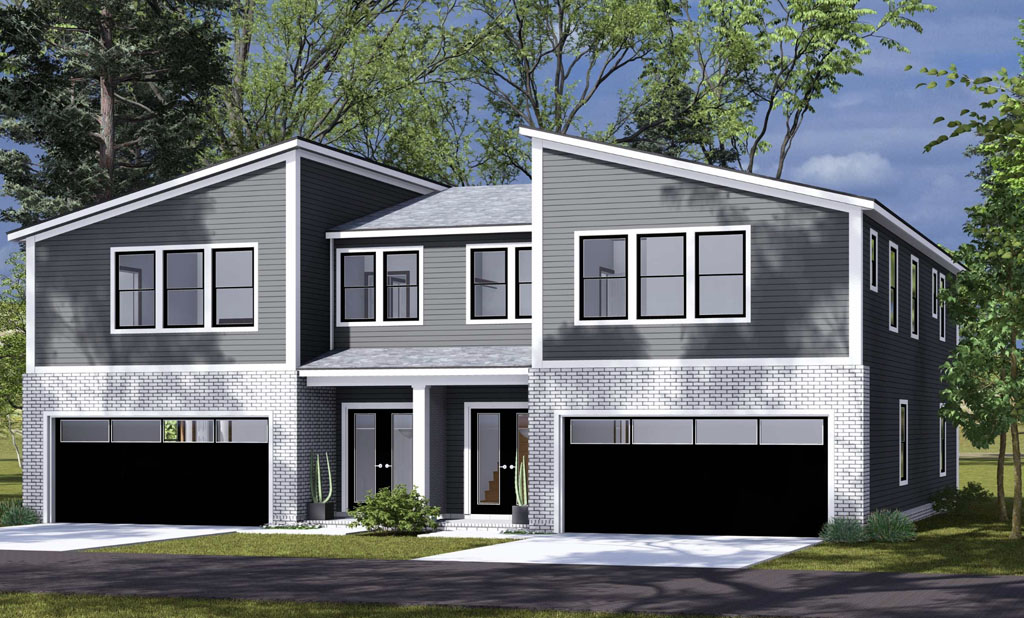
In 2025, we’re seeing a growing number of municipalities move away from strict single-family zoning to allow for denser housing types like duplexes and narrow-lot homes. Places like Portland, OR; Minneapolis, MN; and even mid-sized cities like Raleigh, NC and Hamilton, ON are at the forefront of this trend. Their goal is to increase housing supply without the need for large-scale development—and builders who are prepared with the right plans are already stepping in to meet that demand.
Why Developers Should Be Paying Attention
According to a recent report by the Urban Land Institute, more than 60% of major U.S. and Canadian metros are either implementing or exploring zoning reforms to allow “missing middle” housing. That includes duplexes, small-lot homes, and accessory dwelling units (ADUs). These types of infill projects are attractive to cities because they fit seamlessly into existing neighborhoods while offering more housing per acre.
For developers and builders, this means it’s time to think smaller and smarter. If you’ve historically focused on larger single-family homes in new subdivisions, it may be worth exploring new opportunities in infill development using compact home plans and duplex designs that meet these evolving zoning standards.
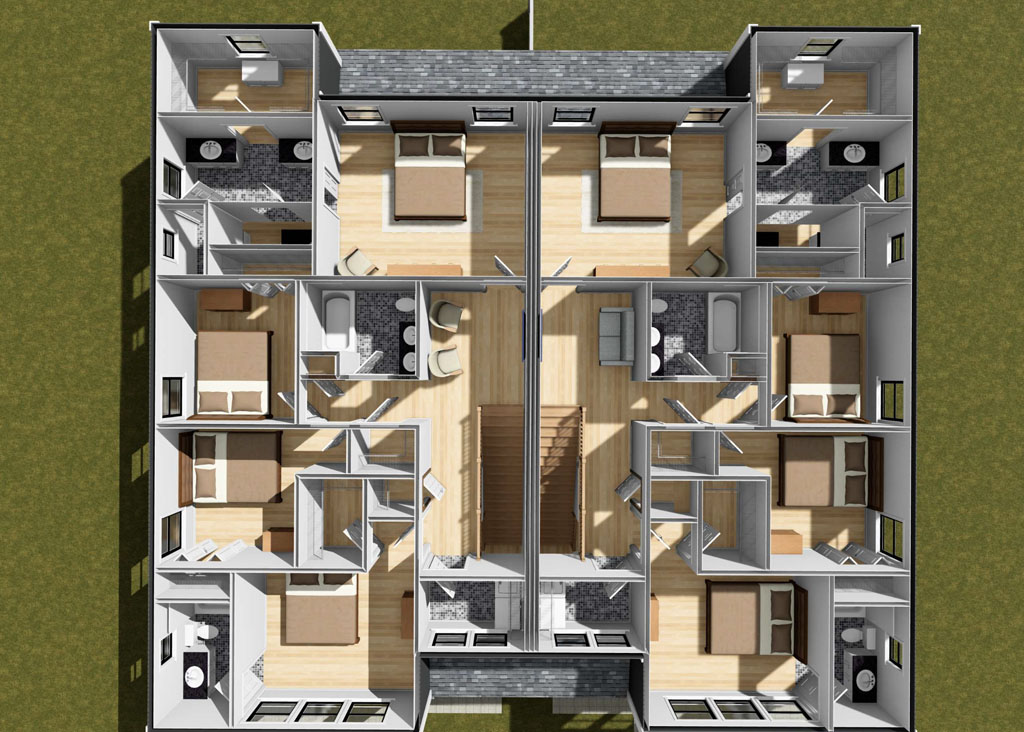
The Rise of Duplexes: Flexible, Profitable, and In-Demand
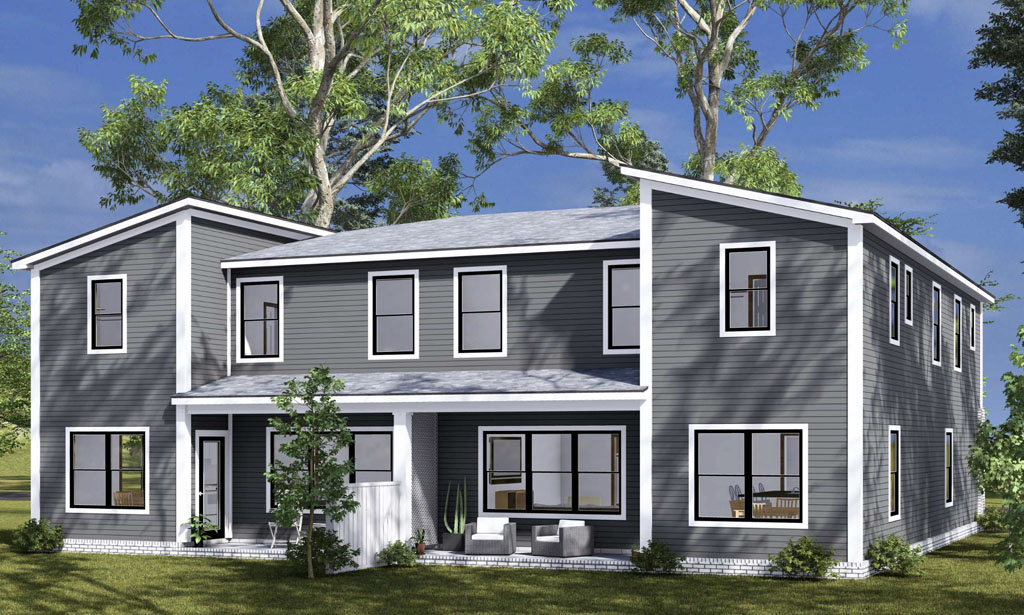
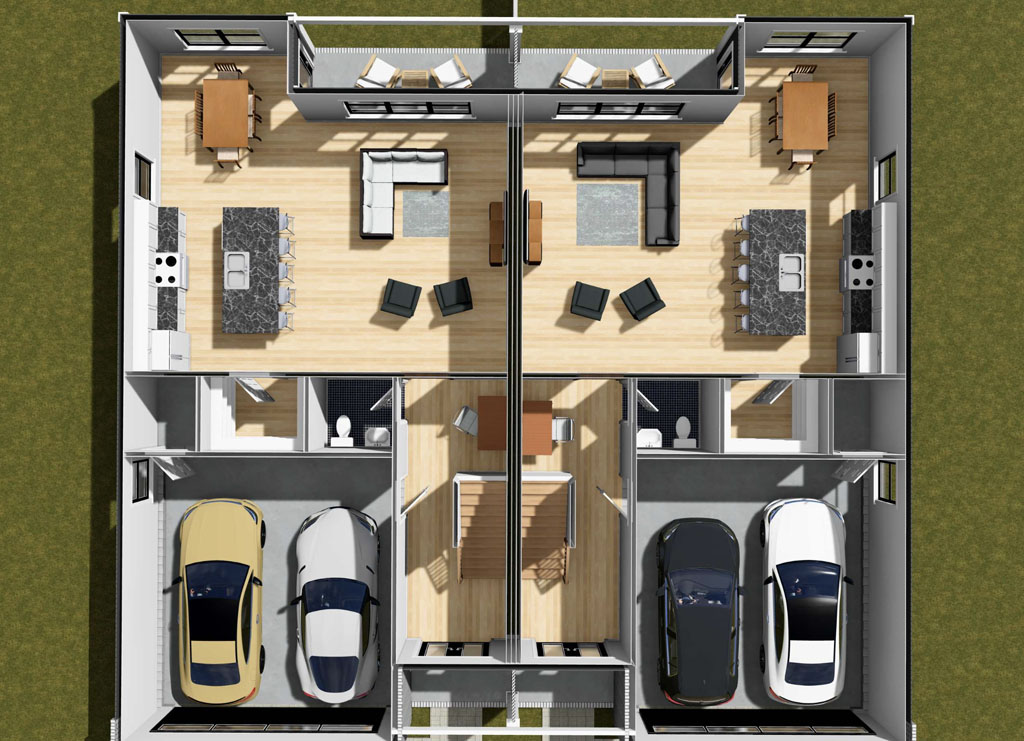
Duplexes are emerging as a key solution in cities easing zoning restrictions. With two units under one roof, duplexes can double your rental income or sales potential—without requiring double the lot size. For example, a standard 50-foot lot that once only allowed a single home may now be eligible for a well-designed duplex that blends seamlessly with the neighborhood.
At W.L. Martin Home Designs, we’ve seen increased demand from developers looking for duplex plans that are both stylish and functional. Whether you’re targeting long-term renters, first-time buyers, or multi-generational families, duplexes offer unmatched flexibility. Many of our duplex designs include thoughtful touches like private entrances, mirror layouts for construction efficiency, and even individual garages or outdoor spaces.
Smaller Homes for Smaller Lots
Zoning reform also means more flexibility with minimum lot sizes and setbacks, which opens the door for narrow-lot single-family homes. These homes are ideal for urban infill or redevelopment projects, where available land is limited but demand for housing is high.
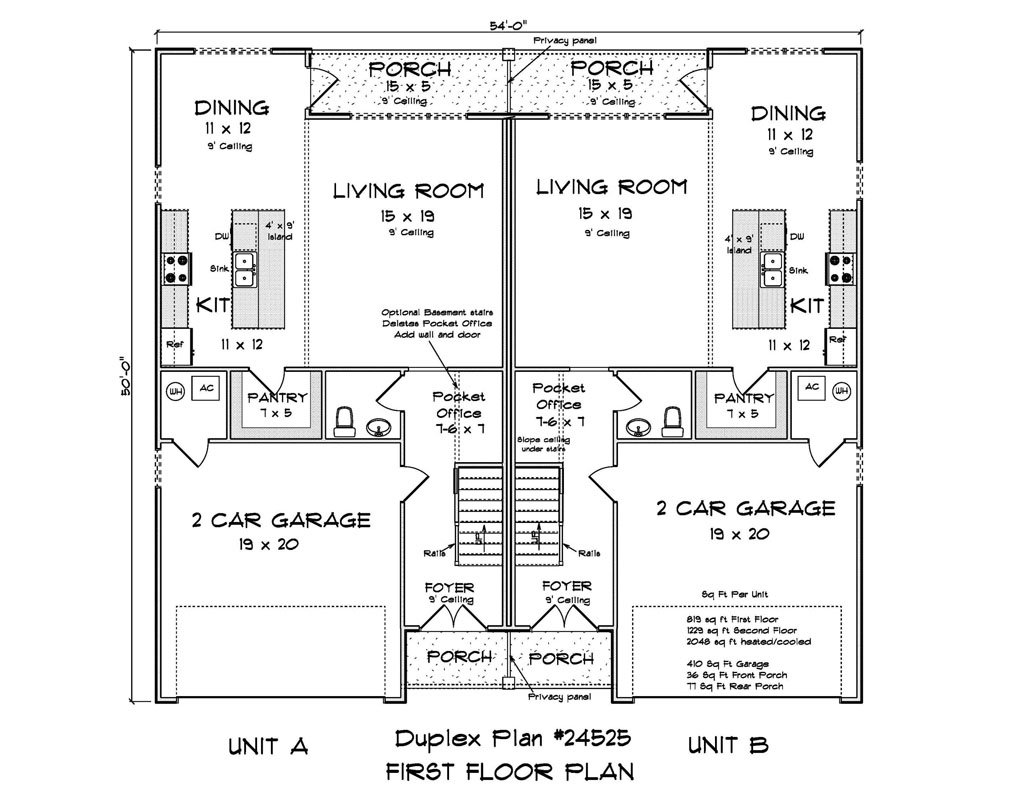
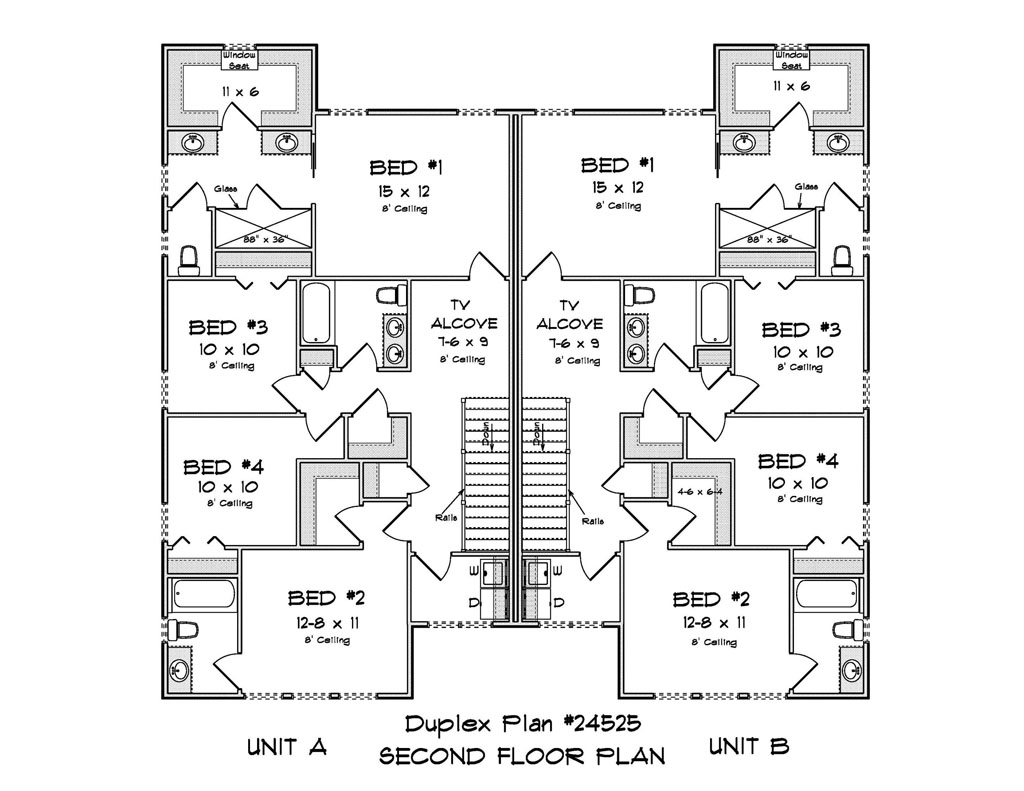
Smaller footprints don’t mean compromising on quality. Smart home designs under 1,500 or 2,000 square feet can still offer open floor plans, multiple bedrooms, and stylish curb appeal. In fact, many of today’s buyers are actively looking for more manageable homes with lower utility costs and maintenance requirements—a trend that aligns perfectly with the current zoning shifts.
The Bottom Line for Builders
If you’ve been watching zoning changes from the sidelines, now is the time to lean in. Local governments are creating new pathways for smart growth—and that means fresh opportunities for builders who have the right house plans ready to go.
At W.L. Martin Home Designs, we specialize in house plans that fit the evolving needs of today’s housing market. From compact single-family homes to beautifully designed duplexes, our catalog includes build-ready plans that meet zoning requirements in cities across North America. And because many of our plans are customizable, we can help you adapt your next project to fit a specific lot, code, or community aesthetic.
Ready to take advantage of the new zoning landscape? Explore our collection of duplex and infill-friendly home plans and position your next project for success in 2025 and beyond.
Leave a Reply