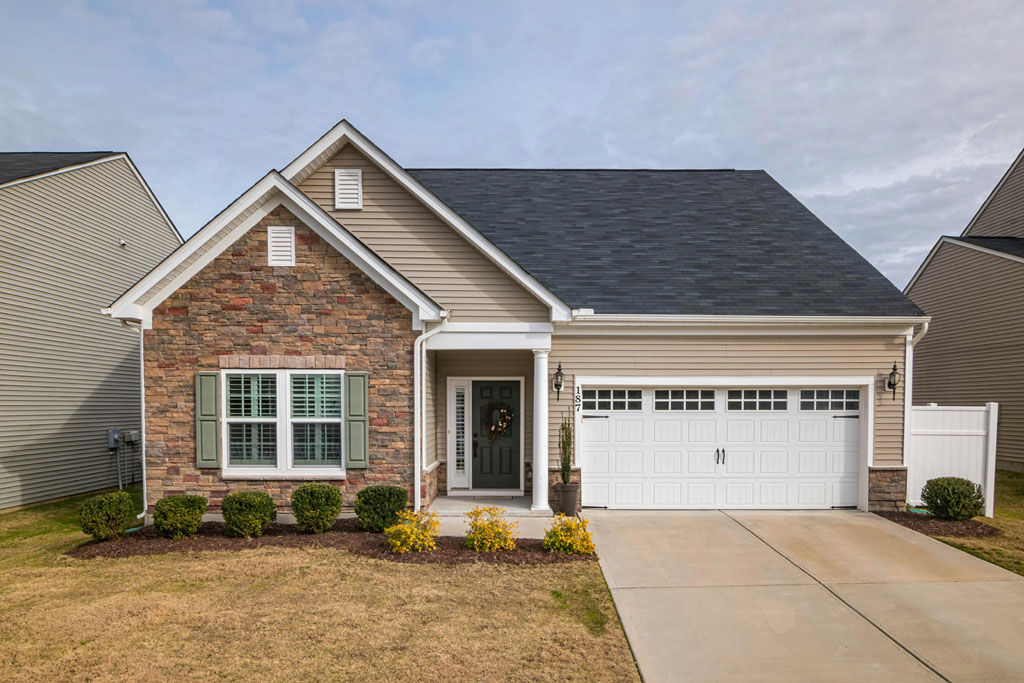
If you’ve ever driven through different parts of the country, you’ve probably noticed that homes in Florida look nothing like those in Colorado or Ohio. While trends and tastes play a part, the bigger story lies in how climate, geography, local materials, and building regulations shape the way homes are designed in each region.
At W.L. Martin Home Designs, we keep these regional factors in mind when creating house plans. Our collection is built to be versatile, offering flexible solutions for developers and builders no matter where in the U.S. you’re building.
Why Florida Homes Don’t Include Basements
In Florida and many coastal regions, basements are nearly nonexistent. This is largely because of the high water table. In many parts of the state, digging even a few feet down means hitting groundwater. That makes basements impractical and expensive due to the risk of flooding and the extra work required to waterproof them.
Instead, most homes in Florida are built on concrete slabs. This foundation type is efficient, cost-effective, and better suited to the moist, sandy soil. Florida homes also commonly feature stucco exteriors and concrete block construction for durability against humidity, termites, and frequent storms.
Why Brick Homes Are Popular in Texas
In Texas, brick homes are everywhere. This isn’t just a stylistic choice. Brick is abundant locally, making it a practical and affordable option for builders across the state. It’s also highly durable in Texas’ hot, dry climate, where it provides natural insulation and requires very little upkeep.
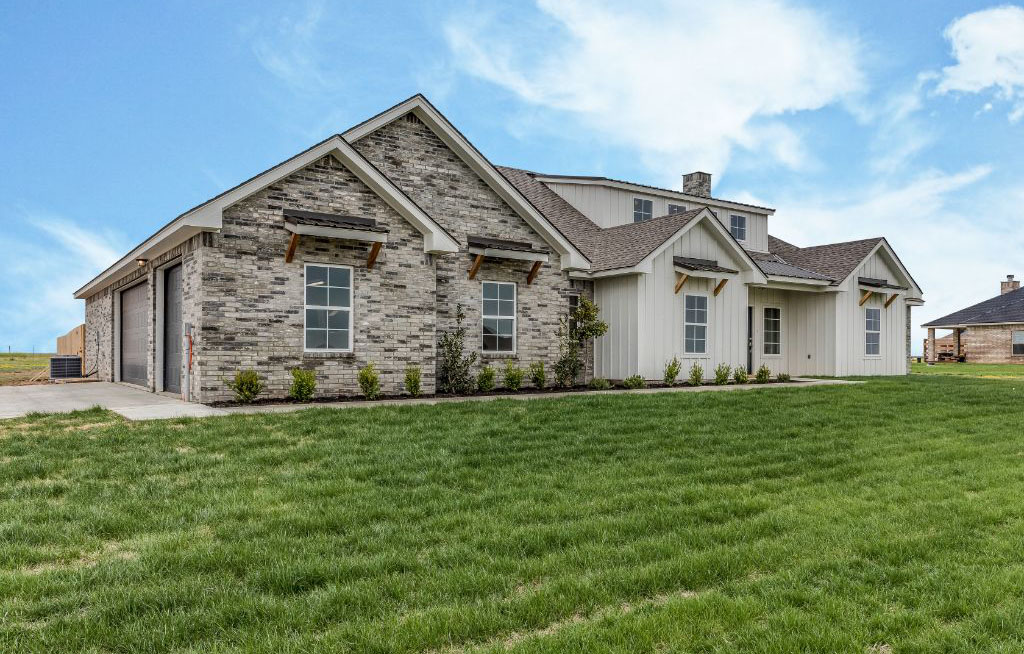
Many homes in Texas are designed with function in mind. You’ll often see single-story layouts with open floor plans to keep interiors cool. Rooflines are typically low and simple, which helps in areas where high winds can be a concern.
Midwestern Homes Prioritize Function Over Flash
The Midwest is known for practical, reliable home design. From Craftsman to ranch-style homes, most Midwestern architecture focuses on durability and year-round livability. Since the region experiences both hot summers and cold winters, homes are often built with energy efficiency and weather resistance in mind.
Basements are common in the Midwest. The frost line is deep enough that builders already have to dig down, so adding a basement makes sense and provides extra storage, storm protection, and living space. Roofs tend to be steeper to handle snow, and porches or mudrooms are popular additions that help homeowners manage the changing seasons.
Northern Homes Are Built for Cold and Snow
In northern states like Minnesota, Maine, and parts of the Northeast, homes are designed for long winters and heavy snowfall. Basements are not just an option; they’re often a necessity. They help insulate living areas from the cold and provide space for heating systems and other utilities that need protection from freezing temperatures.
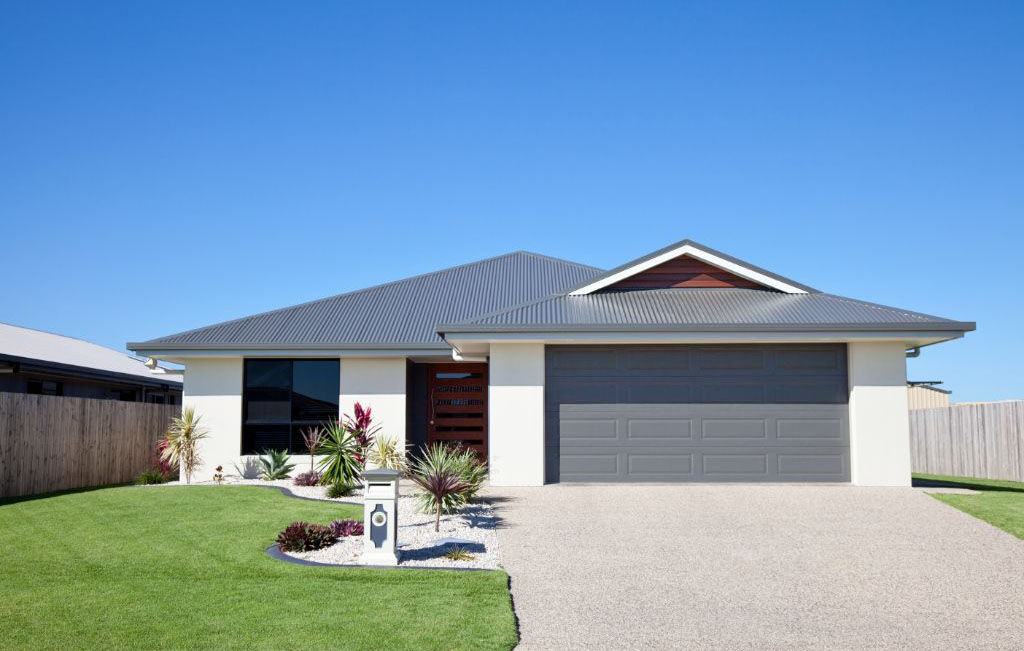
These homes often have high-pitched roofs to prevent snow from accumulating. Materials are chosen for their insulation properties, and triple-pane windows are common to keep homes warm during bitterly cold months. Entryways frequently include enclosed porches or mudrooms to manage snow-covered gear and boots.
Homes in the Desert Southwest Have a Distinct Look
The Southwest, including states like Arizona and Nevada, features homes that are typically flat-roofed with a stucco or adobe exterior. These designs are heavily influenced by Spanish and Pueblo architecture but also suit the desert environment.
Flat roofs are more practical in dry climates where rainfall is minimal. Thick exterior walls provide insulation against extreme heat. Outdoor living is a priority here, so many homes include shaded patios or interior courtyards that offer relief from the sun while extending usable space.
Mountain Homes Are Built for the Elements
In places like Colorado or Utah, mountain homes are designed for elevation, snow, and rugged terrain. These homes typically use natural materials like stone and wood to blend into the surroundings, and they often have large windows to capture views of the landscape.
Builders need to consider factors like snow loads, insulation, and even the angle of sunlight at different times of year. Roofs are steep, mechanical systems are robust, and there’s a focus on energy efficiency and sustainability.
Local Building Codes Influence Design Choices
Beyond climate and materials, local building codes also shape home design. In California, for example, homes are often built with earthquake safety in mind, requiring special framing and foundation systems. Along the Atlantic and Gulf Coasts, hurricane codes influence everything from roof strapping to window strength. In the Midwest, tornado-prone areas may require reinforced safe rooms or basement shelters.
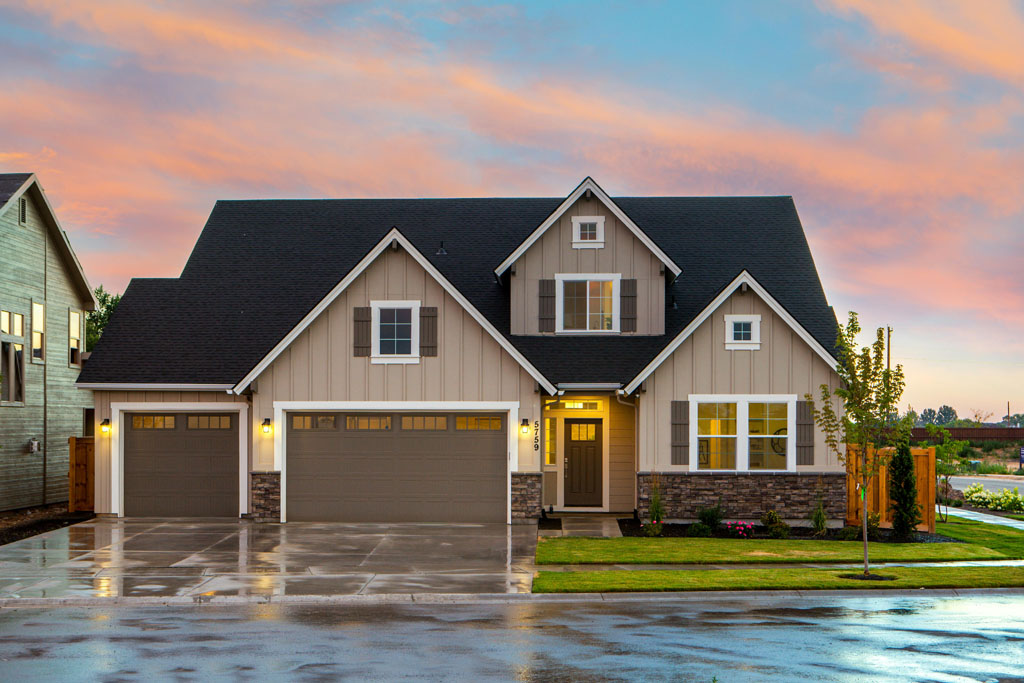
These regulations are crucial for safety but also influence how plans are drawn, what materials are used, and how builders approach construction in each region.
How W.L. Martin Home Designs Meets Regional Needs
At W.L. Martin Home Designs, we know that no two regions are alike. That’s why our home plans are designed with flexibility in mind. Whether you need a slab-on-grade foundation for the Southeast or a basement-ready blueprint for the North, our plans are ready to adapt.
We work with developers and builders across North America who face different climate, terrain, and code challenges in every market. Our plans range from efficient 400-square-foot homes to spacious 2,500-square-foot designs, and we’re always happy to help you modify a plan to better suit your project’s location.
From snowy cities to sun-drenched deserts, we’ve got the house plans that fit your build site and your buyer’s lifestyle. Browse our plan collections today and find your next design solution, wherever you’re building.
Leave a Reply