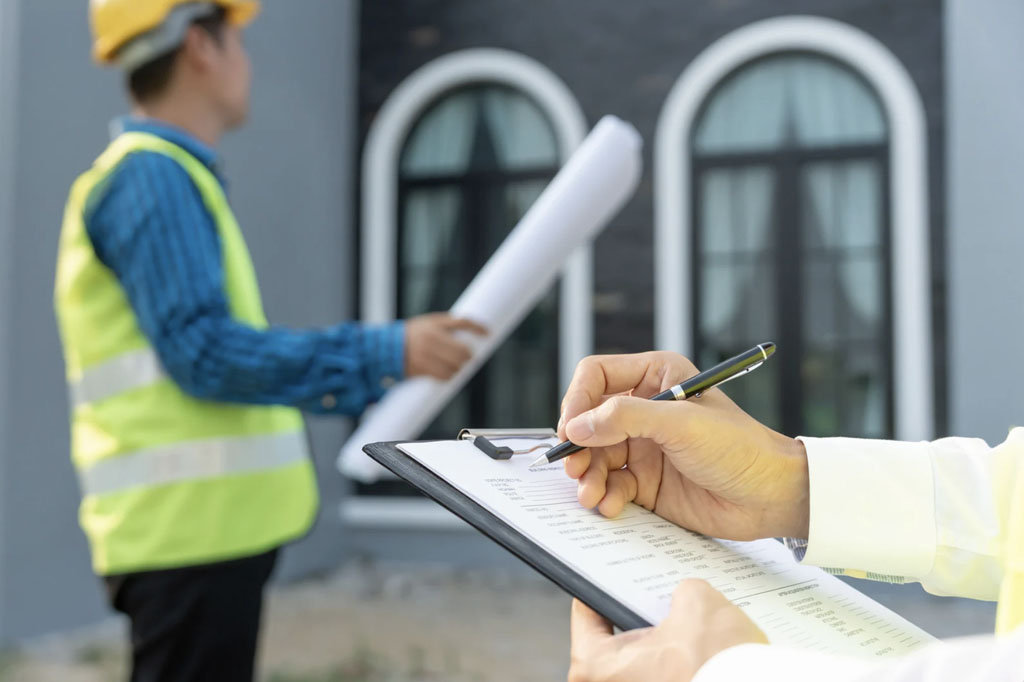
Building a home is exciting, but the construction phase is where small misses can turn into costly fixes. Developers know this, and new home buyers quickly learn it. The key is to catch issues early, when they are inexpensive to correct and well before inspections or lender conditions can delay closing. Industry research has long shown that rework is a hidden budget killer, with analyses from groups like McKinsey estimating rework can consume a meaningful slice of total construction cost, while the U.S. Census Bureau’s Survey of Construction reminds us that most single family homes take roughly 7 to 9 months from permit to completion. Every avoidable delay inside that window matters.
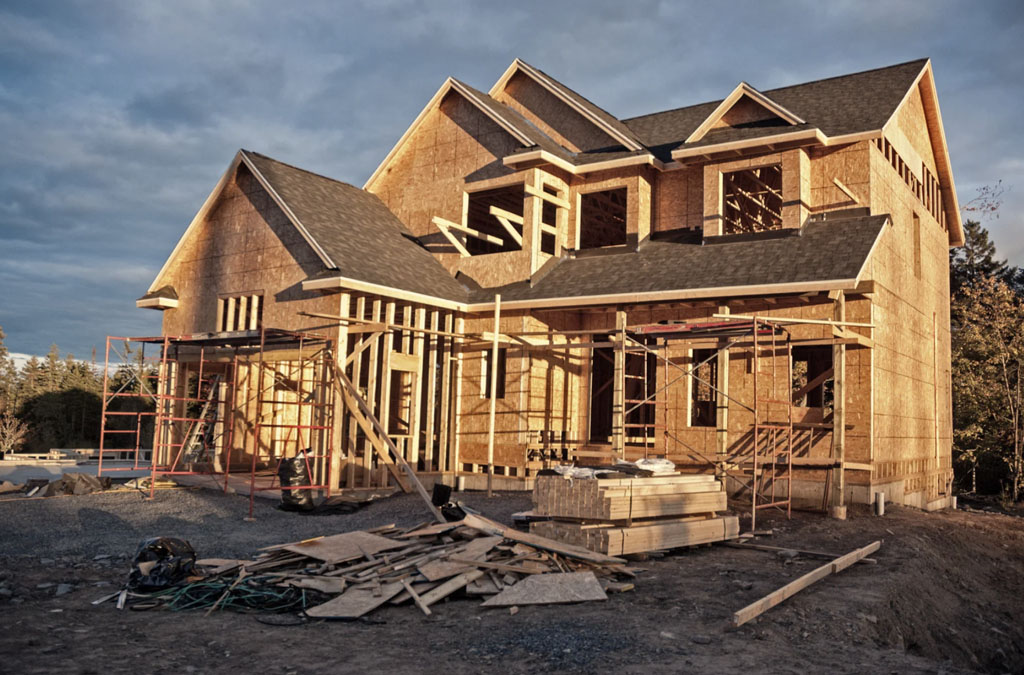
Start with structure and layout while framing is open. Confirm that walls, doors, and window placements match the plan set to the inch, not just the intent. Check rough openings for windows and doors, and verify headers, beams, and bearing points align with the structural sheets. This is the best moment to measure room dimensions, center key fixtures like kitchen ranges and vanities, and walk electrical and plumbing routes before drywall hides adjustments. A 15 minute framing walk with a tape and plans can save a thousand dollars in punch work later.
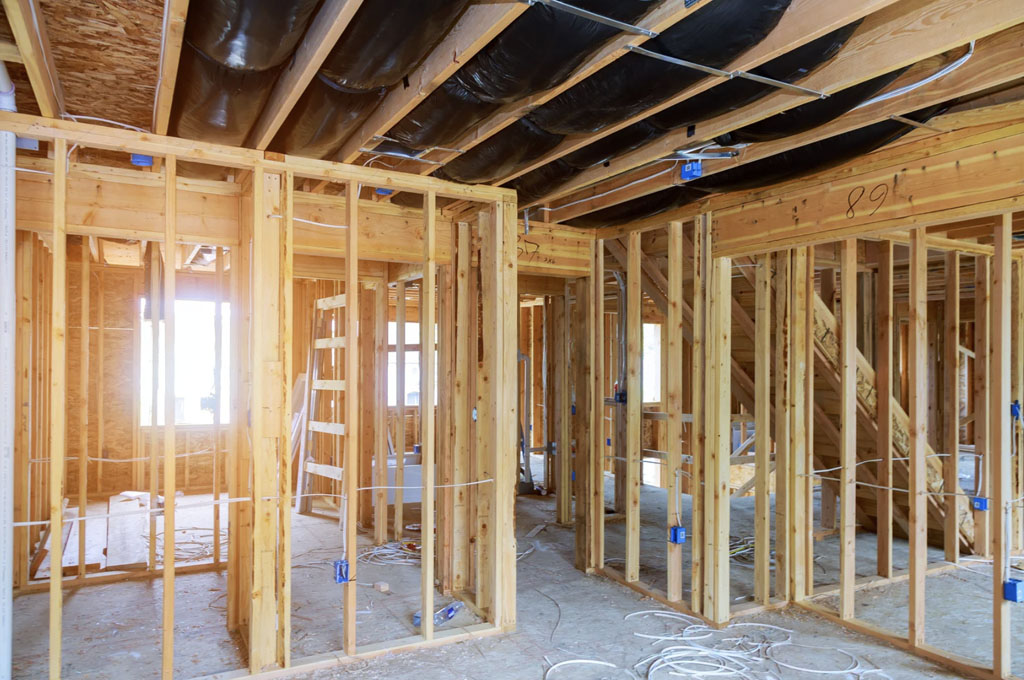
Next, focus on mechanicals, electrical, and plumbing during rough in. Count outlets and switches against the electrical schedule, check dedicated circuits for appliances, confirm GFCI and AFCI locations, and make sure low voltage runs reach every planned data and camera point. For plumbing, confirm fixture locations, shower valve heights, and venting paths, and pressure test where required. For HVAC, check supply and return locations, equipment model submittals, and duct sealing. NAHB and many local building departments publish checklists that align closely with inspection requirements, and using those checklists proactively helps you pass the first time and avoid rescheduling delays.
Building envelope quality is your long term comfort and energy bill. Before insulation, look for continuous air sealing at top plates, rim joists, and around penetrations. After insulation, verify R values match the energy compliance documentation and that batts are not compressed or missing around outlets. Window flashing and roof underlayment details are worth a dedicated walk because water finds the smallest gap. These envelope checks pay back over the life of the home, and they reduce warranty calls that eat into schedule and margin for developers.
Finishes are where expectations meet reality, so walk the job before tile sets and before cabinets install. Confirm cabinet elevations, appliance clearances, shower pan slopes, and tile layout starting points. Drywall should be smooth at critical light angles, especially in hallways and near large windows. Before trim paint, scan for nail holes, caulk gaps, and squeaks in flooring. Small finish issues multiply at the end of a project when schedules are tight and multiple trades are stacked, which is why a short mid finish walk often keeps the closing date intact.
Here is a short checklist to bring to site walks
- Plans on paper with a pen for field notes, plus a tape measure and phone photos
- Framing: room dimensions, door and window locations, header sizes, blocking for future mirrors, grab bars, and closet systems
- MEP rough in: outlet and switch counts, dedicated circuits, low voltage drops, valve heights, vent locations, duct and return placement
- Envelope: air sealing at top plates and penetrations, window and door flashing, insulation coverage and R value verification
- Finishes: cabinet and appliance clearances, tile layout and slopes, drywall light test, trim and paint touch ups, hardware swing checks
- Safety and compliance: stair riser uniformity, guard and handrail heights, smoke and CO detector locations that match code
A disciplined checklist culture saves time and money. NAHB surveys consistently find that change orders rank among the most frequent causes of cost growth and schedule slippage, and multiple industry studies show that catching issues during rough in is far cheaper than after finishes are installed. Pair that mindset with the typical build timeline reported by the Census Survey of Construction and you can see why early field checks are worth the effort. If you are building between 400 and 3,500+ square feet, start with a well detailed W.L. Martin Home Designs plan, then use these targeted site walks at framing, rough in, insulation, and pre close to keep your home on spec and on schedule.
Leave a Reply