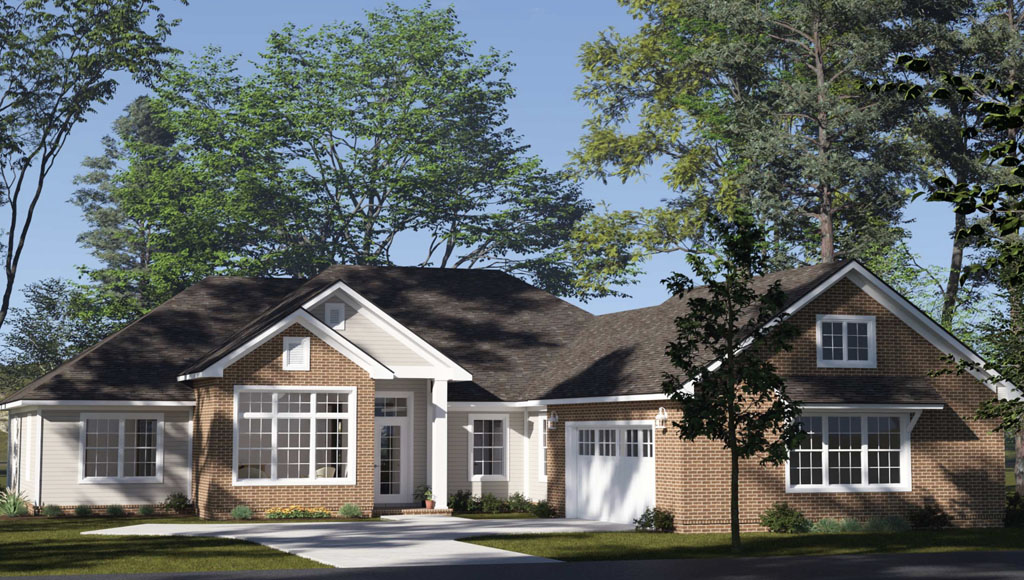
With 2025 in full swing, builders and residential developers are facing a wave of new expectations when it comes to energy efficiency, materials, and overall home design. Whether you’re working on a small subdivision of single-family homes or building on spec, staying ahead of these trends isn’t just smart—it’s necessary.
In recent years, there’s been a noticeable shift in how homes are being designed, not only to meet tightening sustainability regulations but also to appeal to buyers who are more conscious of energy costs, environmental impact, and long-term livability.
Energy Efficiency Is More Than a Buzzword
One of the biggest shifts in the residential market is the increasing demand for energy-efficient homes that don’t sacrifice comfort or style. Many states and provinces have updated their building codes for 2025, with more expected to follow. These updates include higher standards for insulation, air sealing, and mechanical ventilation. For example, California’s Title 24 energy code has pushed builders toward all-electric homes, while parts of Canada are moving toward net-zero ready standards by default. For developers working across North America, understanding regional code differences is becoming just as important as choosing the right floor plan.
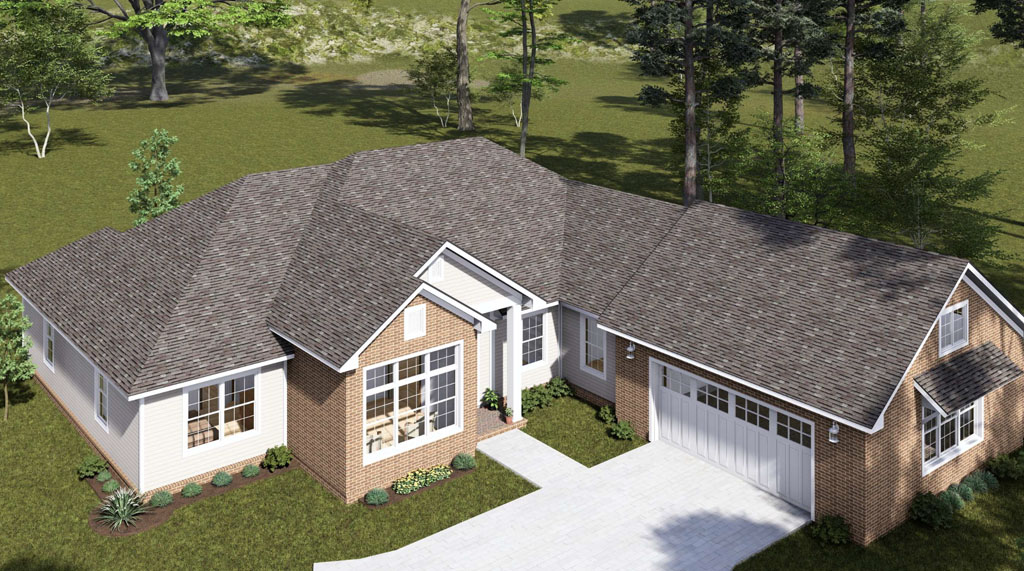
Material Trends That Speed Up Builds and Improve Performance
Materials are another area where innovation is taking hold. Traditional stick framing is still common, but there’s growing interest in materials like structural insulated panels (SIPs) and insulated concrete forms (ICFs), which offer excellent thermal performance and speed up construction. These materials can help builders meet strict energy codes while reducing long-term maintenance for homeowners—an increasingly important selling point.
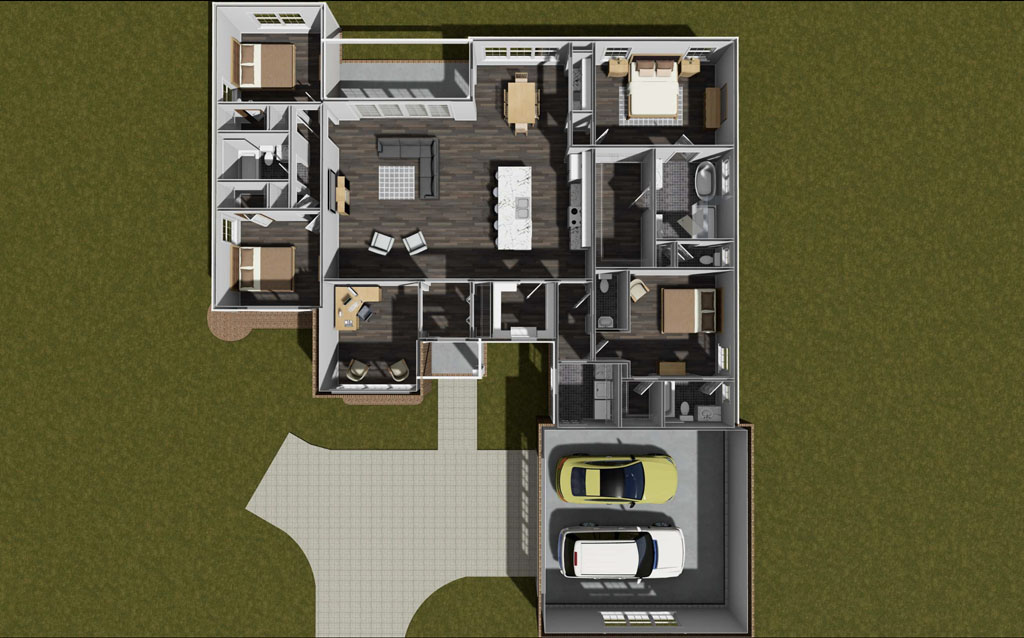
Design Choices That Balance Style and Sustainability
In terms of design, buyers and local governments alike are leaning into smarter, more adaptable layouts. Homes between 1,200 and 2,000 square feet are especially in demand, particularly when they include open-concept living areas that maximize light and airflow. Floor plans that allow for flexible spaces—like home offices, multi-use guest rooms, or aging-in-place features—are rising in popularity. These design choices don’t just appeal to modern buyers; they also make homes more resilient to market shifts.
At W.L. Martin Home Designs, we’re seeing an uptick in interest for plans that are both efficient and easily customizable. Builders are asking for layouts that allow easy integration of rooftop solar, heat pump systems, or advanced HVAC zoning. Features like covered porches, thoughtfully placed windows for passive solar gain, and mechanical rooms sized for future tech upgrades are no longer considered extras—they’re expected.
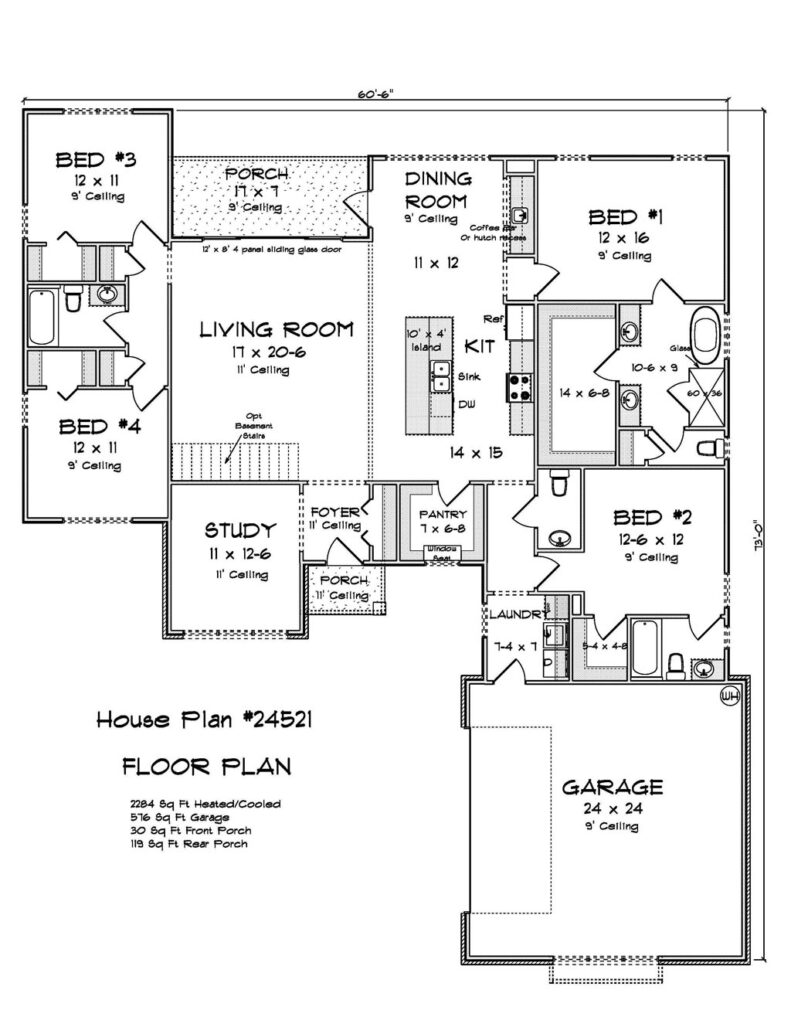
Whether you’re working on a small-lot infill project or building a new neighborhood from the ground up, understanding how these trends in efficiency, materials, and layout are converging is key. Smart builders are not only designing for code compliance today but also planning for flexibility tomorrow.
If you’re looking for home designs that align with these evolving needs, browse our curated selection of plans that offer smart square footage, sustainable layouts, and builder-friendly customization options. W.L. Martin Home Designs has a growing catalog of homes under and around 2,000 square feet that are designed with today’s expectations—and tomorrow’s innovations—in mind.
Leave a Reply