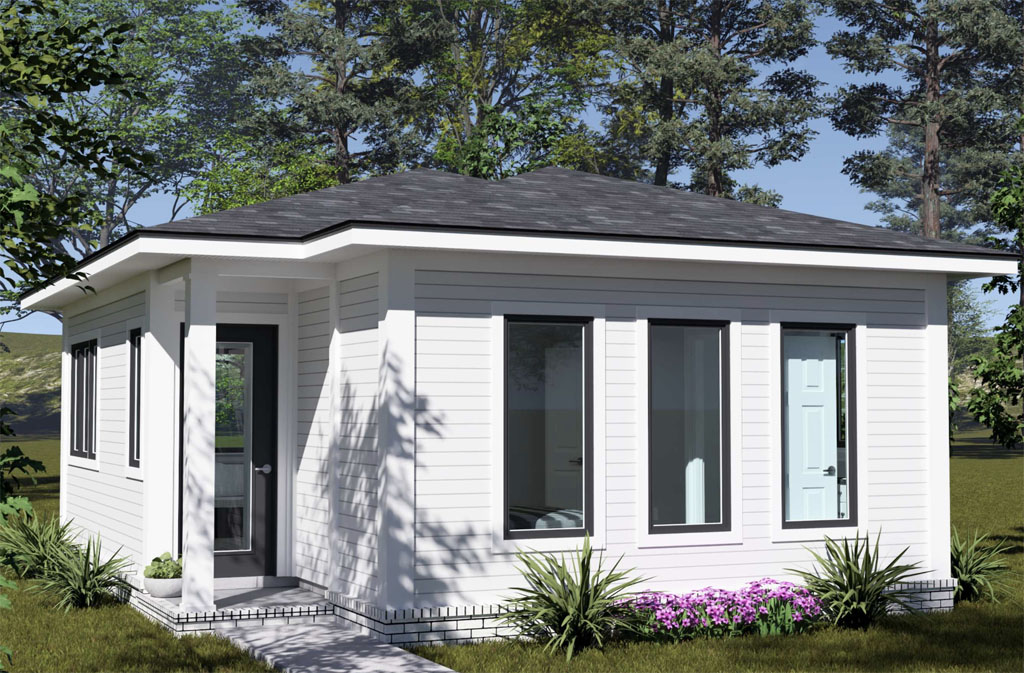
Tiny homes, ADUs (accessory dwelling units), and backyard cottages have become one of the most searched housing solutions because they hit three hot buttons at once: rental income, multigenerational living, and more housing without buying more land. Developers like them for yield and flexibility, and buyers like them because they can offset a mortgage or keep family close with privacy. The viral hook is simple and true: one lot can now behave like two homes when the plan is smart, and tiny-home thinking is pushing that efficiency even further.
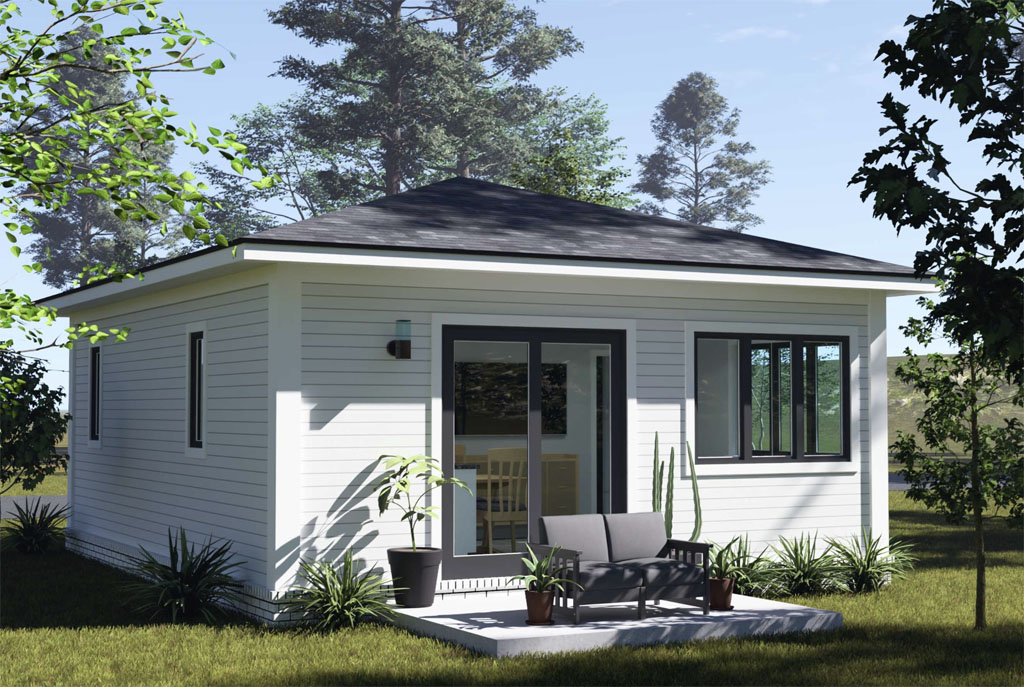
The credibility is in the trendline. In the past few years, ADU-friendly policy changes across many U.S. cities and states have helped approvals accelerate, and California has been the poster child for rapid growth in ADU permits since late 2010s reforms. Nationally, Freddie Mac’s research has estimated roughly 1.4 million ADUs already exist, while also noting they are often undercounted because many are not recorded the same way as primary homes (Freddie Mac ADU research). Where tiny homes fit in: many buyers and builders start with “tiny home” as the lifestyle idea, then use the ADU path to make it practical and permitted. The concepts work hand in hand because both prioritize compact living, efficient systems, and flexible use.
For developers, tiny homes and ADUs are a practical lever to improve project economics without reinventing the whole site plan.
Tip #1 (high value): treat these small units as a product line, not a one-off.
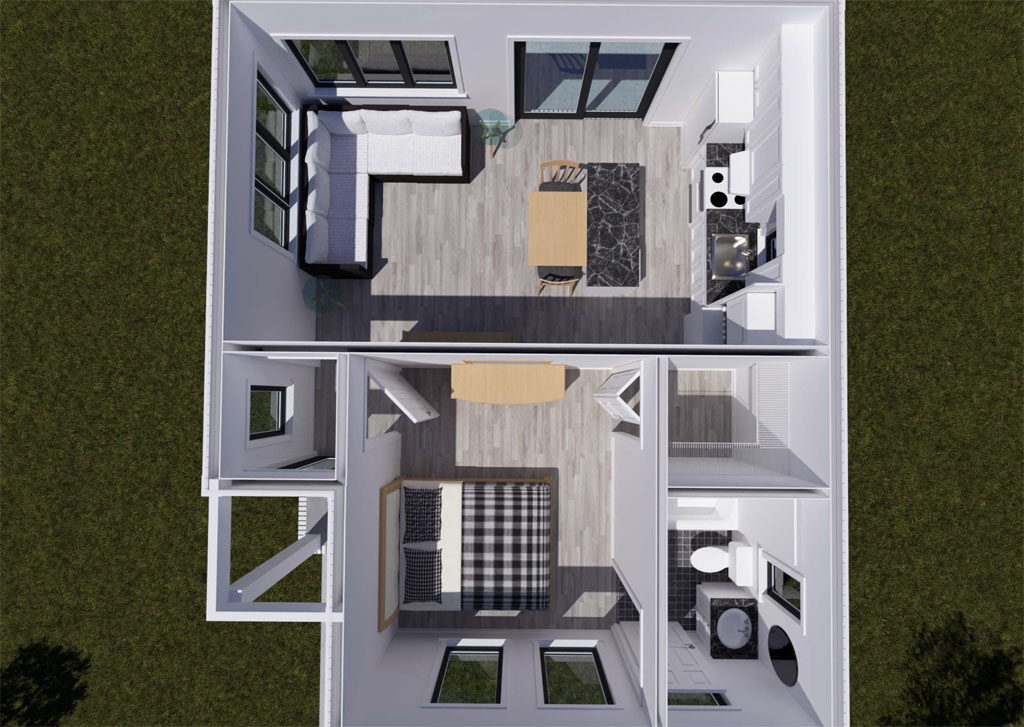
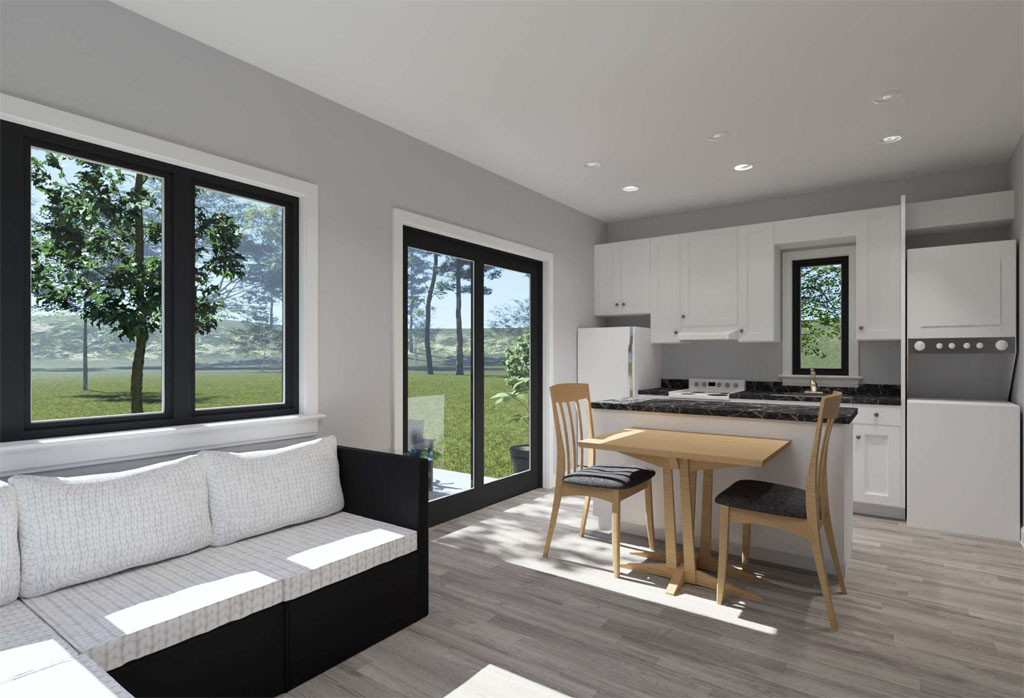
Standardize 2 to 3 footprints (for example, a ~400 to 600 sq ft tiny-home-style studio, a ~650 to 800 sq ft one-bedroom cottage, plus a larger two-bedroom option where allowed) and repeat them across communities with minor facade tweaks. That lowers design costs, reduces construction variance, and speeds permitting because your team and reviewers get familiar with the same set of drawings. Pair that with plan features renters and appraisers care about: separate entry, in-unit laundry, real storage, and a kitchen that feels “full size” even in a small footprint.
For new home buyers, the winning message is “future-proofing.” A tiny-home-inspired backyard cottage can be a rental now, a home office later, and an aging-parent suite when life changes.
Tip #2 (high value): design privacy like it is a premium upgrade.
Window placement, a dedicated patio, a short privacy fence line, and separate walkway lighting make a small dwelling feel like a real home, not an add-on. Buyers will pay more for a unit that feels independent, and neighbors complain less when outdoor space and sightlines are thoughtfully planned.
From a plan-selection standpoint, the difference between a forgettable small unit and a high-demand one is layout discipline. The most successful tiny home and ADU plans keep circulation tight and invest square footage in “daily life” zones: a living area that fits a real sofa, a bedroom that fits a queen bed, and a kitchen with enough counter run to cook without frustration. For developers building across North America, it also helps to keep structural complexity low (simple rooflines, stacked plumbing walls, and efficient spans) so the cottage stays cost-effective even when labor and material prices move.
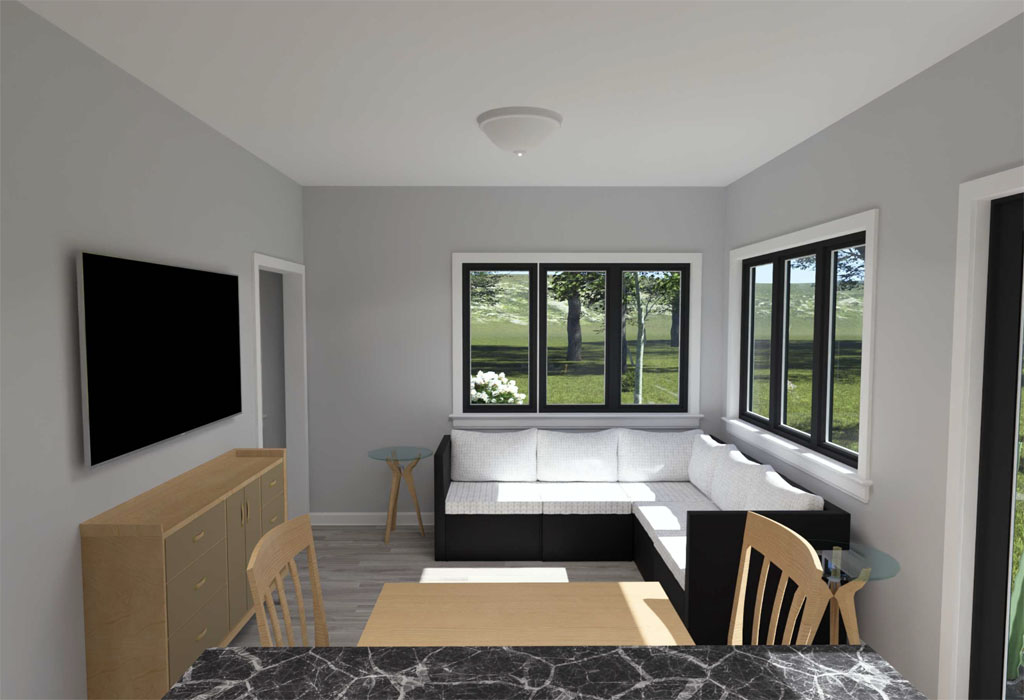
At W.L. Martin Home Designs, this is where small-footprint planning shines. Whether you are adding a tiny-home-style backyard cottage to increase density, selecting an ADU plan to create rental income, or pairing both with a right-sized primary home up to 3,500+ sq ft, the goal is the same: maximize livability per square foot. If you want, I can also tailor this post to your exact plan catalog with suggested internal links (for SEO) and a short “Tiny Home and ADU Plan Checklist” developers can download to boost time-on-page and leads.