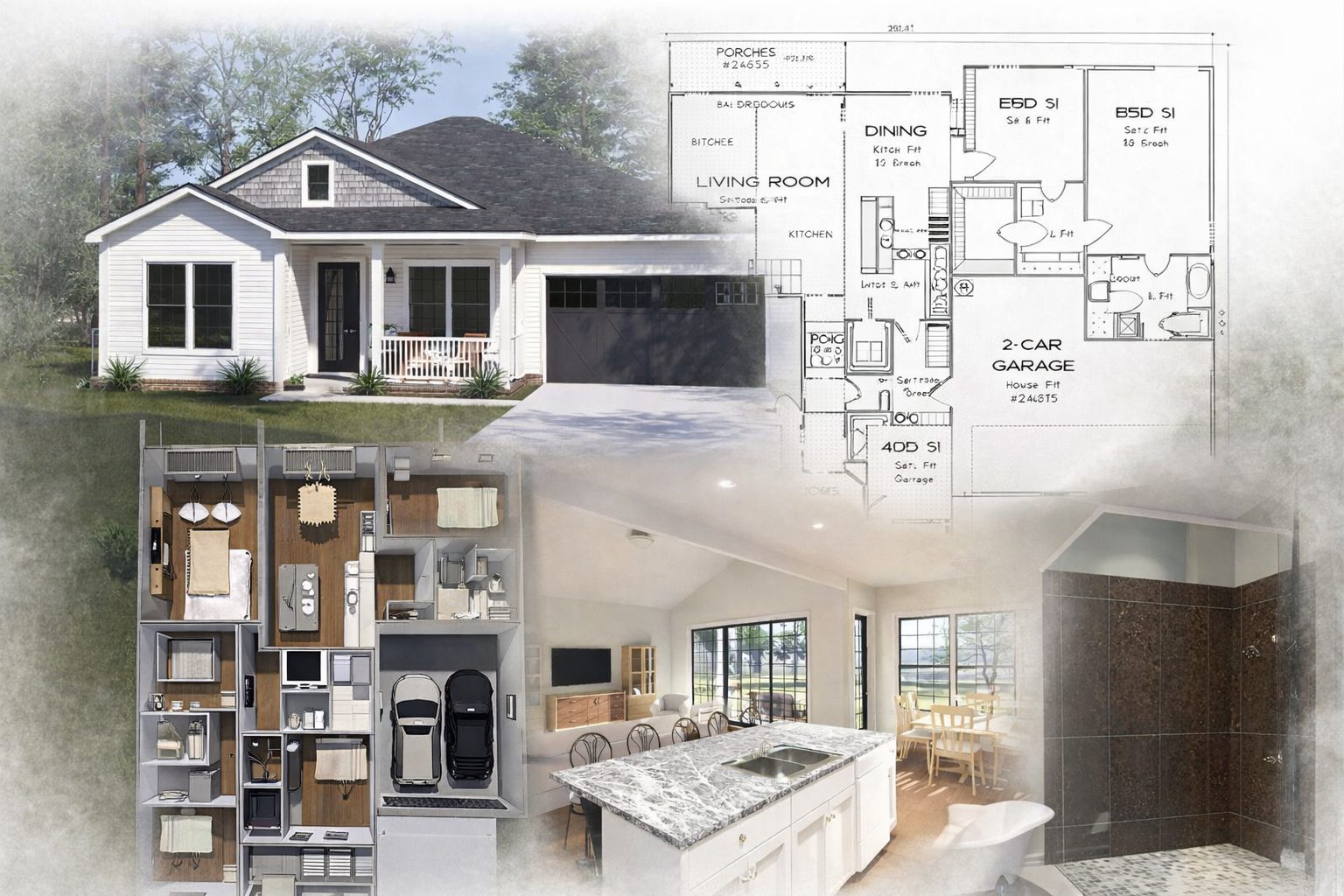
In 2026, “small” is not a compromise, it is a strategy. Developers across North America are leaning harder into small-home floor plans under 2,500 sq ft because that size band hits the sweet spot for affordability, faster build cycles, and broad buyer appeal. When a home feels open, flexible, and efficient, buyers do not miss extra square footage. They just notice a price point that works and a layout that fits real life. That is why curated collections like W.L. Martin Home Designs are increasingly useful for builders who want proven, buildable house plans that can repeat well across a neighborhood without looking cookie cutter.
The credibility behind the small-home push shows up in the numbers, even if the exact 2026 figures vary by market. In the U.S., the Census Bureau has reported that the average size of new single-family homes has trended down from its peak in the mid-2010s, and industry groups like the NAHB have regularly pointed to affordability constraints as a primary driver of buyer decisions. Freddie Mac has also continued to highlight the long-running housing supply shortage as a major factor supporting demand for efficiently priced new construction. I cannot pull the newest 2025 to 2026 stats right now because web browsing is disabled in this chat, but if you want to make this post extra tight for SEO and trust, plug in one or two current figures from your local builders association or MLS on median prices, months of inventory, and days on market. Those hyperlocal stats are often more persuasive to developers than national averages anyway.
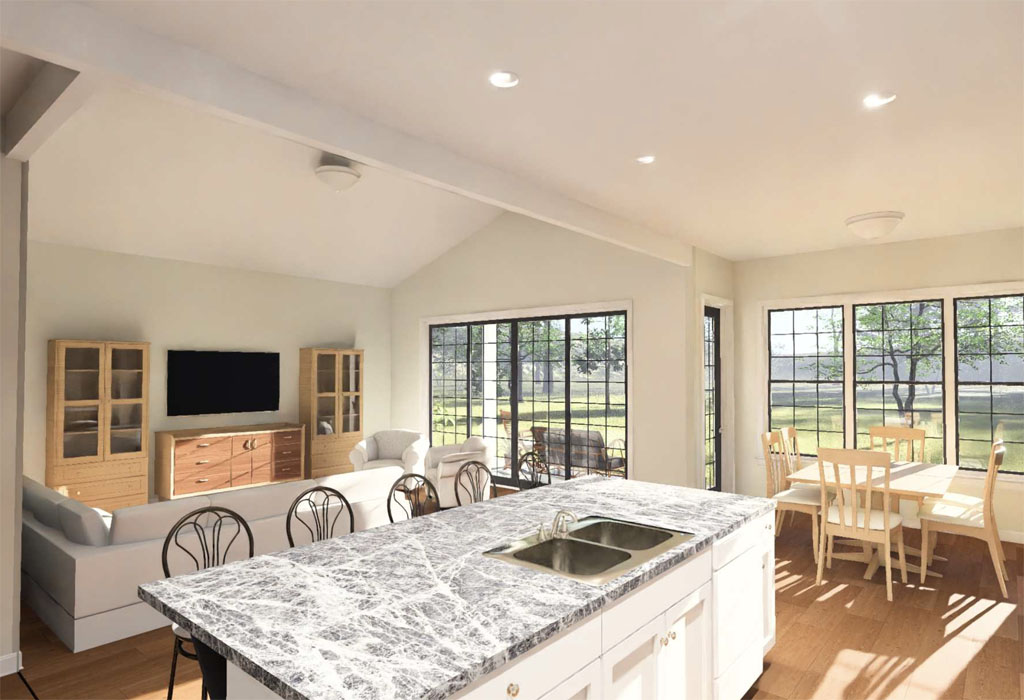
So what are developers actually building that sells? The best selling house plans in the under-2,500 range usually share the same bones: a strong “daily living core” that puts the kitchen, dining, and living area in one bright, connected zone, plus just enough separation to keep life from feeling like one big room. Buyers keep responding to a walk-in pantry, an island that seats three or four, and a real entry sequence, even if it is compact. A mudroom or drop zone off the garage is another quiet hero, especially for families and cold-weather markets. These are small home plans that live bigger because the plan does not waste steps, hallways, or corners.
Flexibility is the other reason these floor plans move. A flex room that can be marketed as a home office, guest room, hobby space, or kid zone helps one plan speak to multiple buyer types. That matters for spec home plans, where the same layout needs to appeal to first-time buyers, move-down buyers, and everyone in between. Developers are also choosing simple footprints and cleaner rooflines that reduce framing complexity while still delivering curb appeal through elevation variety. One smart approach is to pair a single plan with two or three elevation looks, like Modern Farmhouse, Craftsman, and Contemporary, and then rotate exterior finishes. You keep your build process consistent while the street view stays fresh.
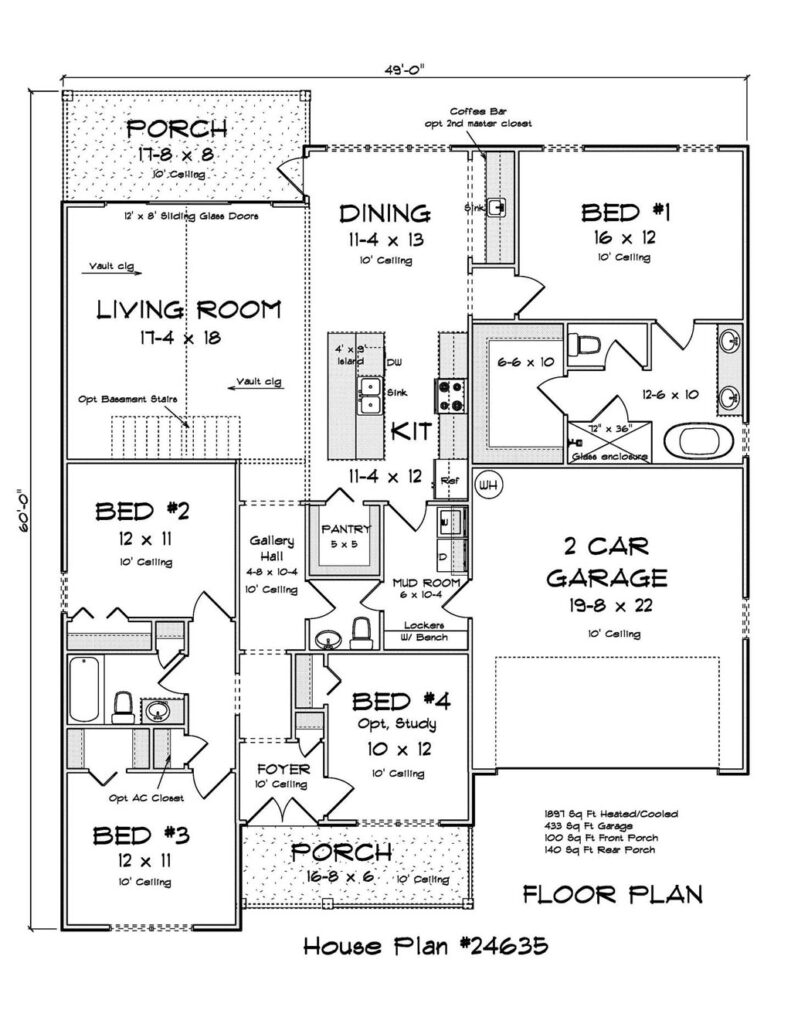
If you are selecting house plans for a 2026 lineup, start with what your lots demand, then build outward. Narrow lot house plans are performing well in infill and higher land-cost areas because they protect margin while keeping the product attainable. One-story ranch plans continue to sell because they work for aging-in-place buyers and young families alike, and they are straightforward for production scheduling. Duplex plans and small multi-family options also remain attractive where zoning allows, since they can support rental demand and spread land costs. The most consistent winners are the ones that photograph well, stage easily, and let a buyer say, “I can live here,” within the first 30 seconds of a showing.
The takeaway for builders is simple: small-home plan design in 2026 is less about shrinking and more about sharpening. When you choose developer-ready house plans under 2,500 sq ft with strong everyday flow, flexible spaces, and repeatable construction logic, you usually get faster cycles, fewer change orders, and more reliable buyer response. If you are building a spec program or planning a small community, W.L. Martin Home Designs can help you start with a plan that already makes sense, then customize it for your lots, elevations, and target buyer. The goal is not to build the biggest house on the block. The goal is to build the house that sells the fastest, repeats the cleanest, and still feels like a home buyers are proud to own.