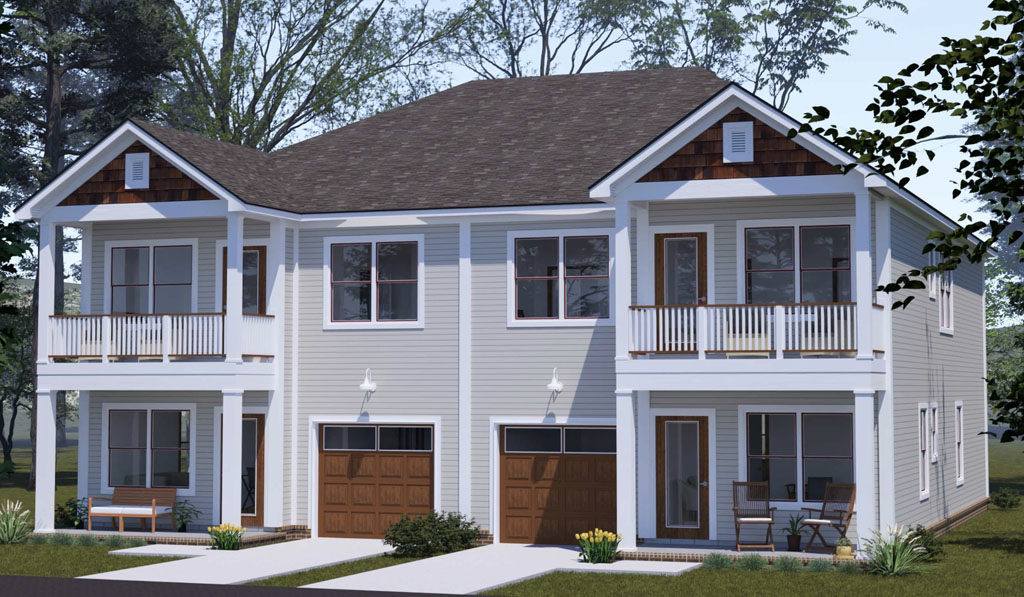
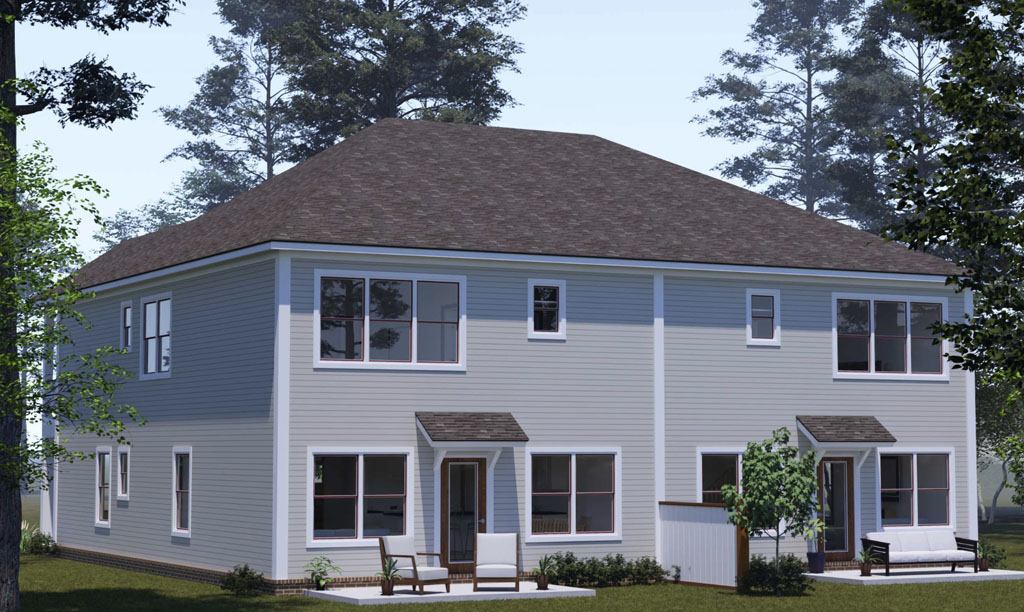
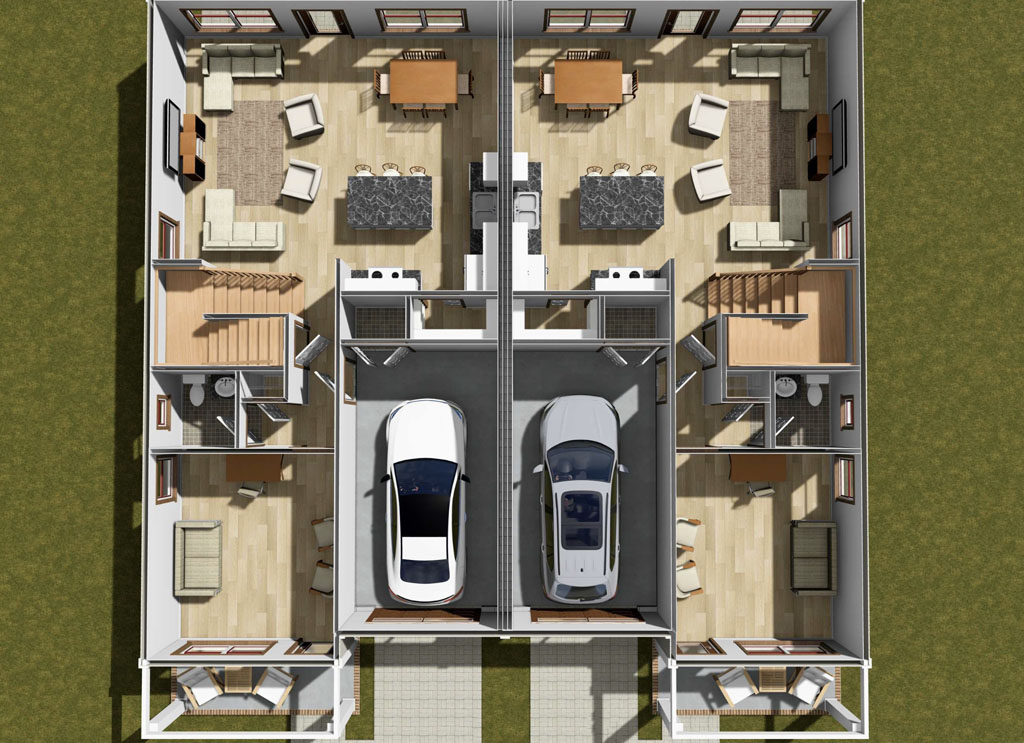
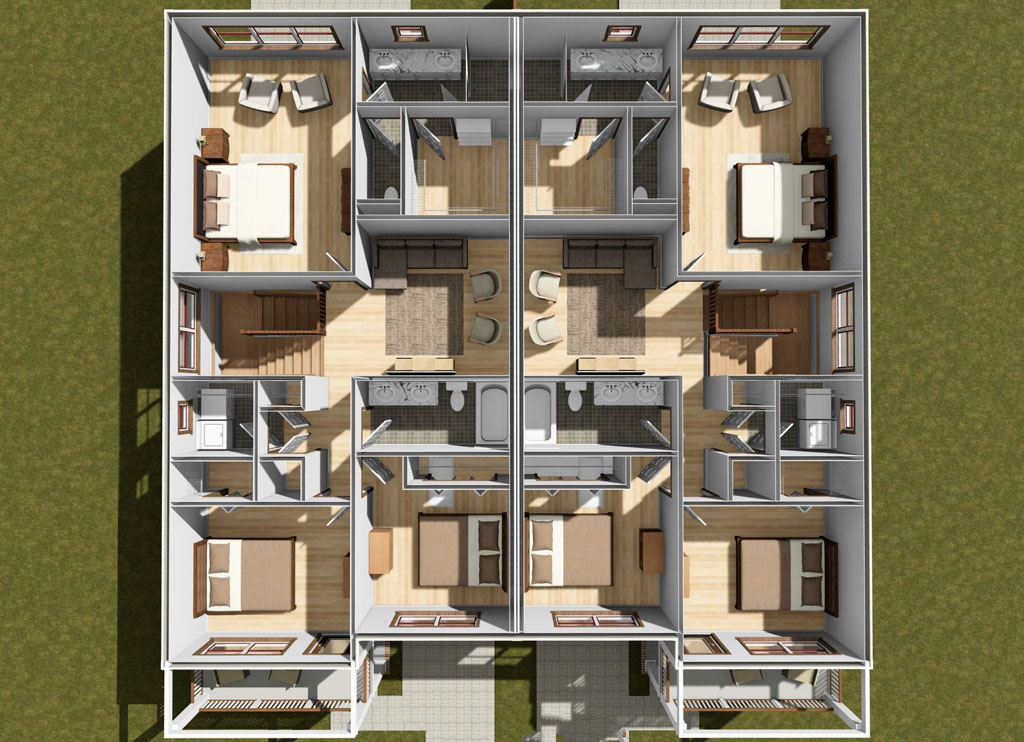
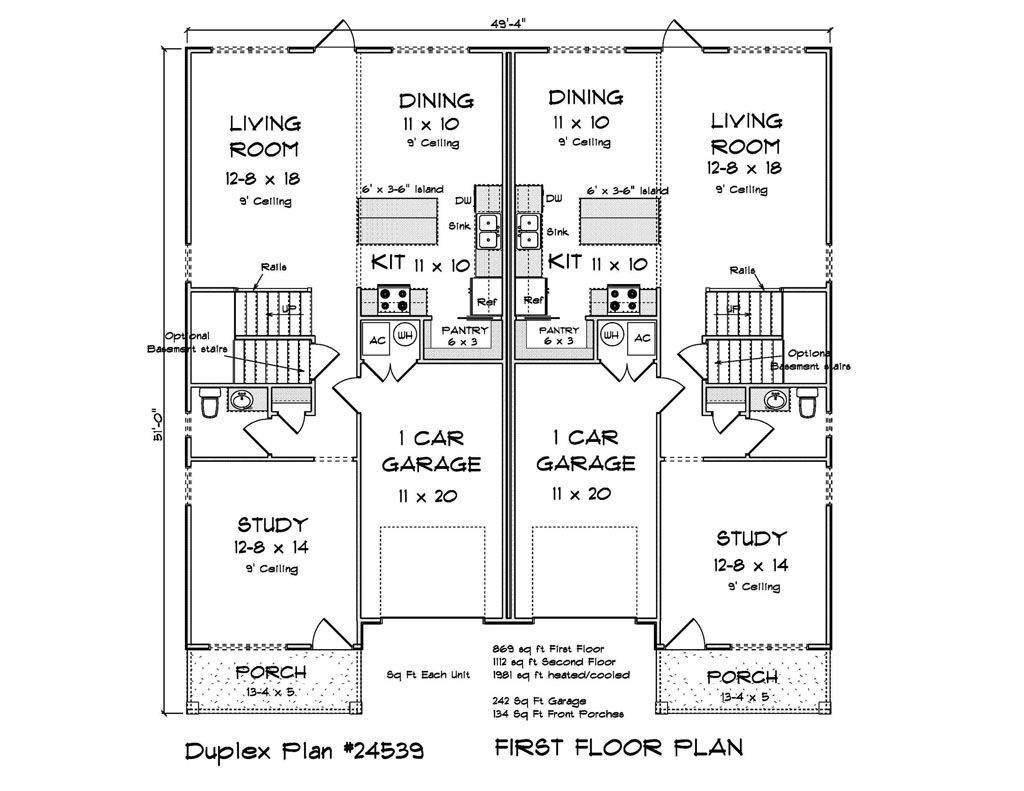
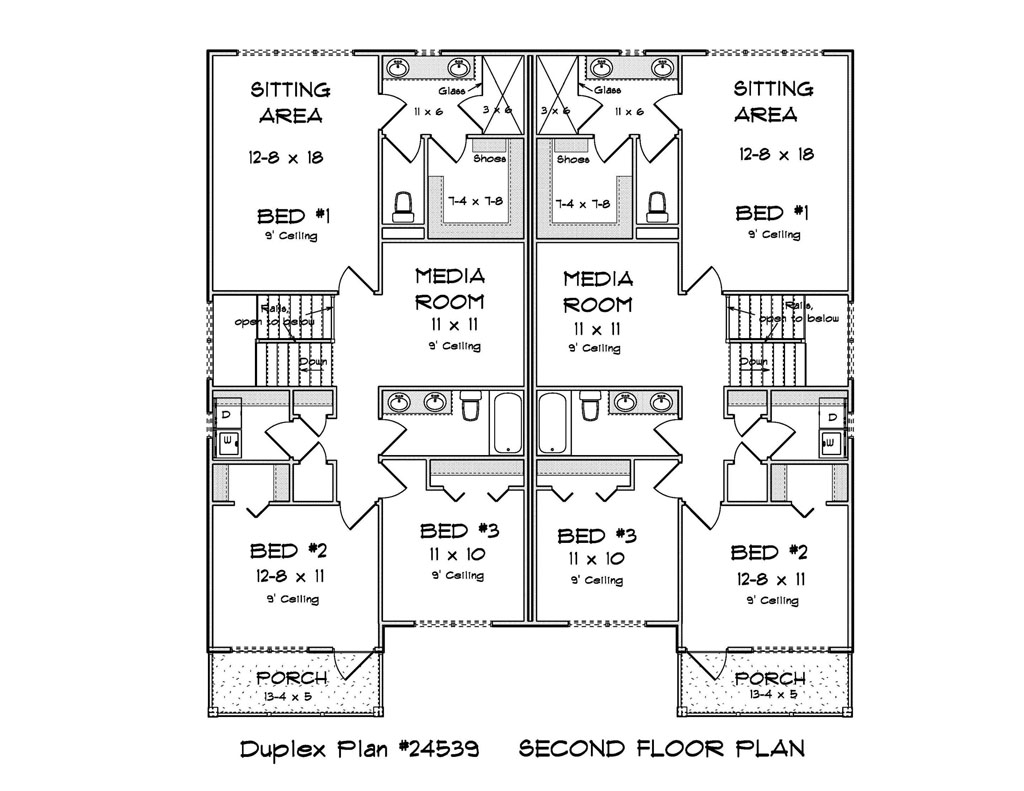
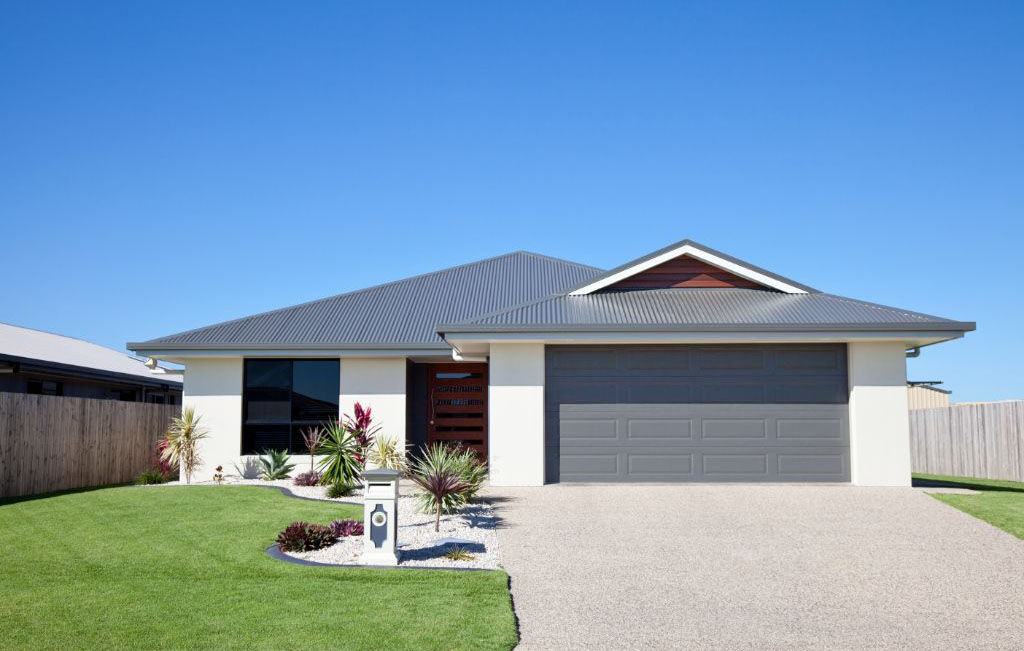
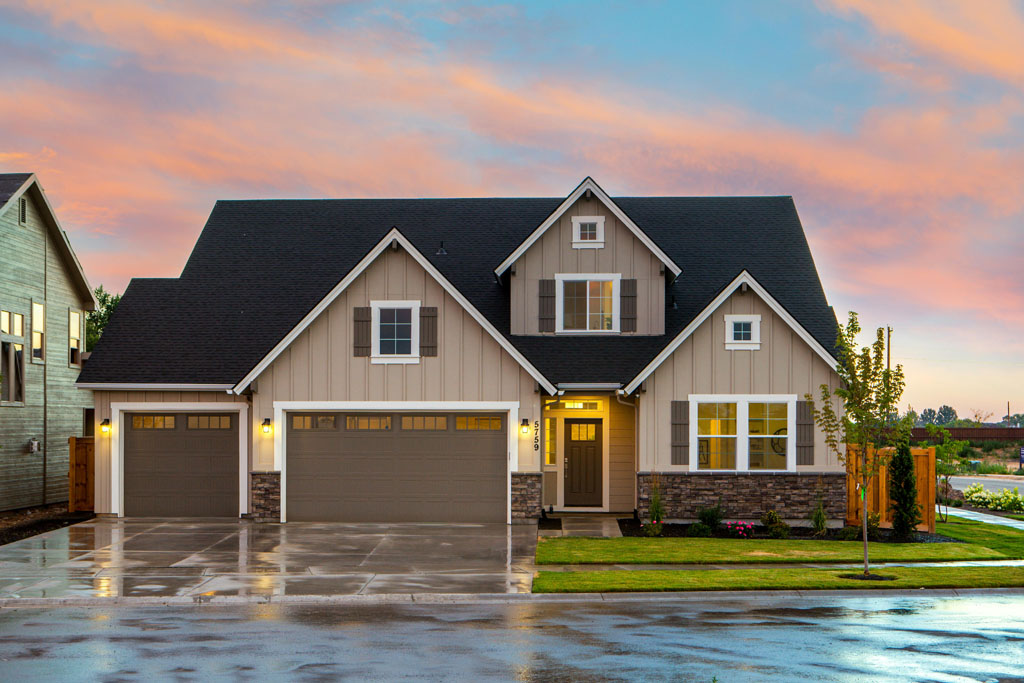
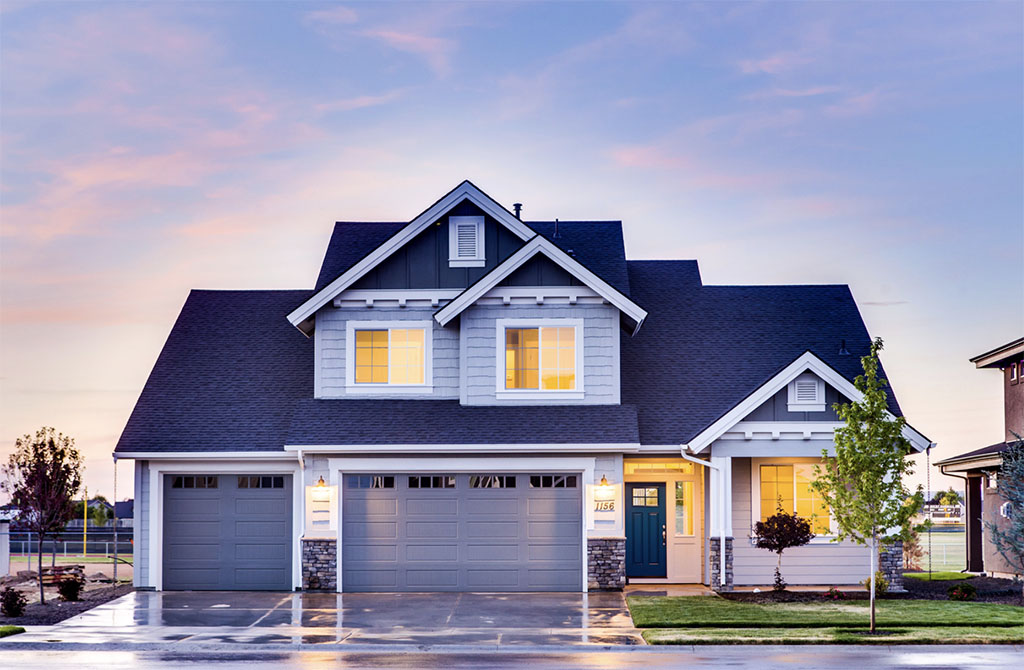
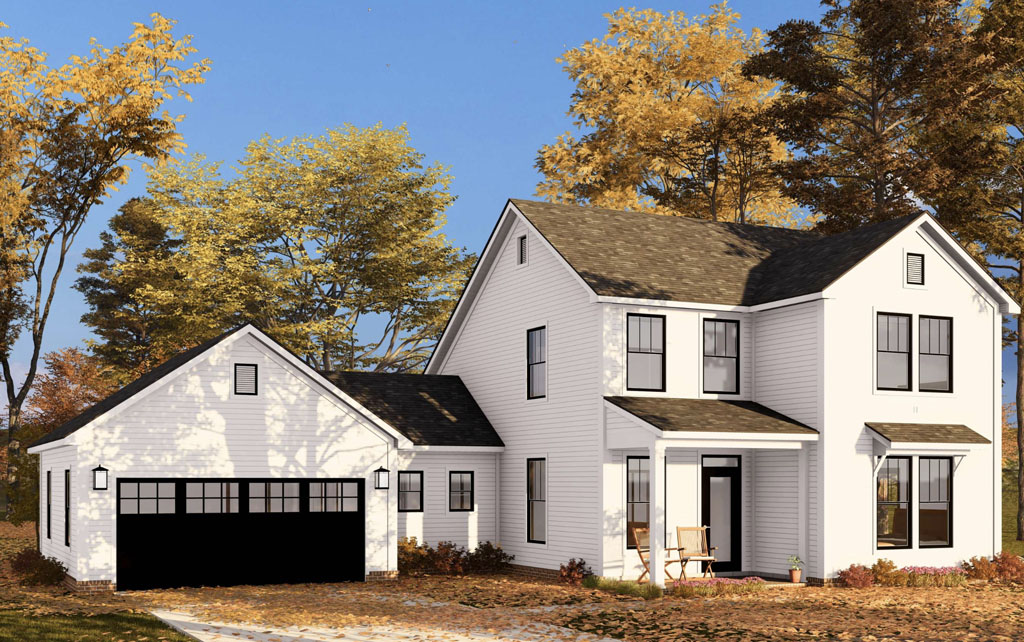
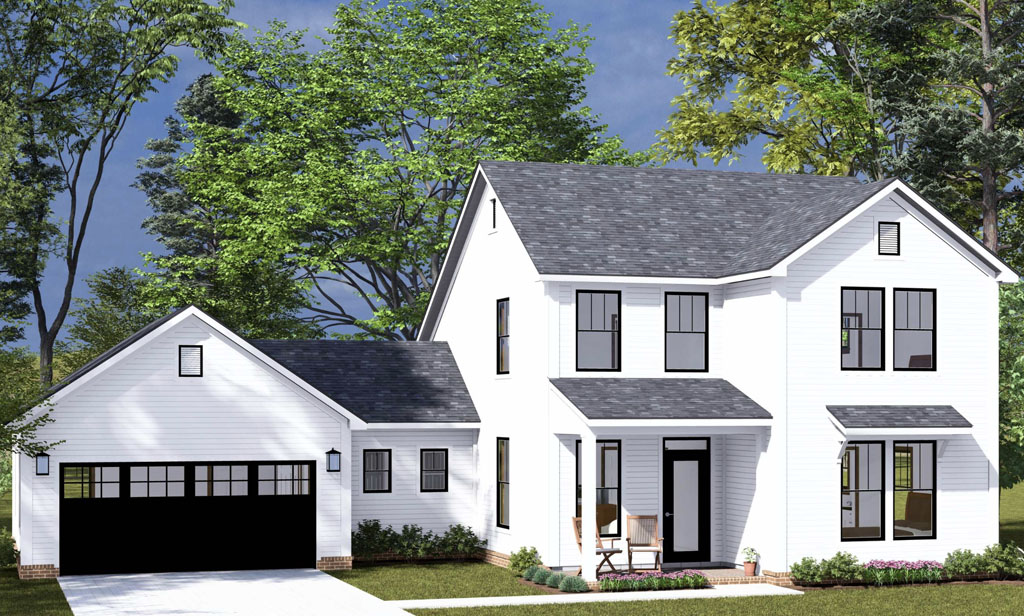
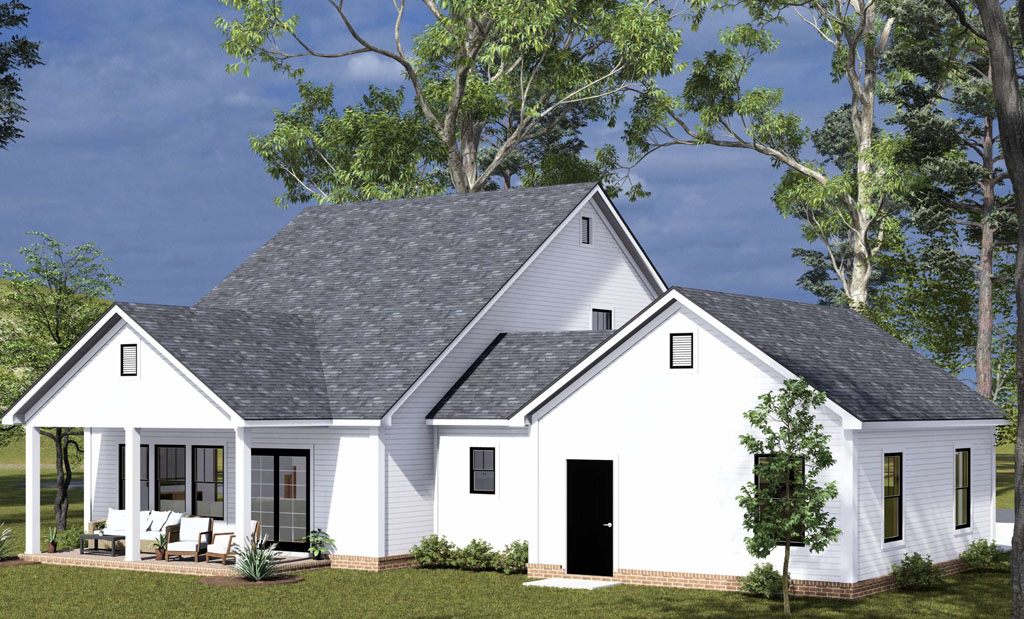
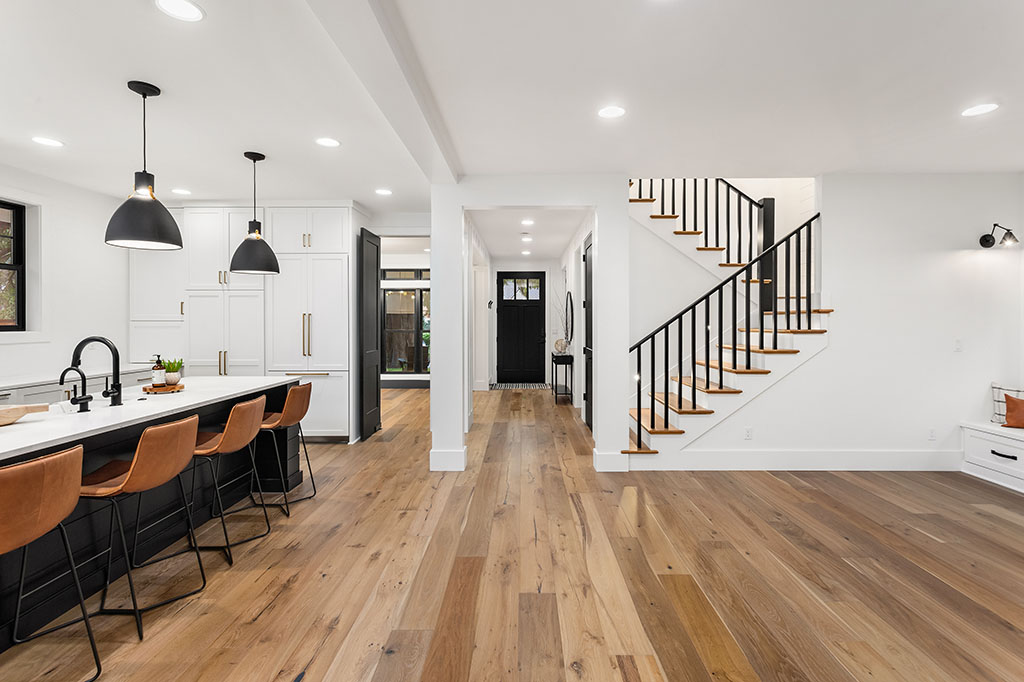
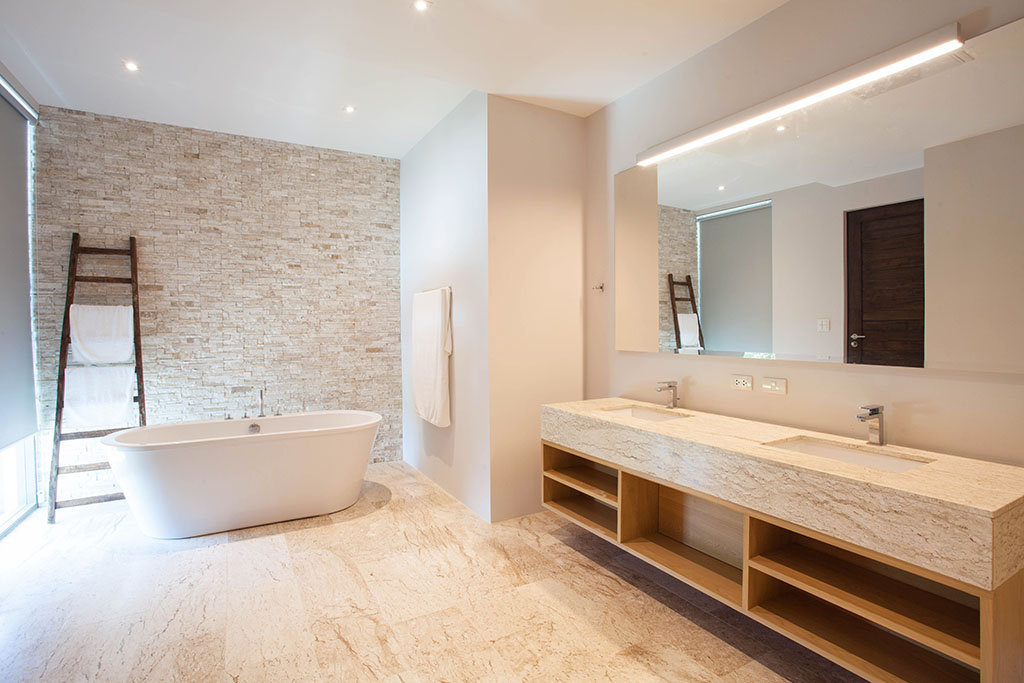
As demand grows for smart, space-efficient housing, duplexes are becoming a top choice for developers. But there’s one challenge that often comes up, curb appeal. Traditional duplexes can sometimes stand out in ways that don’t blend well with nearby single-family homes. That’s where thoughtful design makes all the difference.
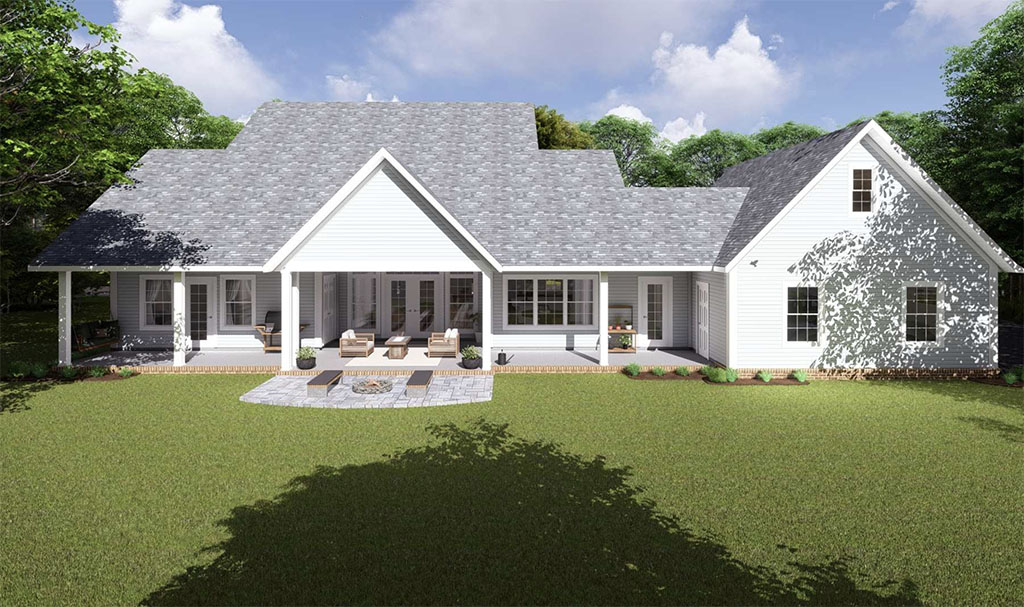
At W.L. Martin Home Designs, we’ve seen increasing interest in duplex plans that offer two units under one roof while still presenting the appearance of a single-family home. These types of plans are especially attractive in suburban neighborhoods, historic areas, and communities where architectural consistency is important.
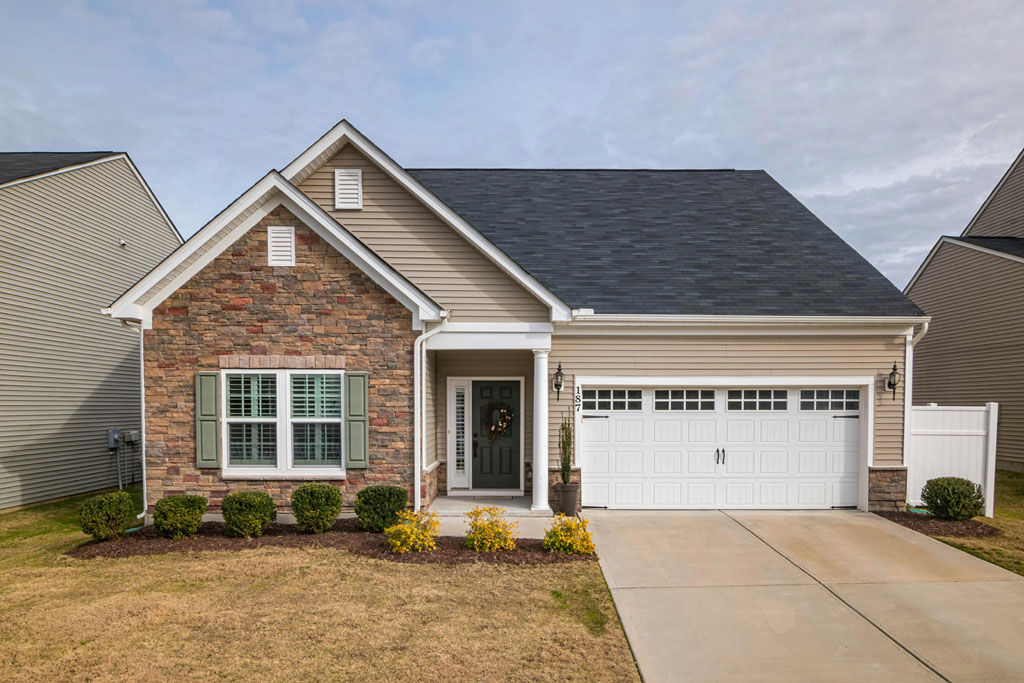
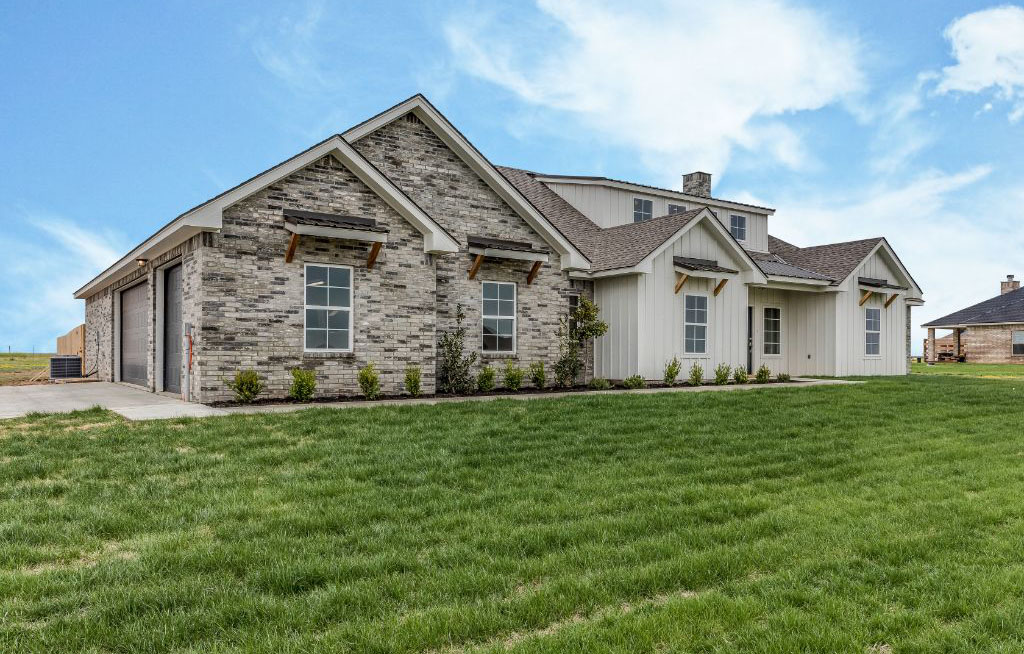
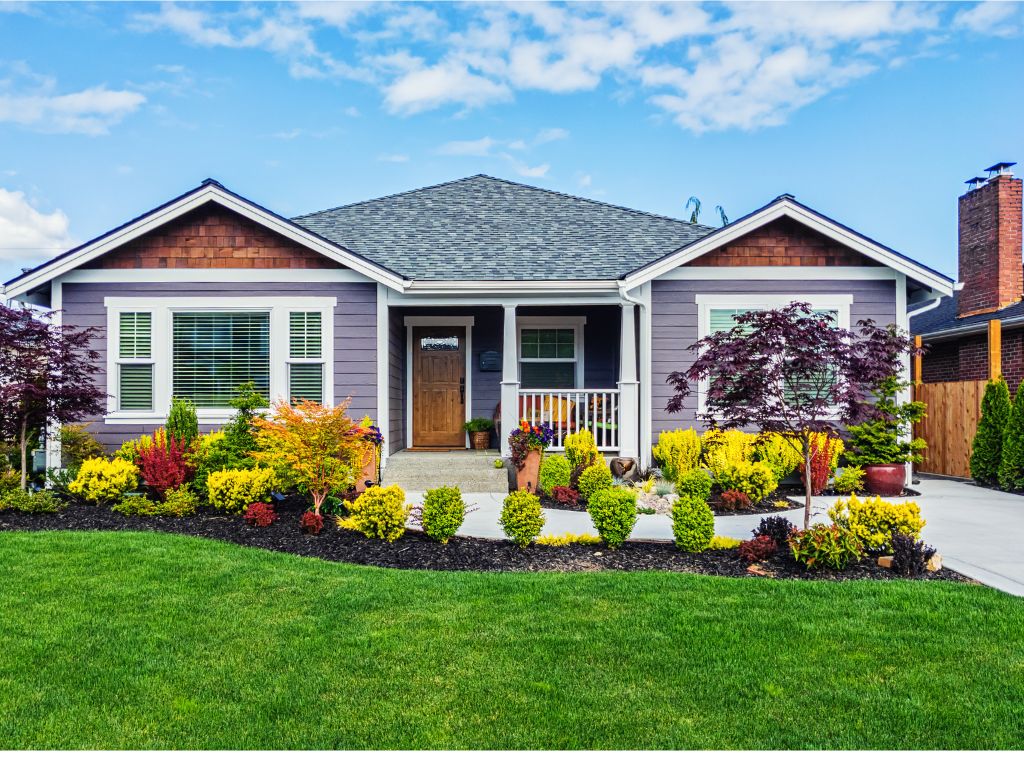
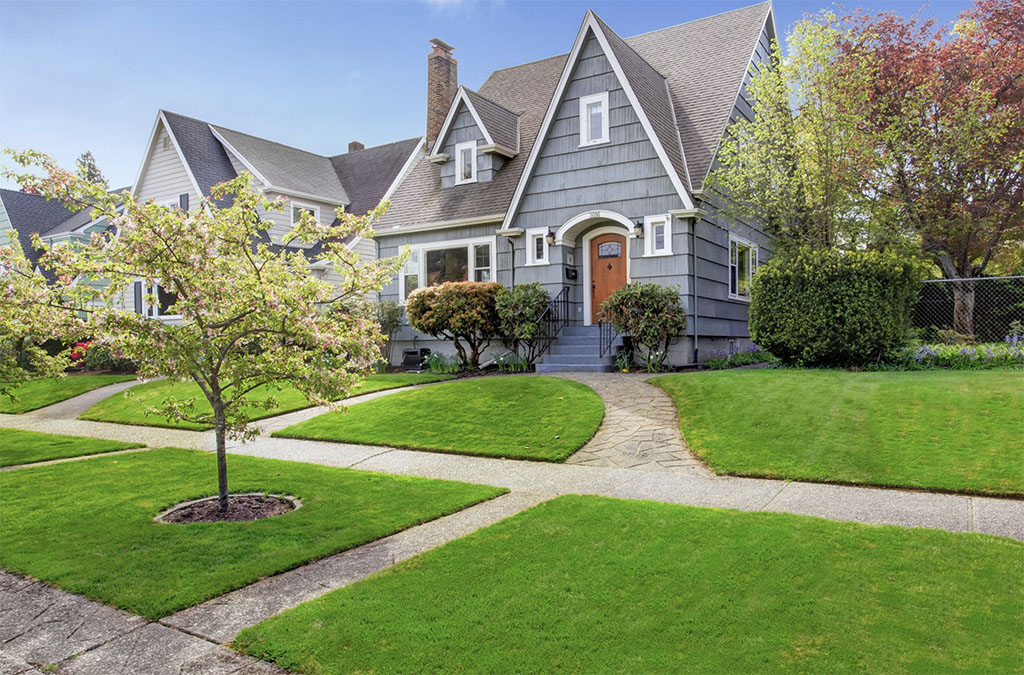
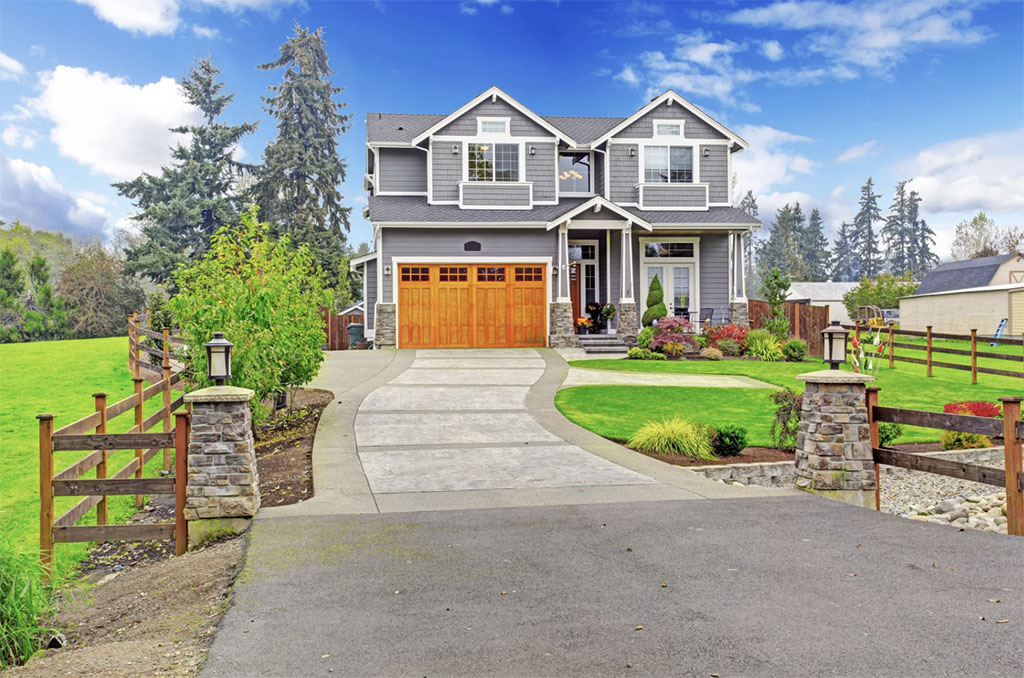
The key to designing a duplex that doesn’t look like a duplex comes down to layout and exterior design. Side-by-side entrances are a common giveaway, so many of our most popular plans feature staggered entries, shared porches, or one entrance that’s positioned discreetly on the side. Rooflines that flow naturally, evenly spaced windows, and consistent materials across the facade help maintain a cohesive, single-home look while still giving each unit its own identity.
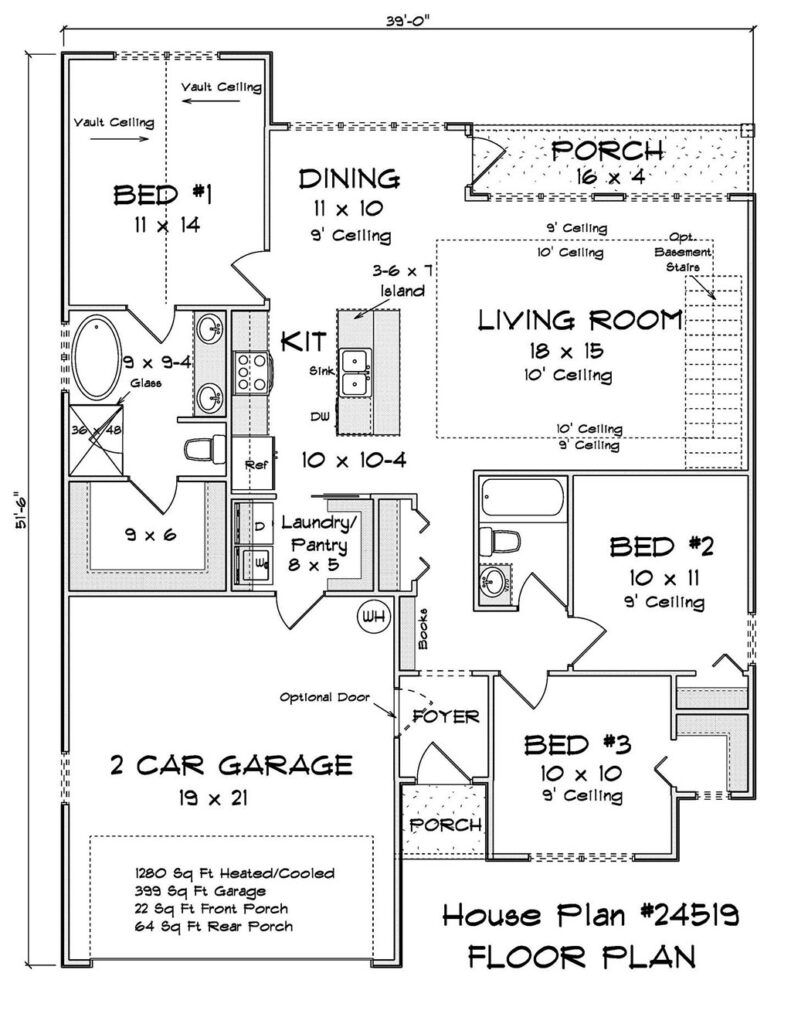
Interior design plays a role too. With smart use of shared walls and mirrored or flipped floor plans, each unit can feel private and well thought out. Even compact duplexes with less than 2,000 square feet total can feel surprisingly livable when every square foot is put to good use.
For developers, these kinds of duplexes offer a valuable balance. You get the efficiency and income potential of a multi-family property combined with the neighborhood-friendly appearance of a single-family home. This design approach can also help with faster approvals in areas that are more design-conscious or have restrictive zoning and HOA guidelines.
If you’ve ever driven through different parts of the country, you’ve probably noticed that homes in Florida look nothing like those in Colorado or Ohio. While trends and tastes play a part, the bigger story lies in how climate, geography, local materials, and building regulations shape the way homes are designed in each region.
At W.L. Martin Home Designs, we keep these regional factors in mind when creating house plans. Our collection is built to be versatile, offering flexible solutions for developers and builders no matter where in the U.S. you’re building.
Why Florida Homes Don’t Include Basements
In Florida and many coastal regions, basements are nearly nonexistent. This is largely because of the high water table. In many parts of the state, digging even a few feet down means hitting groundwater. That makes basements impractical and expensive due to the risk of flooding and the extra work required to waterproof them.
Instead, most homes in Florida are built on concrete slabs. This foundation type is efficient, cost-effective, and better suited to the moist, sandy soil. Florida homes also commonly feature stucco exteriors and concrete block construction for durability against humidity, termites, and frequent storms.
Why Brick Homes Are Popular in Texas
In Texas, brick homes are everywhere. This isn’t just a stylistic choice. Brick is abundant locally, making it a practical and affordable option for builders across the state. It’s also highly durable in Texas’ hot, dry climate, where it provides natural insulation and requires very little upkeep.
Many homes in Texas are designed with function in mind. You’ll often see single-story layouts with open floor plans to keep interiors cool. Rooflines are typically low and simple, which helps in areas where high winds can be a concern.
Midwestern Homes Prioritize Function Over Flash
The Midwest is known for practical, reliable home design. From Craftsman to ranch-style homes, most Midwestern architecture focuses on durability and year-round livability. Since the region experiences both hot summers and cold winters, homes are often built with energy efficiency and weather resistance in mind.
Basements are common in the Midwest. The frost line is deep enough that builders already have to dig down, so adding a basement makes sense and provides extra storage, storm protection, and living space. Roofs tend to be steeper to handle snow, and porches or mudrooms are popular additions that help homeowners manage the changing seasons.
Northern Homes Are Built for Cold and Snow
In northern states like Minnesota, Maine, and parts of the Northeast, homes are designed for long winters and heavy snowfall. Basements are not just an option; they’re often a necessity. They help insulate living areas from the cold and provide space for heating systems and other utilities that need protection from freezing temperatures.
These homes often have high-pitched roofs to prevent snow from accumulating. Materials are chosen for their insulation properties, and triple-pane windows are common to keep homes warm during bitterly cold months. Entryways frequently include enclosed porches or mudrooms to manage snow-covered gear and boots.
Homes in the Desert Southwest Have a Distinct Look
The Southwest, including states like Arizona and Nevada, features homes that are typically flat-roofed with a stucco or adobe exterior. These designs are heavily influenced by Spanish and Pueblo architecture but also suit the desert environment.
Flat roofs are more practical in dry climates where rainfall is minimal. Thick exterior walls provide insulation against extreme heat. Outdoor living is a priority here, so many homes include shaded patios or interior courtyards that offer relief from the sun while extending usable space.
Mountain Homes Are Built for the Elements
In places like Colorado or Utah, mountain homes are designed for elevation, snow, and rugged terrain. These homes typically use natural materials like stone and wood to blend into the surroundings, and they often have large windows to capture views of the landscape.
Builders need to consider factors like snow loads, insulation, and even the angle of sunlight at different times of year. Roofs are steep, mechanical systems are robust, and there’s a focus on energy efficiency and sustainability.
Local Building Codes Influence Design Choices
Beyond climate and materials, local building codes also shape home design. In California, for example, homes are often built with earthquake safety in mind, requiring special framing and foundation systems. Along the Atlantic and Gulf Coasts, hurricane codes influence everything from roof strapping to window strength. In the Midwest, tornado-prone areas may require reinforced safe rooms or basement shelters.
These regulations are crucial for safety but also influence how plans are drawn, what materials are used, and how builders approach construction in each region.
How W.L. Martin Home Designs Meets Regional Needs
At W.L. Martin Home Designs, we know that no two regions are alike. That’s why our home plans are designed with flexibility in mind. Whether you need a slab-on-grade foundation for the Southeast or a basement-ready blueprint for the North, our plans are ready to adapt.
We work with developers and builders across North America who face different climate, terrain, and code challenges in every market. Our plans range from efficient 400-square-foot homes to spacious 2,500-square-foot designs, and we’re always happy to help you modify a plan to better suit your project’s location.
From snowy cities to sun-drenched deserts, we’ve got the house plans that fit your build site and your buyer’s lifestyle. Browse our plan collections today and find your next design solution, wherever you’re building.
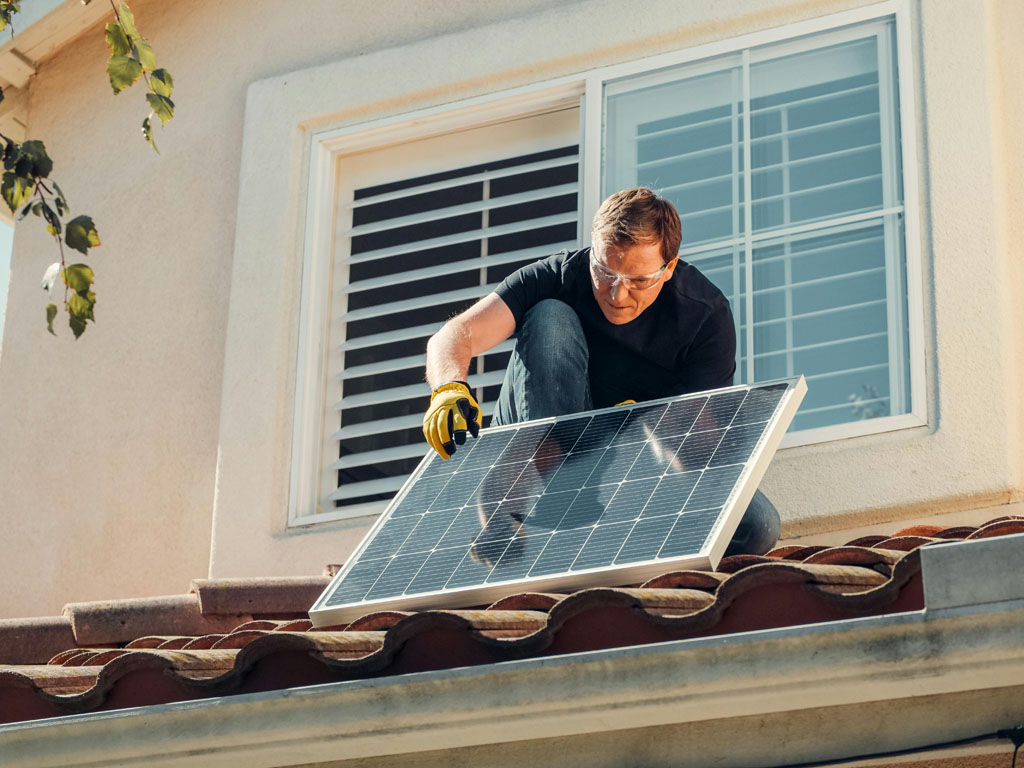
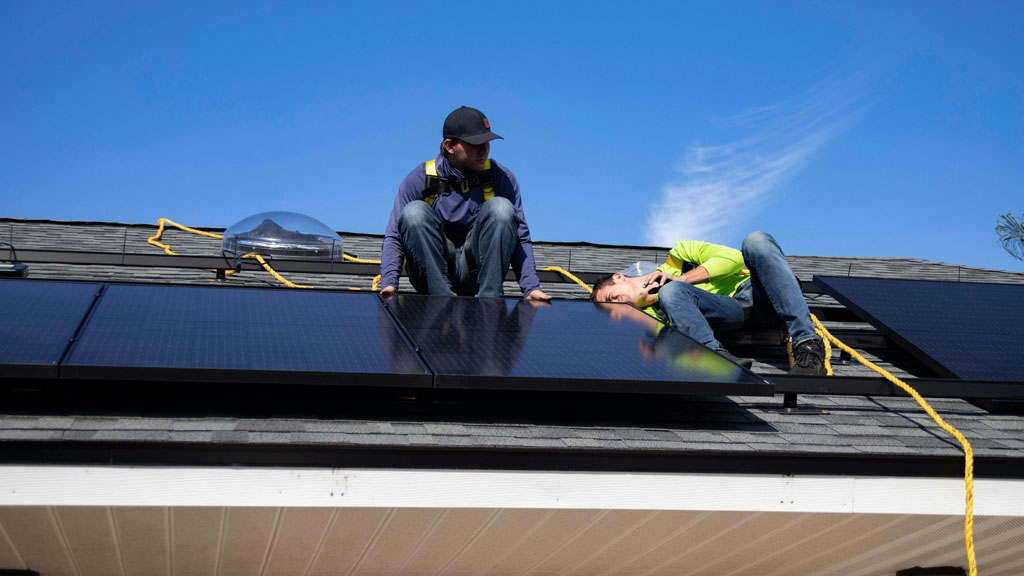
When you’re building a new home, especially one designed for today’s market of energy-conscious buyers, solar power is no longer a fringe option. It’s quickly becoming a standard feature. More homeowners and developers alike are looking for ways to reduce long-term energy costs, improve resale value, and meet rising demands for sustainable living. Fortunately, solar panel technology has made significant advances, and thoughtful roof design in modern house plans is making installation easier than ever.
At WL Martin Home Designs, we’re seeing increased interest in energy-ready home plans, especially among developers looking for future-proof features that make their homes more marketable. Integrating solar into new homes is not just smart, it’s strategic.
The Rise of Solar in New Construction
According to the U.S. Department of Energy, solar energy use in residential construction continues to grow steadily. As of 2024, over 4 million American homes have solar panels installed, with projections aiming for 13 percent of U.S. homes powered by solar by 2030. This rise is driven by improved technology, lower panel costs, and more aggressive tax incentives.
The Solar Energy Industries Association (SEIA) reported that the average cost of installing residential solar has dropped by more than 50 percent over the last decade. Coupled with federal tax credits and state-level incentives, the financial case for solar in new builds is stronger than ever.
How Roof Design Affects Solar Efficiency
Not all roofs are created equal when it comes to solar readiness. One of the biggest challenges for retrofitting older homes with solar panels is roof angle, shading, and insufficient structural support. But new construction homes, especially those under 2,500 square feet, can be designed from the start with solar in mind.
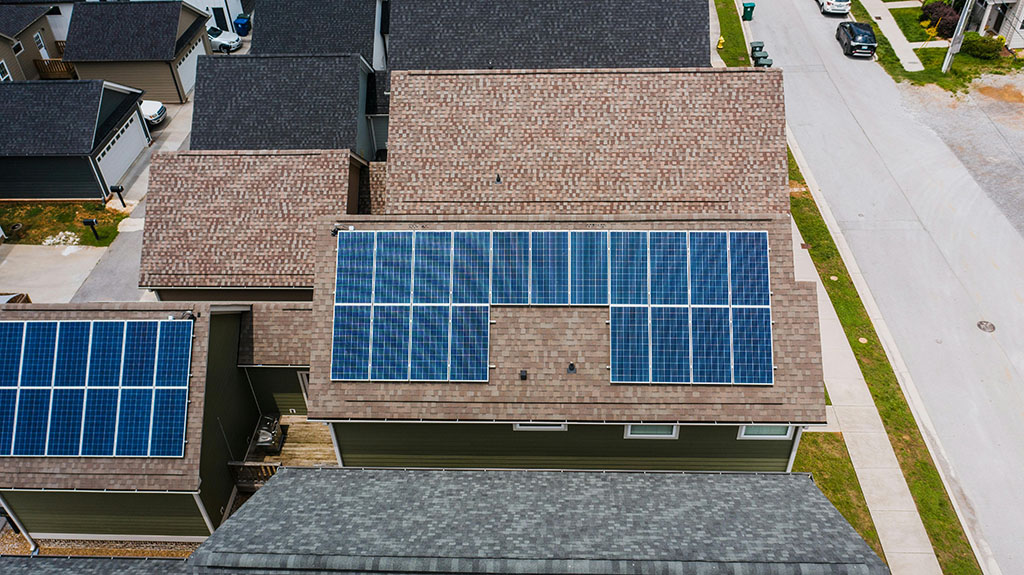
Many of our house plans here at WL Martin include features that naturally support solar integration such as south-facing rooflines to maximize sun exposure throughout the day, simple gable or shed rooflines that make installation easier, minimal roof obstructions for better panel layout, and steeper pitches that improve sun exposure and help with snow runoff in northern climates.
Developers choosing designs with these considerations can market homes as solar ready, which not only appeals to environmentally conscious buyers but also adds long-term resale value.
Financial Incentives and Solar Tax Credits in 2025
One of the most compelling reasons to integrate solar into new homes right now is the Federal Solar Investment Tax Credit. In 2025, homeowners who install solar can claim 30 percent of the installation cost as a federal tax credit, which can add up to thousands in savings.
Here’s a quick breakdown of the numbers:
Average installation cost: $20,000
30 percent tax credit: $6,000
Net cost after credit: $14,000
Many states also offer additional rebates, net metering, and performance-based incentives. Developers who build homes ready for solar can educate buyers on these savings, increasing appeal and shortening time on the market.
Benefits for Developers
For builders and developers, solar isn’t just about sustainability, it’s a smart sales tool. Energy-efficient, solar-ready homes often sell faster and for higher prices. In some areas, like California, new homes are now required to include solar panels by code. Offering solar-ready homes also positions developers as forward-thinking and eco-conscious, which resonates with younger and tech-savvy buyers. And when solar is added across multiple homes in a development, bulk purchasing and streamlined installation can bring down costs even more.
A Design-First Approach
One of the best strategies is to plan for solar during the design phase. Whether you’re building a cozy 800 square foot cottage or a compact 2,400 square foot family home, our team at WL Martin Home Designs can help incorporate rooflines and orientations that simplify future solar installations.
We offer a growing selection of solar-compatible house plans, with clean roof geometry, optimal roof pitch, and minimal obstructions that make life easier for solar installers and more attractive to buyers.
Final Thoughts
As solar panel technology continues to evolve and the demand for energy-efficient homes grows, developers have a prime opportunity to stay ahead of the curve. By selecting smart, solar-ready house plans from the beginning, you’re setting the foundation for long-term value both for your business and for future homeowners.
Want to explore plans that are solar-compatible? Browse our house plans at wlmartinhomes.com or reach out to our team. We’re here to help you design for tomorrow.
As homebuyers become more conscious about how their homes function day to day, developers are paying closer attention to efficient design and smart use of space. It’s not just about square footage anymore. It’s about how well a home supports everyday life—whether that’s through lower utility bills, multi-functional layouts, or features that make a home feel more modern and connected.
Efficiency has become a driving factor in home design. From energy use to space planning, homeowners want houses that work harder without costing more. For builders, that means starting with smart, streamlined floor plans that eliminate wasted space and prioritize natural light, airflow, and practical room layouts. In homes under 2,000 square feet, these decisions make a noticeable difference.
Smaller homes, when well-designed, can actually feel more spacious than larger ones with inefficient layouts. Open-concept kitchens and living areas, well-placed windows, and simple shapes all help create a home that’s easier to build, more affordable to maintain, and just more comfortable to live in. At W.L. Martin Home Designs, many of our most popular plans are under 1,800 square feet and are built around these principles.
Modern design also goes hand in hand with smart living. That doesn’t just mean having the latest tech gadgets—it means creating homes that support how people live today. Dedicated spaces for remote work, built-in storage that keeps clutter out of sight, and layouts that balance open living with quiet, private spaces are all part of the conversation. Even small features like mudroom benches, walk-in pantries, or laundry areas tucked behind sliding barn doors can enhance the overall experience of a home.
For energy efficiency, thoughtful orientation and window placement are key. Homes designed to take advantage of natural light reduce the need for artificial lighting, and windows placed to promote airflow can lower cooling costs during warmer months. Many of our plans are designed with these principles in mind and can be adapted to different regional needs or personal preferences.
Developers are also thinking more about future-ready features. While some homebuyers are interested in solar panel compatibility or electric vehicle charging readiness, others simply want homes that are well insulated, equipped with energy-efficient HVAC systems, and built with quality materials that perform over time. These kinds of choices don’t always have to break the budget, especially when they’re built into the plan from the beginning.
The best home designs today are those that quietly work in the background to make life easier. They’re not just stylish—they’re smart. They help homeowners stay organized, keep energy costs low, and enjoy the spaces they spend the most time in. That’s why at W.L. Martin Home Designs, we prioritize function just as much as form. Our plans blend modern aesthetics with practical features, so builders can deliver homes that meet the expectations of today’s buyers.
If you’re developing new homes and looking for designs that are flexible, efficient, and aligned with modern living, we invite you to explore our collection. From compact starter homes to mid-sized family houses, we offer plans that help you build smarter without sacrificing style or comfort.
Smart design isn’t just a trend—it’s the new standard. Let’s build something better, together.
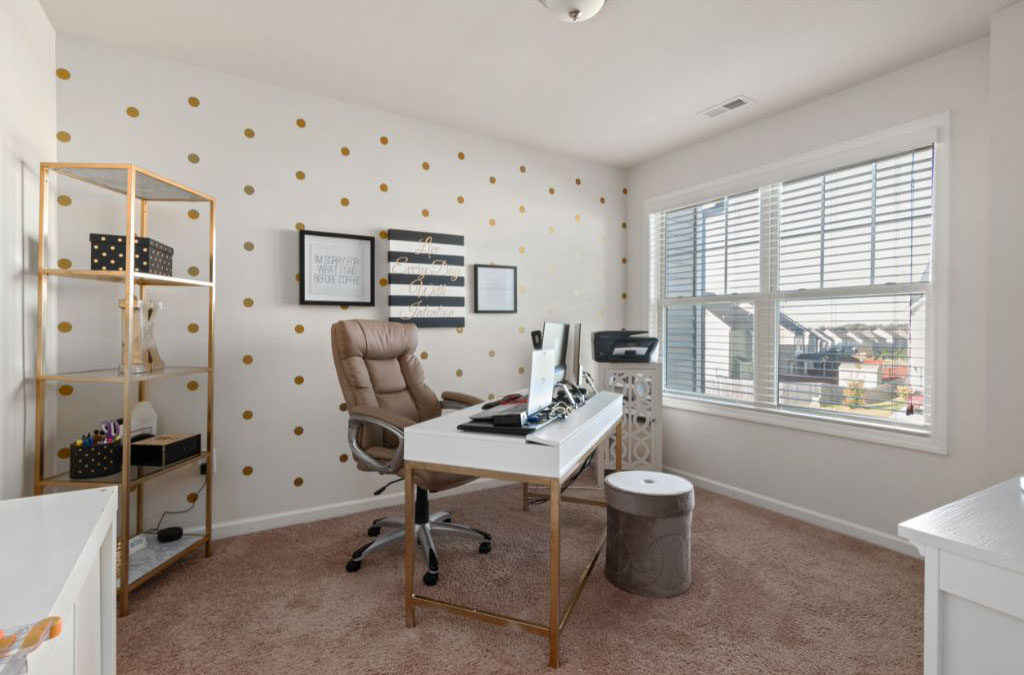
The way we live and work has shifted permanently over the last few years, and the housing market is still catching up. One of the biggest design priorities in 2025 isn’t an oversized kitchen or a luxurious primary suite—it’s a quiet, functional space for getting work done. Whether it’s full-time remote work, hybrid office hours, or simply a place to handle everyday tasks, home offices have gone from a bonus feature to a necessity. For developers, that change is creating new demand for house plans that prioritize smart, flexible workspace design, even in homes with smaller footprints.
While the initial wave of remote work during the pandemic sparked a temporary trend in home office furniture and Zoom backgrounds, today’s buyers are looking for something more intentional. They’re seeking homes where the work-from-home experience feels integrated, not improvised. This means a dedicated room, a tucked-away nook, or a flex space that doesn’t feel like an afterthought. In homes under 2,000 square feet, that kind of thoughtful design becomes even more valuable.
What’s especially interesting is that this shift isn’t limited to larger, custom homes. In fact, many of the buyers fueling today’s real estate market—Millennials, Gen Z professionals, and even downsizing Baby Boomers—are more interested in efficient layouts that do more with less. They don’t necessarily want more square footage, but they do want every square foot to serve a purpose. As a result, developers are actively seeking house plans that use space creatively, like designs that include pocket offices, built-in desk areas off the hallway, or flex rooms that can transition between an office, a guest room, or a hobby space.
At W.L. Martin Home Designs, we’ve seen growing interest in plans that include these kinds of flexible layouts. Even among our smaller plans, many feature a den, study, or bonus space that can easily be adapted for remote work. Some developers are also requesting small adjustments to existing plans, such as adding French doors to a front-facing room or reworking closet space to accommodate built-in shelving and work surfaces. These little tweaks can make a big difference when marketing a home to buyers who work from home even a few days a week.
From a builder’s perspective, offering homes with a designated workspace adds a level of appeal without significantly increasing construction costs. It also helps differentiate your product in competitive markets where many buyers are still focused on lifestyle and functionality. A quiet workspace with natural light and a bit of separation from the main living area can be just the detail that helps close the deal.
As buyer expectations evolve, developers who pay attention to how people live and work will be best positioned to meet demand. And in 2025, that means planning for remote work—not as a passing trend, but as a core part of the home design itself.
If you’re looking for house plans that prioritize both smart square footage and the needs of today’s remote and hybrid workers, W.L. Martin Home Designs has you covered. Explore our collection of customizable plans or reach out for help finding the right fit for your next build.
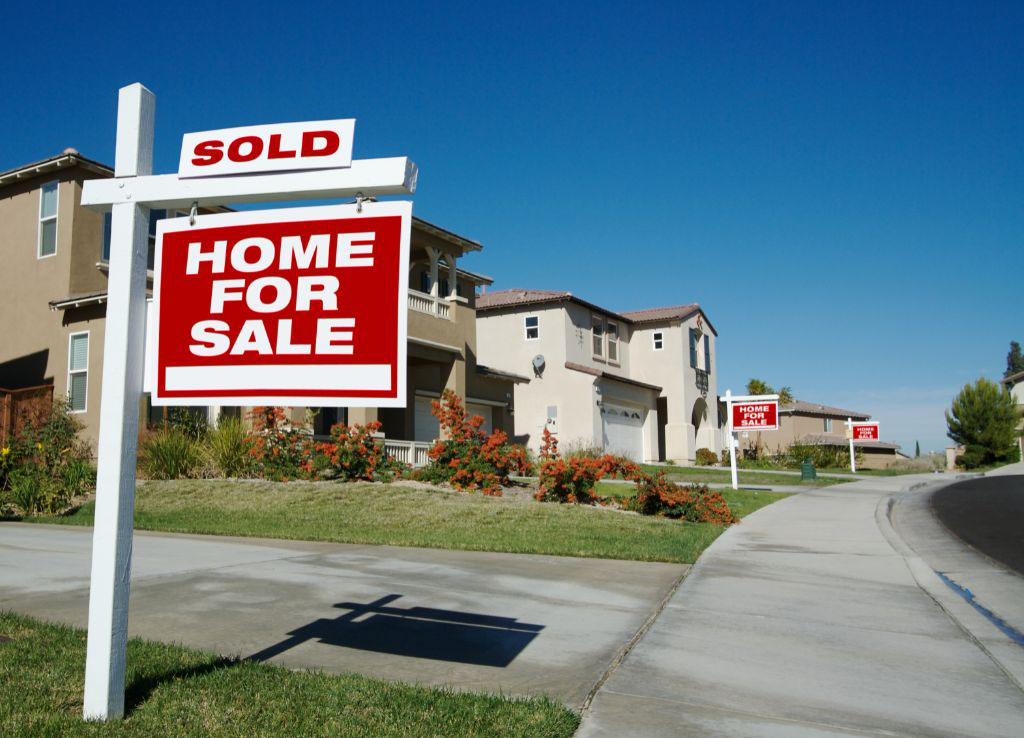
Across North America, the housing crisis continues to dominate headlines, and industry voices like Barbara Corcoran are calling attention to what many developers already know: the real problem isn’t just affordability, it’s supply. There simply aren’t enough homes being built to meet demand. For builders and developers, this challenge presents an opportunity. Scalable, efficient house plans can play a critical role in addressing the gap between what’s needed and what’s currently available.
According to the National Association of Realtors, the U.S. faces a shortage of 5.5 million housing units. Canada, too, is dealing with a supply crunch, with the Canada Mortgage and Housing Corporation estimating the country needs 3.5 million more homes by 2030 to restore affordability. While zoning, labor shortages, and material costs all factor into the slowdown, one of the most immediate ways to speed up development is by using pre-designed, permit-ready house plans that are designed for flexibility and efficiency.
That’s where scalable house plans come in. These are plans that can be used across multiple lots, in various layouts, and with customizable options to meet different municipal codes and buyer needs. For developers building anywhere from a handful of homes to entire neighborhoods, scalability helps control costs, reduce construction timelines, and ensure consistency across builds. Just as important, these plans can be tailored with subtle design variations—rooflines, porch styles, material finishes—to avoid repetition and create curb appeal, even when the base layout remains the same.
Smaller floor plans are seeing a resurgence in demand as buyers look for practical, lower-cost entry points into homeownership. Infill lots and secondary housing initiatives are being embraced by many cities, opening new opportunities for compact homes under 1,200 square feet. These types of homes not only take less time to build, they also align with energy-efficiency goals and long-term affordability. For developers, using high-quality small home plans can mean faster turnarounds and a better response to local demand.
Another advantage to using pre-designed scalable plans is speed to market. With housing shortages pressing, developers don’t always have time for lengthy custom design phases. Working with a plan provider who offers ready-to-build options, along with customization support where needed, means projects can break ground faster. That’s not just good for business—it’s also good for communities that are eager to see more housing options come online.
Solving the housing crisis isn’t something one developer or one strategy can achieve alone. But scalable, thoughtful design is one part of the puzzle. When builders can move quickly and efficiently using proven plans, it brings us all one step closer to narrowing the gap between supply and demand.
As Barbara Corcoran said, “You can’t sell what you don’t have.” For developers, having the right plans in place is the first step toward building what’s needed.
When it comes to choosing house plans for a new build or a development, most people think about size, style, and budget. But one of the most important qualities of a great home design is something that’s often overlooked. Versatility. A well-designed home should work just as well on a wooded lot in North Carolina as it does in a Texas suburb or a coastal town in Oregon.
Developers especially benefit from choosing house plans that can be adapted easily across different markets. And for buyers building a home from scratch, it pays to start with a plan that offers flexibility no matter where you live or how your needs evolve.
At W.L. Martin Home Designs, regional adaptability is something we build into every plan.
One Plan, Many Possibilities
A great floor plan is more than a set of rooms arranged on paper. It’s a carefully crafted guide for how a home will live, feel, and function. While design styles may vary from region to region, the core principles of livability are universal.
In fact, according to the National Association of Home Builders, 85 percent of new single-family homes in the U.S. are being built with open floor plans that combine kitchen, dining, and living spaces. That trend isn’t just popular in one state or city. It works across climates and buyer demographics because it reflects how people actually want to live.
When a home is designed with flexibility in mind, builders can make small regional adjustments without sacrificing the integrity of the plan. For example, a covered front porch can be deepened for hot Southern climates to create more shade. A plan with an attached garage can be flipped to fit narrow urban lots. Or additional insulation can be added in colder zones to meet local energy codes.
Key Features That Travel Well
There are several features that consistently perform well across different parts of the country. These are the details that make a house feel smart, functional, and timeless regardless of setting or square footage.
Open-concept living areas continue to dominate buyer preferences. A report from Realtor.com found that listings with open kitchens and living spaces consistently receive more views and sell faster, especially among millennial buyers.
Primary suites on the main floor are another widely appreciated feature. They’re ideal for aging in place, which is increasingly important as more than 25 percent of U.S. homeowners are now aged 60 or older, according to Census Bureau data. At the same time, younger buyers see main-floor suites as a way to future-proof their homes.
Outdoor living spaces are also key, but they look different depending on the region. In the South, a screened porch or wide veranda might be most appealing. In colder climates, a smaller deck with southern sun exposure might add more value. What matters is that the space is designed to connect with the indoors and support how people use their homes every day.
Why Regional Adaptability Matters to Developers
For developers building in multiple locations or looking to standardize a group of homes, plans that work in a variety of environments can streamline construction and improve return on investment.
Plans that require minimal customization reduce design costs, speed up permitting, and help builders stick to timelines. It also gives developers the ability to reuse successful plans with confidence, knowing that buyers in different cities or states will respond positively.
Homes that can be adjusted for local building codes, energy efficiency requirements, or lot orientation are a huge win for developers looking to maximize flexibility without compromising quality.
Finding Plans That Do More
When you’re searching for house plans, it’s easy to get caught up in the visual style. Craftsman, farmhouse, modern, or traditional. But what makes a plan really valuable over time is its adaptability. A good plan should be able to flex with your lot, climate, and lifestyle.
At W.L. Martin Home Designs, our plans are created with that in mind. We work with developers and individual homebuilders across North America, and we’ve learned what makes a house work in different regions and markets. Many of our plans are designed with subtle options built in, like alternate layouts, bonus rooms, or customizable porch features, so they can fit seamlessly into a variety of settings.
Choosing a house plan that works beyond just your zip code is a smart move. It makes the build easier, the resale stronger, and the living experience more enjoyable, wherever the home may be.
Explore our house plans today and find a design that doesn’t just look good in renderings, but works beautifully in real life, from coast to coast.
When people start shopping for a new home or browsing house plans, they usually have a list in mind. They want three bedrooms, two bathrooms, maybe a home office or an open kitchen. But what’s interesting is how often buyers fall in love with a home not because it checks all the expected boxes, but because of the little things they didn’t even realize they wanted.
The best home designs offer something extra. These are the details that surprise buyers in the best way possible. They’re not always obvious on a checklist, but they make everyday life easier, more comfortable, or simply more enjoyable. For developers, including these kinds of features can help a home stand out and sell faster. For homebuyers, it can be the difference between a house that works and a house that truly feels like home.
The Unexpected Favorites in Great Floor Plans
Here are some of the most loved features that people don’t usually ask for but instantly appreciate when they find them built into a plan.
Laundry room access through the primary closet It sounds simple, but it changes the game. Connecting the primary suite closet directly to the laundry room cuts out a lot of unnecessary steps. It’s a detail that makes everyday chores easier and helps the home flow better overall. Once buyers see it, it’s hard to go back to dragging baskets down the hall.
Drop zones and mudrooms near the garage People rarely say they want a mudroom, but they’re thrilled when they see one. A small space to kick off shoes, store bags, or drop keys right by the garage or side entry is a major upgrade in livability. Especially in family homes or builds in areas with wet or snowy weather, it’s a feature that quietly improves day-to-day life.
A pocket office or tucked-away work nook Not every home needs a full-sized office. In fact, many buyers would rather have that square footage used elsewhere. But what really impresses people is a small, smartly placed workspace. A nook near the kitchen, a built-in desk by a window, or a pocket office with a sliding door often checks the box for productivity without requiring an extra room.
Split bedroom layouts for privacy Families with older kids, roommates, or multigenerational households appreciate split-bedroom floor plans more than they realize. Having the primary suite on one side of the house and secondary bedrooms on the other gives everyone a little more space and privacy. It’s especially appreciated in homes under 2,000 square feet where smart separation really pays off.
Windows where they matter most A home can have plenty of windows and still feel dark. On the other hand, a home with thoughtful window placement feels bright and welcoming even if it’s modest in size. Transom windows in a hallway, a well-placed window in a stairwell, or extra glass in a kitchen corner can make a room feel more open. Buyers don’t always know how much they’ll love it until they walk through a plan that gets natural light just right.
Built-in storage that blends in Buyers are always happy to find walk-in closets and kitchen cabinets, but what really surprises them is clever, built-in storage in unexpected places. Think bench seating with hidden compartments in an entryway or linen cabinets tucked between bedrooms. These details add function without adding bulk, and they make the home feel more finished and polished.
Connection between indoor and outdoor living spaces A sliding door to the backyard is fine. A design that creates a real transition between the inside and outside is better. Covered patios, extended porches, or French doors that line up with the dining space all encourage buyers to imagine how they’ll actually use the backyard. Outdoor space that feels like a true extension of the home often seals the deal.
Details That Make a Lasting Impression
None of these features are flashy. They’re not always at the top of a buyer’s wish list. But when built into a thoughtful design, they create those moments of “oh, I love that” during a walk-through or plan review.
At W.L. Martin Home Designs, we pay close attention to these kinds of features. Many of our most popular plans include clever design elements that improve everyday living in subtle but meaningful ways. Whether you’re a homebuyer or a builder planning your next project, it’s worth looking for those unexpected details that turn a great house into a favorite home.
If you’re looking for house plans with real-life livability and surprising touches that buyers love, take a look through our plan collections. The next big feature you didn’t know you wanted might already be waiting.
Most people know that curb appeal matters. A fresh exterior, inviting entry, and clean landscaping can absolutely help a home sell faster. But curb appeal is just the beginning. When it comes to long-term value, the kind that helps a home age well in the market and stay desirable for years, what’s happening inside the walls is just as important.
Smart developers and homeowners understand that layout and livability carry just as much weight as square footage or finish materials. You don’t need a massive floor plan or luxury upgrades to get long-term return on investment. What matters most is how a home is designed to function day after day and how well it adapts as life changes.
Here are five often overlooked but critically important design elements that have a major impact on a home’s value over time.
Thoughtful Floor Plan Flow
A beautiful kitchen or bathroom might turn heads during a showing, but it’s the flow of the floor plan that really determines how a home feels to live in. Buyers may not always use the term “floor plan flow” but they can sense when a home makes sense spatially.
Poor layout decisions like a master bedroom right off the main living area or a dining room that’s too far from the kitchen can make even a nicely built home feel awkward. A good floor plan groups spaces logically, allows privacy where needed, and ensures that high-traffic zones like kitchens and hallways are accessible but not congested.
Designs with open-concept main areas balanced by quiet, more private bedroom wings tend to hold their appeal much longer. They also offer more flexibility for a wide range of buyers in different life stages.
Natural Light in the Right Places
It’s hard to overstate how much natural light affects how people feel in a home. It makes spaces feel larger, cleaner, and more inviting. But beyond aesthetics, homes with ample natural light tend to be more energy efficient and appealing across seasons.
Strategic window placement makes a big difference. For example, homes designed to capture morning light in the kitchen and main living spaces tend to feel warm and energizing throughout the day. South-facing windows offer year-round brightness, while high clerestory windows can bring in light without sacrificing privacy.
Homes that are designed with light in mind, not just window count, tend to show better, sell quicker, and offer better long-term comfort.
Future Proofed Layouts That Grow With the Owner
Buyers today are thinking long term. They want homes that work for them now and ten years from now. That means the ability to adapt as families grow, kids leave home, or aging in place becomes a consideration.
Floor plans that include flexible rooms like a study that could become a nursery or a bonus room that doubles as a guest suite are more desirable across buyer demographics. Designs that incorporate wider doorways, single-level living, or options for additional living quarters are also gaining popularity.
Developers who include future-proof elements in their plans appeal to buyers looking to stay in their homes longer and avoid costly remodels down the road.
Storage Where It Matters
Storage is one of those things that often goes unnoticed until it’s missing. While walk-in closets and large pantries are easy to spot, the most valuable storage features are the ones that solve everyday problems.
Well-placed linen closets, built-in mudroom cubbies, oversized laundry rooms, and additional attic or garage storage are highly functional upgrades that buyers rarely regret. These features help a home feel organized and livable long after the move-in date.
In a market where square footage is at a premium, the right storage in the right places adds real, lasting value.
Connected Indoor and Outdoor Living Spaces
Outdoor space used to be a bonus feature. Now it is a key part of how people want to live. Especially in homes under 2,500 square feet, the connection between indoors and outdoors can make a space feel larger and more flexible.
Designs that include covered patios, screen porches, or French doors that open onto backyard decks create seamless flow and support entertaining, relaxing, or even working from home. The more usable the outdoor space, the more it contributes to the perceived livability of the home.
Homes that are built with this connection in mind, not as an afterthought, are more likely to maintain buyer interest over time.
Long Term Value Starts with Smart Design
While cosmetic upgrades come and go, the real return on a home comes from how well it functions. Developers who prioritize livability, flow, and smart adaptability are offering more than just a house. They are creating homes that people can see themselves in for years to come.
At W.L. Martin Home Designs, our plans are created with these ideas at the core. Whether you are building your first home or designing your next development, choosing plans that prioritize long-term value gives your project a competitive edge and your buyers the kind of space they will want to stay in.
Explore our latest plans and see how thoughtful design can do more than just turn heads. It can make a home truly last.
Design trends come and go, but some features are more than just a passing fad. In 2025, homeowners and homebuyers are making it clear what they want in a house. These aren’t wild wish-list items either. They’re practical, livable features that make a big difference in daily life.
Whether you’re a developer planning your next neighborhood or a creative buyer searching for the perfect design, these are the must-haves that people are asking for. And the good news? Many of these features are already built into today’s most thoughtfully designed house plans.
Flexibility and Function Are Leading the Way
One of the biggest shifts in recent years is the demand for flexible spaces. People want homes that can grow with them and adapt to how they live now and how they might live five years from now. In response, home designs are becoming smarter, not bigger.
Here are the features topping the list for 2025
1. Dedicated home offices or flexible workspaces Remote and hybrid work is here to stay. Even buyers who don’t work from home full-time still want a space where they can take Zoom calls, manage schedules, or escape for a few quiet minutes. Dedicated home offices are highly requested, but even a smartly placed nook or flex room that can double as a workspace will get attention.
2. Walk-in pantries and smart kitchen layouts The kitchen is still the heart of the home, but now it has to be more organized and efficient than ever. Buyers are asking for large, walk-in pantries that can store everything from bulk groceries to small appliances. Open kitchen layouts with islands are still going strong, especially when they connect seamlessly to dining and living areas.
3. Mudrooms and drop zones Storage and organization are big priorities, and not just in the kitchen. People want places to stash shoes, bags, pet gear, and sports equipment without cluttering the main living space. Mudrooms and drop zones near the entryway are increasingly standard, even in smaller homes.
4. Outdoor living that feels like an extension of the indoors Covered patios, screened porches, and well-placed decks are no longer just nice extras. They’re must-haves. Today’s buyers want outdoor spaces they can actually use, whether it’s for entertaining, relaxing, or working outside on a nice day. Bonus points for outdoor kitchens or built-in seating.
Comfort, Efficiency, and a Touch of Luxury
Not every top feature is about function. Many buyers are also prioritizing comfort and small luxuries that enhance their day-to-day life. And while developers are still watching budgets, the right mix of upgrades can help homes sell faster and for more.
5. Spa-inspired bathrooms People want bathrooms that feel like retreats. That means bigger showers with benches, dual vanities, and freestanding tubs when space allows. Even in homes under 2,000 square feet, smart bathroom layouts are a top selling point.
6. Energy efficiency and eco-friendly features Today’s buyers are more tuned in than ever to how homes perform behind the walls. Things like energy-efficient windows, better insulation, solar-ready roofs, and smart thermostats are not just bonuses anymore. Builders who can offer plans designed with energy use in mind are ahead of the game.
7. Smart storage everywhere It’s not just about walk-in closets anymore. Buyers want extra storage wherever they can get it — under stairs, built into benches, or tucked between living spaces. Thoughtful built-in storage is one of the easiest ways to add perceived value without expanding the footprint.
How to Find Plans That Include These Features
The easiest way to make sure your next home or development includes what people want is to start with a plan that already considers these trends. Many home designs today, including those offered by firms like W.L. Martin Home Designs, are created with these exact priorities in mind.
Look for plans with open-concept living areas, integrated office or flex space, and outdoor living designed as part of the overall layout. Prioritize storage and consider how a plan uses space rather than how much square footage it includes. A well-designed 1,800 square foot home with the right features can feel more livable than a 2,400 square foot home with wasted space.
As preferences evolve, smart builders and buyers are looking beyond square footage and asking what a house does for the people living in it. That’s where thoughtful design makes all the difference.
If you’re searching for house plans that already check these boxes, take some time to browse collections that reflect current living trends. A little foresight now leads to happier homeowners and faster sales later.