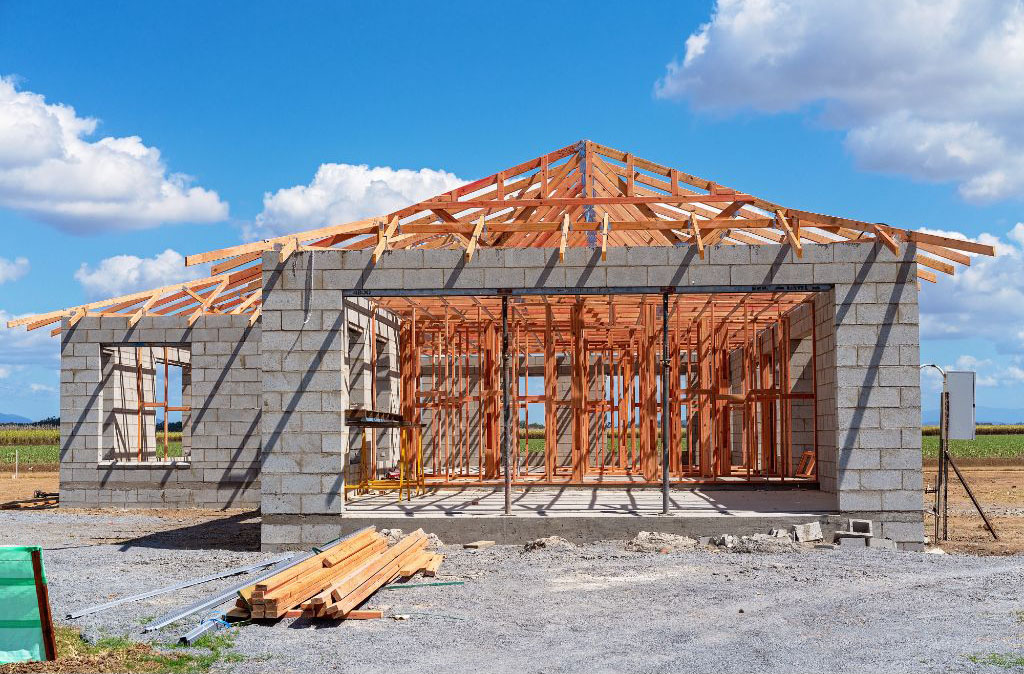
If you’re a residential developer working with small to mid-sized lots, you already know that every square foot matters. The right house plan can mean the difference between a quick sale and a slow-moving property. With lot prices still high in many parts of North America, especially in growing suburban and infill areas, choosing the best-fitting and best-performing plan has never been more important.
In this guide, we’ll walk through how to choose house plans that not only fit your lot size but also maximize your bottom line. We’ll look at smart design choices, buyer preferences, and real estate trends that drive profit — and we’ll back it up with data.
Lot Size and Zoning: Know What You’re Working With
Before you browse house plans, take a close look at your lot’s buildable footprint. Many jurisdictions have setback requirements, minimum green space percentages, and height limits that affect what you can build. Narrow-lot developments are especially common today in urban and suburban areas, with many lots falling between 25 and 50 feet wide.
According to a 2023 report by the National Association of Home Builders (NAHB), narrow lot homes (defined as under 50 feet wide) now make up approximately 28% of new single-family construction in metro areas. This is a growing trend, and it demands smart, space-efficient floor plans.
What Today’s Buyers Want (And What They’ll Pay For)
Developers who choose house plans that align with buyer preferences increase their chance of a fast sale and solid ROI. A recent Zillow Consumer Housing Trends Report found that 83% of home buyers value an open floor plan, while 72% prioritize energy-efficient features.
Here are a few design features that consistently perform well in homes under 2,500 square feet:
- Open concept kitchens and living rooms
- Dedicated laundry rooms
- At least 2 bathrooms, even in smaller homes
- Storage space that’s cleverly built in (think pantries, mudrooms, attic space)
- Flex rooms that can serve as home offices or guest spaces
And most importantly, curb appeal matters. A home’s exterior design directly affects perceived value. Developers should select house plans that include attractive elevations — especially craftsman, modern farmhouse, and transitional styles, which are highly popular with today’s buyers.
What Home Sizes Offer the Best ROI?
Bigger isn’t always better. According to the U.S. Census Bureau, the average size of newly completed single-family homes in 2023 was 2,411 square feet. That’s a slight drop from previous years, reflecting a shift toward more efficient homes that better align with affordability and market demand.
Homes between 1,600 and 2,400 square feet tend to offer the strongest return on investment. They strike a balance between construction efficiency and buyer appeal. Most importantly, this size range allows room for open layouts, three-bedroom configurations, and modern features—all without inflating build costs unnecessarily.
The majority of new homes completed in 2023 were between 1,800 and 2,999 square feet, reinforcing the importance of mid-sized homes for developers targeting the widest pool of buyers.
Customizing Plans Without Starting from Scratch
A common misconception among developers is that custom homes always mean custom blueprints. Not true. At W.L. Martin Home Designs, many developers use pre-designed house plans and work with our team to make smart customizations based on local building codes or market trends.
Customizing a stock plan is not only faster than starting from zero, it’s also far more cost-effective. Whether it’s adding a third bathroom, swapping a two-car garage for a one-car garage and storage area, or adjusting the roofline to comply with HOA standards, our plans are built to flex without losing integrity.
Case in Point: Mid-Sized Plans That Sell Fast
One of our developer clients in the Carolinas built a small community of single-story homes using a modified version of our Plan 1947. At just under 1,950 square feet, the plan included 3 bedrooms, 2 baths, and an open living-dining-kitchen space that made the home feel much larger than its square footage. With energy-efficient windows and vaulted ceilings, the homes sold out within 3 months — without any price drops.
That’s the power of choosing the right plan from the start.
Final Thoughts
Maximizing ROI starts with choosing a house plan that fits your lot, appeals to your buyer, and allows for efficient construction. The trend toward slightly smaller, smarter homes is not going away anytime soon. Developers who embrace flexible, well-designed home plans in the 1,600–2,400 square foot range will continue to see strong returns — especially in today’s inventory-tight housing market.
At W.L. Martin Home Designs, we specialize in house plans that make life easier for builders and more appealing to buyers. Whether you’re developing a cul-de-sac of craftsman homes or a tight urban infill, we’ve got plans designed to perform.
Leave a Reply