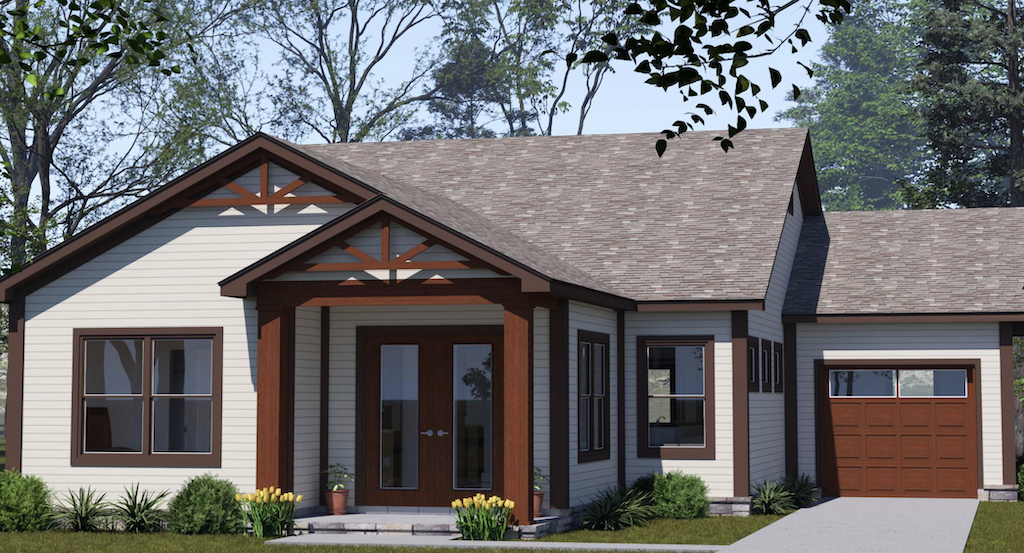
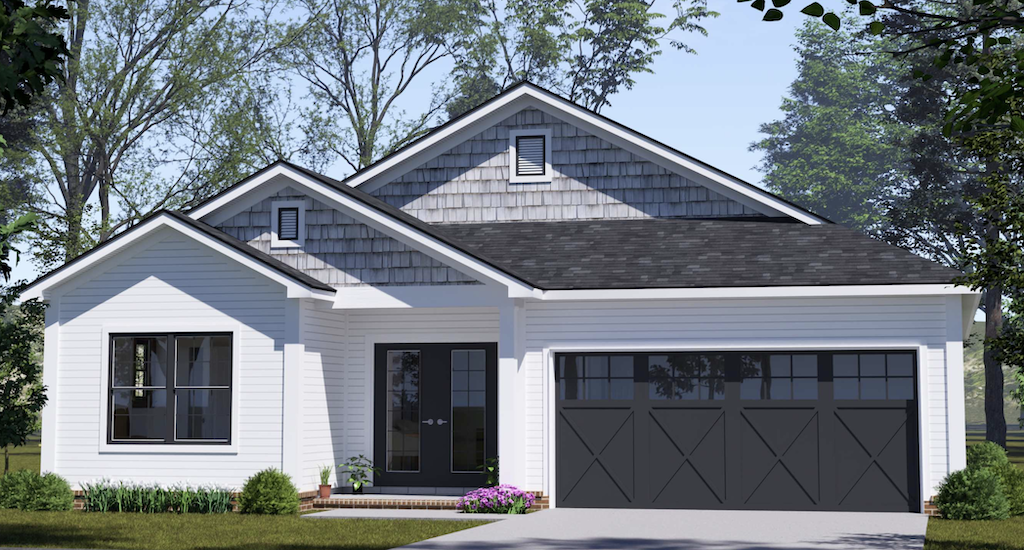
A builder recently purchased two plans for the same project. One was a W. L. Martin Home Designs plan, the other from a different designer. Same square footage, similar curb appeal, same finish level. When the bids came back, the estimate to build the W. L. Martin plan was about $20,000 less. Nothing “cheap” was swapped in, and quality was not compromised. The difference likely came from a combination of quiet design choices that can make homes faster and less expensive to build.
Below is where those savings may come from in real life, and why developers across North America can often see similar outcomes when they build from W. L. Martin Home Designs plans. Every project has variables like labor markets, material pricing, engineering requirements, site conditions, and code environment, so the actual savings will vary.
Where the savings may come from
Clean footprints and rooflines
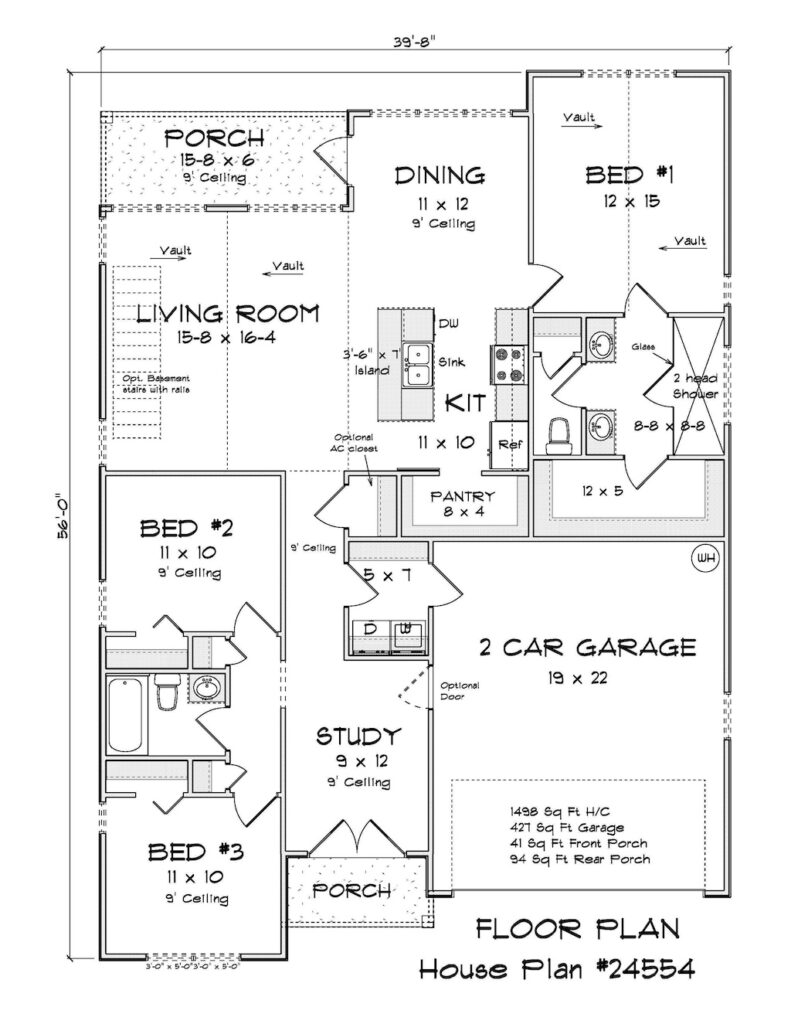
- Fewer jogs and bump outs reduce linear footage of foundation and exterior wall, which can lower concrete, rebar, siding, and labor.
- Simple, truss friendly roof geometry may speed framing and cut waste. Subs often price roofs with fewer hips and valleys more aggressively.
Structural spans that fit standard materials
- Rooms sized to common truss and joist lengths may avoid specialty members.
- Point loads and bearing lines aligned to minimize LVLs, hangers, and steel can keep framing costs in check.
Framing on a 24 inch module
- Walls, windows, and room sizes coordinated to common sheet goods may reduce cuts and waste. Drywall, sheathing, and flooring land on studs and joists without slivers.
- Door and window openings optimized for off the shelf sizes can lower unit cost and reduce lead times.
Foundations that match soil and span logic
- Straight runs, sensible step downs, and rational pier or thickened slab locations can cut form time and concrete volume.
- Loads that stack from roof to footing may reduce the need for oversized pads or surprise grade beams.
HVAC, plumbing, and electrical aligned
- Wet walls stacked and fixtures clustered can reduce supply and drain lengths.
- Planned return air paths and duct chases can prevent field built soffits that trigger change orders.
Stairs and headroom solved on paper
- Correct riser counts, landings, and headroom clearances may avoid field fixes that cost time and money.
Window and door schedules that favor availability
- Repeating sizes and types let you buy in tiers and keep a small set of SKUs for multi unit developments.
- Framing headers right sized to actual loads can reduce lumber spend compared to default oversizing.
Documentation that reduces RFIs
- Clear sections, dimensions, and details often mean fewer phone calls and fewer figure it out moments. Bids tighten, contingencies shrink, and the job moves.
A realistic way a $20,000 delta might break down
Every market and spec package is different, but here is an illustrative split the builder could have seen when subs priced both plans apples to apples:
- Framing materials and labor, fewer LVLs and hangers, cleaner layout: about $6,200
- Roof system, simpler trusses and less cut waste: about $3,100
- Foundation, fewer jogs and less formwork: about $4,000
- MEP rough ins, stacked wet walls and planned chases: about $2,600
- Windows and doors, standardized sizes and repeats: about $1,800
- Finishes and waste reduction from modular planning: about $900
- Soft costs and schedule, fewer RFIs and change orders: about $1,400
Total estimated savings in this scenario: about $20,000. Your numbers may differ, but the pattern is common.
Why this can matter even more for developers
Save even a portion of that per home and a 10 home build adds up fast. That can:
- Improve project IRR and debt service coverage.
- Create room for upgraded finishes where they matter most.
- Support price competitiveness without squeezing margins.
- Reduce supply chain risk through fewer unique SKUs.
Developers often win twice, since repeatable details cut cycle times. Crews learn the plan, purchasing locks pricing, and variance goes down.
The design principles we bake in
- Square footage that builds easy rather than fights standard material dimensions.
- Roof forms that read great from the street yet frame quickly.
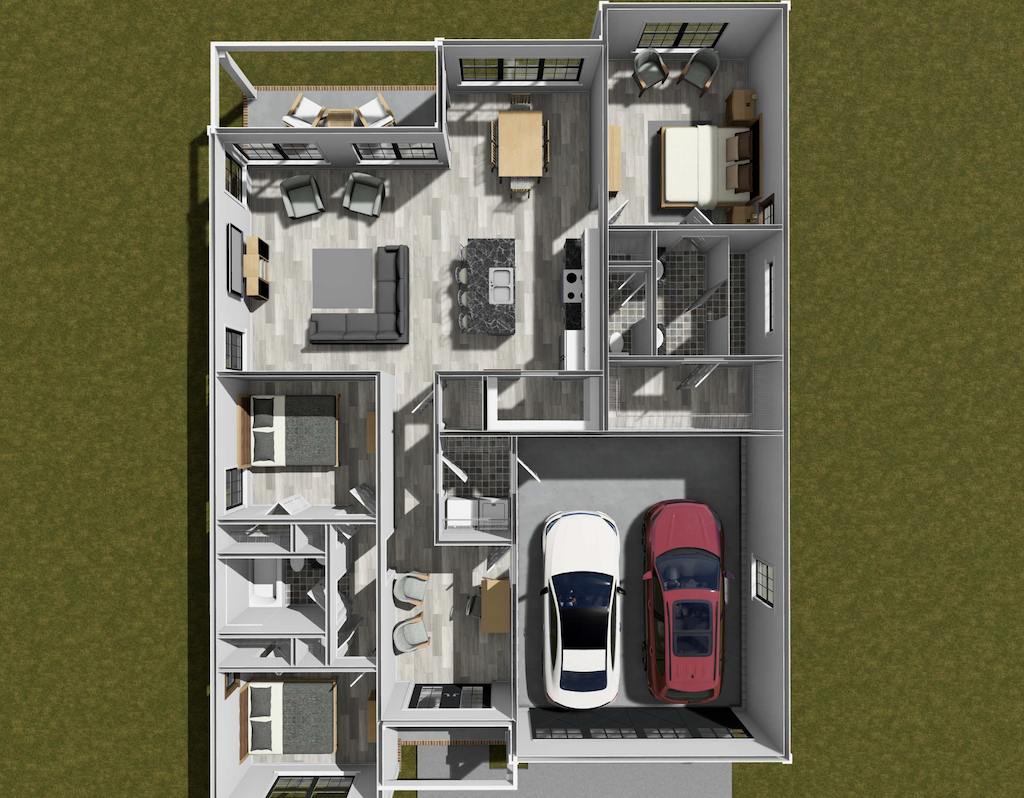
- Stacked plumbing and aligned structure to keep trades moving.
- Code forward details that pass plan review smoothly across North America.
- Options packaged smartly so elevations and kitchens can vary without changing the skeleton.
What you can expect with W. L. Martin plans
- Tighter bids and fewer allowances, since subs understand the work.
- Shorter framing and MEP durations, which can reduce carry costs.
- Fewer change orders and less jobsite improvisation.
- Plans ranging from about 400 to 3,000 square feet, sized for infill, scattered lots, or full subdivisions.
If you are a builder or developer choosing between two similar plans, the one drawn to build efficiently is the one that protects your margin. That is the difference this builder saw when our plan priced about $20,000 under a comparable design. Explore our plans at wlmartinhomes.com, or tell us your target footprint and spec. We will point you to a plan set that preserves your look, trims your build cost, and scales smoothly across multiple lots.
Leave a Reply