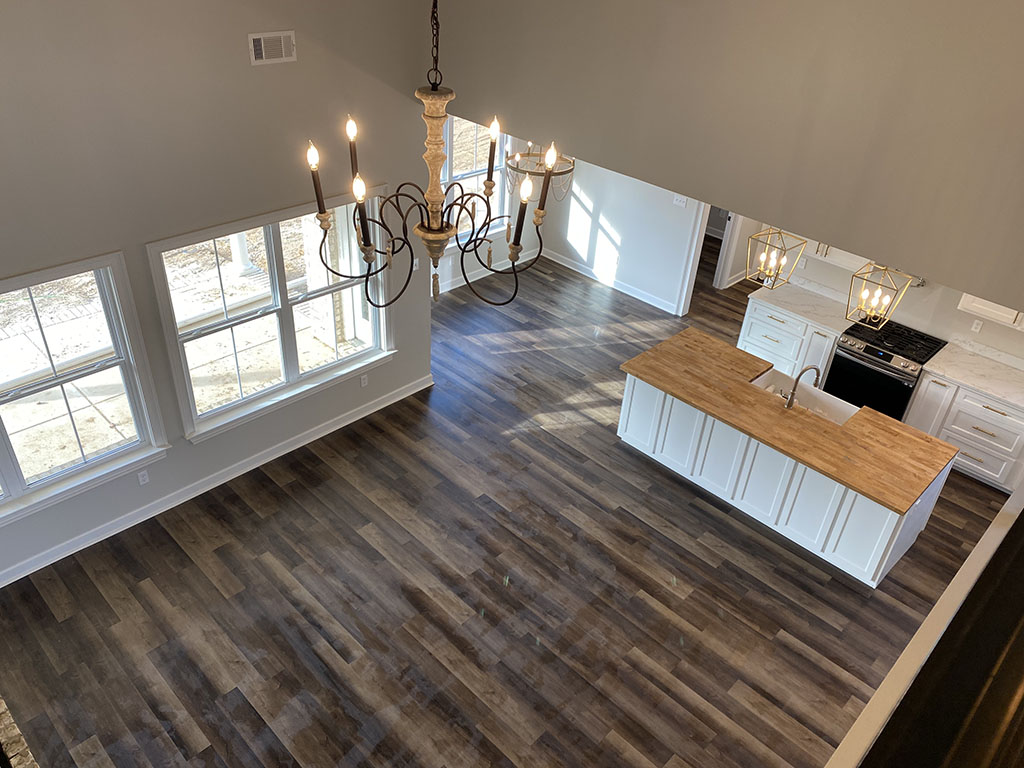
Designing homes that stand the test of time requires foresight and adaptability. As we approach 2025, it’s essential to consider evolving buyer preferences and technological advancements to ensure your developments remain relevant and appealing. Here are key strategies to future-proof your home designs:
1. Integrate Smart Home Technology
Modern buyers expect homes equipped with the latest technology. Incorporate features like whole-home batteries, which store excess energy from solar panels, providing power during outages and reducing utility costs. Mentions of such systems have surged by 62% in recent listings, indicating growing demand.
2. Embrace Sustainable and Energy-Efficient Features
Sustainability is no longer optional; it’s a priority for many buyers. Implement energy-efficient appliances, solar panels, and sustainable building materials to appeal to eco-conscious consumers. Homes designed to produce as much energy as they consume, known as zero-energy homes, are becoming increasingly desirable.
3. Design Flexible and Multifunctional Spaces
The shift towards remote work has increased the need for adaptable living areas. Incorporate multifunctional rooms that can serve as home offices, gyms, or guest bedrooms. Features like moveable walls and room dividers offer flexibility, allowing homeowners to reconfigure spaces as their needs evolve.
4. Incorporate Biophilic Design Elements
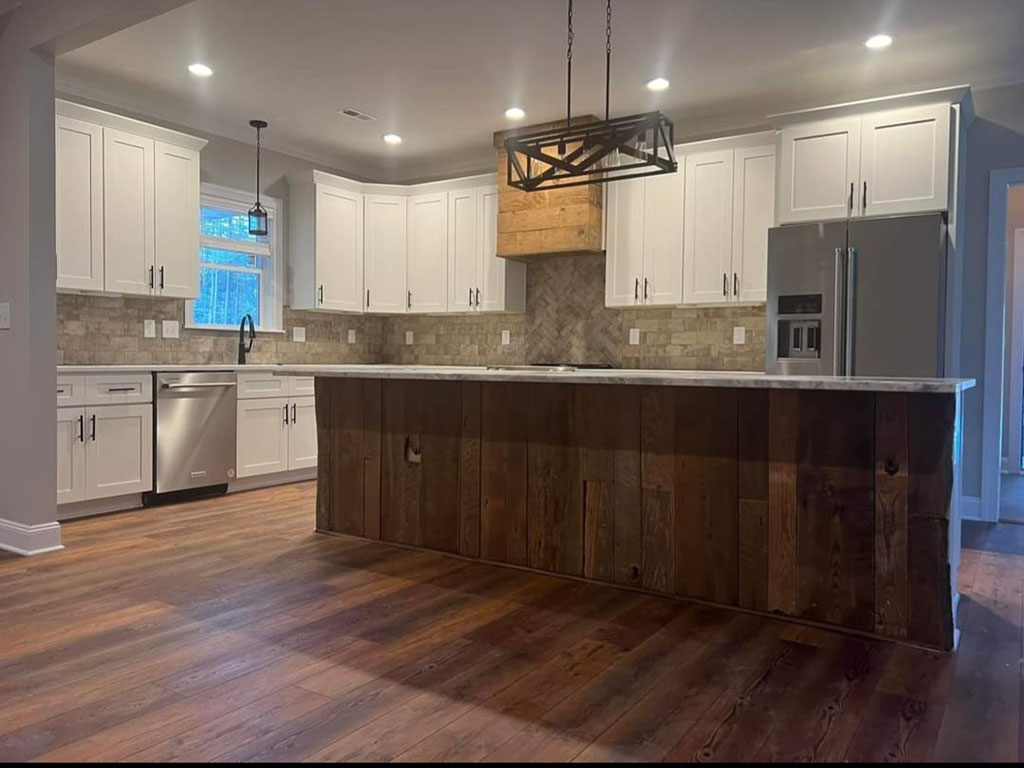
Connecting with nature enhances well-being and is highly sought after in modern home design. Integrate natural light, indoor plants, and natural materials to create a calming environment. Biophilic design not only improves aesthetics but also promotes health, making homes more attractive to potential buyers.
5. Plan for Climate Resilience
With increasing awareness of climate change, buyers are looking for homes that can withstand environmental challenges. Design structures with durable materials and consider features like flood barriers or drought-resistant landscaping to enhance resilience. Such considerations can also lead to lower insurance costs, adding value for buyers.
6. Focus on Wellness-Centered Design
Health and wellness have become central to home design. Incorporate features like home spas, yoga rooms, and clean air filtration systems to create environments that promote well-being. Designing homes with wellness in mind can significantly enhance their appeal to health-conscious buyers.
7. Utilize Durable and Sustainable Materials
Selecting materials that are both durable and sustainable ensures longevity and reduces maintenance costs. Consider using thermally modified woods and terracotta for exteriors, which are resilient to natural elements and offer a timeless aesthetic.
By implementing these strategies, you can create homes that not only meet current market demands but also adapt to future trends and technologies, ensuring long-term value and satisfaction for homeowners.
Leave a Reply