
Home Builder Confidence Heading Into 2026
Home builder confidence is one of the clearest “early reads” on the housing market because it reflects what builders are seeing on the ground right now: buyer traffic, pricing pressure, and the pace of signed contracts. When confidence firms up, it typically signals that builders are finding workable formulas again, whether that is through smarter floor plan mixes, targeted incentives, or building in submarkets where inventory is still tight. That matters for developers because builders adjust plans and pipeline decisions well before the public sees the change in headline housing news.
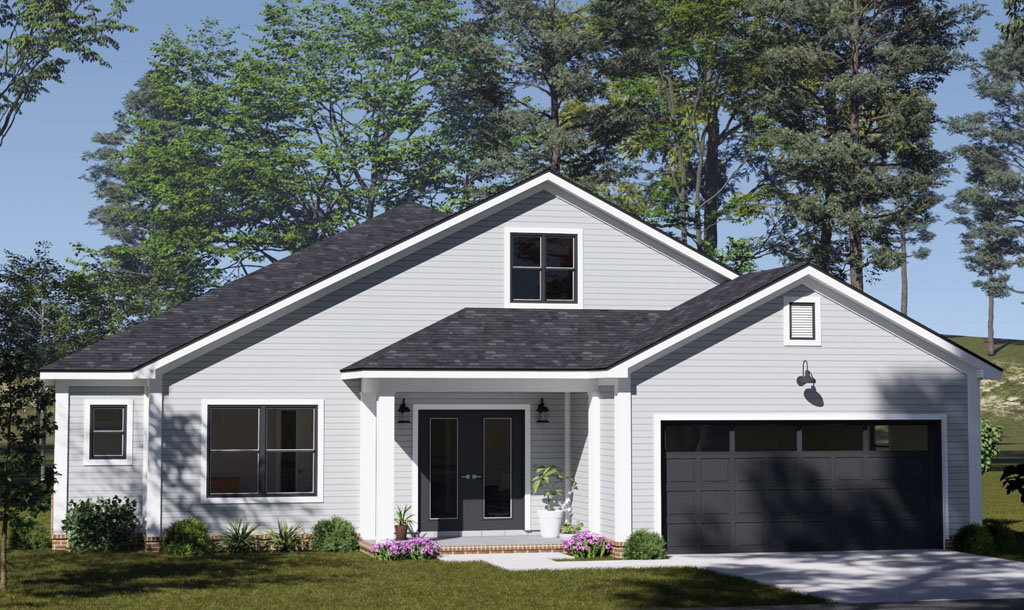
The Housing Market’s Health Shows Up in Activity, Not Headlines
The most reliable way to judge market health is to watch what is actually being permitted and started, along with how quickly homes are moving once listed. When permits and starts stabilize, it suggests builders believe demand is durable enough to justify putting capital to work. When resale inventory remains lean in many areas, new construction often becomes the practical solution for buyers who want move-in-ready homes with modern layouts. This is why many professionals track builder sentiment alongside permits, starts, and sales activity: together, those signals reveal whether the market is loosening, tightening, or simply normalizing after a volatile stretch.
Why 2026 Can Reward Developers Who Prepare Early
Even in a recovering market, the developers who win are usually the ones who prepare before the rush. If buyer demand improves, trades and permitting departments can get busy fast, and design decisions made under pressure tend to create avoidable costs later. Securing your home plans early lets you move quickly when your local numbers look favorable, and it helps you make confident choices about product mix, elevations, and options packages that match what buyers are asking for in your price band.
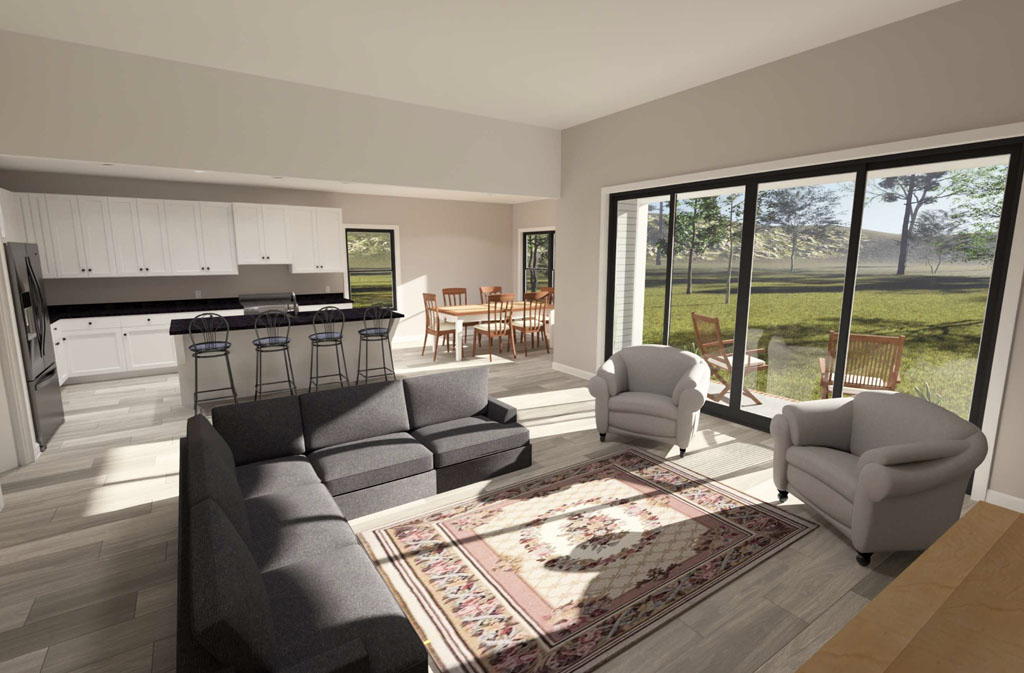
W.L. Martin Home Designs is built for that reality. Having ready-to-build plans on hand, from compact small-footprint homes around 400 square feet to highly marketable family homes up to about 3,500 square feet, gives you flexibility to respond to what your local market is actually absorbing. It also supports faster preconstruction workflows, clearer estimating, and fewer midstream revisions, which is where timelines and margins often get squeezed.
In practical terms, the “good time” to secure a plan is before your competitors are trying to do the same thing at once. If 2026 continues to bring steadier conditions, the ability to pull permits, start efficiently, and market homes with proven layouts can separate a smooth launch from a slow one. Choosing the right plan now helps you protect cycle time later, and cycle time is often the difference between an okay project and a great one.
Leave a Reply