
Time is money in homebuilding, and the first place it slips away is often the permit desk. You cannot control every reviewer queue or staffing level, but you can control how easy your plans are to read. When a set answers questions up front, review cycles shrink and starts move forward. Census data shows new single family homes commonly spend about seven to eight months from start to completion, so every week shaved off permitting brings revenue forward. NAHB has also estimated that government regulation makes up a meaningful share of a new home’s final price, which means avoidable friction in approvals adds real cost. The antidote is clarity.
Why permit speed matters
Slow permits stack delays. Carry costs climb, trades need to be rescheduled, and sales teams lose momentum. Faster approvals do not come from shortcuts. They come from drawings that are complete, coordinated, and code literate. Reviewers are looking for confidence that the home will be built safely and in line with adopted codes. Give them that confidence on paper and your project moves.
Start strong with a clear, code aware cover sheet
First impressions set the tone. Page one should spell out the project address, occupancy classification, construction type, adopted code editions, and the key design criteria. List ground snow load, frost depth, basic wind speed and exposure, seismic category, roof and floor live loads, and the energy climate zone. Make the energy path obvious, whether you are using the prescriptive route with listed U factors and R values or a performance route with a compliance report. When these basics are missing, the review stalls before it starts.
Structure and life safety that pass the tape check
Residential reviewers scan for a continuous load path and wall bracing that matches the book. Provide a labeled foundation plan with footing sizes, reinforcing, and anchor bolt notes. On the floor plan, call out headers and beams and include a simple schedule. Add a braced wall or shear plan that traces lines, shows panel lengths and methods, and marks hold downs or portal frames at garage openings. If roof trusses are a deferred submittal, say so and show how loads transfer.

Most resubmittals come down to predictable life safety misses. Show stair geometry with rise, run, headroom, handrail and guard details that pass a tape measure check. Label emergency escape and rescue openings in sleeping rooms with clear rough openings and sill heights. Place smoke and carbon monoxide alarms per code and note interconnection and power source. Detail the garage separation and the door into the house so there is no guesswork.
Energy and site details that prevent second trips
Energy notes can stall permits when they are vague. List window and door U factors and SHGC that match your climate zone. Note insulation by assembly, air sealing, duct testing where required, and the ventilation approach. If you include a REScheck or performance report, make sure it matches the window and door schedule. Even a light mechanical schematic helps when jurisdictions ask for it, and placing noisy equipment away from bedrooms makes reviewers and buyers happier.
On tight lots, site clarity is everything. A simple site plan that shows property lines, setbacks, finished floor elevations, driveway slope, downspout locations, drainage arrows, and lot coverage keeps everyone aligned. Many cities also require erosion control notes, utility laterals, and floodplain or wildland interface notes where applicable. Include them the first time and you avoid the second trip.
How W. L. Martin plan sets move faster
W. L. Martin Home Designs builds permit readiness into the drawings so you spend less time in the queue. Cover sheets list adopted codes and full design criteria. Floor plans call out egress window sizes where required and show stair geometry that passes in the field. Structural sheets label headers and posts with a clear schedule, and braced wall or shear plans mark methods, lengths, and hold downs so reviewers are not left to infer intent. Elevations and sections align with the notes, which keeps comments focused rather than scattered. Energy compliance is spelled out with prescriptive values on the drawings or paired with a performance report that matches the window and door schedule. Electrical layouts include smoke and CO locations, and site plan templates make setbacks, grades, and downspouts obvious at a glance.
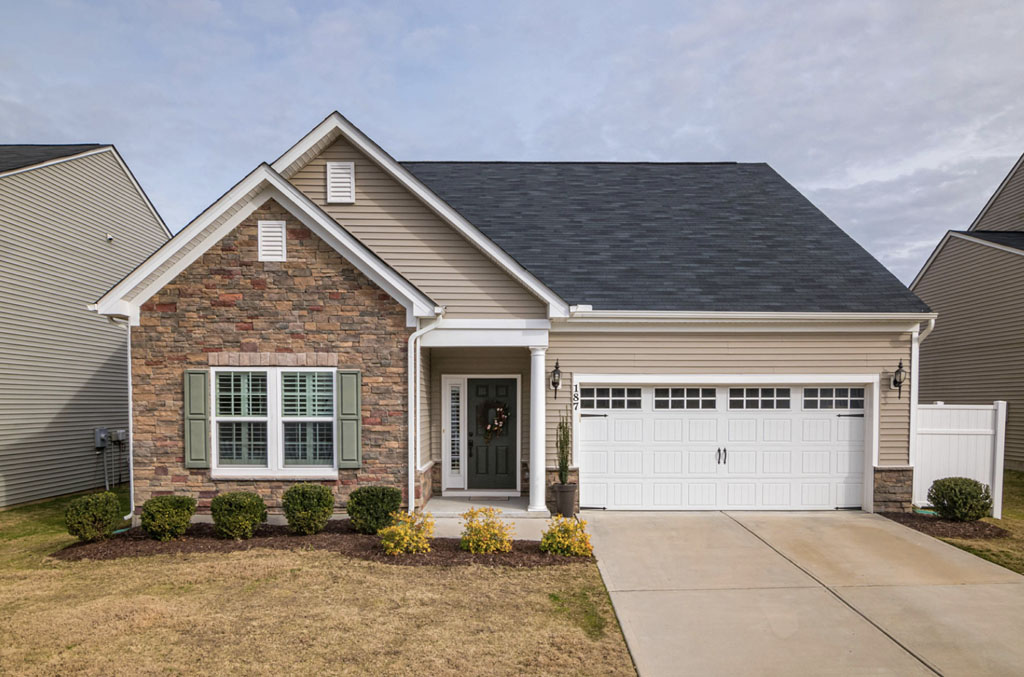
If your jurisdiction wants sealed calculations, portal frame details at a specific garage opening, a different frost depth, wildland urban interface notes, floodplain elevations, or special inspections, the package can include engineering or local addenda so you submit once and move on. Builders tell us this level of clarity turns long comment lists into short checklists, which means fewer resubmittals and earlier starts.
The business case is simple. The industry already spends months building after the start, so shaving even a week or two off permitting brings cash flow forward. When your plans speak the reviewer’s language, you reduce change orders, protect schedule, and give your sales team a date they can trust. If you want dependable speed from submittal to stamp, ask about W. L. Martin designs in the 400 to 2,500 square foot range that arrive code aware and reviewer friendly, and tailor the package to your city or county so your next plan hits the counter ready to approve.
Leave a Reply