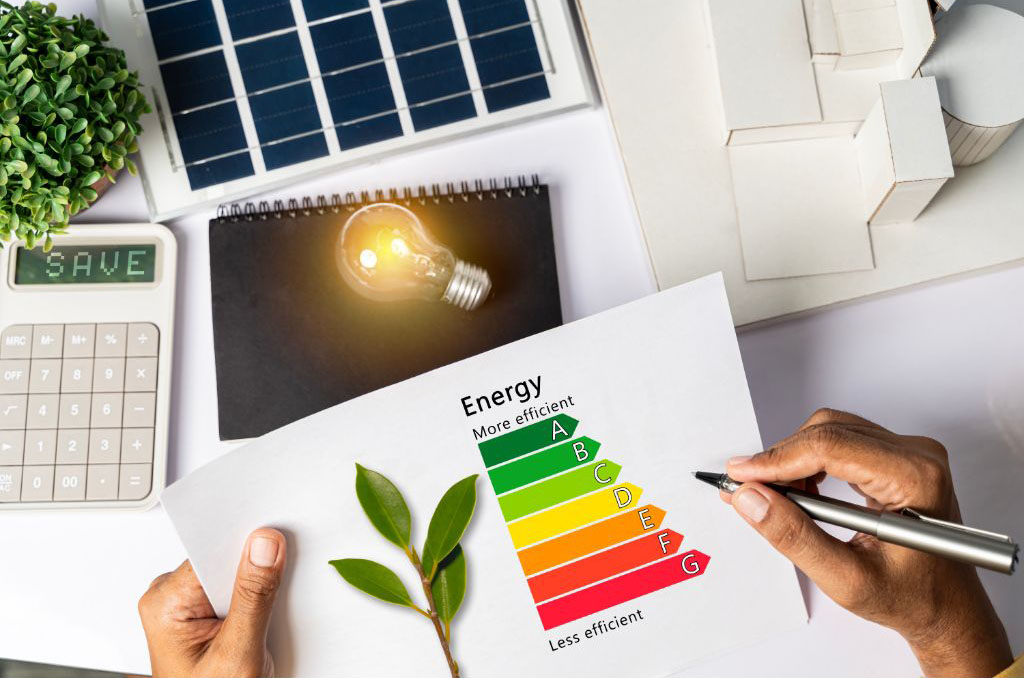
For residential developers, efficiency isn’t just a buzzword — it’s a critical part of creating homes that meet buyer expectations, pass energy codes, and remain competitive in the market. With homebuyers increasingly focused on sustainability, energy savings, and smart living, developers are under pressure to find solutions that align with those demands. That’s where choosing the right home plan becomes a foundational step.
W.L. Martin Home Designs offers a diverse collection of thoughtfully crafted house plans, many of which are designed with efficiency and buildability in mind. From compact footprints to simplified rooflines and modern building materials, these plans offer developers a solid foundation to build homes that are energy efficient, cost-effective, and attractive to today’s buyers.
According to the U.S. Department of Energy, homes built to modern energy codes can be as much as 30 percent more efficient than homes built just a decade ago. For developers, this is a clear opportunity. Building from the ground up allows you to integrate high-efficiency systems, up-to-date insulation, and layout designs that promote better heating and cooling flow from the very beginning. In contrast, retrofitting older homes can be both costly and limited in its return on investment.
One of the biggest advantages of starting with a plan from W.L. Martin Home Designs is that many of the homes are designed with modern living in mind, which naturally supports efficiency goals. Many plans in the 1,200 to 2,000 square foot range are already laid out to take advantage of passive heating and cooling strategies, such as open-concept living areas that promote air circulation and strategically placed windows that can reduce the need for artificial lighting during the day.
For example, many of W.L. Martin’s plans allow developers to incorporate these efficiency-friendly features:
- Simple, compact shapes that reduce construction waste and heating and cooling loads
- Rooflines designed to support solar panel installations
- Covered porches and deep eaves that help with passive shading
- Proper orientation potential to optimize solar gain and natural light
- Open layouts that reduce unnecessary hallways and walls, improving airflow
- Attic and wall framing that accommodates high-R-value insulation
- Smart home technology compatibility for energy monitoring and automation
- Tankless water heater options and efficient HVAC zones
As the U.S. Environmental Protection Agency reports, heating and cooling typically account for about 42 percent of a home’s energy use. By building from scratch using a plan that’s been designed with airflow, sunlight, and insulation in mind, developers can drastically reduce those numbers and appeal to cost-conscious buyers.
The growing demand for energy-efficient homes is also backed by the National Association of Home Builders, which found in a 2024 report that over 70 percent of homebuyers rank energy efficiency as a “very important” factor in their purchasing decision. For developers, this trend underscores the value of choosing plans that not only look good on the outside but also function efficiently on the inside.
In addition to energy savings, efficient homes often benefit from reduced maintenance and fewer callbacks after move-in. Thoughtful design leads to fewer construction errors, better moisture control, and longer-lasting materials, all of which contribute to long-term homeowner satisfaction.
At W.L. Martin Home Designs, we believe that building smart starts at the drawing board. That’s why our plans are created to be builder-friendly, code-conscious, and future-focused. Whether you’re developing a single infill lot or an entire community, you’ll find options that help you meet your goals — and your buyers’ expectations — when it comes to efficiency, comfort, and modern living.
By starting with the right plan, developers can streamline construction, control costs, and deliver homes that live better and perform better from day one. And in today’s housing market, that’s a clear competitive edge.
Leave a Reply