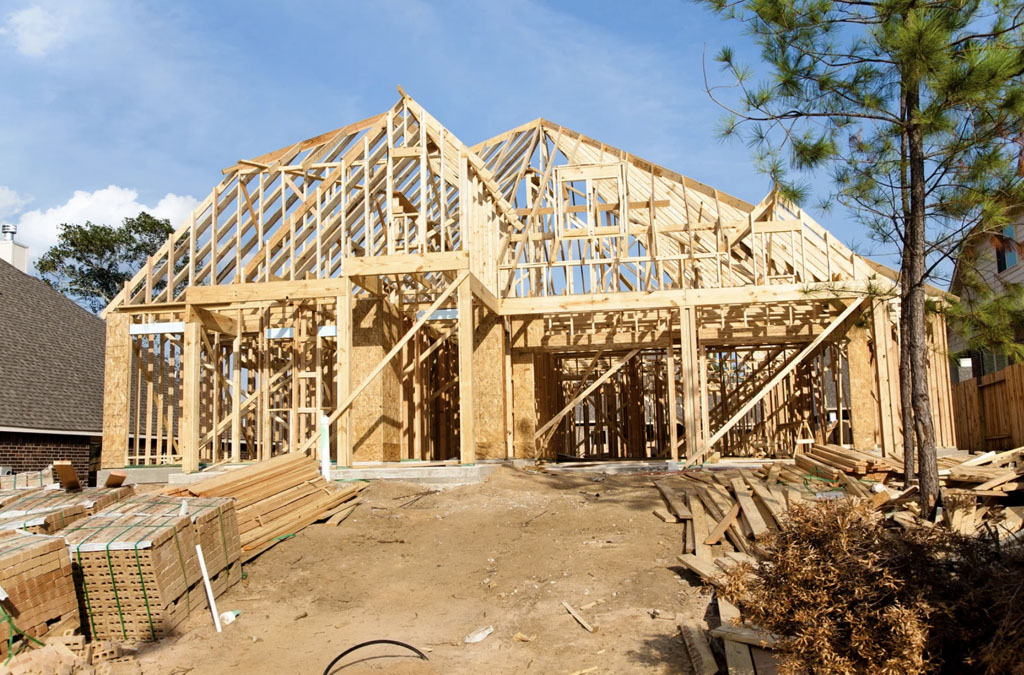
Securing a construction loan feels a little like pitching a business plan, even if you are “just” building one home. In 2026, lenders are still cautious, but many buyers and small developers have more breathing room if rates have eased compared to the prior year. The biggest shift is that lenders want fewer surprises. They are looking for a clean scope, a realistic budget, and a plan that fits the neighborhood and the borrower’s experience level. That is where an “affordable by design” approach from W.L. Martin Home Designs can help from day one, because the plan itself is the foundation of a build that pencils out.
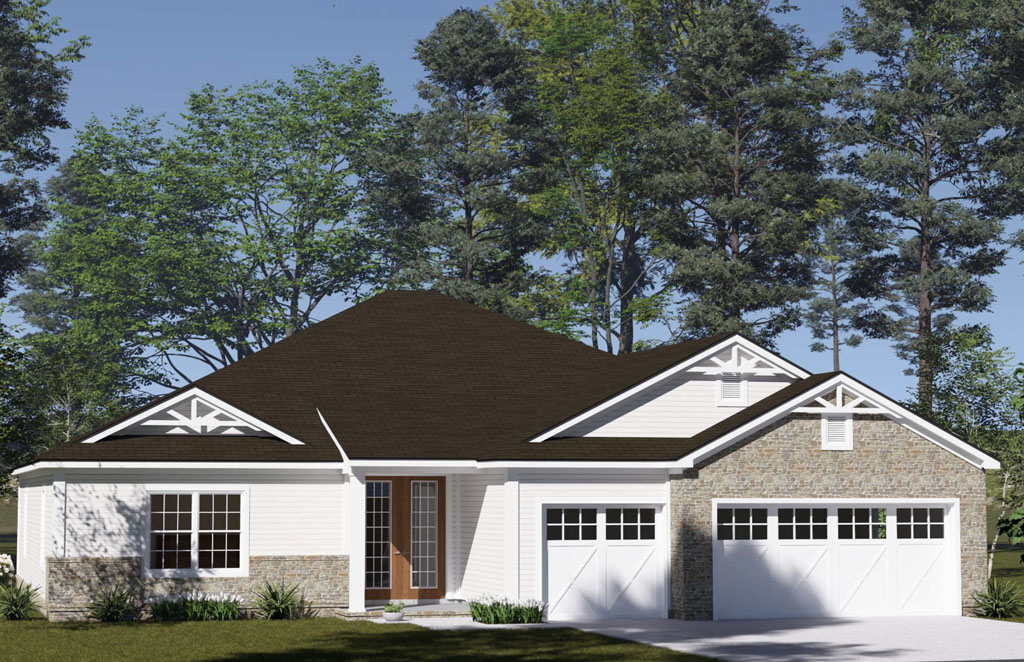
Start by getting your financial story lender ready before you ever break ground. For new home buyers, that usually means tightening your credit profile, keeping debt-to-income reasonable, and gathering two years of income documentation, bank statements, and proof of funds for your down payment and reserves. For developers, it is similar but expanded: entity documents, liquidity and net worth statements, a track record of completed projects, and a clear exit strategy such as presales, appraisals, or rental pro formas. In both cases, lenders love borrowers who show they can handle hiccups, so plan to document a contingency buffer and keep your finances steady during underwriting.
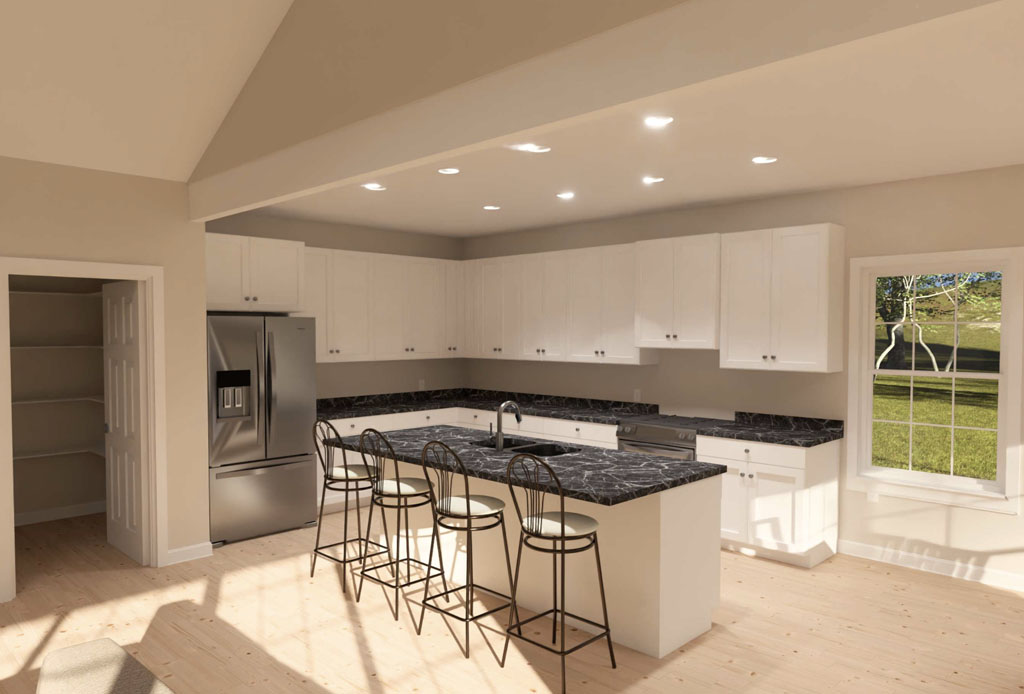
Next, build a complete “loan packet” that makes it easy for the lender to say yes. Most construction lenders want a full set of construction drawings, a detailed specifications sheet, and a line-item budget that matches the plan. You will also need a realistic timeline, plus bids or a signed contract from a qualified builder. Expect the lender to ask how you arrived at numbers for site work, utilities, permits, grading, and material allowances. This is where choosing a right-sized home plan matters. A smaller footprint, efficient rooflines, and practical room layouts can reduce framing, foundation, and finishing costs without making the home feel cheap.
A smart move in 2026 is to match your plan selection to what appraisers and end buyers are consistently rewarding. That means clean, marketable layouts, flexible spaces that can serve as a home office or guest room, and simple exterior forms that keep costs controlled. W.L. Martin Home Designs focuses on homes that fit real budgets, from compact cottages around 400 square feet to family-friendly designs up to about 2,500 square feet. When the plan is efficient, your budget looks more credible, your draw schedule is easier to manage, and your end value has a better chance of supporting the loan amount.
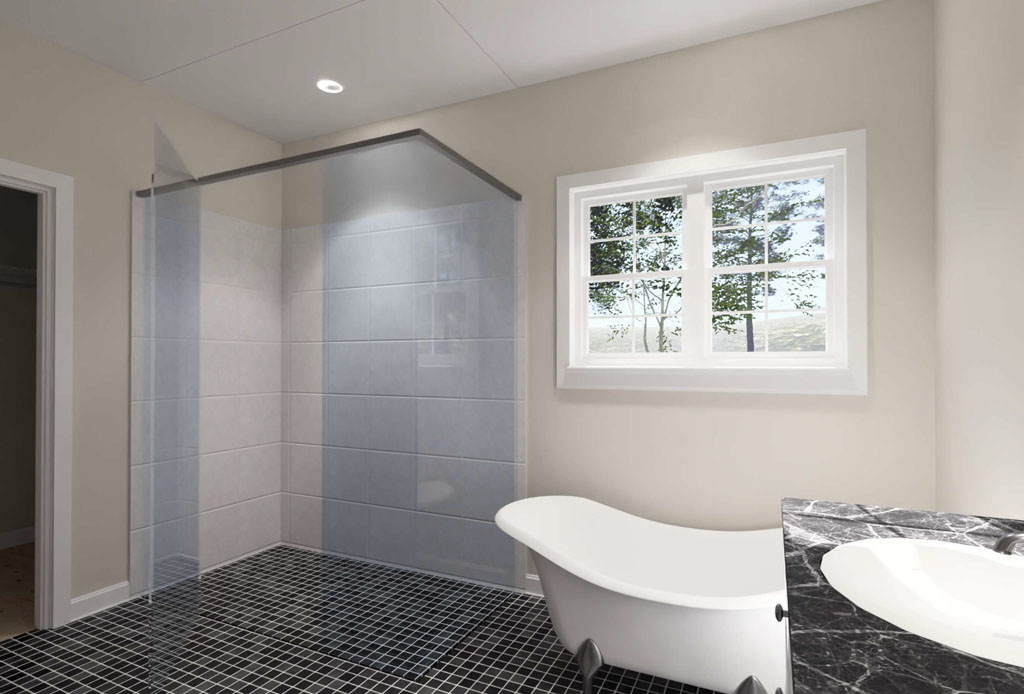
Once you are in underwriting, be prepared for how construction loans actually function. Funds are typically released in stages, called draws, after inspections confirm work is completed. Lenders will scrutinize your budget, verify builder credentials, confirm insurance, and often require a builder’s risk policy. They may also order an appraisal based on the plans and specifications, not just the lot. Make your life easier by aligning your specs and budget with what you can truly deliver. Avoid last-minute upgrades that are not supported by comps, and keep change orders to a minimum unless you have cash to cover the difference.
Finally, treat the loan approval as the start of disciplined project management, not the finish line. For buyers, that means staying in close contact with your builder and lender, tracking allowances, and keeping a cushion for delays. For developers, it means building a repeatable process: standardized specs, dependable subs, and plan families that share details so each new build gets faster and smoother. If you want more runway to build with confidence, start with a plan that is affordable by design, then assemble your documentation around it. The more complete your package, the less friction you will face, and the sooner you can move from idea to foundation with a construction loan that fits your goals.
Leave a Reply