Category: House Developer News & Tips

  • How Developers Can Sell Homes Faster in 2025

    How Developers Can Sell Homes Faster in 2025

    Selling new homes in 2025 is about controlling what you can control. Traffic is uneven, buyers are payment sensitive, and attention is scattered. The builders who win simplify choices, present a clear path to a monthly payment buyers can live with, and extract more value from every sales conversation. You do not need to outspend the market. You need to out focus it.

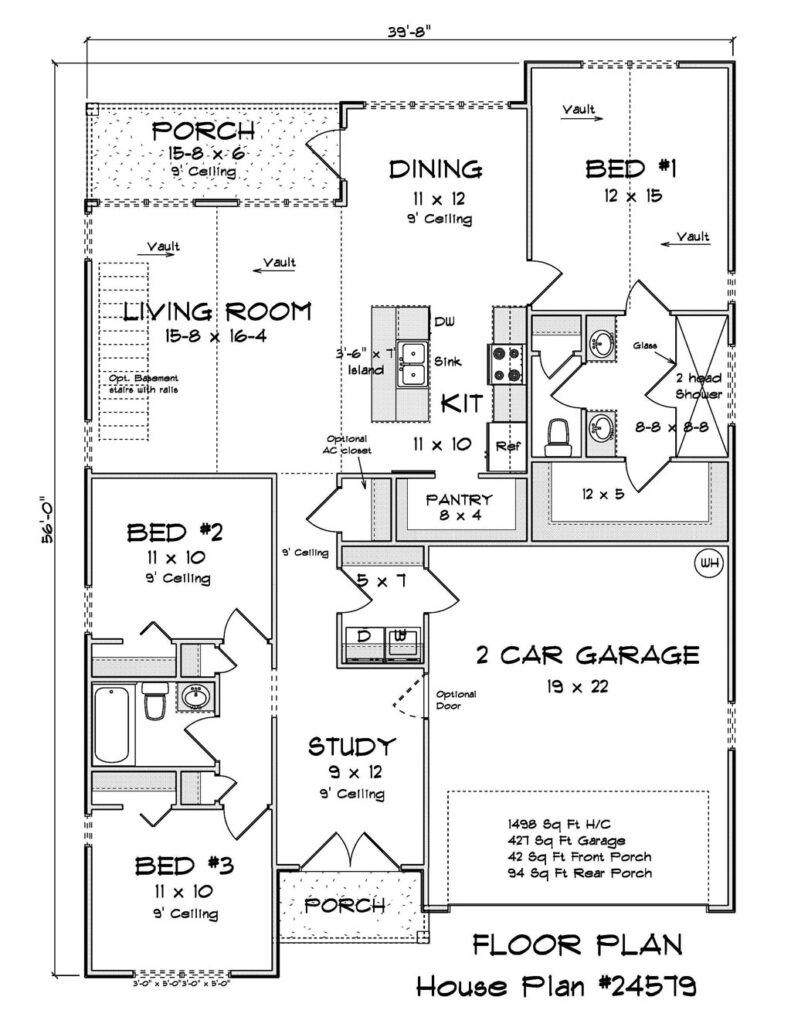
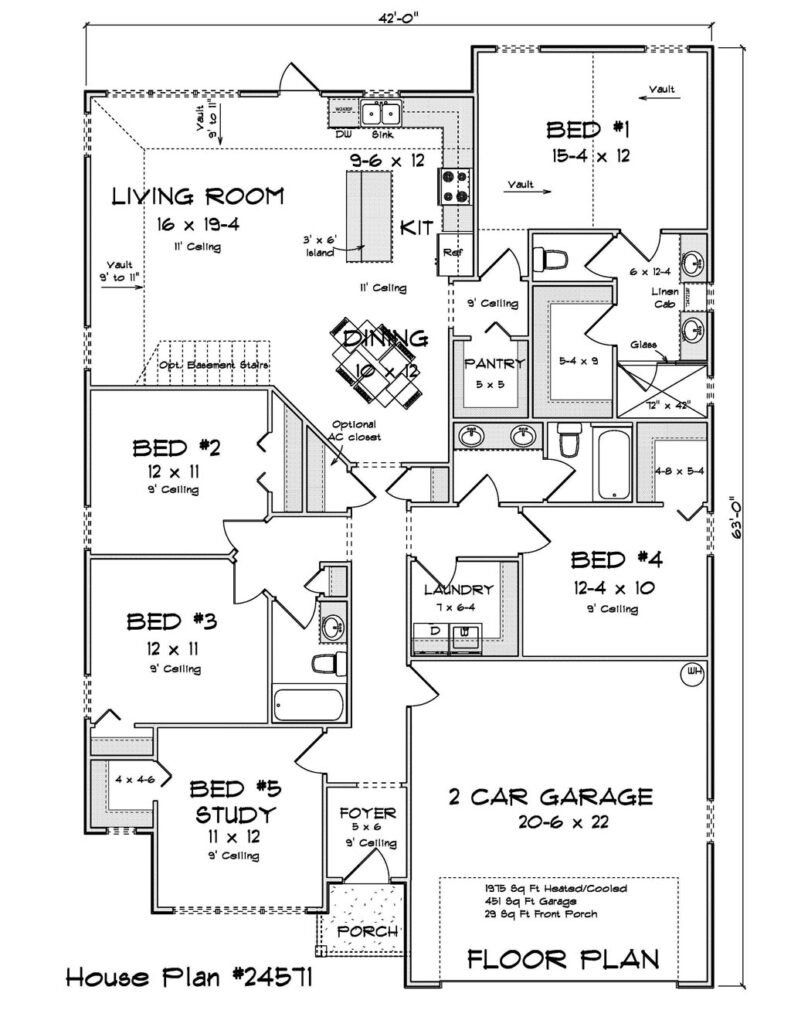
    At W.L. Martin Home Designs, plans from 400 to about 2,500+ square feet give you fast levers to pull. Smaller, smarter footprints that live large. Framing friendly geometry. Wet wall alignment that lowers cost. Curated finish packages that reduce decision fatigue. The plays below are built for field execution and faster absorption.

    Drive conversion with channels that still work

    Blend warm intent channels with clear follow up. Host recurring broker previews in your model or sales center and maintain outreach to top agents in each submarket. Bake referrals into every contract and milestone with simple shareables clients can send to friends. Run small education events like payment clarity nights or energy cost walkthroughs and publish the calendar on your site so prospects can self select dates. On listing portals, lead with a compelling entry price and at least one right sized plan since buyers filter by price first.

    Widen the funnel with smaller, smarter plans

    You do not need to discount to create a lower starting point. Introduce compact plans that preserve livability through efficient circulation, storage, and furniture friendly rooms. Engineer for cost by favoring simple roof forms, aligned plumbing, and consistent spans. Offer three finish packages. Fewer choices speed decisions, shorten build cycles, and protect margins.

    Sell the monthly payment, not just the price

    Payment clarity beats sticker shock. Train teams to translate options and incentives into estimated monthly impact that includes principal, interest, taxes, insurance, and typical utilities. Reinforce with simple tools like Freddie Mac and Fannie Mae calculators, FHA and VA resources, and ENERGY STAR or DOE facts on operating cost reductions. A tight envelope or heat pump water heater can lower utility spend, which matters when rates feel high.

    Lead decisively and close on the first visit

    Choice overload kills momentum. Follow a simple path. Qualify, tour, sit to recap needs versus options, review the agreement, ask for the commitment. If not ready, set the next appointment with a clear deliverable such as a payment breakdown or lot fit sketch. Prepare one page responses to common objections around payment fit, timing, and nearby competitors. Keep buyer benefits front and center.

    Work your long tail and fix conversion before ad spend

    Leads stay viable longer than many teams assume. Homeowner tenure stretched to roughly 10 to 13 years in the early 2020s, which keeps older leads relevant. Use a clear cadence for follow up and watch for buying windows tied to lease renewals, school calendars, and rate dips. If website sessions are up but appointments are flat, you have a conversion problem. Sharpen your value proposition, add three clear CTAs on every community page, and shorten forms to the essentials.

    Smart finance and limited inventory to unlock urgency

    Use temporary buydowns like 2 1 or 1 0 to create early payment relief at a known cost. Choose lenders who deliver fast turn times and co branded payment worksheets. Keep a small set of quick move ins using your most popular plans with neutral packages. Advertise the monthly payment and move in timeline on portals and signage.

    Credible stats builders can use in 2025

    • New single family homes have commonly averaged about 2,300 to 2,500 square feet in recent years, with size dipping when affordability tightens. Source: U.S. Census Bureau, Characteristics of New Housing, tables through 2023.
    • Better digital coordination and design can improve construction productivity by 20 to 30 percent and compress schedules significantly. Source: McKinsey Global Institute, 2017 construction productivity research.
    • Rework and coordination issues have been cited as 5 to 15 percent of project costs in multiple industry studies, much of it avoidable with clearer design and preconstruction planning. Sources: Dodge Data and Analytics and the Construction Industry Institute.
    • Homeowner tenure increased to roughly 10 to 13 years across the early 2020s, extending the usefulness of older leads. Source: Redfin and industry transaction analyses.

    How W.L. Martin Home Designs helps you execute

    Create a compelling entry price without discounting by introducing one or two compact plans per community. Use build friendly details that keep spans clean, rooflines simple, and plumbing aligned to reduce waste. Offer three ready to go spec packages. When a client needs tweaks, we can accommodate minor plan edits like swapping laundry locations, resizing a pantry, or adding a pocket office while preserving structural efficiency.

    Quick action checklist

    • Publish a right sized entry plan under 1,700 square feet in each active community
    • Schedule one broker preview and one buyer education event and post both online
    • Add three CTAs to each community page: book a tour, get a payment estimate, download plan and specs
    • Shorten your lead form and revive leads older than 12 months with a payment led offer
    • Stand up a temporary buydown option with your preferred lender and train your team to present it

    Share your target price point, lot widths, and buyer profiles, and we will recommend a short list of W.L. Martin plans to help you launch or relaunch a community with confidence.

  • How AI Helps Builders and New Home Buyers Find the Right House Plan

    How AI Helps Builders and New Home Buyers Find the Right House Plan

    If you are a builder or a first time buyer staring at hundreds of floor plans, AI can act like a savvy project assistant that narrows the options fast, reduces costly surprises, and helps you choose plans that actually fit how people live. At W.L. Martin Home Designs, our catalog ranges from space smart cottages around 400 square feet up to efficient family homes near 2,500 square feet. AI tools can use your inputs to map those choices to real life needs, then speed up decisions that save both time and money.

    What AI does well during plan selection

    AI is excellent at turning fuzzy preferences into a short list of right sized plans. Feed an AI chat a few specifics and it can put you on target in minutes.

    • Household profile. Number of people, ages, possible multi generational living, pets, work from home needs, storage needs, mobility considerations.
    • Lot data. Width and depth, slope, setbacks, garage orientation, regional climate and wind patterns, HOA style rules.
    • Budget and build strategy. Preferred cost per square foot, material preferences, desired mechanical systems, timeline, target appraisal or rental pro forma if you are building for sale or build to rent.
    • Future proofing. Likelihood of household changes in 5 to 10 years, potential for ADU income, flexible spaces that can evolve without adding square footage.

    From there, AI can translate your inputs into practical plan constraints such as max building envelope, optimal footprint shape for cost control, target bedroom count and size, closet and pantry minimums, and circulation ratios that keep wasted square footage down.

    Right sizing with AI for different households

    A few prompts that work well:

    • For a young family of four. Ask AI to balance three bedrooms with a pocket office or built in desk rather than a full office, a mud space sized for sports gear, and sight lines from kitchen to living for supervision. The result is often a tight 1,500 to 1,800 square foot plan that lives bigger because circulation is efficient.
    • For multi generational households. Request a plan with a main level bedroom suite, a no step entry, stacked closets for future elevator option, and a den that can convert to a bedroom. AI will favor split bedroom arrangements and wider hallways while keeping the footprint compact.
    • For aging in place. Have AI filter for 36 inch doors, curbless shower, minimal transitions, and swing clear hinges, then choose a one level plan near 1,400 to 1,900 square feet that still allows storage and hobby zones.
    • For build to rent. Instruct AI to prioritize symmetrical wet wall alignment, simplified roof geometry, and easy to maintain finishes. It will surface plans that reduce long term operating costs without sacrificing renter appeal.

    You can then layer those requirements onto specific W.L. Martin Home Designs plans to see which ones match. AI can even suggest small plan adjustments that do not break structure such as flipping a laundry location, resizing a pantry, or moving a door to improve furniture layouts.

    How AI helps builders cut costs before breaking ground

    • Fewer change orders. AI can simulate daily living patterns to catch issues that usually trigger mid build changes such as undersized mudrooms or poor appliance clearances. Pair this with plan markups and you avoid time consuming fixes.
    • Optimized structural simplicity. Ask AI to score a plan for framing efficiency. Plans with clean spans, consistent bearing lines, and simple roof planes are faster to build. AI can flag where a small tweak removes an extra beam or awkward valley.
    • Spec alignment. Feed AI your regional vendor lists and standard specs. It can align a plan to materials you already buy at volume pricing, reduce odd sizes, and suggest alternate assemblies that meet code with less waste.
    • Schedule and trade flow. AI can auto generate a rough schedule based on plan complexity and local lead times. It will highlight bottlenecks early so you can resequence tasks or pre order long lead items.
    • Site fit checks. Provide the lot survey and AI can outline cut and fill implications, driveway geometry for code compliant slope, and ideal orientation for passive gains. Good orientation can reduce mechanical loads and equipment sizes.

    Future proofing with less square footage

    Future proofing is not always about building larger. AI can model how a room changes roles over time. A nursery becomes a library or office. A dining room with pocket doors becomes a short term guest room. A loft with a closet stubbed nearby can convert to a fourth bedroom if needed. It can also propose low cost rough ins such as capping plumbing lines behind a wall for a future bath, stacking closets for a potential elevator, or framing an egress ready window in a basement for a future bedroom. These small choices are inexpensive during framing and priceless later.

    Using AI with W.L. Martin Home Designs plans

    1. Start with a short brief. Household details, lot constraints, budget, and must haves.
    2. Load a few W.L. Martin plan numbers from our catalog that are close in style or size.
    3. Ask AI to compare them against your brief. Request a table of pros and cons, cost complexity notes, and suggestions for minor plan edits that keep structural lines intact.
    4. Bring that short list to us. We can confirm feasibility, discuss customization, and help finalize a plan that meets your goals.

    Quick stats builders care about

    These reference points can help anchor decisions. Dates included for context.

    • McKinsey Global Institute reported that better design and digital coordination in construction can improve productivity by 20 to 30 percent and cut project timelines by as much as 50 percent when deployed at scale. Source: McKinsey Global Institute, 2017.
    • In recent years across the United States, new single family homes have typically averaged between roughly 2,300 and 2,500 square feet, with median sizes trending down slightly during higher mortgage rate periods. Source: U.S. Census Bureau, Characteristics of New Housing, multi year tables through 2023.
    • Rework is a major cost driver in building. Industry studies have frequently attributed 5 to 15 percent of project costs to rework and coordination issues, much of which is preventable through earlier clash detection and design clarity. Sources include Dodge Data and Analytics and Construction Industry Institute summaries published in the last decade.
    • Energy modeling during design can reduce heating and cooling loads by double digit percentages through orientation, glazing ratio, and envelope tweaks before any materials are purchased. Sources: U.S. Department of Energy Building America research and national lab studies published over the past decade.

    Note on sources. These are established references from before mid 2024. If you need region specific or more recent numbers, we can tailor this analysis to your market and product type.

    Practical AI prompts you can copy and paste

    • Help me pick a right sized plan. Here is my lot width and depth, setbacks, and a target of 1,700 to 1,900 square feet. I need three bedrooms, two baths, a two car garage, and a small office nook. I prefer a simple gable roof and a covered rear porch. Suggest three plan layouts that minimize hallway waste and align plumbing walls to cut cost.
    • Make this plan more build friendly. Analyze this 1,850 square foot plan for framing simplifications. Identify any beam or header changes, roof plane simplifications, and wet wall alignments that cut labor without changing the exterior footprint.
    • Future proof without adding footage. Show me how to make bedroom 3 convertible to an office with acoustic privacy, and how to rough in for a future third bath without moving main plumbing runs.
    • Reduce rework risk. Create a preconstruction checklist tied to this plan that coordinates clearances for appliances, door swings, laundry ergonomics, and furniture layouts so my client signs off before framing.

    The bottom line

    AI is not here to replace your judgment or your craft. It is here to help you focus on the right plans faster, avoid known pitfalls, and invest where it matters. When you pair practical AI workflows with the W.L. Martin Home Designs catalog, you get homes that are sized right, easier to build, and ready for what comes next.

  • The 30 Minute Feasibility Check for Small Lots

    The 30 Minute Feasibility Check for Small Lots

    Small lots can be great deals or time sinks. The difference is a fast, disciplined feasibility pass that turns loose assumptions into real numbers. This guide walks you through a simple 30 minute check you can run before you order a survey, call subs, or tie up capital. At the end, grab the free Google Sheet pro forma with inputs for lot width, FAR, target price, and an absorption calculator you can use on any small lot or infill site.

    Industry voices keep pointing to the need for faster, clearer underwriting on small sites. The National Association of Home Builders has reported historically tight lot availability in recent years, especially in desirable infill locations, which raises the stakes for quick decision making. The Urban Land Institute encourages right sized product that fits context and code because feasibility improves when design, density, and market demand align. The U.S. Census Bureau’s Characteristics of New Housing shows that footprints have been trending leaner in many markets, which supports a small lot strategy when plans are efficient and constructible. The message is consistent. If you can answer can it fit, will it sell, and what is the path to permits without overcomplicating the math, you move faster than the market.

    The 30 minute workflow

    Step 1. Fit test in five minutes

    • Lot width and depth. Confirm buildable area after setbacks, easements, and utility constraints
    • FAR and lot coverage. Multiply buildable area by FAR to set an upper bound and check lot coverage limits for single story options
    • Height and stories. Verify maximum height and any stepback rules that affect second floors or roof forms
    • Parking. On small lots, the stall count and location can drive everything. Check width for a front load or plan for an alley or pad

    Step 2. Product pick in five minutes

    • Choose one plan that fits today. Avoid custom shaping until you know the math works
    • For narrow lots, think 18 to 28 feet clear width. For shallow lots, consider one story with a simple footprint
    • Match beds and baths to the price band for the neighborhood. A right sized 3 bed often sells faster than a cramped 4 bed

    Step 3. Quick pro forma in ten minutes

    Use the free Google Sheet. Enter four things and let the sheet do the rest.

    • Buildable square footage from Step 1
    • Target sale price based on comps within one mile
    • All in cost assumptions for land, site work, verticals, soft costs, finance, and selling
    • Cycle time and carry

    The sheet auto calculates gross margin and return on cost. It also shows a sensitivity table for 1 to 3 percent price moves and 5 to 10 percent cost moves so you can see your break point.

    Step 4. Permit and utility reality check in five minutes

    • Look up the jurisdiction’s submittal checklist and typical turnaround times
    • Confirm utility taps and lateral requirements. Small lots can hide big tap or trench surprises
    • Note any design overlays or historic reviews that add time

    Step 5. Absorption in five minutes

    The free sheet includes a simple absorption calculator. You enter monthly contracts in the submarket and active comps, then see a rough months of supply. Fewer months of supply generally supports firmer pricing and faster closes. This is a directional check to gauge how aggressive your pricing and timeline can be.

    What goes in the free Google Sheet

    Inputs

    • Lot width, depth, setbacks, FAR, lot coverage
    • Plan choice and assumed efficiency factor for net saleable square footage
    • Hard costs per square foot and line items for foundation, framing, MEP, finishes, and site
    • Soft costs for design, permits, utility fees, insurance, contingency
    • Finance terms and carry
    • Target sale price and concessions

    Outputs

    • Buildable area, net saleable square footage, and a simple parking pass or fail
    • Gross margin, return on cost, and cash needed to close
    • Sensitivities for price and cost shifts
    • Absorption estimate based on active listings and recent contracts

    Formulas you can see and edit

    • Buildable area equals lot area minus setbacks and easements
    • Net saleable equals buildable area times efficiency factor
    • Gross margin equals sale price minus total cost
    • Return on cost equals gross margin divided by total cost
    • Months of supply equals active listings divided by monthly contracts

    Why this works for small lots

    Small lots magnify mistakes. A complicated roof intersection, an extra corner, or a long utility run can erase your margin. A fast feasibility pass protects you by forcing decisions that keep parts and steps to a minimum. This is exactly where the right plan unlocks value. If the plan fits by width and depth, keeps spans truss friendly, and aligns wet walls, you control cost and time before you break ground.

    How W. L. Martin Home Designs helps you win the fit test

    Our plans are built for narrow and irregular lots, with footprints from 400 to 2,500 square feet or more that respect common setback patterns and parking realities. Designs prioritize simple geometry, aligned loads, and clustered wet rooms so permits and bids move quickly and trades do not improvise in the field. Window and door schedules use repeatable sizes, and roof forms are truss friendly to keep framing predictable. That means you can run your feasibility check with confidence, select a plan that already understands your lot, and get to submittal without redesigning on the fly.

    If you are evaluating multiple parcels, filter W. L. Martin plans by width and garage orientation, then plug the plan’s dimensions into the sheet. You will see immediately which lot and plan combination delivers the strongest return on cost. For teams running spec to build to rent, the same method helps balance rent targets with durable finish packages and cycle time.

    Pro tips that keep the 30 minutes honest

    • Use the most conservative of your three best comps for price
    • Add a small contingency for utility work on any lot older than 30 years
    • If a plan needs more than one minor adjustment to fit, pick a different plan rather than chasing fees and time

    Free resource for you

    Get the Google Sheet pro forma with quick inputs for lot width, FAR, and target price, plus the absorption calculator. It opens in your browser, is easy to duplicate, and works on mobile for site visits. Contact us and we will send the link, or ask us to tailor the sheet and a short list of W. L. Martin plans to your exact lot width and price band.

    Bottom line

    Speed matters when small lots hit the market. A 30 minute feasibility check turns uncertainty into a clear yes or no, and the right plan turns that yes into a clean permit and a predictable build. W. L. Martin Home Designs gives you plans that fit tight sites, reduce field friction, and help you move from letter of intent to closing with confidence.
  • Housing Market Perks Up as Mortgage Rates Dip: What It Means for Home Developers

    Housing Market Perks Up as Mortgage Rates Dip: What It Means for Home Developers

    After months of slow movement in the housing market, there’s a sudden spark of optimism. According to a recent MarketWatch article, buyers are jumping back into the game thanks to a drop in mortgage rates. For developers keeping an eye on the trends, this shift could be the green light they’ve been waiting for.

    Interest rates have hovered at uncomfortable levels for much of the year, keeping many potential homebuyers on the sidelines. But with rates now showing signs of retreat, the hesitation is starting to fade. Buyers who had been priced out of the market are finding new opportunities, and that’s beginning to translate into stronger activity in both new and existing home sales.

    For developers, this uptick isn’t just about momentum—it’s about timing. More buyers in the market means more demand for new housing, especially in the affordable and mid-sized range where supply continues to fall short. That’s where W.L. Martin Home Designs can offer a distinct edge.

    Our plans range from efficient 400-square-foot cottages to versatile family homes up to 4,000+ square feet. These designs aren’t just blueprints, they’re tools for developers who want to build smart, meet demand, and move quickly. With consumer interest rising, the right house plan can help you capitalize on this market revival without wasting time on costly design delays.

    What’s particularly interesting about this recent surge is that it’s not tied to a specific region. Buyers across North America are beginning to show interest again, including first-time homeowners, downsizers, and even investors. The message is clear: people are willing to move when they see value. That gives developers a golden opportunity to meet that demand with homes that are well-designed, cost-effective, and ready to build.

    W.L. Martin Home Designs focuses on plans that make sense in today’s environment. Open layouts, energy-efficient footprints, and flexible configurations are just a few of the things developers love about our offerings. Whether you’re building a small starter home or a compact rental community, having the right plan ready to go can make all the difference.

    It’s also worth noting that builders are still cautious. Construction costs remain a factor, and financing isn’t as easy to come by as it once was. But that’s exactly why efficient house plans matter more than ever. A well-thought-out plan can save thousands on build time, materials, and labor. And when market conditions begin to tilt in a positive direction—as we’re starting to see—being ready to build becomes a competitive advantage.

    This isn’t just a blip on the radar. Lower mortgage rates could continue to boost buyer confidence heading into the new year. If you’re a developer with land in your portfolio, now is the time to get serious about your next build. Having pre-selected, permit-ready plans can mean hitting the market faster while your competitors are still waiting on designs.

    Whether you’re planning infill projects, small subdivisions, or single-lot builds, W.L. Martin Home Designs has options that align with where the market is heading. Our wide selection means you can find plans that work across different price points and lot sizes, giving you the flexibility to respond to shifting buyer needs.

    In a market that’s finally showing signs of life again, developers who act decisively have a lot to gain. The combination of falling mortgage rates and pent-up buyer interest could make the next several months a busy time for new home construction. The key is being prepared.

    Explore our house plans today and see how W.L. Martin Home Designs can help you turn today’s market opportunity into your next successful build.

  • The Punchlist That Ends Callbacks for Builders and Homeowners

    The Punchlist That Ends Callbacks for Builders and Homeowners

    A simple, mobile checklist you can use on your next walk

    Finishing clean is not luck. It is process. Callbacks drain schedules and margins, and they rattle buyer confidence right when you need great reviews. The fix is a punchlist that people actually use in the field and a plan set that prevents problems before they start.

    Industry groups keep saying the same thing. J.D. Power’s new home buyer research points to workmanship, materials, and warranty service as core drivers of satisfaction. The National Institute of Building Sciences notes that standardized checklists reduce rework by catching issues while they are still cheap to fix. NAHB guidance ties consistent quality control to fewer callbacks and better profitability. In short, a clear checklist plus a buildable design pays for itself.

    A tighter punchlist that fits real schedules

    Make it mobile
    Your superintendent lives on their phone. A browser based checklist with photos and due dates keeps everyone aligned without another app to manage.

    Group it by trade and by room
    Supers can flip between scopes for subs and the room view for the buyer walkthrough.

    Assign one owner and one date
    Every item gets a name and a target date, then one verification date. Fewer handoffs, fewer misses.

    Take photos as your default proof
    Before and after photos end the guesswork and protect your team at closing.

    What to check, in fewer steps

    Rough to finish, hit the items that create the most callbacks.

    • Framing and envelope: openings square, flashing visible where required, attic access framed per plan
    • MEP rough and finals: bath fans vented outside, GFCI and AFCI tested, water heater TPR discharge correct
    • Insulation and air sealing: top plates and penetrations sealed, raised heel areas fully insulated
    • Drywall and paint: seams flat to light, consistent sheen, touch ups logged by room
    • Cabinets, tops, and tile: boxes level, appliances fit, counters sealed, showers drain properly
    • Flooring and trim: transitions flush, doors latch without rub, stair rails solid
    • Exterior and site: siding clearances to grade, kickout flashing at roof to wall, downspouts directed away
    • Buyer walk items: keys and remotes, filter sizes and locations, shutoff labels, warranty contacts

    How W. L. Martin plans make punchlist life easier

    Our house plans are drawn for constructability, which means fewer opportunities for punch items to appear in the first place.

    • Simple geometry and truss friendly rooflines reduce leak prone intersections and drywall stress
    • Aligned loads and clear spans limit field improvisation that turns into cracks and nail pops
    • Standardized window and door schedules improve fit and finish and simplify replacements if needed
    • Clustered wet rooms shorten runs and reduce hidden leaks, squeaks, and comfort complaints
    • Clear notes and details help supers verify quickly without hunting through pages

    When the design works for the field, your punchlist gets shorter and your buyer walkthrough gets calmer.

    Free resource for you

    Grab our mobile friendly punchlist, grouped by trade and by room, plus a homeowner walk checklist for closing day. It is built in a simple format you can open on any phone, share with subs, and attach photos to for proof of completion. Contact us and we will send the download, or ask us to tailor it to the specific W. L. Martin plan you select.

    Bottom line

    A clean finish is a competitive advantage. Use a punchlist that your team will actually follow, and pair it with plans that minimize rework from the start. W. L. Martin Home Designs helps you do both, so you can close with confidence and move on to the next build with fewer callbacks.

  • New Home Sales Just Jumped to the Fastest Pace in Three Years

    New Home Sales Just Jumped to the Fastest Pace in Three Years

    Fresh data points to the quickest pace of new single family home sales in roughly three years. August posted an annualized rate near 800,000, up about 20 percent month over month. Builders leaned on discounts and practical incentives to bring buyers back, while borrowing costs eased ahead of a widely expected rate cut. It is an encouraging signal for a market that has felt frozen for much of the year.

    Before we break out the confetti, remember what seasoned economists are saying. New home sales are based on contract signings and can swing a lot from one month to the next. Several research teams cautioned that revisions are common and that the broader housing market still faces affordability headwinds. Even so, mortgage rates have ticked lower recently, with the 30 year average moving down into the mid 6 percent range, and that tends to wake up qualified buyers who were waiting for a better entry point.

    Why this uptick matters for your pipeline

    • Incentives are working. Price adjustments, rate buydowns, and help with closing costs are converting fence sitters
    • Lower rates expand the buyer pool. Even a modest drop can improve monthly payment math for move up and first time buyers
    • New construction has a spotlight. With resale inventory still tight, your spec or pre sale home can stand out if you move decisively

    The takeaway is straightforward. Momentum is building, but you still need a plan set that keeps costs predictable and cycles tight.

    Make the next 90 days count

    1. Lock your product. Select two or three proven footprints that cover your core lot widths and price bands. Avoid one off designs that slow approvals and bidding
    2. Value engineer on paper. Keep corners to a minimum, stack wet rooms, and use truss friendly spans. These choices reduce materials, trades coordination, and surprises
    3. Standardize finishes. Offer three packages that meet different budgets without reinventing the SKU list. This speeds ordering and install
    4. Lead with clarity. Publish what is included, showcase energy and comfort features, and keep options simple so buyers can say yes quickly

    Where W. L. Martin Home Designs fits

    Our plans are built for exactly this moment. We design with cost and constructability in mind, so you are not paying for complexity that buyers never see. Expect efficient footprints, aligned loads, clustered kitchens and baths, and simplified rooflines that work beautifully with truss packages. Window schedules favor repeatable sizes, and furniture friendly layouts help smaller homes live large.

    If you want to move from interest to contracts while rates are cooperating, it is a good time to select and buy a house plan from W. L. Martin Home Designs. A ready to build plan helps you submit faster, bid tighter, and hit the market while buyer activity is rising. Developers and new home buyers both benefit when the plan supports speed, quality, and predictable costs.

    Practical next steps

    • Browse plans by lot width and square footage, then shortlist a few that fit your target price points
    • Ask us to align a plan to your local code notes, energy package, and utility layout so your permit set is clean and complete
    • Pair your plan with a three tier finish menu to keep selections under control and protect margin
    • If you build to rent, use our smaller footprints with durable finish specs to reduce turnover cost

    Bottom line

    New home sales are showing real energy, helped by builder incentives and easing mortgage rates. The trend can be noisy, and affordability is still a challenge in many markets, but momentum favors teams who are prepared. Choose a plan that is already value engineered, get it into permitting, and be ready to meet buyers while confidence improves. W. L. Martin Home Designs is here with plans that shorten the path from lot to closing.

  • The Value Engineering Cookbook for 1,000 to 2,000 sq ft Homes

    The Value Engineering Cookbook for 1,000 to 2,000 sq ft Homes

    Practical swaps that protect buyer appeal and your margins

    Value engineering is not about cheapening a house. It is about building the same perceived value with fewer parts, fewer steps, and fewer headaches. For small to mid-size homes, the win is huge because every corner, span, and SKU matters.

    W. L. Martin Home Designs bakes value engineering into the plans from day one. Our footprints are efficient, our spans are truss friendly, plumbing cores are stacked, and window and door sizes are standardized so you spend less time solving problems in the field. Below is a simple, developer friendly playbook you can use on any 1,000 to 2,000 sq ft build, with a free swap list you can put to work on your next takeoff.

    The short list of what really drives cost

    1. Corners and roof complexity
    2. Spans and load paths
    3. Kitchens and baths count and layout
    4. MEP travel distance and access
    5. Custom SKU creep in finishes

    W. L. Martin plans tackle these where it counts. Most plans keep footprints to 4 to 6 corners, align bearing walls floor to floor, centralize wet rooms, and use simple gables or hips so truss packages drop in cleanly. That is value engineering built in.

    Trade by trade plays that work

    Site and foundation

    • Choose simple rectangles and L shapes. Fewer corners means shorter footings and less formwork
    • Where allowed, consider frost protected shallow foundations for slab on grade in cold climates to reduce excavation and concrete volume
    • Standardize garage depths and porch sizes to match common rebar and form lengths

    Framing

    • Use advanced framing where your engineer and code official approve. 2×6 at 24 inches on center, single top plates with aligned loads, and insulated headers in non bearing walls reduce stick count and thermal bridging
    • Keep roof geometry simple. Straight gables and clean hips make trusses faster to set and cheaper to buy
    • Right size spans. A small shift in stair or bearing wall location can eliminate a steel beam or an LVL
    • Repeat modules. 12, 24, and 36 inch dimensions keep sheathing and drywall cuts to a minimum

    How W. L. Martin Home Designs helps
    • Aligned loads between floors, truss friendly rooflines, repeated dimension modules, and details that support advanced framing where acceptable

    Mechanical, electrical, plumbing

    • Stack kitchens, baths, and laundry. Back to back wet walls shorten runs and reduce fittings
    • Centralize the mechanical room. Shorter duct and line set runs improve comfort and lower install time
    • Keep ducts inside conditioned space when possible. Fur-downs, dropped hallway ceilings, or truss chases can do it
    • Prewire smart but simple. Conduit to future solar and EV saves a costly retrofit without overspec

    How W. L. Martin Home Designs helps
    • Most plans cluster wet rooms and show clear chases and drops so trades do not improvise on site

    Envelope and windows

    • Limit unique window sizes. Reuse 2 or 3 sizes for the entire house
    • Use advanced framing corner and T wall details to add insulation where studs usually stack up
    • Select siding systems that install fast. Prefinished fiber cement or engineered wood with simple trim profiles keeps labor predictable

    How W. L. Martin Home Designs helps
    • Window schedules use standard sizes and repeated units. Corner counts are restrained to keep linear feet of exterior wall and trim down

    Kitchens and baths

    • Design with cabinet modules in 3 inch increments. Fewer fillers, less custom work, faster install
    • In secondary baths, use high quality one piece or multi piece surrounds. Save tile for the primary shower where buyers notice it
    • Prefer large format tile and stacked patterns over intricate layouts to control labor

    How W. L. Martin Home Designs helps
    • Kitchen and bath layouts are planned on modular grids with appliance and vanity sizes that are easy to source in any market

    Finishes that feel rich without high labor

    • Luxury vinyl plank throughout common areas for speed, durability, and moisture tolerance
    • Quartz with standard slab thickness and common colors. Reserve waterfalls for price points that demand them
    • Three tier finish packages so you control substitutions instead of chasing one offs

    How W. L. Martin Home Designs helps
    • We can pair any plan with Bronze, Silver, Gold finish menus that align to your budget and supply chain

    Your free value engineering swap list

    Use this as a checklist against your current spec. The goal is to keep perceived quality the same while reducing parts and labor steps.

    Framing
    • 2×6 24 inch OC advanced framing where engineered and code approved
    • Insulated headers in non bearing walls instead of solid lumber
    • Trussed roofs over stick framed hips and valleys wherever the look allows
    • Drop a corner when moving a wall will not hurt furniture layouts

    MEP
    • Back to back bathrooms on a shared wet wall
    • Laundry stacked near kitchen core to shorten plumbing runs
    • Ducts in conditioned space using truss chases or hallway drops
    • 200 amp panel with a 1 inch conduit to garage for future EV. No expensive EVSE day one

    Envelope and openings
    • Repeatable window sizes. One tall, one wide, one slider used throughout
    • Prefinished siding and trim packages with matched accessories
    • Raised heel trusses to hit attic insulation R values cleanly at the eaves

    Interior finishes
    • LVP in common areas, carpet in bedrooms, tile only in primary shower
    • Stock cabinet door style in three finishes, full overlay look without custom shop time
    • 3 cm quartz in kitchen, 2 cm in baths if your market allows a mix

    Exterior details
    • Front porch sized for curb appeal but framed to standard lumber lengths
    • Simple gable or hip facing the street. Keep valleys to a minimum

    Why this works and where the data points

    These moves line up with published guidance from industry groups that study first cost and long term performance. Advanced framing strategies reduce redundant studs and improve insulation continuity, which cuts material and can improve energy performance. Ducts inside conditioned space reduce distribution losses and callbacks related to comfort. Standardizing SKUs lowers procurement risk and speeds install. Truss friendly roof and floor systems reduce labor hours and crane time compared to complex stick framing.

    W. L. Martin Home Designs plans lean into those same levers. Most of our 1,000 to 2,000 sq ft designs have 4 to 6 corners, stacked wet rooms, clear load paths, and simple roof forms so you buy fewer parts and spend less time coordinating trades. That is money you can keep or use to upgrade where buyers actually feel it, like primary showers, kitchen counters, and natural light.

    Quick feasibility checklist you can run in 30 minutes

    • Count corners. Target 4 to 6
    • Check span map. Can trusses solve everything without steel
    • Trace your wet wall path. Kitchen to baths to laundry in one line
    • List unique window sizes. Keep it to three
    • Confirm duct path inside the envelope
    • Compare spec to a three tier finish menu

    If you need a plan that hits those marks, filter W. L. Martin Home Designs by number of bedrooms, width, and garage inclusion, then match the spec to your market. We can also tune a plan for your lot and code requirements without breaking the VE backbone.

  • Preconstruction Checklists That Prevent Change Orders

    Preconstruction Checklists That Prevent Change Orders

    Every builder has a story about a small miss that turned into a big change order. The fix is not magic. It is a tight preconstruction checklist that catches conflicts before they hit the slab. Industry groups have preached this for years for a reason. The International Code Council’s Residential Code spells out many of the field checks reviewers expect to see in drawings. NKBA publishes practical clearances that make kitchens work in real life. ENERGY STAR and EPA WaterSense give measurable specs that reduce callbacks. When you pull these threads into one preconstruction pass, you protect budget and schedule.

    Preconstruction checklist that pays for itself

    Start with the tape measure checks. Confirm stair geometry against the International Residential Code so rise, run, headroom, and handrails pass on day one. Verify bedroom egress window sizes and sill heights on the plans to avoid costly reorders. Make sure garage separation and the door to the house match your local adoption so no one is scrambling for the right door slab after framing. The U.S. Census Bureau’s Survey of Construction shows single family homes already spend months in the field, which means every week saved before ground break compounds through the schedule.

    Move to layout and flow. NKBA’s planning guidance is the easiest way to avoid kitchen friction. Draw 42 inch aisles for one cook, 48 inches where two people will work, landings around the range, sink, and fridge, and island seating that actually fits. In baths, confirm 30 inches clear in front of toilets and 24 inches on at least one side so the room does not feel pinched. These are small line moves that prevent expensive cabinet or plumbing relocations once rough in begins.

    MEP and structure coordination that kills surprises

    Most change orders live where ducts, pipes, and beams collide. Do a coordinated pass before you order trusses. Mark the main duct runs, bath fan routes, dryer vent, and hood vent termination on the plans. Confirm the path clears beams, joists, and bracing. ENERGY STAR emphasizes sealed, short duct paths for comfort and efficiency, and those routes only happen when they are reserved up front. Note electrical panel size and location, call for AFCI and GFCI where required, and leave wall space for real world clearances at water heaters and furnaces per manufacturer instructions.

    Plumbing deserves the same treatment. Stack wet walls wherever possible. Verify that shower valves, niches, and drains align with framing before tile is ordered. EPA WaterSense labeled fixtures can cut water use without buyer pushback, but only if rough heights and valve types match the spec. On structure, double check point loads down to footings, portal frame details at garage openings, and braced wall panel lengths and methods. Clear bracing that matches the book is one of the fastest paths to clean inspections and fewer field fixes.

    Permit ready details that speed approvals

    A checklist should also make the permit reviewer’s job easier. Page one should list adopted code editions, design criteria for snow, wind, seismic, live loads, and the chosen energy path so there is no guesswork. If you are using a performance path for energy, make sure the compliance report matches the window and door schedule. The Department of Energy’s REScheck tool is practical for many jurisdictions, and clean submittals that align with the plans come off review faster. Clear site plans with setbacks, finished floor elevations, drainage arrows, and downspout locations prevent late redlines on small lots where stormwater is sensitive.

    Specs and orders locked before concrete

    Checklists close the loop by locking the things that trigger rework if they move later. Confirm appliance models and openings, right size the hood and add a dedicated circuit for a microwave drawer if planned, and verify venting method so you do not discover a recirculating unit on a gas range. Confirm cabinet runs, finished end panels, and crown decisions so framing does not box you in. Verify door swings and clearances at laundry and pantry. In small plans, a half inch hinge issue can force a costly reframe. This may feel like extra work in the office, but the Project Management Institute has long tied clear scope definition to lower rework and better outcomes, and housing is no exception.

    How W. L. Martin plans make checklists easy

    W. L. Martin Home Designs builds many of these checks into the drawings so your preconstruction meeting becomes faster and more reliable. Plans call out egress window sizes and stair geometry on the sheets, list code editions and design criteria on the cover, and include braced wall or shear plans with methods, lengths, and hold downs shown instead of implied. Kitchen and bath layouts are drawn with NKBA friendly clearances, and appliance openings are dimensioned so purchasing can order with confidence. Mechanical and electrical notes reserve real wall space for panels and equipment, and site plan templates make setbacks and drainage obvious.

    If your jurisdiction wants sealed calculations, portal frames at a specific garage opening, or a different frost depth, the sets can be paired with local engineering or addenda so your permit review is as smooth as your precon. That kind of clarity is exactly how a smart plan choice saved one of our builders significant money in the story we shared in How a Plan Choice Put $20,000 Back in a Builder’s Pocket. The math is simple. Fewer surprises, fewer change orders, fewer days eaten by rework.

    The bottom line for developers and plan buyers

    Change orders will never be zero, but a good checklist will cut the volume and the cost. Use code aligned tape checks, NKBA clearances, ENERGY STAR and WaterSense specs, and coordinated MEP paths to remove the obvious traps. Pair that process with plan sets that are already reviewer friendly and you start faster and finish cleaner. W. L. Martin’s 400 to 3,500+ square foot plans are designed to make this work feel routine, which means more predictable budgets for developers and fewer headaches for homeowners building their next place. If you want a short preconstruction checklist you can run on every plan, we can share the one our builders use and point you to plan families where these details are already standard.

  • Get Building Permits Faster With Clear, Code Ready Plans

    Get Building Permits Faster With Clear, Code Ready Plans

    Time is money in homebuilding, and the first place it slips away is often the permit desk. You cannot control every reviewer queue or staffing level, but you can control how easy your plans are to read. When a set answers questions up front, review cycles shrink and starts move forward. Census data shows new single family homes commonly spend about seven to eight months from start to completion, so every week shaved off permitting brings revenue forward. NAHB has also estimated that government regulation makes up a meaningful share of a new home’s final price, which means avoidable friction in approvals adds real cost. The antidote is clarity.

    Why permit speed matters

    Slow permits stack delays. Carry costs climb, trades need to be rescheduled, and sales teams lose momentum. Faster approvals do not come from shortcuts. They come from drawings that are complete, coordinated, and code literate. Reviewers are looking for confidence that the home will be built safely and in line with adopted codes. Give them that confidence on paper and your project moves.

    Start strong with a clear, code aware cover sheet

    First impressions set the tone. Page one should spell out the project address, occupancy classification, construction type, adopted code editions, and the key design criteria. List ground snow load, frost depth, basic wind speed and exposure, seismic category, roof and floor live loads, and the energy climate zone. Make the energy path obvious, whether you are using the prescriptive route with listed U factors and R values or a performance route with a compliance report. When these basics are missing, the review stalls before it starts.

    Structure and life safety that pass the tape check

    Residential reviewers scan for a continuous load path and wall bracing that matches the book. Provide a labeled foundation plan with footing sizes, reinforcing, and anchor bolt notes. On the floor plan, call out headers and beams and include a simple schedule. Add a braced wall or shear plan that traces lines, shows panel lengths and methods, and marks hold downs or portal frames at garage openings. If roof trusses are a deferred submittal, say so and show how loads transfer.

    Most resubmittals come down to predictable life safety misses. Show stair geometry with rise, run, headroom, handrail and guard details that pass a tape measure check. Label emergency escape and rescue openings in sleeping rooms with clear rough openings and sill heights. Place smoke and carbon monoxide alarms per code and note interconnection and power source. Detail the garage separation and the door into the house so there is no guesswork.

    Energy and site details that prevent second trips

    Energy notes can stall permits when they are vague. List window and door U factors and SHGC that match your climate zone. Note insulation by assembly, air sealing, duct testing where required, and the ventilation approach. If you include a REScheck or performance report, make sure it matches the window and door schedule. Even a light mechanical schematic helps when jurisdictions ask for it, and placing noisy equipment away from bedrooms makes reviewers and buyers happier.

    On tight lots, site clarity is everything. A simple site plan that shows property lines, setbacks, finished floor elevations, driveway slope, downspout locations, drainage arrows, and lot coverage keeps everyone aligned. Many cities also require erosion control notes, utility laterals, and floodplain or wildland interface notes where applicable. Include them the first time and you avoid the second trip.

    How W. L. Martin plan sets move faster

    W. L. Martin Home Designs builds permit readiness into the drawings so you spend less time in the queue. Cover sheets list adopted codes and full design criteria. Floor plans call out egress window sizes where required and show stair geometry that passes in the field. Structural sheets label headers and posts with a clear schedule, and braced wall or shear plans mark methods, lengths, and hold downs so reviewers are not left to infer intent. Elevations and sections align with the notes, which keeps comments focused rather than scattered. Energy compliance is spelled out with prescriptive values on the drawings or paired with a performance report that matches the window and door schedule. Electrical layouts include smoke and CO locations, and site plan templates make setbacks, grades, and downspouts obvious at a glance.

    If your jurisdiction wants sealed calculations, portal frame details at a specific garage opening, a different frost depth, wildland urban interface notes, floodplain elevations, or special inspections, the package can include engineering or local addenda so you submit once and move on. Builders tell us this level of clarity turns long comment lists into short checklists, which means fewer resubmittals and earlier starts.

    The business case is simple. The industry already spends months building after the start, so shaving even a week or two off permitting brings cash flow forward. When your plans speak the reviewer’s language, you reduce change orders, protect schedule, and give your sales team a date they can trust. If you want dependable speed from submittal to stamp, ask about W. L. Martin designs in the 400 to 2,500 square foot range that arrive code aware and reviewer friendly, and tailor the package to your city or county so your next plan hits the counter ready to approve.

  • Compact, Not Cramped Kitchen Design That Sells Small Homes

    Compact, Not Cramped Kitchen Design That Sells Small Homes

    When a home comes in under 2,000 square feet, the kitchen carries the listing. It is where buyers linger, where photos win clicks, and where the floor plan either feels effortless or feels like a compromise. The surprise for many developers is that a small kitchen can punch above its size without blowing the budget. It just needs the right shape, smart clearances, honest storage, and a few performance choices that show up in the first five minutes of a tour.

    Industry surveys keep confirming what you already see on site. NAHB’s What Home Buyers Really Want has long shown kitchen features near the top of buyer wish lists, particularly storage like pantry solutions. Houzz trend data continues to put islands and added storage among the most popular upgrades. Remodeling’s Cost vs. Value reporting shows that sensible kitchen improvements tend to return a solid share at resale compared with many other projects. Translation for builders and BTR operators. Put money where buyers can feel it and your photos will do the rest.

    Shape choices that make small kitchens feel big

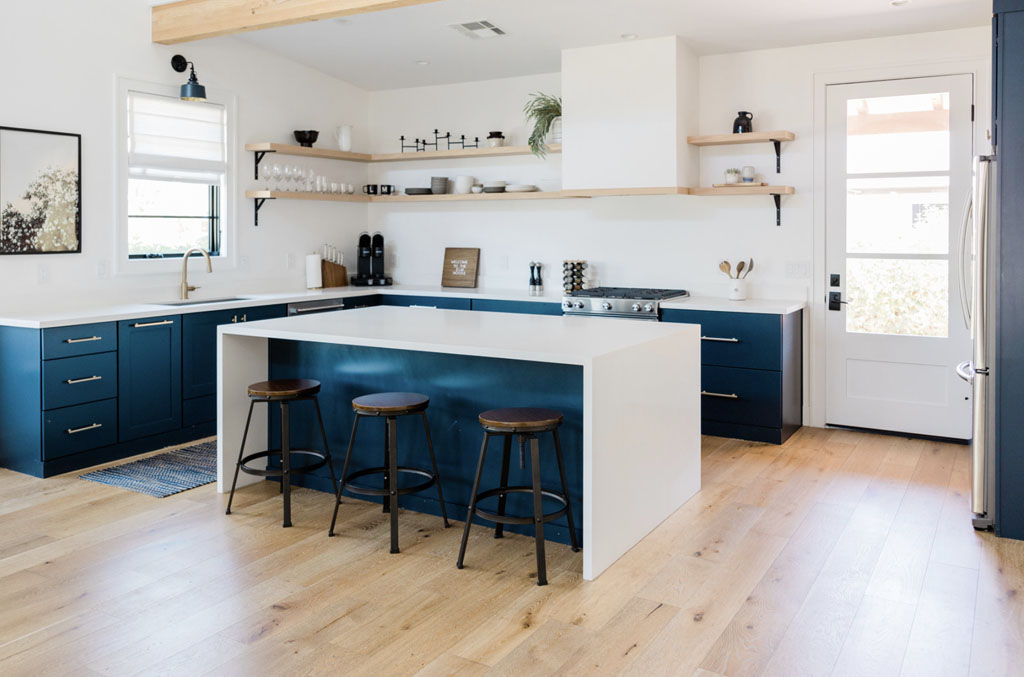
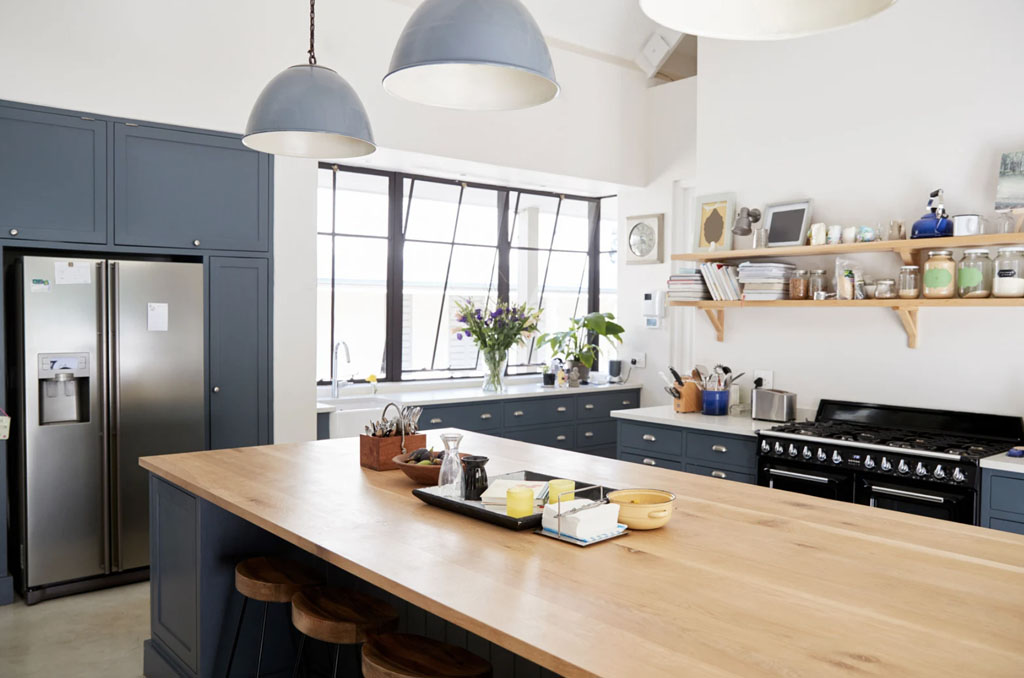
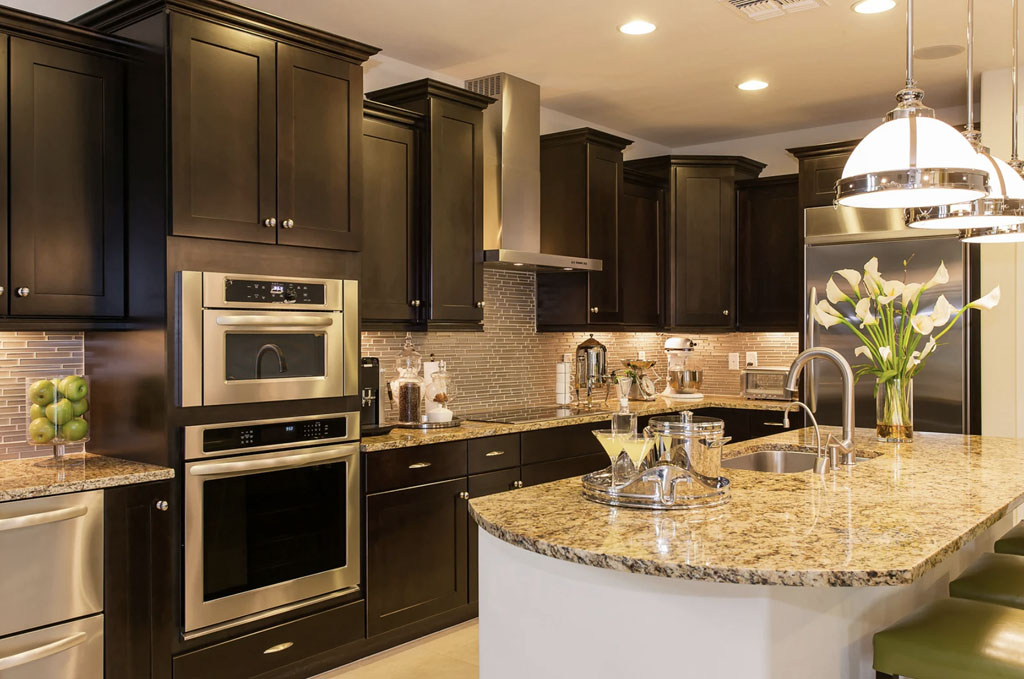
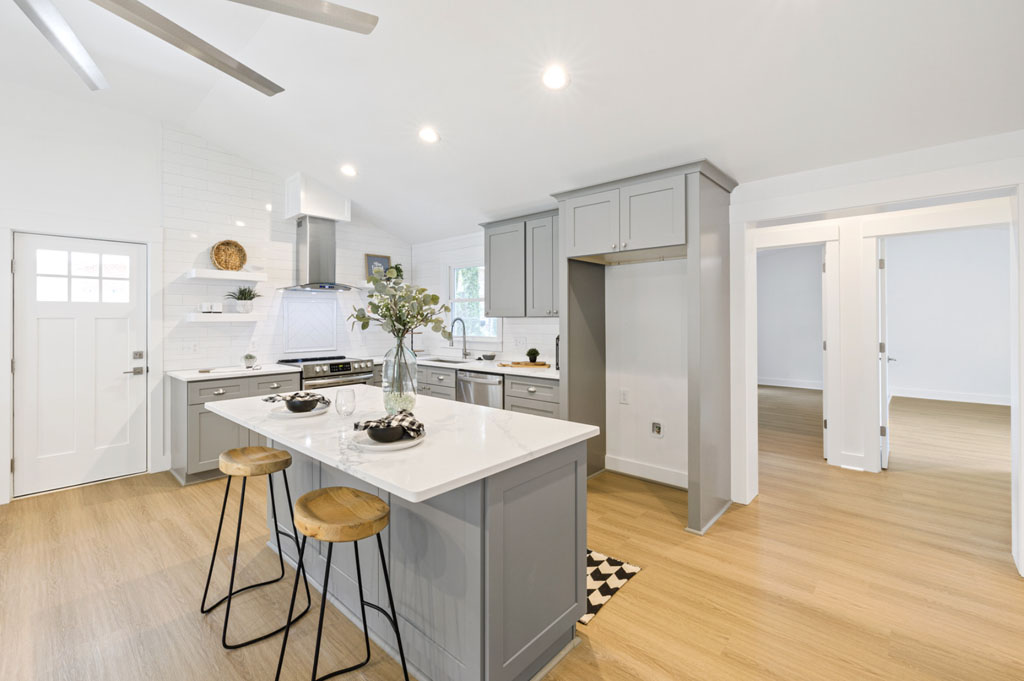
    The first move is shape. In compact footprints, four layouts repeatedly live large. A one wall kitchen with an island is clean and perfect for narrow plans. An L shape with an island opens to living and gives you a protected prep corner. A galley that ends on a window works beautifully in townhomes and is fast to build. A tight U shape can deliver the most counter space on slightly wider lots if you avoid deep, dead corner traps. Keep the big three on two walls, not three, and movement gets easier for any cook.

    Clearances that create real flow

    Flow beats finishes, and flow comes from clearances that work in real life. The National Kitchen and Bath Association’s planning guidance is an easy standard to build around. Target about 42 inches for a one cook aisle and 48 inches if two people will be in the space. Leave landing space beside the fridge door and near the range so hot pans have a home. Give the main sink a generous stretch on at least one side so prep does not collide with cleanup. These numbers are not fancy. They are the reason buyers can walk a model and think this just works.

    Storage is where small kitchens fail or fly. A right sized pantry makes a big difference. On many plans, a 24 inch deep reach in with full height shelving or a 36 inch cabinet pantry with pullouts outperforms a token walk in. Go vertical with 42 inch uppers or stacked cabinets to capture cubic feet without widening the room. Use drawer bases where plates and pots live so counters stay clear. Treat corner cabinets like grown ups and use simple blind corner pullouts rather than expensive gadgets that still waste space. Buyers can feel when clutter has been designed out of the picture.
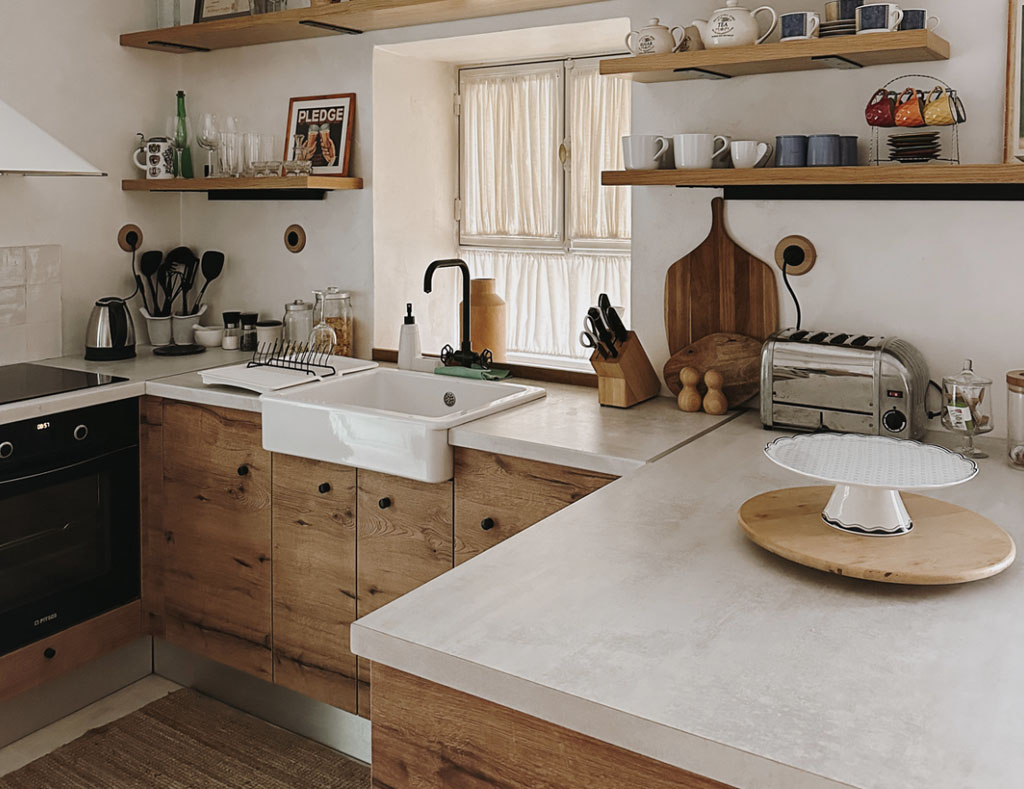
    Appliances can open up space without feeling compromised. The 24 inch category has matured, which means a narrower dishwasher and counter depth refrigeration can free precious inches while still feeling premium. ENERGY STAR’s guidance gives you an easy script for marketing and for utility exposure in rentals. Certified refrigerators use roughly 9 percent less energy than standard models, while certified dishwashers cut energy by about 12 percent and water use by about 30 percent compared with non certified units. Pair a 30 inch slide in range with a 24 inch dishwasher and you get real cooking power plus the cabinet inches you need for storage.

    Appliances, lighting, and ventilation that work quietly

    Light, ventilation, and sound quality are non negotiable, especially in open plans. Put a window at the sink or the end of a galley so the space reads bright in person and in photos. Layer warm white LED under cabinet lighting so the counter stays evenly lit without glare. Choose a quiet, ducted hood that actually clears steam and odor rather than just recirculating it. If dishwashers run during dinner, keep the decibel rating low enough that conversation does not compete.

    Islands, finishes, and small touches buyers love

    The island is the Swiss Army knife in 1,200 to 1,800 square foot homes. Aim for a depth that lets you do storage on both sides and a length that seats four comfortably. If aisles are too tight for an island, a peninsula often delivers the same seating and storage with one less walkway to police. In either case, keep seating comfortable with adequate knee space and stool width so the island looks inviting in photos and functions on pizza night.

    Finish specs can do double duty for marketing and maintenance. A light mid tone quartz tends to hide crumbs better than pure white while still reading bright. A simple shaker or slim rail door in a satin finish is easy to touch up and looks right across multiple elevations. Full height splash behind the range photographs beautifully while a modest splash elsewhere controls cost. In BTR, step up hardware quality one notch to reduce service calls. Houzz trend reporting continues to show that islands, quartz, and under cabinet lighting earn their keep in buyer satisfaction and in listing images.

    Exceptional conveniences

    Do not forget the little conveniences that signal a thought through plan. Put a duplex outlet in the pantry for small appliances, hide a charging drawer in the island so cords do not take over the counter, and stub a data line to the fridge location so a future smart package does not require surgery. These touches are inexpensive and easy to standardize across a series.

    The business case is straightforward. Kitchens sell houses, and functional small kitchens sell faster. NAHB’s long running buyer research, Houzz preference trends, and Cost vs. Value returns all point in the same direction. Deliver a kitchen that moves with 42 inch aisles, hides clutter with honest storage, provides seating that feels generous, and photographs clean. Your absorption improves, your buyer pool widens, and your appraisal conversations get easier.

    W. L. Martin Home Designs leans into this approach across plans from 400 to 2,500 square feet. You will see islands that seat four without crowding, L shapes and galleys that hit NKBA clearances, pantry solutions tucked under stairs or beside the fridge wall, and appliance packages that include 24 inch options for narrow lots. Many plans place the sink on a window wall for flattering light and keep loud mechanicals away from the cooking zone so conversations stay easy. If your community needs a peninsula instead of an island, a bigger pantry in the same footprint, or a cabinet module that repeats across multiple elevations, those tweaks are straightforward.

    For teams that like a quick punch list, focus on these wins you can repeat without fuss. Keep aisles around 42 inches, give the fridge and range real landing space, prefer drawer bases, plan an island or peninsula that seats at least three, specify a quiet ducted hood and under cabinet lighting, and standardize cabinet runs and appliance openings across models. Small moves, big impact.

    Want to point buyers to plans where the kitchen does the selling. W. L. Martin has several ready to go, and the team can adjust clearances and storage to hit the sweet spot for your lot mix and budget.

vaycasinovaycasinothailand digital arrival cardprimebahishacklinkmilbetalgototohttps://algototo.digital/nobartvjudi bolaslot gacordepo 5kslot gacordeposit 5000slot onlineslot online link 5k deposit slot tanpa potongan agb99 deposit 5k deposit 5k dana slot danacasibomcasibom girişpadişahbetbetwoonnitrobahissonbahisgrandpashabetvegabetcasino levantholiganbetholiganbet girişholiganbet güncelholiganbet güncel girişmatbet girişmatbet güncelmatbet güncel girişmilosbetbetofficetimebetcratosroyalbetcratosroyalbet girişcratosroyalbet güncelcratosroyalbet güncel girişcasinolevantcasino levantholiganbet güncelholiganbet güncel girişholiganbet güncel girişmatbetmatbet girişgrandpashabetultrabetenbetgalabethiltonbetpadişahbetsuratbetsüratbetbetplayatlasbetkralbetHoliganbet Girişalmanbahiswinxbetwinxbetalmanbahisholiganbetholiganbet girişmeritkingmeritking girişmeritkingmeritking girişvaycasinovaycasino girişptt kargoptt kargo takipptt kargo sorgulamaptt kargo iletişimaras kargoaras kargo takiparas kargo sorgulamaaras kargo iletişimvegabetvegabetgalabetgalabetvdcasinovdcasinovdcasinovaycasinovaycasino girişrestbetrestbet