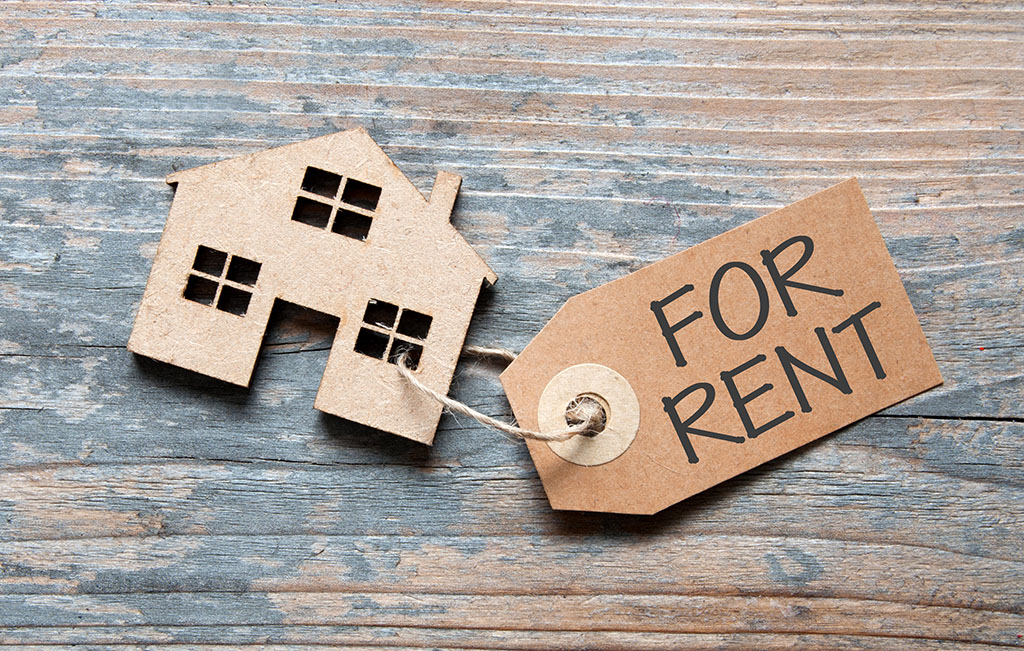
Category: House Developer News & Tips

  • Top Reasons Developers Are Embracing Build to Rent Homes

    Top Reasons Developers Are Embracing Build to Rent Homes

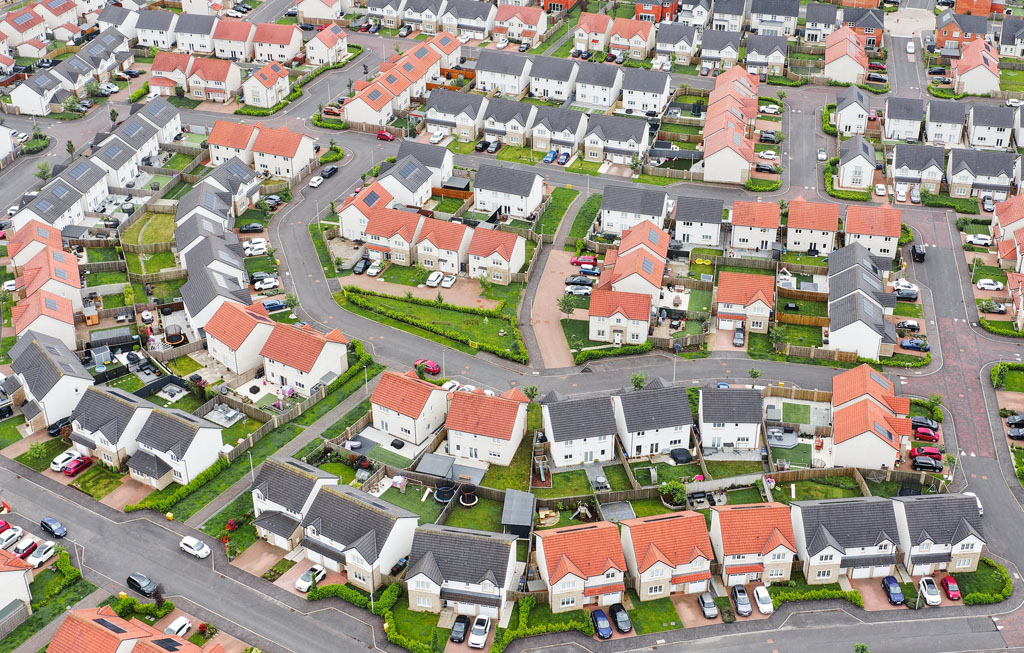
    The real estate landscape is evolving, and one trend gaining significant traction is the development of build-to-rent (BTR) communities. These purpose-built rental neighborhoods are designed to meet the growing demand for quality rental housing, offering unique opportunities for developers and investors alike.

    Understanding Build-to-Rent Communities

    Build-to-rent communities consist of homes constructed specifically for rental purposes, rather than for sale. This model allows developers to create cohesive neighborhoods with consistent design and amenities tailored to renters’ preferences. According to a report by Builder Online, the BTR market is expected to see substantial growth in 2025, driven by factors such as a lower cost of capital and increased development starts.

    Benefits for Developers

    1. Steady Income Stream: By retaining ownership and renting out properties, developers can benefit from a consistent cash flow. The Multifamily Executive highlights that despite recent market softening, the BTR sector’s structural strengths position it well for continued momentum into 2025 and beyond.
    2. High Demand: With many individuals and families opting to rent due to financial considerations or lifestyle choices, there’s a sustained demand for quality rental housing. Realtor.com notes that BTR communities cater to this demand by offering amenities and modern living spaces that appeal to renters.
    3. Scalability and Efficiency: Developing entire communities allows for economies of scale, reducing per-unit costs and streamlining management processes. This efficiency can lead to higher profitability and easier maintenance.

    Design Considerations

    To maximize appeal, BTR communities often feature:

    • Modern Amenities: Incorporating features like fitness centers, communal spaces, and smart home technology can attract a diverse tenant base. Listing 2 Leasing emphasizes that such amenities are becoming standard in BTR developments.
    • Sustainable Practices: Utilizing energy-efficient materials and designs not only appeals to environmentally conscious renters but can also reduce operational costs.
    • Community-Centric Layouts: Designing spaces that foster a sense of community can enhance tenant satisfaction and retention. This includes thoughtful placement of communal areas and promoting social interactions.

    Market Outlook

    The BTR sector is poised for growth, with increasing interest from institutional investors and real estate firms. A recent article in The Wall Street Journal highlights how major investors are allocating significant funds toward single-family rental homes, reflecting confidence in the BTR model’s profitability and sustainability.

    For developers looking to diversify their portfolios and capitalize on emerging trends, build-to-rent communities offer a compelling opportunity. By focusing on quality design, modern amenities, and efficient management, developers can create attractive rental options that meet the evolving needs of today’s renters.

    To explore expertly crafted home plans perfect for build-to-rent communities, visit W.L. Martin Home Designs and discover designs that combine style, functionality, and the scalability developers need to succeed.
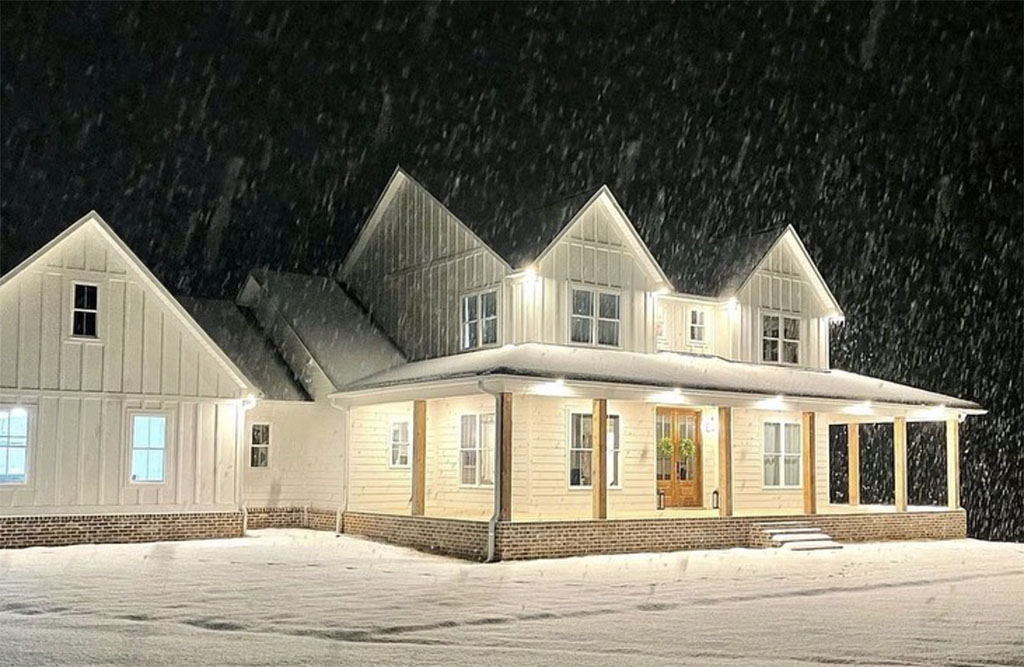
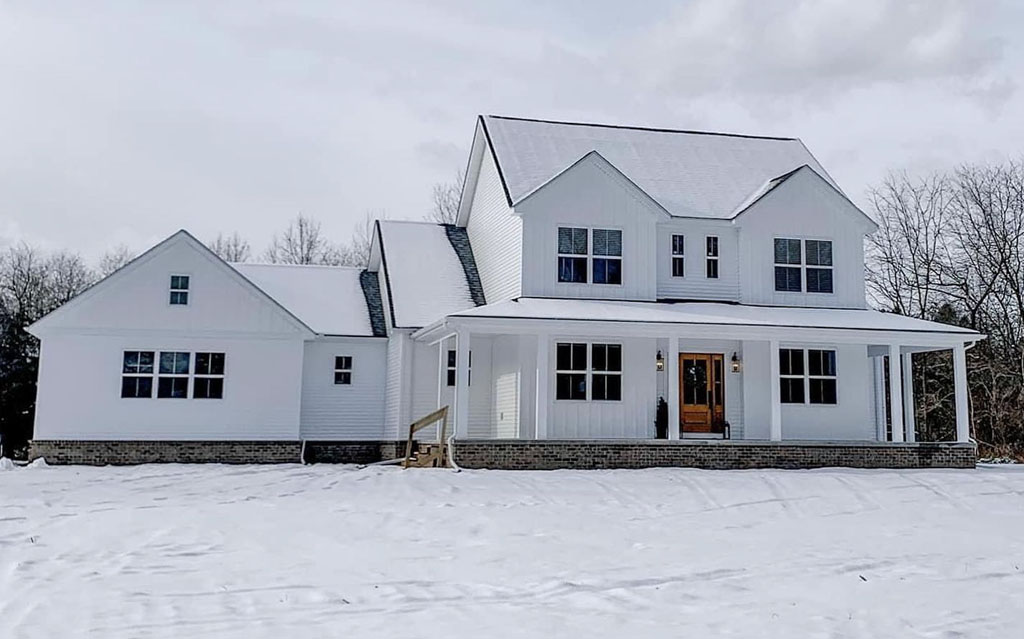
  • Style Over Substance: Finding the Perfect Balance in Today’s Home Designs

    Style Over Substance: Finding the Perfect Balance in Today’s Home Designs

    In the ever-evolving world of real estate, homebuyers often grapple with a classic dilemma: should they prioritize the allure of stylish design or the practicality of functional spaces? The truth is, modern homeowners desire both—a harmonious blend of aesthetics and usability. Developers play a pivotal role in delivering this balance, and with thoughtfully crafted plans from W.L. Martin Home Designs, achieving this equilibrium has never been more attainable.

    Understanding Today’s Homebuyer

    Today’s buyers are discerning, seeking homes that not only captivate the eye but also cater to their daily needs. Here’s what they’re looking for:

    • Visual Appeal
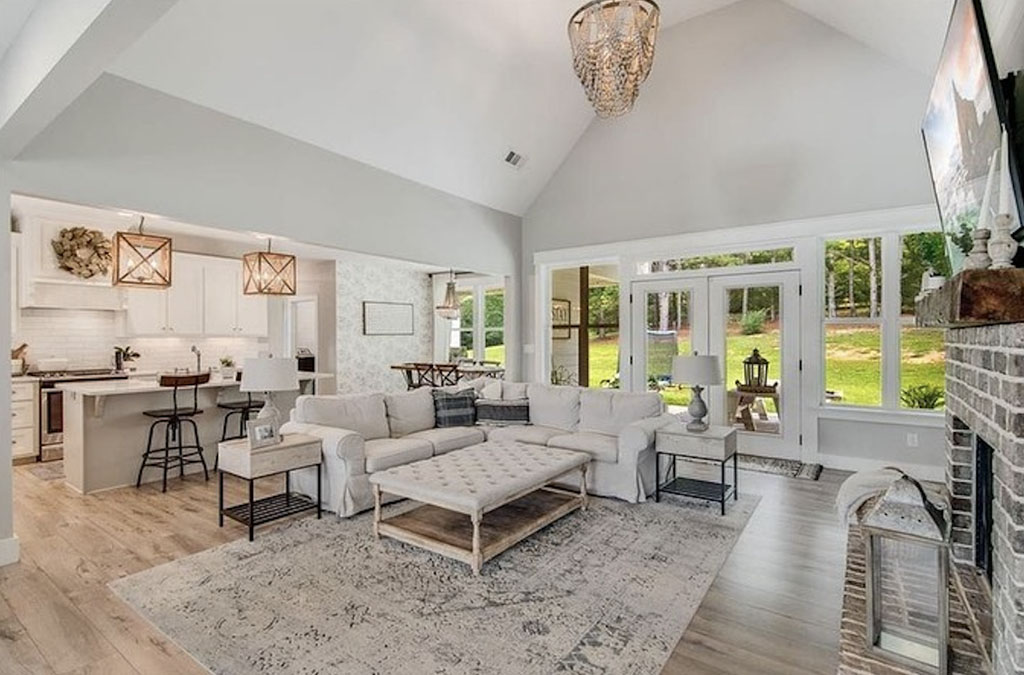
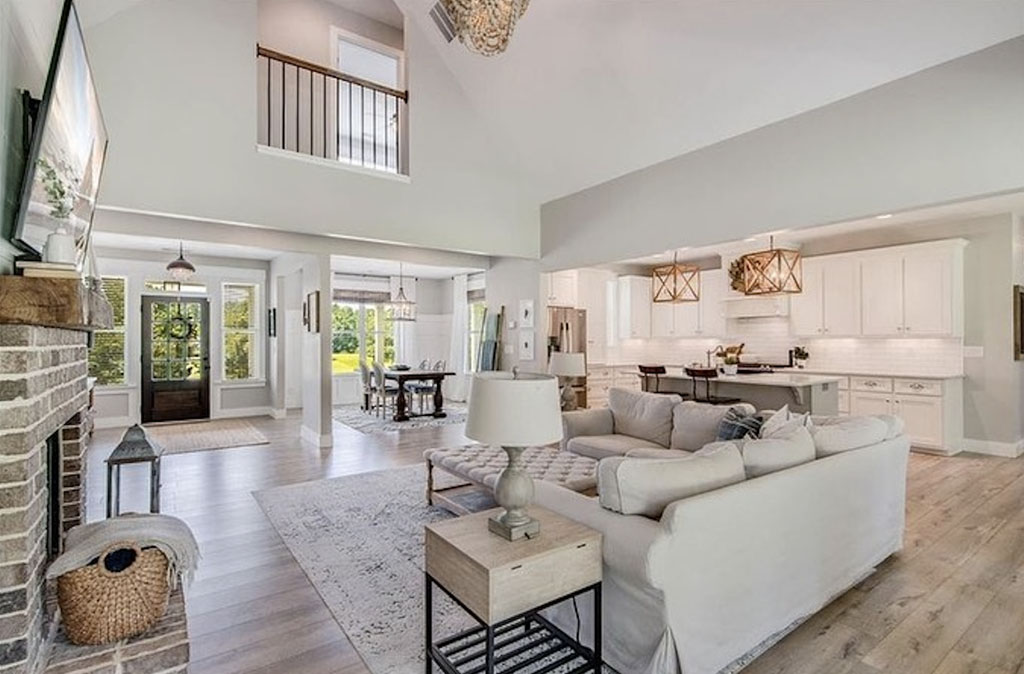
      First impressions matter. Buyers are drawn to homes with contemporary designs, open floor plans, and features like vaulted ceilings that exude a sense of spaciousness and luxury.
    • Functionality
      Beyond beauty, a home must serve its purpose efficiently. Practical layouts, energy-efficient systems, and smart storage solutions are high on the priority list.
    • Affordability and Customization
      While upscale features are attractive, budget considerations remain crucial. Homes that offer quality and style without breaking the bank, along with options for personalization, stand out in the market.

    The Developer’s Role in Merging Style and Substance

    Developers are the bridge between architectural blueprints and the dream homes buyers envision. By leveraging designs from W.L. Martin Home Designs, they can seamlessly integrate style with functionality. Here’s how:

    • Optimized Space Utilization
      With plans ranging from 400 to 5,000 square feet, W.L. Martin Home Designs ensures every inch is thoughtfully designed, making even compact spaces feel open and inviting.
    • Flexible Foundation Options
      Whether it’s a slab, crawl space, or basement, customizable foundation plans cater to regional requirements and personal preferences, enhancing both form and function.
    • Comprehensive, Ready-to-Build Plans
      Detailed construction documents, including elevations, floor plans, and roof designs, streamline the building process, allowing developers to focus on quality execution while accommodating local adjustments.

    Why W.L. Martin Home Designs?

    When developers work with W.L. Martin Home Designs, they’re not just getting house plans—they’re gaining tools to create homes that resonate with buyers. Here’s what sets these plans apart:

    • Customizable Features
      Buyers love personalization, and W.L. Martin Home Designs offers options like vaulted ceilings, open-concept layouts, and tailored finishes that appeal to modern tastes.
    • Regional Adaptability
      From hurricane-resistant designs to plans suitable for snowy climates, these homes are designed with flexibility to meet diverse environmental needs.
    • Built to Last
      High-quality, permit-ready plans ensure developers can build homes that stand the test of time while meeting local regulations.

    The Path Forward

    For developers, success lies in building homes that balance visual charm and practical utility. W.L. Martin Home Designs provides the detailed, thoughtfully designed plans needed to meet and exceed today’s buyer expectations. With a range of customizable options and support for local adaptation, these plans make it easier to create homes that sell.

    Ready to make an impact in the housing market? Explore the versatile, builder-friendly plans from W.L. Martin Home Designs and start designing homes buyers can’t resist.

  • How Mortgage Rates Shape Housing Design and Buyer Preferences

    How Mortgage Rates Shape Housing Design and Buyer Preferences

    The ebb and flow of mortgage rates have always played a pivotal role in shaping the housing market. As these rates fluctuate, they influence not only buyers’ purchasing power but also the types of homes that gain popularity. Let’s delve into how current mortgage trends are steering housing design choices.

    Affordability and Home Size

    When mortgage rates climb, monthly payments become steeper, prompting buyers to seek more affordable options. This often translates to a preference for smaller homes or properties in less expensive neighborhoods. Developers, in response, may focus on constructing compact, efficient homes that cater to budget-conscious consumers. Conversely, when rates are low, buyers might be inclined to invest in larger properties, knowing their monthly payments will be more manageable.

    Designing for Flexibility

    Higher mortgage rates can deter homeowners from moving, leading them to adapt their current spaces to meet changing needs. This trend has increased the demand for multifunctional spaces within homes—areas that can serve as offices, gyms, or guest rooms. Builders are now emphasizing flexible floor plans that can evolve with a homeowner’s lifestyle, reducing the necessity for relocation.

    Energy Efficiency and Sustainability

    With rising borrowing costs, buyers are placing greater emphasis on long-term savings. Homes equipped with energy-efficient features, such as advanced insulation, solar panels, and efficient appliances, are becoming more attractive. These sustainable designs not only reduce utility bills but also appeal to environmentally conscious consumers. Developers are increasingly incorporating green building practices to meet this growing demand.

    Urban vs. Suburban Preferences

    Mortgage rate fluctuations can also influence buyers’ choices between urban and suburban living. Higher rates may lead individuals to seek more affordable housing in suburban or rural areas, where they can get more space for their money. This shift affects the types of homes being built, with a potential increase in single-family homes in suburban developments during periods of high rates.

    Innovative Financing and Design Solutions

    To counteract the challenges posed by high mortgage rates, some builders are exploring innovative financing options, such as mortgage rate buy-downs, to make homes more accessible. Additionally, there’s a growing trend towards designing homes that can accommodate multi-generational families, allowing for shared expenses and more efficient use of space.

    In conclusion, mortgage rates significantly impact housing design choices, influencing everything from home size and location to energy efficiency and flexibility. By staying attuned to these trends, developers and buyers alike can make informed decisions that align with both economic conditions and personal preferences.

  • Housing Optimism Fuels Demand for House Design Plans: What Developers Should Know

    Housing Optimism Fuels Demand for House Design Plans: What Developers Should Know

    The housing market is buzzing with optimism, as recent reports indicate a significant boost in confidence compared to a year ago. With rising demand and increased activity in the real estate sector, developers have a golden opportunity to meet market needs. At W.L. Martin Home Designs, we understand how pivotal this moment is for developers, and our extensive range of house plans—from compact 400-square-foot homes to spacious 5,000-square-foot designs—offers the perfect solutions to capitalize on this growth.

    Why the Housing Market Optimism Matters for Developers

    A report from January 2025 highlights a remarkable shift in the housing market. Homebuyer sentiment is stronger, interest rates appear to be stabilizing, and inventory shortages are creating a ripe environment for new construction. For developers, this means a growing pool of buyers eager for well-designed, functional homes.

    The Role of House Plans in a Competitive Market

    To stand out in this dynamic market, developers need house plans that are not only aesthetically pleasing but also practical and adaptable to various needs. Here’s where our expertise at W.L. Martin Home Designs comes into play. Our plans are crafted with both developers and end-users in mind, ensuring compliance with building standards while providing flexibility for customization.

    Key Features of Our House Plans

    1. Detailed Elevations and Construction Notes
      • Front, rear, and side elevations provide comprehensive visual and structural guidance.
    2. Efficient Floor Plans
      • From optimizing small spaces to crafting expansive layouts, our plans cater to diverse preferences.
      • Electrical, window, and door specifications are meticulously included for precision.
    3. Scalable Foundations and Roof Options
      • Whether it’s concrete block slabs, crawlspaces, or basements, our plans accommodate varied foundation needs.
      • Roof designs include pitches, ridges, and optional trusses to match regional building codes.
    4. Customization Options
      • Developers can request optional full building sections or adapt plans to meet local requirements, ensuring smoother permitting processes.

    How Developers Can Leverage This Opportunity

    1. Focus on Emerging Trends

    With buyers prioritizing energy efficiency, open-concept designs, and outdoor living spaces, developers can use our customizable plans to stay ahead of trends. For example, plans featuring vaulted ceilings and large windows are perfect for creating airy, light-filled interiors.

    2. Invest in Versatile Designs

    Versatility is key in a competitive market. Our range includes designs for single-story homes, two-story layouts, and compact starter homes, making it easier to cater to different demographics, from young families to downsizing retirees.

    3. Build with Confidence

    Our house plans serve as the foundation for permit documents, minimizing delays during the approval process. Developers can rely on local experts for additional engineering or energy calculations, but our plans ensure a streamlined start.

    Partner with W.L. Martin Home Designs for Success

    As housing optimism surges, developers have an unparalleled opportunity to meet demand with thoughtfully designed homes. By choosing W.L. Martin Home Designs, you gain access to detailed, adaptable plans that save time and resources while appealing to today’s discerning buyers.

    Browse our collection today at W.L. Martin Home Designs and let us help you turn market optimism into lasting success!

  • Top Home Design Trends for 2025 That Blend Style and Functionality

    Top Home Design Trends for 2025 That Blend Style and Functionality

    As we step into 2025, the world of home design is embracing trends that harmonize aesthetics, functionality, and a deep connection to nature. Key movements gaining prominence include biophilic design, warm minimalism, and multifunctional spaces.

    Biophilic Design: Bringing Nature Indoors

    Biophilic design emphasizes integrating natural elements into our living environments, fostering a sense of tranquility and well-being. This approach goes beyond adding a few houseplants; it involves creating spaces that echo the serenity of the natural world.

    Key Features:

    • Living Walls: Vertical gardens that introduce lush greenery into indoor spaces.
    • Natural Materials: Incorporating wood, stone, and natural fibers to enhance organic appeal.
    • Abundant Natural Light: Designing layouts that maximize sunlight, creating bright and inviting interiors.

    According to industry experts, biophilic design is set to be a leading trend in 2025, with a significant emphasis on integrating nature into homes.

    Warm Minimalism: Cozy Simplicity

    Warm minimalism combines the clean lines of traditional minimalism with inviting, earthy tones and textures, resulting in spaces that are both uncluttered and welcoming.

    Key Features:

    • Neutral Color Palettes: Utilizing warm whites, beiges, and soft browns to create a soothing atmosphere.
    • Natural Materials: Incorporating elements like wood and stone to add warmth and texture.
    • Functional Decor: Choosing purposeful items that contribute to a serene and harmonious environment.

    Designers note that warm minimalism is gaining popularity as it balances simplicity with comfort, making homes feel more inviting.

    Multifunctional Spaces: Versatility in Design

    With the evolving dynamics of work and home life, multifunctional spaces have become essential. Designing areas that seamlessly adapt to various needs enhances both practicality and comfort.

    Key Features:

    • Flexible Furniture: Incorporating pieces like foldable desks and extendable tables to accommodate different functions.
    • Open-Plan Layouts: Creating spaces that can serve multiple purposes, from work to relaxation.
    • Smart Storage Solutions: Implementing storage that maintains organization without compromising aesthetics.

    The demand for multifunctional spaces is on the rise, reflecting a shift towards more adaptable and efficient home environments.

    Incorporating these trends into your home design not only aligns with contemporary aesthetics but also enhances functionality and well-being, ensuring your living spaces are both stylish and adaptable to the changing times.

    Be sure to check out our custom design home plans at W.L. Martin Homes to find a home that eloquently blends style and functionality.

  • Home Design Plans for Tomorrow: How to Future-Proof Homes for 2025 and Beyond

    Home Design Plans for Tomorrow: How to Future-Proof Homes for 2025 and Beyond

    Designing homes that stand the test of time requires foresight and adaptability. As we approach 2025, it’s essential to consider evolving buyer preferences and technological advancements to ensure your developments remain relevant and appealing. Here are key strategies to future-proof your home designs:

    1. Integrate Smart Home Technology

    Modern buyers expect homes equipped with the latest technology. Incorporate features like whole-home batteries, which store excess energy from solar panels, providing power during outages and reducing utility costs. Mentions of such systems have surged by 62% in recent listings, indicating growing demand.

    2. Embrace Sustainable and Energy-Efficient Features

    Sustainability is no longer optional; it’s a priority for many buyers. Implement energy-efficient appliances, solar panels, and sustainable building materials to appeal to eco-conscious consumers. Homes designed to produce as much energy as they consume, known as zero-energy homes, are becoming increasingly desirable.

    3. Design Flexible and Multifunctional Spaces

    The shift towards remote work has increased the need for adaptable living areas. Incorporate multifunctional rooms that can serve as home offices, gyms, or guest bedrooms. Features like moveable walls and room dividers offer flexibility, allowing homeowners to reconfigure spaces as their needs evolve.

    4. Incorporate Biophilic Design Elements

    Connecting with nature enhances well-being and is highly sought after in modern home design. Integrate natural light, indoor plants, and natural materials to create a calming environment. Biophilic design not only improves aesthetics but also promotes health, making homes more attractive to potential buyers.

    5. Plan for Climate Resilience

    With increasing awareness of climate change, buyers are looking for homes that can withstand environmental challenges. Design structures with durable materials and consider features like flood barriers or drought-resistant landscaping to enhance resilience. Such considerations can also lead to lower insurance costs, adding value for buyers.

    6. Focus on Wellness-Centered Design

    Health and wellness have become central to home design. Incorporate features like home spas, yoga rooms, and clean air filtration systems to create environments that promote well-being. Designing homes with wellness in mind can significantly enhance their appeal to health-conscious buyers.

    7. Utilize Durable and Sustainable Materials

    Selecting materials that are both durable and sustainable ensures longevity and reduces maintenance costs. Consider using thermally modified woods and terracotta for exteriors, which are resilient to natural elements and offer a timeless aesthetic.

    By implementing these strategies, you can create homes that not only meet current market demands but also adapt to future trends and technologies, ensuring long-term value and satisfaction for homeowners.

  • Affordable Ways to Customize House Plans and Meet Diverse Buyer Needs

    Affordable Ways to Customize House Plans and Meet Diverse Buyer Needs

    For housing developers, balancing affordability with customization is no small feat. Buyers crave homes that feel unique and tailored to their needs, but overspending on personal touches can eat into your bottom line. The good news? There are practical, cost-effective ways to offer personalization without breaking the bank.

    At W.L. Martin Homes, we’ve designed our house plans with this balance in mind—providing versatile, customizable layouts that developers can adapt to meet buyer preferences without exceeding budgets. Many of our home plan designs allow you to easily create the perfect balance between cost and customization.

    Start with Flexible Pre-Designed Plans

    Using pre-designed house plans is one of the most efficient ways to offer customization without the cost of starting from scratch. Plans like those from W.L. Martin Homes come with options for multiple layouts, roof styles, and foundation types, giving buyers plenty of choices. You can start with a solid foundation and modify select elements to suit your target market.

    Stick to Standardized Dimensions

    When it comes to construction, adhering to standard dimensions can save you thousands of dollars. Standardized windows, doors, and lumber sizes are not only more affordable but also easier to source and install. By avoiding custom sizes, you cut down on material waste and labor costs while still delivering a polished, professional result.

    Prioritize High-Impact Changes

    Not every home customization project has to be a grand gesture. Instead, it may be best to focus on features that buyers care about the most. Upgraded kitchen islands, energy-efficient appliances, or even an accent wall in the living room can make a home feel special and inviting without adding significant costs. Many of these small and thoughtful touches can often leave the biggest impression.

    Embrace Open Floor Plans

    Open floor plans are not only a top trend among buyers but also a developer’s secret weapon for savings. By reducing the number of interior walls, you save on framing and finishing while giving buyers the airy, modern layouts they desire. This approach works especially well in homes under 2,500 square feet, where maximizing usable space is key.

    Choose Affordable, Quality Materials

    Customization doesn’t mean you have to splurge on high-end finishes. Materials like laminate flooring, engineered stone countertops, or composite siding provide a stylish look at a fraction of the cost. Plus, many budget-friendly options today are so well-crafted that they rival more expensive alternatives in quality and appearance.

    Simplify Rooflines and Foundations

    Architectural complexity can quickly drive up construction costs. A roof with multiple peaks or an intricate foundation design may look impressive but often isn’t necessary to wow buyers. Simplifying these structural elements—such as opting for a gable roof or slab foundation—helps you stick to your budget while maintaining aesthetic appeal.

    Work with Trusted Designers

    Partnering with experienced designers who understand your budget constraints can make all the difference. At W.L. Martin Homes, we specialize in creating house plans that are both visually appealing and practical to build. Many of our plans come with optional layouts and design features that allow for customization while keeping costs in check.

  • How Rising Unsold Home Inventory Creates Opportunities for Builders

    How Rising Unsold Home Inventory Creates Opportunities for Builders

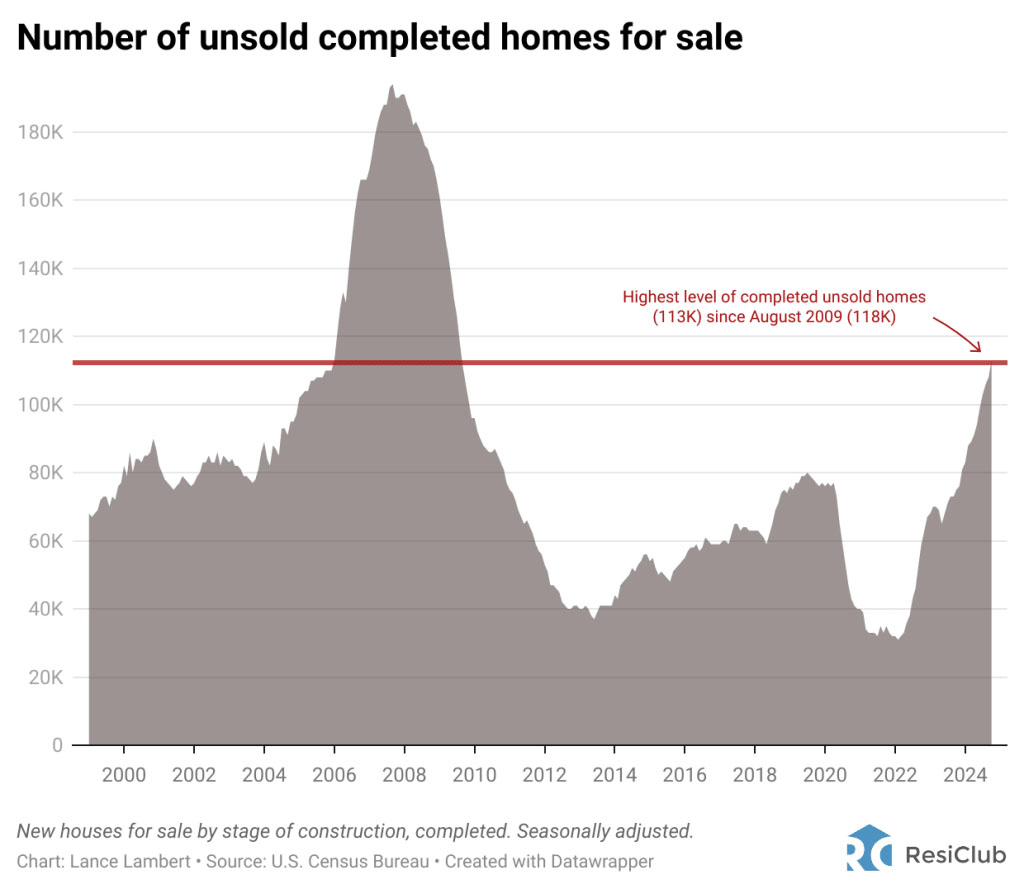
    The housing market is grappling with its highest level of unsold completed new single-family homes since 2009. In October 2024, the number reached 113,000—marking a steady climb since the post-pandemic housing boom fizzled out in 2022. While this might initially appear concerning, several industry leaders and analysts view this situation as a strategic turning point rather than a market decline. Here’s what this means for builders and the housing market.

    What’s Driving the Increase in Inventory?

    Post-pandemic shifts in housing demand, coupled with elevated mortgage rates, have cooled the once-frantic pace of home sales. However, rising inventory also reflects deliberate decisions by homebuilders to meet the needs of buyers who struggle to find suitable resale homes. Builders are attempting to bridge the gap with move-in-ready homes in high-demand areas.

    Why Builders Are Optimistic

    1. Preparing for a Strong Spring Market

    Phillippe Lord, CEO of Meritage Homes, stresses that the increase in inventory is a proactive response to market demand. “Builders are intentionally creating speculative inventory,” he explains, addressing the shortfall in the resale market. He even goes as far as to make a prediction of 2025 having a strong spring selling season somewhat driven by the availability of move-in-ready homes.

    2. Rising Inventory Reflects Demand

    Housing analyst Kevin Erdmann takes a bullish view: the increase in completed homes signifies strong demand. He notes that higher inventory levels are necessary for sales to grow, suggesting that builders who maintain momentum can capitalize on the trend. For developers, there’s an opportunity to deliver products that meet anxious buyer needs.

    Strategic Adjustments in Key Markets

    Not all regions are experiencing the same dynamics. Rick Palacios Jr., a housing analyst, looks closly at regions like Texas, Florida, and the Southeast as areas with the highest inventory levels. Builders in these markets may need to adjust their strategies by offering discounts or slowing down construction starts. For developers, these local issues and in-sight resolutions present an opportunity to adapt offerings and attract buyers in a competitive market.

    Turning Challenges into Opportunities

    For builders, the current market presents a unique opportunity to innovate and grow:

    • Address Affordability: Consider offering incentives, such as flexible financing or upgrade packages, to attract hesitant buyers.
    • Tailored Design Offerings: Leverage adaptable house plans, like those from W.L. Martin Home Designs, to meet regional preferences and budget constraints.
    • Market Readiness: Builders with move-in-ready homes can stand out in areas with limited resale options, capitalizing on buyer urgency.

    How W.L. Martin Home Designs Can Help Builders Succeed

    In a time when adaptability and efficiency are important, working with flexible house plans is vital. W.L. Martin Home Designs offers expertly crafted plans that cater to diverse market demands:

    • Comprehensive Designs: Plans include front and rear elevations, floor layouts, roof details, and foundation options tailored to local requirements.
    • Customizable Options: Builders can modify designs to suit regional styles or buyer preferences to ensure maximum market appeal.
    • Efficiency in Permitting: W.L. Martin Home Design plans are designed as a foundation for local permits, reducing time-to-market for developers.

    Final Words

    While rising unsold inventory may seem daunting, it could signal a normalization of the market and opportunities for newfound growth. Builders who adapt to the changing landscape by offering affordable, move-in-ready homes and leveraging high-quality, customizable house plans will position themselves for success in 2025 and beyond.

    Now is the time to build smarter and seize the opportunities that this shifting market presents. Ready to explore house plans that can set you apart? Visit W.L. Martin Home Designs today and select your desirable house plan.

  • Sustainable Living by Designing Eco-Friendly Homes for the Modern Developer

    Sustainable Living by Designing Eco-Friendly Homes for the Modern Developer

    Sustainability is no longer just a buzzword—it’s a cornerstone of modern home design. As the housing market pivots toward eco-conscious living, developers are finding that integrating green building practices and eco-friendly designs isn’t just good for the planet—it’s good for business.

    At W.L. Martin Home Designs, we recognize the value of sustainable architecture. Our versatile house plans are tailored to meet the needs of forward-thinking developers who want to build homes that align with today’s environmental priorities.

    The Developer’s Role in Sustainable Living

    Why should developers prioritize eco-friendly homes? Because buyers are demanding them. Sustainability appeals to an ever-growing audience of environmentally conscious consumers. Here’s why this trend matters:

    1. Long-Term Cost Savings
      Energy-efficient homes save money on utility bills—a compelling selling point for buyers. By incorporating features like energy-efficient windows, insulation, and solar readiness into your builds, you’re providing value that lasts long after the sale.
    2. Increased Property Value
      Sustainable homes tend to have higher resale values. Features like green roofs, rainwater harvesting systems, and energy-efficient appliances make properties more attractive to future buyers.
    3. Meeting Regulatory Standards
      Many regions are introducing stricter energy codes and environmental guidelines for new builds. Designing eco-friendly homes now ensures compliance with current and future regulations, helping developers avoid costly redesigns.
    4. Attracting a Wider Market
      Green homes appeal to a broad demographic—from millennials seeking to reduce their carbon footprint to retirees looking for long-term savings and comfort.

    Eco-Friendly Features to Include in Modern House Plans

    When you collaborate with W.L. Martin Home Designs, you gain access to house plans that are easily adaptable to sustainable building practices. Here are some key features that can transform your developments into eco-friendly havens:

    • Passive Solar Design
      Optimize window placement and roof overhangs to maximize natural light and minimize energy consumption.
    • Energy-Efficient Insulation and Materials
      High-performance insulation, recycled materials, and sustainably sourced wood can dramatically reduce a home’s carbon footprint.
    • Water Conservation Systems
      Incorporate rainwater collection, low-flow fixtures, and xeriscaping in your designs to conserve water and lower utility costs.
    • Solar-Ready Roofs
      Roof designs that accommodate solar panel installations are a future-proof feature that appeals to environmentally conscious buyers.
    • Smart HVAC Integration
      Pair eco-friendly designs with smart thermostats and energy-efficient heating and cooling systems for maximum efficiency.

    Stylish and Sustainable: Modern Aesthetics Meet Green Design

    Eco-friendly homes no longer have to sacrifice style for sustainability. Whether you’re developing a compact 400-square-foot starter home or a spacious 2,500-square-foot family residence, our house plans seamlessly blend modern aesthetics with green features.

    For instance, open floor plans promote better air circulation, reducing the need for excessive heating and cooling. Meanwhile, large windows and skylights create a bright, welcoming environment that minimizes the need for artificial lighting.

    By choosing designs that marry form and function, you ensure your builds resonate with buyers looking for homes that reflect their eco-conscious values without compromising on beauty or comfort.

    Why Choose W.L. Martin Home Designs for Sustainable Projects?

    Our house plans offer the perfect foundation for developers looking to embrace green building practices. With W.L. Martin Home Designs, you get:

    • Comprehensive Plans that include details such as floor layouts, window sizes, and roof pitches—all of which can be customized for sustainability​.
    • Flexible Options to adapt to local environmental regulations and buyer preferences.
    • Scalable Designs that cater to small, efficient builds as well as larger eco-friendly homes.

    Our designs are not only detailed and adaptable but also crafted with an understanding of how to make homes livable, marketable, and sustainable.

    Be a Part of the Green Revolution

    The demand for eco-friendly housing isn’t slowing down—it’s accelerating. As a developer, your projects can lead the charge toward a more sustainable future. At W.L. Martin Home Designs, we’re here to help you turn that vision into reality. With our thoughtfully designed house plans, you can build homes that stand out in the market while making a positive impact on the environment.

    Explore our eco-friendly house plans at wlmartinhomes.com today, and let’s work together to design a sustainable future.

  • Maximizing Space with Innovative Small Home Designs That Don’t Compromise on Comfort

    Maximizing Space with Innovative Small Home Designs That Don’t Compromise on Comfort

    The growing popularity of small homes is reshaping and somewhat redefining the housing market. Whether it’s young professionals seeking affordable living options, empty nesters downsizing, or homeowners embracing a minimalist lifestyle, small homes are proving that less can truly be more without much compromise. Less square footage doesn’t mean making sacrifices in the area of comfort or functionality. Innovative design can also make these compact homes feel natural and not cramped as some may think.

    Why Small Homes Are in Demand

    On multiple levels theres a newfound appeal of small homes, and developers have a unique opportunity to capitalize on this trend. Here’s why smaller homes have become popular:

    1. Affordability
    2. With rising housing costs, small homes offer buyers an accessible entry point into the market. Their reduced size naturally lowers building costs, making them attractive for developers too.
    3. Lower Maintenance
    4. Fewer square feet mean less upkeep, which is a major draw for busy professionals, retirees, and anyone looking to simplify their lifestyle.
    5. Eco-Friendly Living
    6. Smaller homes consume fewer resources than larger ones, for both the construction process and daily energy use. Paired with energy-efficient designs, these homes align with the growing demand for sustainable living.
    7. Urban Accessibility
    8. Compact designs are ideal for maximizing the use of smaller plots of land, particularly in urban or suburban areas where space is at a premium.

    Smart Design Strategies for Small Homes

    Designing small homes requires creativity and a clear understanding of how to maximize every square foot.

    With the right design elements and strategies, even a 400-square-foot home can feel open, comfortable, and luxurious. Here are some ideas to incorporate into your designs:

    • Open Floor Plans
    • Removing unnecessary walls creates a sense of spaciousness. Combining living, dining, and kitchen areas into one seamless space ensures a more functional layout.
    • Multi-Functional Rooms
    • Spaces that serve multiple purposes, like a living room that doubles as a guest bedroom with a pull-out couch, help make the most of limited square footage.
    • Built-In Storage
    • Clever storage solutions, such as built-in shelving, under-stair storage, and furniture with hidden compartments, help maintain a clutter-free environment.
    • Vertical Design
    • Utilizing vertical space with lofted sleeping areas or tall cabinets adds usable square footage without expanding the home’s footprint.
    • Natural Light
    • Large windows, skylights, and light-colored interiors can make a small home feel more open and airy.

    The Appeal of Small Homes Without Sacrificing Comfort

    Compact homes don’t have to feel restrictive or small, for that matter. Thoughtful layouts ensure functionality, while innovative design elements maintain a sense of luxury. High ceilings, efficient kitchens, spa-like bathrooms, and cozy outdoor spaces can transform smaller homes into highly desirable living spaces.

    For developers, offering house plans that embrace these elements can attract a diverse range of buyers, from first-time homeowners to retirees looking to downsize. Small homes also provide an excellent opportunity to explore modern and minimalist aesthetics that are in high demand.

    Meeting the Market with Flexible Designs

    One of the keys to success in small home development is flexibility. Buyers want homes that fit their unique lifestyles, and customizable plans make that possible. By starting with designs that prioritize efficient use of space, developers can easily tailor homes to meet individual buyer needs or meet certain regional restrictions or regulations.

    Why Small Homes Are Big Business for Developers

    Building small homes doesn’t just cater to a niche market, it opens the door to a growing trend that shows no signs of slowing down in today’s housing market. These homes are perfect for urban developments, vacation properties, and even eco-friendly communities. As demand grows for affordable, sustainable, and stylish living spaces, developers who offer innovative small home options are poised for success.

    Whether you’re creating a compact single-family home or developing a community of small residences, thoughtful design is key, which we offer to developers who choose our house design plans at W.L. Martin Home Designs. Buyers are looking for spaces that fit their lives while feeling anything but small. By prioritizing comfort, efficiency, and modern aesthetics, you can deliver homes that exceed expectations—no matter their size.

    View our extensive catalog of small home design plans at W.L. Martin Home Designs and choose a small home design that doesn’t compromise on comfort.  

vaycasinovaycasinothailand digital arrival cardprimebahishacklinkmilbetalgototohttps://algototo.digital/nobartvjudi bolaslot gacordepo 5kslot gacordeposit 5000slot onlineslot online link 5k deposit slot tanpa potongan agb99 deposit 5k deposit 5k dana slot danacasibomcasibom girişpadişahbetbetwoonnitrobahissonbahisgrandpashabetvegabetcasino levantholiganbetholiganbet girişholiganbet güncelholiganbet güncel girişmatbet girişmatbet güncelmatbet güncel girişmilosbetbetofficetimebetcratosroyalbetcratosroyalbet girişcratosroyalbet güncelcratosroyalbet güncel girişcasinolevantcasino levantholiganbet güncelholiganbet güncel girişholiganbet güncel girişmatbetmatbet girişgrandpashabetultrabetenbetgalabethiltonbetpadişahbetsuratbetsüratbetbetplayatlasbetkralbetHoliganbet Girişalmanbahiswinxbetwinxbetalmanbahisholiganbetholiganbet girişmeritkingmeritking girişmeritkingmeritking girişvaycasinovaycasino girişptt kargoptt kargo takipptt kargo sorgulamaptt kargo iletişimaras kargoaras kargo takiparas kargo sorgulamaaras kargo iletişimvegabetvegabetgalabetgalabetvdcasinovdcasinovdcasinovaycasinovaycasino girişrestbetrestbetbetkolikbetkolikgalabetvdcasinomilosbettimebetultrabetvegabetgalabetvdcasinomilosbettimebetultrabetkralbetkralbetlunabetonwinberlinbetrestbet