Category: House Developer News & Tips

  • How to Choose the Right Size House Plan: A Guide for Developers

    How to Choose the Right Size House Plan: A Guide for Developers

    For developers, selecting the right size house plan is about more than just square footage—it’s about balancing cost, functionality, and market demand. With housing affordability concerns growing and homeownership costs rising, today’s buyers are increasingly looking for homes that are “just right” for their needs.

    Recent trends indicate that the average new home size is shrinking, reflecting both affordability concerns and evolving consumer preferences. But how can developers ensure they are building homes that hit the sweet spot for buyers? In this guide, we’ll explore key factors to consider when choosing the right size house plan.

    1. Understand the True Cost of Larger Homes

    While it may be tempting to build the largest home possible within a budget, it’s important to remember that a bigger home means bigger expenses for the buyer. According to a 2023 analysis from Zillow and Thumbtack, homeowners spend an average of $14,155 per year on utilities, taxes, insurance, and maintenance—and that cost jumps to $20,879 in high-cost areas like Greater Boston.
    For developers, this means that buyers are increasingly looking for homes that are energy-efficient and cost-effective to maintain. Homes with excessive square footage may sit on the market longer if buyers perceive them as financially burdensome in the long run.

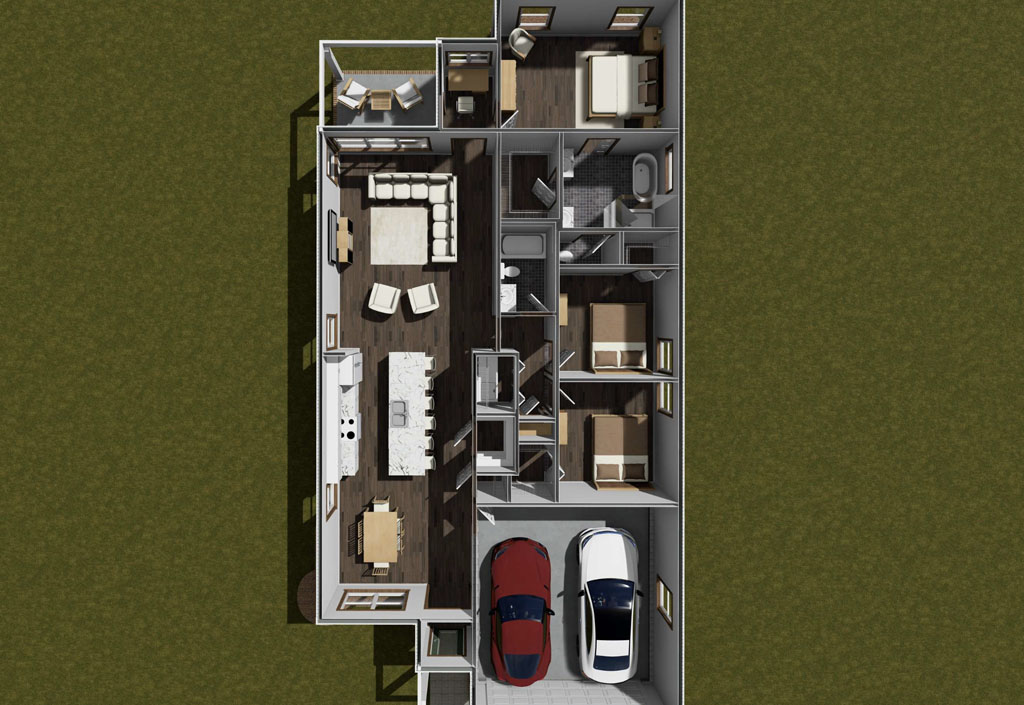
    • Prioritize efficient layouts that maximize usable space while minimizing unnecessary square footage.
    • Consider designing homes with modern energy-efficient features to help offset long-term utility costs for buyers.

    2. Align Home Size with Buyer Needs and Lifestyle Trends

    Today’s buyers are looking for homes that fit both their current needs and future plans. Some of the biggest trends shaping home size decisions include:

    • Work-from-home spaces. Many buyers now require a dedicated home office but may not need extra bedrooms.
    • Multigenerational living. Some families are considering space for aging parents or future children.
    • Low-maintenance lifestyles. Many homeowners prefer homes that are easy to clean and maintain over large, sprawling layouts.

    The story of Sarah McCracken is a great example of how buyer needs evolve over time. Initially, she and her husband opted for a smaller Cape Cod-style home instead of stretching their budget for a larger house. Later, they expanded their home when their family grew, rather than moving into a larger home from the start.

    • Consider offering flexible floor plans that allow for easy expansions or modifications.
    • Design homes with multifunctional spaces, such as home offices that can convert into guest rooms.

    3. Consider Market-Specific Factors

    Different markets have different demands when it comes to home size. In some areas, compact homes with smart layouts may be more desirable, while in others, slightly larger homes may be the expectation.

    • Urban and suburban markets. Smaller, efficient homes with open floor plans tend to be more in demand due to land constraints and affordability concerns.
    • Rural areas. Larger homes may still be a priority, as land is more available and buyers may expect more square footage for their money.
    • Retirement and vacation markets. One-story homes with modest square footage and low-maintenance features tend to sell well in these areas.
    • Research local buyer preferences and adjust home sizes accordingly.
    • Offer a variety of house plans to cater to different market segments.

    4. Plan for Future Expansion

    While some buyers may want to move into a home that already has all the space they need, others may prefer a smaller home that can be expanded over time. Developers should consider offering house plans with optional add-ons or expansion potential.

    Factors to consider when planning for expansion:

    • Lot size and zoning regulations. Ensure that setbacks and zoning laws allow for future home additions.
    • Structural considerations. Design homes with layouts that allow for easy additions, such as unfinished basements or bonus rooms.
    • Detached structures. Consider including garage apartments or accessory dwelling units (ADUs) as an option.
    • Offer house plans that are adaptable to future changes.
    • Market the flexibility of your designs to buyers looking for homes that can grow with them.

    5. Help Buyers Avoid Becoming “House Poor”

    Financial professionals caution against buying a home that maxes out one’s budget. Real estate economist Ken H. Johnson advises buyers to spend no more than four to six times their annual salary on a home purchase. For developers, this means designing homes that provide great value without stretching buyers’ finances too thin.
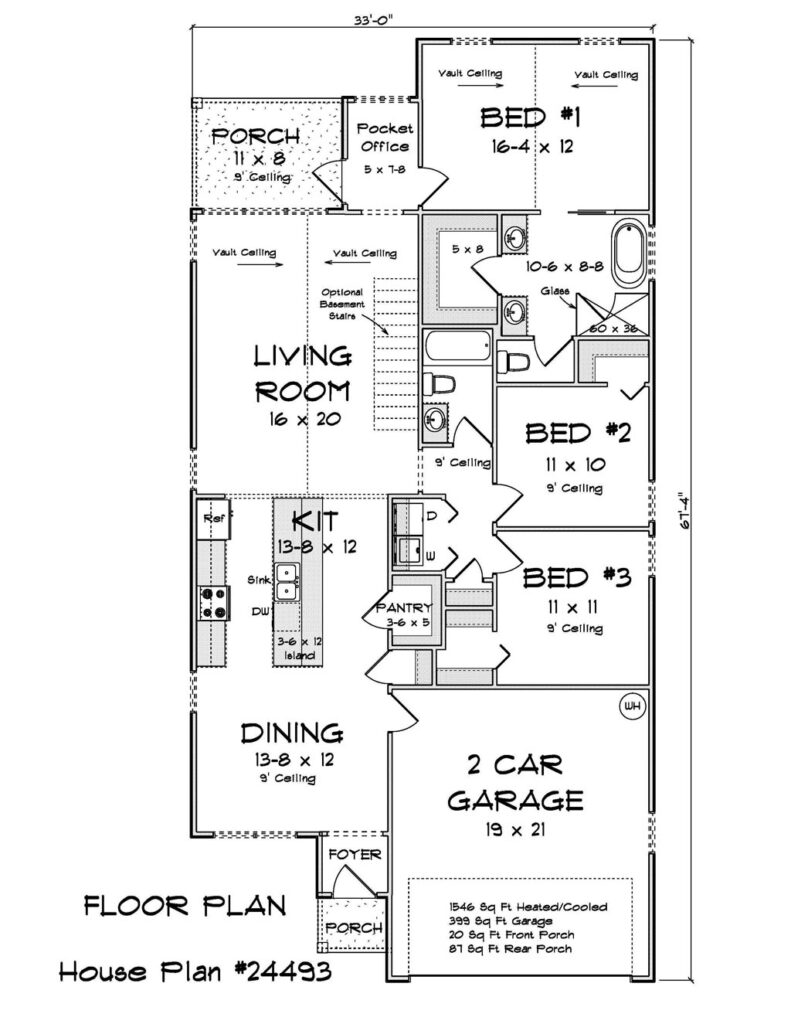
    Instead of emphasizing square footage alone, developers should focus on value-driven features, such as:

    • Smart layouts that eliminate wasted space.
    • Energy-efficient materials and appliances.
    • Durable finishes that reduce long-term maintenance costs.
    • Price homes within a range that makes financial sense for your target buyers.
    • Highlight cost-saving features that make your homes more attractive in the long run.

    The Right-Sized Home for Today’s Market

    Choosing the right size house plan isn’t just about square footage—it’s about creating homes that meet the needs of today’s buyers while remaining affordable and practical.

    For developers, the key takeaways include:

    • Prioritizing efficient layouts over excessive square footage.
    • Designing homes that align with modern lifestyle trends.
    • Considering market-specific preferences.
    • Planning for future expansions and flexibility.
    • Ensuring homes are financially viable for buyers.

    By focusing on smart, adaptable, and cost-effective home designs, developers can better meet the evolving needs of today’s homebuyers—ultimately leading to faster sales and happier homeowners.

    Looking for the Perfect House Plan?

    At WL Martin Home Designs, we offer a wide selection of house plans ranging from 400 to over 3,000 square feet, designed with efficiency, flexibility, and market demand in mind. Whether you’re building for first-time buyers, growing families, or downsizing retirees, we have the perfect plan for your project.

    Browse our house plans today and start building homes that buyers will love!
  • Why Now May Be the Smartest Time to Build – How Tariffs May Raise Home Costs and What You Can Do About It

    Why Now May Be the Smartest Time to Build – How Tariffs May Raise Home Costs and What You Can Do About It

    If you’re a homebuyer or developer who’s been watching the U.S. housing market, you’ve likely noticed the headlines about rising costs, and tariffs are a major reason why. With new tariffs on materials like lumber, drywall, and appliances coming from Canada, Mexico, and China, the cost of building a home is on the rise yet again.

    At W.L. Martin Home Designs, we believe staying informed is critical for both individual homebuyers and developers. More importantly, understanding how these tariffs affect construction costs can help you make smarter decisions and avoid getting priced out of your next project. Let’s break it down and explore why now may be the best time to move forward with your build plans.

    How Are Tariffs Impacting Home Costs?

    The latest round of tariffs is expected to increase builder costs by $7,500 to $10,000 per home. According to the National Association of Home Builders (NAHB), these added costs largely stem from:

    Lumber price increases, about $4,900 more per home on average.
    Drywall and gypsum costs, with the U.S. importing over $215 million in gypsum last year, mostly from Canada, Mexico, and Spain.

    Appliance costs, with China leading the global market in household appliances, tariffs here are adding significant costs.

    Why does this matter? Because these increases directly impact the final sale price of a home. For every $1,000 added to the median price of a new home, roughly 106,000 potential buyers are priced out, according to the NAHB.

    Why Developers and Homebuyers Should Take Action Now

    For anyone considering new construction, timing is everything. Here’s why it’s smart to move forward now.

    Tariff Costs Are Already Rising and Could Go Higher

    The tariffs in place are already pushing material costs up, and lumber futures continue to climb. Industry experts predict price volatility for the foreseeable future, especially with Canadian producers potentially pulling back on shipments to the U.S.

    Domestic Supply Can’t Keep Up

    Efforts are underway to boost U.S. lumber production, but realistically, it could take three years or more to bring new mills online. In the meantime, supply remains tight, and labor shortages are slowing down operations.

    High Demand and Low Inventory

    Even with higher mortgage rates easing slightly, the housing market remains competitive. Signed contracts on existing homes are at record lows, and new builds are already seeing decreased sales. Fewer homes on the market mean higher prices across the board.

    Existing Home Prices Are Rising Too

    With new builds becoming more expensive, buyers are turning to existing homes, driving those prices higher. If you’re considering building, delaying could mean paying more whether you buy new, build, or purchase an existing home.

    How W.L. Martin Home Designs Can Help

    We specialize in providing affordable, thoughtfully designed house plans ranging from 400 to 2,500 square feet, helping developers and individuals optimize every dollar of their construction budget. Here’s how we can support you during these rising cost times.

    • Smart, efficient designs to minimize waste and maximize usable space.
    • Plans tailored for affordability, keeping overall construction costs down.
    • Variety of sizes and styles to match current market demand, whether you’re building a starter home, vacation property, or multi-home development.

    Why Waiting Could Cost You

    Increased tariffs aren’t just a blip on the radar. They represent a structural shift in the market that will impact pricing for years to come. Between material shortages, labor constraints, and rising costs, waiting could mean higher construction costs, longer project timelines, and tighter competition for limited inventory.

    But by acting now, you can lock in your plans, source materials before prices climb further, and get ahead of the next wave of cost increases.

    Ready to Get Started?

    If you’ve been on the fence about building, now is the time to take control of your project. Our team at W.L. Martin Home Designs is here to guide you with flexible, affordable house plans designed for today’s challenging market.

    Explore our collection of house plans and get started today. Let’s build smart before costs climb higher.

  • From Opportunity to Blueprint – Why Developers Should Act Fast in Today’s Buyers’ Market

    From Opportunity to Blueprint – Why Developers Should Act Fast in Today’s Buyers’ Market

    The U.S. housing market is showing signs of a major shift — and for developers, that’s not just news. It’s an opportunity. After years of sky-high demand and limited inventory, the pendulum is starting to swing back toward buyers in many regions. And as buyer leverage grows, so does the demand for new, well-designed homes at competitive price points.

    For developers looking to capitalize on this evolving market, now may be the ideal time to find the right house plans to meet a new wave of buyer expectations.

    A Cooling Market Means New Opportunity

    According to a recent Redfin analysis, there were 3.7 months of for-sale housing supply on the market this January — the most in six years. While that’s not quite a full-blown buyers’ market (generally considered to be around four months of supply or more), it’s a clear sign that sellers are losing some of their grip.

    Even in traditionally hot markets, like Southeast Florida, the inventory has surged. Places such as Cape Coral, Miami, Fort Lauderdale, and Jacksonville are now sitting on 11 months of housing supply, which strongly favors buyers. For developers, this indicates that the frenzy of multiple-offer bidding wars is cooling, and there’s growing demand for fresh inventory that stands out — whether through design, affordability, or modern features.

    Why Developers Should Act Now

    When the market shifts in favor of buyers, it’s not just home shoppers who benefit. Developers can seize this moment to:

    • Secure affordable land: In markets where sellers are backing off and listings are sitting longer, land deals are often more negotiable.
    • Introduce competitive new builds: Buyers, especially in areas like Florida and Texas, are seeking homes that are move-in ready and updated to withstand today’s rising insurance costs, taxes, and climate concerns.
    • Offer what today’s buyers want: With homeowners asking for seller concessions and repair credits, there’s a strong appetite for homes that minimize hassle. Brand-new builds designed with durability and energy efficiency in mind are a huge draw.

    By investing in well-designed house plans now — particularly in the 1,200 to 2,500 square foot range, which balances affordability and comfort — developers can get ahead of the curve and deliver exactly what this emerging buyer pool is seeking.

    How WL Martin Home Designs Can Help

    At WL Martin Home Designs, we specialize in creating versatile, high-quality house plans that work for a wide range of markets across North America. Whether you’re looking to develop compact cottages for first-time homebuyers or larger family homes for move-up buyers, we offer designs that prioritize efficient footprints, curb appeal, and modern amenities.

    With housing inventory climbing and buyer competition easing, spring 2025 could be a strategic time to break ground on your next development project. Choosing the right house plans now positions you to meet demand as more buyers re-enter the market, ready to purchase a home that feels like a smart investment.

    A Tale of Two Markets

    It’s important to remember that this shift isn’t nationwide. While parts of the South and Southeast are leaning heavily into buyer-friendly territory, the Northeast is still holding strong as a seller’s market. Cities like Rochester, NY, and Buffalo are still dealing with extremely tight inventory and stiff competition. But that’s exactly why scalable, customizable house plans matter.

    Developers in high-demand regions can also benefit by quickly bringing new homes to market in areas where buyers are desperate for options — especially when the designs are pre-approved, buildable on tighter lots, and focused on affordability.

    Final Thoughts

    Whether you’re developing in a surging buyers’ market or one of the holdout seller-strong areas, the key to success this year is strategic planning and adaptable design. The housing market is shifting, and with the right house plans in hand, developers can turn today’s changes into tomorrow’s profits.

  • How Lower Mortgage Rates Can Help You Save Even More With the Right House Plan

    How Lower Mortgage Rates Can Help You Save Even More With the Right House Plan

    Mortgage rates have been on a slow decline, offering a glimmer of hope for homebuyers and developers alike. As of February 21, the average rate for a 30-year fixed mortgage dropped to 6.88%, marking its lowest point since December 2024. While the market remains sluggish, this dip presents an opportunity—especially for those considering new home construction.

    By selecting the right house plan, buyers and builders can maximize their savings, lower their financial risk, and take full advantage of these improving rates. Whether you’re a developer looking to build multiple homes or a buyer planning a new construction, choosing a well-designed, cost-effective house plan can make a significant difference in your long-term expenses.

    Mortgage Rate Trends: Where Are We Headed?

    Mortgage rates have been stubbornly high, making affordability a challenge. Even though rates are falling, experts predict they will only decline slightly throughout 2025, with forecasts estimating they will stay around 6.7% by year-end.

    John Sim, head of Securitized Products Research at JPMorgan, notes that the market likely won’t see a real recovery until mortgage rates fall closer to 5% or lower. In the meantime, developers and homebuyers must be strategic in their choices—and that starts with the right house plan.

    How the Right House Plan Helps You Save Even More

    Even with mortgage rates still relatively high, choosing the best house plan can help offset costs. Here’s how:

    Smaller Homes Mean Lower Monthly Payments

    Opting for a smaller, more efficient home can reduce both your mortgage amount and interest payments over time. A 1,500 sq. ft. home will naturally have a lower mortgage than a 2,500 sq. ft. home, making it more affordable even at current rates.

    Example Savings:

    • A $300,000 mortgage at 6.88% results in a monthly principal and interest payment of ~$1,970.
    • A $250,000 mortgage (by choosing a smaller home) at the same rate would be ~$1,640 per month—saving you $330 per month or nearly $4,000 per year!

    Efficient Floor Plans Reduce Construction and Utility Costs

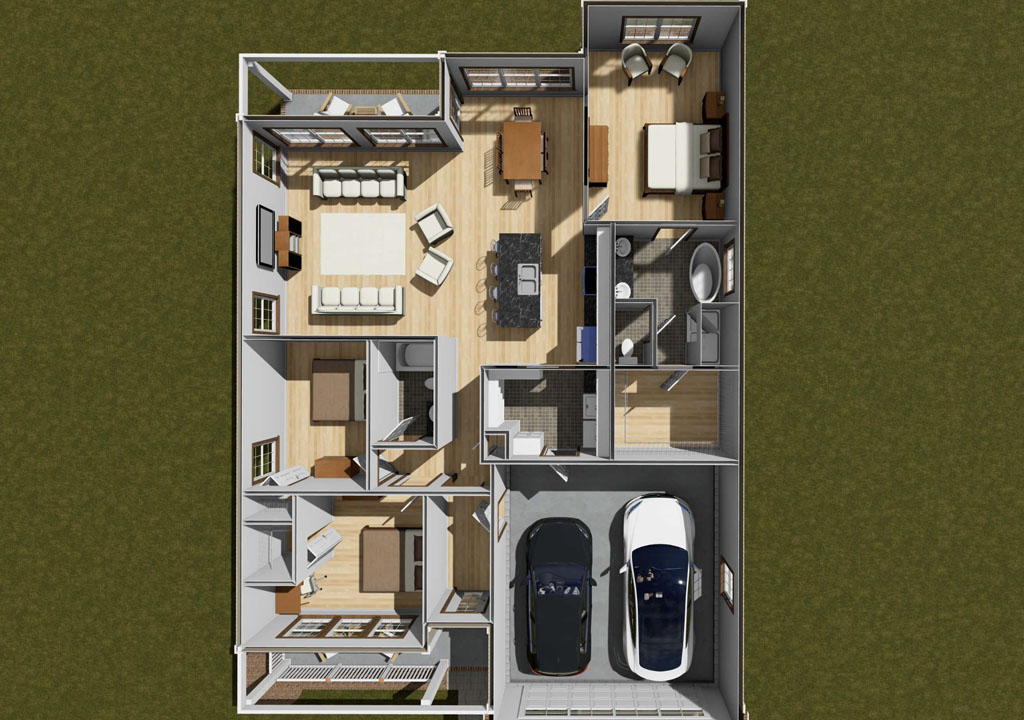
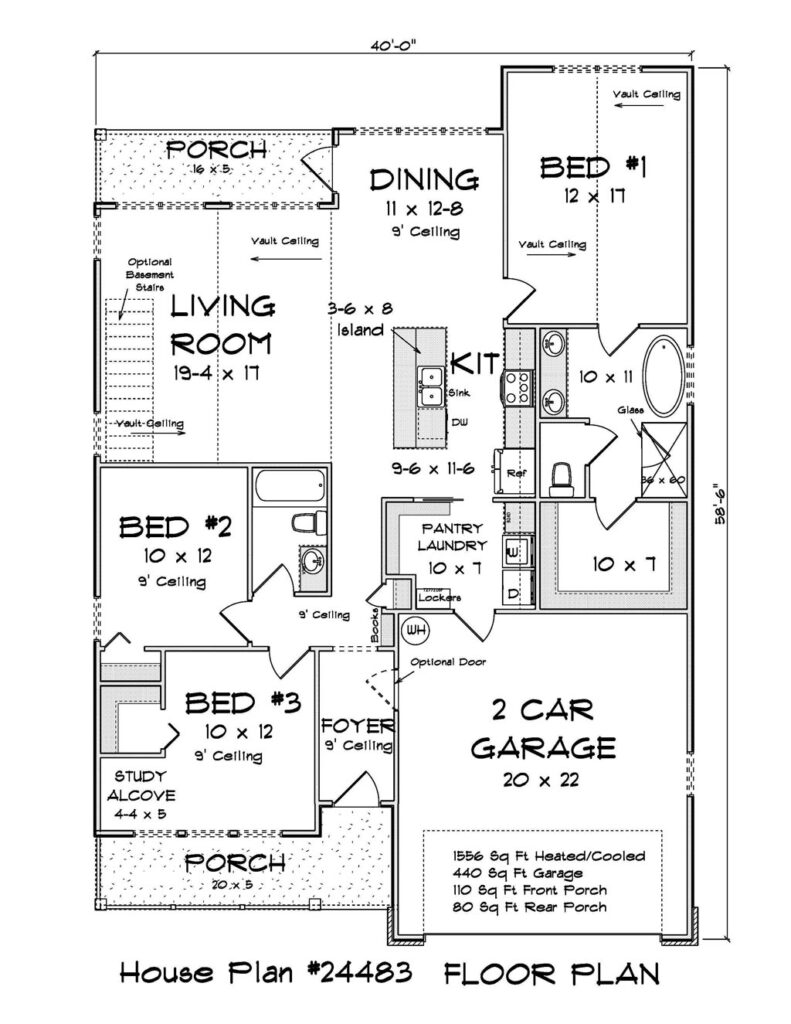
    A well-designed house plan eliminates wasted space, reducing construction costs while still maintaining functionality. Open-concept layouts, multi-purpose rooms, and efficient storage solutions can make a smaller home feel larger without increasing your budget.

    Faster Build Times Help Lock in Lower Rates

    With rates fluctuating, locking in a lower rate sooner can save thousands. A house plan that is simple, efficient, and easy to build can speed up the construction process, allowing buyers to capitalize on lower rates before they rise again.

    Energy Efficiency Lowers Long-Term Costs

    Choosing a house plan with energy-efficient features—such as smaller footprints, better insulation, and smart HVAC systems—reduces ongoing costs. Lower utility bills can help offset higher mortgage rates, making the home more affordable in the long run.

    Best Types of Homes to Build in Today’s Market

    If you’re looking to take advantage of falling mortgage rates, consider these house plan styles:

    Small & Efficient Homes (Under 1,500 sq. ft.)

    • Lower construction costs
    • Easier to finance, even with higher interest rates
    • Faster to build, allowing you to lock in lower mortgage rates

    Simple Rooflines & Open-Concept Designs

    • Reduce materials and labor costs
    • Improve energy efficiency
    • Make smaller homes feel more spacious

    Multi-Unit or Duplex Plans for Developers

    • Increase rental income potential
    • Offset mortgage costs with rental revenue
    • Attract budget-conscious buyers looking for affordable options

    Smart Planning Maximizes Savings

    While mortgage rates may not return to 5% anytime soon, choosing the right house plan can help minimize costs and make homeownership more affordable. Whether you’re a developer building multiple homes or a homebuyer looking for the perfect plan, selecting a cost-effective, efficient design is key to leveraging lower interest rates and maximizing your investment.

    At WL Martin Home Designs, we specialize in high-quality, thoughtfully designed house plans that help buyers and builders get the most out of their investment. Explore our collection today and find the perfect plan to make the most of today’s mortgage rates!

    Browse Our House Plans Now: W.L. Martin Home Designs

  • Why Now Could be the Time to Choose the Right Single-Family Home Plan to Navigate the Housing Market Dip

    Why Now Could be the Time to Choose the Right Single-Family Home Plan to Navigate the Housing Market Dip

    The latest housing market report shows that U.S. single-family housing starts took a hit in January 2025, dropping more than expected due to higher mortgage rates and economic uncertainty. While this may seem like a setback for developers, it also presents an opportunity: With fewer new builds breaking ground, those who invest in the right house plans now will be better positioned when the market rebounds.

    At W.L. Martin Home Designs, we specialize in efficient, well-designed single-family house plans that help developers maximize their investment. Whether you’re building compact homes under 1,000 square feet or larger homes up to 2,500 square feet, selecting the right plans now can put you ahead of the competition when demand picks back up.

    The Housing Slowdown: What It Means for Developers

    According to a recent Reuters report, single-family home construction dropped by 4.7% in January 2025, with builders responding to affordability challenges and interest rate fluctuations. However, the demand for new homes hasn’t disappeared—it’s just shifting.

    For developers, this means now is the time to plan strategically rather than pause completely. As the market stabilizes, buyers will be looking for homes that offer the best balance of affordability, efficiency, and modern design—all factors that should influence the house plans you choose.

    Choosing the Right House Plans for a Changing Market

    To stay competitive in today’s housing market, developers need house plans that align with current trends while maintaining cost efficiency. Here’s what to consider when selecting your next set of plans:

    1. Focus on Efficient Square Footage

    With homebuyers looking for affordability, smaller single-family homes are in high demand. Plans between 1,200 and 1,800 square feet offer enough space for families while keeping construction costs manageable. Open-concept designs, smart storage solutions, and flexible layouts make these homes more appealing.

    2. Opt for Timeless, Functional Designs

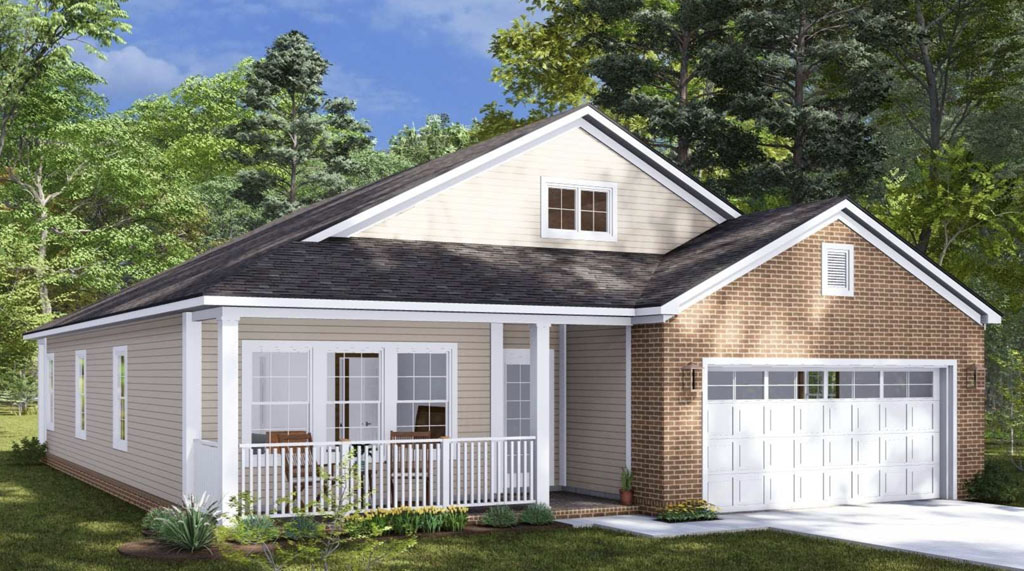
    While modern trends come and go, practical layouts and classic curb appeal never go out of style. Features like covered porches, open kitchens, and split-bedroom layouts are always popular. Our plans at W.L. Martin Home Designs prioritize functionality, ensuring long-term value for homeowners.

    3. Consider Multi-Use Spaces

    As more people work from home, flex rooms and home office spaces have become a necessity. House plans that offer convertible bedrooms or bonus rooms provide buyers with the flexibility they need.

    4. Build for Affordability & Efficiency

    With rising material and labor costs, builders need cost-effective home designs that are easy to construct without compromising quality. Our house plans are designed with simple rooflines, efficient layouts, and practical construction methods to help developers keep costs in check.

    5. Think About Future Market Demand

    While the market may be slowing now, interest rates and demand will shift again. Developers who secure the right house plans now will be better prepared to launch projects when the market improves. Having a diverse portfolio of home designs ensures you can meet changing buyer needs quickly.

    Why Choose W.L. Martin Home Designs?

    At W.L. Martin Home Designs, we provide house plans tailored to the needs of today’s developers. Whether you’re looking for compact starter homes, modern family houses, or budget-friendly designs, we offer:

    A wide range of single-family house plans (from 400 to 2,500 sq. ft.)
    Efficient layouts that maximize space and minimize waste
    Cost-conscious designs that help keep construction expenses down
    Classic curb appeal that attracts buyers
    Customization options to meet specific development needs

    With the right home plans in place, developers can weather market fluctuations and position themselves for long-term success. Instead of waiting for conditions to improve, now is the time to choose well-designed, cost-efficient homes that meet the needs of today’s buyers.

    Start Planning Your Next Development Today

    While the latest housing market report signals a slowdown, smart developers know that strategic planning now leads to success later. Investing in the right house plans today means you’ll be ready when demand picks up again.

    Browse our collection of single-family house plans at W.L. Martin Home Designs and find the perfect fit for your next development.

  • U.S. Housing Market Surges by $2.5 Trillion – Why 2025 Is the Year for Home Builders to Make Smart Moves

    U.S. Housing Market Surges by $2.5 Trillion – Why 2025 Is the Year for Home Builders to Make Smart Moves

    The U.S. housing market continues to demonstrate its resilience, adding a remarkable $2.5 trillion in value in 2024, bringing the total to $49.7 trillion. While this growth—5.2% year-over-year—was the slowest since 2019, it still underscores a critical reality: home values are rising, and they’re expected to keep climbing in 2025.

    For home builders and developers, this market momentum presents a unique opportunity. As demand persists and inventory remains tight in many regions, builders who make smart choices with their house plans can position themselves to capitalize on this upward trend.

    What This Market Growth Means for Builders in 2025

    The data tells a clear story: while the housing market’s growth may have tempered, the value of homes is still climbing steadily, and buyer demand isn’t going away. This environment presents both challenges and advantages for builders:

    • Millennials are shaping the market: This generation now owns nearly $10 trillion worth of homes, representing over 20% of the total U.S. housing market. They are entering their prime home-buying years and seeking homes that align with their lifestyles—often focusing on functionality, energy efficiency, and modern design within reasonable square footage.
    • Regional shifts are creating hotspots: Upstate New York metros like Albany (up 11.3%) and Rochester (up 11.2%) led the nation in home value growth, while parts of Florida saw slight declines. Builders should track regional trends and align their projects with markets showing strong demand.
    • Rural demand is outpacing urban and suburban growth: Rural home values increased 6.4% year-over-year, outpacing suburban and urban areas for the seventh consecutive year. Builders who can offer quality, efficiently designed homes in rural and emerging suburban markets may see the greatest returns in 2025.

    Why Choosing the Right House Plans Matters More Than Ever

    In this evolving landscape, builders who choose versatile, well-designed house plans will be best equipped to meet buyer demand. Here’s why:

    1. Maximizing Profitability with Efficient Designs

    With buyers remaining price-conscious, smaller homes with efficient layouts (400 to 2,500 square feet) are increasingly popular. These homes offer affordability without sacrificing comfort, making them attractive to both first-time buyers and downsizing boomers. Builders who select plans that prioritize smart use of space can reduce construction costs while appealing to a broad buyer base.

    2. Meeting the Demand for Modern and Flexible Living Spaces

    Today’s buyers value flexibility. House plans that include open-concept living areas, home offices, and adaptable spaces resonate with buyers seeking both functionality and style. Offering plans that reflect these preferences can set your builds apart in a competitive market.

    3. Faster Turnaround, Better Margins

    Selecting pre-designed, builder-friendly house plans can streamline your project timelines. This allows you to complete builds faster, turn inventory quickly, and stay agile in responding to shifts in buyer demand throughout 2025.

    Builders: How to Stay Ahead in 2025

    With the housing market still on an upward trajectory, builders should focus on a few key strategies to thrive:

    • Diversify your inventory: Offer a mix of smaller homes (400–1,200 sq ft) for entry-level buyers, alongside mid-sized homes (1,500–2,500 sq ft) for families and move-up buyers.
    • Embrace regional trends: Markets like Albany, Rochester, and other growing Northeast metros are experiencing value surges. Consider shifting your focus to regions showing sustained price growth.
    • Prioritize efficiency: Choose house plans designed to minimize construction costs while maximizing curb appeal and interior livability. This can help protect your margins in a market where both material and labor costs remain high.

    Plan Smart, Build Smart

    The $2.5 trillion surge in U.S. home values in 2024 is more than just a headline—it’s a call to action for builders. As we move into 2025, demand for well-designed, efficiently built homes remains strong. Builders who align their projects with buyer preferences and market trends can turn this period of growth into lasting success.

    Explore WL Martin Home Designs for a range of customizable, builder-friendly house plans designed to help you meet today’s demand—and build profitably for the future.

  • Turning Market Uncertainty into Opportunity – How the Right Home Design Plan Can Help Builders and Buyers Thrive

    Turning Market Uncertainty into Opportunity – How the Right Home Design Plan Can Help Builders and Buyers Thrive

    The housing market can feel like a rollercoaster these days. Rising mortgage rates, fluctuating material costs, and tariffs making headlines—it’s no wonder builder confidence took a dip this February. The National Association of Home Builders (NAHB) reported a decline in builder sentiment, reflecting growing concerns about affordability and supply chain uncertainties.

    But here’s the thing: challenges like these often push us toward creativity and innovation. For both home builders and future homeowners, now is the perfect time to embrace smart, efficient home design plans that combat rising costs while offering style, comfort, and lasting value.

    Rethinking Home Design Leading to A Path Forward

    While it’s easy to get caught up in the headlines about falling confidence and price pressures, forward-thinking builders know that navigating tough markets starts with the right approach to home design. Thoughtfully designed, affordable house plans can be the key to thriving when costs are climbing.

    Smaller, smarter homes—ranging from 400 to 2,500 square feet—are more than just a trend; they’re the future. These designs prioritize functionality and efficiency without sacrificing the features today’s buyers want. Open floor plans, multi-purpose spaces, and energy-efficient solutions offer ways to build homes that are both cost-effective and attractive.

    Why Design Matters More Than Ever

    Rising costs might tempt some builders to cut corners, but the real opportunity lies in choosing home plans that maximize every square foot. Plans that emphasize flexible living areas, natural light, and simple rooflines can reduce construction costs while creating homes that feel spacious and inviting.

    For example, a 1,500-square-foot plan with an open kitchen and living area can give the impression of a much larger space—all while keeping construction expenses in check. Thoughtful window placement can reduce energy bills, and smart storage solutions can eliminate the need for unnecessary square footage.

    These design choices don’t just ease the burden on builders; they resonate with today’s buyers, who are increasingly seeking affordable homes that still feel custom and high-end.

    Customization Without Breaking the Bank

    The beauty of working with a home plan provider like W.L. Martin Home Designs is the flexibility it offers. Builders can start with a proven base plan and customize it to suit their buyers’ preferences—all while keeping costs under control.

    Need a three-bedroom layout that works on a narrow lot? Or a cozy 900-square-foot cottage that maximizes curb appeal? There’s a plan for that. And because these designs are already vetted for efficiency, builders can move faster and avoid costly design changes down the line.

    Affordable Doesn’t Mean Ordinary

    Perhaps the most exciting shift in today’s market is the growing appreciation for homes that are smaller but smarter. These homes aren’t just a fallback because of rising prices; they represent a new way of thinking about what makes a home truly livable.

    A well-designed 1,200-square-foot home can offer as much comfort as a sprawling 2,500-square-foot house, but with lower heating, cooling, and maintenance costs. This is a win for builders looking to keep projects on budget—and a win for buyers who want a home that supports their lifestyle without stretching their finances.

    Building Hope Through Smart Choices

    While the latest builder sentiment data may signal caution, it also underscores a truth that has always driven the housing industry: success comes from adapting. By choosing home plans that prioritize efficiency, style, and affordability, builders can stay ahead of market shifts—and buyers can find homes that truly fit their lives.

    At W.L. Martin Home Designs, we believe that every challenge is an opportunity to build something better. Our diverse selection of thoughtfully crafted house plans is designed to meet the needs of today’s builders and buyers—offering solutions that balance creativity, cost efficiency, and lasting appeal.

    Let’s build the future together—one smart, beautiful home at a time.

    Explore our range of affordable, innovative home plans at wlmartinhomes.com and take the first step toward turning today’s challenges into tomorrow’s success.

  • Why Duplex Homes Are a Smart Investment for Developers in 2025

    Why Duplex Homes Are a Smart Investment for Developers in 2025

    The housing market is constantly evolving, and developers who stay ahead of trends can maximize their investment returns. As we move into 2025, one housing type continues to gain traction—duplex homes. With increasing demand for affordable housing, shifting zoning regulations, and a strong rental market, duplex construction is becoming one of the best opportunities for developers.

    Why Developers Are Investing in Duplex Homes

    One of the biggest advantages of duplex homes is their versatility. They can serve as rental properties, owner-occupied investment homes, or affordable multi-generational housing. As economic conditions and housing needs continue to shift, developers are recognizing the long-term value of building duplexes.

    Lower Land Costs, Higher ROI

    Maximizing land use is a top priority for developers looking to increase profitability. A duplex allows two separate living units to be built on a single lot, reducing per-unit land costs. This makes it possible to generate higher returns compared to single-family homes. By optimizing space, developers can create more affordable housing options while maintaining strong profit margins.

    Growing Demand for Rental Housing

    With home prices and mortgage rates fluctuating, many potential buyers are opting to rent instead. Duplexes provide an excellent opportunity for developers to meet this demand by creating high-quality rental properties. Investors are also actively seeking duplexes because they offer dual rental income, making them more financially attractive than single-family rental homes.

    More Cities Are Supporting Duplex Construction

    Across North America, many cities are adjusting zoning laws to allow for more duplex and multi-unit housing. With increasing pressure to address housing shortages, local governments are making it easier for developers to build duplex homes in areas where they were previously restricted. These zoning changes are expected to continue into 2025, making duplex construction a more viable and profitable option.

    Easier Financing Compared to Larger Multi-Family Projects

    Developers interested in multi-family housing often face significant financing challenges when working on large apartment complexes. Duplexes, however, are viewed as lower-risk investments by lenders, making it easier to secure financing. This allows developers to scale their projects efficiently without the financial burden of large-scale developments.

    Find the Right Duplex House Plan for Your Next Project

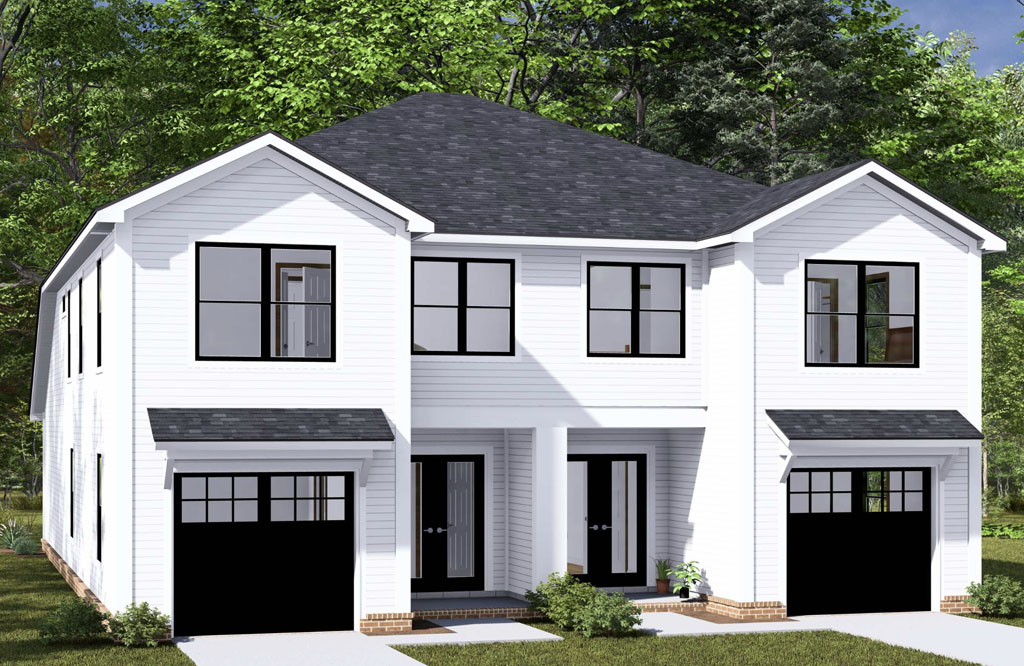
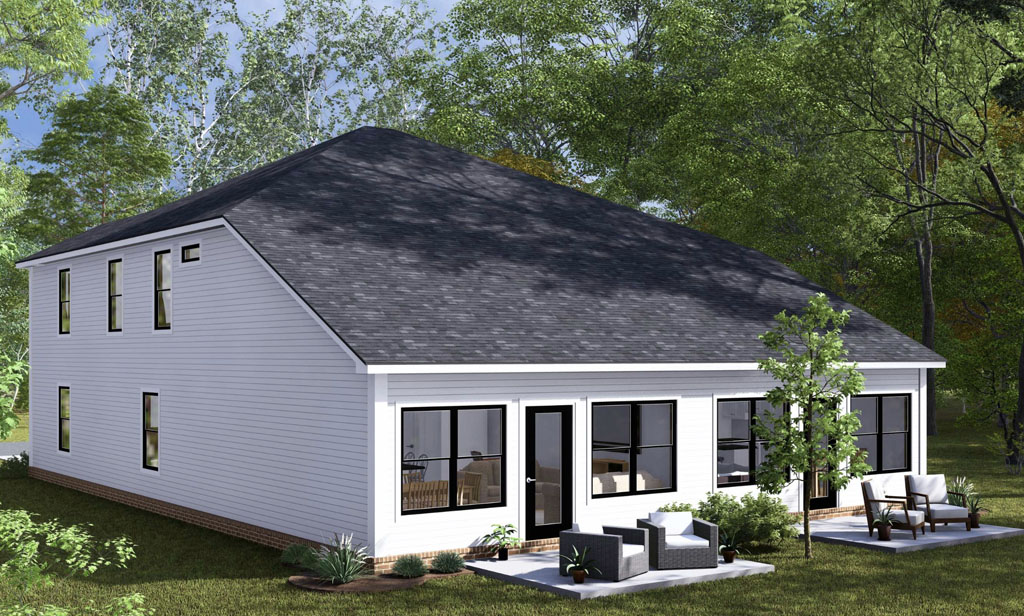
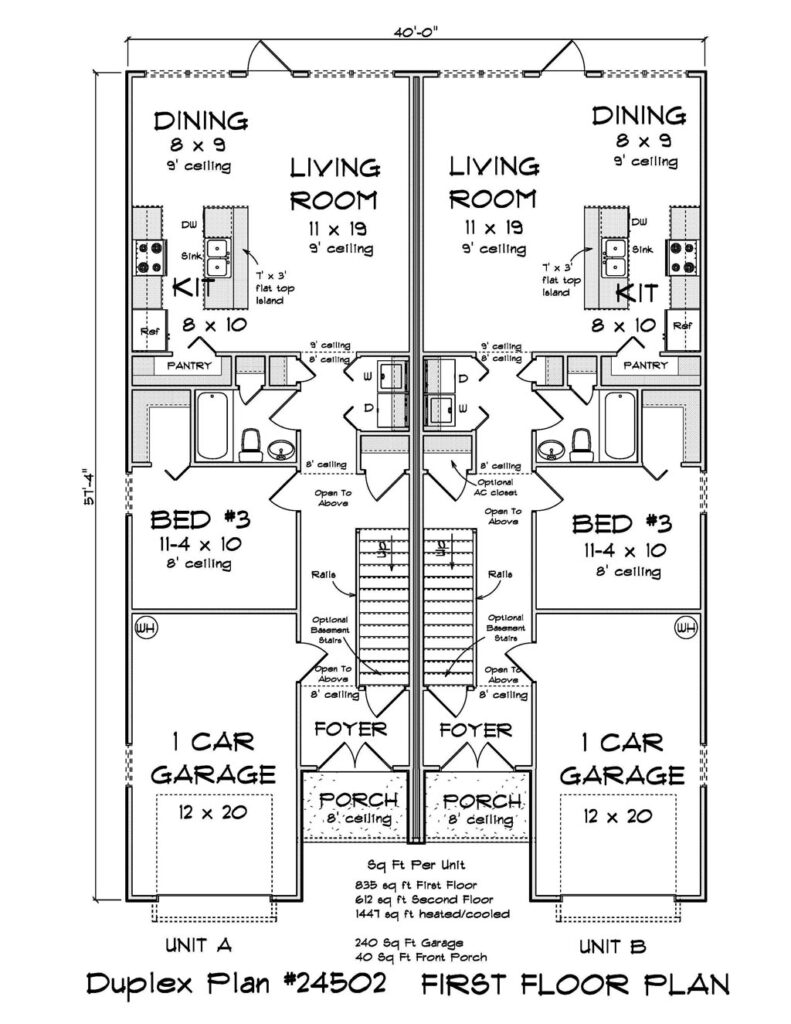
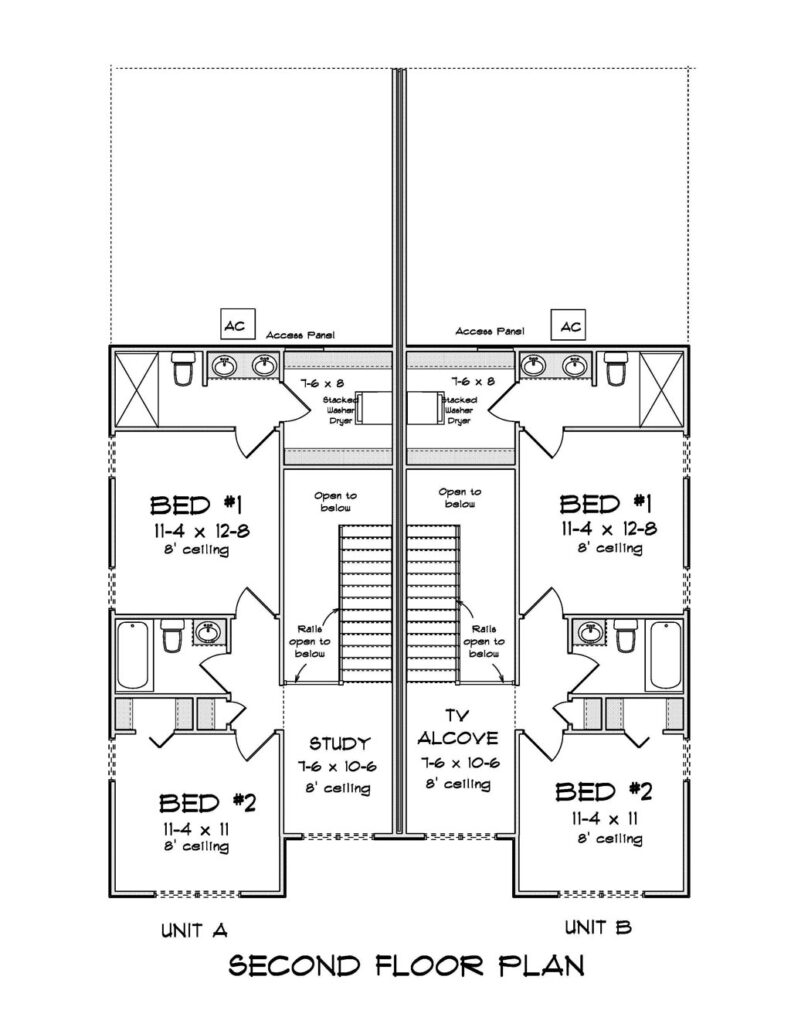
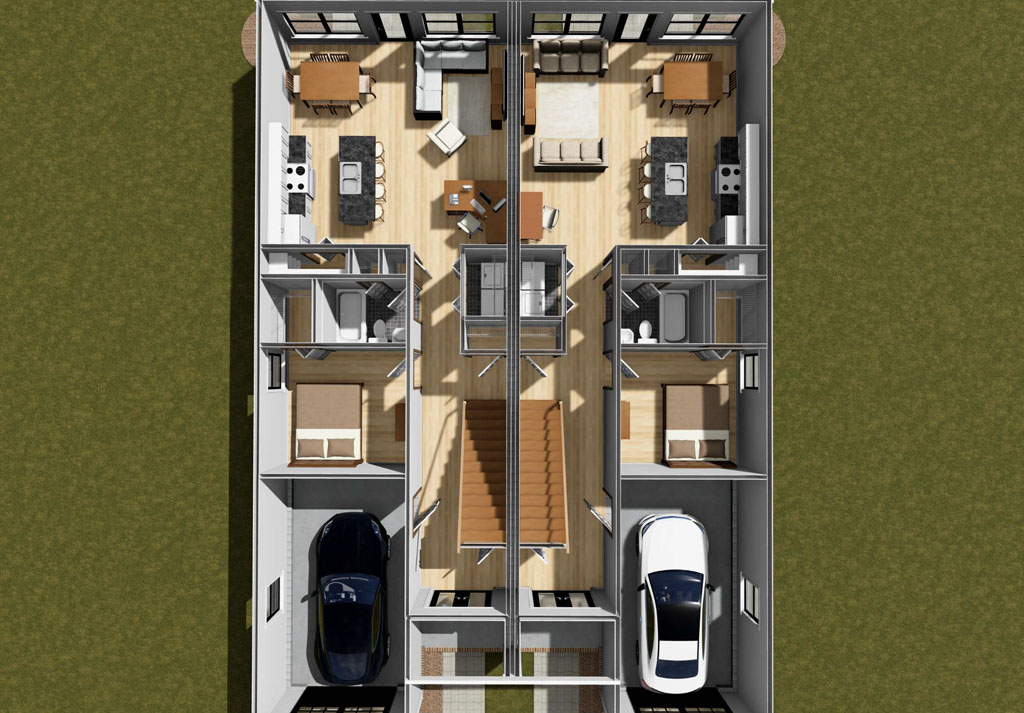
    At WL Martin Home Designs, we offer developer-friendly duplex house plans that balance efficiency, functionality, and modern design. Our plans are designed to appeal to both homebuyers and renters, making them an ideal choice for developers looking to build in high-demand markets.

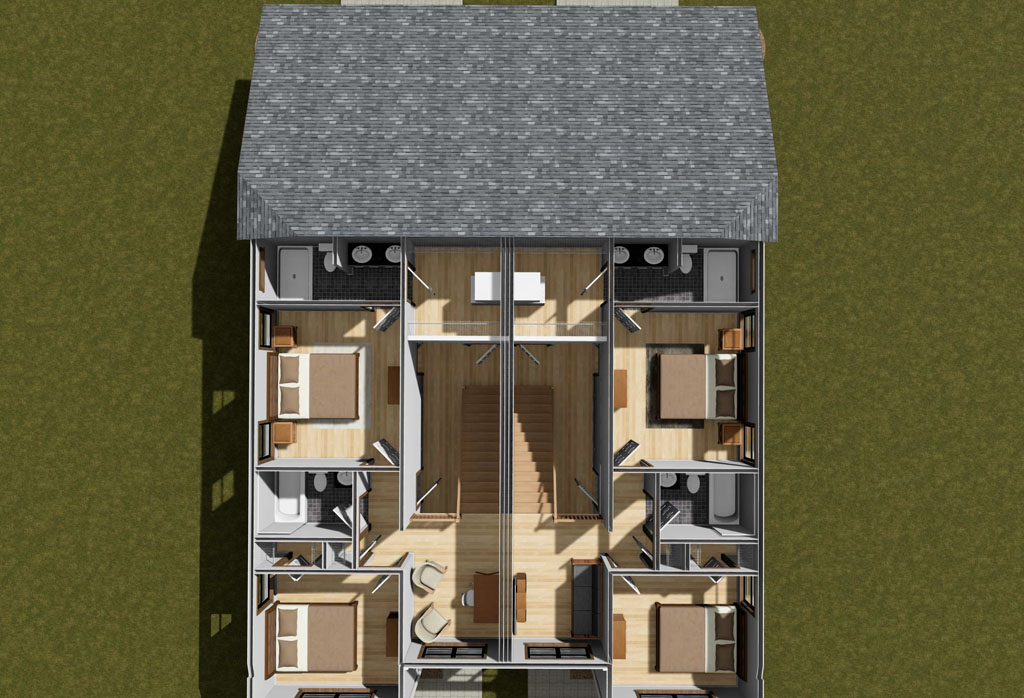
    • Compact and Affordable Layouts – Perfect for rental properties and budget-conscious buyers.
    • Modern and Attractive Designs – Designed to maximize curb appeal and marketability.
    • Flexible Floor Plans – Ideal for multi-generational living, rental investments, or owner-occupied duplexes.

    Why Choose WL Martin Home Designs?

    • Plans Designed with Developers in Mind – Efficient layouts that optimize space and construction costs.
    • Customization Available – Modify existing plans to fit specific lot sizes or market needs.
    • Fast and Easy Ordering – Get access to ready-to-build house plans without delays.

    Start Your Next Duplex Project Today

    As demand for duplex homes continues to rise in 2025, now is the perfect time for developers to take advantage of this growing market. Whether you’re building for rental income, resale, or multi-generational housing, WL Martin Home Designs has the duplex house plans you need to get started.

    Explore our collection today at WL Martin Home Designs and find the perfect plan for your next project.

  • Where Is the Housing Market Shifting the Fastest? What Developers Need to Know

    Where Is the Housing Market Shifting the Fastest? What Developers Need to Know

    For developers keeping an eye on housing trends, staying ahead of market shifts is crucial. Inventory levels, pricing trends, and buyer demand all play a role in determining where opportunities lie—and where caution is warranted. Right now, we’re seeing a notable shift in several key markets, particularly in parts of the Sun Belt and Mountain West, where inventory levels are rising faster than the national average.

    So, what does this mean for builders, investors, and homebuyers? Let’s break it down.

    Inventory Trends are A Key Indicator for Homebuilders

    One of the best ways to gauge market momentum is by looking at active listings and months of supply. When active listings rise significantly, it often signals that homes are sitting on the market longer—potentially leading to price corrections. On the flip side, a decline in listings usually means higher competition among buyers and sustained price growth.

    The Numbers Tell the Story

    According to recent data from Realtor.com, active listings have jumped 24.6% from January 2024 to January 2025, giving buyers more leverage in many regions. However, inventory is still 25.3% below pre-pandemic levels (compared to January 2019), meaning supply remains relatively tight overall.

    Here’s a look at how total inventory has changed over the past several years:

    • January 2017: 1,154,120
    • January 2018: 1,043,951
    • January 2019: 1,110,636
    • January 2020: 951,675
    • January 2021: 531,775
    • January 2022: 376,970
    • January 2023: 616,865
    • January 2024: 665,569
    • January 2025: 829,376

    While inventory levels are rising, they’re still far from the pre-pandemic normal. For developers, this suggests an evolving landscape where certain markets may present better opportunities than others.

    A Case Study in Rising Inventory in Florida

    Florida has been one of the most notable states for increased housing inventory. While much of the initial surge in active listings came from Hurricane Ian-impacted areas like Cape Coral, Punta Gorda, and Fort Myers, the trend has now expanded to cities like Jacksonville and Orlando.

    Several factors are contributing to this shift:

    • Increased resale inventory: More homeowners are listing properties, especially in areas impacted by hurricane damage and rising insurance costs.
    • Condo market challenges: New regulations following the 2021 Surfside condo collapse have created financial hurdles for condo owners, leading to more units hitting the market.
    • Declining work-from-home migration: Florida saw a massive influx of remote workers during the pandemic, but that trend is slowing.

    For developers, this means Florida’s market is softening in some areas. Builders targeting Florida should focus on affordability and strategic locations to stay competitive.

    Other States Seeing Increased Inventory

    As of December 2024, nine states had returned to pre-pandemic inventory levels:

    • Arizona
    • Colorado
    • Florida
    • Idaho
    • Oklahoma
    • Tennessee
    • Texas
    • Utah
    • Washington

    However, by January 2025, that number had dropped to just three:

    • Colorado
    • Florida
    • Texas

    This decline isn’t necessarily due to a stall in inventory growth but rather a statistical effect of comparing current data to fluctuating past levels. Regardless, it’s clear that the Sun Belt and Mountain West are seeing a faster return to pre-pandemic inventory levels than the Midwest and Northeast.

    Why Are Some Markets Cooling Faster Than Others?

    Developers looking at where to build next should consider why certain markets are shifting faster.

    1. Pandemic Boomtowns Are Feeling the Effects

    Many Sun Belt and Mountain West cities—such as Austin and Colorado Springs—saw home prices skyrocket during the pandemic. Now that demand has cooled and mortgage rates remain high, these areas are seeing slower price growth or even declines.

    2. New Construction in Sun Belt Markets Is Impacting Resale Homes

    Unlike the Midwest and Northeast, where new construction has lagged, developers in the Sun Belt have been actively building new homes to meet demand. This has given buyers more options, softening resale prices.

    3. Affordability Is a Growing Concern

    Markets that saw the highest price appreciation over the past few years are now feeling the strain of affordability limits. Buyers in these regions are more price-sensitive, which is leading to slower sales and longer listing times.

    What This Means for Developers in 2025

    For homebuilders and real estate developers, these shifts present both challenges and opportunities:

    • Rising inventory means more competition in some markets – Pricing strategy and home features will be critical to standing out.
    • Affordability matters more than ever – Builders should consider smaller, more efficient home designs that cater to cost-conscious buyers.
    • The Midwest and Northeast still have strong resale demand – Developers looking for less competition may find opportunities where new construction is more limited.
    • Florida’s market is in flux – While parts of Florida are cooling, demand remains strong in certain high-growth areas.

    Bottom Line

    The housing market is shifting rapidly, with certain states seeing inventory return to pre-pandemic levels faster than others. For developers, staying flexible and adjusting to local market conditions will be key to success in 2025.

    Looking for house plans that fit today’s evolving market? WL Martin Home Designs offers a range of efficient, customizable house plans that cater to the latest market demands. Whether you’re building in a cooling market or a high-demand area, we have designs that work for your business.

  • The Housing Market Hits a Milestone Not Seen Since 2009 and What It Means for Developers

    The Housing Market Hits a Milestone Not Seen Since 2009 and What It Means for Developers

    The housing market has hit a key level not seen since 2009, according to a recent article from MarketWatch. With home sales hitting lows comparable to the Great Recession era, this shift in the market has developers across North America rethinking their strategies. Whether you’re building small starter homes or custom-designed communities, this development could be an opportunity to stand out.

    Here at WL Martin Home Designs, we stay tuned into market trends to help developers like you make informed decisions about what to build and when. Let’s break down what this milestone means and how you can position yourself for success.

    What’s Happening in the Housing Market?

    The housing market is facing a unique combination of challenges:

    1. Low Inventory: There’s a significant shortage of existing homes on the market, as homeowners are hesitant to sell with interest rates so high.
    2. Rising Mortgage Rates: Affordability is a major hurdle for buyers, with mortgage rates hovering above 7% in many areas.
    3. Economic Uncertainty: Inflation and slower wage growth have made homebuying less attainable for many.

    These factors have brought sales of existing homes to levels not seen since 2009, when the U.S. was still recovering from the financial crisis. But as developers, this environment presents an opening—especially if you’re targeting the right market segments.

    Opportunities for Developers in a Challenging Market

    While this news might sound bleak for the housing market overall, it doesn’t have to be for home builders. In fact, there are several silver linings for developers:

    1. New Builds Are in Demand

    With so few existing homes available, many buyers are turning to new construction. This is especially true in areas where housing shortages are most severe. Developers who can deliver efficient, modern homes at affordable price points stand to gain a competitive edge.

    2. Smaller Homes Are Gaining Popularity

    High mortgage rates have pushed buyers to downsize their dreams—but that doesn’t mean they’re compromising on quality. Homes in the 1,200–2,000 square foot range are increasingly popular, providing a perfect mix of affordability and functionality. Consider offering plans that cater to first-time buyers, young families, and downsizers.

    3. Multi-Generational and Flexible Floor Plans

    Economic uncertainty has spurred demand for homes that can accommodate extended families or generate additional income. House plans with features like in-law suites, separate entrances, or ADUs (accessory dwelling units) are becoming more sought after.

    4. Energy Efficiency is a Must

    With utility costs rising, buyers are prioritizing homes that are energy-efficient. Incorporating features like energy-saving windows, solar panels, or layouts designed for passive heating and cooling can make your builds more attractive to today’s eco-conscious buyers.

    How WL Martin Home Designs Can Help Developers Adapt

    As developers, you know that choosing the right house plans is one of the most critical steps in the building process. With the market shifting, having access to a diverse portfolio of home plans can set you apart.

    At WL Martin Home Designs, we specialize in creating plans that are modern, versatile, and optimized for today’s market demands. Here’s how we can support you:

    • Customizable Options: If you need to tweak a plan to meet local trends or buyer preferences, we’ve got you covered.
    • Plans for Every Lot Size: From compact urban lots to spacious suburban developments, we offer plans for homes ranging from 400 to 2,500 square feet.
    • Energy-Efficient Designs: Many of our plans incorporate energy-efficient features to align with current buyer priorities.

    Take Action in a Changing Market

    The 2009-level slump in home sales is a wake-up call for the housing industry—but for developers, it’s also an invitation to innovate. By focusing on the right designs, sizes, and features, you can build homes that meet the needs of today’s buyers while standing out in a competitive market.

    Ready to capitalize on this moment? Browse our house plans or reach out to us for guidance. Let’s work together to help you build homes that sell—even in challenging times.

    The housing market’s challenges are real, but so are the opportunities. Developers who understand the trends and adapt their strategies are poised to thrive. With WL Martin Home Designs, you have a partner who’s as invested in your success as you are. Together, we can build homes that buyers love and developers profit from.

vaycasinovaycasinothailand digital arrival cardprimebahishacklinkmilbetalgototohttps://algototo.digital/nobartvjudi bolaslot gacordepo 5kslot gacordeposit 5000slot onlineslot online link 5k deposit slot tanpa potongan agb99 deposit 5k deposit 5k dana slot danacasibomcasibom girişpadişahbetbetwoonnitrobahissonbahisgrandpashabetvegabetcasino levantholiganbetholiganbet girişholiganbet güncelholiganbet güncel girişmatbet girişmatbet güncelmatbet güncel girişmilosbetbetofficetimebetcratosroyalbetcratosroyalbet girişcratosroyalbet güncelcratosroyalbet güncel girişcasinolevantcasino levantholiganbet güncelholiganbet güncel girişholiganbet güncel girişmatbetmatbet girişgrandpashabetultrabetenbetgalabethiltonbetpadişahbetsuratbetsüratbetbetplayatlasbetkralbetHoliganbet Girişalmanbahiswinxbetwinxbetalmanbahisholiganbetholiganbet girişmeritkingmeritking girişmeritkingmeritking girişvaycasinovaycasino girişptt kargoptt kargo takipptt kargo sorgulamaptt kargo iletişimaras kargoaras kargo takiparas kargo sorgulamaaras kargo iletişimvegabetvegabetgalabetgalabetvdcasinovdcasinovdcasinovaycasinovaycasino girişrestbetrestbetbetkolikbetkolikgalabetvdcasinomilosbettimebetultrabetvegabetgalabetvdcasinomilosbettimebetultrabetkralbetkralbetlunabetonwinberlinbetrestbet