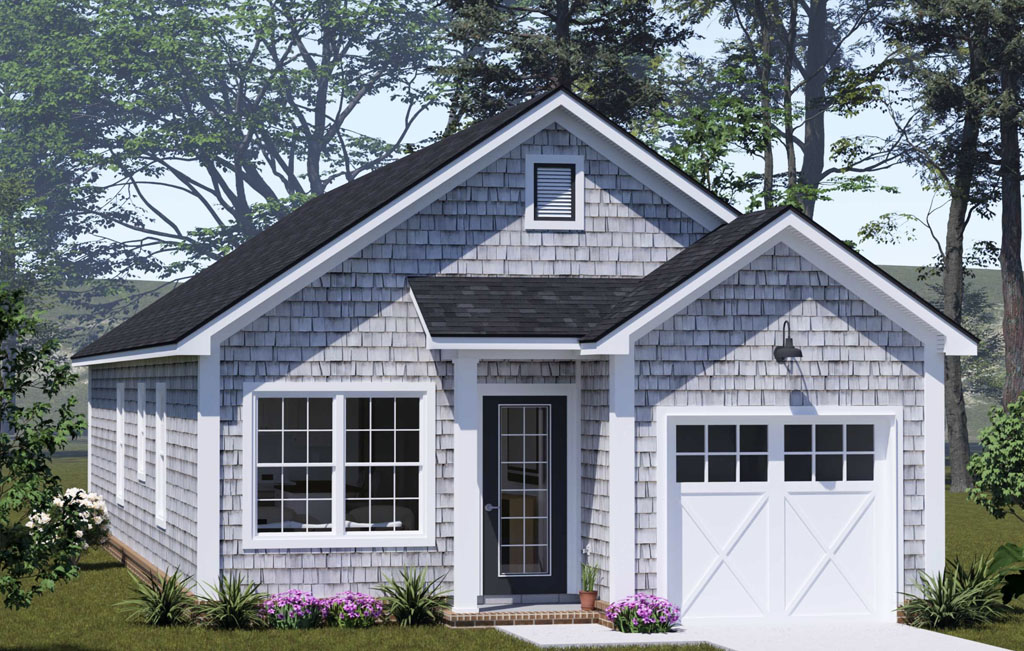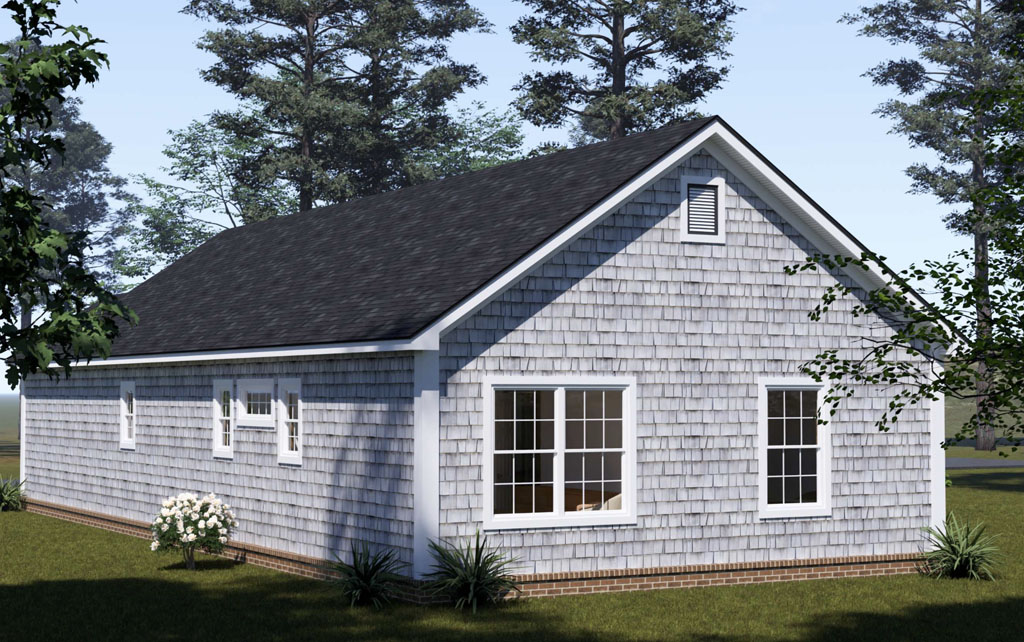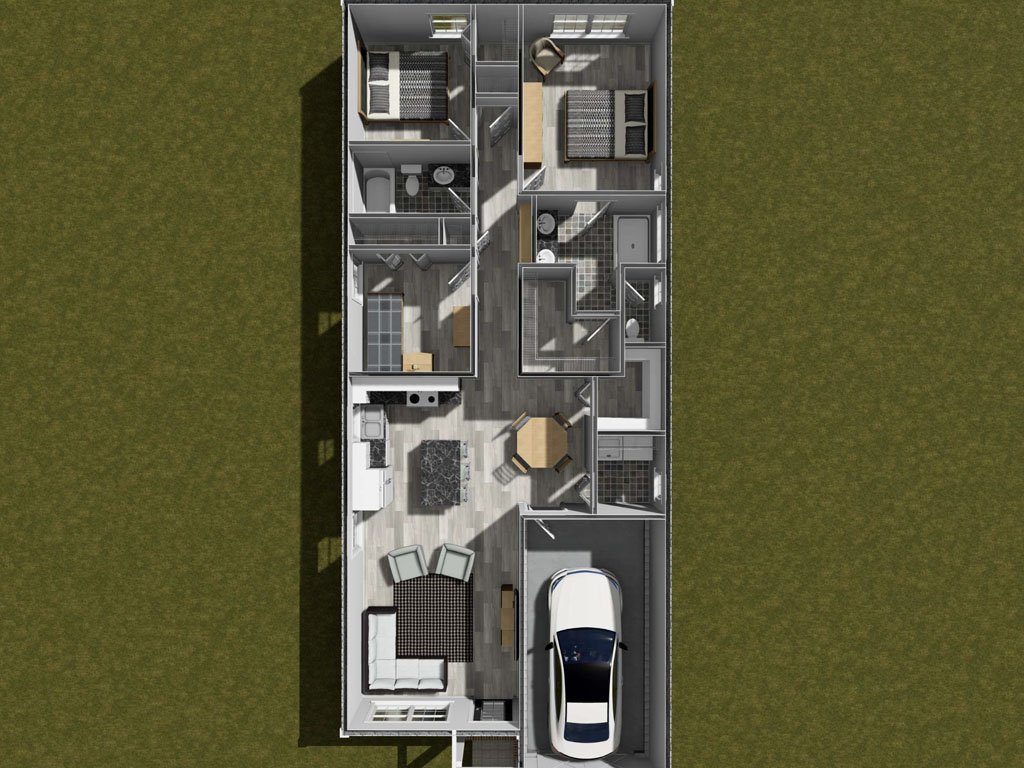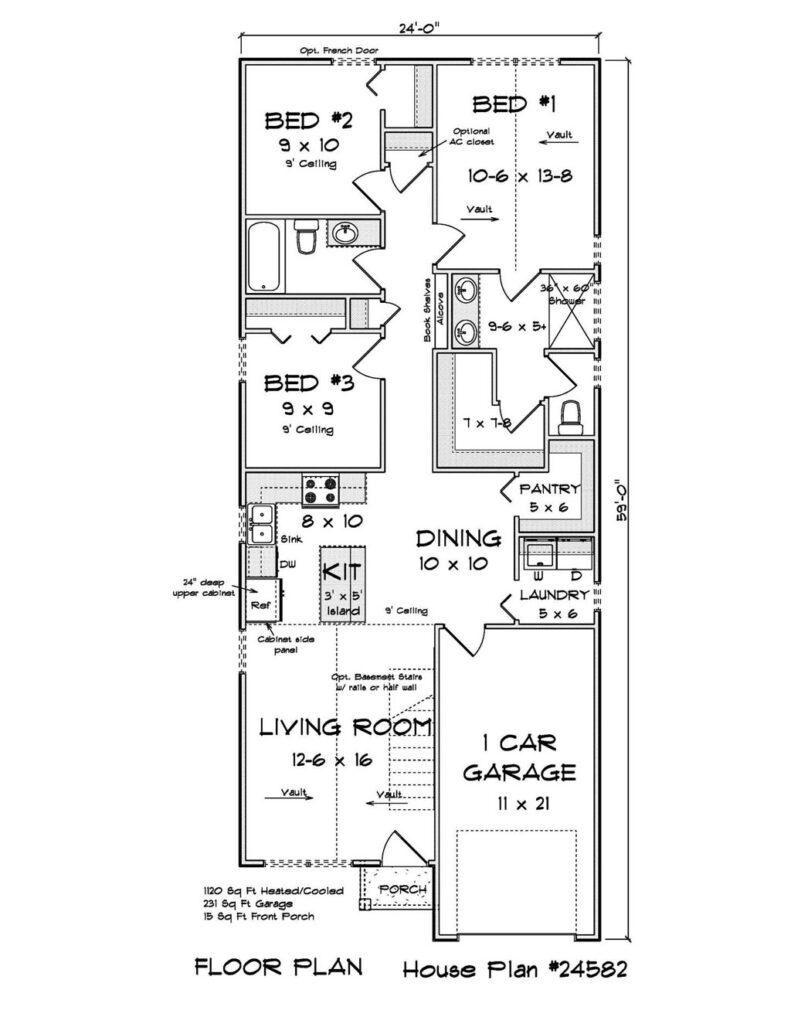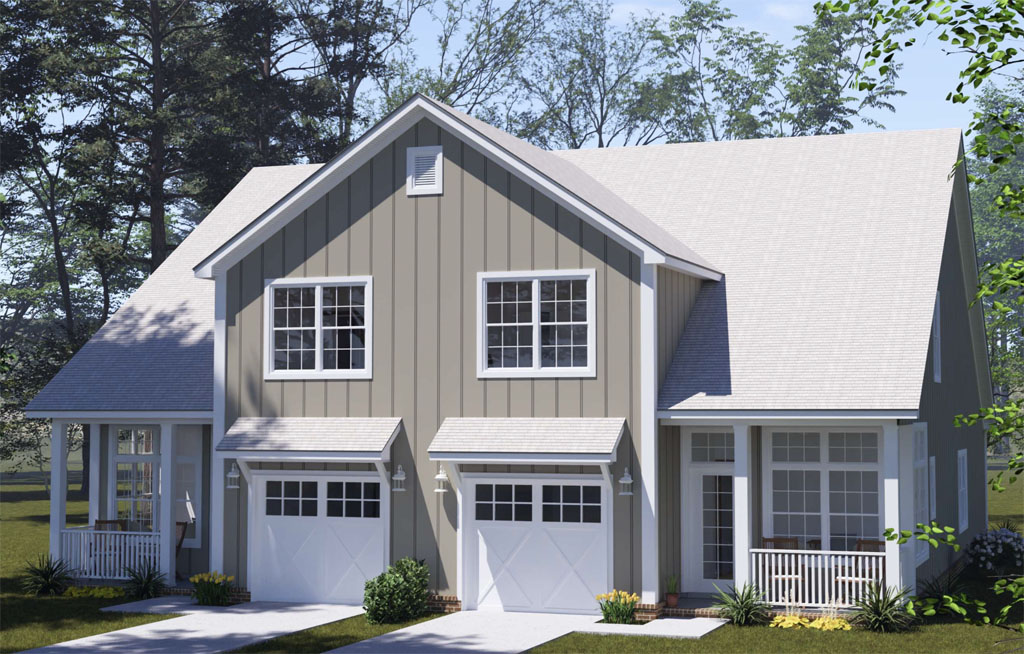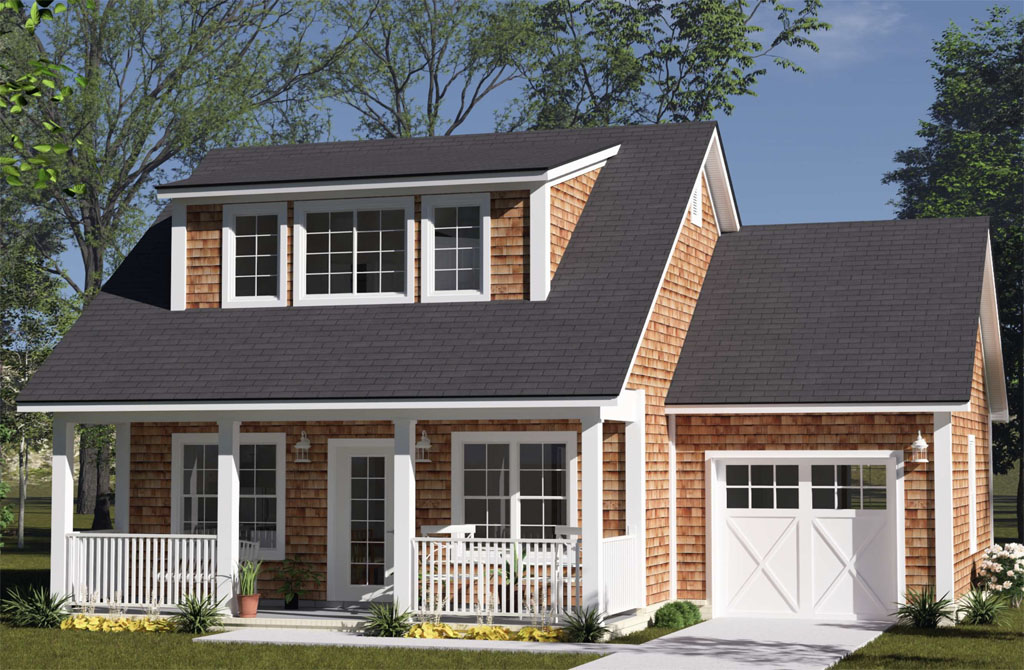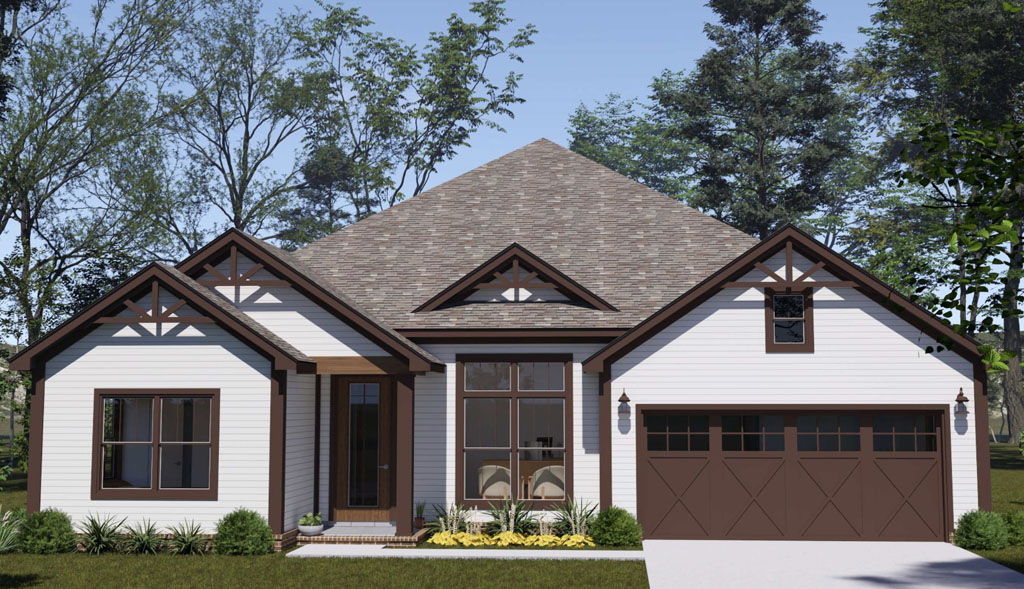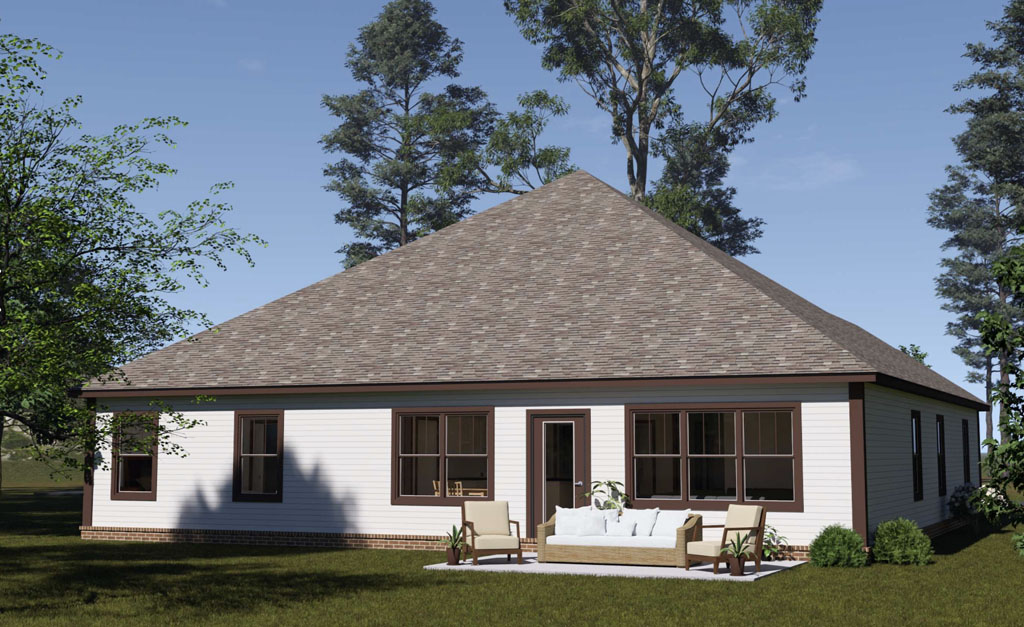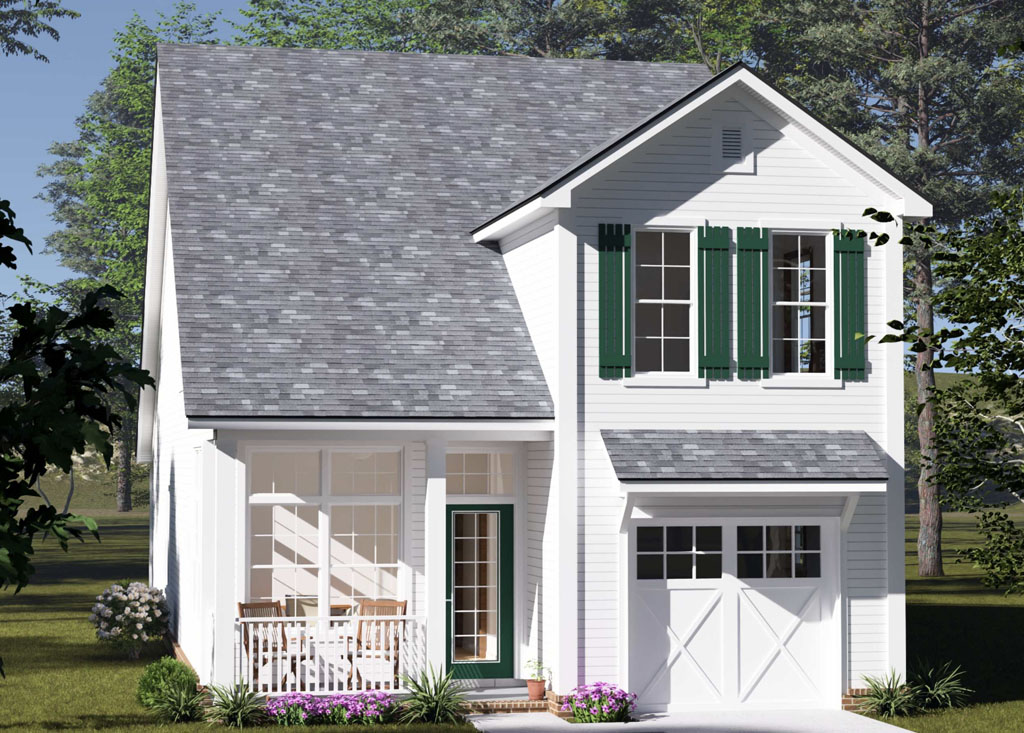
All across North America, developers and builders are being pushed to do more with less land. Large, easy greenfield sites are harder to come by, while demand for affordable homes in established areas keeps growing. According to Harvard Universitys Joint Center for Housing Studies, more than 22 million U.S. households are cost burdened, spending over 30 percent of their income on housing (Harvard JCHS, State of the Nations Housing 2023). That pressure is driving interest in smaller, narrow infill lots where the land cost per home can be lower, as long as the right house plans are used.
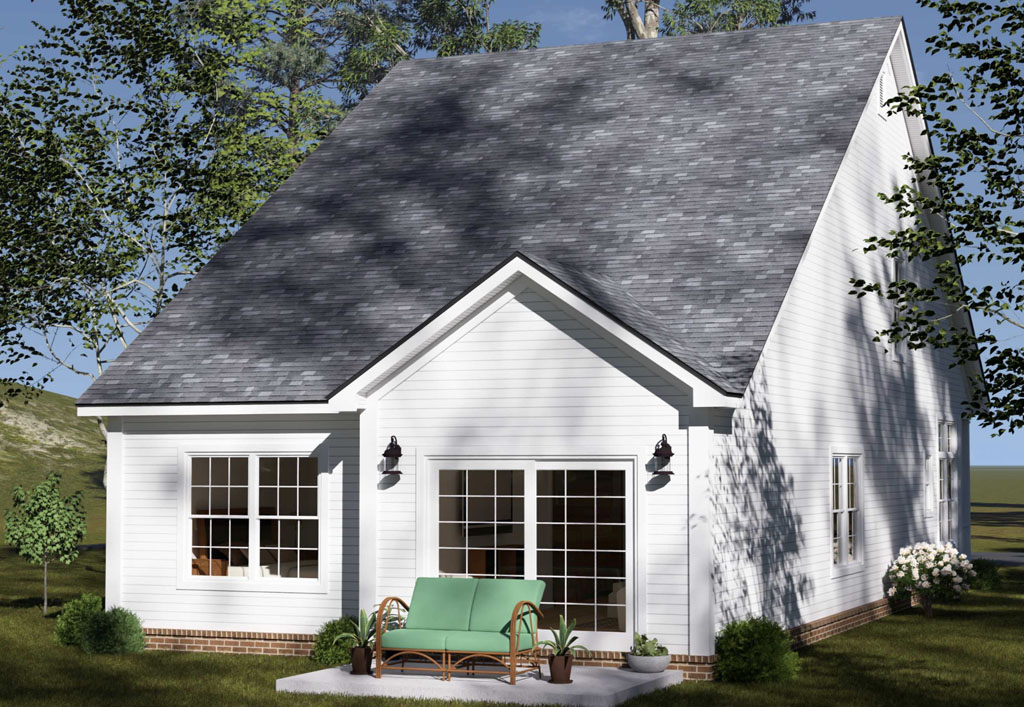
Land is a big part of every project budget, which is why small lot development has become so important. Research from the National Association of Home Builders shows that the lot can represent around 20 percent of the final price of a new single family home, and typical lot sizes for new construction have been trending smaller for years (NAHB, Characteristics of New Housing). When a larger parcel can be divided into more narrow lots, or when underused parcels in older neighborhoods can be brought back into play, developers have a better chance of offering more affordable homes without destroying their margins. The key is to pair those narrow lots with house plans that are compact, efficient, and still appealing to buyers.
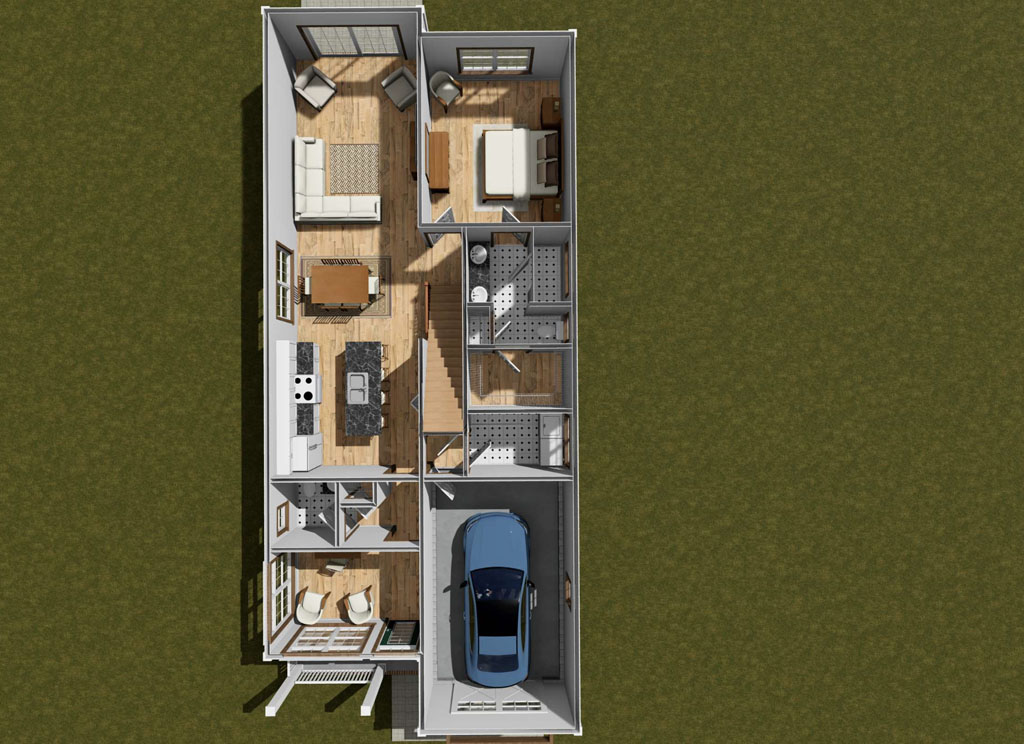
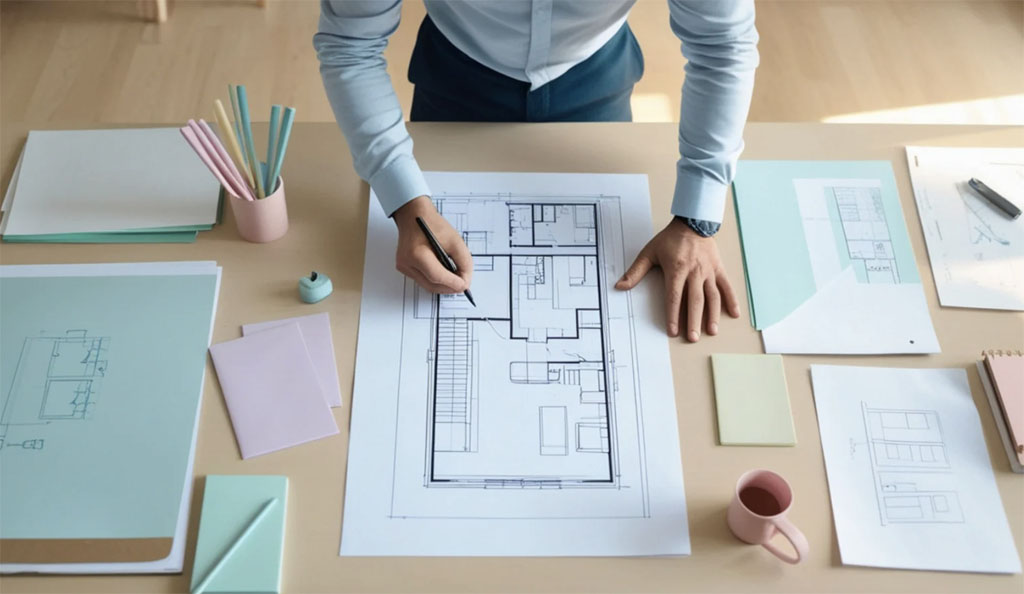
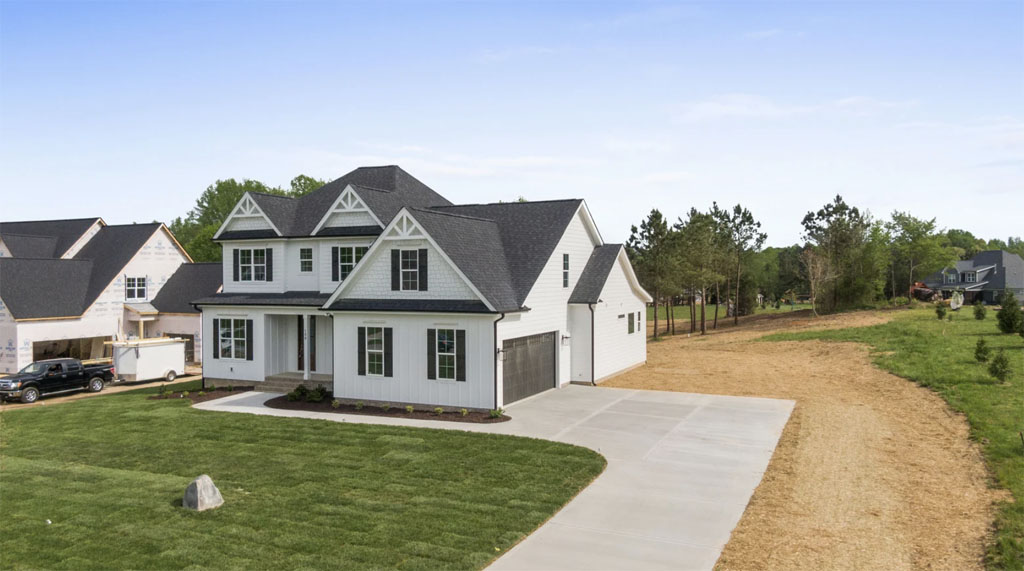
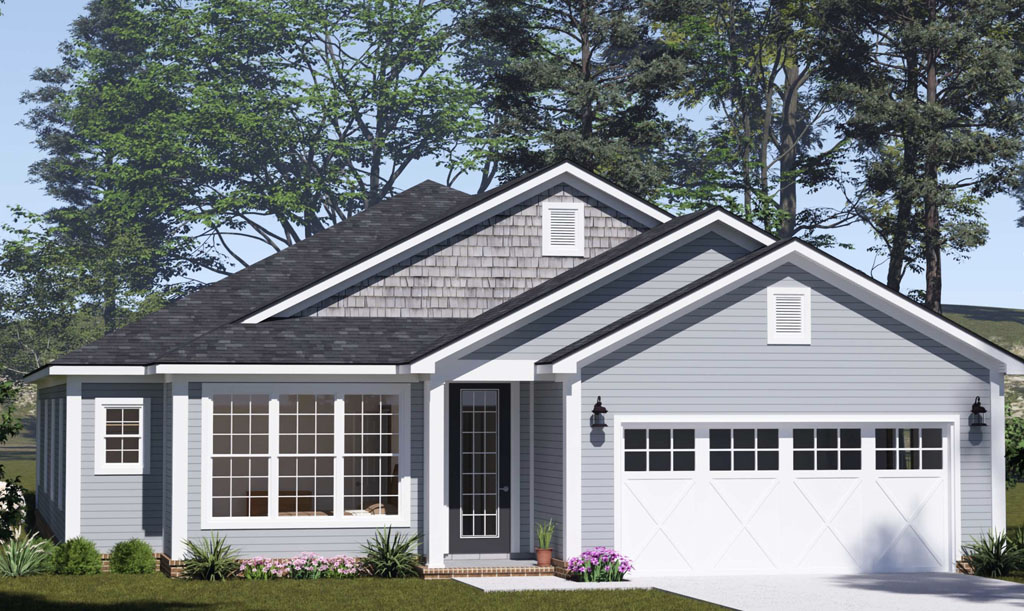
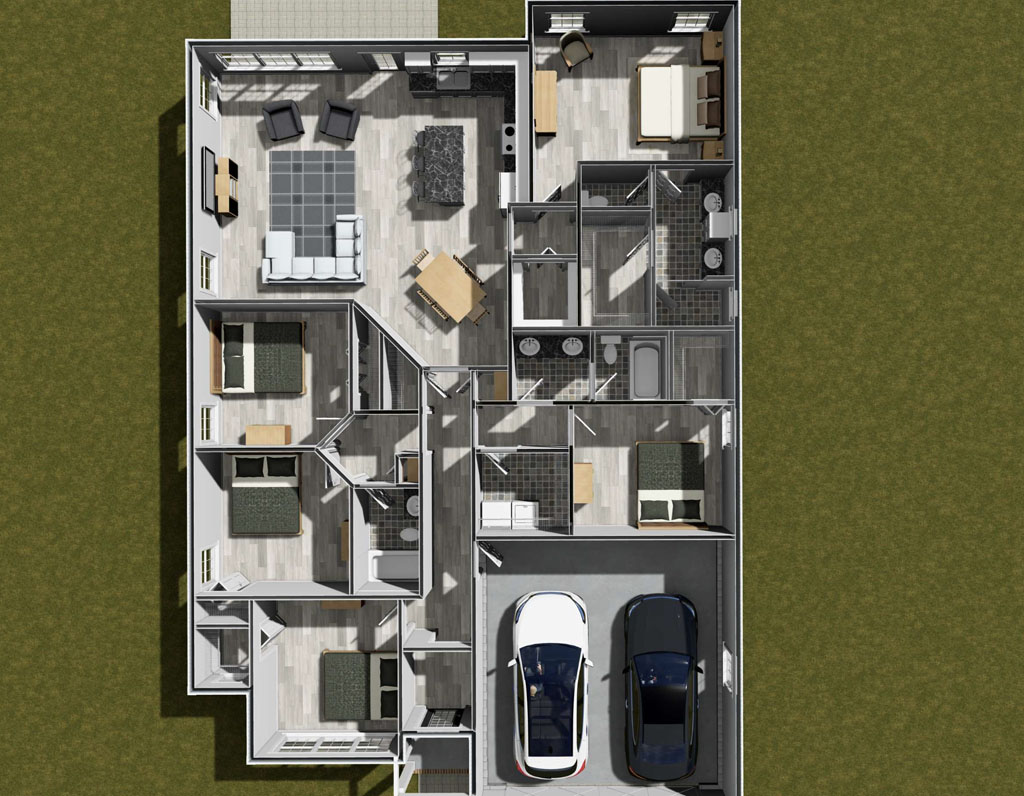
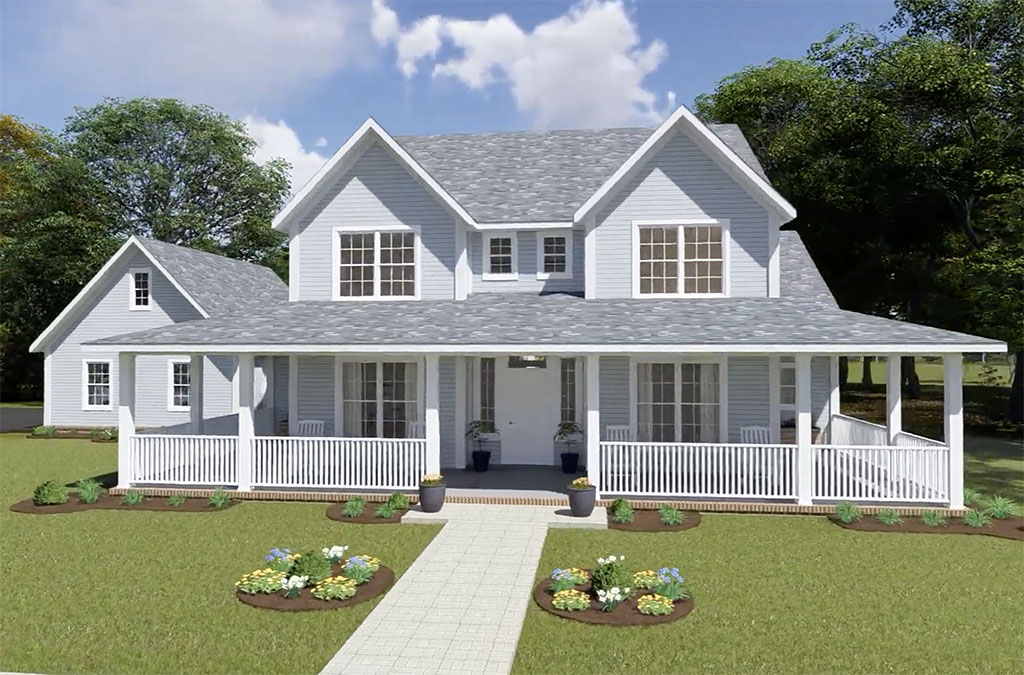
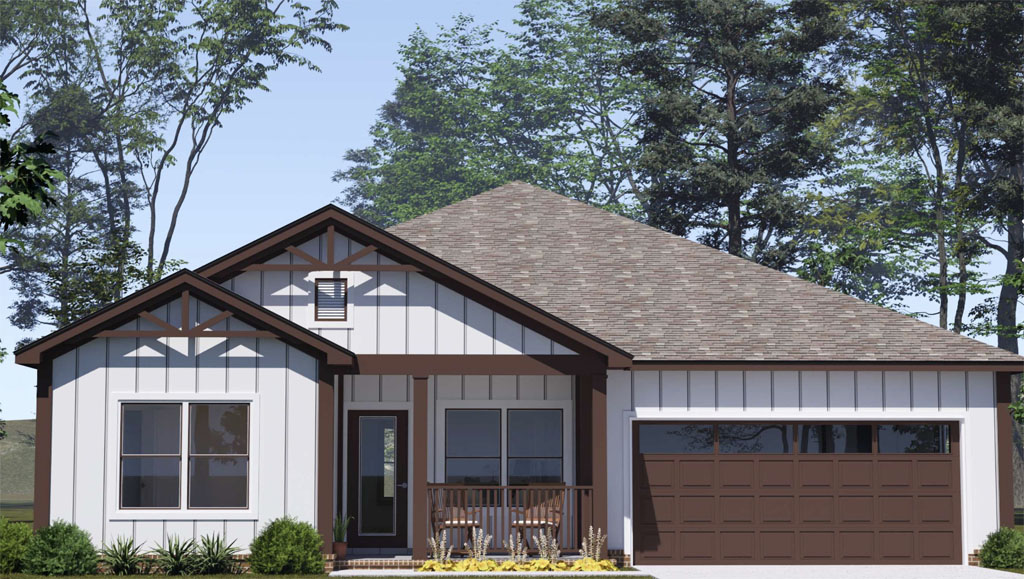
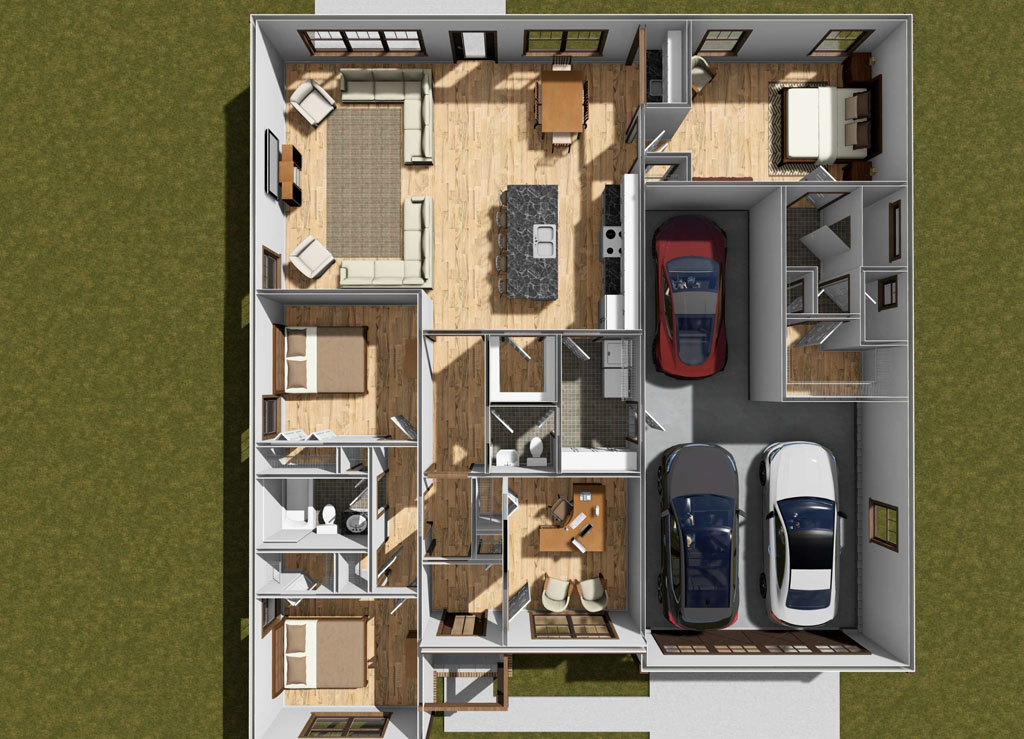
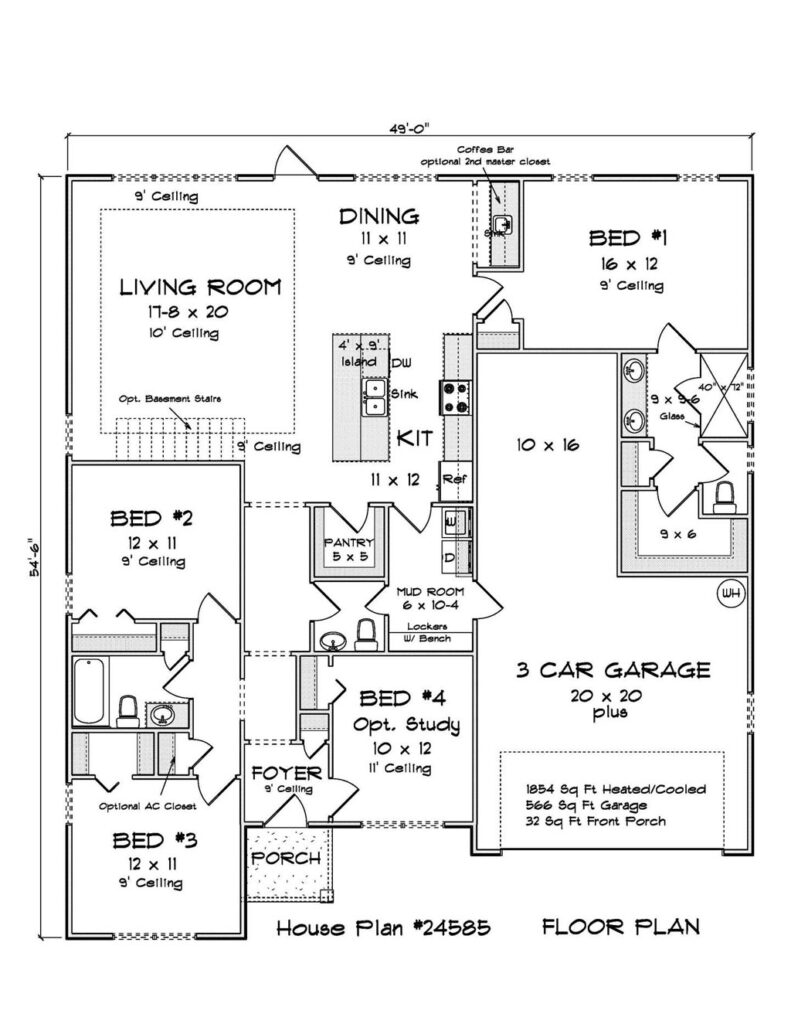
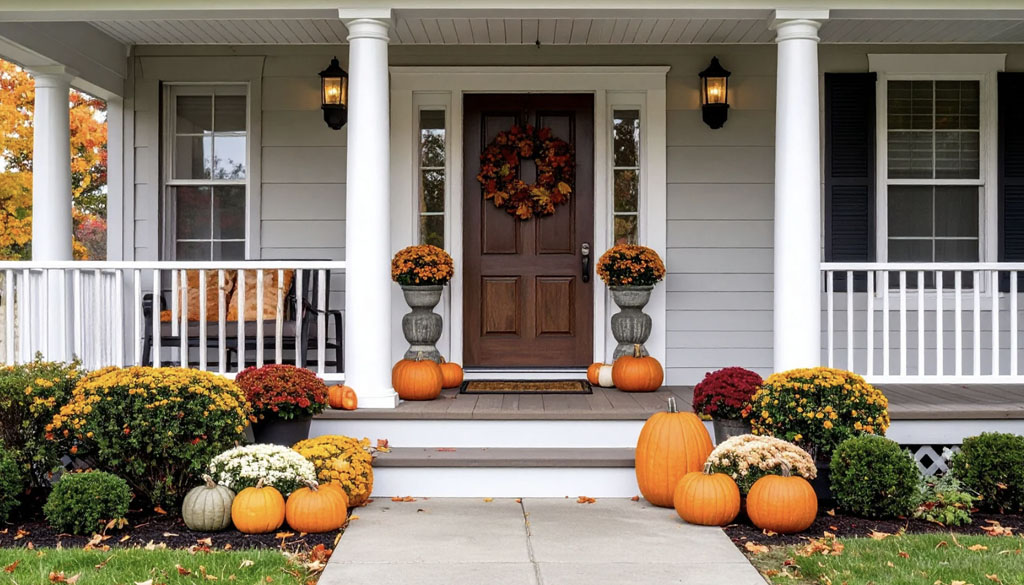
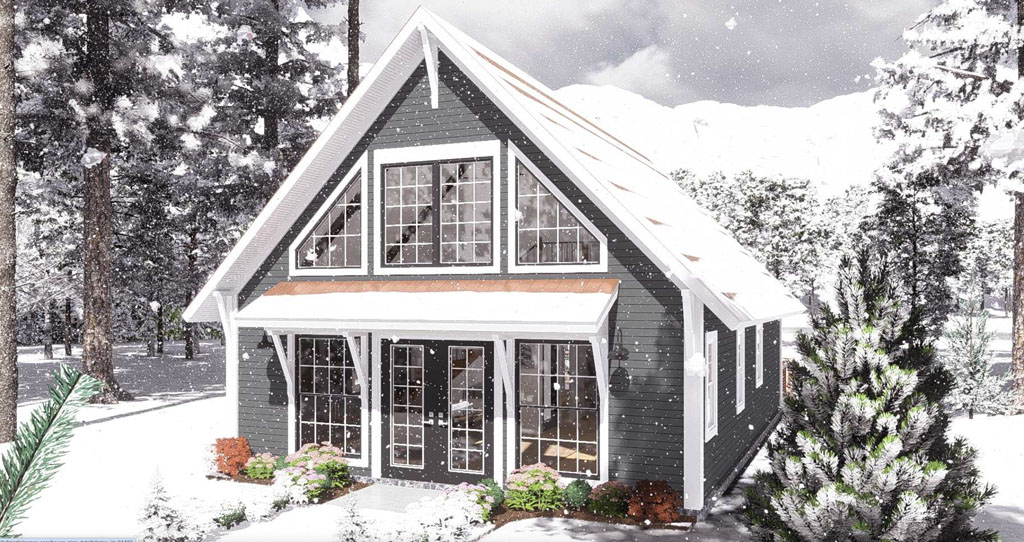
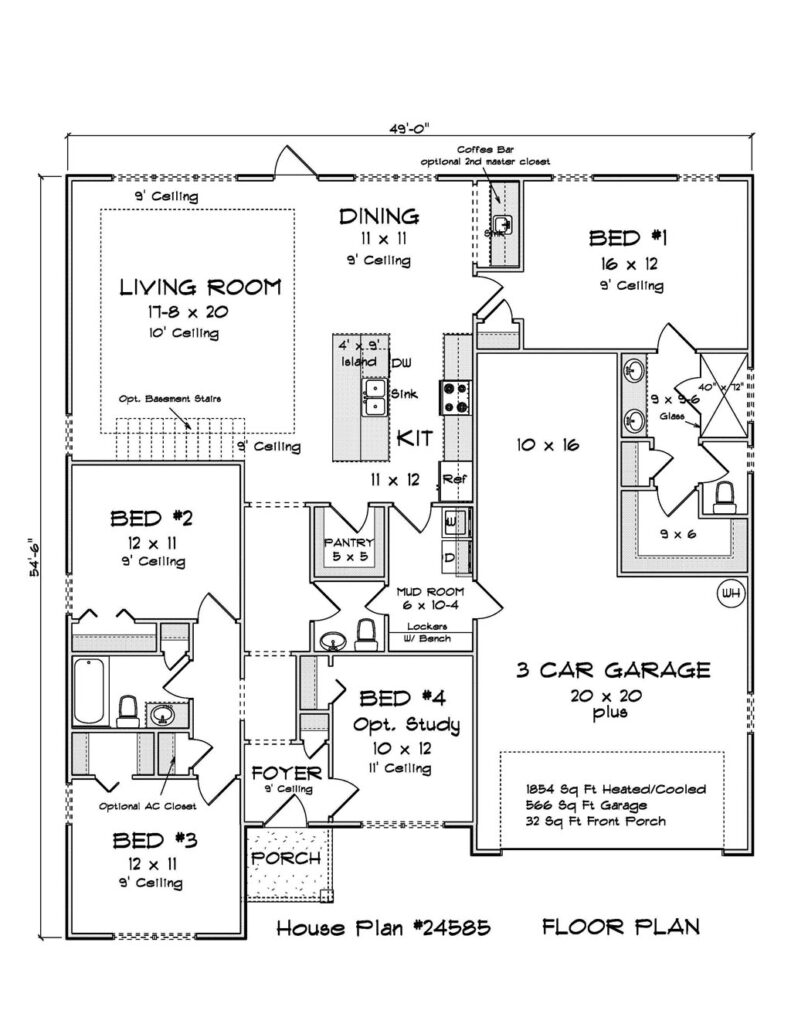
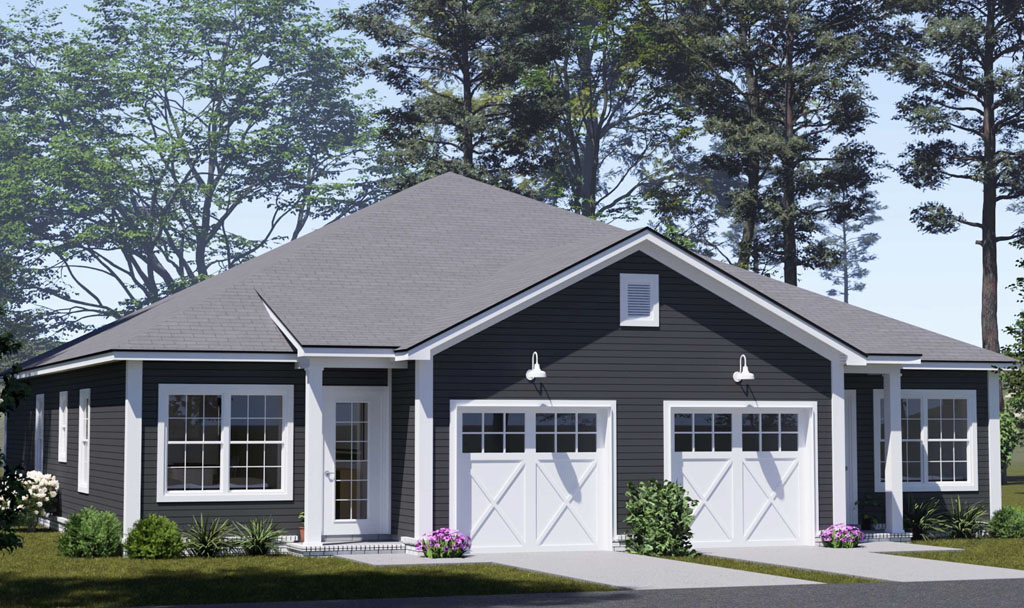
Good small lot house plans are designed from the start to work on narrow sites. They use smart layouts, open sightlines, and well placed windows to make modest footprints feel bright and livable. They pay careful attention to privacy and outdoor space, since side yards may be limited. Front porches, thoughtfully scaled elevations, and logical driveway and garage placement all work together to create strong curb appeal on a tighter canvas. When these design pieces are in sync, a home on a narrow lot can compete well with larger homes on bigger lots because it delivers comfort and style in a more efficient package.
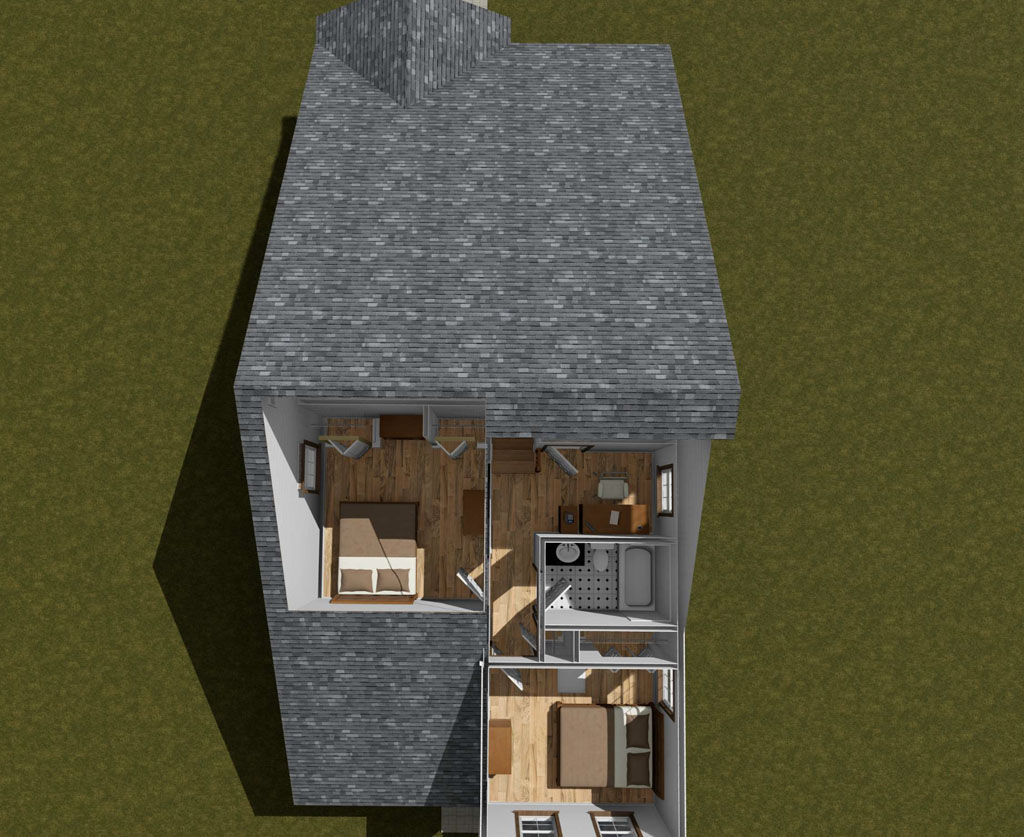
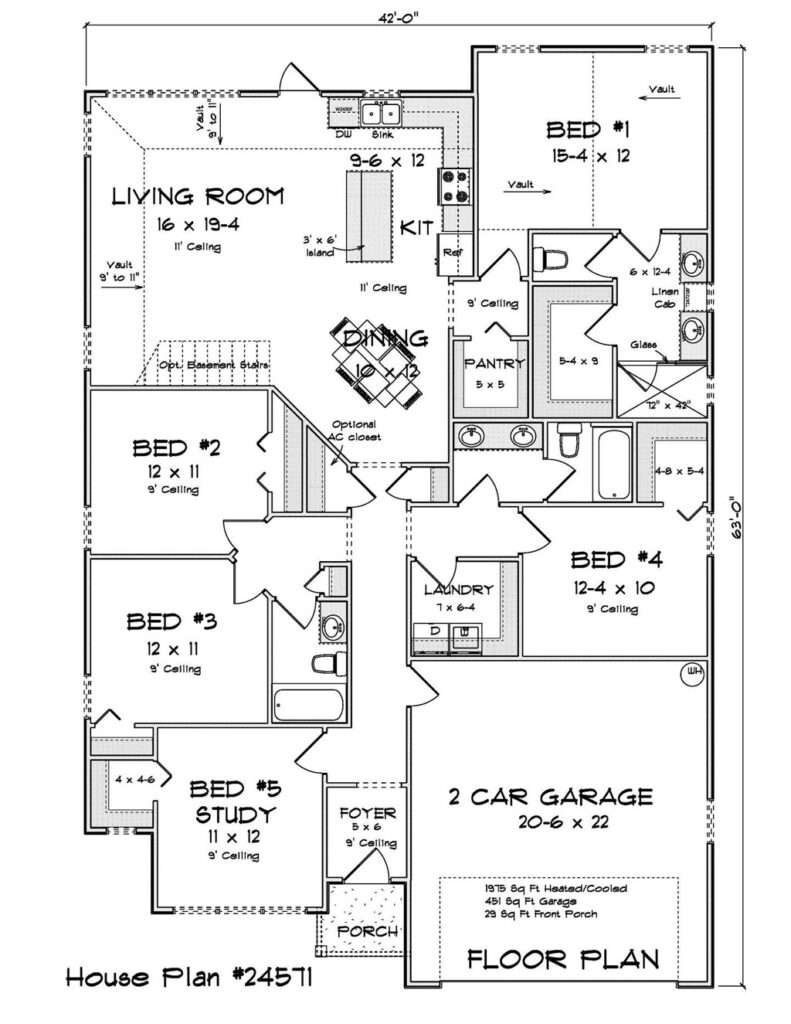
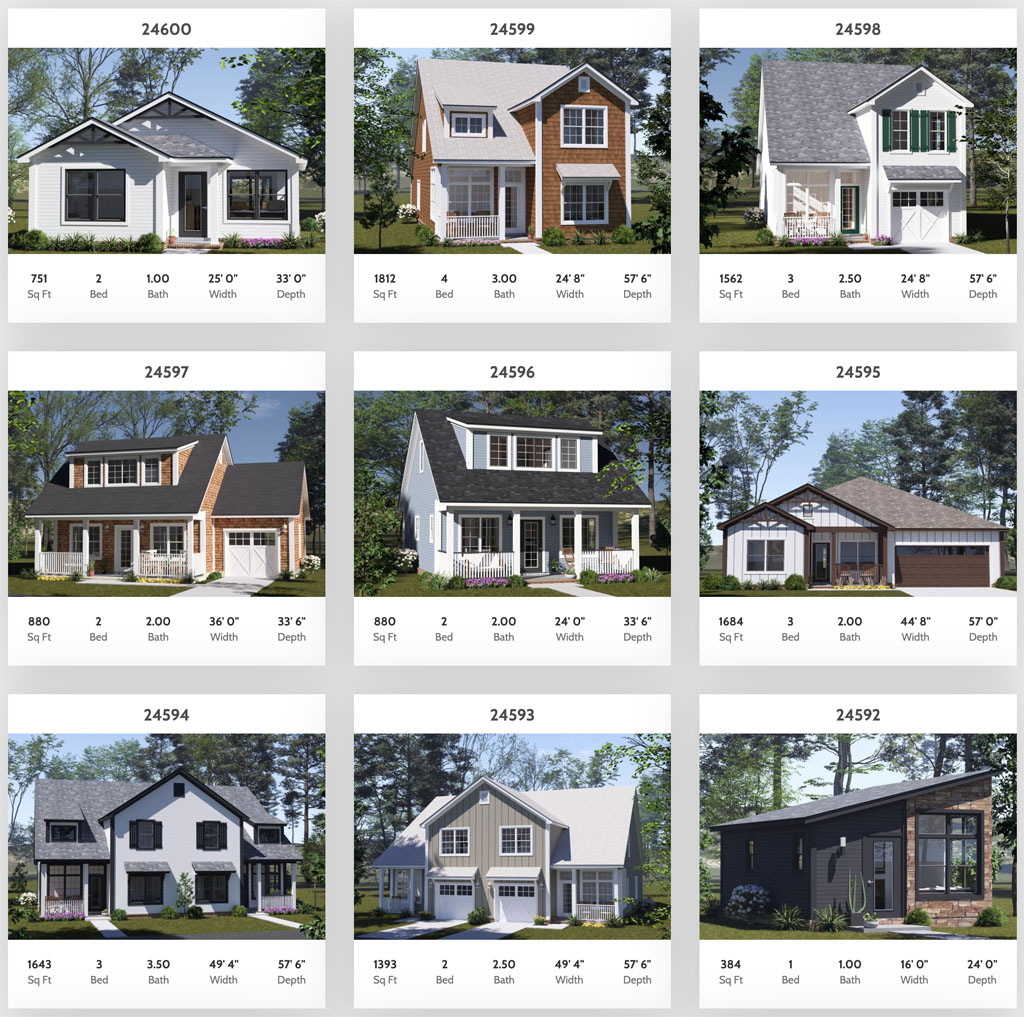
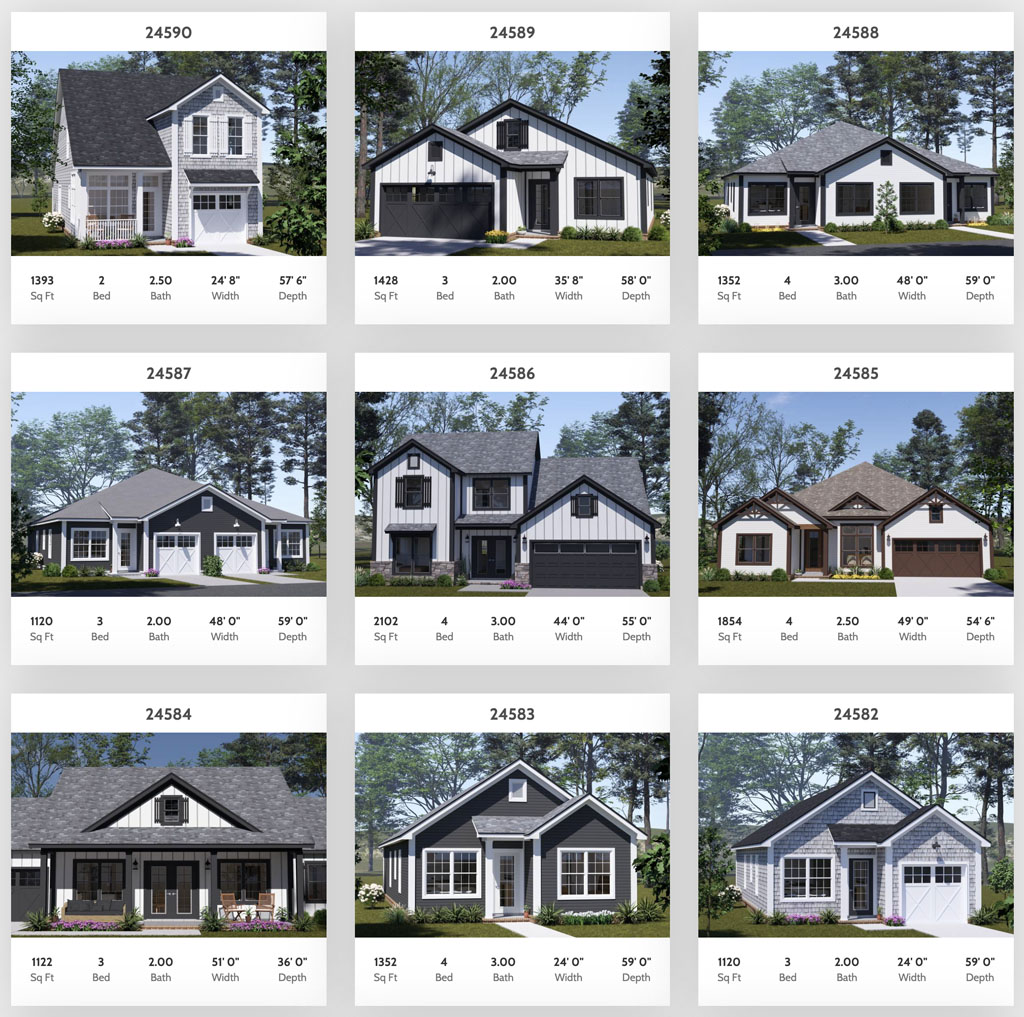
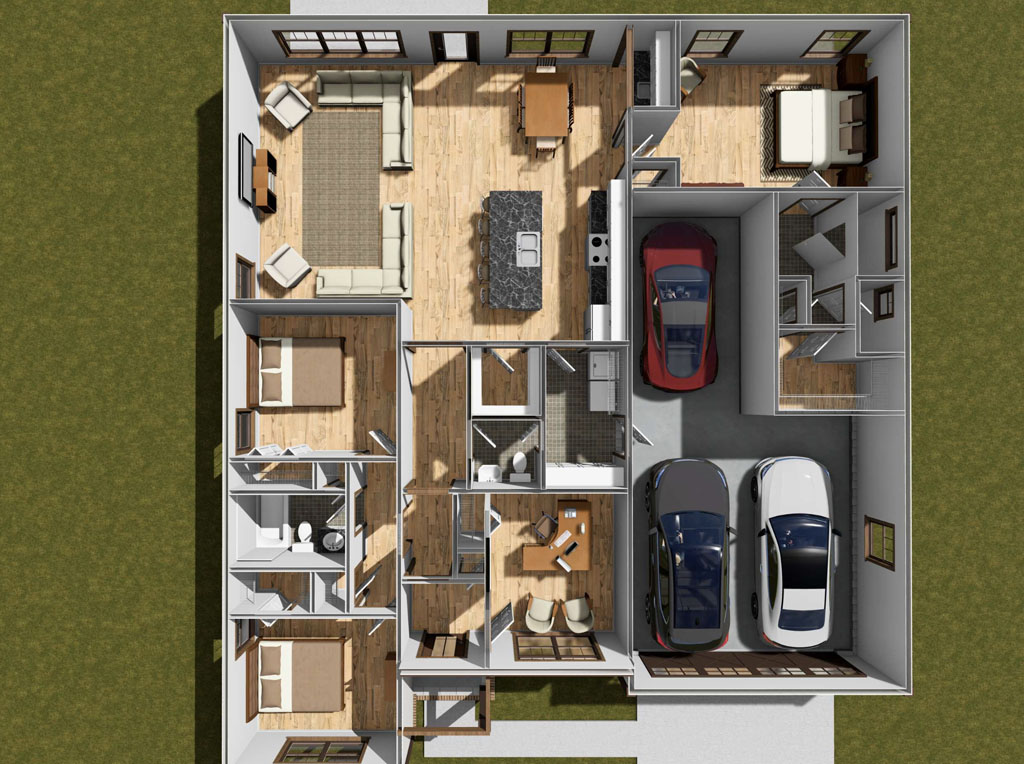
W.L. Martin Home Designs gives developers and builders an edge in this kind of environment. Many of the plans in the W.L. Martin portfolio are created with affordability in mind, which naturally fits the needs of small and narrow lots. Instead of oversized, complex footprints, you will find compact designs that are simpler to build yet still include the features buyers ask about, such as open concept living spaces, practical storage, functional kitchens, and flexible rooms that can change roles over time. For a builder planning a row of narrow infill homes or a small urban subdivision, that means you can start with stock plans that already respect small lot realities, instead of trying to force a wide suburban design onto a tight site.
Because the plans are drawn with efficiency and versatility at the core, they help control both construction costs and soft costs like design time and permitting. Clean structural logic is easier for trades to price and build, and city staff tend to respond better to homes that fit comfortably on their lots. W.L. Martin Home Designs is here to support developers, builders, and individual new home buyers through that process. You can choose a narrow lot friendly plan, talk through local needs, and make sensible adjustments that fit your lots and your buyers while preserving affordability. When you combine the right small lot house plans with the right pieces of land, narrow infill projects can turn overlooked spaces into profitable, highly livable homes.