Economic growth in 2026 is reshaping the playing field for housing developers and new home construction, especially as capital markets, labor conditions, and buyer sentiment respond to a shifting inflation cycle. When GDP growth is steady and inflation pressures cool, the housing market typically transitions from survival mode to strategy mode. Developers tend to see more predictable absorption, more workable pro formas, and fewer sudden changes in material pricing. The key is that growth alone does not guarantee a building boom, the quality of that growth matters, including whether wages are holding up, household formation is rising, and consumer credit conditions are loosening.
For housing developers, the biggest 2026 story is the cost of money and what it does to demand, land deals, and construction pipelines. Even the idea of potential Federal Reserve rate cuts midyear can move mortgage pricing, development loan spreads, and builder confidence before any policy action happens. If rate cuts materialize, the most immediate benefit is usually improved affordability at the margin, which can bring sidelined buyers back into the market and reduce incentive pressure on finished specs. If cuts are delayed, developers with strong product market fit can still win by leaning into right-sized plans, value engineering, and faster cycle times, because buyers are still shopping, they are just more payment sensitive.
The unemployment rate in 2026 is another major swing factor because it influences both housing demand and construction execution. A resilient labor market supports buyer confidence and reduces cancellation risk, but it also keeps competition intense for skilled trades, superintendents, and project managers. Most builders are watching not only headline unemployment, but also participation, job openings, and wage growth, because those indicators help predict whether labor costs will stabilize or keep creeping up. In practical terms, developers who secure reliable trade coverage and protect schedules with tight scopes and clear plan sets are better positioned than those relying on last-minute subcontractor availability.
What are experts watching in this new economic environment? Finance teams are looking at the “higher for longer” versus “cut cycle” debate, credit availability from banks and private lenders, and whether inflation continues to cool enough to ease long-term rates. Housing research groups and builder surveys tend to focus on buyer traffic, months of supply in local submarkets, and the split between entry-level, move-up, and active adult demand. Many home building companies are also leaning harder into product segmentation in 2026, including smaller footprints, optional flex spaces, and plan families that can be rotated across multiple communities, because that approach protects margins while meeting buyers where affordability is.
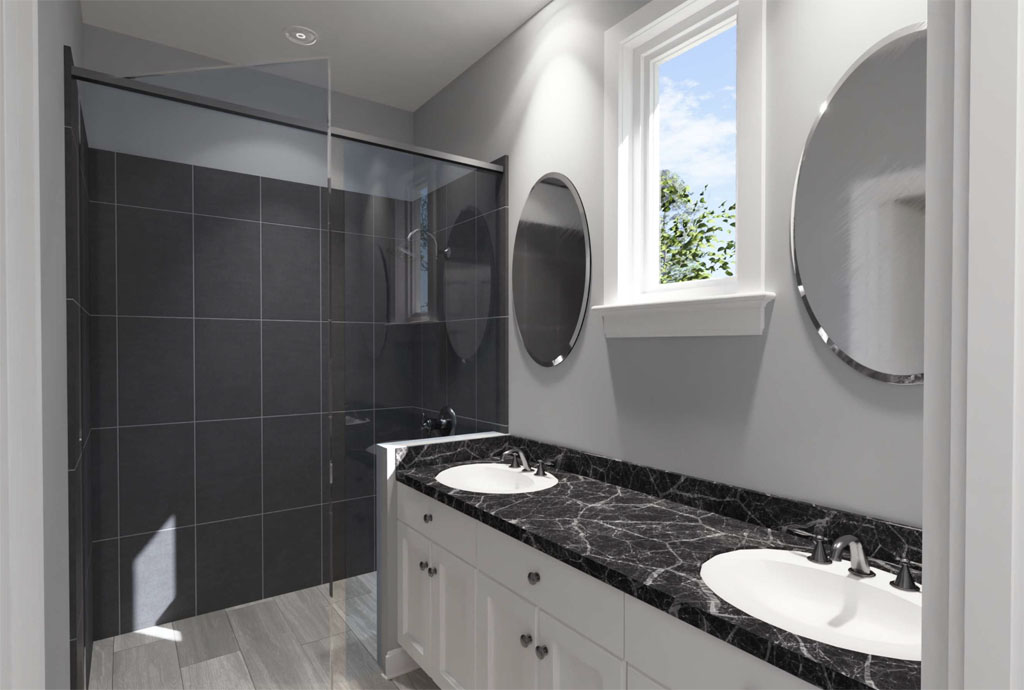
For new builds this year, the practical takeaway is to plan for opportunity with guardrails: underwrite conservatively, design for cost certainty, and keep your plan library flexible so you can pivot between price points without redesign delays. In a growth environment where rates may ease and unemployment remains a key variable, the developers who win are the ones who can deliver attractive homes at predictable costs, with fewer change orders and faster starts to closings. If you are refreshing your 2026 pipeline, consider standardizing a set of buildable, market-tested house plans that can scale across lots and elevations, because in a shifting economy, speed and repeatability can be as valuable as the land itself.