
Ask ten builders when to start a new home and you will hear ten different answers. Timing varies by climate, subcontractor availability, interest rates, and how ready your plans and selections are. The good news is there are clear patterns in reliable data that can guide smarter decisions. If you finalize the right plan early, lock trades when they have capacity, and place material orders when pricing and logistics are favorable, you can save time and money.
What the Data Says About Timing
U.S. Census and HUD data show that single family starts rise in late spring and summer across most regions, then taper in winter. April through August tends to be busiest for groundbreakings, while December and January are often the slowest. That seasonality matters because busy months usually mean tighter inspection calendars and less negotiating room with trades.
Permits typically lead starts by a few weeks to a couple of months, based on the Census Building Permits Survey. When permits in your market tick up, subcontractor calendars often tighten shortly after. Builder sentiment also helps predict near term conditions. The NAHB and Wells Fargo Housing Market Index tends to move with future sales and starts. When confidence softens, trades are more available and suppliers may negotiate more. When confidence rises, expect shorter quote windows and fewer price incentives.
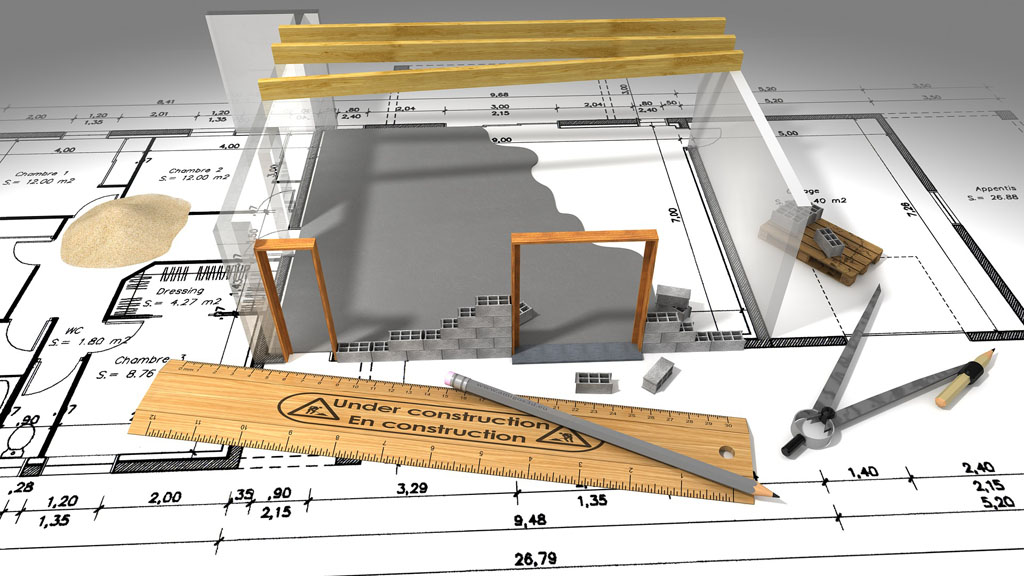
Material costs move on their own cycle. The Bureau of Labor Statistics Producer Price Index series for softwood lumber, engineered wood, roofing, and mechanical equipment has shown month to month swings in recent years. Lumber is the obvious example. The takeaway is to plan your framing, window, roofing, and HVAC packages with enough lead time to price shop and lock when terms are favorable.
How Long a Build Really Takes
Build time is often longer than owners expect. The U.S. Census Bureau’s Survey of Construction frequently shows average permit to completion times in the 7 to 9 month range for site built single family homes. Owner built projects typically take longer than builder built homes. Cold climate regions and heavy customization extend timelines. If you want to deliver a home for a June move in, you usually need your plan finalized and your permit submitted by October.
Best Start Windows, Based on Your Goal
If your priority is trade availability and a smoother schedule, late fall into early winter often works, especially in milder climates. Excavation and foundations in November to January can be more straightforward to schedule, and building departments are usually less backlogged. In colder regions, pour before the deepest freeze or budget for blankets, additives, and ground heat. The added winter concrete cost can be offset by faster inspections and more attentive crews.
If your priority is launching during the prime selling season, pick your target listing month and work backward. For an eight month build and a June delivery, aim to have a permit by October and start shortly after. If your priority is material savings, many suppliers offer better pricing and lead times late in Q4 through Q1, when order books are lighter and yards are clearing inventory.
Smart Contract Timing
Sign contracts when scopes are complete, not just when enthusiasm peaks. Make sure structural notes, energy details, elevations, and finish schedules are captured in the exhibits. Incomplete scopes turn into change orders that cost time and money.
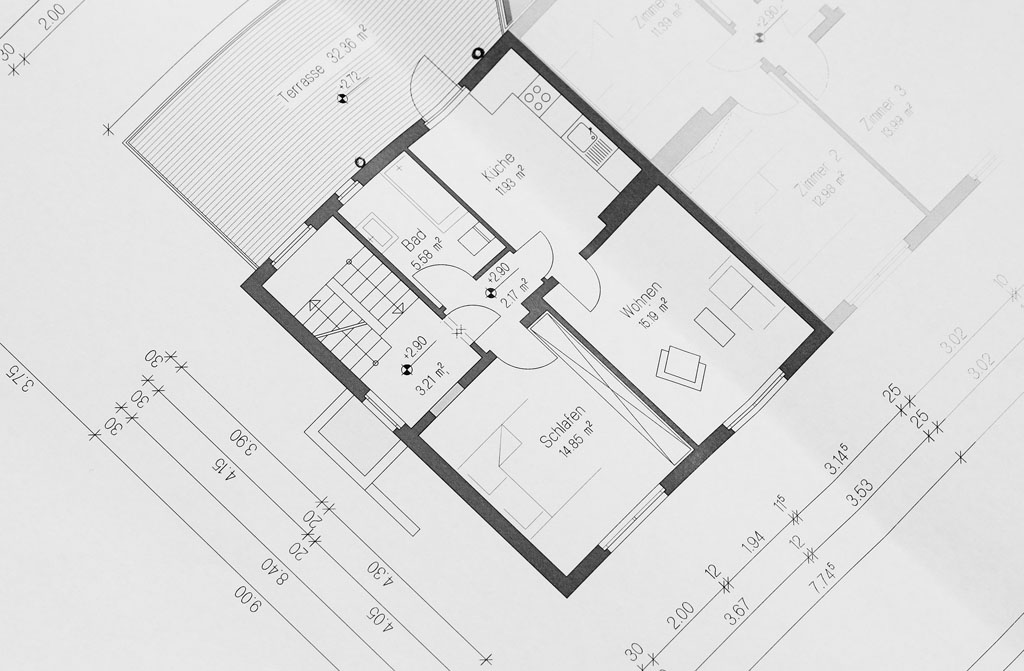
Use clear pricing windows and escalation language. In busy seasons, supplier quotes often hold for 15 to 30 days. In slower months, holds may be longer. Tie any adjustments to published indexes such as the BLS PPI for lumber or asphalt shingles. Submit to lenders and building departments before their spring rush. Late winter submissions often move faster and set up a cleaner groundbreak.
Choose Your Plan Earlier Than You Think
For homes between 400 and 2,500 square feet, a practical cadence keeps you out in front of deadlines and price spikes.
120 to 180 days before groundbreak
Select your W.L. Martin plan and finalize the key options. Verify setbacks, utilities, topography, and HOA rules. Start structural review and code compliance. Complete energy modeling if your jurisdiction requires it.
60 to 120 days before groundbreak
Finish the site plan, foundation details, and any elevation approvals. Issue preliminary takeoffs and solicit competitive bids for framing, windows, roofing, and mechanicals. Use this period for value engineering that preserves curb appeal.
30 to 60 days before groundbreak
Lock trade contracts with clear scopes and alternates. Order long lead items such as windows, garage doors, specialty trusses, and certain HVAC equipment, which can require 4 to 12 weeks. Submit for permit if you have not already, and schedule excavation.
Regional and Climate Considerations
Cold climates reward careful timing. Winter starts often mean more available crews, but concrete and flatwork need winterization. Many builders favor late winter starts that let them frame as temperatures rise. In hot or wet climates, plan around heavy rain or hurricane seasons by starting in the drier shoulder months so you can dry in the structure on schedule and reduce rework. In remote or supply constrained markets, add extra lead time for freight and distribution bottlenecks and consider consolidating orders to hit better freight rates.
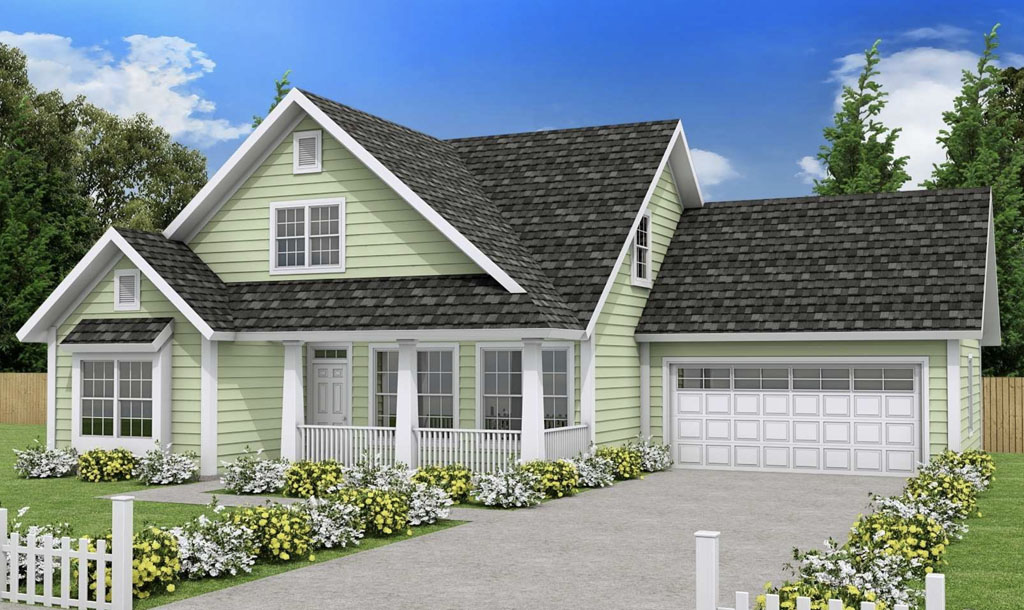
Signs You Are Truly Ready to Start
- You have a fully dimensioned plan set with structural notes, elevations, sections, and schedules.
- You hold at least two solid quotes per major trade and multiple quotes for large material packages.
- Purchase orders include alternates and index based price clauses for key commodities.
- Your permit path is clear and you understand inspection lead times.
- Carry costs and financing still pencil if rates move within a normal range.
How Developers Can Use Slower Months to Win
Use late fall and winter to lock framing packages and window orders for early year delivery, when vendors are more flexible. Batch structural and energy updates across multiple elevations of the same core plan to reduce fees and accelerate future starts. Prebook inspection windows where allowed and stage temporary utilities early, since power and water service can hide spring delays.
Guidance for Buyers Working With a Builder
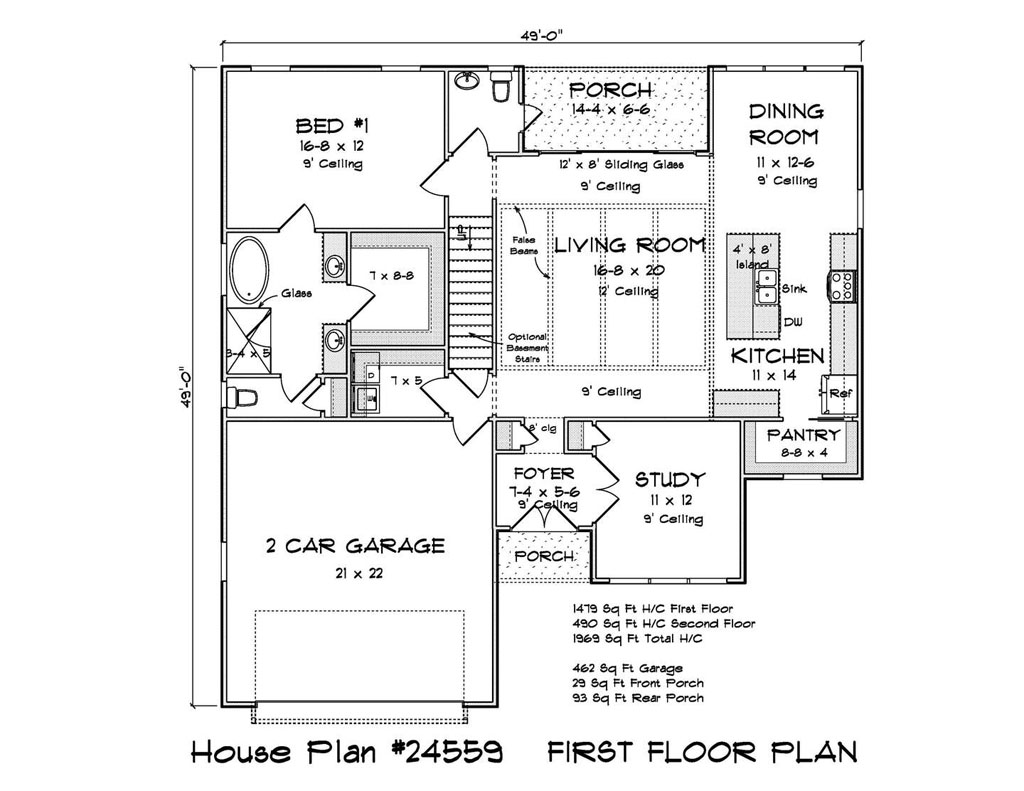
Choose the plan early and lock the non negotiables such as square footage, bedroom count, kitchen configuration, and primary bath layout. Be flexible on finishes when supply is tight by approving a small set of acceptable alternates. Ask about price protection tied to public indexes and credits if those indexes fall during your build, provided equal or better substitutions are allowed.
The Bottom Line
There is no single best month to start every home. The better strategy is to be plan ready, bid ready, and permit ready, then match your start to local seasonality and supplier conditions. Use public data to your advantage. Watch permits to anticipate trade capacity, monitor builder sentiment for pressure on pricing and schedules, and keep an eye on material indexes for windows to buy. If you are a developer or a new home buyer planning a home between 400 and 2,500 square feet, W.L. Martin Home Designs can help you select and fine tune the right plan so your builder can price and schedule with confidence. Getting the plan right, early, is still the single best way to save both time and money.