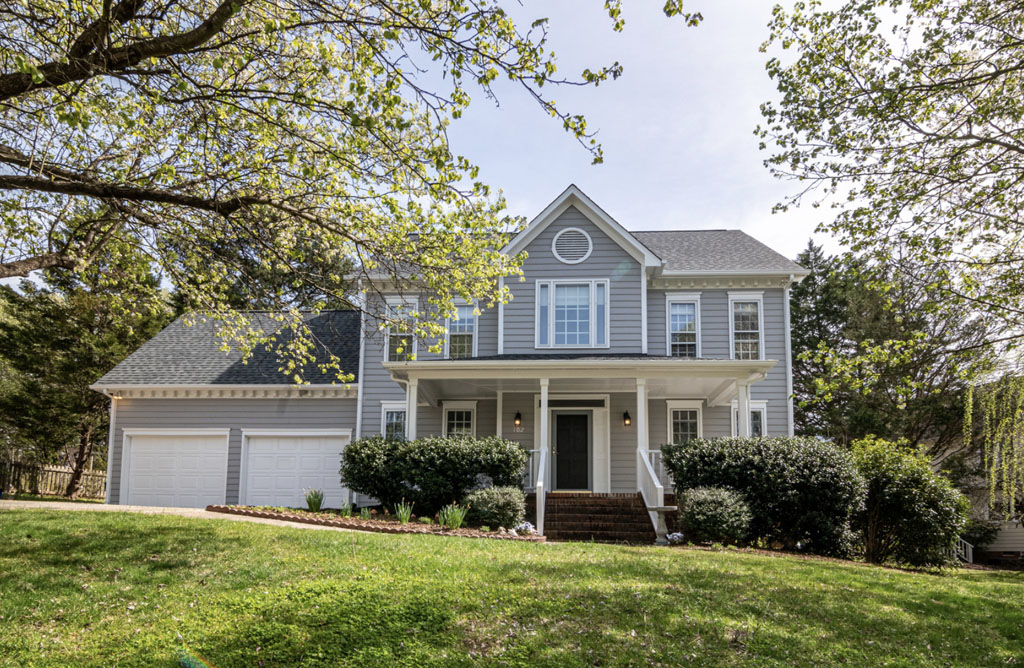
Minimalism in residential design has matured from a clean look on social feeds into a practical framework for how new homes are planned, built, and lived in. It is about clarity of layout, restraint in materials, and square footage that works harder. For developers, this is not only aesthetic, it is a path to fewer change orders, faster builds, and stronger buyer appeal. At W. L. Martin Home Designs, we have leaned into this shift for years, which is why so many of our plans already deliver what today’s and tomorrow’s buyers are asking for.
Why minimalism is gaining momentum
Several forces are pulling design in the same direction. Households want spaces that are easier to maintain, simpler to furnish, and more energy efficient. The buildings sector accounts for roughly a third of global final energy use and around a quarter to a third of energy related carbon emissions, so every design decision that reduces envelope area, improves daylighting, or optimizes mechanicals matters. Builders continue to navigate labor constraints and material cost volatility, which makes simple forms, repeatable details, and offsite friendly geometry more valuable. Buyer preferences have also shifted toward flexible rooms, uncluttered kitchens, and outdoor connections. Industry surveys from architects and builders show sustained demand for energy efficient features, low maintenance materials, better storage, and right sized plans that do not waste circulation space. Minimalism happens to be a clean way to deliver all of this at once.
What minimalism looks like in new housing today
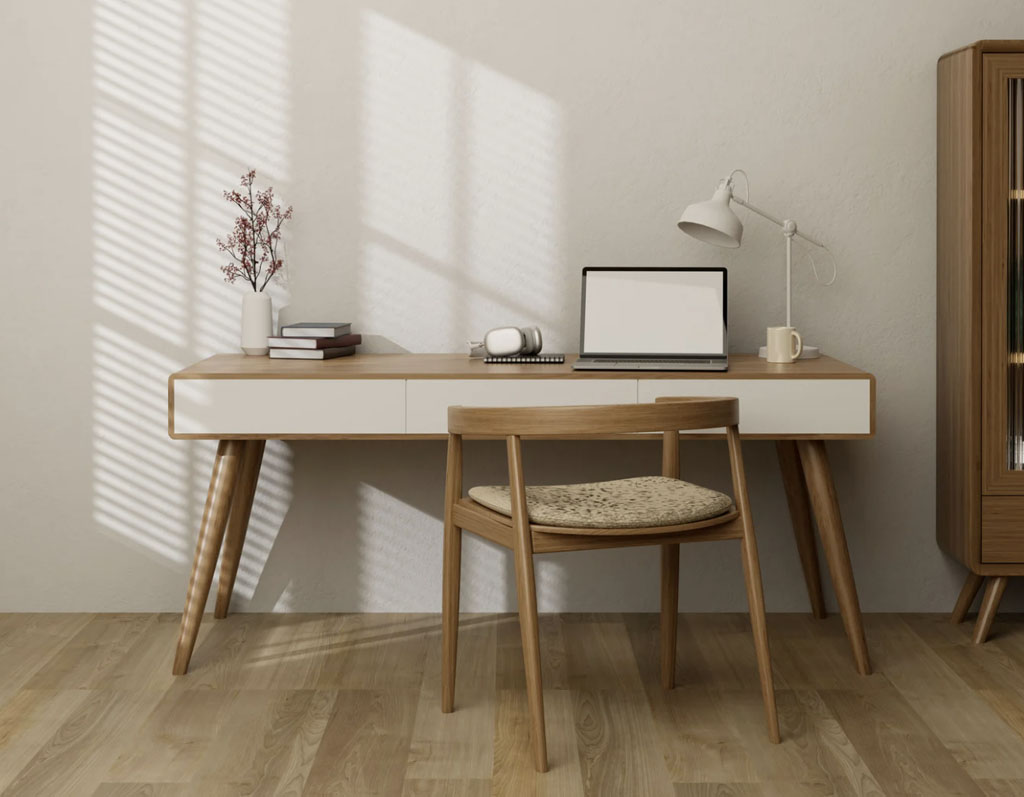
Minimalist homes do not feel empty, they feel clear. The best examples balance warmth with restraint, then back it up with measurable performance. Below are patterns we see again and again in the highest performing new builds:
- Simple geometry that reduces corners and jogs, which lowers exterior surface area and air leakage potential while simplifying framing and siding sequences
- Open yet right sized living cores, where kitchens, dining, and living connect without excess hallways, a layout that shortens duct runs and shrinks wasted square footage
- Natural light by design, with window sizes and placements tuned to orientation, which cuts daytime lighting loads and improves comfort without glare
- A tight, well insulated shell, continuous exterior insulation, careful air sealing, and thermally broken details that set the stage for efficient HVAC
- Material restraint, fewer finish types used more consistently, which eases procurement, reduces waste, and makes rooms feel calmer
- Built in storage that hides clutter, pantry walls, linen towers, drop zones, and primary closets that keep surfaces clear without upsizing the home
- Flexible rooms, a pocket office or guest room that can swing between uses so the home adapts as families change
- Quiet, efficient systems, heat pumps, balanced ventilation, and induction cooking that lower operating costs and improve indoor air quality.
The business case for developers
Minimalism lowers complexity, which lowers risk. Rectilinear footprints, single main ridge rooflines, and stacked wet walls speed framing, plumbing, and MEP coordination. Cleaner elevations with a restrained palette reduce change orders during exterior selections. Windows sized in standard increments help supply chain resilience. In energy, frameworks like ENERGY STAR for new homes establish a baseline that is at least 10 percent more efficient than code, with average savings of about 20 percent compared to typical new construction. Passive building strategies, even when you do not pursue full certification, routinely cut heating and cooling demand by 40 to 60 percent in comparable climates. These are not just green talking points, they show up as smaller equipment sizes, quieter interiors, and lower ownership costs that help buyers qualify.
How W. L. Martin plans build minimalism in from the start
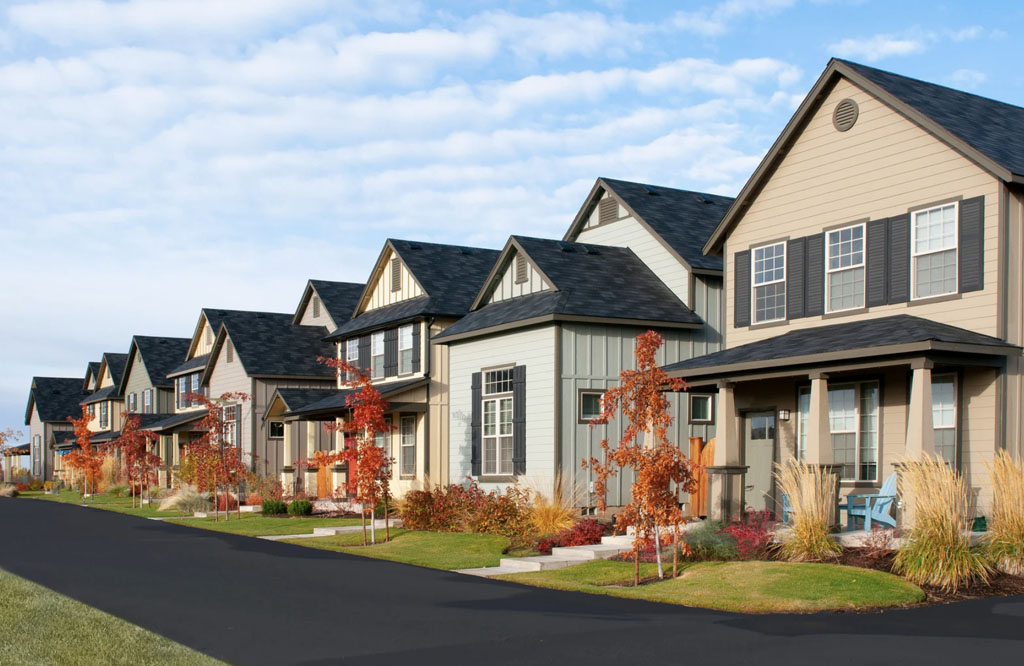
We design for developers who need plans that field well on real sites, with crews of various experience levels, and in climates across North America. That is the lens behind our minimalist forward approach.
• Compact footprints that fit 400 to 2,500 square feet without feeling cramped, with great room cores that carry volume and light while bedrooms and baths remain efficient
• Structural grids that standardize spans and bearing points, so beams and joists repeat, which speeds framing and supports panelization or truss friendly roofs
• Stacked kitchens, baths, and laundries that align wet walls vertically, reducing runs and minimizing penetrations through the envelope
• Clean roof forms, typically a single primary gable or hip with limited intersections, which improves drying, lowers flashing risk, and keeps install time predictable
• Window schedules optimized around orientation rather than ornament, with larger panes where light is wanted and fewer north facing perforations where it is not
• Right sized mechanical spaces, dedicated chases for balanced ventilation, and heat pump ready layouts that make high performance packages straightforward
• Storage where it counts, pantry walls, linen towers, and built in drop zones designed into the plan so the living areas stay uncluttered without inflating square footage
• Finish palettes that assume a small set of durable, widely available materials, siding in two profiles instead of four, tile in one pattern carried through wet rooms, unified trim strategies
• Universal design options that keep clearances clean and thresholds low, which makes homes livable for more buyers without visual noise
• Solar and EV readiness baked in, roof planes that actually accept PV, main panels sized with spare capacity, conduit paths and EV rough in locations shown on the plan
Three plan types, many minimalist outcomes
Small footprint ADUs and cottages at 400 to 900 square feet that still live big. Our smallest studios put the kitchen on a single wall with a dining built in, a stacked bath and laundry core, and full height closet walls. Vaulted great rooms borrow volume, tall windows are placed for privacy and light, and storage niches keep surfaces clear. Developers can repeat these with tiny site tweaks and get reliable results.
Narrow lot plans from 1,300 to 1,800 square feet that maximize width challenged sites. We keep the stair unobtrusive and straight, align kitchens and powder rooms to stack plumbing, and use a single roof ridge parallel to the street. Primary suites are compact but complete, with built in storage instead of an oversized footprint. These plans are friendly to town infill and suburban tracts alike.
Family ready homes from 1,900 to 2,500 square feet that feel calm, not cavernous. The living core is open and bright, secondary bedrooms share a smart Jack and Jill layout, and a flex room near the entry swings between office, guest, or play. Exterior elevations stay crisp with purposeful fenestration. Energy packages can step up to solar ready, and garages include EV rough ins that do not fight the layout.
Performance that supports the look
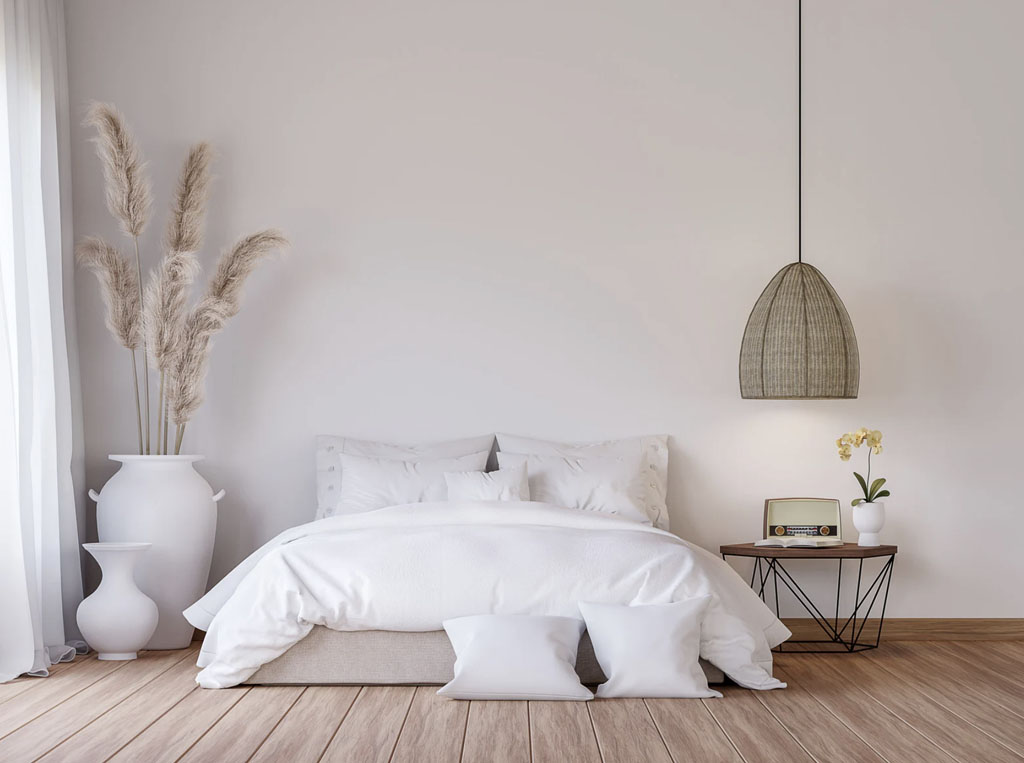
Minimalism is easier to defend when it is not only pretty. In our plans, simplified geometry tightens the envelope by limiting corners, which reduces air leakage risk. Careful daylighting design reduces artificial lighting during the day and pairs well with high efficiency lighting at night. ENERGY STAR ready details and balanced ventilation strategies support lower utility bills for buyers and quieter interiors that feel like a step up. For developers, these choices also mean fewer specialty transitions, fewer unique details to remember in the field, and less punch list churn at the end.
Why this is future proof
The industry is clearly moving toward higher performance expectations, simpler maintainability, and flexible space planning. Minimalism threads these needs together. Simple forms accept exterior updates gracefully as materials evolve. Clean elevations do not go out of style every few years. Energy smart shells make it easier to integrate next generation equipment, from heat pump water heaters to battery storage. When buyers ask for calm, healthy spaces that are easy to live in, plans that lead with clarity will keep winning.
How we customize for your lots and brand
Developers often need a recognizable through line across a community, but not copy paste repetition. Our minimalist base plans are designed to flex. We can mirror footprints for site fit, adjust window schedules for orientation, swap in regionally favored materials without fussy trim changes, or package energy options to hit a specific program. Because the geometry is clean and details are repeatable, these changes are efficient to draft and predictable to build.
If you are looking to meet demand for smaller, smarter, and calmer homes, the W. L. Martin Home Designs portfolio is ready. Minimalism is built in, so you can deliver designs that look current today and age well as codes and buyer expectations rise.