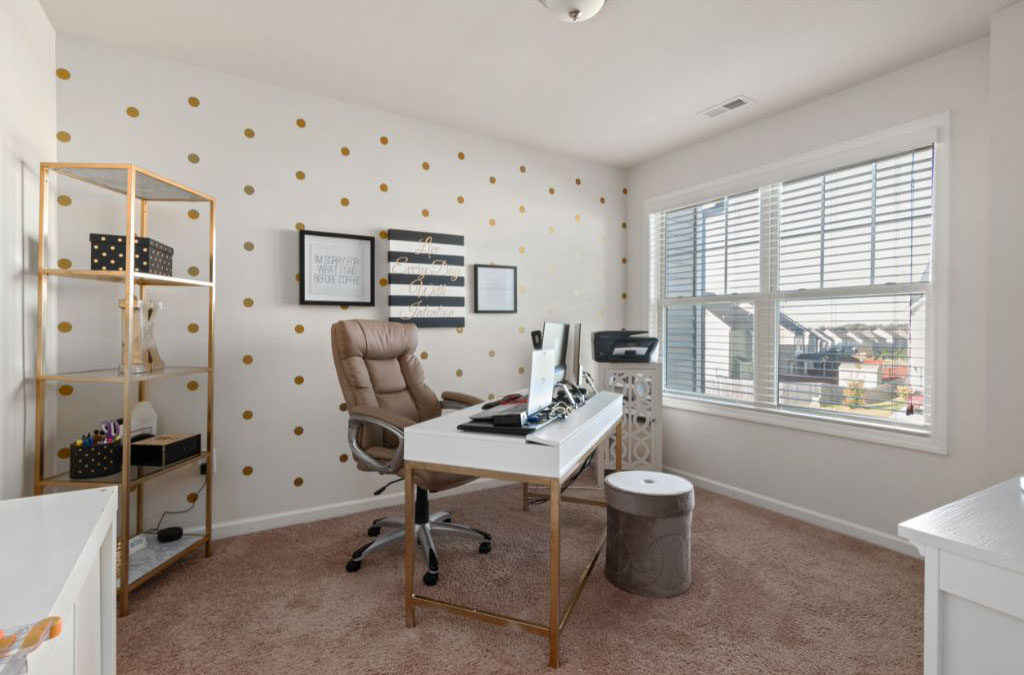
The way we live and work has shifted permanently over the last few years, and the housing market is still catching up. One of the biggest design priorities in 2025 isn’t an oversized kitchen or a luxurious primary suite—it’s a quiet, functional space for getting work done. Whether it’s full-time remote work, hybrid office hours, or simply a place to handle everyday tasks, home offices have gone from a bonus feature to a necessity. For developers, that change is creating new demand for house plans that prioritize smart, flexible workspace design, even in homes with smaller footprints.
While the initial wave of remote work during the pandemic sparked a temporary trend in home office furniture and Zoom backgrounds, today’s buyers are looking for something more intentional. They’re seeking homes where the work-from-home experience feels integrated, not improvised. This means a dedicated room, a tucked-away nook, or a flex space that doesn’t feel like an afterthought. In homes under 2,000 square feet, that kind of thoughtful design becomes even more valuable.
What’s especially interesting is that this shift isn’t limited to larger, custom homes. In fact, many of the buyers fueling today’s real estate market—Millennials, Gen Z professionals, and even downsizing Baby Boomers—are more interested in efficient layouts that do more with less. They don’t necessarily want more square footage, but they do want every square foot to serve a purpose. As a result, developers are actively seeking house plans that use space creatively, like designs that include pocket offices, built-in desk areas off the hallway, or flex rooms that can transition between an office, a guest room, or a hobby space.
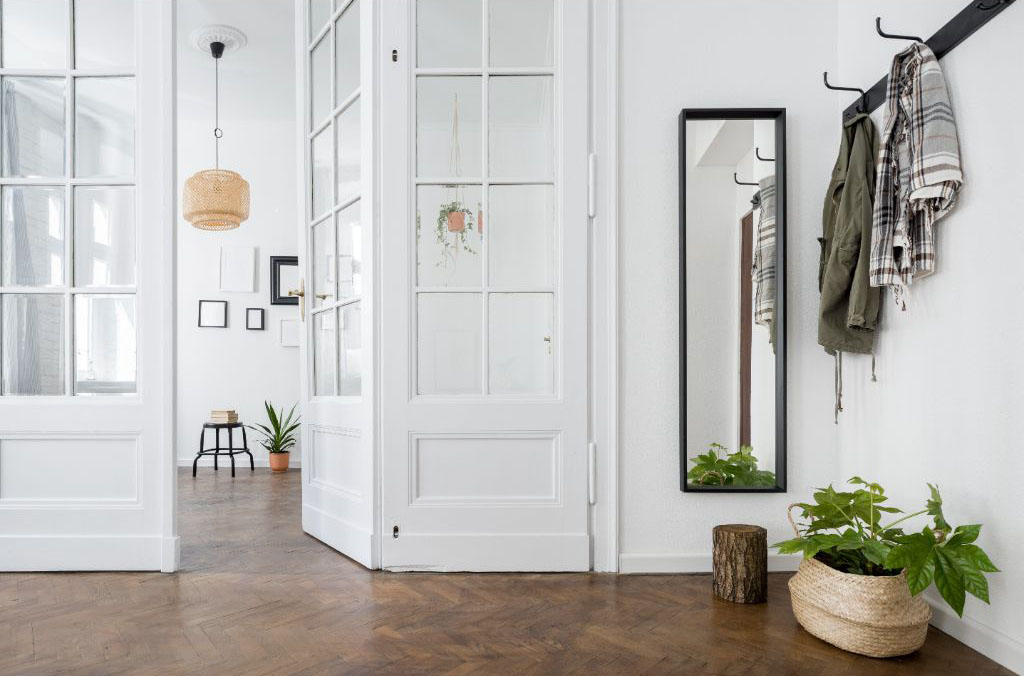
At W.L. Martin Home Designs, we’ve seen growing interest in plans that include these kinds of flexible layouts. Even among our smaller plans, many feature a den, study, or bonus space that can easily be adapted for remote work. Some developers are also requesting small adjustments to existing plans, such as adding French doors to a front-facing room or reworking closet space to accommodate built-in shelving and work surfaces. These little tweaks can make a big difference when marketing a home to buyers who work from home even a few days a week.
From a builder’s perspective, offering homes with a designated workspace adds a level of appeal without significantly increasing construction costs. It also helps differentiate your product in competitive markets where many buyers are still focused on lifestyle and functionality. A quiet workspace with natural light and a bit of separation from the main living area can be just the detail that helps close the deal.
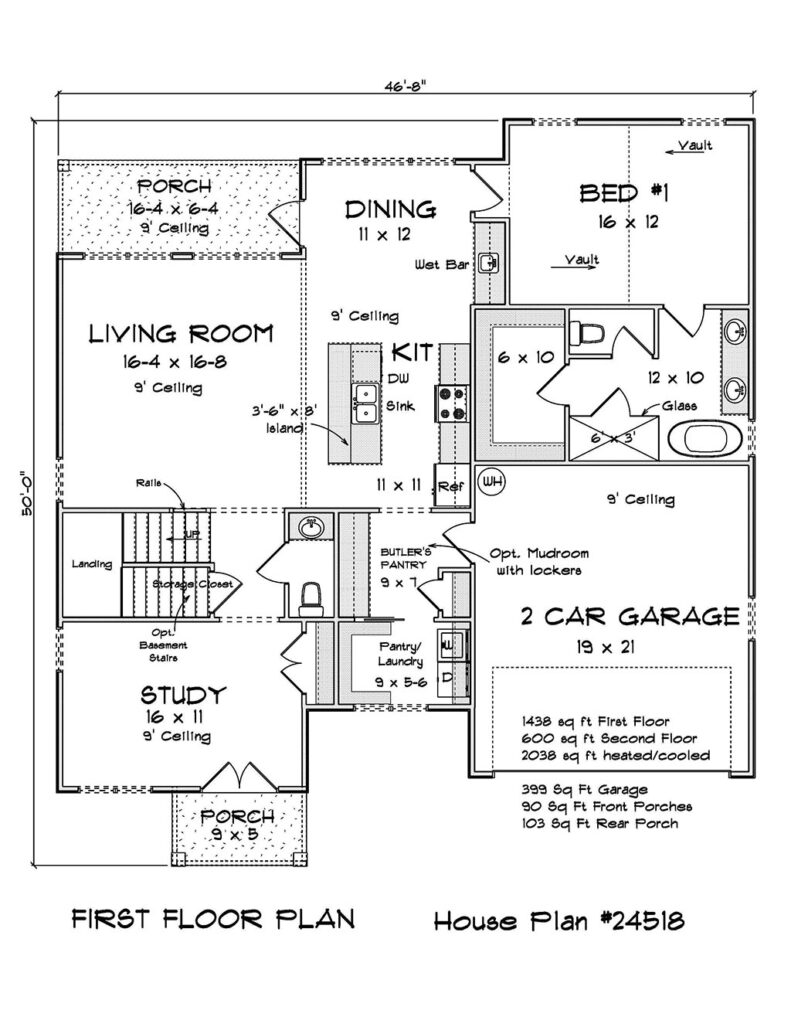
As buyer expectations evolve, developers who pay attention to how people live and work will be best positioned to meet demand. And in 2025, that means planning for remote work—not as a passing trend, but as a core part of the home design itself.
If you’re looking for house plans that prioritize both smart square footage and the needs of today’s remote and hybrid workers, W.L. Martin Home Designs has you covered. Explore our collection of customizable plans or reach out for help finding the right fit for your next build.