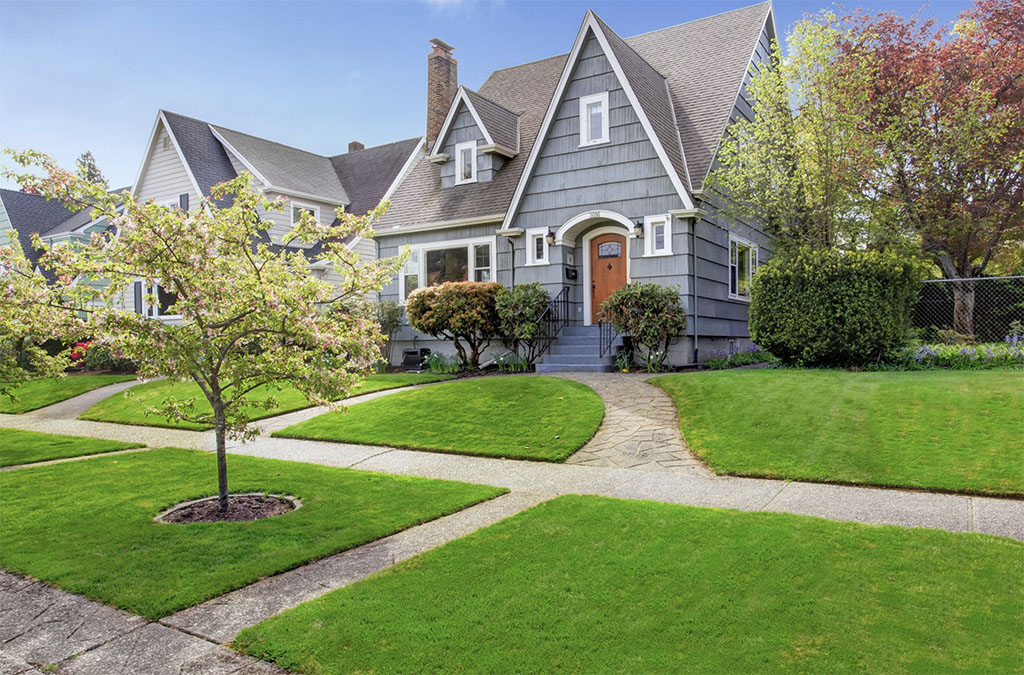
Most people know that curb appeal matters. A fresh exterior, inviting entry, and clean landscaping can absolutely help a home sell faster. But curb appeal is just the beginning. When it comes to long-term value, the kind that helps a home age well in the market and stay desirable for years, what’s happening inside the walls is just as important.
Smart developers and homeowners understand that layout and livability carry just as much weight as square footage or finish materials. You don’t need a massive floor plan or luxury upgrades to get long-term return on investment. What matters most is how a home is designed to function day after day and how well it adapts as life changes.
Here are five often overlooked but critically important design elements that have a major impact on a home’s value over time.
Thoughtful Floor Plan Flow
A beautiful kitchen or bathroom might turn heads during a showing, but it’s the flow of the floor plan that really determines how a home feels to live in. Buyers may not always use the term “floor plan flow” but they can sense when a home makes sense spatially.
Poor layout decisions like a master bedroom right off the main living area or a dining room that’s too far from the kitchen can make even a nicely built home feel awkward. A good floor plan groups spaces logically, allows privacy where needed, and ensures that high-traffic zones like kitchens and hallways are accessible but not congested.
Designs with open-concept main areas balanced by quiet, more private bedroom wings tend to hold their appeal much longer. They also offer more flexibility for a wide range of buyers in different life stages.
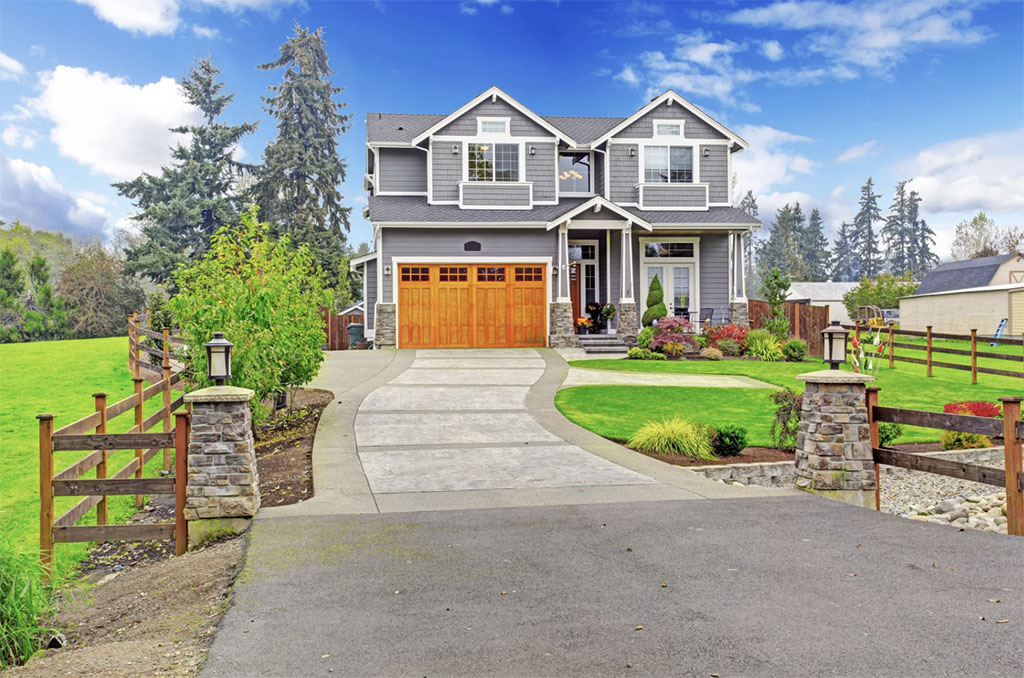
Natural Light in the Right Places
It’s hard to overstate how much natural light affects how people feel in a home. It makes spaces feel larger, cleaner, and more inviting. But beyond aesthetics, homes with ample natural light tend to be more energy efficient and appealing across seasons.
Strategic window placement makes a big difference. For example, homes designed to capture morning light in the kitchen and main living spaces tend to feel warm and energizing throughout the day. South-facing windows offer year-round brightness, while high clerestory windows can bring in light without sacrificing privacy.
Homes that are designed with light in mind, not just window count, tend to show better, sell quicker, and offer better long-term comfort.
Future Proofed Layouts That Grow With the Owner
Buyers today are thinking long term. They want homes that work for them now and ten years from now. That means the ability to adapt as families grow, kids leave home, or aging in place becomes a consideration.
Floor plans that include flexible rooms like a study that could become a nursery or a bonus room that doubles as a guest suite are more desirable across buyer demographics. Designs that incorporate wider doorways, single-level living, or options for additional living quarters are also gaining popularity.
Developers who include future-proof elements in their plans appeal to buyers looking to stay in their homes longer and avoid costly remodels down the road.
Storage Where It Matters
Storage is one of those things that often goes unnoticed until it’s missing. While walk-in closets and large pantries are easy to spot, the most valuable storage features are the ones that solve everyday problems.
Well-placed linen closets, built-in mudroom cubbies, oversized laundry rooms, and additional attic or garage storage are highly functional upgrades that buyers rarely regret. These features help a home feel organized and livable long after the move-in date.
In a market where square footage is at a premium, the right storage in the right places adds real, lasting value.
Connected Indoor and Outdoor Living Spaces
Outdoor space used to be a bonus feature. Now it is a key part of how people want to live. Especially in homes under 2,500 square feet, the connection between indoors and outdoors can make a space feel larger and more flexible.
Designs that include covered patios, screen porches, or French doors that open onto backyard decks create seamless flow and support entertaining, relaxing, or even working from home. The more usable the outdoor space, the more it contributes to the perceived livability of the home.
Homes that are built with this connection in mind, not as an afterthought, are more likely to maintain buyer interest over time.
Long Term Value Starts with Smart Design
While cosmetic upgrades come and go, the real return on a home comes from how well it functions. Developers who prioritize livability, flow, and smart adaptability are offering more than just a house. They are creating homes that people can see themselves in for years to come.
At W.L. Martin Home Designs, our plans are created with these ideas at the core. Whether you are building your first home or designing your next development, choosing plans that prioritize long-term value gives your project a competitive edge and your buyers the kind of space they will want to stay in.
Explore our latest plans and see how thoughtful design can do more than just turn heads. It can make a home truly last.