For developers keeping an eye on housing trends, staying ahead of market shifts is crucial. Inventory levels, pricing trends, and buyer demand all play a role in determining where opportunities lie—and where caution is warranted. Right now, we’re seeing a notable shift in several key markets, particularly in parts of the Sun Belt and Mountain West, where inventory levels are rising faster than the national average.
So, what does this mean for builders, investors, and homebuyers? Let’s break it down.
Inventory Trends are A Key Indicator for Homebuilders
One of the best ways to gauge market momentum is by looking at active listings and months of supply. When active listings rise significantly, it often signals that homes are sitting on the market longer—potentially leading to price corrections. On the flip side, a decline in listings usually means higher competition among buyers and sustained price growth.
The Numbers Tell the Story
According to recent data from Realtor.com, active listings have jumped 24.6% from January 2024 to January 2025, giving buyers more leverage in many regions. However, inventory is still 25.3% below pre-pandemic levels (compared to January 2019), meaning supply remains relatively tight overall.
Here’s a look at how total inventory has changed over the past several years:
- January 2017: 1,154,120
- January 2018: 1,043,951
- January 2019: 1,110,636
- January 2020: 951,675
- January 2021: 531,775
- January 2022: 376,970
- January 2023: 616,865
- January 2024: 665,569
- January 2025: 829,376
While inventory levels are rising, they’re still far from the pre-pandemic normal. For developers, this suggests an evolving landscape where certain markets may present better opportunities than others.
A Case Study in Rising Inventory in Florida
Florida has been one of the most notable states for increased housing inventory. While much of the initial surge in active listings came from Hurricane Ian-impacted areas like Cape Coral, Punta Gorda, and Fort Myers, the trend has now expanded to cities like Jacksonville and Orlando.

Several factors are contributing to this shift:
- Increased resale inventory: More homeowners are listing properties, especially in areas impacted by hurricane damage and rising insurance costs.
- Condo market challenges: New regulations following the 2021 Surfside condo collapse have created financial hurdles for condo owners, leading to more units hitting the market.
- Declining work-from-home migration: Florida saw a massive influx of remote workers during the pandemic, but that trend is slowing.
For developers, this means Florida’s market is softening in some areas. Builders targeting Florida should focus on affordability and strategic locations to stay competitive.
Other States Seeing Increased Inventory
As of December 2024, nine states had returned to pre-pandemic inventory levels:
- Arizona
- Colorado
- Florida
- Idaho
- Oklahoma
- Tennessee
- Texas
- Utah
- Washington
However, by January 2025, that number had dropped to just three:
- Colorado
- Florida
- Texas
This decline isn’t necessarily due to a stall in inventory growth but rather a statistical effect of comparing current data to fluctuating past levels. Regardless, it’s clear that the Sun Belt and Mountain West are seeing a faster return to pre-pandemic inventory levels than the Midwest and Northeast.
Why Are Some Markets Cooling Faster Than Others?
Developers looking at where to build next should consider why certain markets are shifting faster.
1. Pandemic Boomtowns Are Feeling the Effects
Many Sun Belt and Mountain West cities—such as Austin and Colorado Springs—saw home prices skyrocket during the pandemic. Now that demand has cooled and mortgage rates remain high, these areas are seeing slower price growth or even declines.
2. New Construction in Sun Belt Markets Is Impacting Resale Homes
Unlike the Midwest and Northeast, where new construction has lagged, developers in the Sun Belt have been actively building new homes to meet demand. This has given buyers more options, softening resale prices.
3. Affordability Is a Growing Concern
Markets that saw the highest price appreciation over the past few years are now feeling the strain of affordability limits. Buyers in these regions are more price-sensitive, which is leading to slower sales and longer listing times.
What This Means for Developers in 2025
For homebuilders and real estate developers, these shifts present both challenges and opportunities:
- Rising inventory means more competition in some markets – Pricing strategy and home features will be critical to standing out.
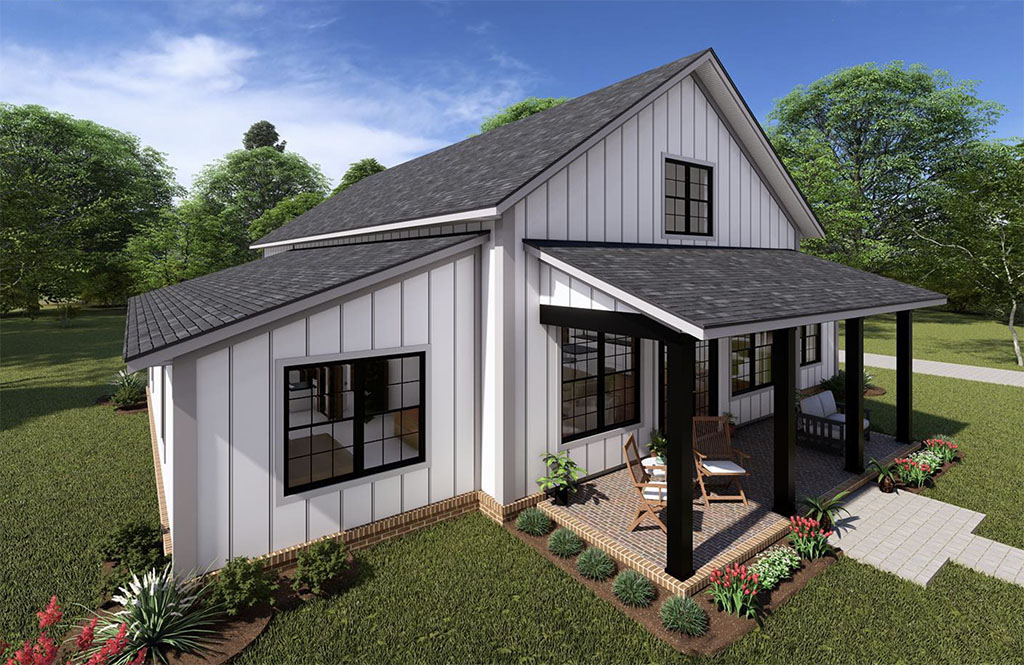
- Affordability matters more than ever – Builders should consider smaller, more efficient home designs that cater to cost-conscious buyers.
- The Midwest and Northeast still have strong resale demand – Developers looking for less competition may find opportunities where new construction is more limited.
- Florida’s market is in flux – While parts of Florida are cooling, demand remains strong in certain high-growth areas.
Bottom Line
The housing market is shifting rapidly, with certain states seeing inventory return to pre-pandemic levels faster than others. For developers, staying flexible and adjusting to local market conditions will be key to success in 2025.
Looking for house plans that fit today’s evolving market? WL Martin Home Designs offers a range of efficient, customizable house plans that cater to the latest market demands. Whether you’re building in a cooling market or a high-demand area, we have designs that work for your business.