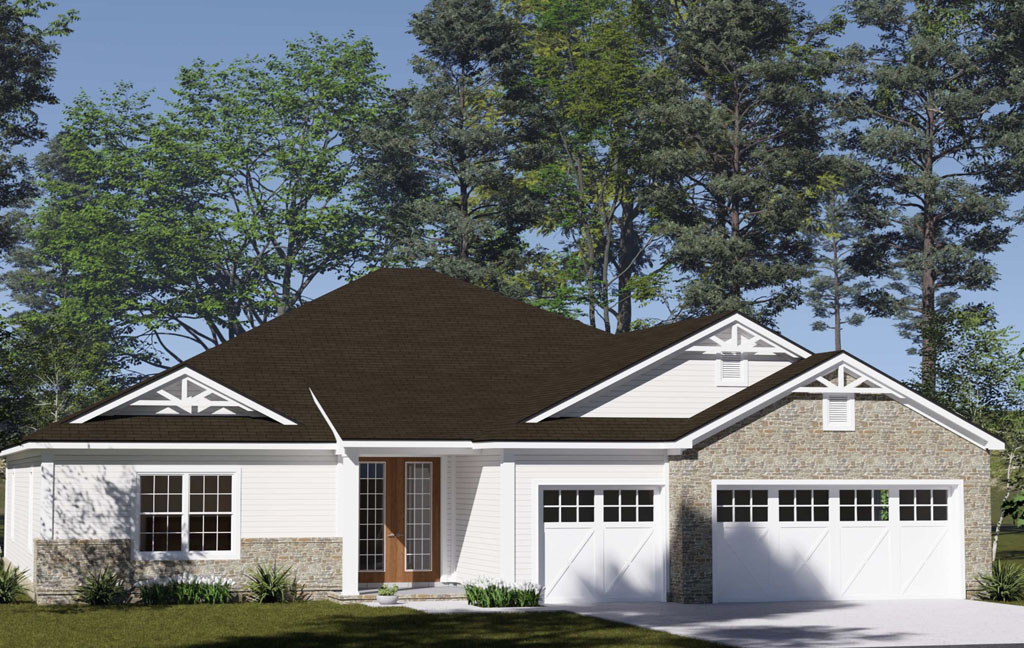
Choosing a new house plan can feel exciting at first, but it is also one of the biggest decisions a developer or home buyer will make before construction even begins. After more than 25 years of experience across housing development, design, and marketing, one thing stands out clearly: the best house plans are not just attractive, they are practical, cost-aware, and designed to perform well from the first day of construction through years of daily living. That is why this free checklist can be so valuable. It highlights 10 of the most important things developers and new home buyers should look for before buying a house plan, many of which are the same features we emphasize at W.L. Martin Home Designs as part of our Affordable by Design approach.
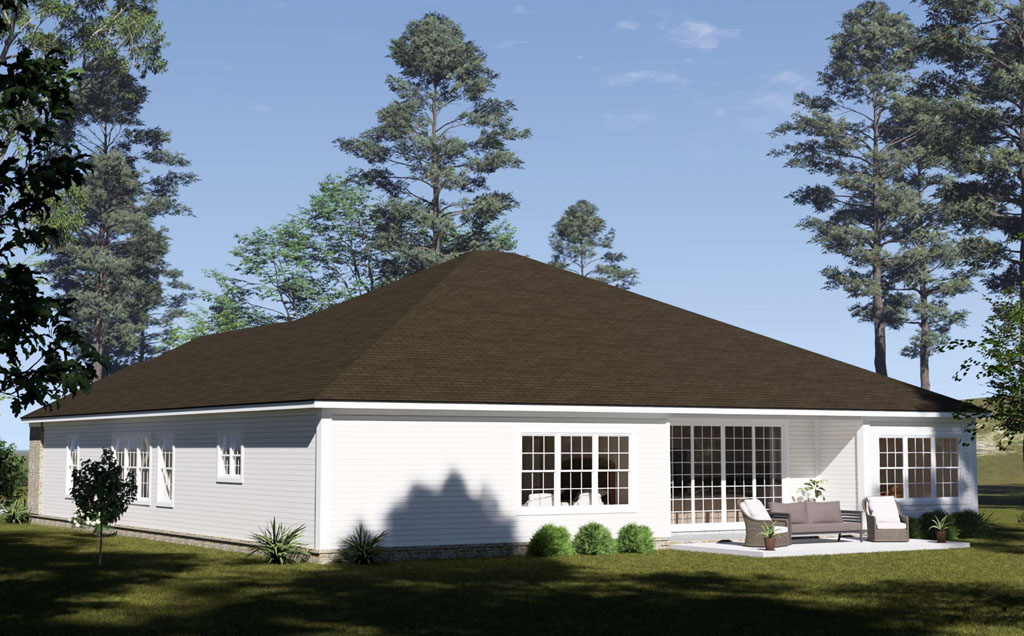
Trusted industry guidance has long supported this kind of thinking. The National Association of Home Builders has consistently shown that buyers care deeply about function, storage, flexible space, and value. The U.S. Department of Energy has reinforced the importance of efficiency-minded design choices that can improve comfort and reduce long-term operating costs. The International Code Council continues to remind builders and designers that code-aware planning matters early, not after a plan is selected. When interest rates, development costs, labor pricing, and materials are hard to control in the current economy, choosing the right house plan becomes one of the smartest places to protect your budget.
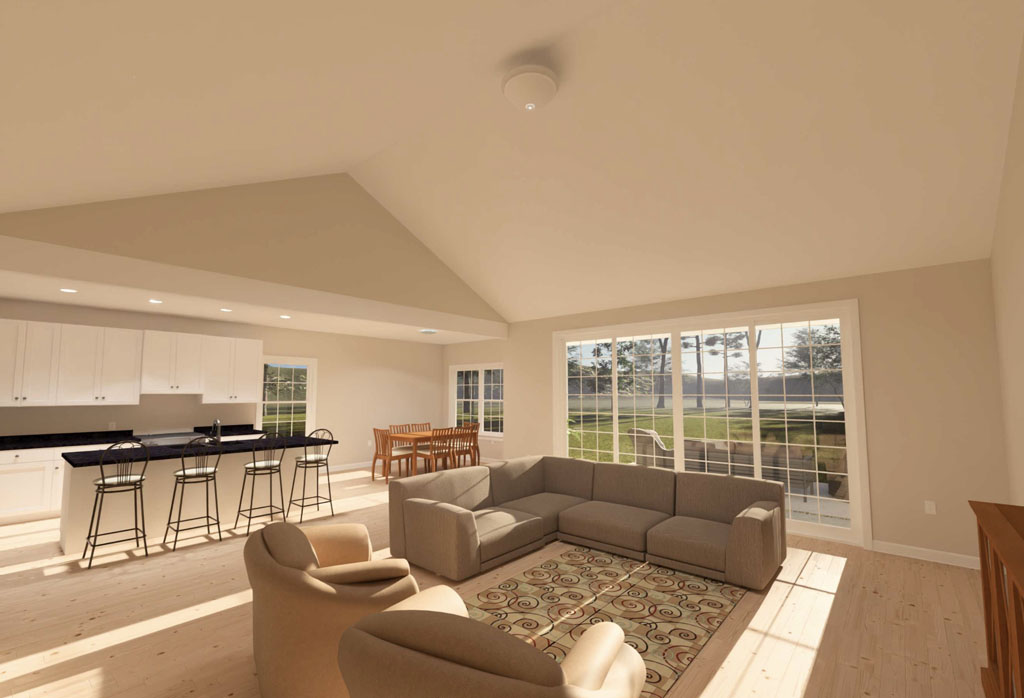
Here are 10 things to look for in a new house plan before you buy:
- An efficient footprint
Look for a layout that uses square footage wisely instead of wasting space on long hallways or oversized areas with little function. - A roofline that is attractive but not overly complex
Simple roof designs often build more efficiently and can help reduce labor, framing challenges, and material waste. - Smart kitchen placement and flow
The kitchen is one of the most used parts of the home. It should connect naturally to living and dining spaces while still offering practical work areas. - Well-placed bedrooms for privacy
Bedroom location matters more than many buyers realize. Good separation between the primary suite and secondary bedrooms can improve comfort and resale appeal. - Useful storage throughout the plan
Buyers consistently value storage. Look for linen closets, pantry space, bedroom closets, garage storage potential, and practical utility areas. - Grouped plumbing areas
When kitchens, bathrooms, and laundry areas are positioned efficiently, construction can often be simpler and more cost-effective. - Natural light and window placement
A house should feel inviting and livable. Window placement affects light, comfort, room usability, and overall appeal. - Lot compatibility
A beautiful plan is not always the right plan if it does not fit setbacks, lot width, slope conditions, or neighborhood requirements. - Flexible spaces that can adapt over time
Bonus rooms, home offices, guest spaces, or multipurpose rooms can add value without forcing a complete redesign later. - Strong curb appeal with buildable design
The exterior should stand out, but not in a way that creates unnecessary cost or construction complexity.
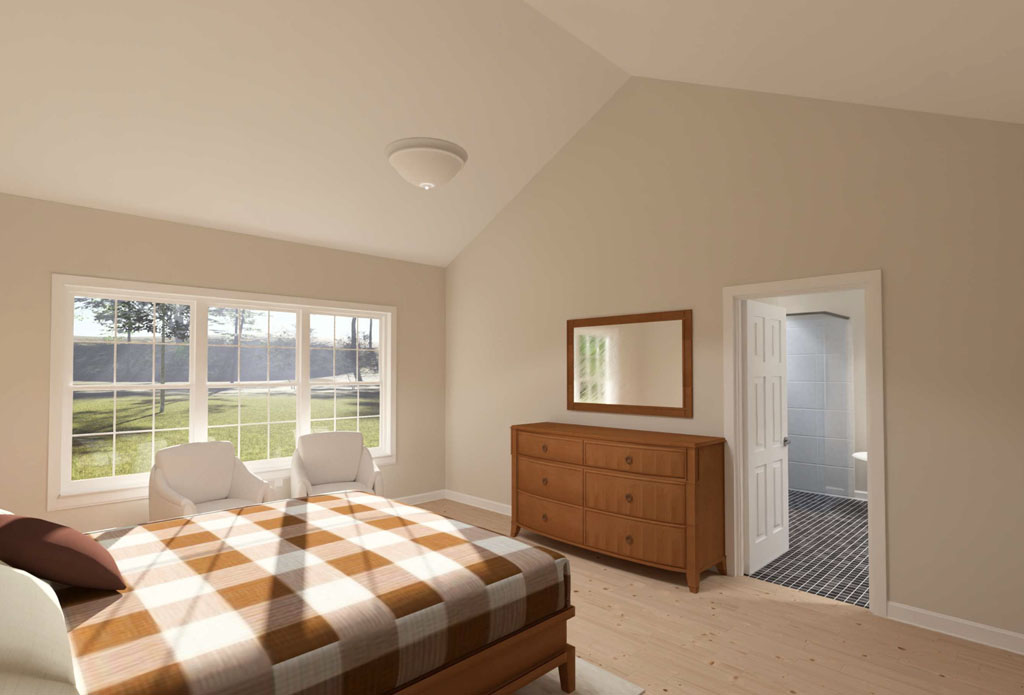
These 10 items are more than a checklist. They are often the difference between a plan that only looks good online and a plan that actually performs well during construction and daily use. Many buyers have learned the hard way that a plan with awkward flow, excessive complexity, or poor space use can cost more than expected without delivering better results. Developers know this too. A plan that is efficient to build, appealing to the market, and comfortable to live in creates value on both sides of the transaction. That is exactly why these features matter so much during plan selection.
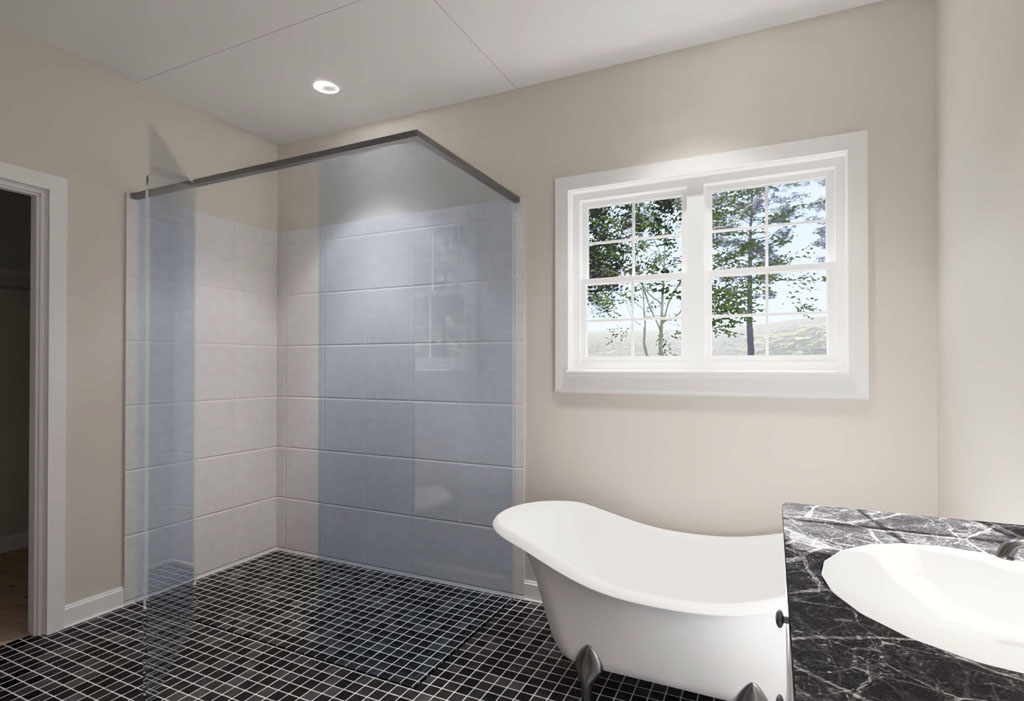
At W.L. Martin Home Designs, many of these same priorities are built into the plans we offer every day. Our goal is to help developers and new home buyers choose home plans that look great, live well, and support better cost control from the beginning. That is what Affordable by Design means. It means offering home plans that balance appearance, livability, and efficient construction so buyers can make smarter choices in a market where interest rates and development costs may not be fully within their control. When you start with the right house plan, you may not be able to control every outside cost, but you can put yourself in a much stronger position to manage the ones that matter most.