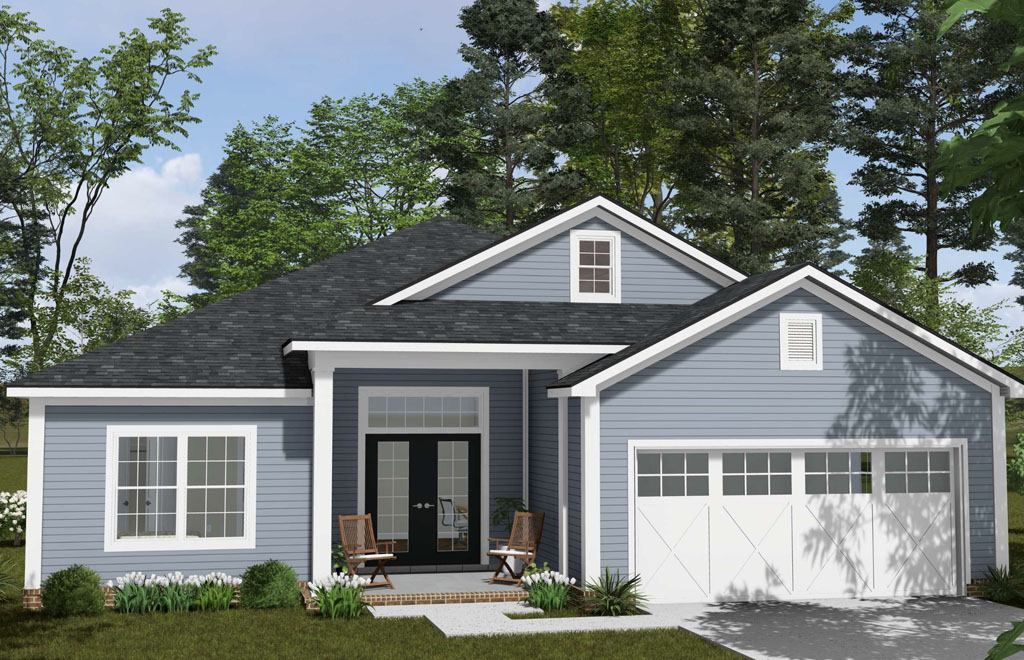
Many new home buyers and developers focus first on square footage, bedroom count, or curb appeal, but the hidden details in a house plan often have the biggest impact on the final cost to build. A plan can look impressive online and still lead to unnecessary expenses once construction begins. That is why experienced builders pay close attention to the details that affect framing, roofing, plumbing, HVAC layout, and long-term livability. Guidance from trusted sources such as the National Association of Home Builders, the U.S. Department of Energy, and the International Code Council continues to support a practical truth in residential design: simpler, smarter plans often create better value.
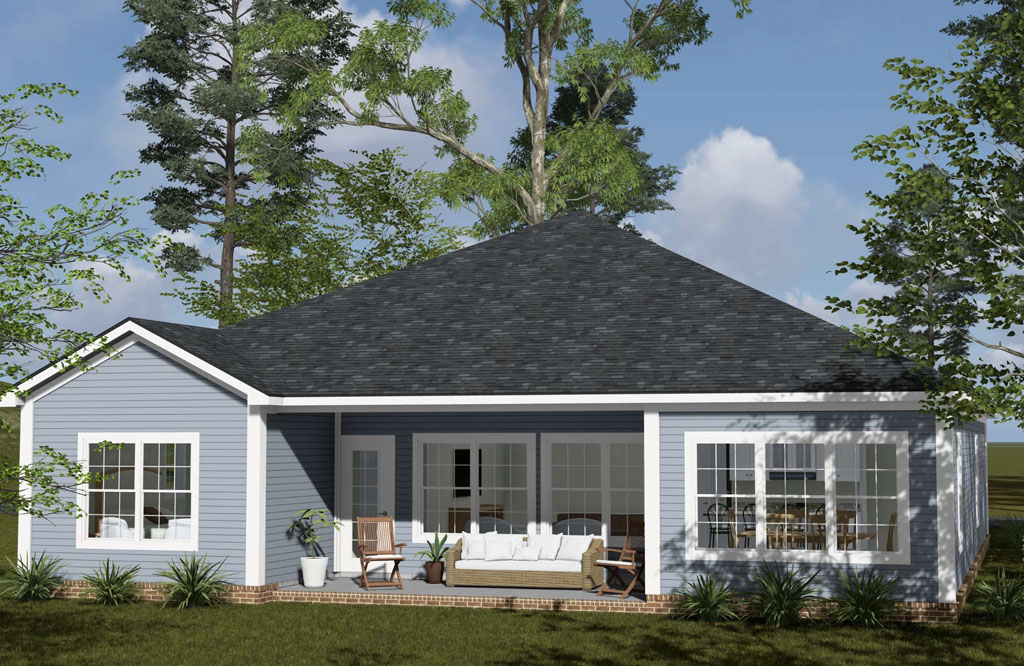
One of the biggest money-saving details is the overall shape and structure of the home. Plans with clean footprints, straightforward rooflines, and stacked or closely grouped plumbing areas are often more efficient to build than homes with excessive corners, complicated roof breaks, or scattered wet areas. These hidden design choices can affect labor time, material waste, and the chance of costly adjustments in the field. Buyers do not always realize it at first, but even small complexities can add up fast when multiplied across framing crews, roof installation, mechanical trades, and finishing work.
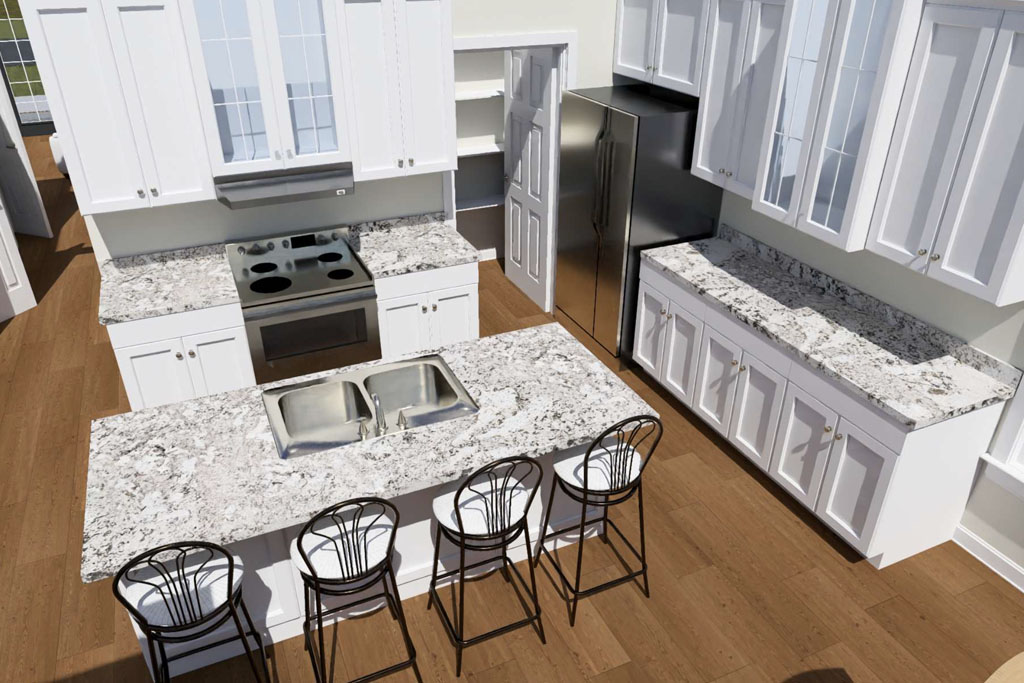
Another hidden detail that can save thousands is how efficiently the square footage is used. According to long-standing industry guidance, homes do not need to be oversized to live well. A strong plan makes better use of every room with thoughtful traffic flow, useful storage, practical kitchen design, and flexible spaces that serve more than one purpose. Many people who choose house plans later discover that wasted hallway space, oversized rooms with little function, or poor bedroom placement can make a home feel less comfortable despite costing more to build. Smart design is not just about adding space. It is about making the space work harder.
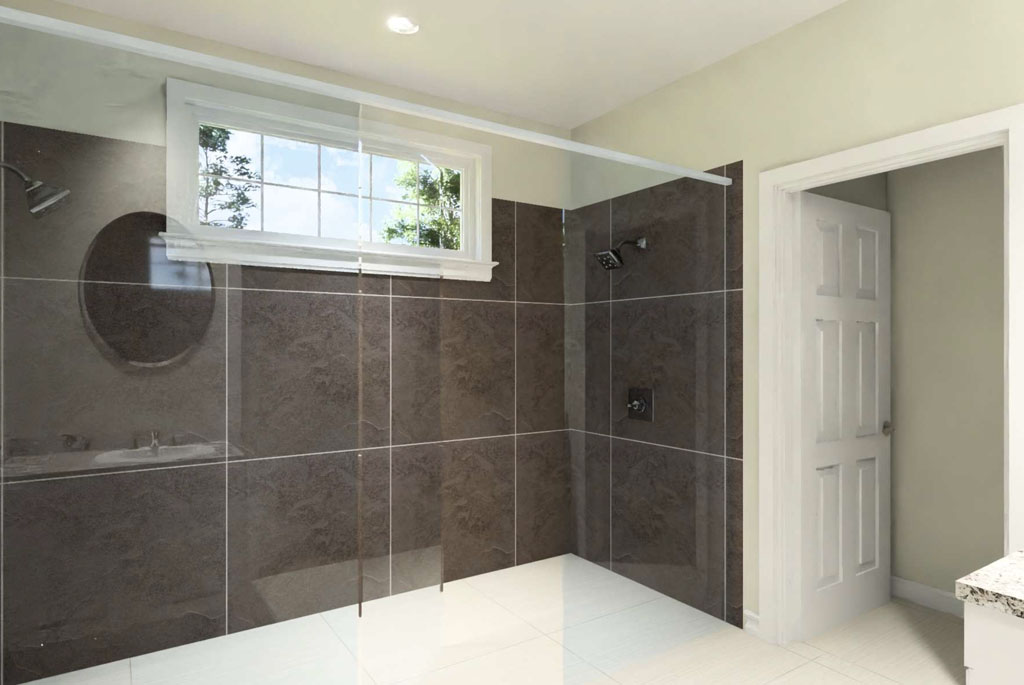
Energy-conscious design details also matter more than many buyers expect. Window placement, natural light, orientation, insulation planning, and efficient room arrangement can all influence comfort and operating costs over time. The U.S. Department of Energy has consistently emphasized that design decisions made early in the planning stage can help improve efficiency and reduce long-term utility costs. For developers, that can strengthen market appeal. For home buyers, it can make a home more comfortable and economical to own. These are the kinds of hidden advantages that may not stand out in a quick plan search, but they can have real financial value after move-in.
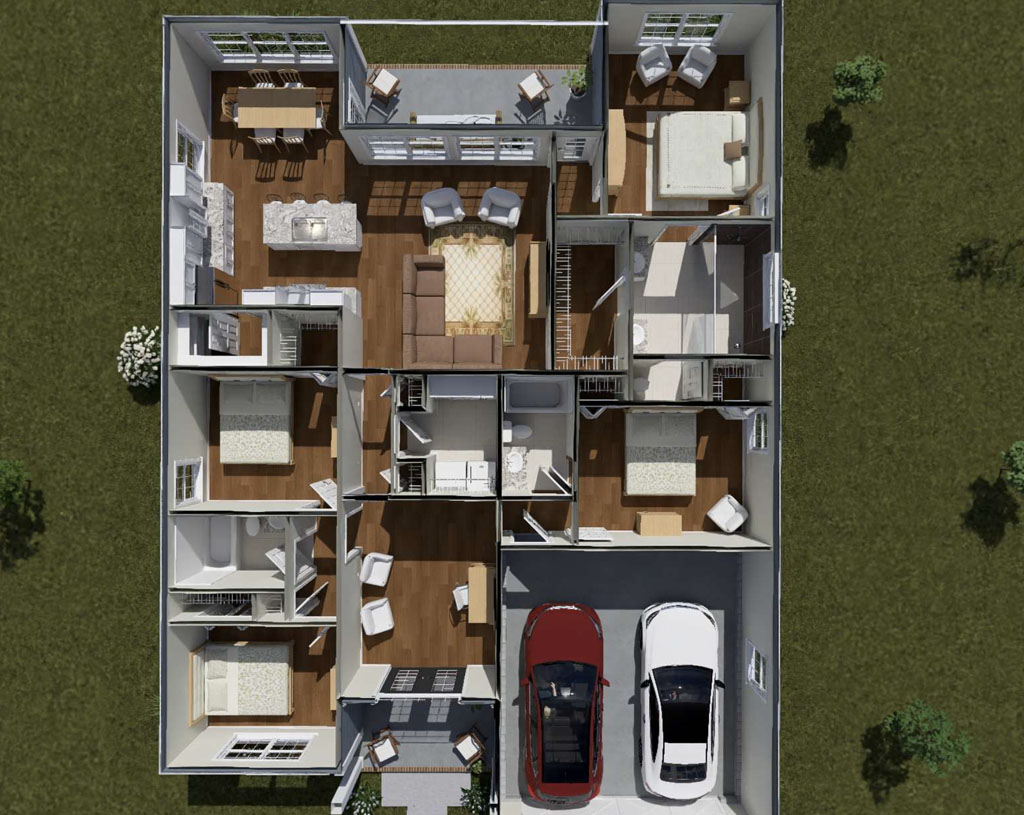
That is where W.L. Martin Home Designs supports both developers and new home buyers through its Affordable by Design approach. The right plan should do more than look good. It should also build efficiently, use space wisely, and help avoid unnecessary construction costs. W.L. Martin Home Designs offers a variety of home plans created with that balance in mind, giving buyers and builders options that combine strong curb appeal with practical layouts and cost-conscious design. For anyone searching for a house plan that can help protect the budget in today’s building market, the hidden savings often begin with choosing a plan from W.L. Martin Home Designs.