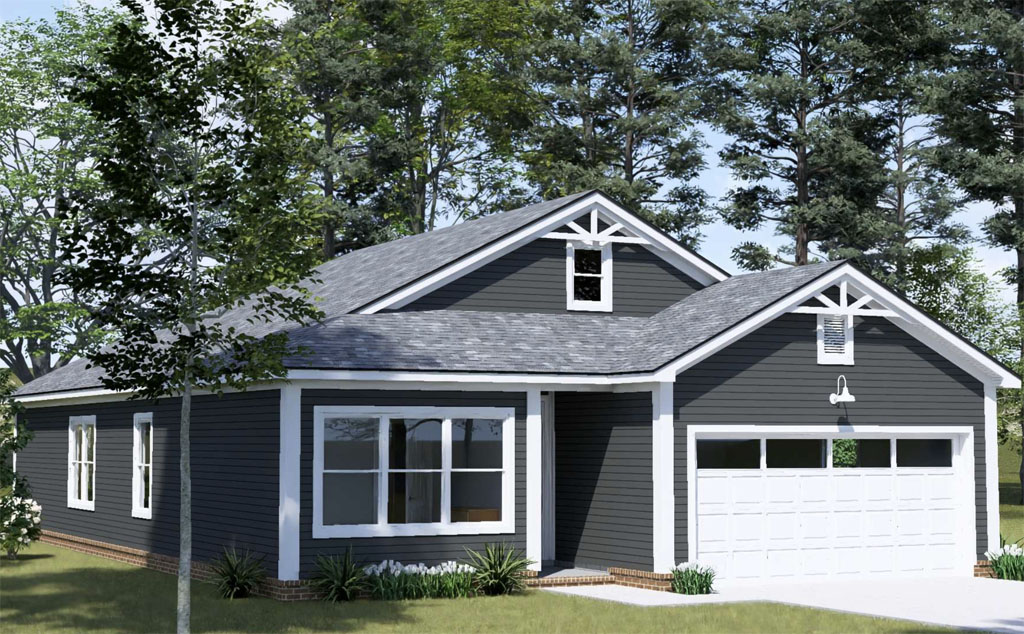
Starter home plans are having a real moment because buyers want a path to ownership that still feels comfortable and proud. With affordability front and center, a smaller home that is well-designed can feel like a smart upgrade, not a compromise. As of March 11, 2026, the national average 30-year fixed mortgage rate is hovering around 6%, often ranging from about 5.9% to 6.6% depending on lender and loan type, and 15-year fixed rates are typically lower at roughly 5.5% to 5.8% (Bankrate). When money is not “cheap,” the winning move is not always to build bigger. It is to build smarter.
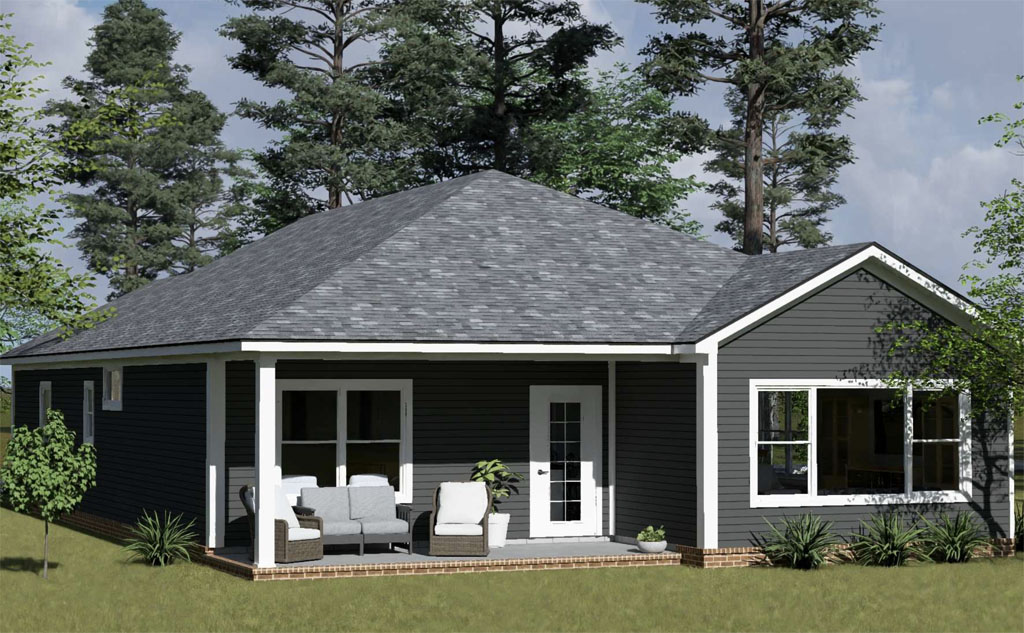
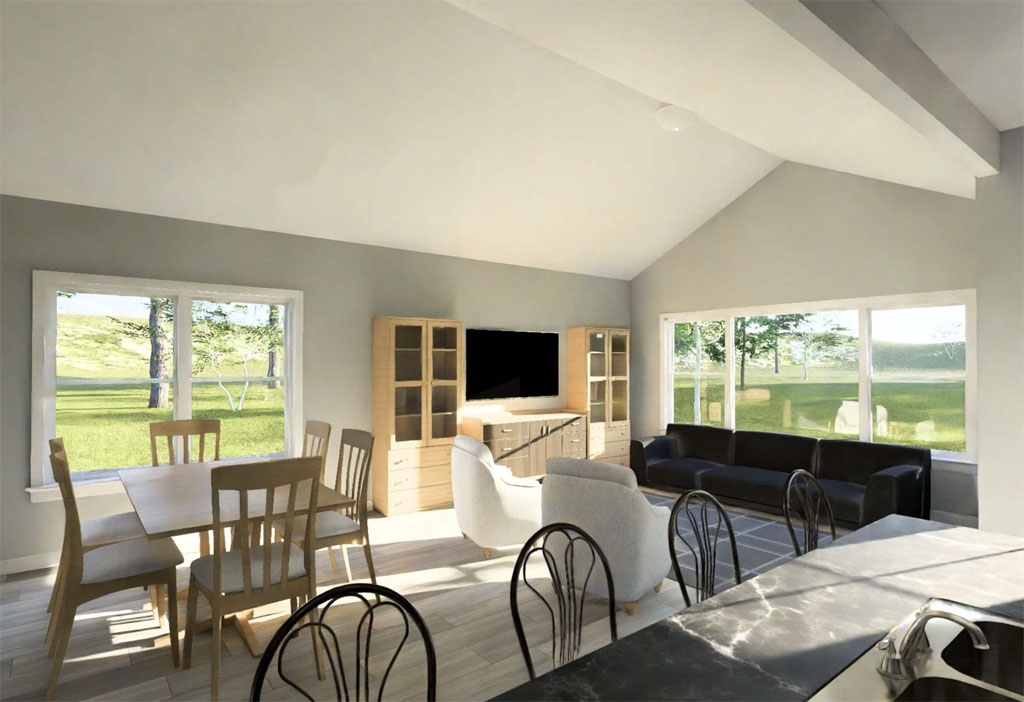
That’s where “starter homes that don’t feel like starter homes” come in. The best starter home designs focus on how a home lives day to day, not just the square footage on a listing. An open, efficient main living area can make 1,200 to 1,600 square feet feel surprisingly roomy. The trick is cutting wasted space like oversized hallways, awkward corners, and chopped-up rooms, then putting that square footage back into what buyers actually use: a workable kitchen, a dining area that flexes, and a living room that fits real furniture. If you’re searching for affordable house plans, small home plans, or starter home plans that live bigger, these are the layout details that separate a “budget build” from a home people get excited about.
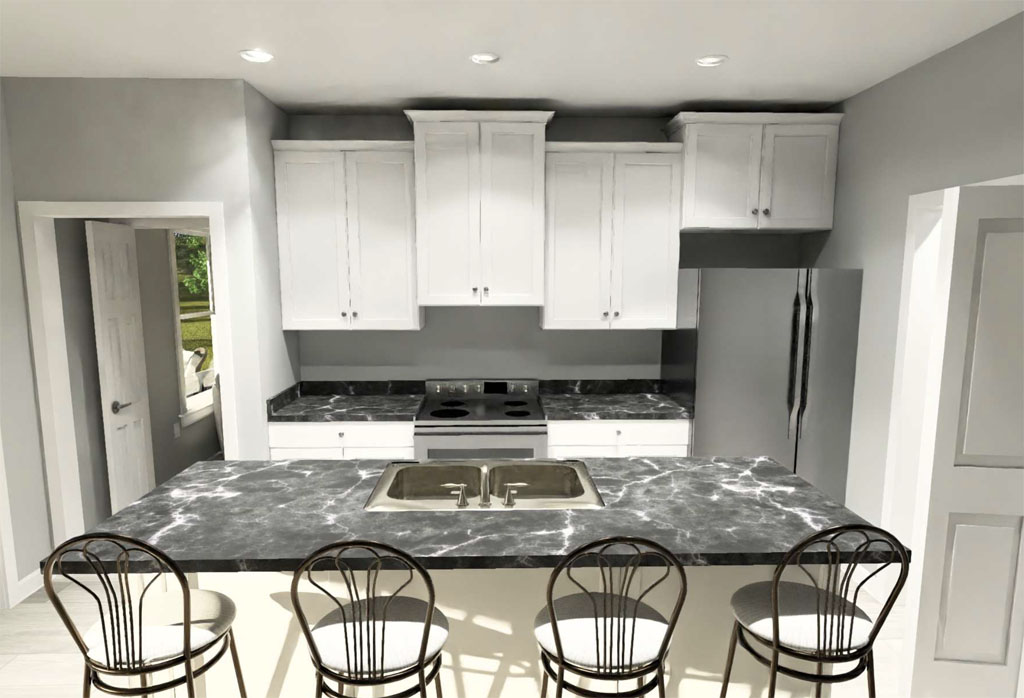
Storage is the next game-changer, and it is one of the cheapest ways to make a smaller plan feel premium. A pantry that holds more than three cereal boxes, a drop zone near the entry for shoes and backpacks, a linen closet where you actually need it, and a laundry area that isn’t an afterthought all add up fast. Buyers feel the difference during a walkthrough, and developers feel it at sale time because smart storage reduces objections. The best part is that storage-forward design typically does not require expensive structural changes, which helps protect builder budgets.
Now layer in what the market is doing. According to the U.S. Census Bureau, new home sales were at a seasonally adjusted annual rate of 745,000 units in December 2025, down 1.7% from November but up 3.8% year over year. The median sales price was $307,625, and inventory was 472,000 homes, representing a 7.6-month supply (Census.gov). In a market like that, buyers are still buying, but they are pickier. They want value they can see and feel, and they want a monthly payment that makes sense. Plans that hit affordability without looking stripped down are exactly the product that performs well when shoppers compare options online, tour fewer homes, and make decisions with more caution.
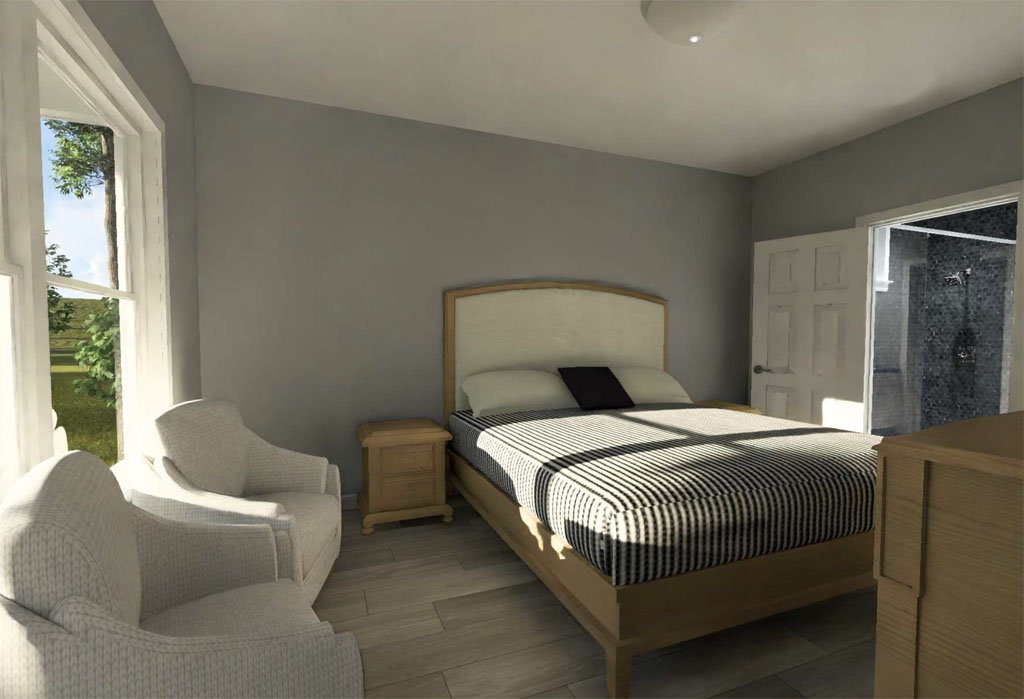
At W.L. Martin Home Designs, our approach is Affordable by Design. Many of our plans can be used as starter homes that stay friendly to the budget while still offering details that “live bigger,” like open layouts, practical storage, flexible spaces, and curb appeal that shows well in photos. From my 20+ years in online marketing, I can tell you this: buyers scroll fast, click what feels inviting, and book tours for homes that look functional and finished. Developers win when a plan is repeatable, buildable, and easy to market without having to over-explain the layout. Our goal is to help you build a home that sells because the design does the talking.
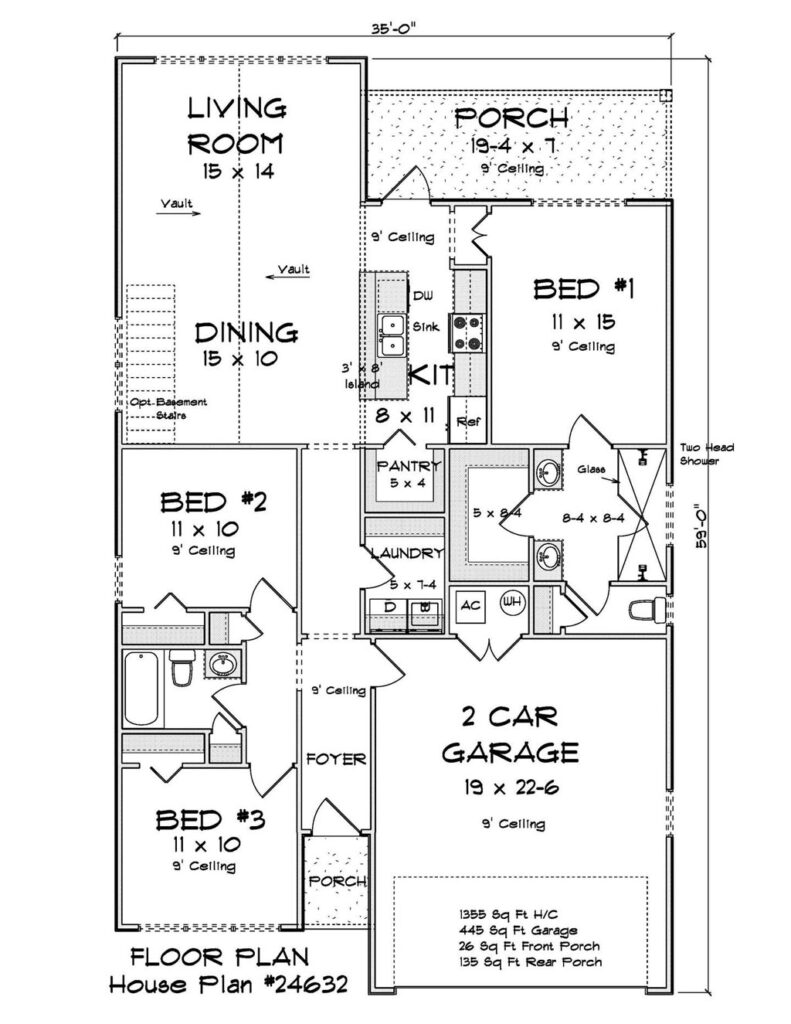
If you’re a developer planning your next spec lineup, or a new home buyer trying to stretch your budget, start with a plan that’s efficient by default. Look for strong flow in the main living area, a kitchen that anchors the home, storage that supports real life, and a front elevation that feels welcoming. That combination is how you deliver a starter home people are proud to own, without breaking the numbers that builders have to hit. Explore W.L. Martin Home Designs to find Affordable by Design plans that keep construction practical and create the “this feels like home” reaction buyers are looking for.