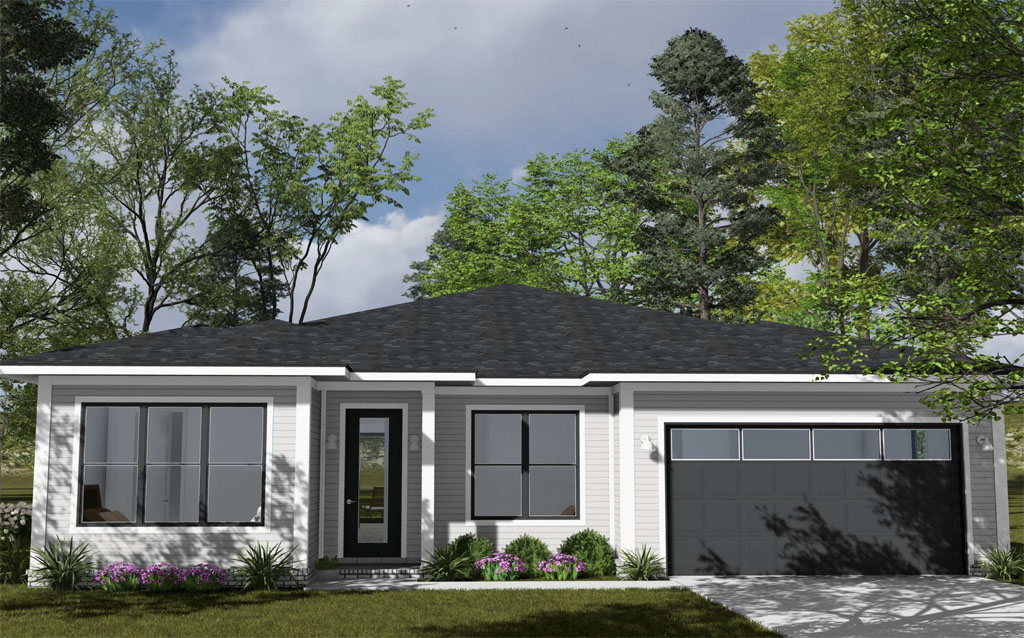
Even when rates, headlines, and material costs move around, buyer behavior stays surprisingly consistent. People still buy based on lifestyle fit, monthly payment comfort, and confidence that the home will hold value. The difference in 2026 is that buyers are more selective. They want fewer wasted square feet, more everyday function, and designs that feel “finished” without pushing the price out of reach. You can see the same themes echoed year after year in builder and consumer research from trusted groups like the National Association of Home Builders, the U.S. Census Bureau, Freddie Mac, and the National Association of Realtors. The opportunity is not to guess what will sell. It is to build what buyers already signal they will pay for.
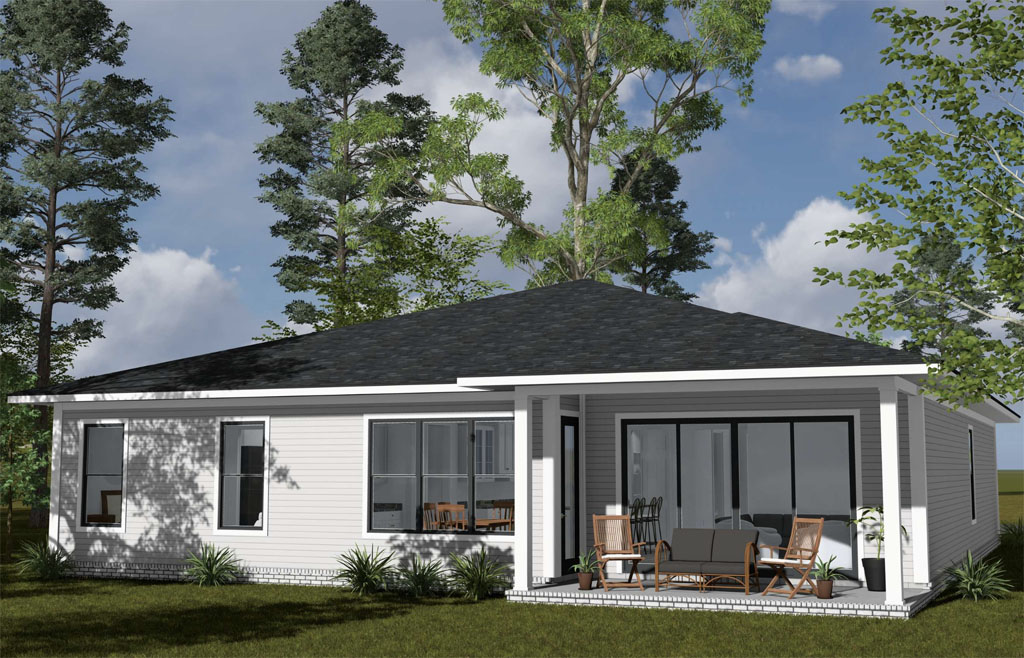
First, buyers want homes that live efficiently. Recent NAHB survey work on buyer preferences has consistently shown that shoppers value usable space and storage over sheer size, especially when budgets tighten. That translates into plans with a strong core layout, shorter hallways, smart sightlines, and storage in the right places like pantries, linen closets, and drop zones. For developers, efficient plans can also mean better construction economics. Cleaner spans, simpler rooflines, and less complicated footprints often reduce labor friction and help schedules stay predictable, which matters when financing costs punish delays. This is exactly why right-sized plans keep winning across different market cycles.
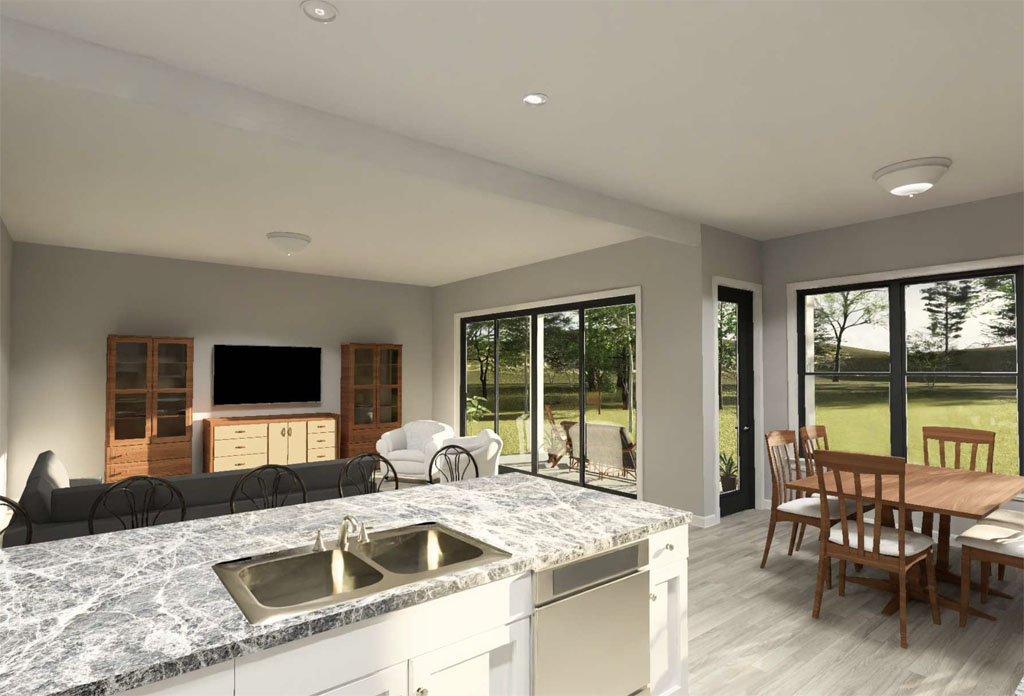
Second, flexibility is no longer a luxury, it is a checkbox. Whether it is a work-from-home setup, multigenerational living, or simply having a room that can change with the seasons of life, buyers respond to flexible spaces. A plan that offers a defined flex room near the front entry, a loft that can become a homework zone, or an optional fourth bedroom creates a wider buyer pool without forcing a bigger footprint. From a marketing standpoint, flexibility sells because it makes the listing feel personalized. In online marketing, one pattern shows up over and over: homes that are easier for buyers to imagine themselves living in get more clicks, more tours, and better conversion. Flexible layouts help create that “I can see it” moment.
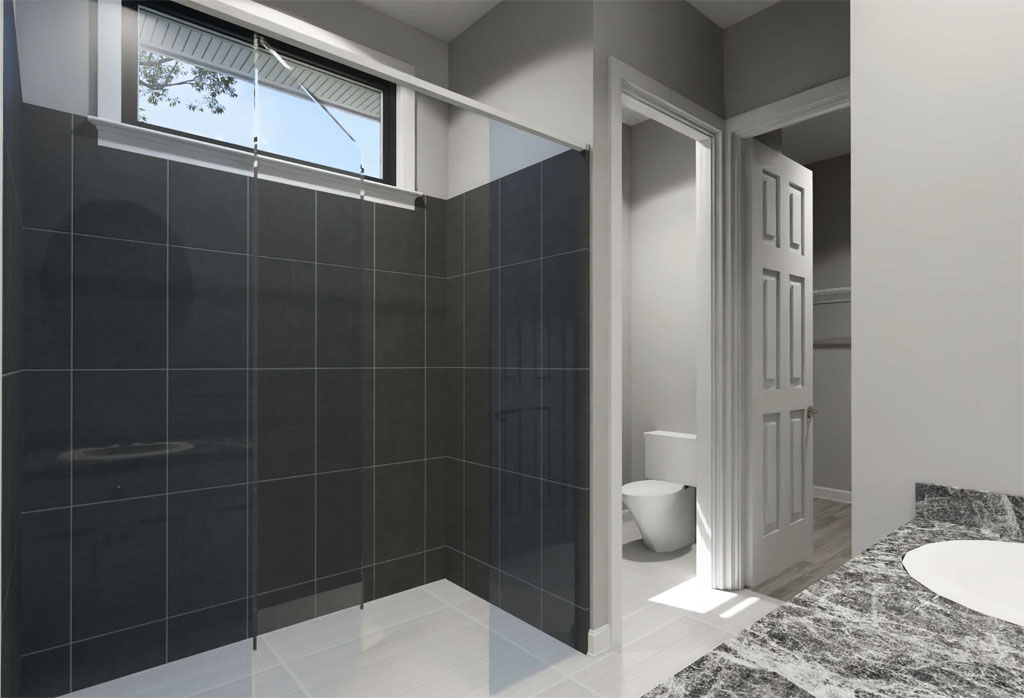
Third, buyers are still very value conscious about operating costs. You do not have to promise a futuristic smart home to meet this need. Practical design choices do a lot of the heavy lifting. Mudrooms that reduce clutter, mechanical layouts that are straightforward to service, window placements that bring in light without overheating rooms, and kitchen layouts that support real cooking all boost perceived value. When buyers look at new construction data and market activity from sources like the U.S. Census Bureau, one consistent takeaway is that new homes compete best when they clearly communicate livability and long-term practicality. Developers win when the plan itself helps justify the price, not just the finishes.
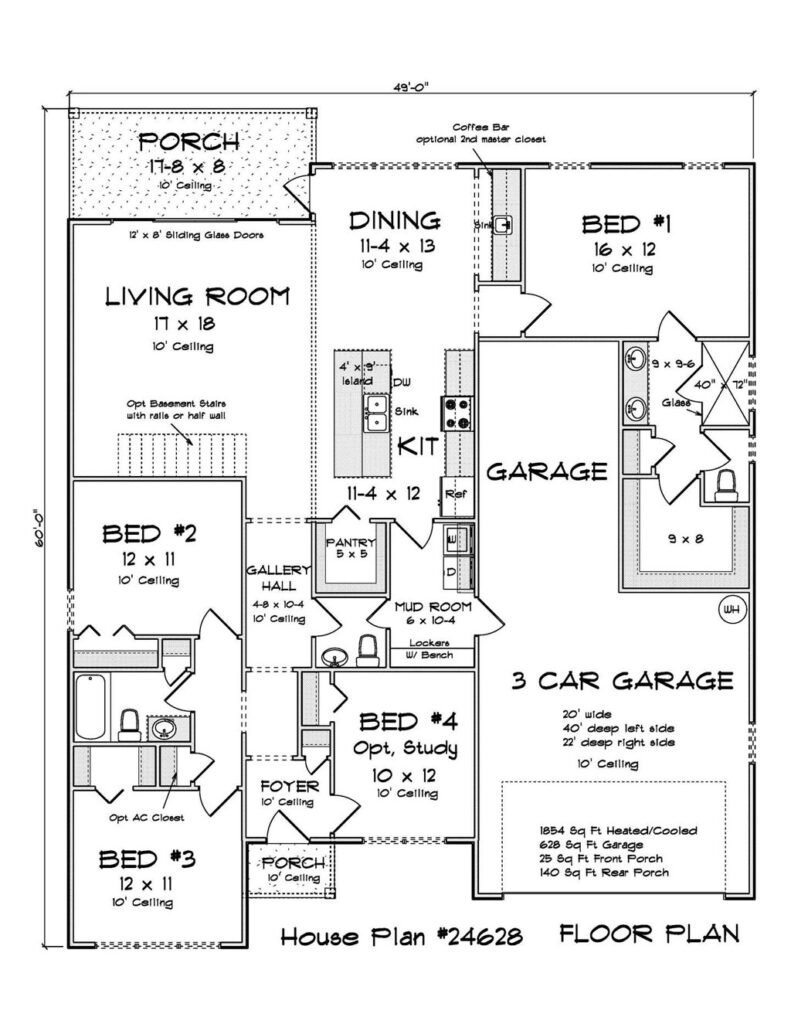
This is where plan selection becomes a real profit lever. The right plan does not just look good. It helps you market faster, build smoother, and sell with fewer objections. That is why W.L. Martin Home Designs focuses on plans that balance curb appeal with buildability and buyer driven layouts, especially in the 400 to 2,500 square foot sweet spot where demand often concentrates when affordability matters. If you are a developer, you want plans you can repeat across lots and elevations. If you are a buyer building your first home or downsizing, you want a plan that feels custom without the custom price tag. Either way, starting with a proven plan is one of the simplest ways to reduce risk and improve outcomes.