Blog

  • Planning a Subdivision? Here’s How to Choose House Plans That Sell Without Breaking the Budget

    Planning a Subdivision? Here’s How to Choose House Plans That Sell Without Breaking the Budget

    If you’re a developer planning a new subdivision, selecting the right house plans is one of the most important decisions you’ll make. It impacts everything from your build costs to how quickly the homes sell. More than just square footage and curb appeal, it’s about choosing plans that work well with the lot sizes, appeal to a range of buyers, and streamline construction. At W.L. Martin Home Designs, we’ve helped hundreds of developers across North America find floor plans that are both practical and profitable for subdivision buildouts.

    Why the Right House Plans Matter in a Subdivision

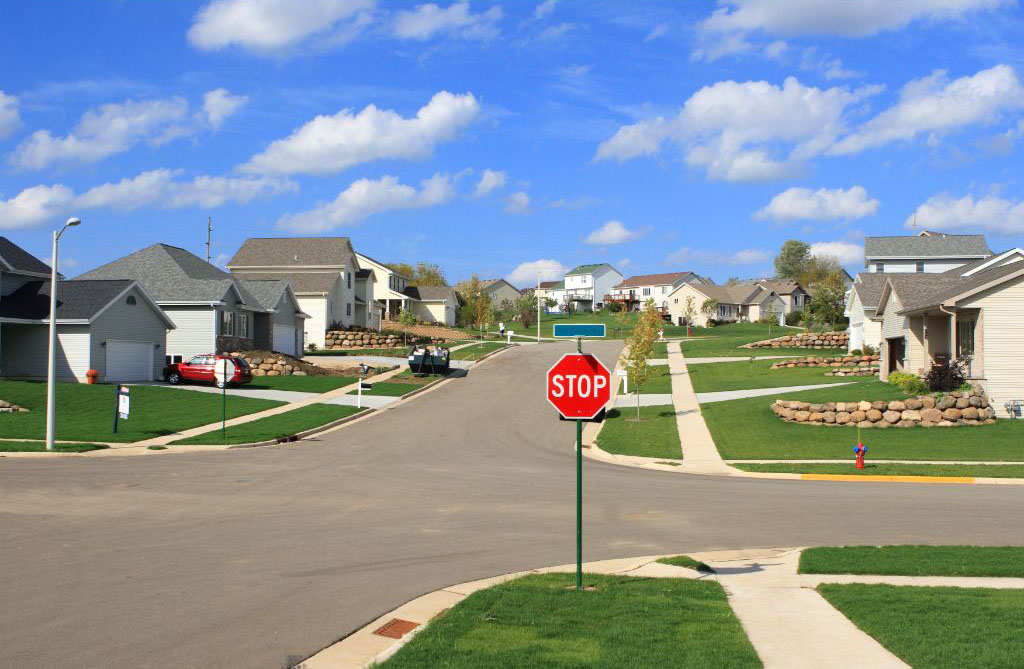
    When you’re building multiple homes in the same development, it’s not just about finding one great floor plan. It’s about finding several that can work together to create a cohesive neighborhood while offering enough variety to avoid that overly uniform, cookie-cutter look. Choosing the right mix of plans can improve your marketability, help you stand out from nearby developments, and reduce time on the market. But just as importantly, good plan selection makes your build process more efficient and cost-effective.
    What to Look for in Subdivision-Friendly Plans

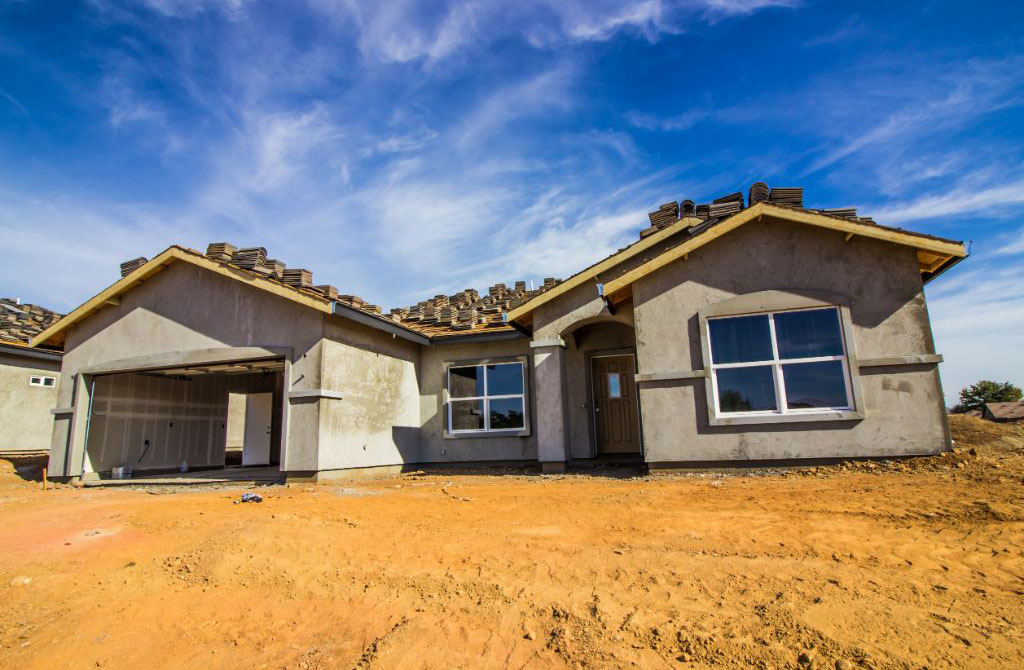
    If you’re planning a neighborhood with dozens of homes, it’s essential to look for plans that fit your lot sizes and support fast, repeatable builds. Many developers aim for homes between 1,000 and 2,500 square feet, which offers broad buyer appeal and keeps construction costs manageable. You’ll also want to focus on floor plans with straightforward footprints, which fit cleanly on 40- to 70-foot wide lots, and don’t require custom site work.

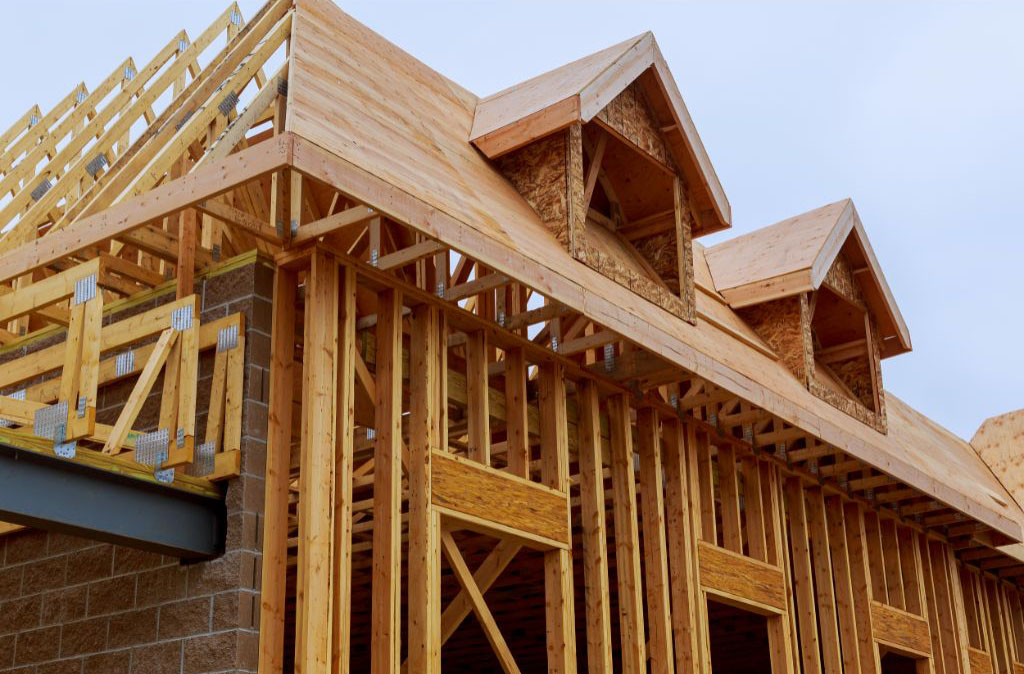
    Another important factor is architectural simplicity. Floor plans with clean rooflines and logical framing make for faster builds and fewer surprises. This doesn’t mean the homes need to be boring. With the right elevations and details, even a simple structure can look refined and inviting.

    Why W.L. Martin Home Designs Work for Subdivisions

    W.L. Martin has a deep catalog of home plans that were designed with real-world subdivisions in mind. Our collection includes dozens of homes that are perfectly suited for narrow lots, shallow lots, and everything in between. Many plans come with alternate elevations or can be easily modified to provide more visual variety, even when you’re building the same core layout.

    We also understand the needs of developers. Our plans are drafted with an emphasis on buildability and efficiency. That means fewer change orders, lower construction costs, and easier permitting in most areas. We work with developers who want to license multiple plans for one project, and we can help tailor a mix of home designs that complement each other while fitting your development’s goals and budget.
    A Few Top Plans for Subdivision Development

    Our collection includes a wide variety of home plans that work particularly well in subdivision environments. Whether you need smaller homes for entry-level buyers or mid-sized layouts that appeal to families, we offer thoughtfully designed plans that are both builder-friendly and marketable. Many of our designs feature open-concept living areas, three to four bedrooms, and flexible garage options, along with curb appeal details that help homes stand out. With efficient footprints and straightforward construction methods, these plans are ideal for scaling across multiple lots without sacrificing quality or variety.

    Balancing Uniformity and Variety

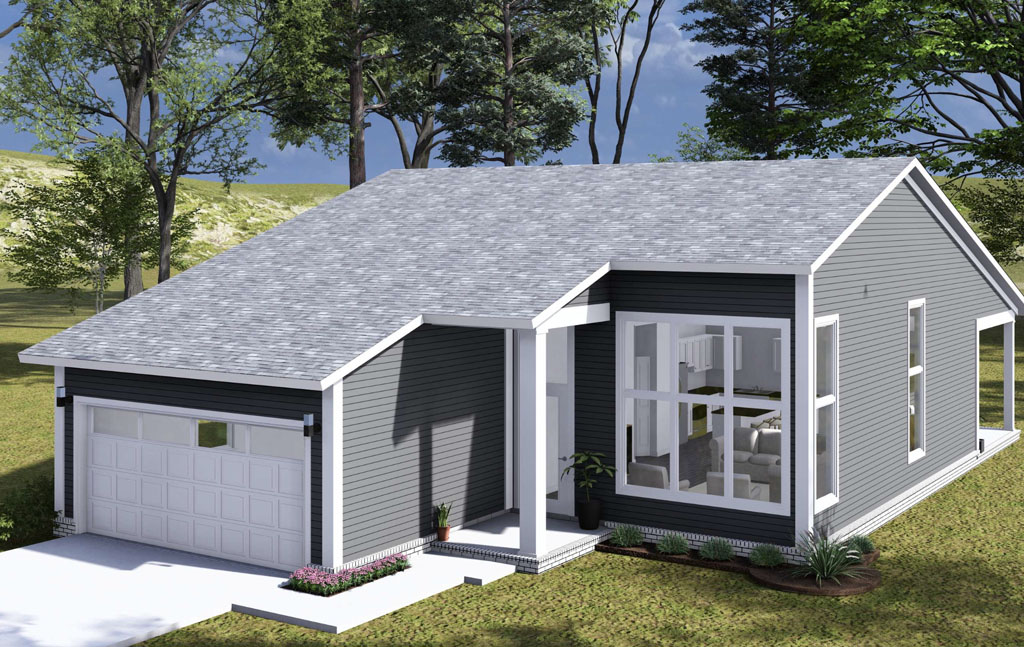
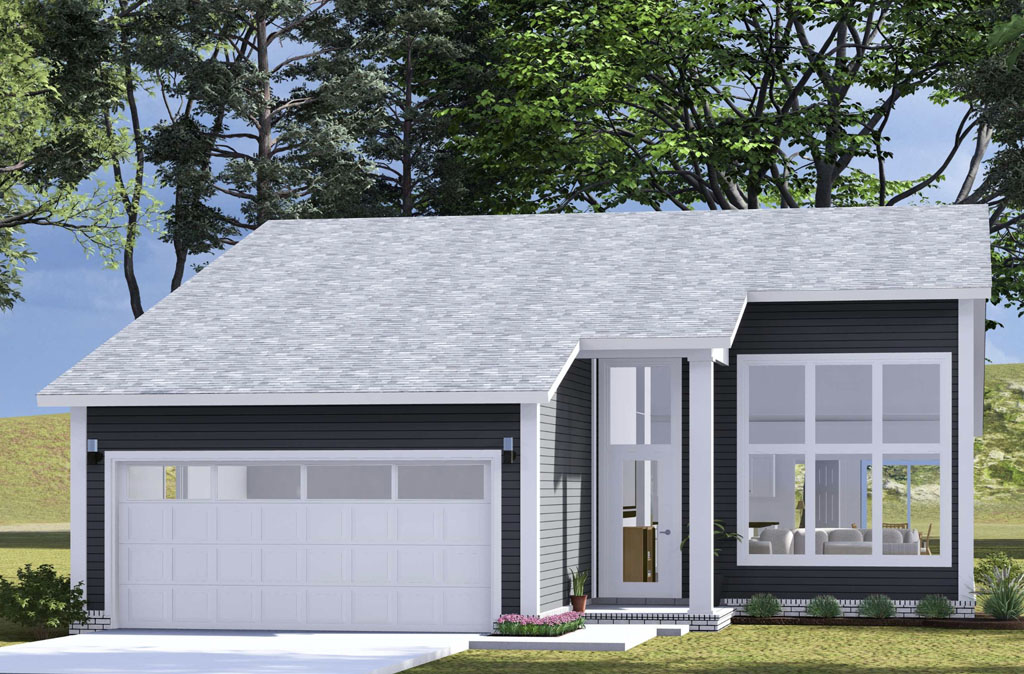
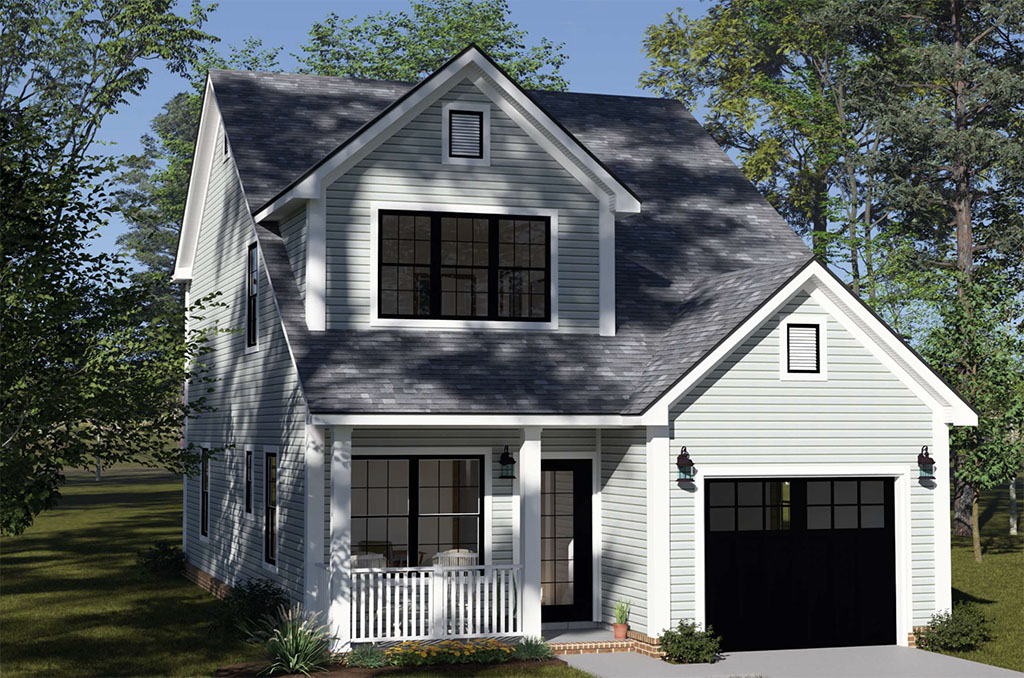
    One common challenge in subdivision development is creating enough visual variety to avoid repetition while keeping your construction process efficient. A smart strategy is to select three to five core house plans, then vary them using alternate elevations, garage flips, and porch treatments. Even changing siding materials, exterior colors, or window styles can dramatically shift a home’s look while maintaining the same structural footprint.

    This approach not only helps with curb appeal, but also allows your crews to become familiar with the build process, which saves time and reduces mistakes.

    Ready to Get Started? We’re Here to Help

    If you’re planning a subdivision and need help selecting the right combination of home plans, we’d love to talk. At W.L. Martin Home Designs, we specialize in floor plans that balance function, beauty, and cost-efficiency. Whether you’re building 10 homes or 100, we can help you find the perfect mix of designs to bring your community to life—and make your job easier from start to finish.

    Let us know what type of lots you’re working with and the price range you’re targeting. We’ll help you narrow down the best plans for your development and show you how small changes can make a big impact when you’re building at scale.

  • Could a Housing Boom Be Looming? What Developers Should Know in the Wake of the Big Beautiful Bill

    Could a Housing Boom Be Looming? What Developers Should Know in the Wake of the Big Beautiful Bill

    It’s no secret that the housing market has been on a wild ride these past few years. From pandemic-fueled surges to interest rate hikes and now the passing of the so-called “Big Beautiful Bill,” there’s a lot of chatter in the industry about what’s next. While some experts are predicting a potential housing boom on the horizon, others are urging caution. But for residential developers, the smartest move might be somewhere in the middle: stay ready, stay flexible, and choose house plans that can weather any shift in the market.

    The Big Beautiful Bill, recently passed with bipartisan support, includes major investments in infrastructure, zoning reform incentives, and funding for more housing development across the country. Many in the real estate and construction industries are optimistic, seeing it as a potential catalyst for a new wave of residential building. The bill’s provisions could streamline permits, expand land availability, and provide new funding for affordable housing initiatives. This kind of support at the federal level tends to trickle down quickly to the boots-on-the-ground developers who actually put up the homes.

    So, does that mean it’s time to go all in? Not necessarily. While the policy climate is shifting in a favorable direction, developers still need to be savvy. Market conditions can change fast. But the good news is that with the right strategy, you can stay one step ahead—no matter what happens.

    Here’s how to position yourself for success in this moment of opportunity and uncertainty.

    1. Focus on Versatility in Your House Plans

    One of the smartest moves you can make right now is choosing home plans that work in a variety of settings and for a range of buyers. That’s why at W.L. Martin Home Designs, we offer plans that are practical, efficient, and designed with flexibility in mind. Whether you’re building in an urban infill area or developing in a new suburban community, our floor plans from 400 to 2,500 square feet give you options. Open layouts, adaptable room usage, and multiple elevation styles make it easy to meet shifting buyer needs or adjust your build strategy if the market changes mid-project.

    2. Stay Small and Smart

    Many buyers are downsizing, not just for affordability but for lifestyle. A home under 2,000 square feet is often faster to build, less expensive to maintain, and more appealing to a broader audience in today’s market. That’s where our smaller home plans really shine. They fit the bill for first-time buyers, retirees, and even developers looking to maximize lots with multi-unit projects.
    3. Keep Permits and Construction Schedules in Mind

    If the Big Beautiful Bill does spark a surge in residential construction, permitting offices and subcontractors could quickly become overwhelmed. Choosing house plans that are code-ready and easy to build gives you an edge. Our plans are developed with clarity, simplicity, and buildability as priorities. That can help reduce delays and keep your timelines tight, even when the competition for trades and inspections heats up.

    4. Don’t Wait for a Perfect Moment

    Trying to time the market is like chasing the wind. What you can do is control your readiness. When you have versatile, builder-friendly plans in your back pocket, you’re always in a position to move when the timing feels right. At W.L. Martin Home Designs, we’ve helped hundreds of developers stay prepared by offering a wide range of home designs that suit a variety of budgets, lot sizes, and buyer expectations.

    5. Plan for Now, Prepare for Later

    The current political landscape is leaning toward pro-development policies, which could mean a friendlier environment for builders in the coming years. But even if conditions shift, developers who choose smart, adaptable plans will always have options. You don’t need to predict the future to build a solid business—you just need to plan for it.

    While we can’t say for sure whether a full-blown housing boom is coming, we can say with confidence that developers who are prepared with the right home designs will be in the best position to succeed. The housing market rewards those who stay flexible, build efficiently, and keep their options open. That’s exactly what we help you do at W.L. Martin Home Designs.

    If you’re thinking about starting a new project or simply want to expand your portfolio of house plans, now’s a great time to take a look at our collection. No matter what the market brings, we’ll help you build with confidence.

  • Our Most Popular Home Design Plans: Smart Layouts for Today’s Market

    Our Most Popular Home Design Plans: Smart Layouts for Today’s Market

    At W.L. Martin Home Designs, we’ve spent years crafting home plans that meet the evolving needs of both homebuyers and developers. While every design in our portfolio serves a unique purpose, a few have risen to the top as consistent favorites — because they strike the ideal balance between smart design, efficient use of space, and broad market appeal.

    These four standout plans — #24448, #24447, #24499, and #24520 — offer the kind of versatility that developers appreciate and the livability that today’s homeowners expect. Whether you’re building for first-time buyers, growing families, downsizers, or investors, these homes check all the right boxes.


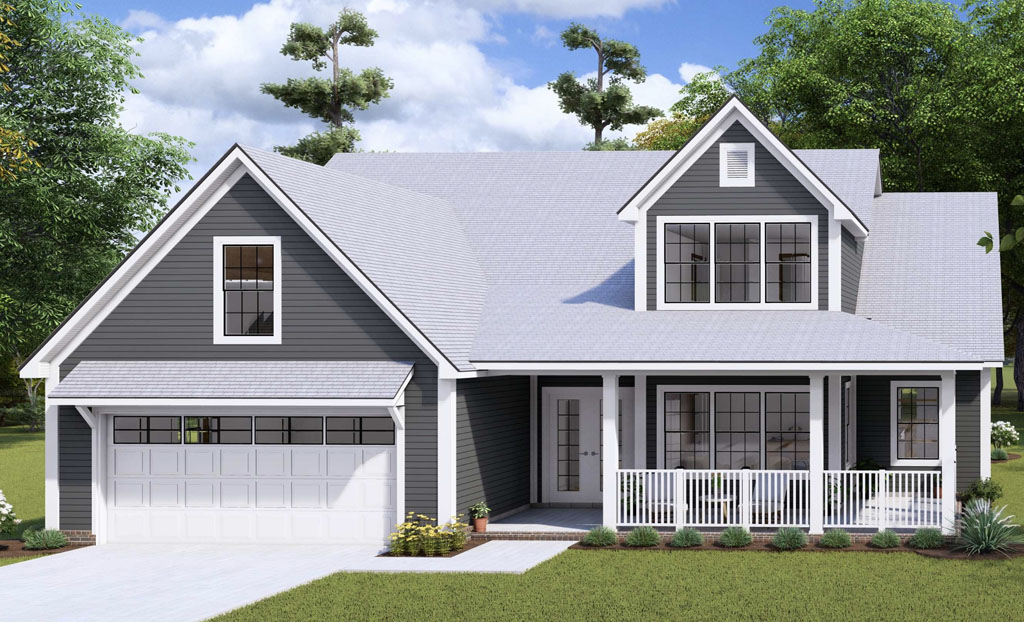
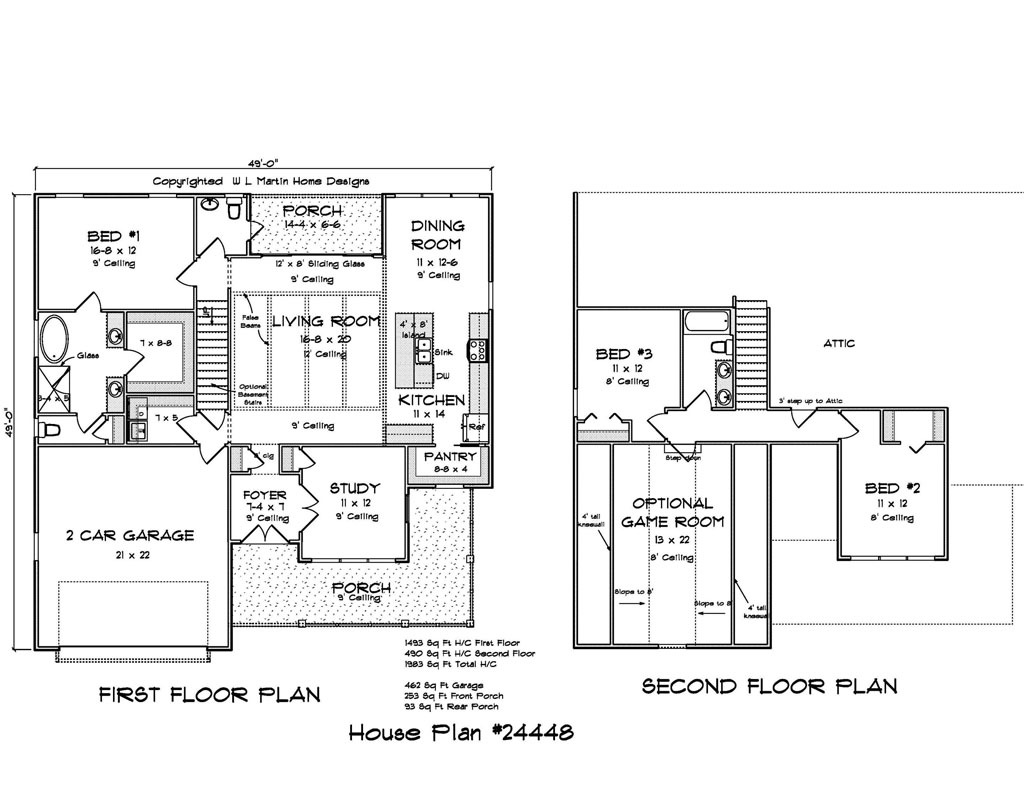
    Plan #24448 – Spacious, Flexible, and Family-Friendly

    1,983 sq. ft. | 3 Bedrooms | 2.5 Bathrooms | 2 Stories | 2-Car Garage
    View Plan #24448 ›

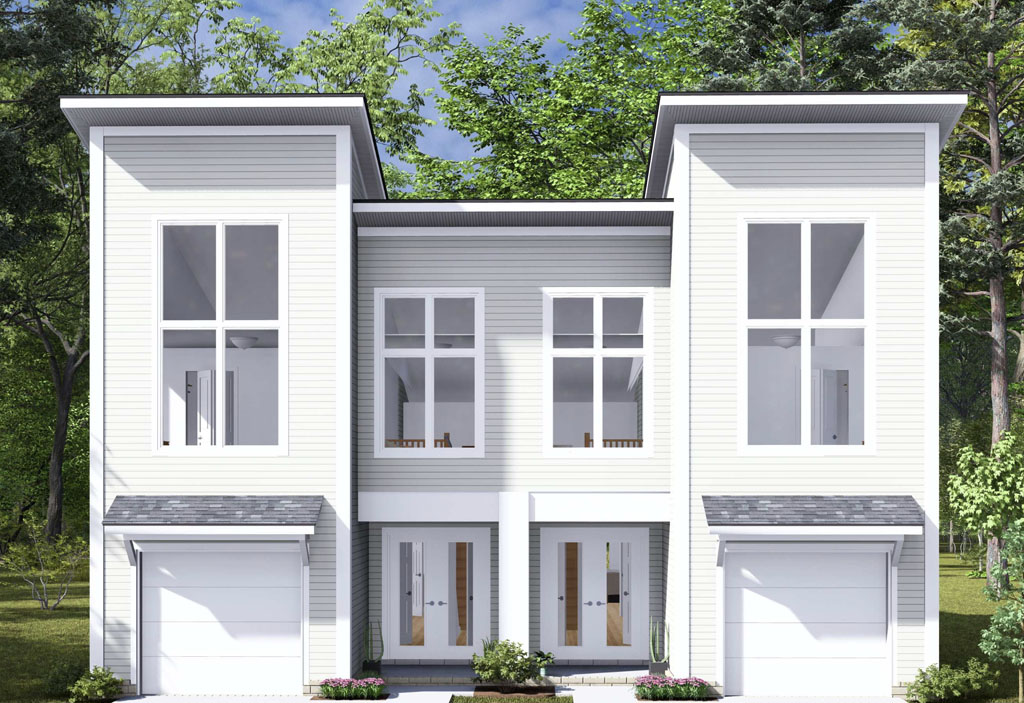
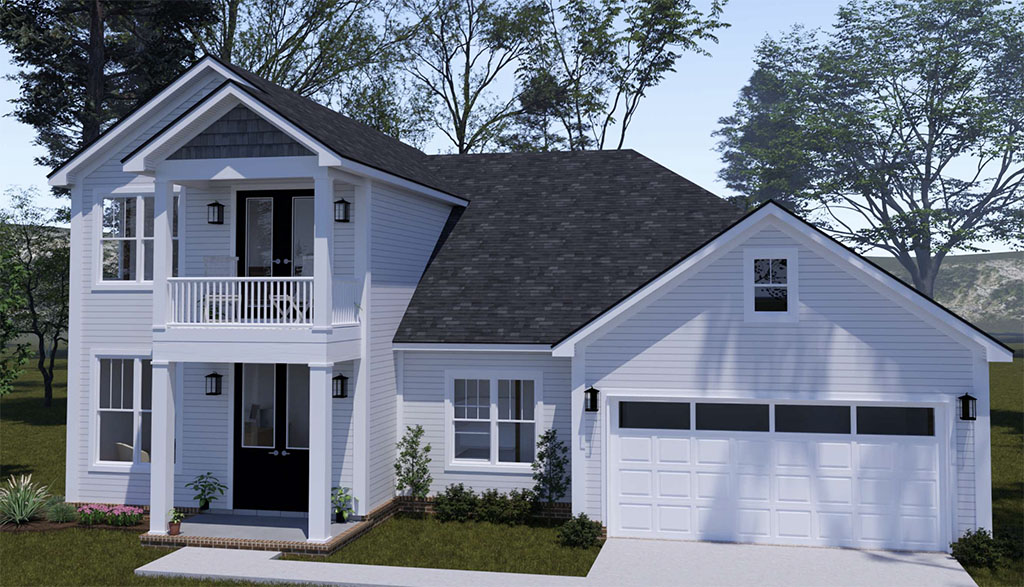
    This two-story home is a top pick for developers building for families who want both space and style. With nearly 2,000 square feet of thoughtfully designed living area, Plan 24448 combines open-concept functionality on the main floor with private bedroom spaces upstairs.

    Key features:

    • Main level primary suite for privacy and convenience
    • Open-concept living, dining, and kitchen area ideal for entertaining
    • Dedicated study perfect for remote work or a home office
    • Two upstairs bedrooms plus an optional game room for added flexibility
    • Attached 2-car garage

    This plan delivers the best of both worlds: a main floor designed for daily living and entertaining, and an upper level tailored for rest and relaxation — making it a strong option for families, multigenerational households, and professionals working from home.


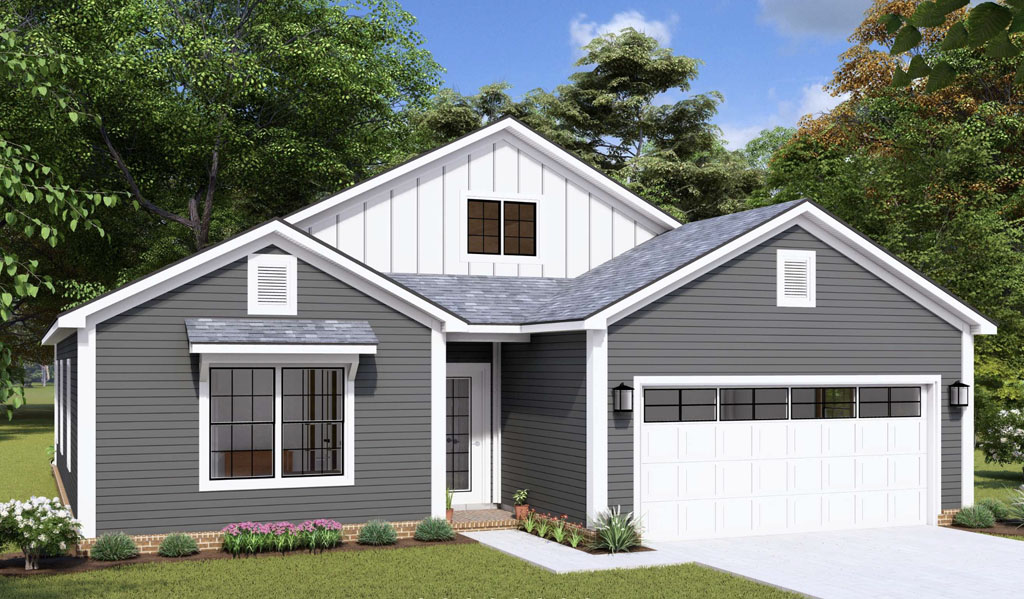
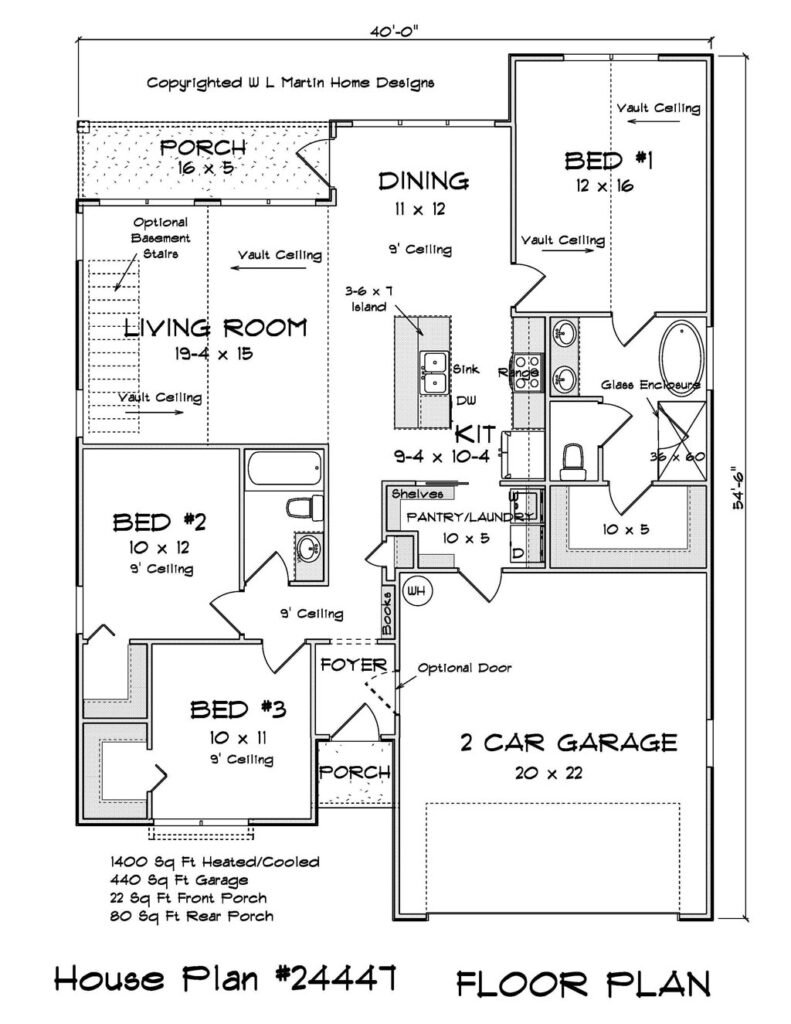
    Plan #24447 – Modern Comfort with Single-Level Ease

    1,400 sq. ft. | 3 Bedrooms | 2 Bathrooms | 1 Story | 2-Car Garage
    View Plan #24447 ›

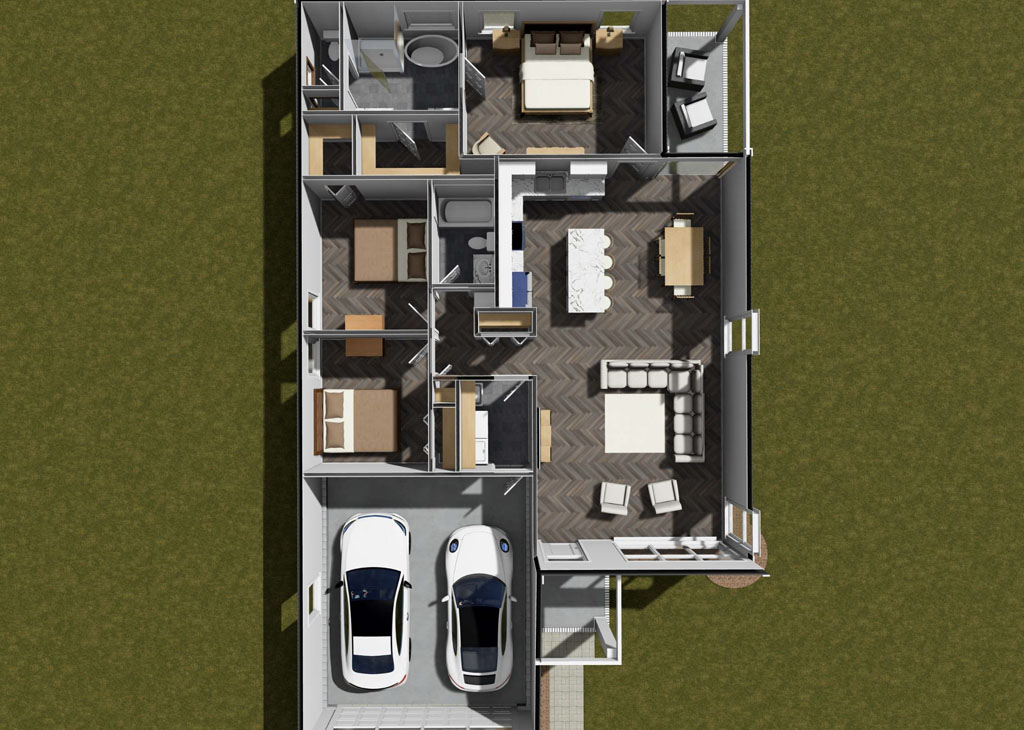
    With its single-level layout and welcoming design, Plan 24447 is a crowd-pleaser that offers great flow, open living spaces, and practical features that today’s homeowners look for — all within a compact, builder-friendly footprint.

    Highlights include:

    • Open-concept layout with vaulted ceilings in the living room
    • Central kitchen with a large island and sink
    • Primary suite with an en-suite bath and walk-in closet
    • Dining room at the rear, perfect for enjoying backyard views
    • Attached 2-car garage

    This plan is especially attractive for downsizers, young families, and first-time homebuyers looking for an efficient home that doesn’t skimp on style. It’s also ideal for developers creating single-level living communities.


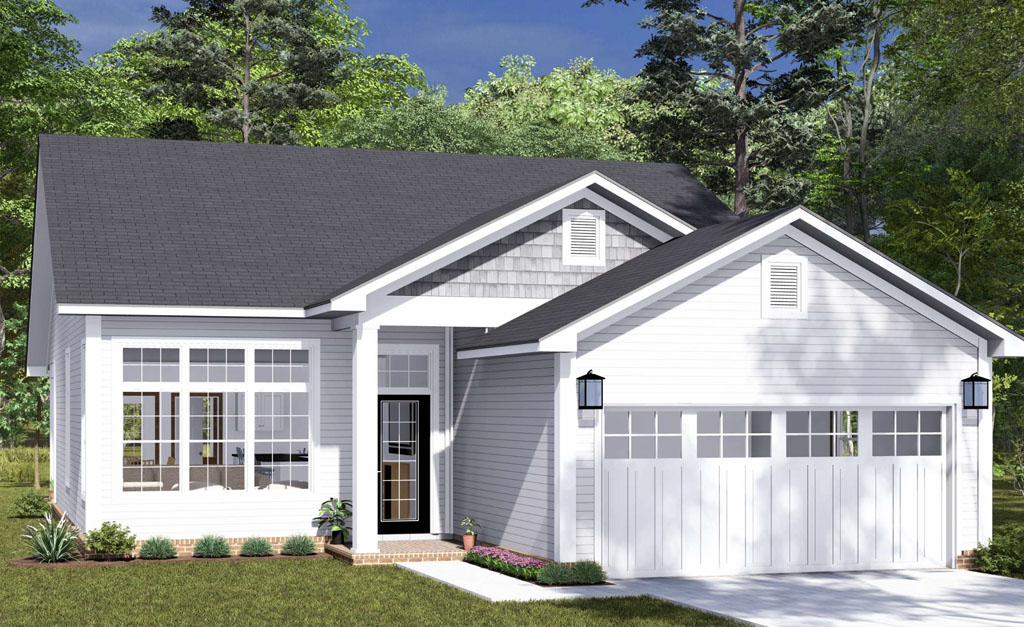
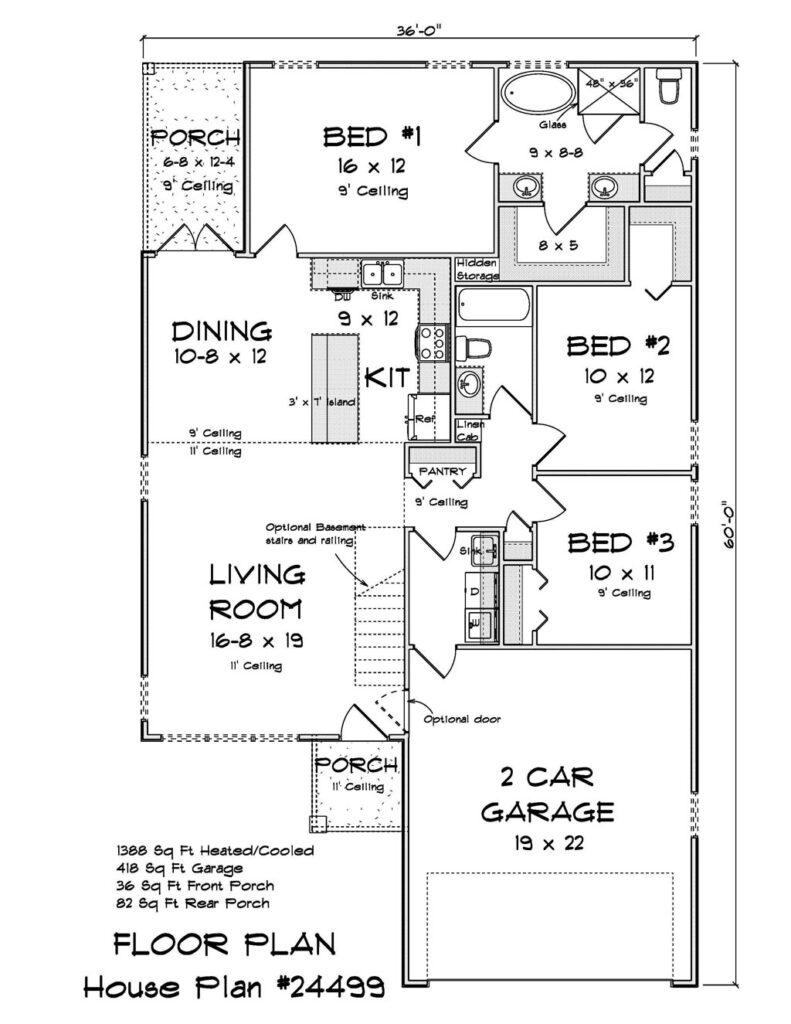
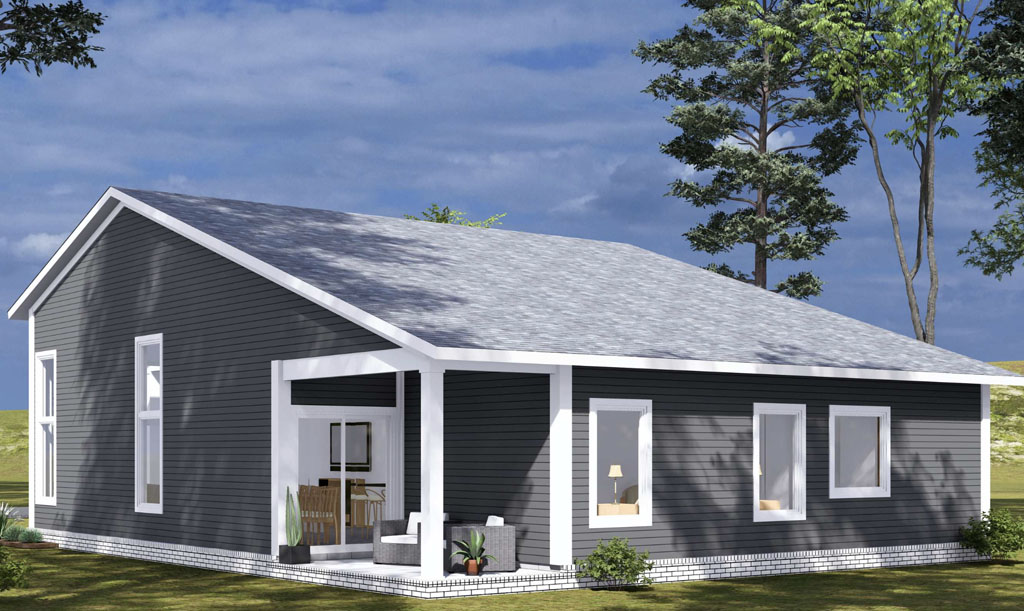
    Plan #24499 – The Alderbrook: Efficient Living with Upscale Touches

    1,388 sq. ft. | 3 Bedrooms | 2 Bathrooms | 1 Story | 2-Car Garage
    View Plan #24499 ›

    Smartly laid out to make every square foot count, Plan 24499 (The Alderbrook) is a top choice for developers who want a home that feels spacious, functions well, and builds affordably.

    What makes it shine:

    • Stunning 11-foot ceilings in the living room create an airy atmosphere
    • Wrap-around kitchen counters and central island for added prep space and seating
    • Primary suite with separate shower, soaking tub, and large walk-in closet
    • Two additional bedrooms and a full bath at the front for privacy
    • Attached 2-car garage

    This plan hits the sweet spot for families, starter homes, rental properties, and empty nesters. With its efficient design and standout features, it’s easy to build and even easier to sell.


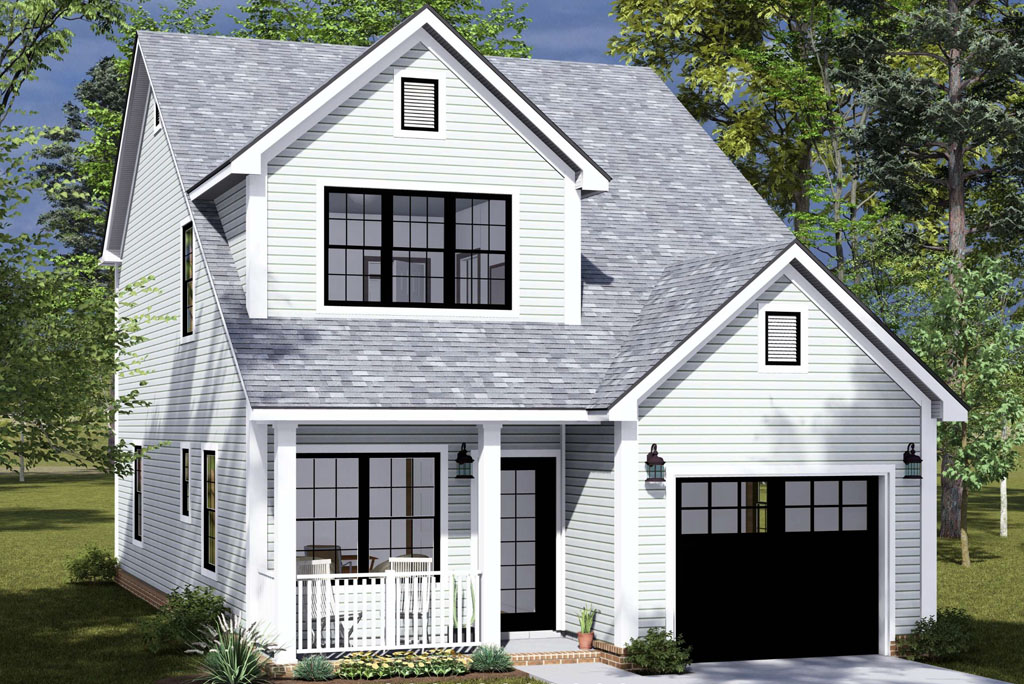
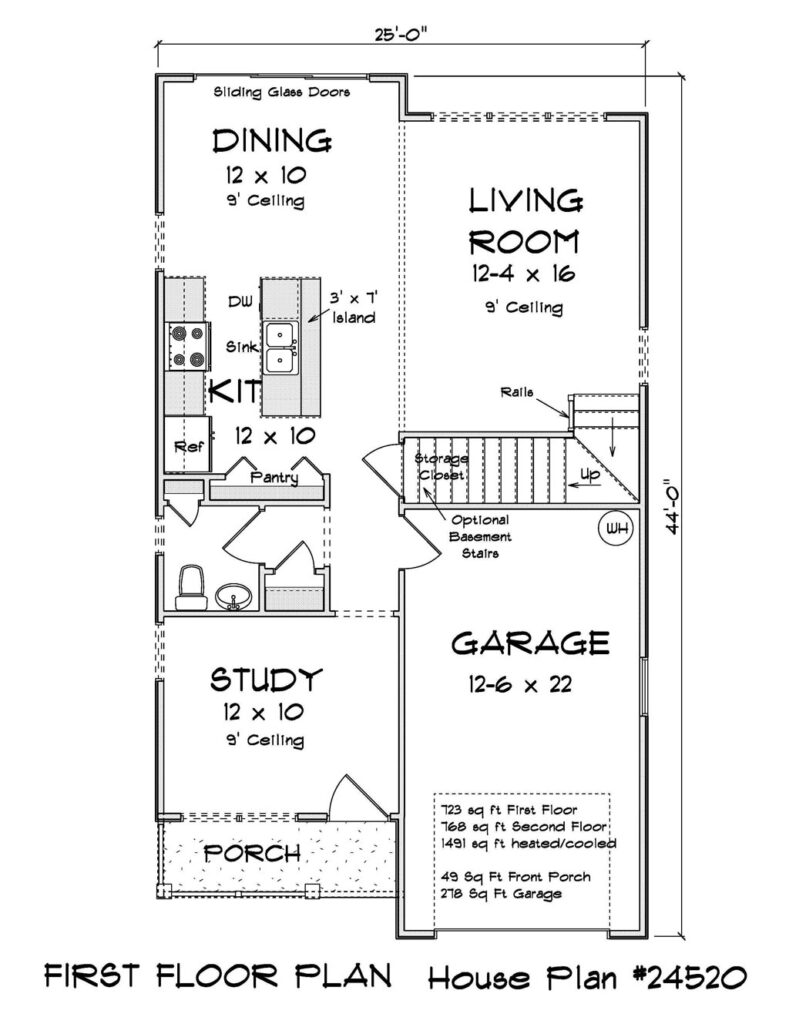
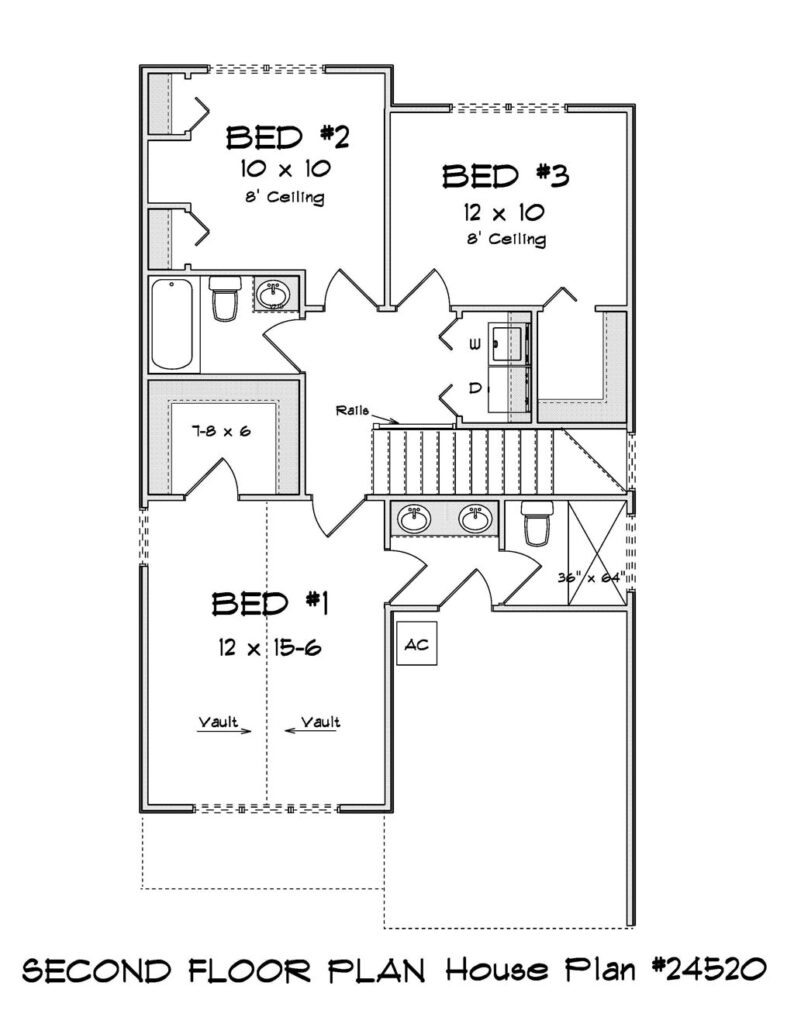
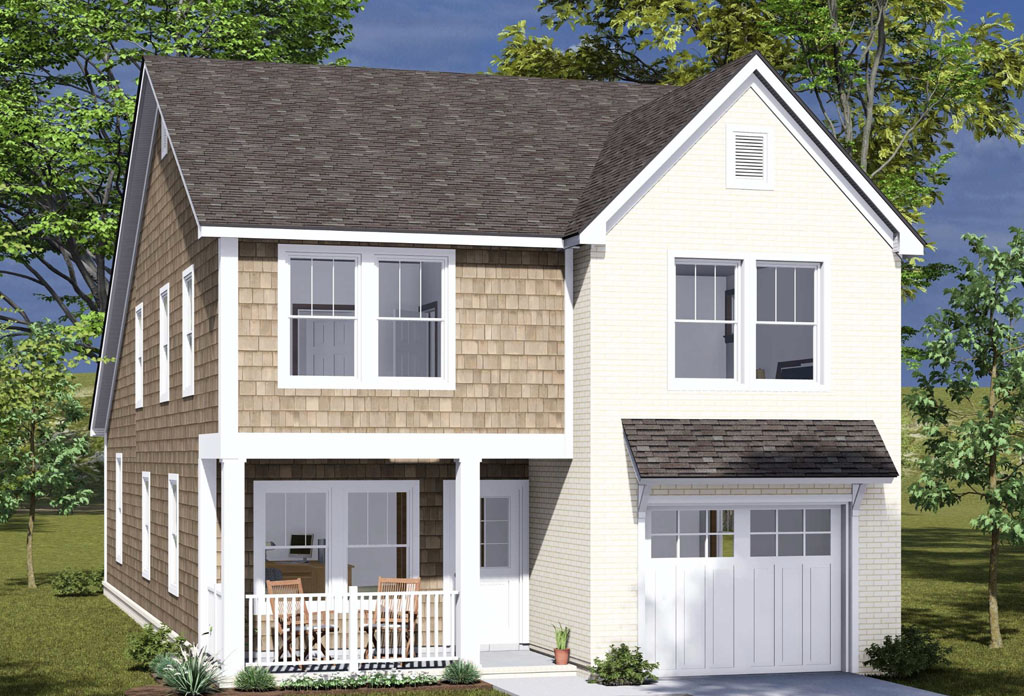
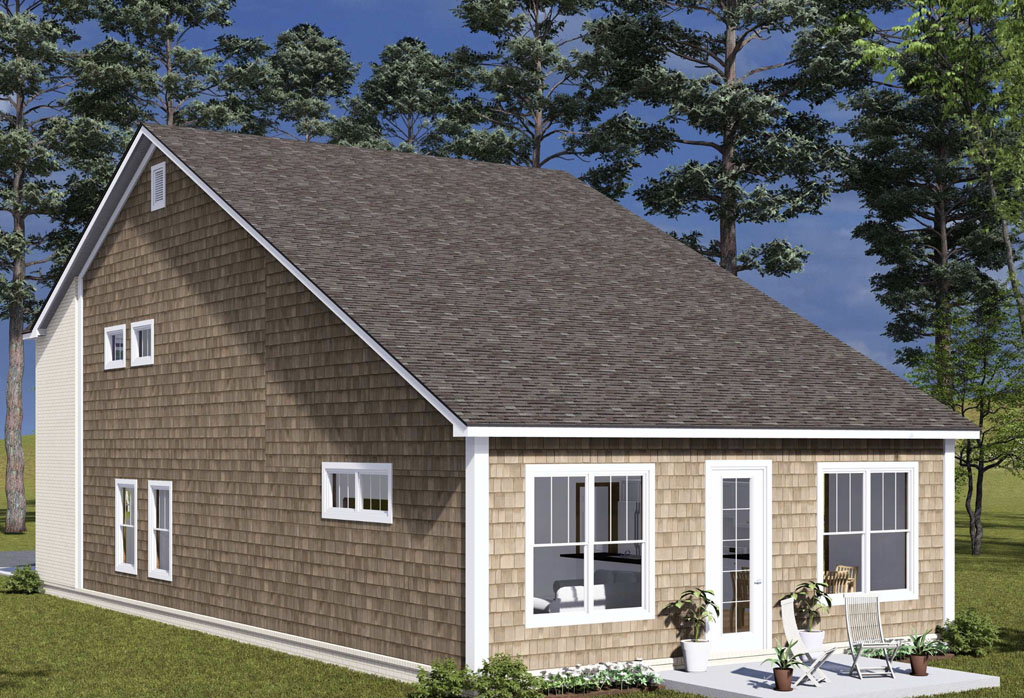
    Plan #24520 – The Edgewood: Compact Footprint, Big Impact

    1,491 sq. ft. | 3 Bedrooms | 2.5 Bathrooms | 2 Stories | 1-Car Garage
    View Plan #24520 ›

    Designed for narrower lots and urban infill projects, Plan 24520 (The Edgewood) delivers flexible two-story living in a highly functional layout that works well for modern buyers with busy lifestyles.

    Standout features:

    • Dedicated front study perfect for working from home
    • Open living, kitchen, and dining area on the main level
    • Three bedrooms upstairs, including a private primary suite
    • Primary bathroom with walk-in shower and large closet
    • Attached 1-car garage and convenient half bath on the main floor

    Its efficient footprint makes this plan ideal for young professionals, urban developments, and smaller communities where maximizing lot usage is key. The flexible layout also appeals to buyers looking for work-from-home space and modern convenience.

    Why These Plans Work So Well for Developers

    Each of these home designs has been crafted to meet the demands of today’s buyers while offering the scalability and construction efficiency that developers need. They’re:

    • Flexible – Great for a variety of lot sizes and community layouts
    • Marketable – With features that attract multiple buyer types, including:
      • First-time homeowners
      • Growing families
      • Downsizers
      • Investors and rental property developers
      • Remote workers seeking home office space
    • Efficient to build – Streamlined footprints and logical layouts reduce build times and costs
    • Future-ready – With open concepts, private primary suites, and home office space, these homes reflect what buyers want most in today’s market

    Explore These Top Plans for Your Next Development

    Whether you’re building one home or an entire neighborhood, these top-performing plans from W.L. Martin Home Designs offer the flexibility, functionality, and appeal to help you succeed. We invite you to explore the plans above — or browse our full collection of house plans designed specifically for developers across North America.

    View the plans online or contact us for more details. We’re here to help you find the right fit for your next project.

  • Top 5 Smart Home Design Features That Add Value Without Adding Square Footage

    Top 5 Smart Home Design Features That Add Value Without Adding Square Footage

    When developers are looking to get the most out of a house plan, every square foot matters. In today’s market, it’s not just about building bigger—it’s about building smarter. Savvy buyers are looking for homes that feel spacious, functional, and tailored to modern life, even when the square footage is modest. Fortunately, with smart design features, developers can add real value to a home without increasing the footprint.

    Here are five smart home design elements that make a big impact on livability and marketability—without requiring extra square footage.

    1. Open-Concept Layouts with Defined Zones

    The open floor plan is more than a trend—it’s become a standard. According to the National Association of Home Builders (NAHB), over 85% of buyers prefer an open layout between the kitchen and main living area. This kind of layout helps smaller homes feel significantly larger, improving sightlines and allowing light to flow freely throughout the space.

    However, smart design also includes subtle zoning—like placing a kitchen island to define the cooking area or using flooring changes to subtly separate dining from living spaces. Most WL Martin Home Designs floor plans under 2,000 square feet use open-concept living with thoughtful layout choices that create this balance of openness and organization.

    2. Built-In Storage Solutions

    In smaller homes, clutter can shrink a room fast. That’s why built-in storage has become a top priority for buyers and renters. A 2023 Zillow Consumer Housing Trends Report found that homes with thoughtful storage solutions sell faster and at higher prices, even without extra square footage.

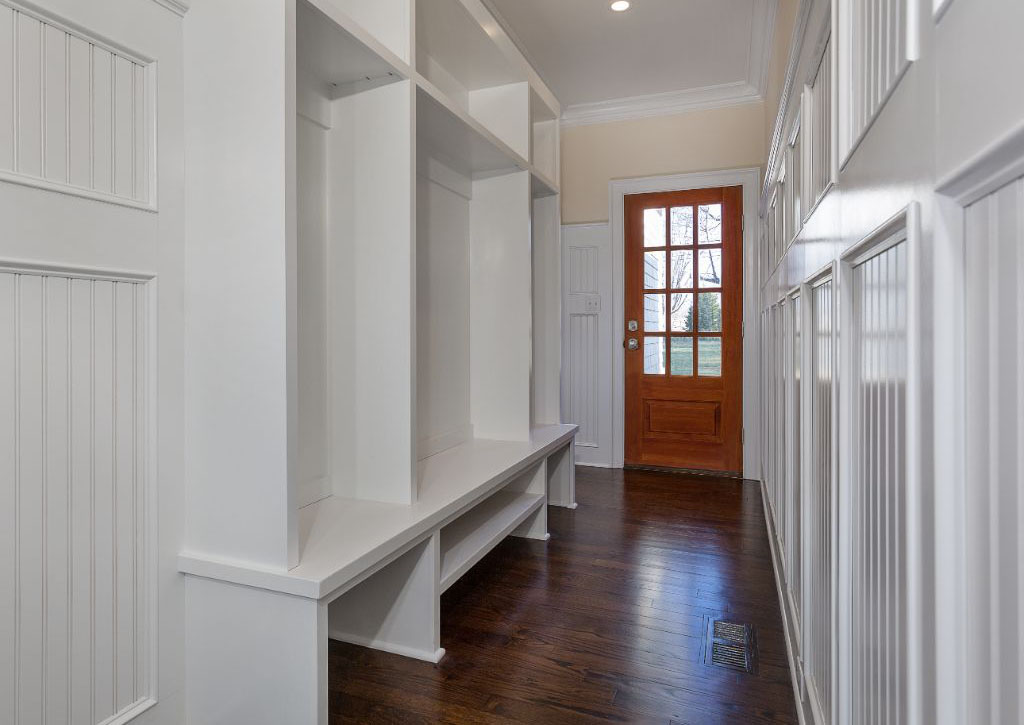
    Features like mudroom cubbies, under-stair storage, pantry shelving, or built-in bookshelves make a home feel more organized and functional. Many WL Martin Home Designs include built-in elements or allow developers to easily add custom storage solutions during construction, particularly in entryways, laundry rooms, and shared living spaces.

    3. Multipurpose Rooms and Flex Spaces

    Buyers love having a home office, gym, or guest space—but not every plan has room for all three. That’s where flexible spaces come in. A 2024 survey by Realtor.com showed that listings with a den, flex room, or multipurpose space received 24% more views than those without. In smaller homes, a flex room that can serve multiple needs adds significant perceived value.

    WL Martin offers several plans with bonus rooms, lofts, or home offices that are sized efficiently so they don’t push the home beyond its footprint but still offer adaptability. Developers can also work with the WL Martin team to modify plans to turn a dining room or nook into a hybrid work/play space, depending on the target market.

    4. Natural Light and Window Placement

    Light can make or break the feel of a home, and it doesn’t require additional space to do its job. Well-placed windows, especially when paired with open sightlines, help rooms feel bigger, brighter, and more inviting. A study from the University of California, Berkeley, found that daylight has a measurable impact on homebuyer preference, with homes receiving more natural light typically selling at a 3–5% premium.

    Most WL Martin homes use strategic window placement to flood the main living areas with natural light while maintaining energy efficiency. Many plans also offer optional transom or clerestory windows for developers who want to enhance the light factor without increasing wall space or ceiling height.

    5. Thoughtful Kitchen Design with High Functionality

    The kitchen is still the heart of the home, and even in a smaller footprint, a well-designed kitchen can sway a buyer’s decision. According to a 2023 survey by the American Institute of Architects (AIA), demand for compact but highly functional kitchens has increased, especially in homes under 2,000 square feet.

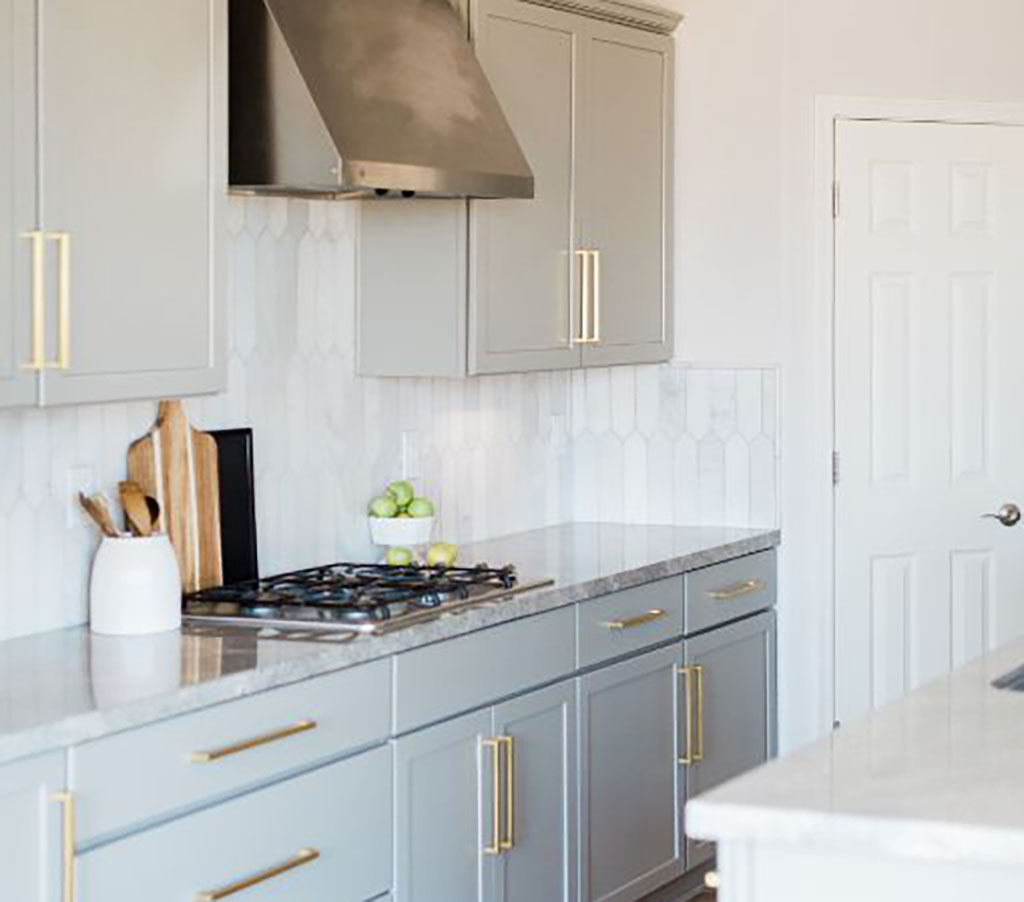
    Smart kitchens include features like a central island that doubles as a dining space, tall cabinetry for vertical storage, or an appliance layout that supports efficient movement. Many WL Martin plans in the 1,000–1,800 square foot range include these kinds of kitchens as standard, while others can be easily adapted during the design process to fit developer or buyer needs.

    Adding Value Without Adding Square Footage

    Today’s developers are balancing cost efficiency with buyer expectations. That’s why features that boost functionality, enhance livability, and elevate design—without increasing the building envelope—are key. Over 80% of WL Martin’s house plans under 2,500 square feet include at least three of the features mentioned above, and most plans are easily modifiable to include all five.

    By choosing house plans that prioritize smart design over sheer size, developers can build homes that are more appealing to today’s buyers and more profitable in the long run.

  • Building Smart: How Regional Materials and W.L. Martin Home Designs Help Developers Maximize Value

    Building Smart: How Regional Materials and W.L. Martin Home Designs Help Developers Maximize Value

    When you’re building homes at scale, every choice matters, but few decisions have as much impact on cost and efficiency as the building materials you use. Across North America, different regions lean toward different materials based on climate, local availability, building codes, and tradition. Developers who understand these differences can save significantly on both materials and labor.

    At W.L. Martin Home Designs, our house plans are created with that flexibility in mind. Our designs work with a wide range of building materials, so whether you’re developing in the Northeast, Deep South, or along the West Coast, you can make smart choices based on your region’s needs and pricing. This kind of versatility helps developers stay competitive, meet local requirements, and protect profit margins.

    Let’s take a closer look at how different areas use specific materials and how W.L. Martin Home Designs supports developers in making those materials work.

    The Southern U.S. – Brick, Stucco, and CMU

    In hot and humid climates like Florida, Texas, and the Gulf Coast, materials that resist moisture and heat are a must. That’s why concrete block (CMU), stucco, and brick are so common. These materials hold up well over time, don’t require much maintenance, and can handle extreme weather conditions better than traditional wood framing.

    • Why it matters: These materials are durable and energy efficient, which helps with local code compliance and long-term value.
    • Developer tip: Concrete block construction can save money because it serves as both the structure and the finish in some designs.

    The Northeast – Wood Framing and Stone Accents

    In colder regions like New England and parts of Canada, wood-framed homes with shingle or fiber cement siding are popular. Many builders also use stone veneers or brick for added insulation and character. These materials are better suited for snow, freezing temperatures, and shifting soils.

    • Why it matters: Wood framing allows for easier insulation and meets the needs of energy codes in colder zones.
    • Developer tip: Engineered wood framing packages and pre-cut components can speed up builds and reduce waste.

    The Midwest – Vinyl Siding and Stick-Built Framing

    In places like Ohio, Indiana, and Illinois, vinyl siding and traditional stick-built framing dominate. It’s cost-effective, easy to install, and well-suited to the flatter terrain. Many homes are built on slabs or basements, depending on the local water table and weather conditions.

    • Why it matters: Vinyl siding is affordable and low maintenance, which appeals to both developers and future homeowners.
    • Developer tip: Using standard framing sizes and widely available materials can keep labor and material costs low.

    The West Coast – Engineered Wood, Fiber Cement, and Fire Resistance

    Western states like California, Oregon, and Washington face unique challenges with earthquakes, wildfires, and strict environmental codes. Builders in these regions often use engineered wood, steel reinforcements, and fire-resistant materials like fiber cement siding.

    • Why it matters: Materials need to meet seismic and fire safety standards, and some regions have lengthy permitting processes for non-compliant builds.
    • Developer tip: Planning ahead with pre-approved fire-rated materials can save both time and money during permitting and inspections.

    How W.L. Martin Home Designs Supports Material Flexibility

    Our house plans are built with flexibility in mind. Developers aren’t locked into one type of material or building method. Whether you’re using CMU in Florida, SIPs in Colorado, or traditional framing in Kentucky, our plans can be adjusted to match the needs of your location.

    • Framing options include traditional wood, ICF, SIPs, or CMU
    • Exterior finishes can be vinyl, brick, stone, stucco, or fiber cement
    • Roof designs can accommodate asphalt, metal, tile, or composite shingles
    • Layouts can be customized to meet local energy and insulation standards

    That level of versatility gives developers the freedom to build smarter. It means you can adapt quickly to price changes, source materials locally, and even respond to weather-related delays more effectively.

    Why This Matters Right Now

    The construction market is still adjusting to shifts in material availability, rising insurance premiums, and regional code updates. Lumber prices have come down from their pandemic peak but still swing with mill production and labor availability. Concrete and steel prices remain high in some regions, but buying in volume or sourcing from local suppliers can help stabilize costs.

    At the same time, more areas are adopting stricter energy and safety standards. Developers who work with plans that can be adjusted for local codes avoid costly redesigns and permitting delays.

    W.L. Martin Home Designs makes that easy. Our plans are designed with adaptability at the core, so you can move quickly from design to build and stay on budget in almost any part of the country.

    The Bottom Line for Developers

    As a developer, your ability to scale depends on smart planning, cost control, and regional know-how. Choosing house plans from W.L. Martin Home Designs gives you a head start. Our designs are beautiful, practical, and flexible enough to be built with the materials that make the most sense for your market.

    • You save money by using local materials
    • You reduce delays from permitting or sourcing issues
    • You meet regional code requirements with less hassle
    • You get consistent, attractive homes that meet buyer expectations

    Browse our full collection of plans at wlmartinhomes.com and discover how flexible design can make a difference in your next project. If you’re building in more than one region or scaling up, let us help you choose plans that work anywhere your business takes you.

  • Designing with Light: How to Balance Natural Light and Fixtures in New Homes

    Designing with Light: How to Balance Natural Light and Fixtures in New Homes

    Lighting is one of those invisible forces that can completely transform how a home feels. It’s not just about visibility—it’s about mood, function, and how spacious a home appears. Whether it’s a 600-square-foot cottage or a 2,400-square-foot family home, the balance between natural light and thoughtfully placed fixtures makes a big impact. At W.L. Martin Home Designs, many of our floor plans are intentionally designed to optimize both. Developers who recognize this are better positioned to create homes that are more livable, energy-efficient, and visually appealing.

    Natural lighting starts with smart architectural design. In smaller homes especially, strategically placed windows and open-concept living areas allow daylight to reach more corners of the interior. This helps make a compact layout feel more expansive. Many of our plans feature transom windows, clerestory windows, and large picture windows in main living areas to achieve this effect. Some designs even factor in window placement based on common lot orientations to help maximize sun exposure during key parts of the day.

    It’s not just about where the windows go—it’s also about how developers position the home on the lot. A plan with strong natural lighting potential can become a standout home if it’s placed on a lot to take advantage of sun paths. For example, positioning living areas to the south or southwest side of the lot often captures the most daylight throughout the afternoon and early evening. This kind of planning can elevate a basic build into something buyers instantly connect with.

    Even with ample natural light, every home needs a solid artificial lighting plan. Light fixtures shouldn’t just fill in where daylight leaves off—they should work with it. W.L. Martin plans are built with versatility in mind, allowing builders and homeowners to layer ambient, task, and accent lighting without cluttering up the space. For instance, recessed ceiling lights in open living areas provide general illumination while under-cabinet lighting in kitchens adds both function and a subtle visual detail. Pendant lights over islands or dining tables can double as a focal point and mood-setter.

    According to the U.S. Department of Energy, around 15 percent of the average home’s electricity use goes toward lighting. That’s a big chunk, and homes that make better use of daylight can save on energy costs—something that’s increasingly important to buyers and municipalities pushing for greener standards. When developers choose plans that use light effectively, they’re not just building beautiful homes, they’re building more marketable ones.

    We’ve designed hundreds of home plans with natural light in mind, from small vacation homes to efficient suburban builds. Many include multiple exposures in living rooms and bedrooms, large sliding glass doors, or open floor plans that prevent light from being blocked by walls. This built-in brightness not only saves energy but makes homes feel warmer, more open, and more livable from day one.

    Ultimately, balancing natural and artificial light isn’t about choosing one over the other. It’s about understanding how both work together to support the way people live today. Thoughtful lighting design adds value, comfort, and appeal to any home—especially when it’s already baked into the floor plan. Developers who make lighting a priority are often the ones whose homes stand out in competitive markets.

    Ready to explore home designs that make the most of natural light? Browse our full collection of house plans and discover how good lighting design starts long before the first light bulb is ever installed.

  • The Global Roots of Today’s American Home Designs

    The Global Roots of Today’s American Home Designs

    When we think of modern home design, it’s easy to imagine a crisp, newly built home with fresh paint, open floor plans, and clean lines. But many of the design elements we use today have deep roots that stretch back hundreds, even thousands, of years. From classical European influences to the sturdy sensibility of early American homesteads, today’s homes often reflect the heritage of global architecture. At W.L. Martin Home Designs, many of our house plans carry forward these timeless elements, offering designs that appeal to developers looking for reliable, regional-friendly styles that are both practical and appealing.

    Colonial Style Homes: A Classic Design That Endures

    Take, for example, the Colonial style. Originating from the 1600s, Colonial homes were first built by settlers in New England, drawing heavily from British architecture. Symmetrical facades, central chimneys, and gable roofs were all hallmarks of the style and are still widely used today, particularly in the Northeastern United States. You’ll find that W.L. Martin offers a number of compact and mid-sized home plans that include these traditional characteristics, though updated for modern living with open interiors and improved energy efficiency.

    Craftsman Style Homes: From British Roots to American Neighborhoods

    Another long-standing influence is the Craftsman style, which can be traced back to the British Arts and Crafts movement in the late 19th century. The style gained popularity in the United States in the early 1900s, especially in California. Today, Craftsman homes remain popular across much of the country, especially in the Midwest and Northwest, thanks to their charming curb appeal and functional layouts. The deep front porches, low-pitched roofs, and exposed rafters seen in Craftsman homes are featured in several of W.L. Martin’s plans, which are tailored to developers seeking classic American styling with wide regional appeal.

    Spanish and Mediterranean Home Designs in Warm-Weather Regions

    Further south, the Spanish Revival and Mediterranean-inspired homes dominate in states like Florida, Texas, and parts of California. With origins in Spain, Italy, and other parts of the Mediterranean, these styles are known for stucco exteriors, red tile roofs, and arched windows and doorways. Their design fits naturally with warm climates and often emphasizes indoor-outdoor living. While W.L. Martin’s core collection leans more toward conservative and versatile layouts, we do incorporate certain Mediterranean elements in our warmer region home plans to meet regional developer needs without straying too far from traditional preferences.

    Ranch Style Homes: American Simplicity with Historic Roots

    The Ranch-style home is another distinctly American design that actually owes a debt to Spanish colonial architecture as well. These single-story homes with long, low profiles became wildly popular in the post-WWII era and are still favored throughout the southern and western U.S. for their simplicity and ease of access. At W.L. Martin, we continue to offer a variety of ranch and ranch-influenced home plans, especially in the 1,200 to 2,000 square foot range, perfect for developers building in suburban and rural markets.

    Small Footprint Homes: Drawing Inspiration from Historic Efficiency

    Even smaller footprint designs—those under 1,000 square feet—have historical roots. The classic Shotgun house, common in the South and originating in New Orleans in the 19th century, features a narrow profile and rooms laid out one behind the other. While modern tastes have shifted toward more open floor plans, the efficient use of space in small homes continues to influence how we design compact houses today. W.L. Martin includes several small home plans ideal for infill lots, accessory dwelling units, and budget-conscious developments.

    Regional Appeal and Conservative Design for Today’s Developers

    What makes many of W.L. Martin’s home plans stand out is their ability to blend these historical inspirations with practical, regionally sensitive design. We tend to focus on styles that are conservative—not flashy or overly trendy—but ones that work well in a variety of neighborhoods and climates. Developers across North America find value in designs that respect traditional forms while still accommodating the expectations of modern homebuyers.

    From time-tested colonial symmetry to Craftsman warmth and the casual feel of the American ranch, today’s homes are built on a legacy of global architecture. At W.L. Martin Home Designs, we honor those roots by offering house plans that reflect history, function, and regional sensibility—all with the flexibility builders need to bring them to life.

    Let us help you find the perfect plan that fits not only your project but the community it’s meant for.

  • 10 Smart Tips for Choosing the Right House Plan for Your Lot, Lifestyle, and Budget

    10 Smart Tips for Choosing the Right House Plan for Your Lot, Lifestyle, and Budget

    Choosing a house plan is one of the most exciting steps in building a new home, but it can also be one of the most overwhelming. Whether you’re a homeowner ready to build your dream home or a developer searching for efficient, buildable layouts, selecting the right floor plan is key to the success of your project.

    At W.L. Martin Home Designs, we offer house plans in a wide range of sizes, from compact 400 square foot cottages to efficient family homes up to 2,500+ square feet. No matter the size or style, making the right decision starts with asking the right questions. Here are 10 helpful tips to guide your selection process.

    1. Know Your Lot Dimensions and Zoning Requirements

    Before falling in love with a specific floor plan, make sure it fits your building lot. Take note of lot width, depth, slope, and any easements or setbacks. Local zoning rules may also limit how high or wide your home can be. A narrow lot may call for a more vertical plan, while a wide rural lot might allow for a spacious single-story design.

    1. Consider the Direction of Natural Light

    The way your home is oriented on the lot affects how much natural light it receives throughout the day. Think about where the sun rises and sets in relation to the rooms you’ll use most. Placing living areas on the south or west side of the house is ideal in colder climates, while in warmer regions, shading those spaces might help with cooling. Good design isn’t just about looks—it also plays a big role in energy efficiency and comfort.

    1. Plan for Long-Term Needs

    Even if you’re only thinking about your immediate needs, try to imagine how your use of the space could change over time. For homeowners, that might mean planning for children, guests, or aging in place. Developers might consider flexible layouts that appeal to a wide range of buyers, especially in competitive housing markets.

    1. Match the Layout to Your Daily Routine

    Do you prefer an open-concept living area or more defined spaces for each activity? Would you rather have all bedrooms on one level, or do you need separation between the primary suite and secondary bedrooms? Think about how you live—or how your target buyer lives—and choose a plan that complements that lifestyle.

    1. Set a Realistic Budget Based on Square Footage

    Larger homes aren’t just more expensive to build; they’re also more costly to maintain and heat or cool. Choosing a smaller, more efficient plan can help control costs without sacrificing function. At WL Martin, we specialize in small home plans that make the most of every square foot, giving you a high-performing layout without unnecessary extras.

    1. Prioritize Your Must-Have Features

    Start by listing the features you absolutely need. Maybe it’s a dedicated home office, a walk-in pantry, or a large mudroom. By identifying your priorities early, you can filter plans more effectively and avoid being swayed by features you don’t really need.

    1. Think About the Flow of the Space

    It’s one thing to look at a floor plan on paper, but it’s another to imagine walking through it. Visualize how traffic would move from room to room. Is the kitchen easily accessible from the garage for unloading groceries? Is there a logical flow between the living and dining areas? A well-designed plan should feel intuitive and comfortable.

    1. Consider Your Local Climate

    The region where you’re building plays a big role in choosing the right design. In colder climates, basements are often expected, while homes in warmer areas may rely on slab foundations. Roof pitch, window placement, and exterior materials also vary based on weather conditions. Choosing a plan that fits your local environment will lead to better performance and fewer headaches down the road.

    1. Look for Plans That Allow Some Flexibility

    Not every house plan needs to be fully custom to feel personal. Many of our plans at W.L. Martin Home Designs offer simple modification options, like changing the location of a door or enlarging a kitchen island. Small changes like these can make a big difference in how well the space fits your needs.

    1. Choose a Plan from a Trusted Source

    At the end of the day, the quality of your house plan matters. Working with a professional design firm ensures your plans are accurate, well thought out, and ready for permitting. At WL Martin Home Designs, our collection of small and mid-sized house plans is created with builders in mind, balancing style, function, and cost-efficiency for real-world construction.

    Selecting the right house plan sets the stage for everything that comes after. By taking the time to consider your lot, lifestyle, and long-term goals, you can choose a plan that not only fits your vision but also stands the test of time. Whether you’re a developer looking to streamline your builds or a homeowner starting from scratch, we’re here to help you find the perfect plan.

    Explore our latest home designs at wlmartinhomes.com and discover just how easy it can be to build smart from the start.

  • The 10 Biggest Mistakes Developers Make When Choosing House Plans (and How to Avoid Them)

    The 10 Biggest Mistakes Developers Make When Choosing House Plans (and How to Avoid Them)

    Choosing the right house plan can either streamline a residential development or cause costly delays and redesigns. Whether you’re building a few homes or planning an entire subdivision, the floor plans you select play a major role in how smoothly your project moves forward. At W.L. Martin Home Designs, we work with developers across North America and have seen firsthand how avoidable mistakes in the planning phase can lead to construction headaches down the line.

    According to a 2024 report from the National Association of Home Builders (NAHB), construction delays and design revisions remain one of the top contributors to increased project costs. For developers, getting the house plan right the first time is more important than ever. To help you avoid common pitfalls, here are ten mistakes developers frequently make when choosing house plans — along with practical advice on how to steer clear of them.

    1. Not Considering Local Lot Dimensions Early On

    One of the most common missteps is choosing a plan that doesn’t align with the lot’s actual size or shape. Whether it’s a narrow infill lot or an irregularly shaped corner property, fitting the home on the land is step one. Always verify local setbacks and lot coverage limits before selecting a design.

    2. Overlooking Regional Building Codes and Zoning Requirements

    Each municipality has its own codebook, and ignoring those details can result in permit denials or forced redesigns. Even something as simple as roof pitch or maximum building height can vary from one jurisdiction to the next. Before you fall in love with a plan, make sure it complies with your build site’s zoning and code regulations.

    3. Underestimating the Importance of Efficient Floor Plans

    A great-looking home isn’t enough if the layout wastes space. Developers who choose plans with too many hallways or oversized rooms often end up with higher construction costs per square foot. Buyers today want function and flexibility — efficient house plans that live larger than their actual size.

    4. Failing to Think About the Target Market

    Not every floor plan suits every buyer. A single-story plan with wide hallways might be perfect for retirees, while a two-story layout with a bonus room could appeal to young families. Developers should consider the local demographic trends. According to Zillow’s 2024 Housing Trends Report, 61% of buyers under 40 prefer flexible spaces that can be used for remote work or multigenerational living.

    5. Ignoring the Impact of Build Costs

    Some plans look fantastic on paper but come with higher price tags due to complex rooflines, unnecessary corners, or oversized foundations. Smart developers work with designs that balance curb appeal with cost-efficiency. At W.L. Martin, many of our most popular house plans are designed to be budget-friendly without sacrificing good design.

    6. Choosing a Floor Plan Without Considering Sun Orientation

    It may seem minor, but the way a house sits on a lot can significantly impact energy efficiency and overall comfort. A plan with lots of west-facing windows may overheat in the summer, while a north-facing backyard could be less desirable in colder climates. Always evaluate how the house will sit on the lot in relation to the sun’s path.

    7. Selecting Plans That Lack Storage or Practical Features

    Design features like walk-in pantries, linen closets, and mudrooms might seem like nice-to-haves, but they’re often deal-makers for buyers. Developers sometimes focus too much on aesthetics and forget what people actually want to live with. Smart storage and practical spaces help homes sell faster and perform better in competitive markets.

    8. Not Planning for Future Modifications or Customization

    Many developers need to make small adjustments to plans to meet client needs or lot requirements. Choosing rigid designs that are difficult or costly to modify can create long-term headaches. Look for plans with flexible foundations and simple rooflines that can accommodate changes without a total overhaul.

    9. Relying Too Heavily on Exterior Renderings

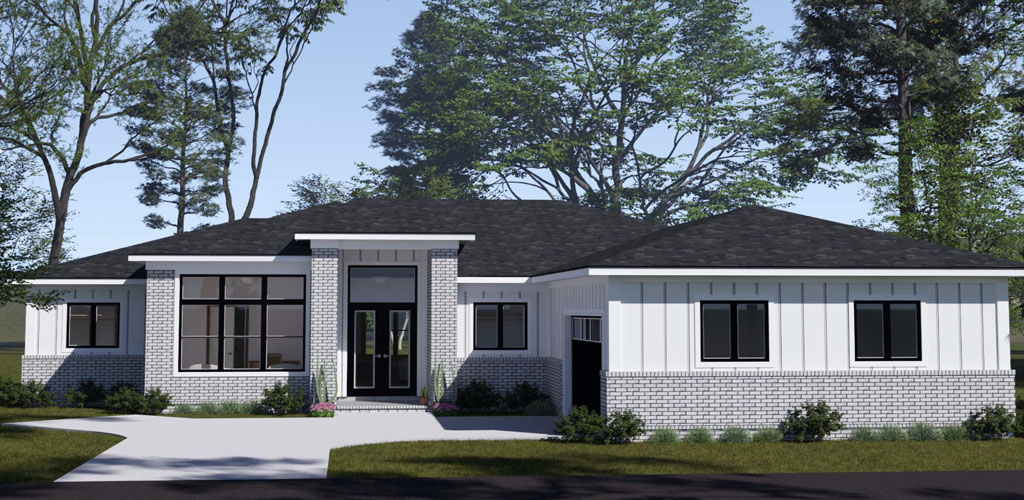
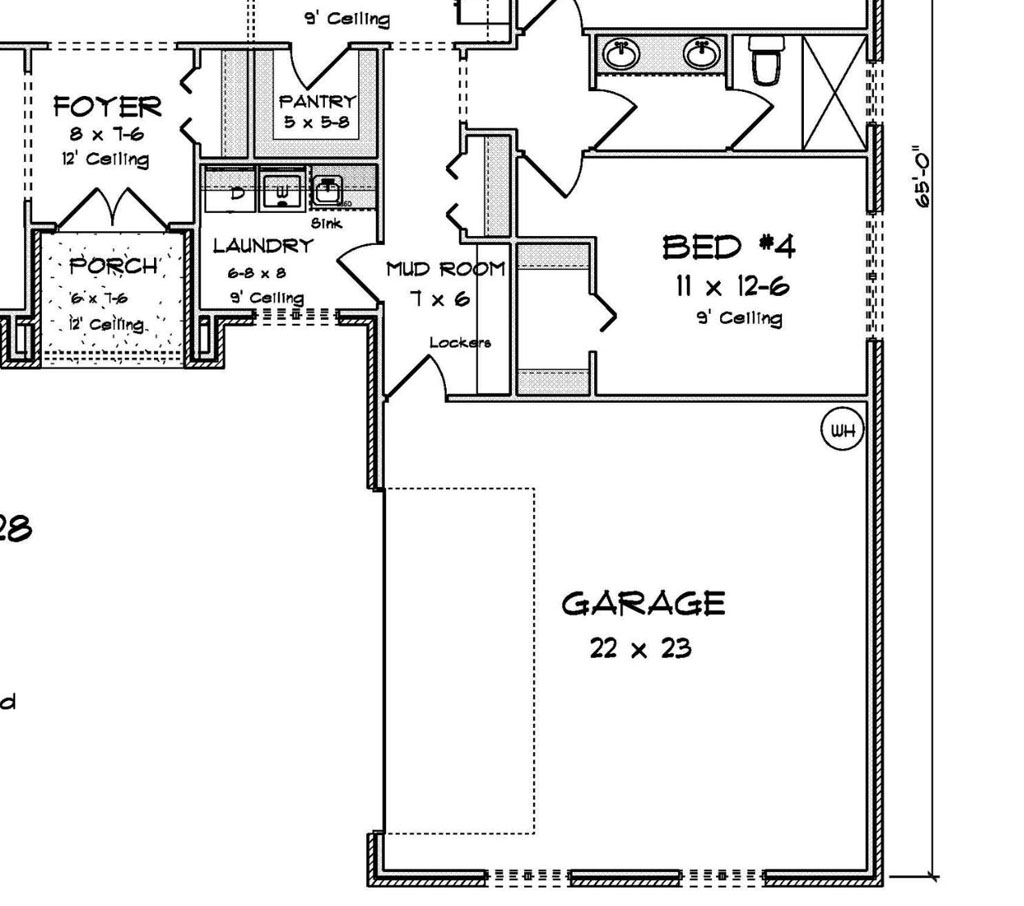
    It’s easy to get caught up in beautiful illustrations or digital renderings. But the exterior look is just one part of the overall equation. Be sure to spend time reviewing the actual floor plan layout. Ask yourself how the flow works and whether the space will live comfortably.

    10. Not Working With a Designer Who Understands Developer Needs

    Finally, many developers miss out by not partnering with a design team that knows what it takes to bring a project to market. From code compliance to construction efficiency, working with a firm that’s developer-friendly makes a big difference. At W.L. Martin Home Designs, we specialize in small to mid-size homes built for production — and we’re always available to answer questions and offer expert advice.

    Final Thoughts

    Avoiding these common mistakes can save time, money, and a lot of unnecessary stress. Whether you’re planning a small cluster of homes or managing multiple development phases, the house plans you choose set the tone for your entire build. Take the time to evaluate each design from both a buyer’s and a builder’s perspective.

    Looking for smart, build-ready house plans between 400 and 2,500+ square feet? Explore our collection at wlmartinhomes.com, or reach out to our team for recommendations tailored to your project goals. We’re here to help you build better from the ground up.

  • Clever Storage Options to Consider in 1,000–2,600 Sq. Ft. Home Designs

    Clever Storage Options to Consider in 1,000–2,600 Sq. Ft. Home Designs

    When it comes to homes in the 1,000 to 2,600 square foot range, smart storage isn’t just a nice-to-have feature—it’s essential. With limited space compared to larger custom homes, making the most of every square foot can significantly improve livability, organization, and long-term value. For developers and builders working on communities with compact to mid-size homes, incorporating thoughtful storage options from the planning phase can make the difference between a home that simply looks good on paper and one that actually lives well day-to-day.

    According to a recent study by the National Association of Home Builders (NAHB), over 65% of homebuyers consider storage space one of their top five priorities when purchasing a home. More than half said they would give up a larger yard or even a formal dining room if it meant gaining better storage features inside. That’s an important insight for anyone looking to build homes that sell faster and retain buyer satisfaction.

    At W.L. Martin Home Designs, we crafting plans that are not only stylish and functional but also exceptionally efficient in how they use space. Many of our home designs, even in the smaller 1,000 square foot range, include clever built-ins, flex rooms, and other thoughtful features that help homeowners stay organized and reduce their dependence on off-site storage.

    Built-In Solutions for Better Everyday Living

    Built-ins are a game-changer in homes under 2,600 square feet. Instead of relying entirely on furniture that takes up valuable floor space, built-ins maximize vertical and underutilized areas. For example, built-in bookcases that frame a fireplace or line a hallway can offer much-needed storage without taking up additional square footage. In smaller kitchens, built-in pantry walls or floor-to-ceiling cabinetry can help homeowners avoid cluttered countertops and keep things within easy reach.

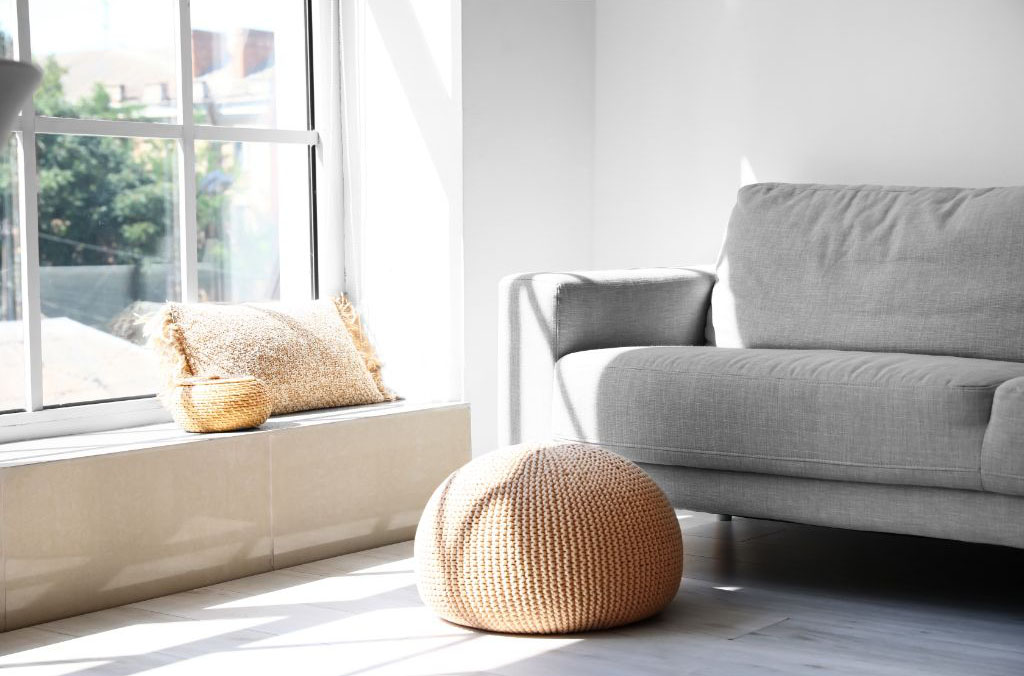
    Many W.L. Martin Home Designs floor plans take these ideas a step further by integrating storage nooks beneath staircases, mudroom lockers for everyday drop zones, and window seats that double as hidden storage. These elements give homeowners practical storage without compromising design.

    Flex Spaces That Work Overtime

    Flex rooms have become an increasingly common request, especially in homes between 1,500 and 2,500 square feet. These multipurpose rooms can serve as guest bedrooms, home offices, playrooms, or even mini gyms. But beyond their versatility, they also offer opportunities for integrated storage.

    A flex room with wall-to-wall cabinetry or even just strategically placed closets can serve dual purposes as an office and organized storage area. In W.L. Martin Home Designs’ plans, many flex rooms are conveniently located, making them ideal for use as both functional rooms and smart storage zones.

    Making the Most of Laundry and Utility Areas

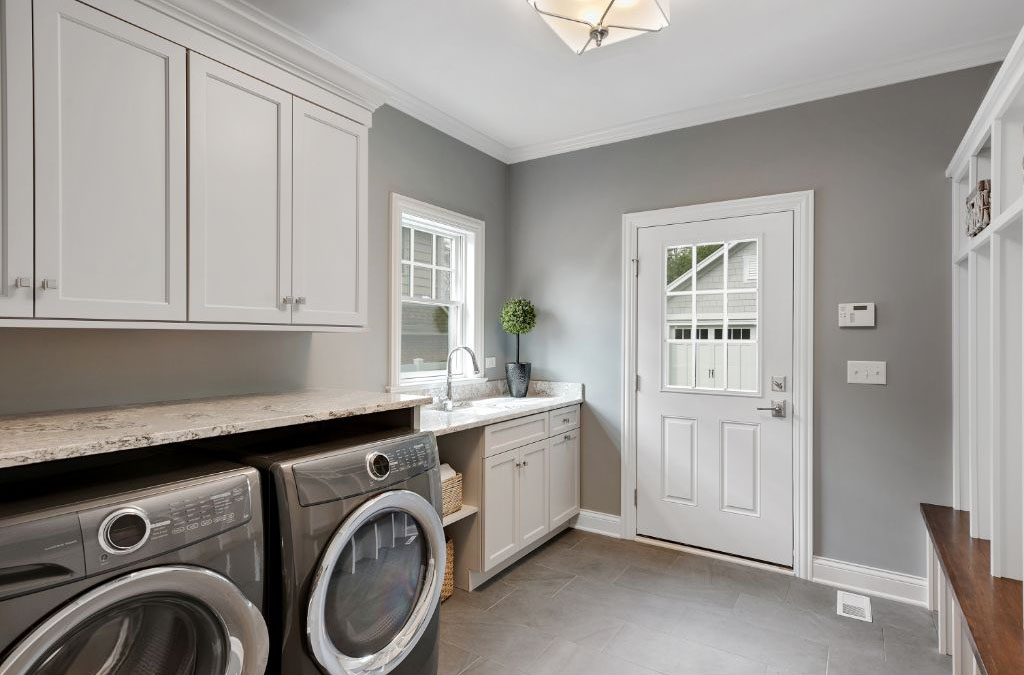
    Laundry rooms are often overlooked, but they can pack a powerful punch in terms of storage potential. In many W.L. Martin Home Designs plans, the laundry or utility room isn’t just a washer-dryer closet. It’s a space with upper cabinets, shelving, and often a bench with hooks and cubbies, creating a combination of laundry zone and family command center.

    Homeowners appreciate when these spaces are designed with workflow in mind. A laundry room that includes an area for sorting, folding, and storing supplies keeps the chaos contained—and makes daily chores feel less like a burden. These rooms can also be combined with mudrooms to save space and increase functionality, especially in smaller homes.

    Attics, Garages, and Beyond

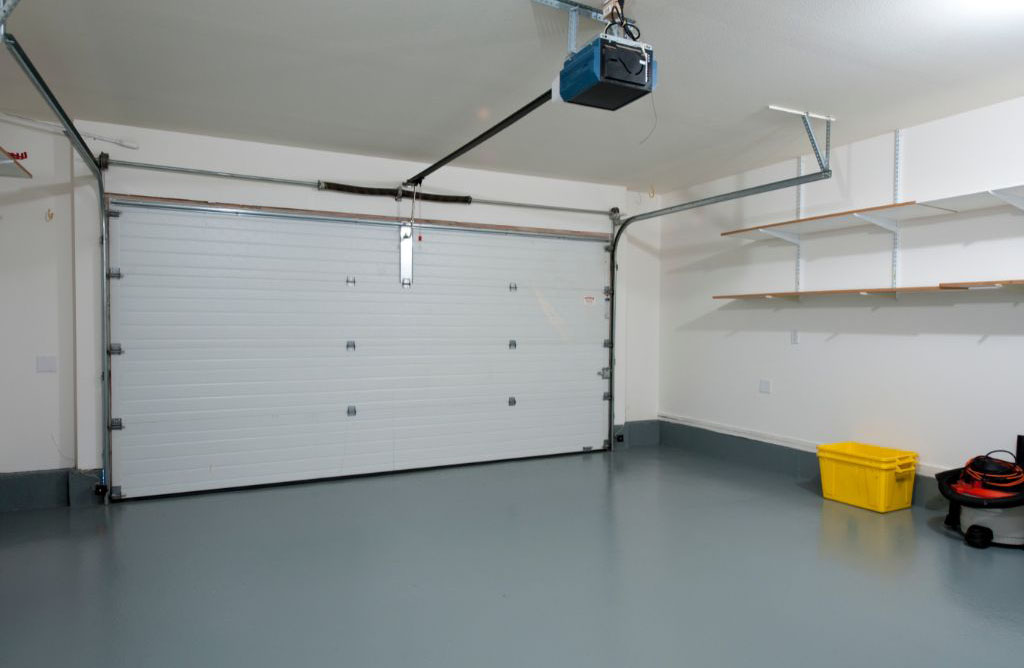
    For homes with attached garages, there’s untapped potential in overhead storage and built-in wall systems. Overhead racks, cabinets, and even mezzanine platforms can give homeowners room to store tools, holiday décor, or off-season gear without sacrificing floor space.

    In single-story homes where attic access is feasible, including pull-down attic stairs or even a small finished attic space can provide significant value. According to a report by Zillow, homes that include “ample storage” in their listing description sold on average five days faster and for 3% more than homes without that keyword.

    W.L. Martin Home Designs takes this insight seriously, often including versatility in garage layouts, attic access points, and loft areas in our plans that are under 2,600 square feet. These features help reduce the need for external storage units, which, according to the Self-Storage Association, cost the average American between $100 and $200 per month.

    Underappreciated Areas: Hallways, Corners, and More

    Even transitional spaces like hallways can serve a storage purpose. Narrow built-in cabinets, recessed shelving, or cubbies near secondary bedrooms help maximize every inch. Corner pantries in kitchens or corner shelving in living spaces offer unique ways to improve storage without disrupting flow or furniture placement.

    W.L. Martin Home Designs often includes oversized closets in secondary bedrooms and linen storage in multiple locations throughout the home, not just in the master suite. These details are small in scale but big in impact, especially in homes where space is at a premium.

    Smarter Design from the Start

    Ultimately, the key to better storage in homes between 1,000 and 2,600 square feet lies in intentional planning. It’s not just about square footage—it’s about how that square footage is used. By starting with a home plan that already incorporates smart storage solutions, builders and developers can offer a more livable product to their buyers without needing major custom changes down the line.

    At W.L. Martin Home Designs, we design our plans with today’s homeowners in mind, focusing on livability, functionality, and long-term value. Our extensive catalog includes options with built-ins, flex rooms, garage storage enhancements, and utility areas that offer true multi-use capability, which are all designed to help homeowners make the most of their space and avoid the hassle and cost of off-site storage.

    If you’re a developer looking to build homes that sell faster, live better, and appeal to today’s market needs, our plans offer the thoughtful solutions your buyers are already searching for.

    Explore our plan collections today to see how smart storage can be seamlessly integrated into your next project.

vaycasinovaycasinothailand digital arrival cardprimebahishacklinkmilbetalgototohttps://algototo.digital/nobartvjudi bolaslot gacordepo 5kslot gacordeposit 5000slot onlineslot online link 5k deposit slot tanpa potongan agb99 deposit 5k deposit 5k dana slot danacasibomcasibom girişpadişahbetbetwoonnitrobahissonbahisgrandpashabetvegabetcasino levantholiganbetholiganbet girişholiganbet güncelholiganbet güncel girişmatbet girişmatbet güncelmatbet güncel girişmilosbetbetofficetimebetcratosroyalbetcratosroyalbet girişcratosroyalbet güncelcratosroyalbet güncel girişcasinolevantcasino levantholiganbet güncelholiganbet güncel girişholiganbet güncel girişmatbetmatbet girişgrandpashabetultrabetenbetgalabethiltonbetpadişahbetsuratbetsüratbetbetplayatlasbetkralbetHoliganbet Girişalmanbahiswinxbetwinxbetalmanbahisholiganbetholiganbet girişmeritkingmeritking girişmeritkingmeritking girişvaycasinovaycasino girişptt kargoptt kargo takipptt kargo sorgulamaptt kargo iletişimaras kargoaras kargo takiparas kargo sorgulamaaras kargo iletişimvegabetvegabetgalabetgalabetvdcasinovdcasinovdcasinovaycasinovaycasino girişrestbetrestbet