Blog

  • Designing for Buildability: Why Simple Rooflines and Footprints Save Developers Time and Money

    Designing for Buildability: Why Simple Rooflines and Footprints Save Developers Time and Money

    When you’re selecting house plans for a new development, aesthetics are important—but smart developers know buildability is just as critical. The simpler the design, the faster and more cost-effective the construction process becomes. That’s why house plans with clean rooflines and efficient footprints aren’t just practical—they’re profitable.

    At WL Martin Home Designs, we focus on house plans that balance visual appeal with construction efficiency. In this post, we’ll break down why simpler designs are smarter for developers and back it up with real data and insights from trusted industry sources.

    1. Complex Designs Come With Complex Costs

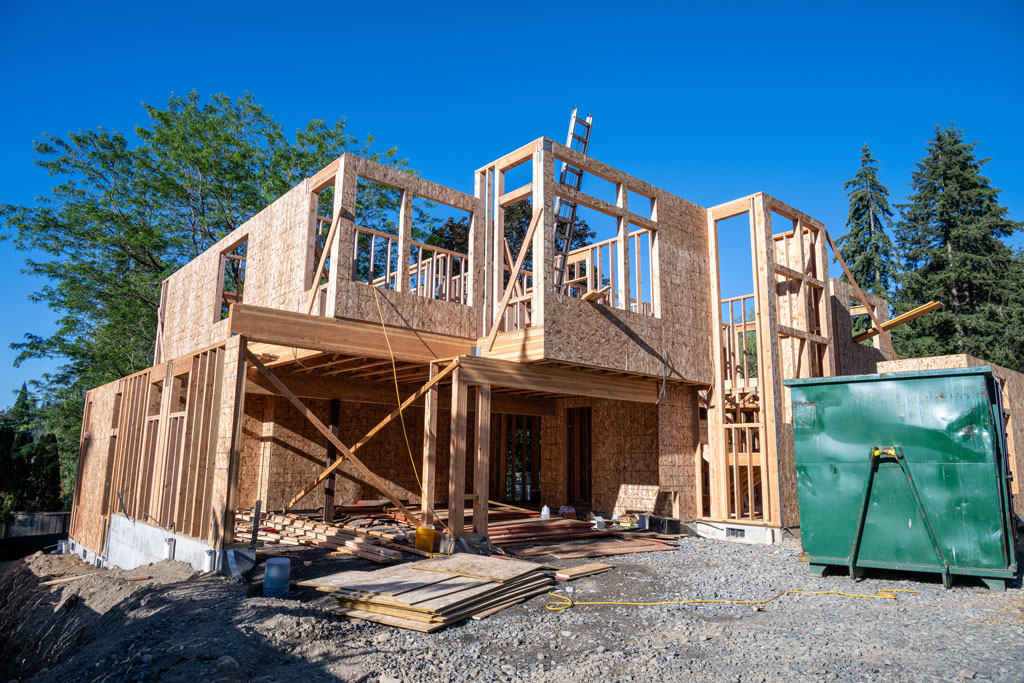
    It’s easy to get caught up in the latest design trends—multi-level roofs, bump-outs, decorative dormers—but these features can add significant time and cost to a build. According to the National Association of Home Builders (NAHB), framing and roofing make up about 33% of the total construction cost for a typical single-family home. That means added complexity in these areas can blow up your budget fast.

    A study from Builder Magazine also notes that simpler rooflines not only reduce framing labor but also minimize waste, which is a growing concern with rising material costs and supply chain unpredictability.

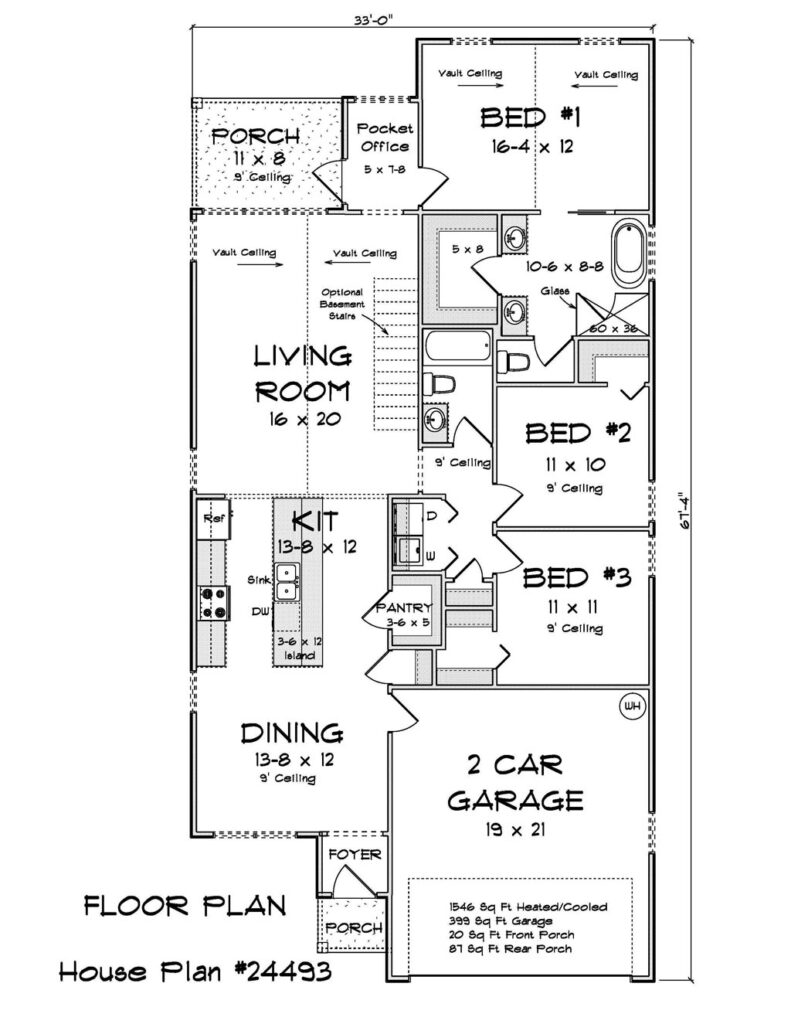
    Developer tip: Choose house plans with rectangular or square footprints and minimal roofline changes. These types of plans are faster to frame, easier to roof, and generate less construction waste—making them ideal for repeat builds in new subdivisions.

    2. Faster Builds = Faster Returns

    Time is money in construction. Every extra day a build stays open adds carrying costs—interest, insurance, and labor overhead. The Construction Management Association of America (CMAA) points out that construction delays can cost as much as $1,000 per day on average for single-family homes.

    Plans with a simple layout and fewer construction stages allow builders to move faster, hit milestones on time, and get to closing (or renting) quicker. Developers who use repeatable, build-efficient plans can significantly improve their margins.

    Developer tip: Look for WL Martin plans that prioritize streamlined building stages—like single-story homes with slab foundations and pre-engineered truss roof systems.

    3. Simpler Doesn’t Mean Boring

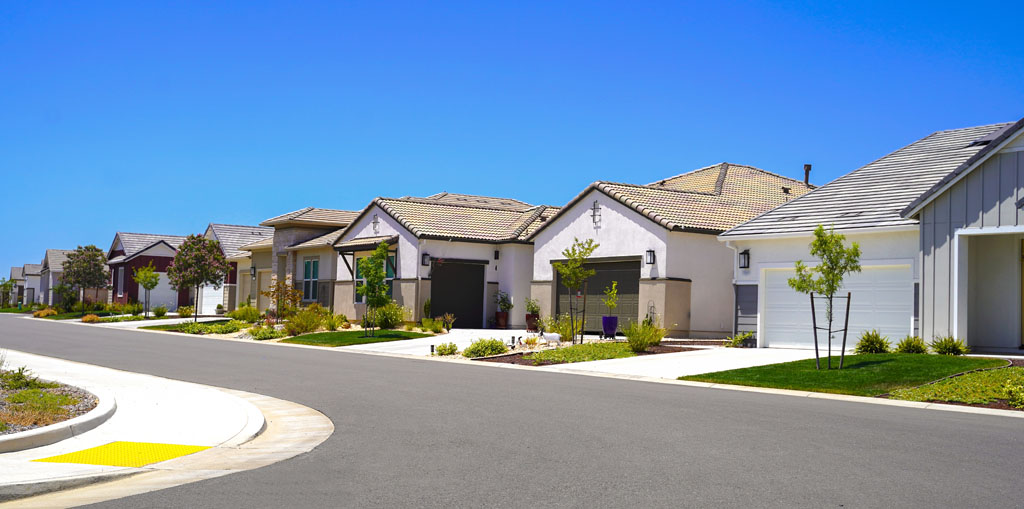
    Let’s be clear—simple doesn’t mean unattractive. In fact, some of the most appealing homes on the market today feature modest footprints and clean rooflines. Think of the classic ranch, modern farmhouse, or craftsman bungalows. These designs offer charm and curb appeal while keeping the construction process straightforward.

    At WL Martin, many of our best-selling plans under 2,000 square feet focus on symmetry, efficient layouts, and balanced exteriors. With smart material choices and color palettes, even a simple design can stand out in a crowded market.

    Developer tip: Focus on cost-effective architectural details like board-and-batten siding, gable brackets, and front porch columns to add character without complexity.

    4. Simple Plans Are Easier to Customize and Scale

    When you’re developing multiple homes in a subdivision or infill lot project, scalability matters. Simple designs make it easier to mirror or rotate the plan, swap materials, or slightly modify square footage without needing a complete redesign.

    In an NAHB survey, 67% of builders said offering multiple elevations or facade options using the same basic plan was a key strategy to maintaining both variety and efficiency in new developments.

    Developer tip: Use a single core plan with multiple front elevation styles to create variety in your development without reinventing the wheel for each lot.

    Build Smart, Build Simple

    Developers who focus on streamlined home designs gain a competitive edge—faster build times, lower costs, and easier project management. At WL Martin Home Designs, we specialize in house plans that are construction-friendly while still offering the charm and curb appeal today’s buyers are looking for.

    Ready to explore plans that are designed for real-world buildability? Browse our most builder-friendly home plans here.
  • Why Build-to-Rent Developers Are Turning to Compact House Plans in 2025

    Why Build-to-Rent Developers Are Turning to Compact House Plans in 2025

    The Build-to-Rent (BTR) market has evolved rapidly over the past few years, and 2025 is shaping up to be one of its most transformative yet. As affordability challenges continue to shape the housing market, developers across North America are capitalizing on demand for high-quality, smaller-footprint homes that are designed specifically for long-term rental. One of the smartest moves for developers entering or expanding in this space is to invest in compact house plans that are efficient, affordable to build, and easy to replicate.

    Build-to-Rent Growth: The Numbers Behind the Trend

    According to Yardi Matrix, the number of single-family rental homes delivered as part of BTR communities grew by more than 40% in 2023, with projections estimating more than 180,000 BTR units will be built nationwide by the end of 2025. Much of this growth is fueled by investors and developers responding to renter demand for the feel of a single-family home without the long-term financial commitment of ownership.

    Compact house plans—ranging from about 1,000 to 1,800 square feet—are becoming the sweet spot for these communities. These floor plans offer enough space for renters seeking more privacy and functionality than an apartment, while remaining efficient for builders to construct quickly and affordably.

    Why Compact Homes Work for BTR

    Smaller homes allow developers to maximize density on land parcels, which is especially important as land prices remain high in many fast-growing suburban areas. Another key driver behind the popularity of compact plans in the BTR space is maintenance. From HVAC systems to roofing, smaller homes come with fewer components to maintain and repair. That’s a significant advantage for developers managing dozens—or even hundreds—of homes in a single community.

    Energy efficiency is also a major factor. Smaller homes generally mean lower utility costs, which appeals to environmentally conscious renters and helps developers market the sustainability of their communities. Compact homes are also faster to build, which reduces labor and holding costs for builders working at scale.

    The Shift Toward Simplicity and Efficiency

    The National Association of Home Builders (NAHB) reports that the average size of new single-family homes has been declining slightly since the height of the pandemic, signaling a continued interest in smaller homes that meet practical needs without excess square footage. Many renters—especially Millennials and Gen Z—prioritize layout and livability over size. Open-concept living areas, flex spaces for working from home, and well-integrated storage solutions are all top priorities, and these features can be achieved within plans under 2,000 square feet.

    House Plans Designed for Repeat Builds

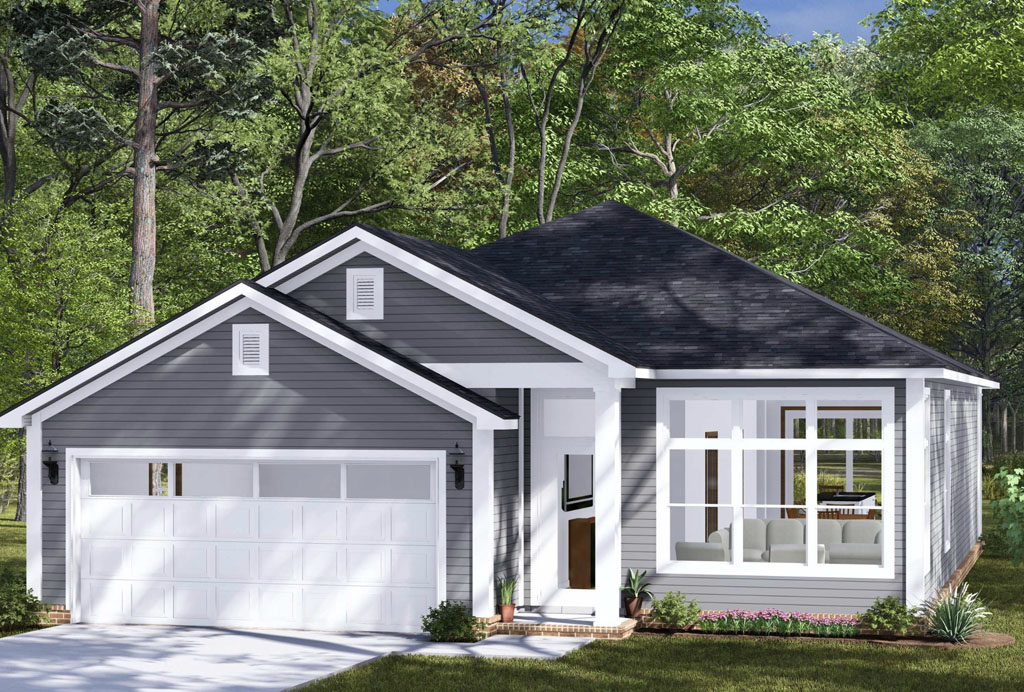
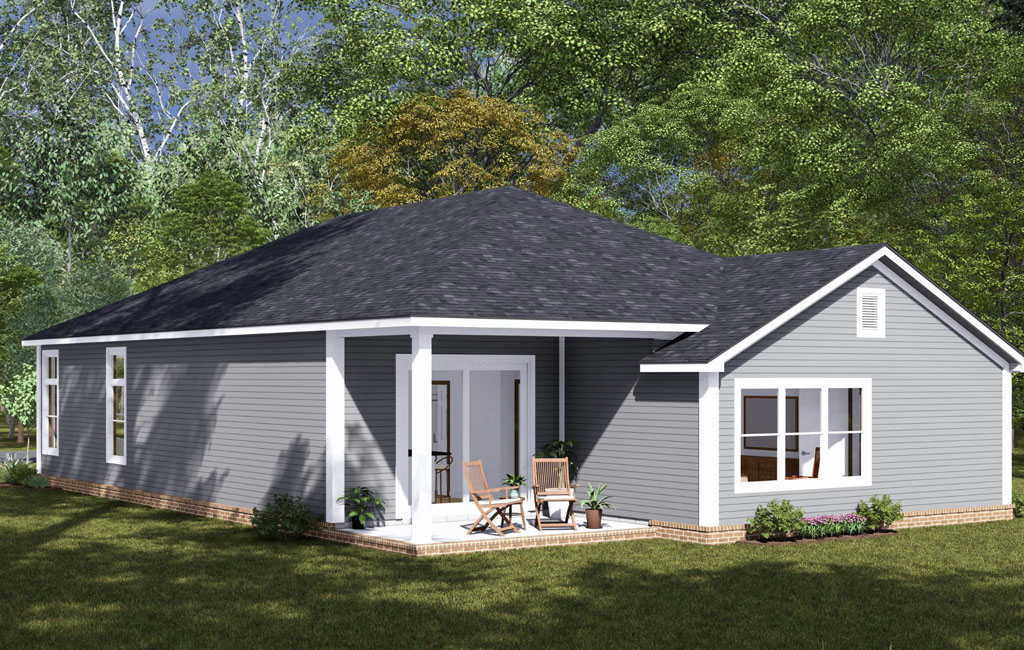
    At WL Martin, we’ve seen a notable increase in developers requesting house plans specifically suited for BTR communities. Many are looking for designs that can be built multiple times with minimal changes, simplifying permitting and construction timelines. Features like slab foundations, simple rooflines, and efficient layouts make our plans ideal for the scale and speed that BTR developments require.
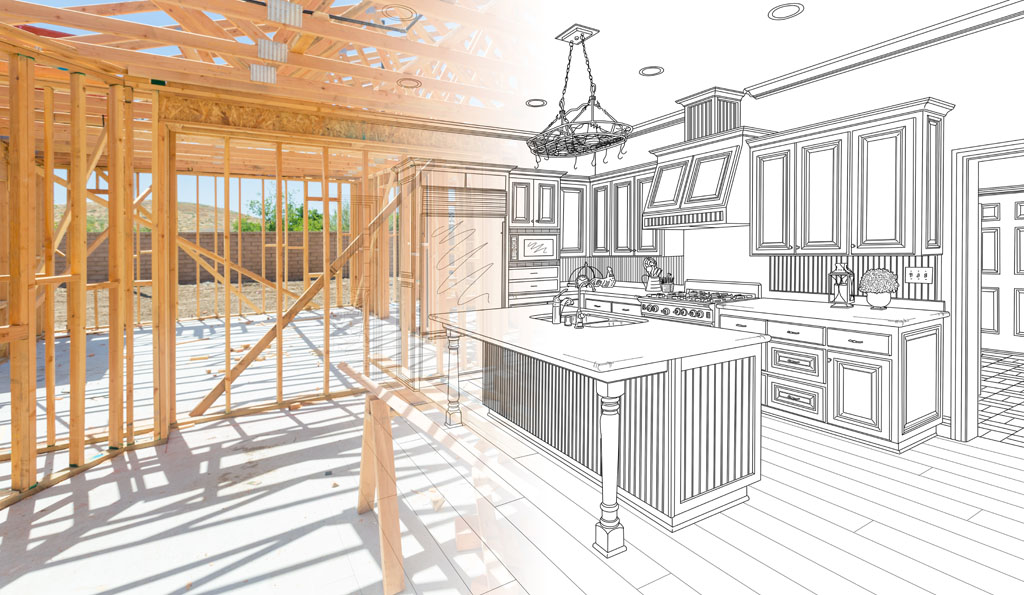
    For developers looking to include compact or even micro-homes in a rental mix, our Tiny Home Plans are standout options. Many of the tiny home plans offer smart space usage with a full kitchen, living area, and private bedroom—all in a footprint perfect for dense, cost-effective BTR layouts.

    Compact Doesn’t Mean Compromise

    Build-to-Rent is no longer a niche—it’s a long-term strategy that’s changing the residential development landscape. As more investors and developers enter this space, the demand for versatile, buildable, and renter-friendly home designs will only increase. Choosing the right house plan is a foundational step, and for BTR, compact doesn’t mean compromise—it means opportunity.

    Looking for house plans tailored for BTR communities? Explore our collection of homes under 2,000 square feet designed with efficiency, style, and repeat builds in mind.

  • Is It a Buyer’s or Seller’s Market in 2025? Zillow’s Latest Housing Market Analysis Has Some Surprises

    Is It a Buyer’s or Seller’s Market in 2025? Zillow’s Latest Housing Market Analysis Has Some Surprises

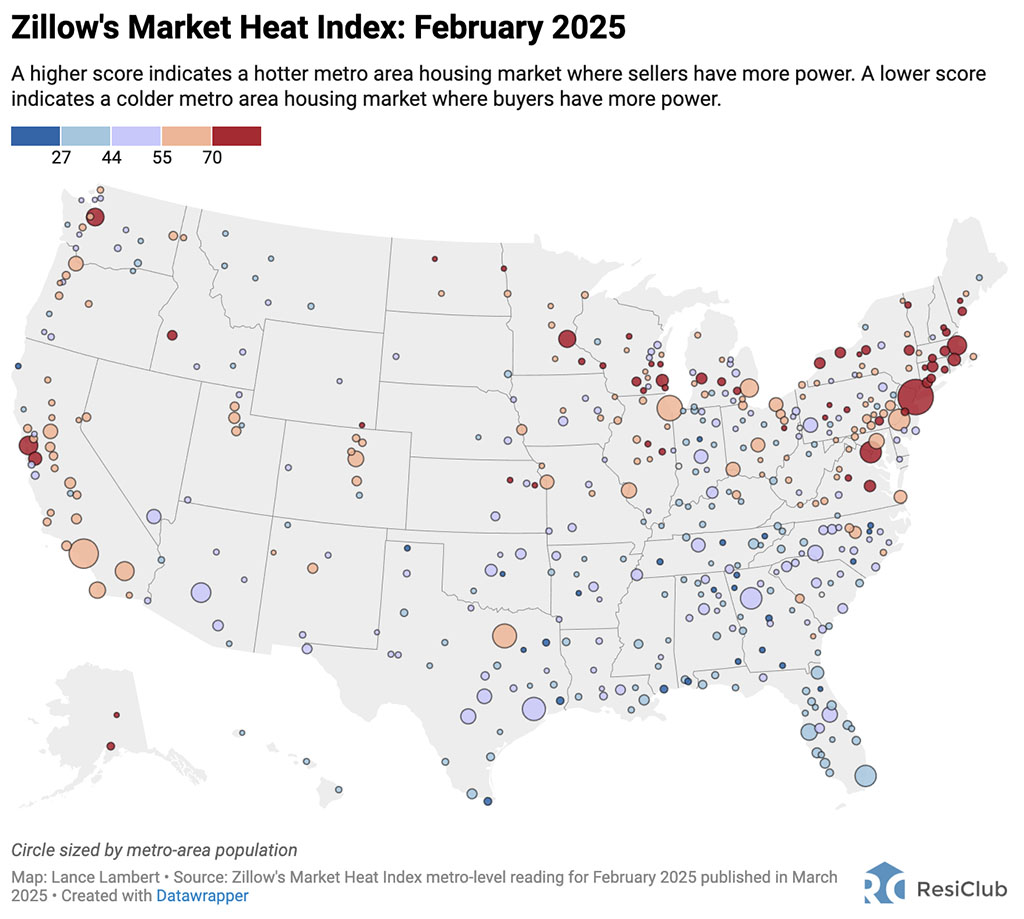
    At W.L. Martin Homes, we’re always watching the housing market closely—especially because so many of our clients are developers who need to make smart investments in both timing and location. Zillow’s latest report for February 2025 offers a fresh look at where buyers and sellers hold the most leverage right now, using its proprietary Zillow Market Heat Index, and the findings could help guide your next build or purchase.

    Let’s break it down and look at what this means for developers in 2025.

    Zillow’s Market Heat Index: A Quick Refresher

    Zillow’s Market Heat Index evaluates over 250 metro areas in the U.S. and ranks each market based on several data points: inventory levels, days on market, buyer demand, and home price changes.

    A score of 70 or higher means it’s a strong sellers market. A score of 27 or lower is considered a strong buyers market. Nationally, the U.S. sits at 54, putting us in neutral territory—not exactly favoring buyers or sellers as a whole.

    Top 10 Hottest Housing Markets (Seller’s Paradise)

    According to Zillow, here are the metro areas where sellers currently have the upper hand:

    1. Rochester, NY – 169
    2. Buffalo, NY – 113
    3. San Jose, CA – 112
    4. San Francisco, CA – 105
    5. Syracuse, NY – 99
    6. Hartford, CT – 95
    7. Ann Arbor, MI – 90
    8. Boston, MA – 89
    9. Bridgeport, CT – 89
    10. Seattle, WA – 86

    These markets have limited inventory, fast-moving listings, and sustained demand. For developers building in these areas, there’s a real opportunity to command higher prices—especially with modern, efficient home plans that appeal to today’s buyers.

    Top 10 Coldest Housing Markets (Buyer’s Advantage)

    Now, here’s where buyers are calling the shots:

    1. Jackson, TN – 9
    2. Gulfport, MS – 18
    3. Macon, GA – 23
    4. Daphne, AL – 25
    5. Brownsville, TX – 26
    6. Beaumont, TX – 26
    7. Longview, TX – 26
    8. Naples, FL – 28
    9. Punta Gorda, FL – 30
    10. Panama City, FL – 30

    Many of these cold markets are in the Gulf Coast and parts of Texas and Florida, with a particular softness in Southwest Florida. Oversupply, slower buyer activity, and longer days on market all contribute to downward pressure on prices. For developers looking to secure land or existing inventory at a lower cost, these regions may offer attractive entry points for long-term plays.

    What This Means for Developers Choosing House Plans

    Whether you’re building in a hot or cold market, the right house plan can make all the difference in how quickly a property sells and what kind of return you can expect.

    Here are a few key takeaways:

    Hot Markets: Focus on quick-to-build, in-demand plans. Think modern designs with curb appeal, functional layouts, and energy-efficient features. In a seller’s market, buyers are competing—so small touches that elevate your build can drive up price points.
    Cold Markets: Affordability and flexibility are key. Consider plans under 1,800 square feet with open-concept designs, optional garages or bonus rooms, and strong resale appeal. Buyers in these markets are more selective, so efficiency matters.

    At W.L. Martin Homes, we offer house plans ranging from 400 to 4,000 square feet, ideal for developers operating in diverse market conditions. From charming cottages to compact modern homes to multi-family investment builds, we’re here to help you match the right plan to your market.

    Timing and Location Still Rule the Game

    Zillow’s data is clear: the market is shifting, but opportunity still exists—especially for developers who are tuned in to local conditions. Whether you’re eyeing Rochester for your next build or looking to make a smart play in Southwest Florida, we’ve got the house plans to help make your project a success.

    Ready to explore your next build?

    Browse our best-selling house plans here or contact us for help choosing the right design for your market.

  • Building on a Budget: Affordable House Plans Don’t Have to Sacrifice Style

    Building on a Budget: Affordable House Plans Don’t Have to Sacrifice Style

    In today’s housing market, affordability is at the forefront of nearly every conversation—especially for developers who are trying to balance rising construction costs with growing buyer expectations. The good news? Building on a budget doesn’t mean compromising on style. At W.L. Martin Home Designs, we specialize in creating house plans that are not only budget-friendly but also packed with curb appeal and smart, stylish layouts that today’s buyers want.

    Affordable Doesn’t Have to Mean Basic

    One of the most common misconceptions in homebuilding is that affordability means giving up on design details, layout flexibility, or exterior charm. That’s simply not the case. With the right house plan, developers can create homes that are both cost-effective and visually appealing—without adding unnecessary square footage or expensive materials.

    W.L. Martin Home Designs offers a wide selection of thoughtfully designed home plans ranging from under 1,000 square feet up to about 2,500 square feet, making them perfect for first-time buyers, downsizers, and developers focused on affordable housing markets.

    Smart Design = Lower Costs

    What makes a house plan truly affordable isn’t just the size—it’s how smart the layout is. Open-concept floor plans, simple rooflines, and efficient use of space all contribute to a lower cost per square foot without sacrificing livability.

    For example:

    • Plans with fewer corners and complex rooflines are cheaper to build and still offer great exterior charm with the right materials and finishes.
    • Compact footprints with open living areas maximize every square foot, giving smaller homes a more spacious feel.
    • Thoughtful kitchen and bath layouts reduce plumbing costs and simplify construction.

    These are just a few of the design principles we integrate into our most popular affordable home plans.

    Popular Budget-Friendly Plans from W.L. Martin

    We’ve worked with builders across North America who need affordable housing solutions that look anything but cheap. A few popular categories on our site include:

    • Cottage-Style Plans Under 1,200 Sq. Ft. – Perfect for rental properties, guest homes, or starter homes, these designs are compact but full of charm.
    • Single-Story Ranch Plans – Straightforward construction with stylish exteriors, often under 1,500 sq. ft.
    • Modern Farmhouse Designs – A top trend with timeless appeal. We offer scaled-down versions that keep the charm but cut the construction costs.

    Each of these plans is designed with developers in mind—easy to build, customizable, and appealing to a broad range of buyers.

    Customization Options to Keep Costs in Check

    At W.L. Martin Home Designs, we understand that not every lot or budget is the same. That’s why we offer modification services to adjust plans based on your specific needs—whether that’s simplifying a roofline, adjusting square footage, or reworking a layout to reduce build time.

    We’re here to help developers get the most value from every build without sacrificing the design elements that help a home sell.

    Build Smarter with Stylish, Affordable Plans

    Affordability is more important than ever—but so is style. Buyers still want a home that feels personalized, well-designed, and comfortable. Developers want plans that are efficient to build and profitable to sell. W.L. Martin Home Designs delivers on both.

    Ready to explore house plans that offer the best of both worlds?
    Browse our collection of affordable home plans here or contact us directly to talk about your next project.

  • Best House Plans for Rental Properties & Airbnb Investments

    Best House Plans for Rental Properties & Airbnb Investments

    Investing in rental properties—whether long-term rentals or short-term Airbnb-style accommodations—requires smart house plan selection. The right design can maximize rental income, attract tenants, and keep maintenance costs low. With the short-term rental market expected to reach $207 billion by 2030 (Statista), choosing a well-designed home can give investors a competitive edge.

    Key Features of a Profitable Rental Property

    1. Compact & Functional Layouts – Smaller homes (800-1,500 sq. ft.) are cost-effective to build and easier to maintain while still offering enough space for guests or tenants.
    2. Flexible Floor Plans – Open-concept designs, multi-use spaces, and optional guest suites increase marketability.
    3. Energy Efficiency – Homes with smart thermostats, solar panels, and efficient insulation appeal to cost-conscious renters.
    4. Low-Maintenance Materials – Durable flooring, easy-to-clean surfaces, and high-quality finishes reduce long-term upkeep.
    5. Outdoor Appeal – Covered patios, balconies, or private yards boost rental value, especially for Airbnb properties.

    Top House Plan Types for Rentals

    • Studio & One-Bedroom Homes (400-800 sq. ft.) – Perfect for Airbnb and urban rentals, offering affordability and high occupancy rates.
    • Two- to Three-Bedroom Plans (1,000-1,500 sq. ft.) – Ideal for families and long-term tenants, balancing cost and rental income potential.
    • Garage Apartments & ADUs – Great for multi-use rental strategies, providing separate living spaces for guests or tenants.

    Maximizing ROI on Rental Properties

    According to AirDNA, Airbnb properties with 2-3 bedrooms tend to generate the highest revenue in most U.S. markets. Additionally, homes with unique features like lofts or outdoor entertainment spaces can charge 20-30% more per night. Developers should focus on designs that optimize livability, efficiency, and rental appeal.

    Whether you’re building a short-term vacation rental or a long-term income property, selecting the right house plan is key to success. Browse WL Martin Homes for designs that fit your investment strategy.

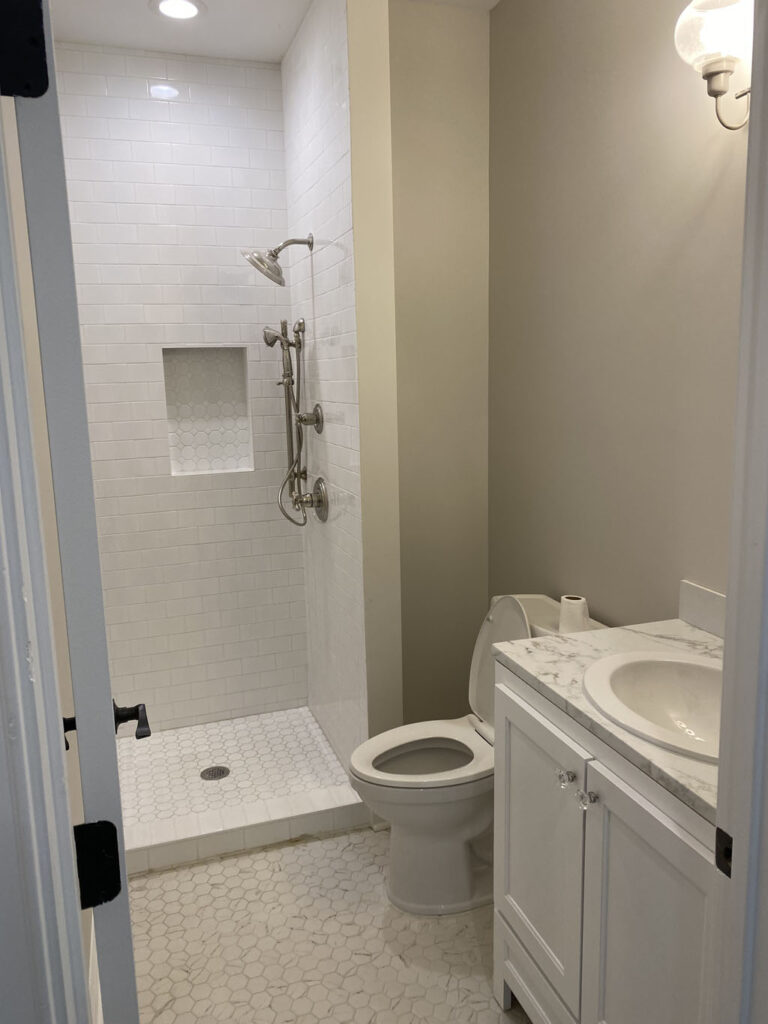
  • Farmhouse Charm Brought to Life: View Our Home Plan #24392 in Real Life

    Farmhouse Charm Brought to Life: View Our Home Plan #24392 in Real Life

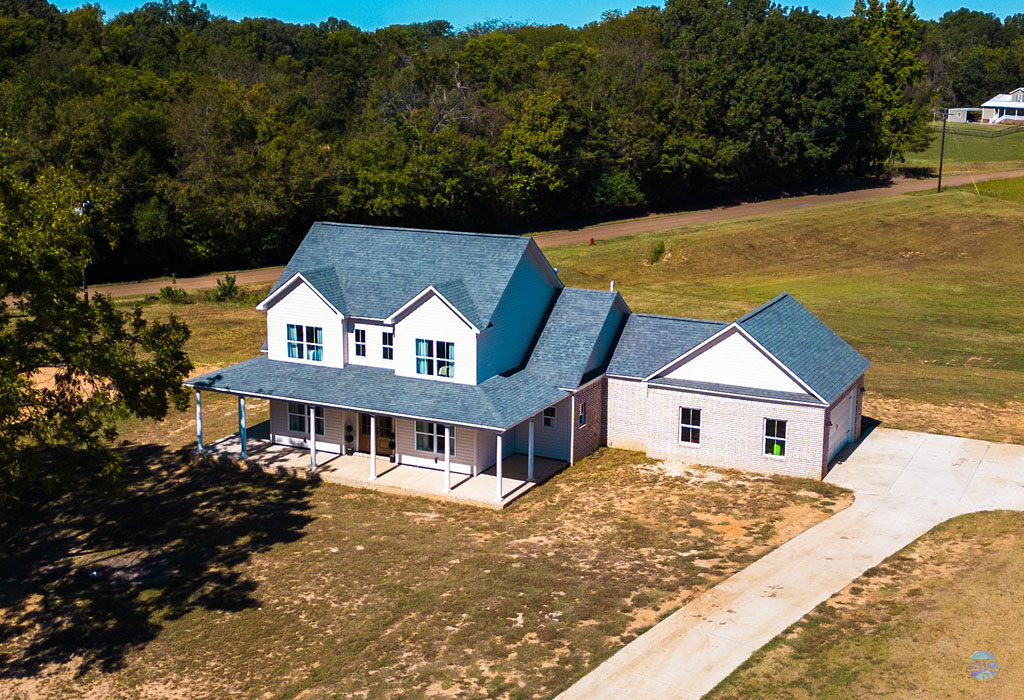
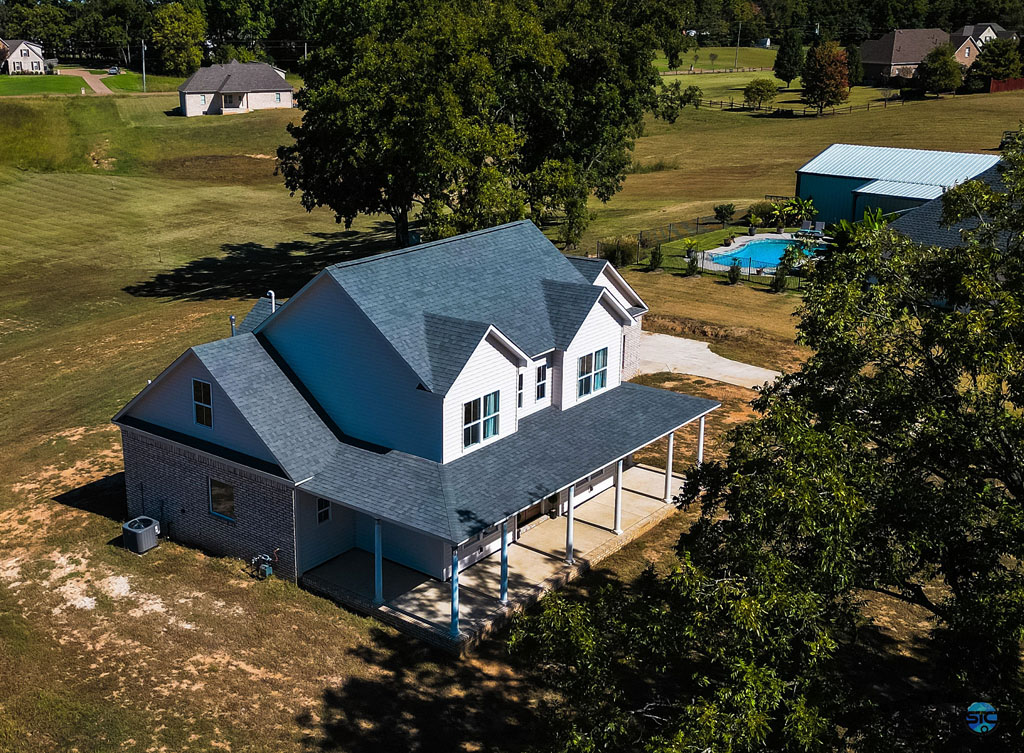
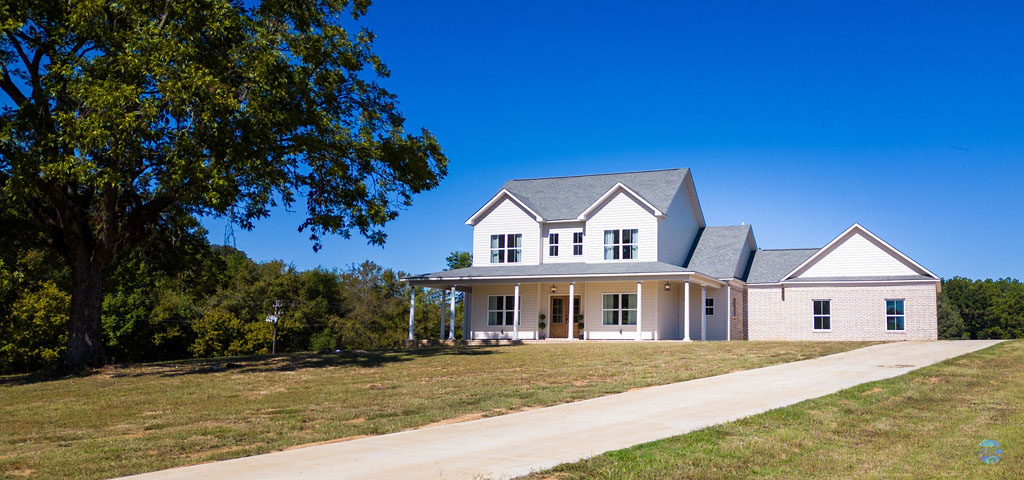
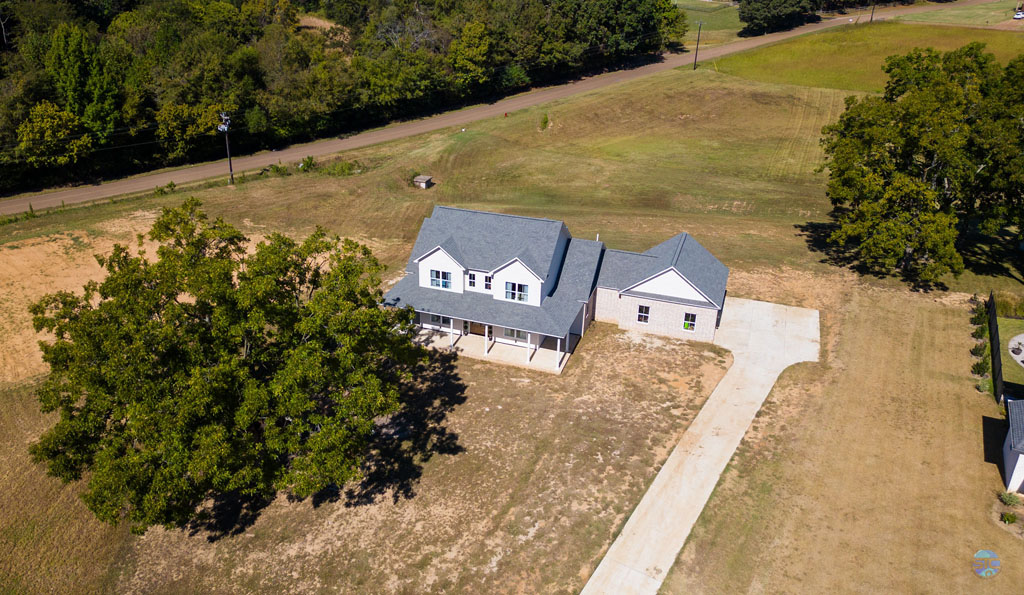
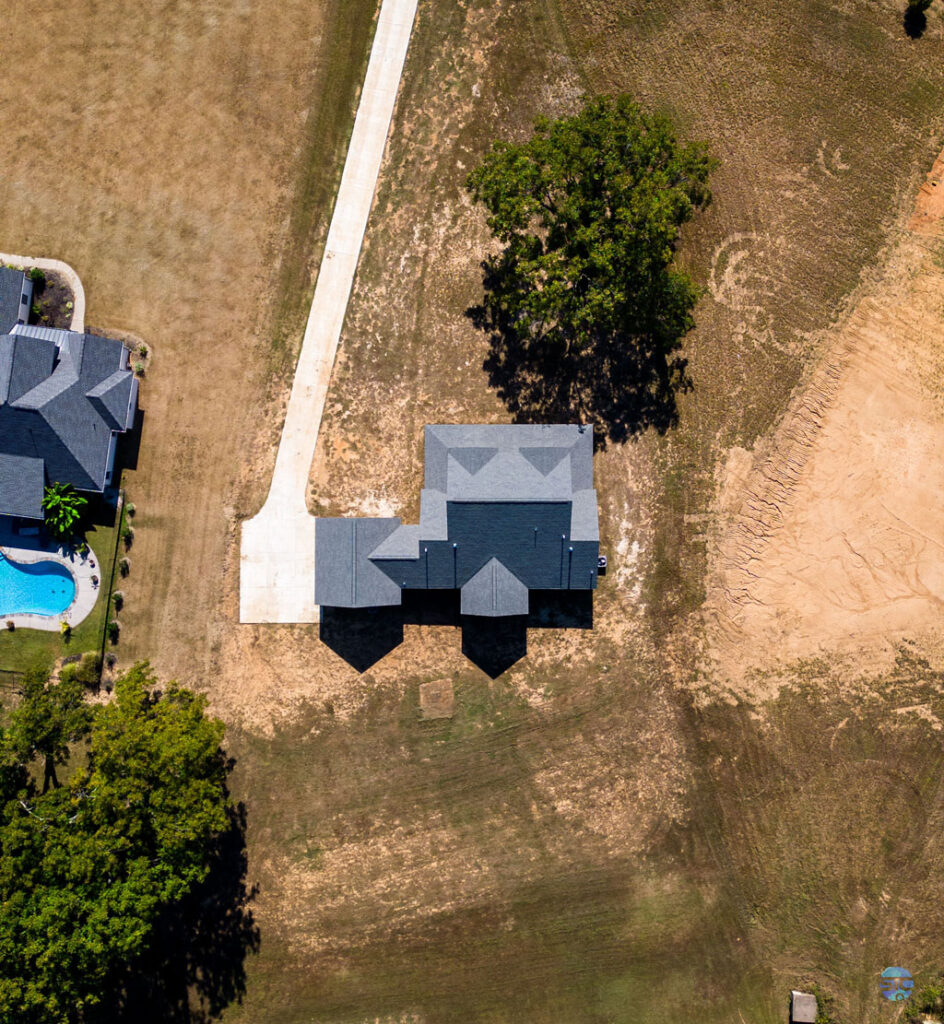
    At W.L. Martin Home Designs, we love seeing our house plans come to life, and today, we’re showcasing Plan #24392—a stunning farmhouse design that blends modern comfort with classic charm. With 1,938 square feet of beautifully designed space, this home offers both functionality and style for families, builders, and developers alike.

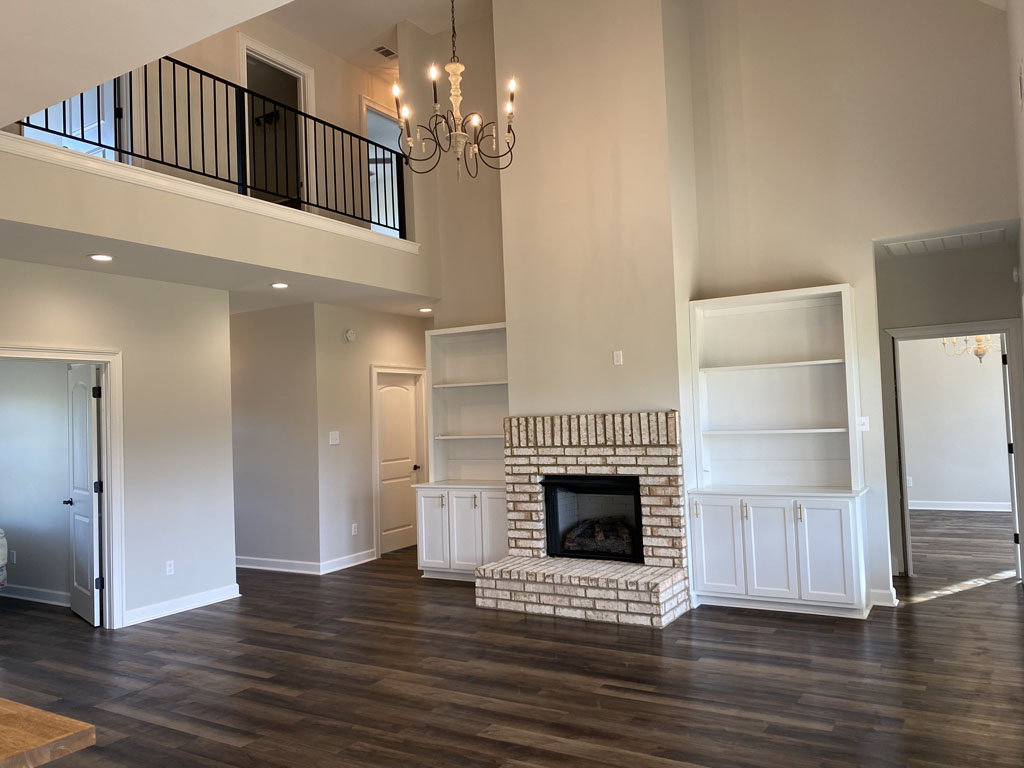
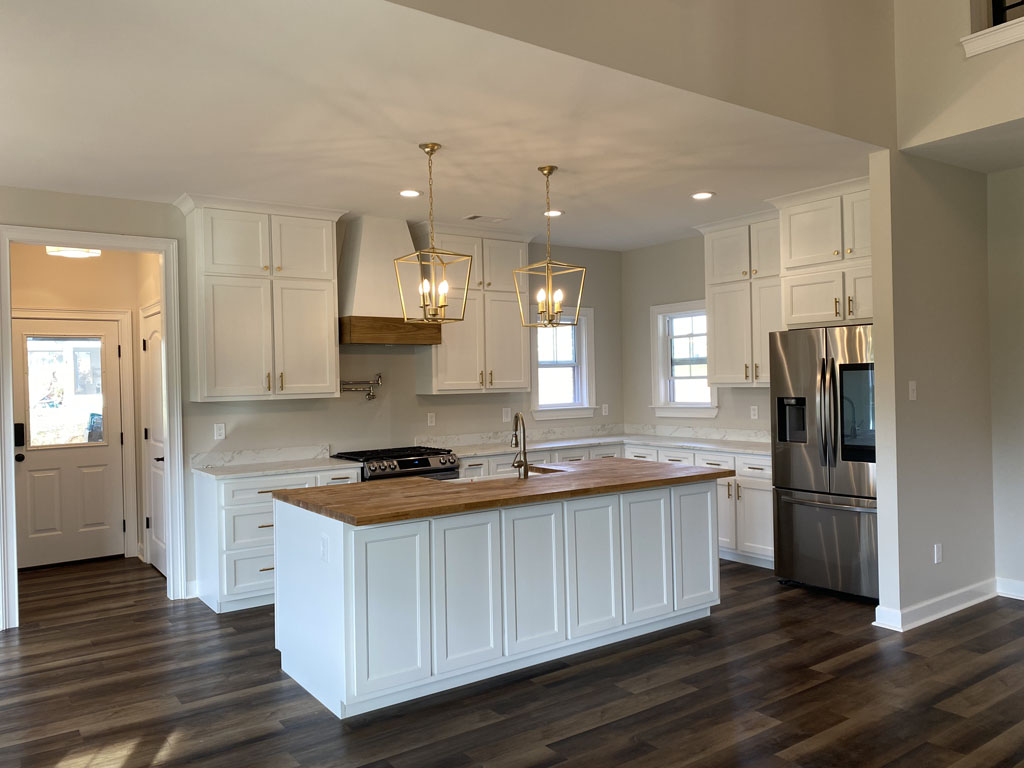
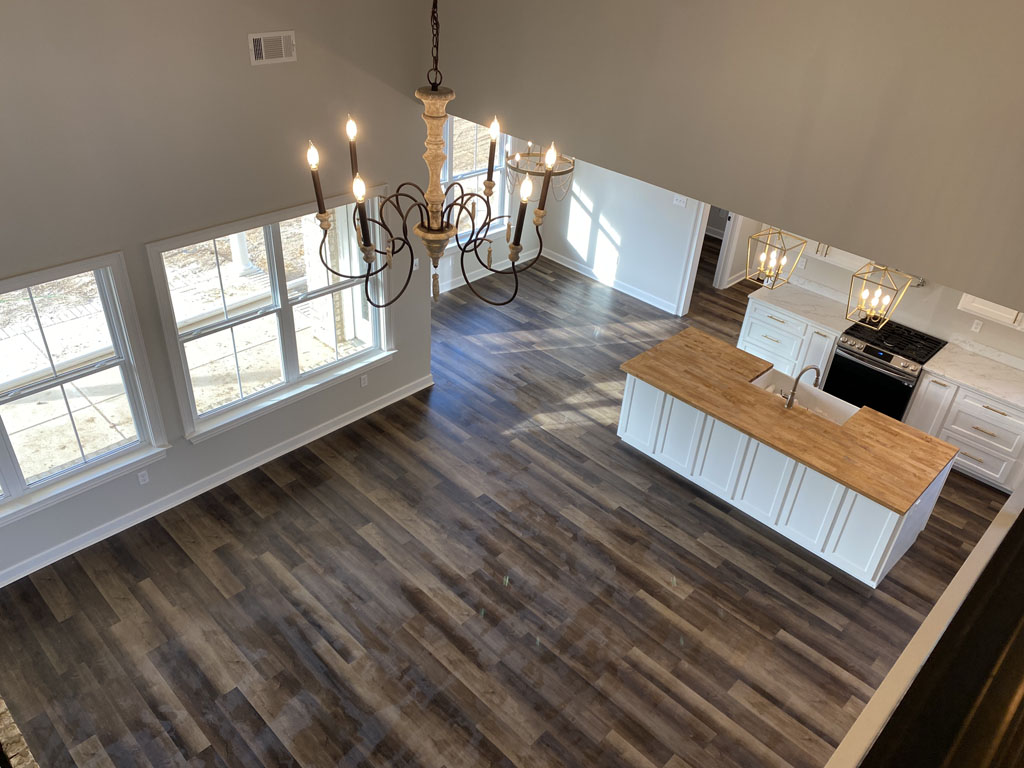
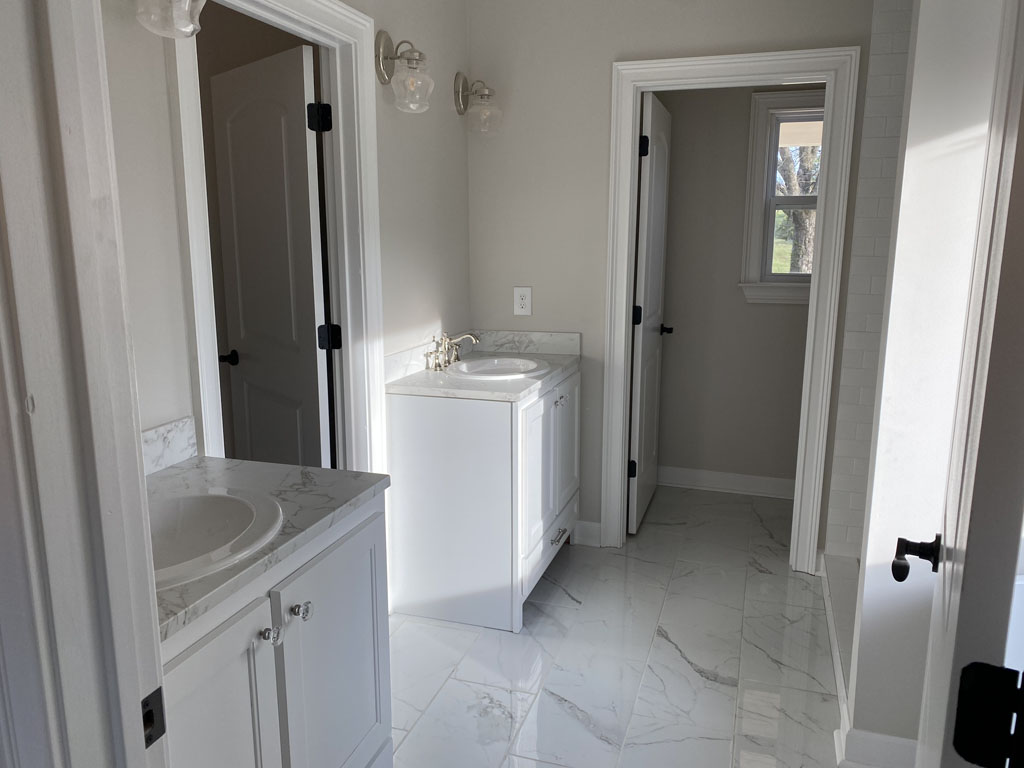
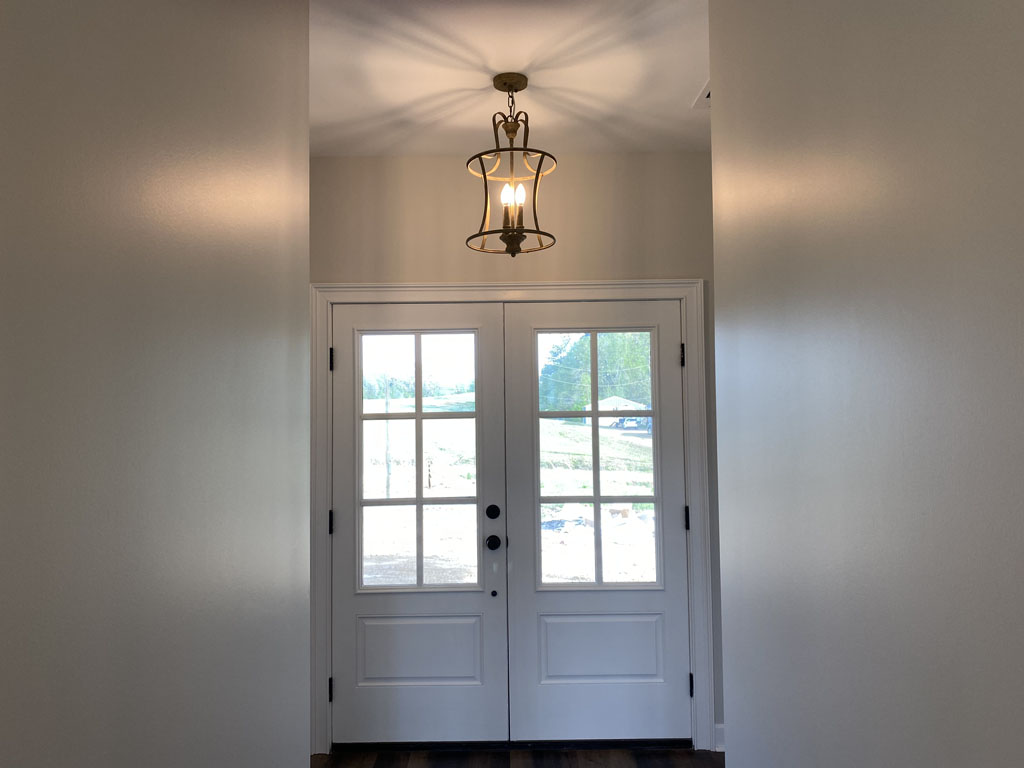
    Now that we have real-life photos of this finished home, you can truly see the creative design elements that make this farmhouse plan stand out. From its inviting open-concept living area to the carefully planned bedrooms and study, every square foot is designed for both beauty and practicality.

    A Layout That Feels Like Home

    This two-story farmhouse is designed with a thoughtful layout, ensuring that every space serves a purpose while maintaining a seamless flow.

    Main Level: 1,531 sq. ft.

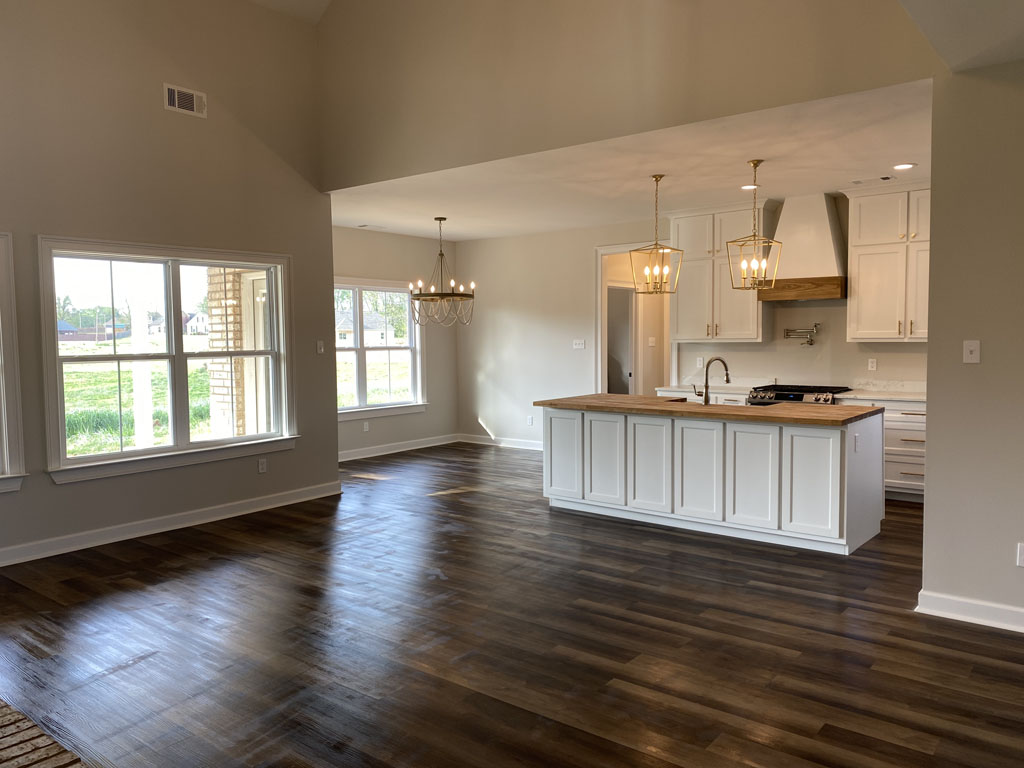
    • Expansive living room with 11-foot ceilings, creating an airy and inviting space
    • Open-concept kitchen and dining area for effortless entertaining
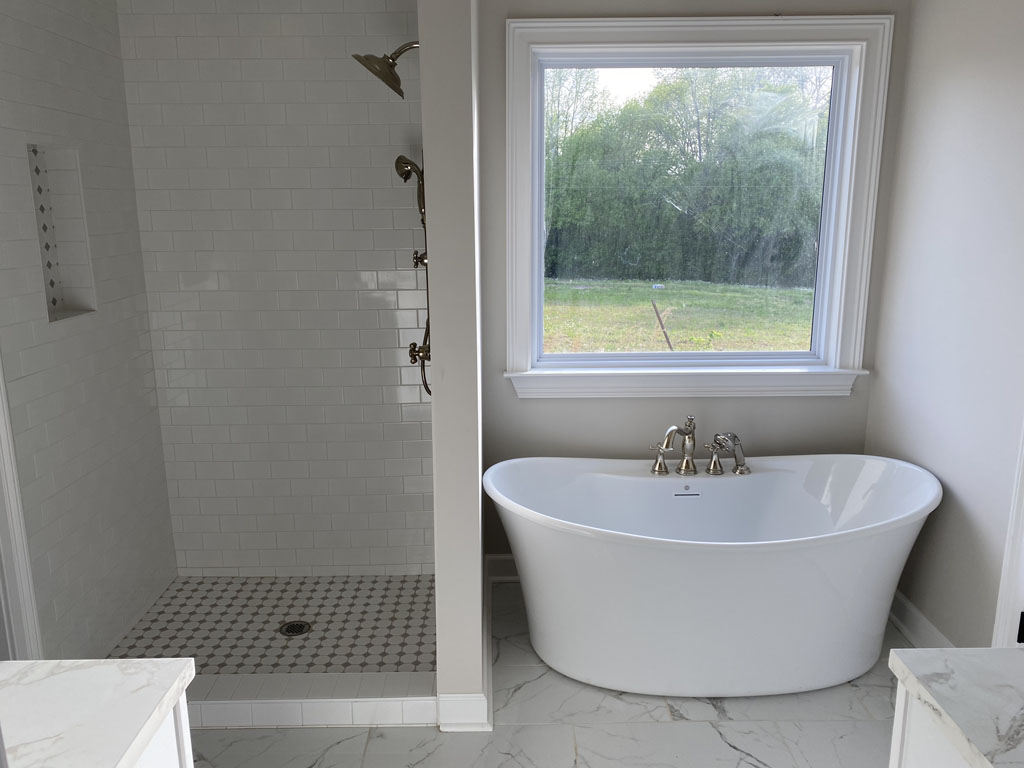
    • Owner’s suite tucked away for privacy, complete with a spacious en-suite bath
    • Two additional bedrooms and a dedicated study room
    • A third full bathroom for added convenience

    Upper Level: 407 sq. ft.

    • Two bedrooms and a full bathroom, ideal for guests, older children, or additional living space
    • Optional bonus room, perfect for a home office, playroom, or media space

    Attached Offset 2-Car Garage

    • The design includes an offset garage, enhancing the farmhouse’s curb appeal while providing practical storage and parking space.

    A Farmhouse Design with Creative Touches

    Seeing Plan #24392 in real life highlights just how much charm and functionality this home offers. Some standout features include:

    • Grand 11-foot ceilings in the living room make the space feel even larger, creating a welcoming and open atmosphere
    • Seamless indoor-outdoor flow with well-placed windows and doors allowing for plenty of natural light
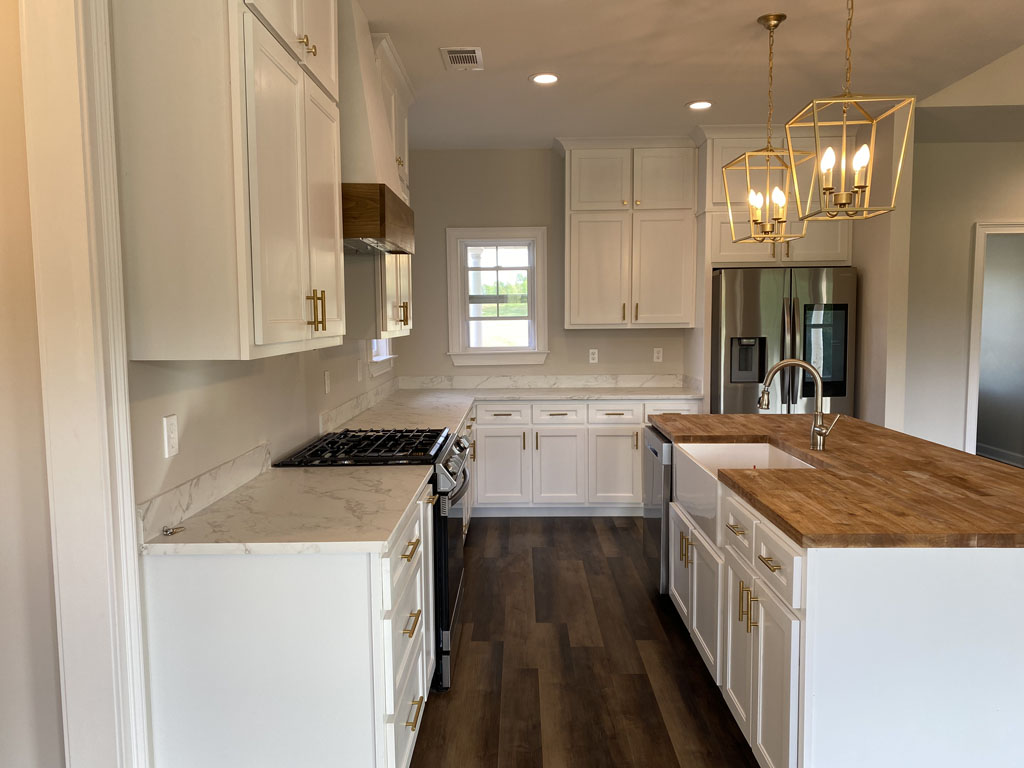
    • A kitchen made for gathering, featuring ample storage, a central island, and an easy flow into the dining and living areas
    • Flexible living spaces, with an optional bonus room upstairs allowing homeowners to customize the space based on their needs—whether that’s a home office, a playroom, or extra guest space
    • Offset garage for enhanced curb appeal while maintaining the classic farmhouse aesthetic

    Why Developers and Homeowners Love This Plan

    Plan #24392 is a versatile design that works well for families and developers alike. Its efficient use of space, timeless farmhouse style, and modern open-concept layout make it a fantastic choice for a variety of buyers. The optional bonus room adds an extra layer of customization, giving homeowners more flexibility.

    Whether you’re a developer looking for a proven plan to build or a homeowner searching for the perfect farmhouse design, this plan delivers style, comfort, and practicality in every square foot.

    See the Real-Life Photos of Plan #24392

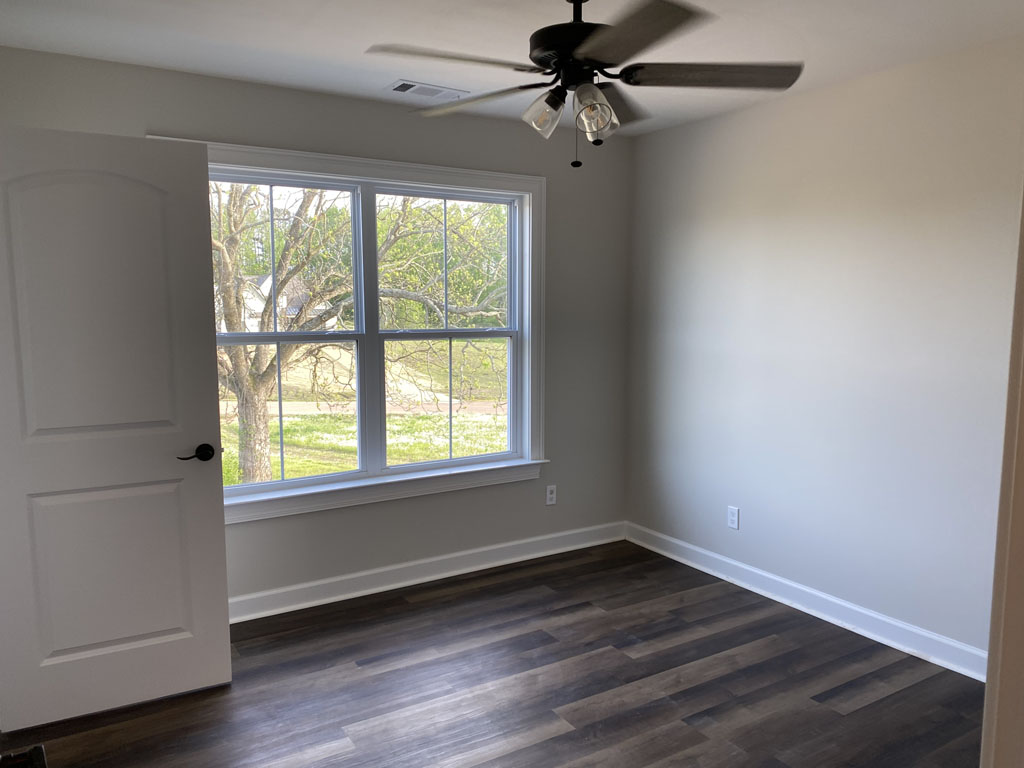
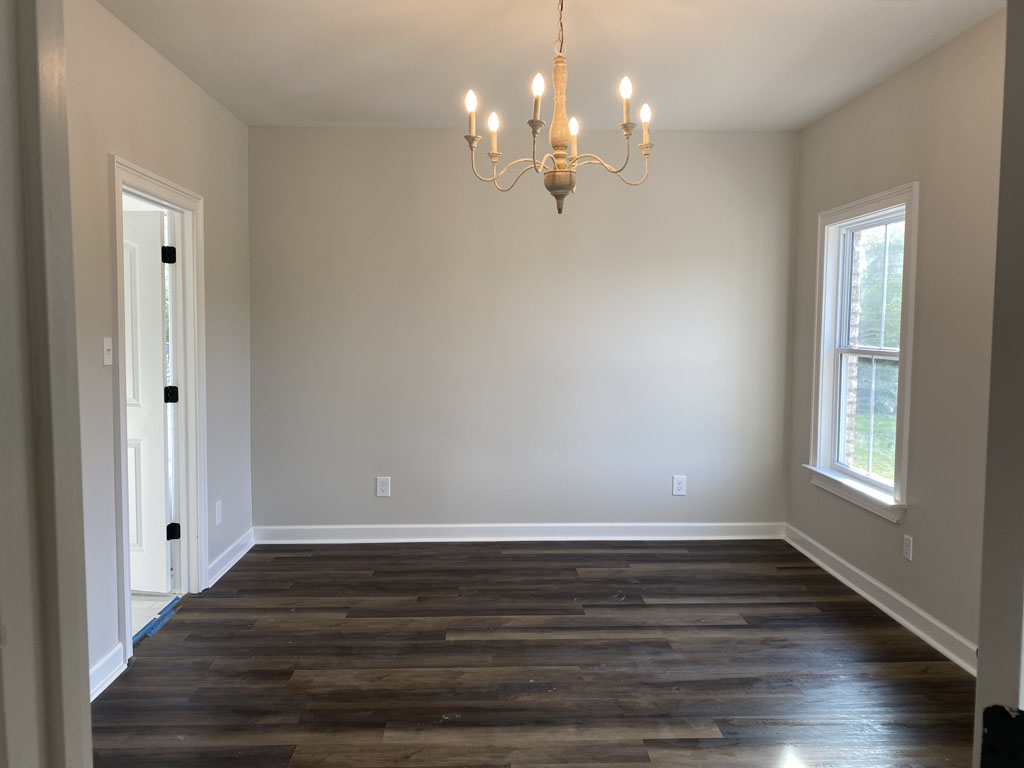
    We’re excited to share real-life photos of this beautifully finished home. Check out how our plan transitions from blueprint to reality, showcasing the charm and functionality that make it a standout choice.

    Thinking about using this plan for your next project? Contact us today to learn more about Plan #24392 and how it can fit your development needs.

    Get the Plan & Start Building

    Plan #24392 is available now, ready to bring farmhouse dreams to life. Check out the full details and get started on your next build today. Additionally, check out our many other home designs and other farmhouse home design plans at W.L. Martin Home Designs.

  • Home Developers Are Finding Opportunities with Today’s Newfound Buyers Market

    Home Developers Are Finding Opportunities with Today’s Newfound Buyers Market

    The housing market is shifting, and for developers looking to build homes and communities, now is an opportune time to act. The real estate market is transitioning into a buyer’s market, with rising inventory, longer days on the market, and more price reductions. This shift creates a prime environment for new home construction, as more buyers actively look for affordable, well-designed homes.

    Market Conditions Favor Developers

    After years of limited inventory and soaring home prices, 2025 is shaping up to be one of the most buyer-friendly markets since the pandemic. According to real estate experts, the market is moving away from the strong seller’s market of recent years. This change is fueled by several factors, including an increase in housing inventory and more sellers adjusting their prices to meet current demand.

    Realtor.com’s data shows that the number of homes actively for sale has increased for 16 consecutive months, rising by 27.5% compared to the same time last year. Additionally, homes are spending an average of 66 days on the market—nearly a week longer than in 2024. This means buyers have more options, and sellers are more willing to negotiate, making it an excellent time for developers to introduce new housing inventory to the market.

    More Affordable Pricing and Buyer Demand

    One of the biggest challenges in recent years has been affordability, as high home prices and mortgage rates kept many buyers on the sidelines. However, the current market shift is opening up new opportunities. Listing prices are starting to come down, and sellers are becoming more flexible. This gives developers an advantage, as new construction homes can offer modern features at competitive prices that appeal to today’s buyers.

    Additionally, while mortgage rates remain higher than the record lows seen during the pandemic, they are expected to gradually decline. The current average rate for a 30-year fixed mortgage is 6.63%, and forecasts suggest rates may drop into the low 6% range by the end of 2025. As a result, more buyers are entering the market, eager to find homes that fit their needs before rates fluctuate again.

    Increased Inventory Creates More Development Opportunities

    For developers, the increase in housing supply means more potential for land acquisition, new builds, and community development. Sellers who have held off listing their homes due to the “golden handcuff” effect of low mortgage rates are now entering the market. As inventory continues to rise, landowners and property holders may be more open to selling, giving developers access to better deals on land and existing properties for redevelopment.

    Moreover, the growing demand for newly built homes provides an opportunity for developers to introduce thoughtfully designed floor plans that cater to modern buyers. Whether it’s compact homes for first-time buyers or larger homes for growing families, developers who act now can position themselves ahead of the competition.

    Why Developers Should Act Now

    The combination of increased housing supply, price reductions, and a growing pool of buyers makes this an ideal time for developers to invest in new construction projects. Homebuyers are looking for well-priced, move-in-ready homes, and developers who build efficiently and strategically can capitalize on this demand.

    By taking advantage of current market trends, developers can secure better deals on land, build homes that meet evolving buyer preferences, and contribute to thriving communities. As the market continues to transition, those who act now will be well-positioned for success in 2025 and beyond.

    Now is the time to build—don’t miss the opportunity to shape the future of homeownership.

  • How to Choose the Right Size House Plan: A Guide for Developers

    How to Choose the Right Size House Plan: A Guide for Developers

    For developers, selecting the right size house plan is about more than just square footage—it’s about balancing cost, functionality, and market demand. With housing affordability concerns growing and homeownership costs rising, today’s buyers are increasingly looking for homes that are “just right” for their needs.

    Recent trends indicate that the average new home size is shrinking, reflecting both affordability concerns and evolving consumer preferences. But how can developers ensure they are building homes that hit the sweet spot for buyers? In this guide, we’ll explore key factors to consider when choosing the right size house plan.

    1. Understand the True Cost of Larger Homes

    While it may be tempting to build the largest home possible within a budget, it’s important to remember that a bigger home means bigger expenses for the buyer. According to a 2023 analysis from Zillow and Thumbtack, homeowners spend an average of $14,155 per year on utilities, taxes, insurance, and maintenance—and that cost jumps to $20,879 in high-cost areas like Greater Boston.

    For developers, this means that buyers are increasingly looking for homes that are energy-efficient and cost-effective to maintain. Homes with excessive square footage may sit on the market longer if buyers perceive them as financially burdensome in the long run.

    • Prioritize efficient layouts that maximize usable space while minimizing unnecessary square footage.
    • Consider designing homes with modern energy-efficient features to help offset long-term utility costs for buyers.

    2. Align Home Size with Buyer Needs and Lifestyle Trends

    Today’s buyers are looking for homes that fit both their current needs and future plans. Some of the biggest trends shaping home size decisions include:

    • Work-from-home spaces. Many buyers now require a dedicated home office but may not need extra bedrooms.
    • Multigenerational living. Some families are considering space for aging parents or future children.
    • Low-maintenance lifestyles. Many homeowners prefer homes that are easy to clean and maintain over large, sprawling layouts.

    The story of Sarah McCracken is a great example of how buyer needs evolve over time. Initially, she and her husband opted for a smaller Cape Cod-style home instead of stretching their budget for a larger house. Later, they expanded their home when their family grew, rather than moving into a larger home from the start.

    • Consider offering flexible floor plans that allow for easy expansions or modifications.
    • Design homes with multifunctional spaces, such as home offices that can convert into guest rooms.

    3. Consider Market-Specific Factors

    Different markets have different demands when it comes to home size. In some areas, compact homes with smart layouts may be more desirable, while in others, slightly larger homes may be the expectation.

    • Urban and suburban markets. Smaller, efficient homes with open floor plans tend to be more in demand due to land constraints and affordability concerns.
    • Rural areas. Larger homes may still be a priority, as land is more available and buyers may expect more square footage for their money.
    • Retirement and vacation markets. One-story homes with modest square footage and low-maintenance features tend to sell well in these areas.
    • Research local buyer preferences and adjust home sizes accordingly.
    • Offer a variety of house plans to cater to different market segments.

    4. Plan for Future Expansion

    While some buyers may want to move into a home that already has all the space they need, others may prefer a smaller home that can be expanded over time. Developers should consider offering house plans with optional add-ons or expansion potential.

    Factors to consider when planning for expansion:

    • Lot size and zoning regulations. Ensure that setbacks and zoning laws allow for future home additions.
    • Structural considerations. Design homes with layouts that allow for easy additions, such as unfinished basements or bonus rooms.
    • Detached structures. Consider including garage apartments or accessory dwelling units (ADUs) as an option.
    • Offer house plans that are adaptable to future changes.
    • Market the flexibility of your designs to buyers looking for homes that can grow with them.

    5. Help Buyers Avoid Becoming “House Poor”

    Financial professionals caution against buying a home that maxes out one’s budget. Real estate economist Ken H. Johnson advises buyers to spend no more than four to six times their annual salary on a home purchase. For developers, this means designing homes that provide great value without stretching buyers’ finances too thin.

    Instead of emphasizing square footage alone, developers should focus on value-driven features, such as:

    • Smart layouts that eliminate wasted space.
    • Energy-efficient materials and appliances.
    • Durable finishes that reduce long-term maintenance costs.
    • Price homes within a range that makes financial sense for your target buyers.
    • Highlight cost-saving features that make your homes more attractive in the long run.

    The Right-Sized Home for Today’s Market

    Choosing the right size house plan isn’t just about square footage—it’s about creating homes that meet the needs of today’s buyers while remaining affordable and practical.

    For developers, the key takeaways include:

    • Prioritizing efficient layouts over excessive square footage.
    • Designing homes that align with modern lifestyle trends.
    • Considering market-specific preferences.
    • Planning for future expansions and flexibility.
    • Ensuring homes are financially viable for buyers.

    By focusing on smart, adaptable, and cost-effective home designs, developers can better meet the evolving needs of today’s homebuyers—ultimately leading to faster sales and happier homeowners.

    Looking for the Perfect House Plan?

    At WL Martin Home Designs, we offer a wide selection of house plans ranging from 400 to over 3,000 square feet, designed with efficiency, flexibility, and market demand in mind. Whether you’re building for first-time buyers, growing families, or downsizing retirees, we have the perfect plan for your project.

    Browse our house plans today and start building homes that buyers will love!

  • Why Now May Be the Smartest Time to Build – How Tariffs May Raise Home Costs and What You Can Do About It

    Why Now May Be the Smartest Time to Build – How Tariffs May Raise Home Costs and What You Can Do About It

    If you’re a homebuyer or developer who’s been watching the U.S. housing market, you’ve likely noticed the headlines about rising costs, and tariffs are a major reason why. With new tariffs on materials like lumber, drywall, and appliances coming from Canada, Mexico, and China, the cost of building a home is on the rise yet again.

    At W.L. Martin Home Designs, we believe staying informed is critical for both individual homebuyers and developers. More importantly, understanding how these tariffs affect construction costs can help you make smarter decisions and avoid getting priced out of your next project. Let’s break it down and explore why now may be the best time to move forward with your build plans.

    How Are Tariffs Impacting Home Costs?

    The latest round of tariffs is expected to increase builder costs by $7,500 to $10,000 per home. According to the National Association of Home Builders (NAHB), these added costs largely stem from:

    Lumber price increases, about $4,900 more per home on average.
    Drywall and gypsum costs, with the U.S. importing over $215 million in gypsum last year, mostly from Canada, Mexico, and Spain.

    Appliance costs, with China leading the global market in household appliances, tariffs here are adding significant costs.

    Why does this matter? Because these increases directly impact the final sale price of a home. For every $1,000 added to the median price of a new home, roughly 106,000 potential buyers are priced out, according to the NAHB.

    Why Developers and Homebuyers Should Take Action Now

    For anyone considering new construction, timing is everything. Here’s why it’s smart to move forward now.

    Tariff Costs Are Already Rising and Could Go Higher

    The tariffs in place are already pushing material costs up, and lumber futures continue to climb. Industry experts predict price volatility for the foreseeable future, especially with Canadian producers potentially pulling back on shipments to the U.S.

    Domestic Supply Can’t Keep Up

    Efforts are underway to boost U.S. lumber production, but realistically, it could take three years or more to bring new mills online. In the meantime, supply remains tight, and labor shortages are slowing down operations.

    High Demand and Low Inventory

    Even with higher mortgage rates easing slightly, the housing market remains competitive. Signed contracts on existing homes are at record lows, and new builds are already seeing decreased sales. Fewer homes on the market mean higher prices across the board.

    Existing Home Prices Are Rising Too

    With new builds becoming more expensive, buyers are turning to existing homes, driving those prices higher. If you’re considering building, delaying could mean paying more whether you buy new, build, or purchase an existing home.

    How W.L. Martin Home Designs Can Help

    We specialize in providing affordable, thoughtfully designed house plans ranging from 400 to 2,500 square feet, helping developers and individuals optimize every dollar of their construction budget. Here’s how we can support you during these rising cost times.

    • Smart, efficient designs to minimize waste and maximize usable space.
    • Plans tailored for affordability, keeping overall construction costs down.
    • Variety of sizes and styles to match current market demand, whether you’re building a starter home, vacation property, or multi-home development.

    Why Waiting Could Cost You

    Increased tariffs aren’t just a blip on the radar. They represent a structural shift in the market that will impact pricing for years to come. Between material shortages, labor constraints, and rising costs, waiting could mean higher construction costs, longer project timelines, and tighter competition for limited inventory.

    But by acting now, you can lock in your plans, source materials before prices climb further, and get ahead of the next wave of cost increases.

    Ready to Get Started?

    If you’ve been on the fence about building, now is the time to take control of your project. Our team at W.L. Martin Home Designs is here to guide you with flexible, affordable house plans designed for today’s challenging market.

    Explore our collection of house plans and get started today. Let’s build smart before costs climb higher.

  • From Opportunity to Blueprint – Why Developers Should Act Fast in Today’s Buyers’ Market

    From Opportunity to Blueprint – Why Developers Should Act Fast in Today’s Buyers’ Market

    The U.S. housing market is showing signs of a major shift — and for developers, that’s not just news. It’s an opportunity. After years of sky-high demand and limited inventory, the pendulum is starting to swing back toward buyers in many regions. And as buyer leverage grows, so does the demand for new, well-designed homes at competitive price points.

    For developers looking to capitalize on this evolving market, now may be the ideal time to find the right house plans to meet a new wave of buyer expectations.

    A Cooling Market Means New Opportunity

    According to a recent Redfin analysis, there were 3.7 months of for-sale housing supply on the market this January — the most in six years. While that’s not quite a full-blown buyers’ market (generally considered to be around four months of supply or more), it’s a clear sign that sellers are losing some of their grip.

    Even in traditionally hot markets, like Southeast Florida, the inventory has surged. Places such as Cape Coral, Miami, Fort Lauderdale, and Jacksonville are now sitting on 11 months of housing supply, which strongly favors buyers. For developers, this indicates that the frenzy of multiple-offer bidding wars is cooling, and there’s growing demand for fresh inventory that stands out — whether through design, affordability, or modern features.

    Why Developers Should Act Now

    When the market shifts in favor of buyers, it’s not just home shoppers who benefit. Developers can seize this moment to:

    • Secure affordable land: In markets where sellers are backing off and listings are sitting longer, land deals are often more negotiable.
    • Introduce competitive new builds: Buyers, especially in areas like Florida and Texas, are seeking homes that are move-in ready and updated to withstand today’s rising insurance costs, taxes, and climate concerns.
    • Offer what today’s buyers want: With homeowners asking for seller concessions and repair credits, there’s a strong appetite for homes that minimize hassle. Brand-new builds designed with durability and energy efficiency in mind are a huge draw.

    By investing in well-designed house plans now — particularly in the 1,200 to 2,500 square foot range, which balances affordability and comfort — developers can get ahead of the curve and deliver exactly what this emerging buyer pool is seeking.

    How WL Martin Home Designs Can Help

    At WL Martin Home Designs, we specialize in creating versatile, high-quality house plans that work for a wide range of markets across North America. Whether you’re looking to develop compact cottages for first-time homebuyers or larger family homes for move-up buyers, we offer designs that prioritize efficient footprints, curb appeal, and modern amenities.

    With housing inventory climbing and buyer competition easing, spring 2025 could be a strategic time to break ground on your next development project. Choosing the right house plans now positions you to meet demand as more buyers re-enter the market, ready to purchase a home that feels like a smart investment.

    A Tale of Two Markets

    It’s important to remember that this shift isn’t nationwide. While parts of the South and Southeast are leaning heavily into buyer-friendly territory, the Northeast is still holding strong as a seller’s market. Cities like Rochester, NY, and Buffalo are still dealing with extremely tight inventory and stiff competition. But that’s exactly why scalable, customizable house plans matter.

    Developers in high-demand regions can also benefit by quickly bringing new homes to market in areas where buyers are desperate for options — especially when the designs are pre-approved, buildable on tighter lots, and focused on affordability.

    Final Thoughts

    Whether you’re developing in a surging buyers’ market or one of the holdout seller-strong areas, the key to success this year is strategic planning and adaptable design. The housing market is shifting, and with the right house plans in hand, developers can turn today’s changes into tomorrow’s profits.

vaycasinovaycasinothailand digital arrival cardprimebahishacklinkmilbetalgototohttps://algototo.digital/nobartvjudi bolaslot gacordepo 5kslot gacordeposit 5000slot onlineslot online link 5k deposit slot tanpa potongan agb99 deposit 5k deposit 5k dana slot danacasibomcasibom girişpadişahbetbetwoonnitrobahissonbahisgrandpashabetvegabetcasino levantholiganbetholiganbet girişholiganbet güncelholiganbet güncel girişmatbet girişmatbet güncelmatbet güncel girişmilosbetbetofficetimebetcratosroyalbetcratosroyalbet girişcratosroyalbet güncelcratosroyalbet güncel girişcasinolevantcasino levantholiganbet güncelholiganbet güncel girişholiganbet güncel girişmatbetmatbet girişgrandpashabetultrabetenbetgalabethiltonbetpadişahbetsuratbetsüratbetbetplayatlasbetkralbetHoliganbet Girişalmanbahiswinxbetwinxbetalmanbahisholiganbetholiganbet girişmeritkingmeritking girişmeritkingmeritking girişvaycasinovaycasino girişptt kargoptt kargo takipptt kargo sorgulamaptt kargo iletişimaras kargoaras kargo takiparas kargo sorgulamaaras kargo iletişimvegabetvegabetgalabetgalabetvdcasinovdcasinovdcasinovaycasinovaycasino girişrestbetrestbet