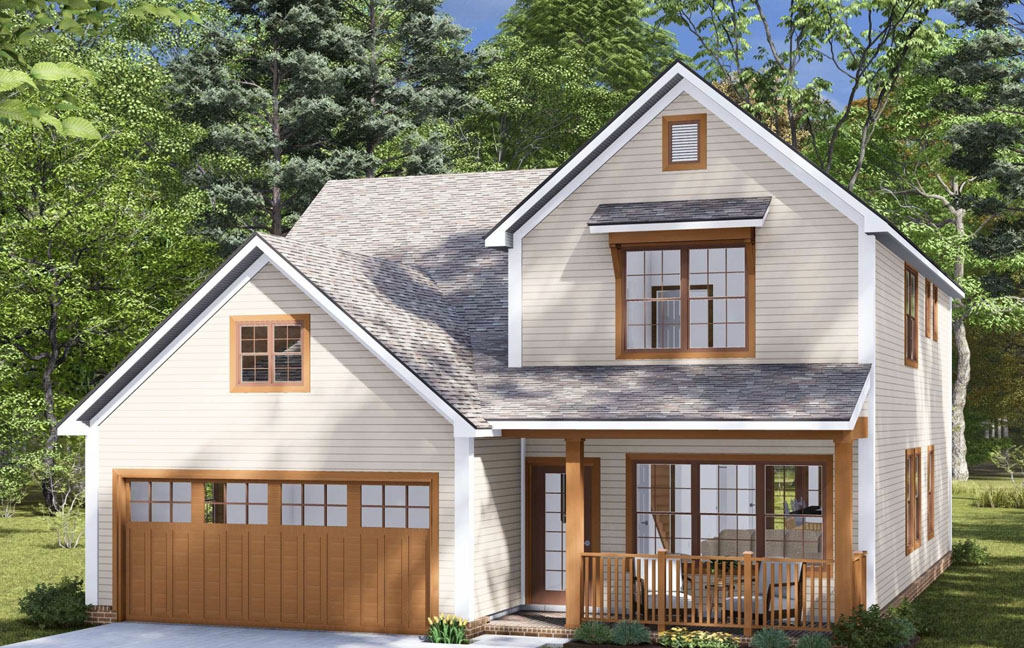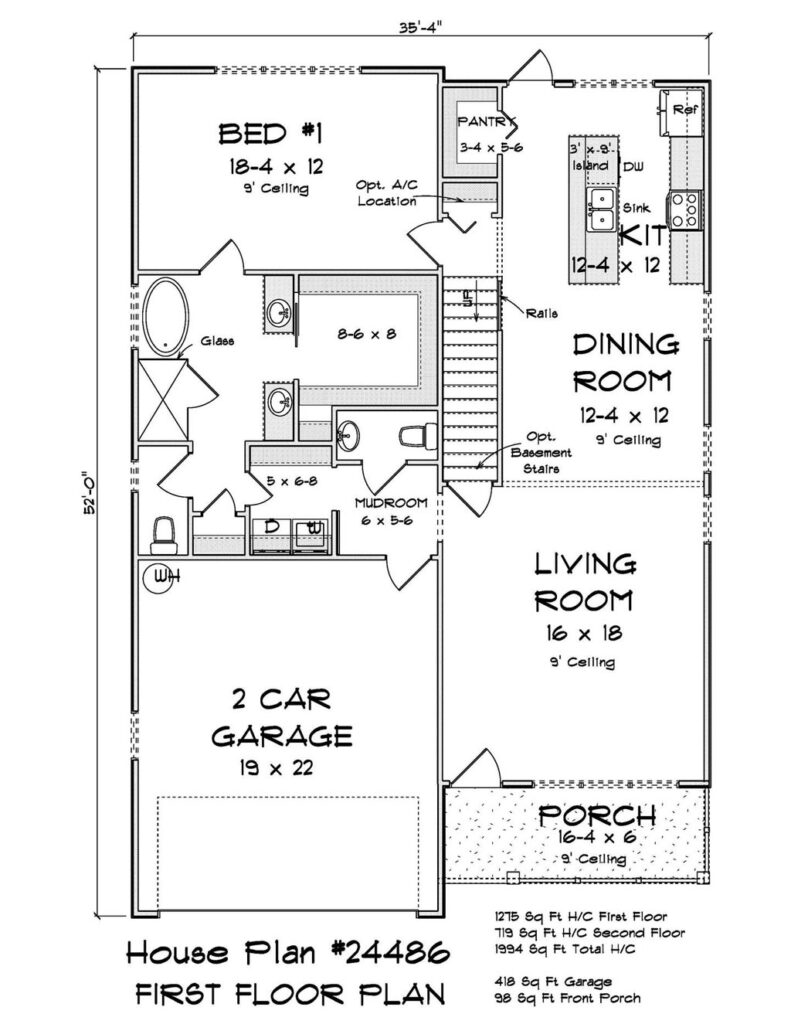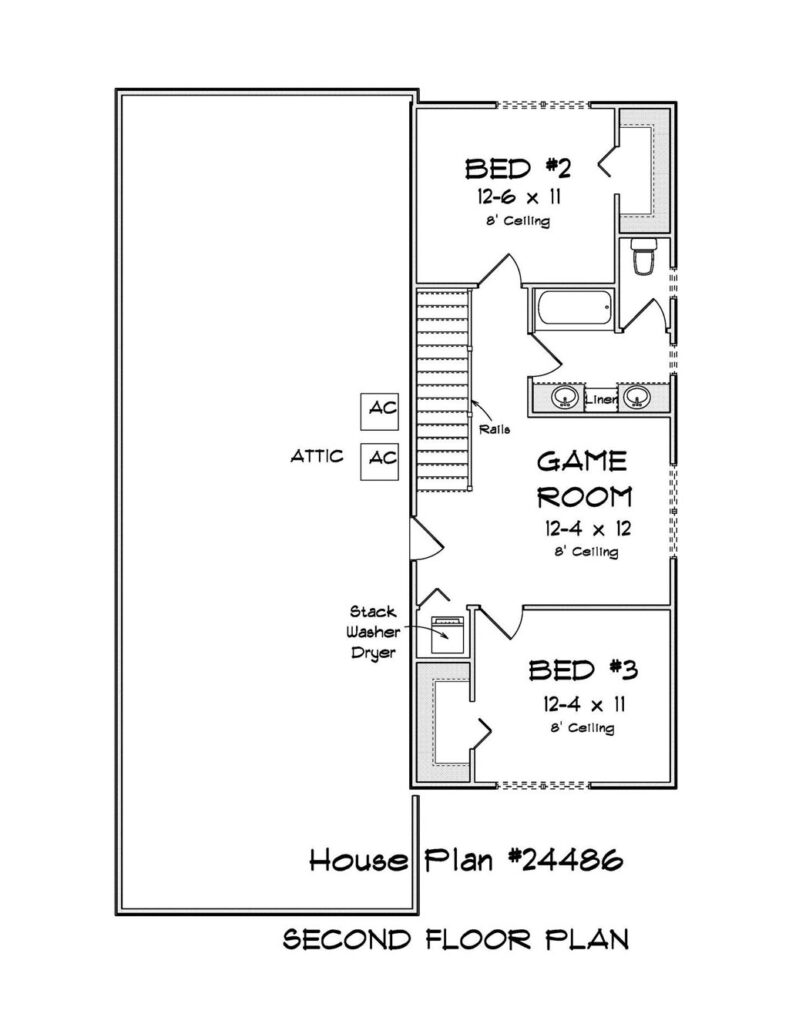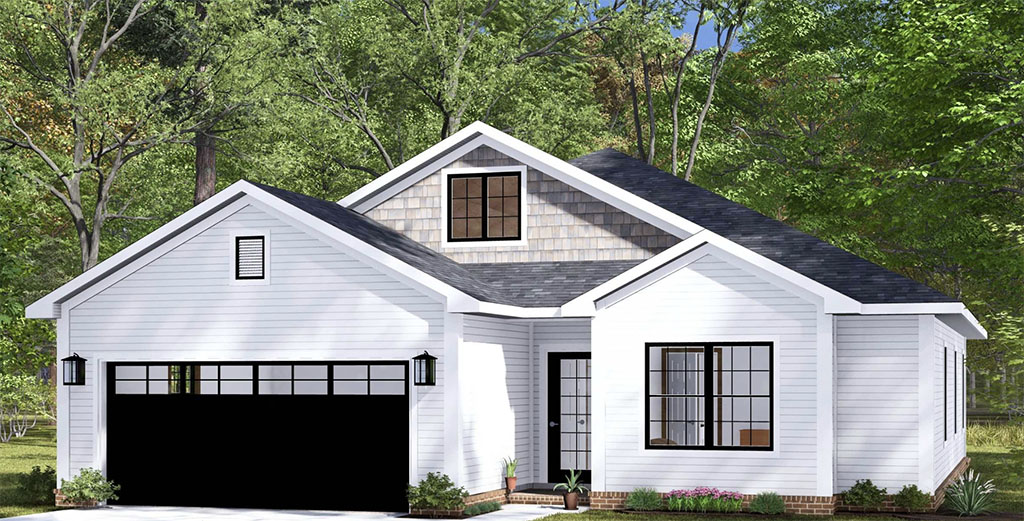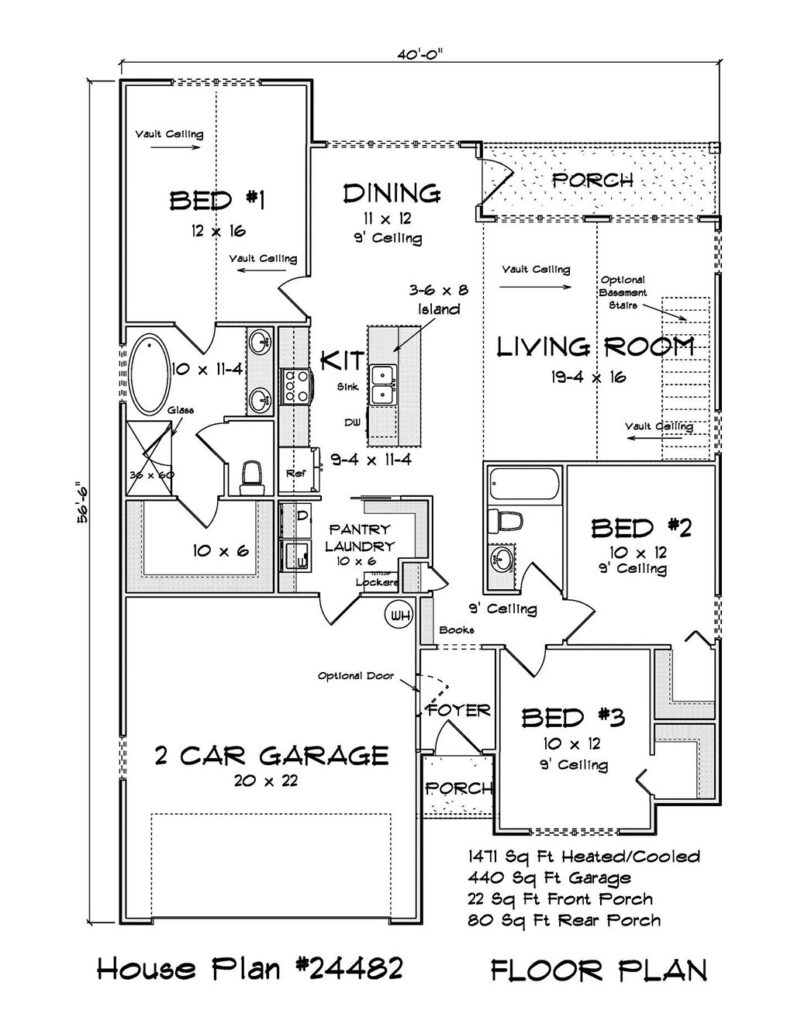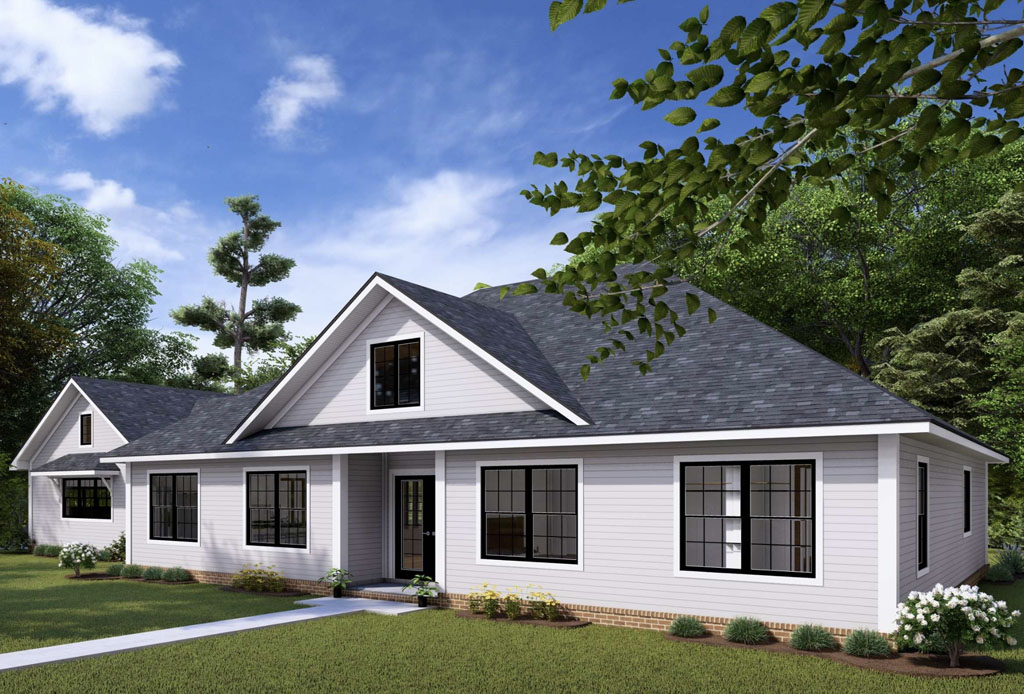
When you picture a dream home, chances are it includes a bright, open space where the kitchen, dining, and living areas flow effortlessly together. This isn’t just a fantasy for many homebuyers—it’s a reality driving one of the most enduring trends in home design: open floor plans. Characterized by expansive, barrier-free spaces that merge living, dining, and kitchen areas, these layouts offer a sense of openness and flexibility that appeals to a wide range of homebuyers. For developers, understanding the enduring popularity of open floor plans is crucial to meeting market demands and delivering homes that resonate with today’s buyers.
The Enduring Appeal of Open Floor Plans
Several factors contribute to the sustained popularity of open floor concepts:
- Enhanced Social Interaction
Open layouts facilitate seamless communication and interaction among family members and guests. Whether hosting gatherings or overseeing children’s activities, the unobstructed flow between spaces fosters a more connected living experience. - Maximized Natural Light
By eliminating interior walls, open floor plans allow natural light to permeate throughout the home. This not only creates a brighter, more inviting atmosphere but also contributes to energy efficiency by reducing the need for artificial lighting during daylight hours. - Flexible Use of Space
The versatility of open floor plans enables homeowners to adapt spaces to their evolving needs. Whether incorporating a home office, play area, or entertainment zone, the lack of rigid room divisions allows for personalized configurations. - Perception of Spaciousness
Even in homes with smaller square footage, open layouts can create the illusion of a larger space. The continuous flow between areas eliminates visual barriers, making the home feel more expansive and airy.
Market Trends Supporting Open Floor Plans
Recent data underscores the continued demand for open floor concepts. According to the National Association of Home Builders, a significant majority of new single-family homes feature fully or partially open layouts. This trend reflects a broad preference among buyers for designs that promote connectivity and flexibility.
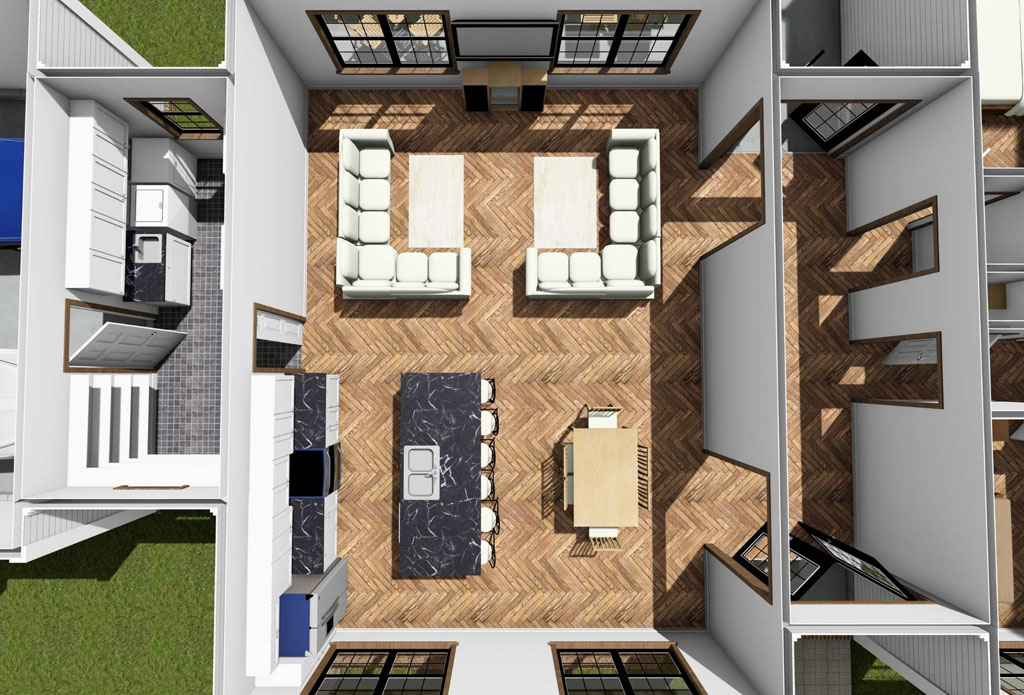
Additionally, a survey conducted by HomeLight revealed that approximately 90% of buyers express a desire for some form of open floor plan in their homes. This overwhelming preference indicates that open layouts are not just a passing fad but a staple in modern home design.
Considerations for Developers
While open floor plans offer numerous advantages, it’s essential for developers to consider certain factors to meet diverse buyer preferences:
- Acoustic Management
The absence of walls can lead to increased noise levels. Incorporating sound-absorbing materials and strategic design elements can help mitigate this issue. - Defined Spaces
Despite the openness, many homeowners appreciate distinct zones within the layout. Utilizing furniture arrangements, area rugs, and lighting can create subtle separations without erecting physical barriers. - Energy Efficiency
Larger open spaces may require more energy to heat and cool. Implementing energy-efficient systems and considering the home’s orientation can address these concerns.
Embracing Open Concepts
At W.L. Martin Home Designs, we recognize the enduring popularity of open floor plans and offer a diverse selection of house plans that embody this sought-after layout. Our designs range from 400 to 2,500 square feet, catering to various needs while maintaining the spacious and connected feel that open concepts provide.
By choosing our house plans, developers can deliver homes that align with current market trends and meet the expectations of today’s discerning buyers. Explore our collection at wlmartinhomes.com to find the perfect open floor plan for your next project.
In a market that values flexibility, natural light, and the freedom to design personal spaces, open floor plans remain a winning formula. For developers aiming to deliver homes that truly connect with buyers, embracing open concepts is not just a trend—it’s a smart investment in the future of housing.