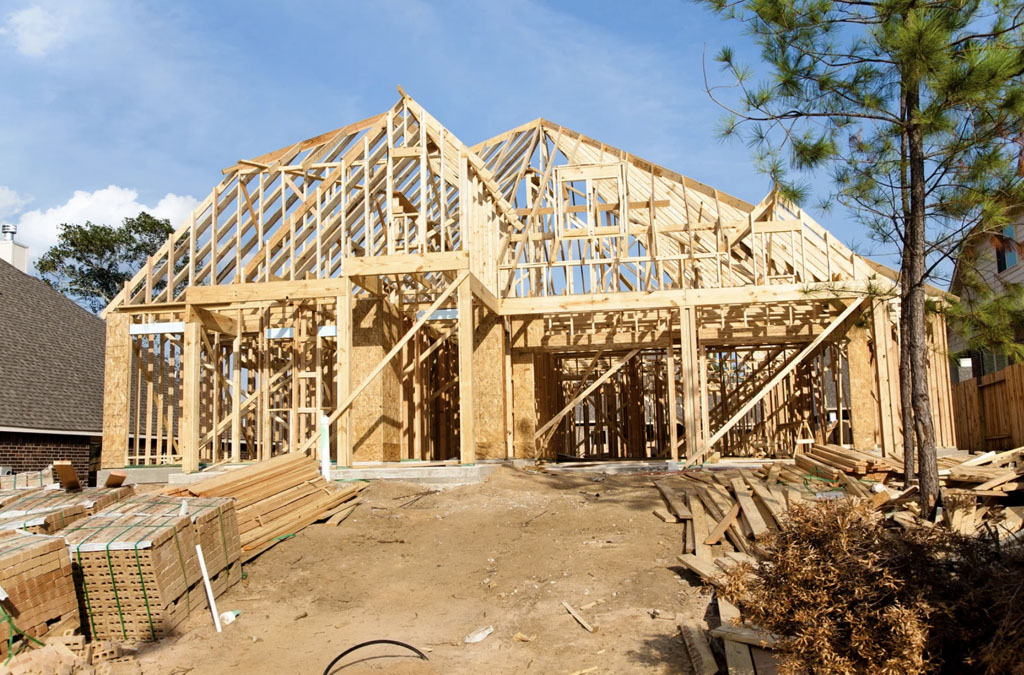
Economic growth in 2026 is reshaping the playing field for housing developers and new home construction, especially as capital markets, labor conditions, and buyer sentiment respond to a shifting inflation cycle. When GDP growth is steady and inflation pressures cool, the housing market typically transitions from survival mode to strategy mode. Developers tend to see more predictable absorption, more workable pro formas, and fewer sudden changes in material pricing. The key is that growth alone does not guarantee a building boom, the quality of that growth matters, including whether wages are holding up, household formation is rising, and consumer credit conditions are loosening.
For housing developers, the biggest 2026 story is the cost of money and what it does to demand, land deals, and construction pipelines. Even the idea of potential Federal Reserve rate cuts midyear can move mortgage pricing, development loan spreads, and builder confidence before any policy action happens. If rate cuts materialize, the most immediate benefit is usually improved affordability at the margin, which can bring sidelined buyers back into the market and reduce incentive pressure on finished specs. If cuts are delayed, developers with strong product market fit can still win by leaning into right-sized plans, value engineering, and faster cycle times, because buyers are still shopping, they are just more payment sensitive.
The unemployment rate in 2026 is another major swing factor because it influences both housing demand and construction execution. A resilient labor market supports buyer confidence and reduces cancellation risk, but it also keeps competition intense for skilled trades, superintendents, and project managers. Most builders are watching not only headline unemployment, but also participation, job openings, and wage growth, because those indicators help predict whether labor costs will stabilize or keep creeping up. In practical terms, developers who secure reliable trade coverage and protect schedules with tight scopes and clear plan sets are better positioned than those relying on last-minute subcontractor availability.
What are experts watching in this new economic environment? Finance teams are looking at the “higher for longer” versus “cut cycle” debate, credit availability from banks and private lenders, and whether inflation continues to cool enough to ease long-term rates. Housing research groups and builder surveys tend to focus on buyer traffic, months of supply in local submarkets, and the split between entry-level, move-up, and active adult demand. Many home building companies are also leaning harder into product segmentation in 2026, including smaller footprints, optional flex spaces, and plan families that can be rotated across multiple communities, because that approach protects margins while meeting buyers where affordability is.
For new builds this year, the practical takeaway is to plan for opportunity with guardrails: underwrite conservatively, design for cost certainty, and keep your plan library flexible so you can pivot between price points without redesign delays. In a growth environment where rates may ease and unemployment remains a key variable, the developers who win are the ones who can deliver attractive homes at predictable costs, with fewer change orders and faster starts to closings. If you are refreshing your 2026 pipeline, consider standardizing a set of buildable, market-tested house plans that can scale across lots and elevations, because in a shifting economy, speed and repeatability can be as valuable as the land itself.
Home builder confidence is one of the clearest “early reads” on the housing market because it reflects what builders are seeing on the ground right now: buyer traffic, pricing pressure, and the pace of signed contracts. When confidence firms up, it typically signals that builders are finding workable formulas again, whether that is through smarter floor plan mixes, targeted incentives, or building in submarkets where inventory is still tight. That matters for developers because builders adjust plans and pipeline decisions well before the public sees the change in headline housing news.
The Housing Market’s Health Shows Up in Activity, Not Headlines
The most reliable way to judge market health is to watch what is actually being permitted and started, along with how quickly homes are moving once listed. When permits and starts stabilize, it suggests builders believe demand is durable enough to justify putting capital to work. When resale inventory remains lean in many areas, new construction often becomes the practical solution for buyers who want move-in-ready homes with modern layouts. This is why many professionals track builder sentiment alongside permits, starts, and sales activity: together, those signals reveal whether the market is loosening, tightening, or simply normalizing after a volatile stretch.
Why 2026 Can Reward Developers Who Prepare Early
Even in a recovering market, the developers who win are usually the ones who prepare before the rush. If buyer demand improves, trades and permitting departments can get busy fast, and design decisions made under pressure tend to create avoidable costs later. Securing your home plans early lets you move quickly when your local numbers look favorable, and it helps you make confident choices about product mix, elevations, and options packages that match what buyers are asking for in your price band.
W.L. Martin Home Designs is built for that reality. Having ready-to-build plans on hand, from compact small-footprint homes around 400 square feet to highly marketable family homes up to about 3,500 square feet, gives you flexibility to respond to what your local market is actually absorbing. It also supports faster preconstruction workflows, clearer estimating, and fewer midstream revisions, which is where timelines and margins often get squeezed.
In practical terms, the “good time” to secure a plan is before your competitors are trying to do the same thing at once. If 2026 continues to bring steadier conditions, the ability to pull permits, start efficiently, and market homes with proven layouts can separate a smooth launch from a slow one. Choosing the right plan now helps you protect cycle time later, and cycle time is often the difference between an okay project and a great one.
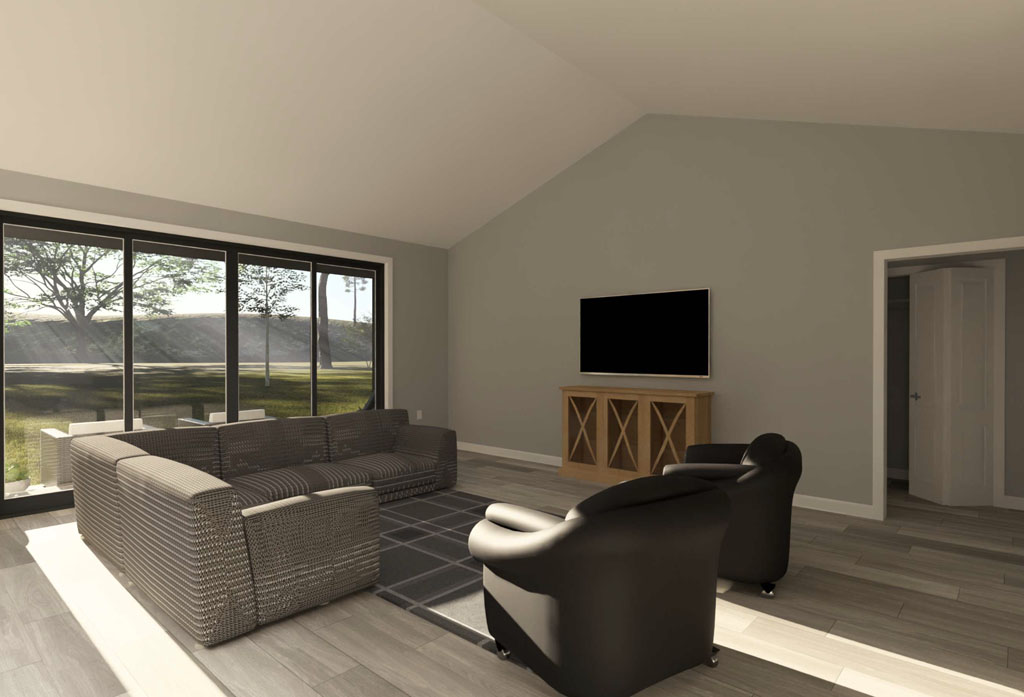
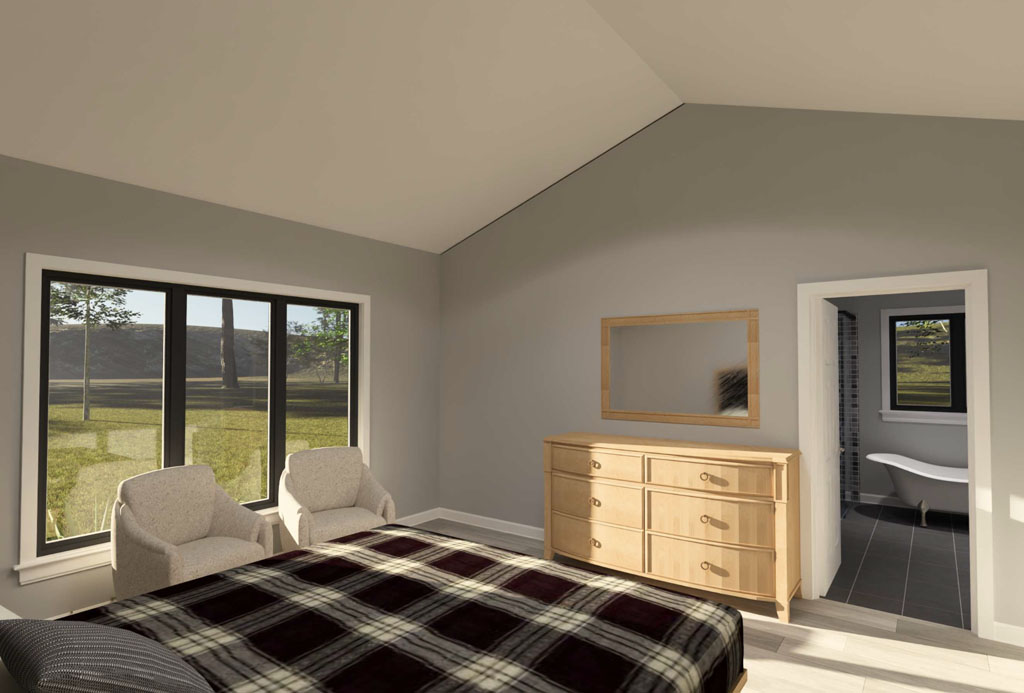
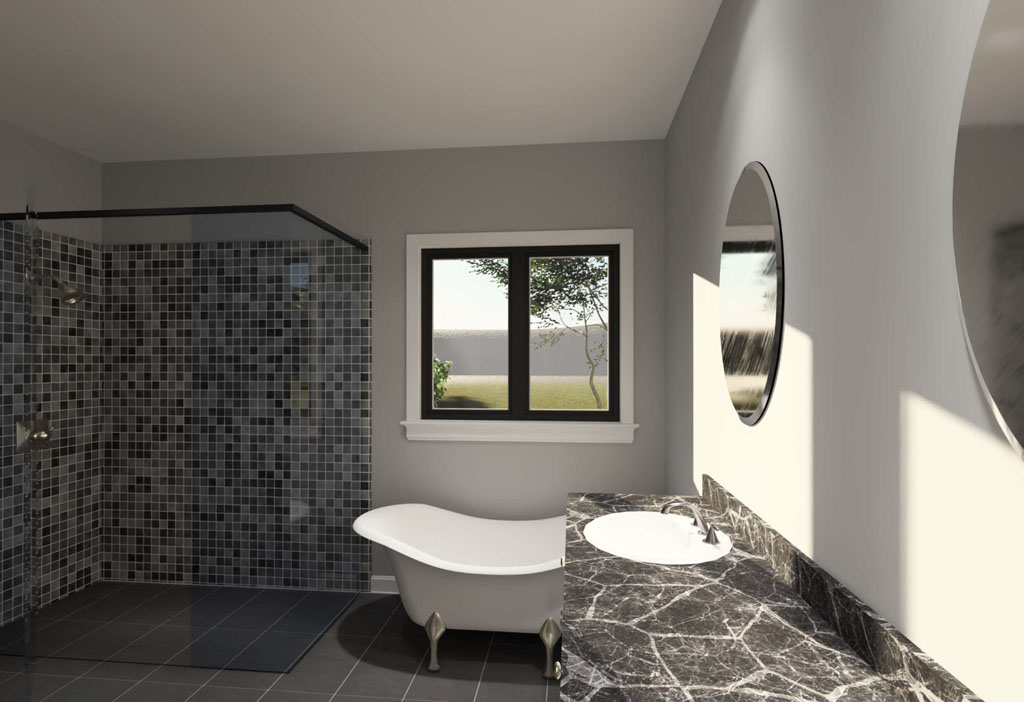
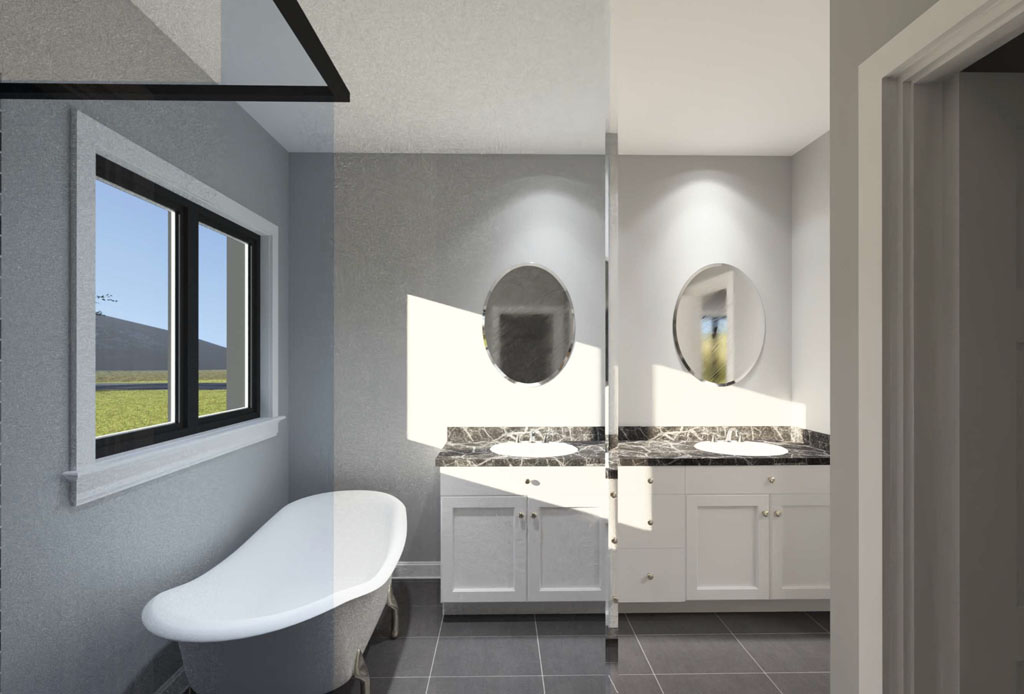
“Affordable by design” is more than a tagline. For developers and builders, it is a practical strategy that touches every phase of a project, from estimating and value engineering to buyer confidence and construction efficiency. At W.L. Martin Home Designs, many of our newer plans are created with that mindset from the start. And in 2026, we are expanding what “designed for real world building” means by adding richer interior visuals that give you more views inside many of our newest home designs.
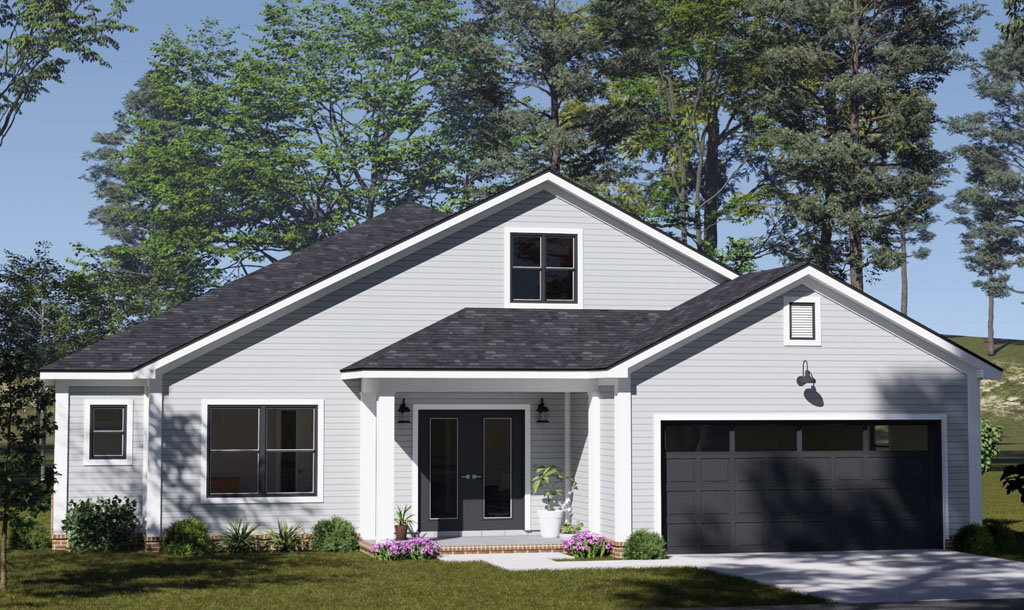
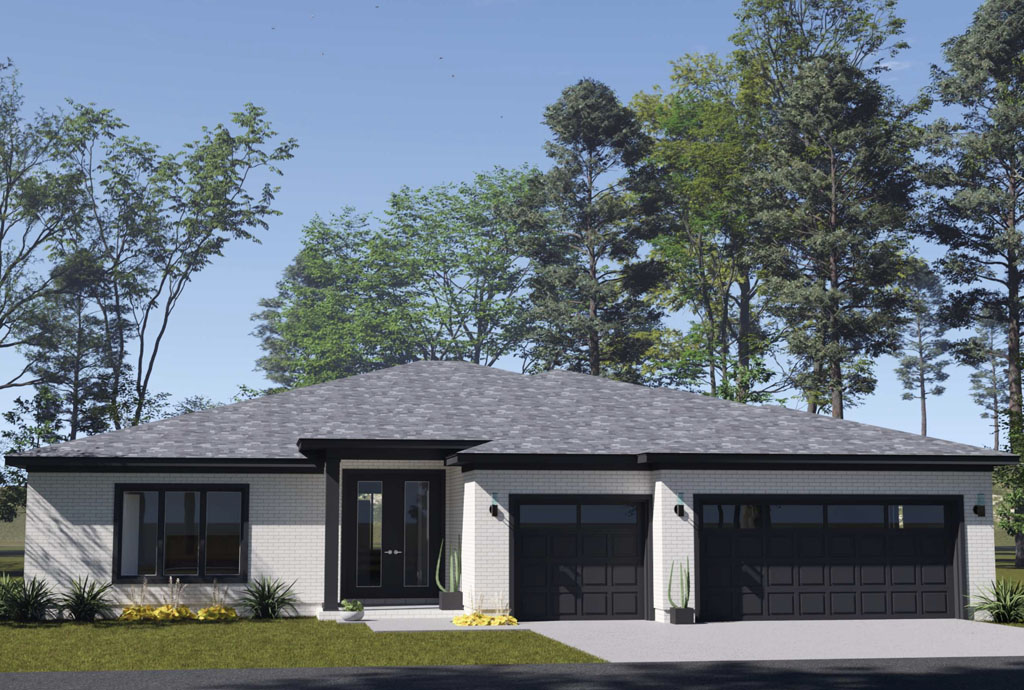
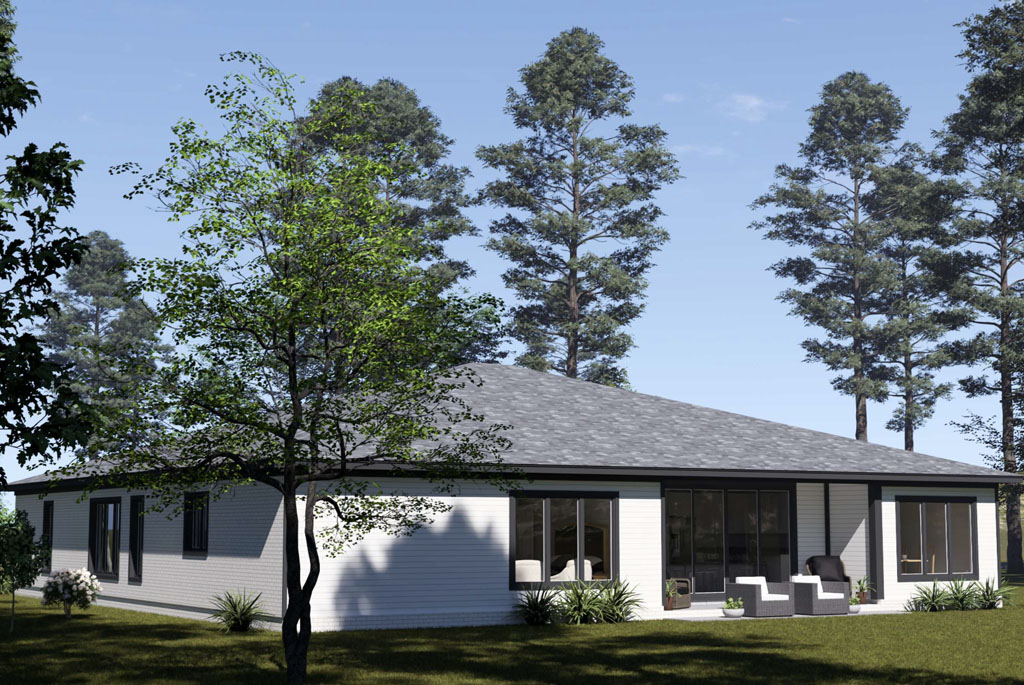
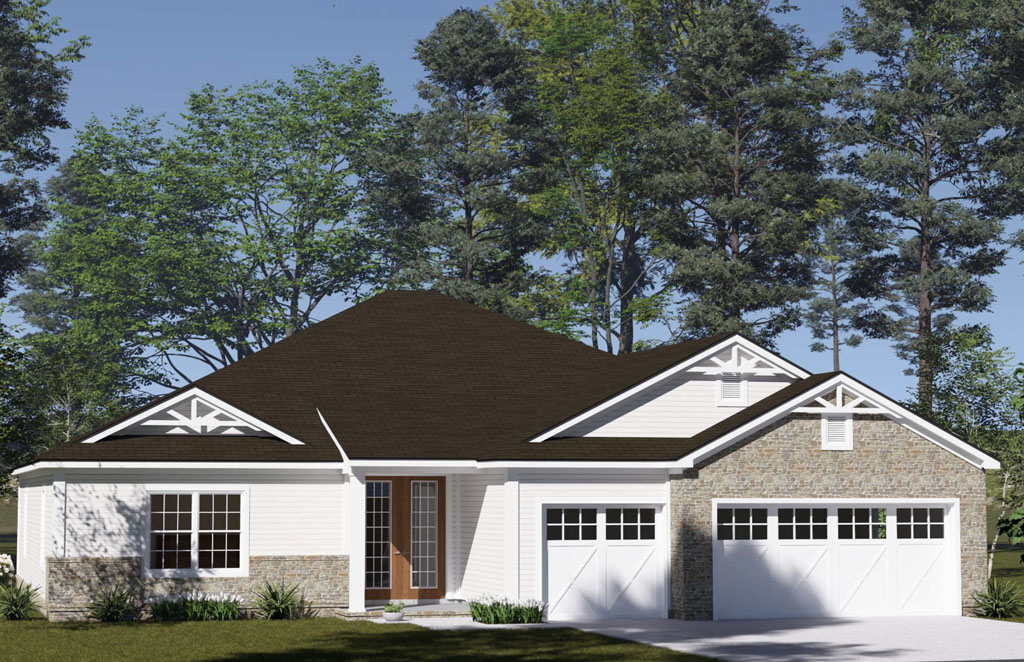
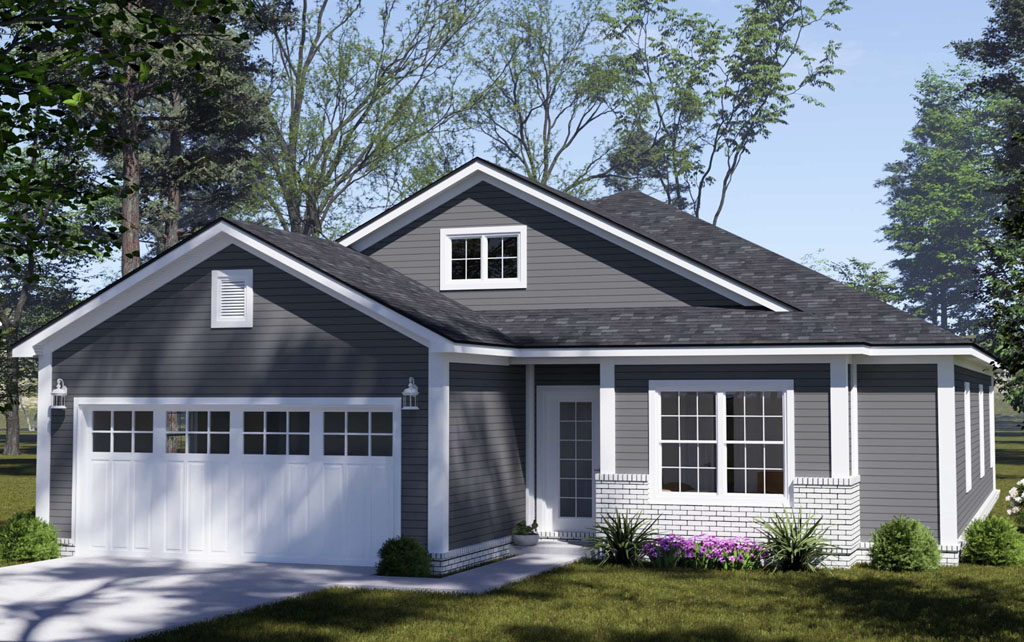
If you have ever wished you could walk a buyer, an investor, or a building team through a plan before the first stake goes in the ground, you will appreciate this upgrade. Our enhanced visuals help you see how the home lives, not just how it measures. One of the best examples of this direction is our new Plan #24617, a one story design that shows off both curb appeal and livability with detailed interior perspectives that bring the layout to life.
Why “Affordable by Design” Matters to Developers
Affordability is not only about final sales price. It is about managing cost drivers early so your margins and timelines stay protected. “Affordable by design” homes often share a few traits that builders value:
Efficient use of square footage so space is livable and marketable, not wasted.
Straightforward flow and sensible adjacencies that support practical framing, mechanical routing, and day to day function.
Buyer friendly layouts that reduce hesitation during the sales process.
Options for customization so you can match different price points and neighborhood expectations without reinventing the wheel.
Many of our new plans focus on those fundamentals while still delivering the features buyers ask for right now, like open concept living, flexible rooms, and storage that actually works.
The New Visual Upgrade: More Interior Views, More Confidence
Floor plans are essential, but they can feel abstract for buyers and even for some stakeholders on the development side. That is why we have expanded our interior visuals across many new W.L. Martin Home Designs plans.
These additional views help you:
Sell the lifestyle faster because buyers can immediately understand room scale and flow.
Reduce decision fatigue by showing how key spaces connect, especially open concept areas.
Support pre construction conversations with clearer expectations about layout and finishes.
Strengthen online marketing since listings and community pages perform better when visuals tell a complete story.
In short, you get a more complete picture of what you are building, which helps you move from interest to contract with less friction.
Spotlight: Plan #24617, One Story Living With Real World Function
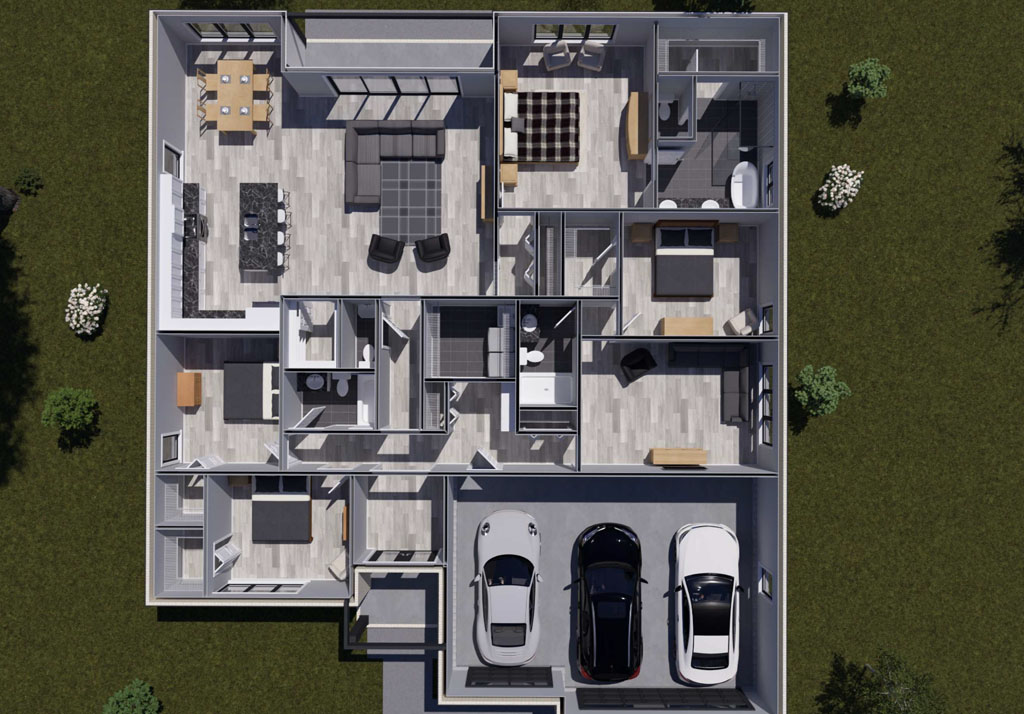
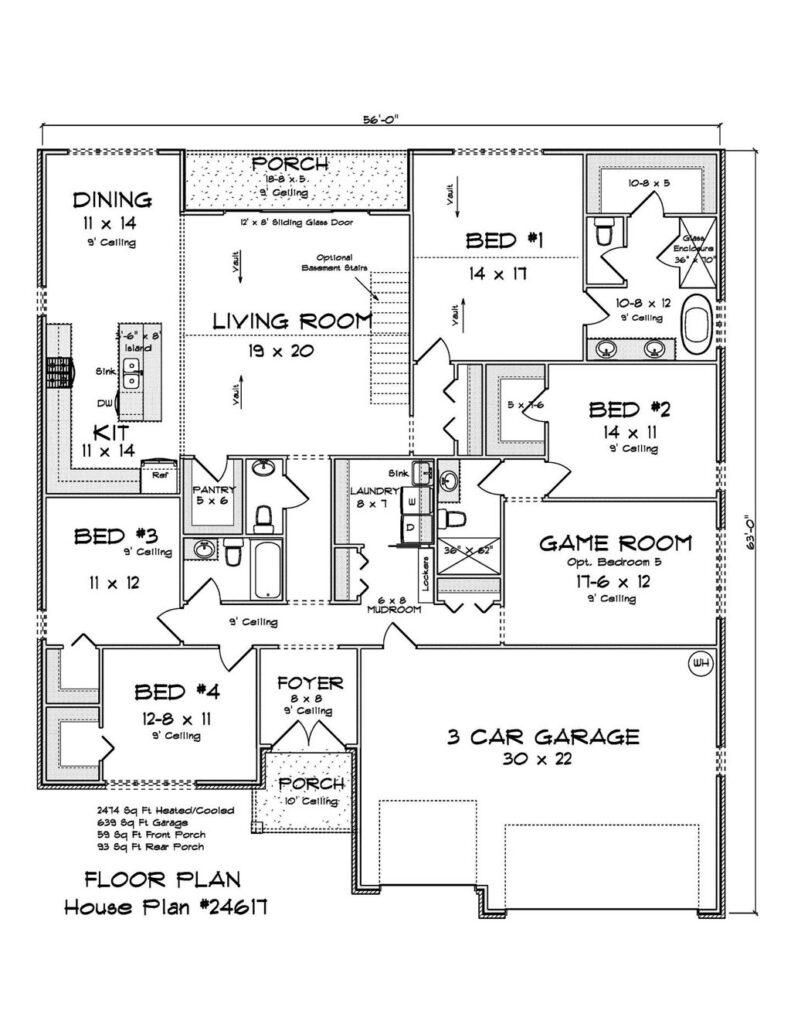
Plan #24617 is a strong representation of what we mean by “affordable by design” paired with upgraded visuals. It is a one story home with a total of 2,474 square feet, built to serve a wide range of households, from families and growing families to multi family living situations where extra bedrooms and flexible spaces matter.
Key Stats at a Glance
Total living area: 2,474 sq ft
Bedrooms: 4
Bathrooms: 3.5
Garage: Attached 3 car
Bonus spaces: Game room
Outdoor living: Rear porch
This is the kind of plan that works well in many markets across North America because it blends everyday livability with the features that help a home stand out in a competitive neighborhood.
Open Concept Living That Feels Natural, Not Forced
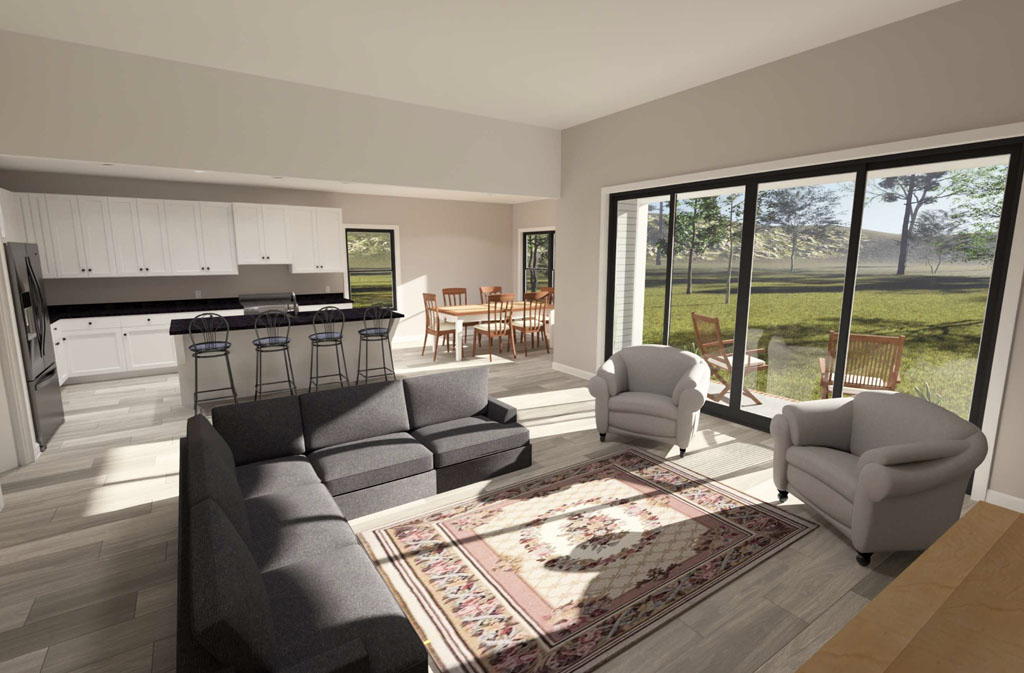
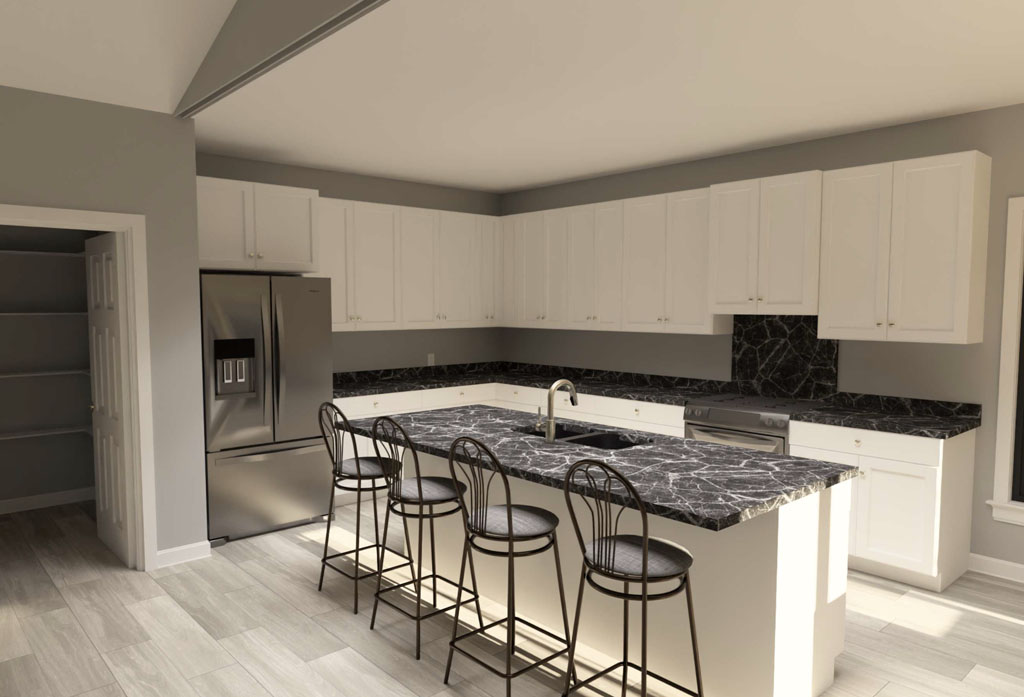
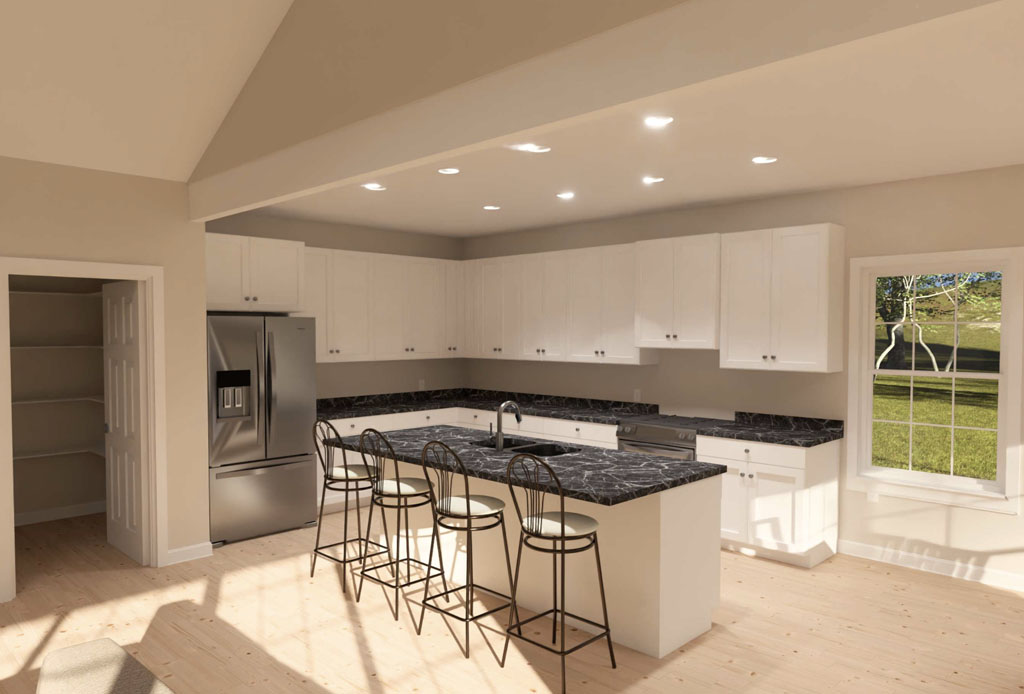
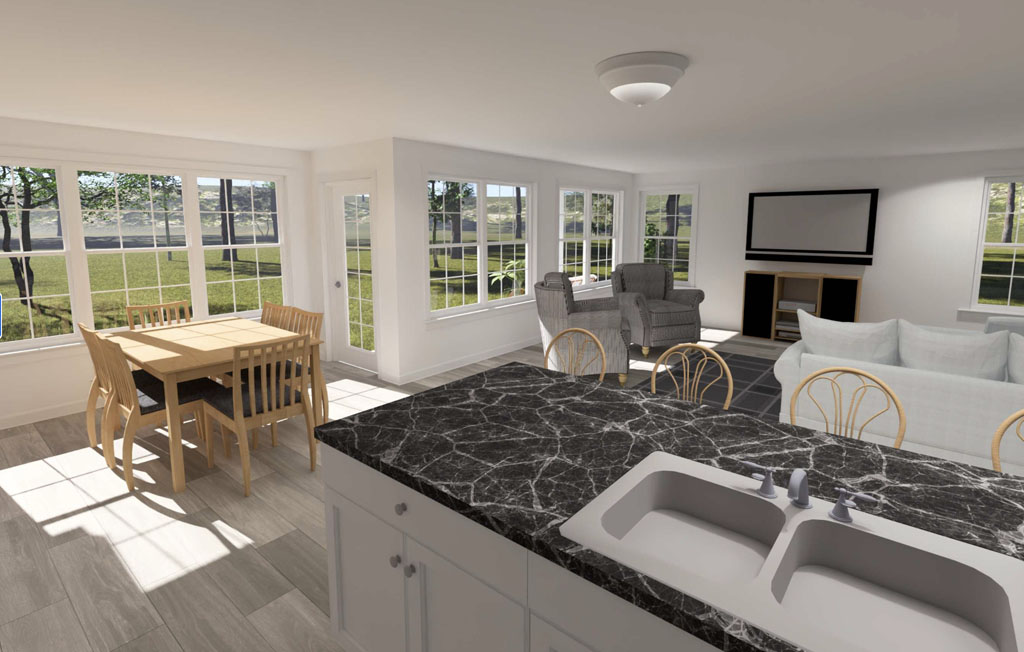
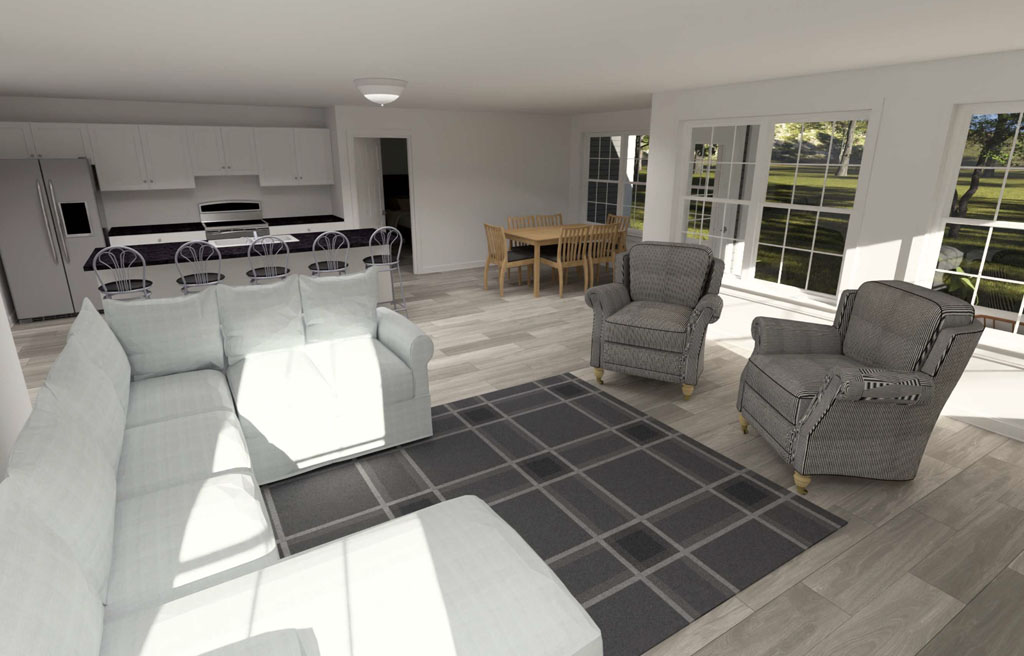
At the heart of Plan #24617 is an open concept living area designed for how people actually use their homes. The living room flows directly into the kitchen, creating a central gathering zone that supports everything from weeknight dinners to weekend entertaining.
The kitchen includes an island with the sink and dishwasher, which is a detail buyers often love because it keeps the person prepping and cleaning connected to the conversation. From there, the plan continues to a dining area at the rear, with easy access to the rear porch. That rear connection is valuable for families who want indoor outdoor flexibility, and it is also a strong selling feature for buyers who prioritize backyard living.
A Primary Suite That Gives Buyers the “Yes” Feeling
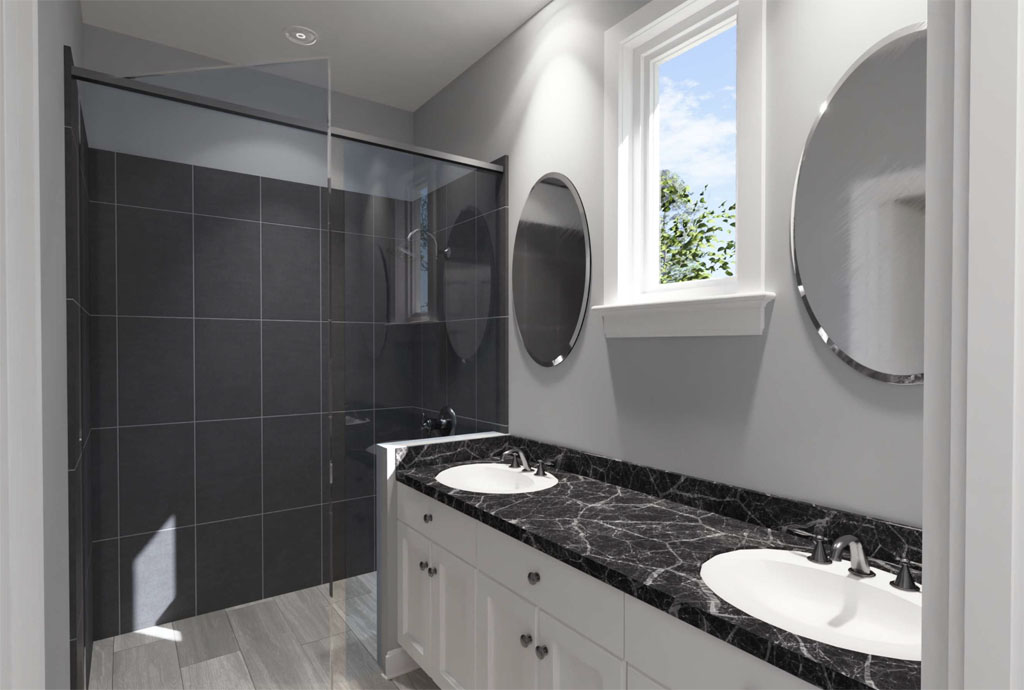
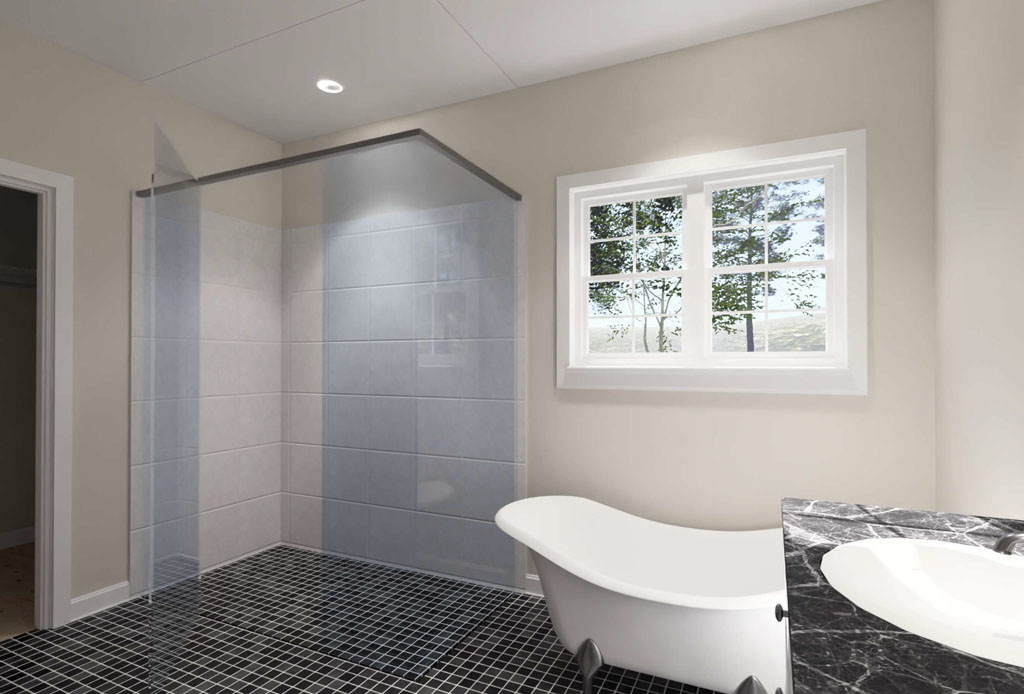
A well designed primary suite can be the moment when a buyer stops comparing and starts committing. Plan #24617 delivers with a primary bedroom that includes an en suite bathroom and a walk in closet.
This suite layout supports privacy and comfort, and it also helps developers position the plan as a move up option within a community. Buyers may be willing to stretch their budget when the primary suite feels intentional and well separated from busy household areas.
Four Bedrooms, Three and a Half Baths: Built for Modern Households
A 4 bedroom, 3.5 bathroom layout gives this plan broad appeal. Whether a household needs a dedicated guest room, space for older children, room for a home office, or a multi generational setup, the bedroom count supports flexibility.
From a development perspective, that flexibility can help you target more buyer types with the same base plan. That often means faster absorption and more predictable demand, especially in neighborhoods where buyers want space but still care about value.
A Game Room That Adds Lifestyle Without Losing Practicality
Buyers love the idea of a dedicated “fun” space, but they also want it to feel useful. A game room can serve as a playroom, media lounge, teen hangout, hobby space, or even a second living area. It is one of those features that photographs well, markets well, and adapts well.
When paired with our expanded interior visuals, the game room becomes easier to sell because buyers can picture how they would use it.
Mudroom and Laundry Placement That Supports Real Life
One of the underrated strengths of Plan #24617 is the transition space planning. There is a mudroom just off of the foyer area that flows into a laundry room.
That is a practical win for families coming in with backpacks, shoes, sports gear, and everyday clutter. For builders and developers, thoughtful service spaces like these can become quiet differentiators in your marketing. Buyers may not search for “mudroom adjacency,” but they feel the convenience when they tour the home.
Attached 3 Car Garage: A Strong Value Signal
An attached 3 car garage signals storage, convenience, and lifestyle. In many markets, it can be a key reason a buyer chooses one home over another. It also gives developers options for positioning, since a 3 car garage can support households with trucks, tools, recreational gear, or simply a desire for extra space.
Customization Options That Help You Match Your Market
In our 2026 quest to give developers and new home buyers what they want, Plan #24617 is also designed to be customizable when you purchase the plan. That matters because no two communities are exactly alike. Customization can help you:
Adjust details to meet local preferences
Align the plan with target price points
Respond to lot conditions or neighborhood guidelines
Add or refine features buyers request most in your region
The goal is to keep the structure of a proven layout while giving you room to tailor the plan for your build program.
Bringing It All Together: Affordable by Design, Easier to Visualize, Faster to Sell
Plan #24617 shows how W.L. Martin Home Designs is pairing practical, buildable layouts with enhanced interior visuals that support buyer confidence. Many of our new plans are created to deliver value through smart design choices, and now we are making it easier to see those choices clearly with more detailed views of the interior.
If you are a developer looking to expand your lineup with homes that are “affordable by design,” while still offering the features today’s buyers expect, Plan #24617 is a strong example of where we are headed in 2026.
Securing a construction loan feels a little like pitching a business plan, even if you are “just” building one home. In 2026, lenders are still cautious, but many buyers and small developers have more breathing room if rates have eased compared to the prior year. The biggest shift is that lenders want fewer surprises. They are looking for a clean scope, a realistic budget, and a plan that fits the neighborhood and the borrower’s experience level. That is where an “affordable by design” approach from W.L. Martin Home Designs can help from day one, because the plan itself is the foundation of a build that pencils out.
Start by getting your financial story lender ready before you ever break ground. For new home buyers, that usually means tightening your credit profile, keeping debt-to-income reasonable, and gathering two years of income documentation, bank statements, and proof of funds for your down payment and reserves. For developers, it is similar but expanded: entity documents, liquidity and net worth statements, a track record of completed projects, and a clear exit strategy such as presales, appraisals, or rental pro formas. In both cases, lenders love borrowers who show they can handle hiccups, so plan to document a contingency buffer and keep your finances steady during underwriting.
Next, build a complete “loan packet” that makes it easy for the lender to say yes. Most construction lenders want a full set of construction drawings, a detailed specifications sheet, and a line-item budget that matches the plan. You will also need a realistic timeline, plus bids or a signed contract from a qualified builder. Expect the lender to ask how you arrived at numbers for site work, utilities, permits, grading, and material allowances. This is where choosing a right-sized home plan matters. A smaller footprint, efficient rooflines, and practical room layouts can reduce framing, foundation, and finishing costs without making the home feel cheap.
A smart move in 2026 is to match your plan selection to what appraisers and end buyers are consistently rewarding. That means clean, marketable layouts, flexible spaces that can serve as a home office or guest room, and simple exterior forms that keep costs controlled. W.L. Martin Home Designs focuses on homes that fit real budgets, from compact cottages around 400 square feet to family-friendly designs up to about 2,500 square feet. When the plan is efficient, your budget looks more credible, your draw schedule is easier to manage, and your end value has a better chance of supporting the loan amount.
Once you are in underwriting, be prepared for how construction loans actually function. Funds are typically released in stages, called draws, after inspections confirm work is completed. Lenders will scrutinize your budget, verify builder credentials, confirm insurance, and often require a builder’s risk policy. They may also order an appraisal based on the plans and specifications, not just the lot. Make your life easier by aligning your specs and budget with what you can truly deliver. Avoid last-minute upgrades that are not supported by comps, and keep change orders to a minimum unless you have cash to cover the difference.
Finally, treat the loan approval as the start of disciplined project management, not the finish line. For buyers, that means staying in close contact with your builder and lender, tracking allowances, and keeping a cushion for delays. For developers, it means building a repeatable process: standardized specs, dependable subs, and plan families that share details so each new build gets faster and smoother. If you want more runway to build with confidence, start with a plan that is affordable by design, then assemble your documentation around it. The more complete your package, the less friction you will face, and the sooner you can move from idea to foundation with a construction loan that fits your goals.
Accessory Dwelling Units, usually called ADUs, are one of the most practical housing trends right now because they solve a simple problem. People need more flexible space and more affordable options, but land is expensive and zoning can be complicated. An ADU is a smaller secondary home on the same property as a primary house. It can be a detached backyard cottage, a garage apartment, an attached addition with its own entrance, or even a separate basement suite in some areas. The key idea is that it functions like its own little home, with a kitchen area, a bathroom, and a private living space.
For new home buyers, ADUs can turn a property into something that fits real life instead of a one size fits all layout. Maybe you want a place for a parent who needs privacy but still wants to be close. Maybe an adult child needs a starter space while saving up. Maybe you want a dedicated home office that is truly separate from the main house. A lot of buyers also like the idea of rental income, whether that is a long term tenant or occasional short stays where allowed. Even if you never rent it out, an ADU adds flexibility that can make a home feel more future-proof.
Developers pay attention to ADUs for a different but equally powerful reason. They can increase the number of livable units on a site without needing to acquire more land, which can improve the overall numbers on a project. Depending on local rules, ADUs can be used in infill builds, small lot neighborhoods, cottage communities, and build to rent projects. They can also create a product that stands out in a crowded market, since buyers often see an ADU as both a lifestyle upgrade and a financial safety net. In plain terms, it can help a project pencil better while also helping it sell faster.
The best ADU floor plans are usually the ones that feel comfortable, not cramped. That means smart storage, an efficient kitchen that still has enough counter space, and a layout that gives privacy to the bedroom without wasting square footage on hallways. A separate entrance matters a lot, and if the ADU is attached, good sound separation matters too. Developers also love designs that keep construction straightforward, like simple rooflines and stacked plumbing locations, because those details can save time and cost across multiple builds. A well designed ADU is not just smaller, it is smarter.
This is where buying the right plan set makes a big difference. With W.L. Martin Home Designs, you can start with a proven ADU or tiny/small home plan and tailor it to the project, whether you need the entry to face a certain direction, the exterior style to match a neighborhood, or the layout to work above a garage. For developers, having repeatable plans that can be adapted across lots helps reduce design delays and keeps the build process consistent. For buyers, starting from a professional plan gives peace of mind that the space will live well and that the details will make sense during construction.
If you are exploring an ADU, a good first step is to think about the purpose before you choose a plan. Is it for rental income, family living, or a work space that can later become something else. Then consider the best form, like a detached cottage for maximum privacy, a garage apartment for efficient land use, or an attached suite for easier access. Once you know those basics, W.L. Martin Home Designs can help you narrow down plan options that fit your goals and your lot, and then customize the details so the final home feels intentional, not improvised.
If you listen to the housing headlines, everything sounds like it hinges on interest rates. In reality, the bigger story going into 2026 is about something more practical: how much home people can comfortably afford and actually enjoy living in. That is where “right sized” homes come in. Instead of chasing the biggest possible square footage, both developers and new home buyers are starting to look for smaller, smarter, more efficient homes that keep payments in check and lifestyles flexible. In a market with limited inventory, rising costs, and buyers who are very focused on monthly numbers, right sized homes are positioned to stand out in 2026, and the starting point is the house plan you choose.
We are likely to see a housing environment where rates move around, but not dramatically collapse, while land, labor, and materials remain relatively expensive. That mix pressures everyone involved. Developers need projects that still pencil out even if financing costs are not at record lows. New home buyers want homes that feel modern and livable without stretching their budget to the breaking point. A 3,000 square foot home with inefficient layout and wasted space is harder to justify when every square foot has a cost attached to it. On the other hand, a well planned home in the 1,200 to 2,000 square foot range can live larger than its numbers suggest, especially when the plan is designed from the ground up to be Affordable by Design.
What buyers are really asking for in this kind of market is not just more space, but smarter space. They want flexible rooms that can shift from home office to guest room, open but efficient kitchens that are comfortable to cook in every day, and storage that keeps smaller homes from feeling cramped. Many also want outdoor areas that actually get used, not oversized yards that are expensive to maintain. Right sized homes answer those needs by focusing on flow and function rather than bragging rights. A good house plan does this heavy lifting before the first footing is poured, so a 1,600 or 1,800 square foot home can feel just as functional as a much larger one, while keeping construction and monthly costs more manageable.
For developers, this shift is an opportunity rather than a threat. Communities built around well designed, efficient homes tend to attract today’s payment conscious buyer, whether that is a first time buyer, a downsizer, or a renter in a build to rent neighborhood. Stocking your portfolio with proven house plans between about 400 and 2,500 square feet gives you options, from compact cottages and ADUs to core family homes that can be repeated across multiple lots. These plans can help you standardize materials, tighten build schedules, and reduce surprises for your subs. When financing, you can present lenders with a project that is not only more affordable per unit to build, but also better matched to what buyers are actually looking for heading into 2026. In a competitive environment, that combination can protect margins and speed up sales.
New home buyers benefit in a similar way when they start with a right sized plan instead of shopping by square footage alone. Choosing an efficient, thoughtfully designed plan helps you focus on what you really care about: the payment you can live with, the rooms you will actually use, and the long term costs of owning the home. Smaller footprints often mean lower energy bills, fewer materials, and less maintenance over time. When you bring a complete, construction ready plan to your builder, you are also able to get clearer bids and talk with your lender earlier, so you are not surprised halfway through the process. This kind of planning becomes even more valuable if 2026 plays out as expected, with steady demand and buyers competing for homes that manage to blend affordability and quality.
W.L. Martin Home Designs was built around this idea of homes that are Affordable by Design. Our collection includes house plans from roughly 400 square feet up to about 3,500+ square feet, created with developers and new home buyers across North America in mind. Whether you are planning a small infill project, a new community, a build to rent portfolio, or your own personal home, you can find right sized homes that are efficient to build and comfortable to live in. Instead of waiting to see what happens with rates in 2026, you can take control of what you can control today by choosing a smart, well designed house plan that fits both your budget and your strategy. Browse the plans at W.L. Martin Home Designs, pick a right sized home that matches your goals, and position yourself to be ahead of the market, not chasing it.
As 2026 approaches, the housing story is starting to look less like chaos and more like a set of readable signals. Recent reporting summarized by Florida Realtors and NewHomeSource points to three themes that matter for both developers and new home buyers: mortgage rates are showing signs of settling down, builder outlook is improving from the lows, and inflation data continues to steer Federal Reserve decisions that ripple through housing finance. The goal is not to “time” a perfect week to act, it is to plan around the signals that usually shape demand, pricing power, and construction pacing.
The first signal is mortgage rate stability, not just whether rates are higher or lower. As University of Mississippi finance professor Ken Johnson noted in the NewHomeSource report, buyers tend to freeze when rates swing around, even more than when rates are simply elevated. The article cited rates averaging about 6.3% in mid-November and a Mortgage Bankers Association forecast that 2026 originations could rise 8% to $2.2 trillion as rates stabilize. For builders, that matters because stable payments typically bring more shoppers off the sidelines, which supports steadier absorption and more predictable release schedules in new communities.
Next, keep a close eye on builder sentiment and what it implies about 2026 construction activity. The NAHB/Wells Fargo Housing Market Index was reported at 38 in November, still below the “more positive than negative” line of 50, yet the forward-looking component for future sales moved above 50 in October and November, which NAHB’s Robert Dietz described as a sign of an uptick in construction in 2026. Forecasts referenced in the piece pointed to modest growth, roughly a 1% gain in new home sales per NAHB, and a similar outlook from Zonda and NewHomeSource’s Ali Wolf, who cited about 1.5% growth to around 660,000 single-family new home sales. In plain terms, it is not a boom call, but it is a credible case for continued building, especially for products that meet today’s affordability reality.
That affordability reality is the third signal, and it is where 2026 could quietly improve without fireworks. First American’s Odeta Kushi described a base case where mortgage rates hover in the low-6% range, with affordability getting better through slower home price growth and continued income gains, not through a dramatic rate drop. The First American House Price Index was cited as showing appreciation at its weakest pace since 2012, which supports the idea of “progress without a breakout.” Pair that with NewHomeSource notes that many builders are still using incentives and that nearly four in 10 builders are cutting prices, while construction costs were described as rising at about a 2% annualized pace, and you get a 2026 setup where efficient design and disciplined specs can win.
Another factor developers should watch is the lock-in effect, and whether it starts to thaw. Many homeowners have been staying put to keep ultra-low mortgage rates, restricting resale inventory. The NewHomeSource summary suggests 2026 could bring a gradual increase in listings as life events stack up, marriage, divorce, job changes, growing families, retirement, even if rates remain “higher for longer.” More resale supply can affect competitive positioning, but it can also expand overall market activity. For developers, the practical takeaway is to track local inventory shifts and price premiums. The report highlighted the Beracha and Johnson Housing Ranking Index concept, which compares current pricing to a metro’s long-term trend to gauge where declines are more likely and where stabilization could turn into gains.
So, should you keep planning builds and selecting house plans now? In many cases, yes, because planning time is your leverage. If 2026 is a year of steadier rates, modest sales growth, and slow affordability improvement, the builders who have permit-ready, cost-aware home plans will be the ones who can move decisively when buyer traffic returns. At W.L. Martin Home Designs, we focus on practical, buildable house plans from about 400 to 3,500+ square feet that help developers and buyers hit the sweet spot between livability and budget. If you want to be ready for a “stable and improving” 2026 housing market, now is the time to shortlist plans, match them to your lots and buyer profiles, and line up customization options so you can break ground with confidence instead of scrambling when conditions finally feel clear.
The Federal Reserve just trimmed interest rates again, which might sound like a small move on paper, but it is an important signal for anyone thinking about building a new home. Rates are lower than they were not long ago, and while this single cut will not fix the entire housing shortage, it does create a window of opportunity. For both housing developers and new home buyers, choosing a house plan from W.L. Martin Home Designs now can help you move quickly while financing conditions are still favorable and before competition heats up further.
Even with this rate cut, the housing market is still short on inventory. Many existing homeowners are staying put after locking in ultra low mortgage rates in past years, which keeps the resale supply tight. Mortgage rates have not crashed, but they are hovering near the lowest levels seen in quite a while. That has already started to pull more buyers back into the market, especially those who were right on the edge of being able to qualify. As more people reenter the market over the next year, demand for homes and buildable lots is likely to rise, which can push prices upward even if rates stay about the same.
This mix of slightly lower rates and rising demand is exactly why acting now on your next project or personal home can be smart. Locking in a house plan today gives you a clear construction budget and a head start when you talk with lenders. With a complete set of construction ready plans from W.L. Martin Home Designs, you can move faster from idea to permit, which makes it easier to secure financing while current rates are still in reach. Waiting for a big drop in mortgage rates may backfire, because lower rates often bring higher land prices, higher construction bids, and more competition from other builders and buyers.
For developers, the recent Fed cut can be especially meaningful. Construction and development loans are closely tied to short term interest rates, so even a quarter point cut can translate into significant savings on large projects. When you pair that with house plans that are optimized for efficient construction, you protect your margins from both sides. W.L. Martin Home Designs offers a wide range of affordable house plans from compact homes around 400 square feet to family friendly designs up to about 2,500 square feet. These are “Affordable by Design,” created to use materials and space wisely, which can help you control hard costs, shorten build times, and appeal to buyers watching their monthly payment.
New home buyers can benefit in a similar way. Instead of waiting for the perfect rate that may never arrive, you can choose a home plan that fits your budget and lifestyle, then work with your lender to lock in today’s more manageable costs. “Affordable by Design” means the home is planned from the start to be efficient to build and comfortable to live in, not oversized or wasteful. Smaller, smarter footprints, thoughtful layouts, and practical features can keep both the price and monthly payment within reach. Whether you are a first time buyer partnering with a builder, or a developer planning your next community, now is the time to explore W.L. Martin Home Designs, select a house plan, and position yourself to take full advantage of the current interest rate environment before the next wave of demand arrives.
Another batch of fresh house plans just rolled out at W.L. Martin Home Designs this week, and this group leans hard into what builders and buyers are asking for right now: smaller, smarter, truly buildable homes.
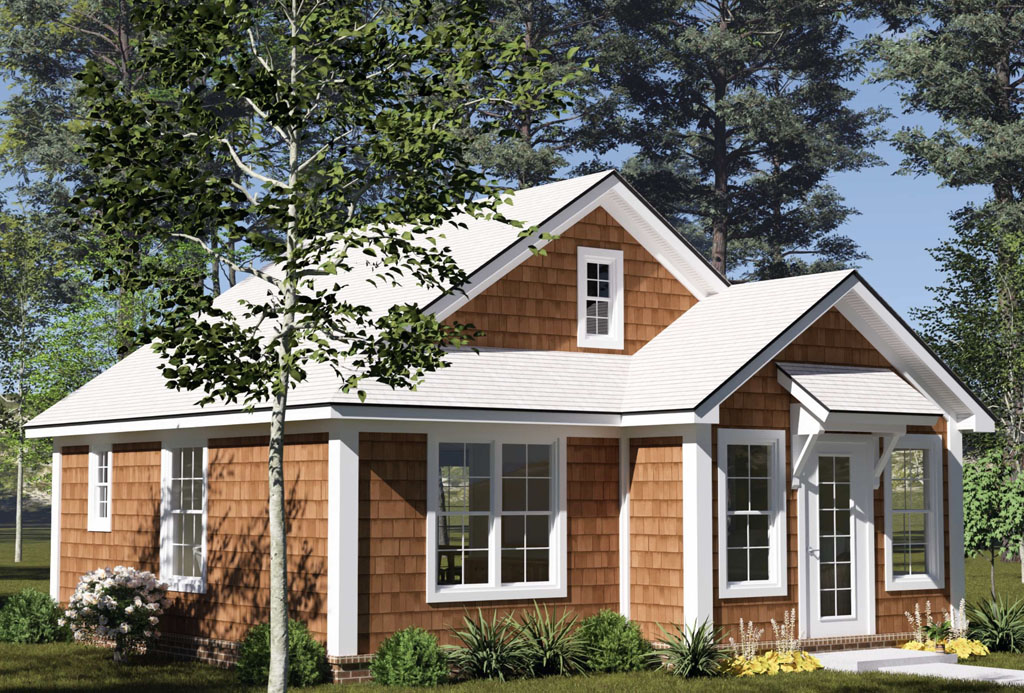
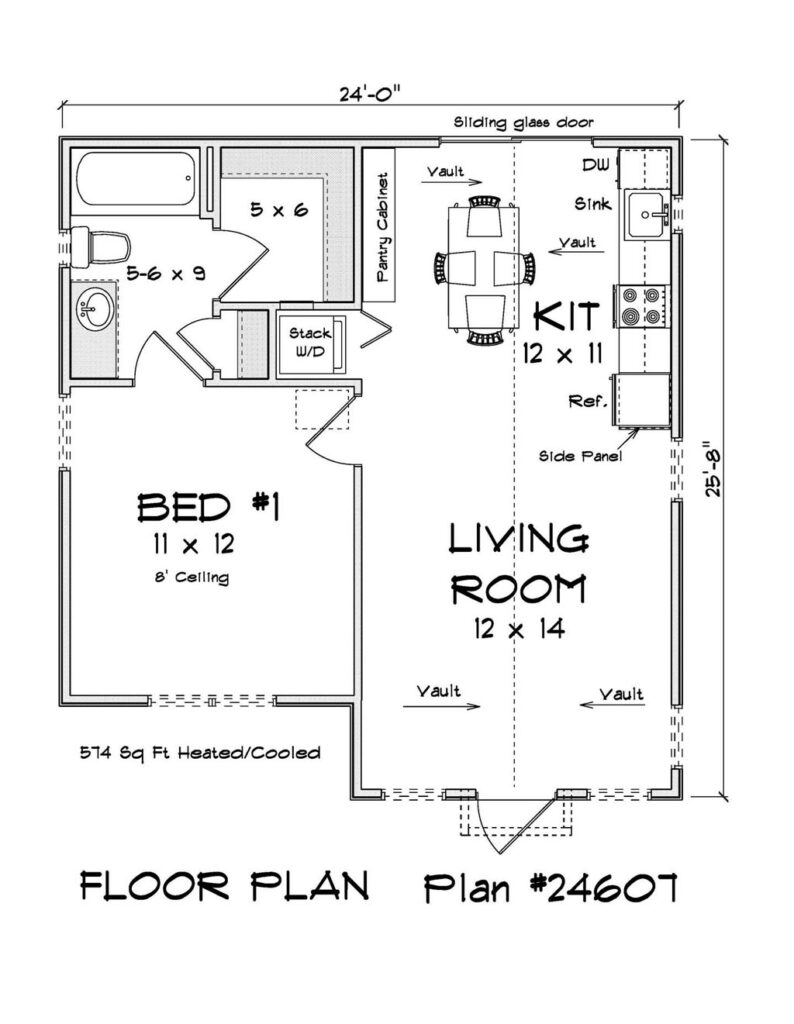
This release includes 10 new designs ranging from creative tiny homes starting around 574 square feet, up through compact homes in the 751 and 799 square foot range, and on to unique one story and two story layouts for growing families. Many of these plans are brand new to our portfolio, yet they follow the same theme that has guided us for decades: homes that are Affordable by Design. In other words, these are plans that start by protecting budgets at the drawing board so developers can hit real price points in the field.
Tiny Homes With Real Living Power
The smallest plans in this release, including options around 574, 751, and 799 square feet, are a good example of what we mean by Affordable by Design. They are not stripped down or awkward. They are simply efficient.
Instead of long hallways and odd leftover spaces, these tiny home plans lean into open living areas, smart kitchen placement, and storage that is tucked into corners that would otherwise go to waste. Thoughtful window placement makes smaller rooms feel generous. Flexible spaces can pull double duty as a work corner, hobby area, or guest sleeping zone.
For developers, these compact footprints can unlock tighter infill lots, accessory dwelling unit options, or small home communities that appeal to first time buyers, downsizers, and long term renters who want quality without excess. Less square footage means fewer materials and shorter build times, while the layouts still feel like a home people can actually live in, not just a novelty.
One Story And Two Story Plans For Growing Families
Not every buyer is ready for a tiny home, and this release also brings in a range of single family plans that serve young families, move down buyers, and everyone in between.
You will see one story homes that keep everything on a single level for comfort and long term accessibility, along with two story designs that stack bedrooms and flex spaces upstairs to control the footprint and site costs. These plans work hard to keep the main traffic patterns simple. Think clear routes from garage to pantry to kitchen, open living and dining spaces where families can spread out, and primary suites that feel private without requiring a huge bump in square footage.
For developers, that translates to fewer framing surprises, easier mechanical runs, and elevations that look good without relying on expensive exterior details. You get homes that present well online and from the street while still respecting your pro forma.
What Makes These Plans Affordable By Design
A lot of people talk about affordability only at the point of sale. We think it starts much earlier.
With this new group of 10 plans, we leaned into a few guiding ideas: keep footprints tight and purposeful so every square foot earns its place, use simple, repeatable structural moves that framers understand right away, stack wet walls and organize mechanical paths so trades can move efficiently, and offer layouts that can be repeated across multiple lots without every house looking exactly the same.
Those choices do a quiet kind of work for you. They help control takeoff numbers. They make schedules more predictable. They reduce the need for custom fixes in the field. Over multiple builds, that turns into very real savings.
Developers who use our plans across several communities often tell us the same thing: the designs are easy to permit, easy to explain to buyers, and easy to build again and again without headaches. That is what we aim for with every release, and this batch is very much in that tradition.
Why Developers Are Paying Attention To This Size Range
Across North America, the pressure on affordability is not going away. Land is not getting cheaper. Materials and labor are still under strain. At the same time, the demand for attainable new homes remains strong.
That is exactly where this new collection fits.
Tiny homes in the 574 to 799 square foot range help you reach new price points and new types of communities. Compact one story and two story plans allow you to create offerings for first time buyers and growing families without pushing them out of reach financially. When your product line leans into this kind of efficient design, it becomes easier to make the math work for you and for your buyers.
These are the kinds of homes that can be duplicated across phases, scaled into small subdivisions, and adapted to different elevations or exterior palettes without a complete redesign.
Ready To Build, Ready For Your Next Phase
All 10 of these new plans are created with real world buildability at the front of our minds. They are drawn for developers and builders who want to move from concept to foundations without a lot of back and forth.
If you are planning your next group of lots, building out a new phase, or simply refreshing your plan lineup, this release is a good place to start. You will find tiny homes that feel bigger than their square footage, compact single family plans that fit a wide range of buyers, and one story and two story layouts that respect budgets and daily life.
At W.L. Martin Home Designs, we are excited to keep expanding our Affordable by Design portfolio with plans that do what you need them to do in the field. Take a look at the newest additions, imagine them on your lots, and see how they can become part of the next wave of homes your buyers will be proud to move into.
If you are a builder or home buyer, the last few years have probably felt like a roller coaster. Mortgage rates jumped above 7 percent in 2023 according to Freddie Mac’s weekly survey, which cooled sales and pushed a lot of buyers to the sidelines. At the same time, analysts like Redfin are looking ahead to 2026 and still see a market that is short on homes, especially more affordable ones. That combination of steady demand and payment pressure is exactly why the plans you choose today matter so much for the next couple of years.
Under the surface, the supply shortage is still very real. Freddie Mac has estimated that the United States is short by roughly 3 to 4 million homes compared with household formation [Freddie Mac, “The Housing Supply Shortage,” 2021]. Existing home sales in 2023 fell to their lowest level in about a decade, down sharply from the 2021 peak, largely because buyers struggled with prices and higher rates [National Association of Realtors, 2023 Existing Home Sales]. The need for housing did not disappear. It just collided with affordability limits. Looking ahead to 2026, most forecasts expect rates to ease from the recent highs but remain well above the ultra low levels of 2020 and 2021, which means affordability will stay front and center.
For builders and developers working on homes from roughly 400 to 2,500 square feet, this creates an opportunity. The homes that are likely to perform best into 2025 and 2026 are those that are intentionally efficient: smaller, smarter footprints that still feel good to live in. At W.L. Martin Home Designs, that is what we call Affordable by Design. Affordability does not come from stripping out everything buyers love. It starts at the drawing board, with plans that use every square foot carefully and keep structural complexity in check.
In practical terms, Affordable by Design plans tend to share a few traits that help both budgets and buyers, such as: efficient footprints that reduce wasted hallways and non functional space, repeatable layouts that make framing and mechanical work faster across multiple lots, and narrow lot or duplex options that let you create more attainable homes on higher priced or smaller parcels. When you stack those kinds of decisions across a phase or a small subdivision, the impact on your total project cost and your buyers’ monthly payments can be significant.
This is why now is a smart time to update your plan lineup instead of waiting for 2026 to arrive. If you are a builder, you can use this period to curate a small set of W.L. Martin plans that fit your land, your trades, and your price points, then carry those designs into multiple projects. If you are a buyer working with a builder, you can start with plans that were drawn with real budgets in mind, rather than trying to trim down a design that was never meant to be affordable. In both cases, locking in the right plans now puts you in a stronger position as the market stabilizes and more buyers re enter.
At W.L. Martin Home Designs, we are already helping builders across North America prepare for this next phase with plans that support realistic pricing without sacrificing livability. As Redfin and other analysts point toward a 2026 market that still needs a lot of attainable homes, the question is not whether demand will be there. It is whether you will have the right product ready when it shows up. If you want to build a collection of Affordable by Design homes for your next projects, this is the time to choose the plans that will carry you into the years ahead.