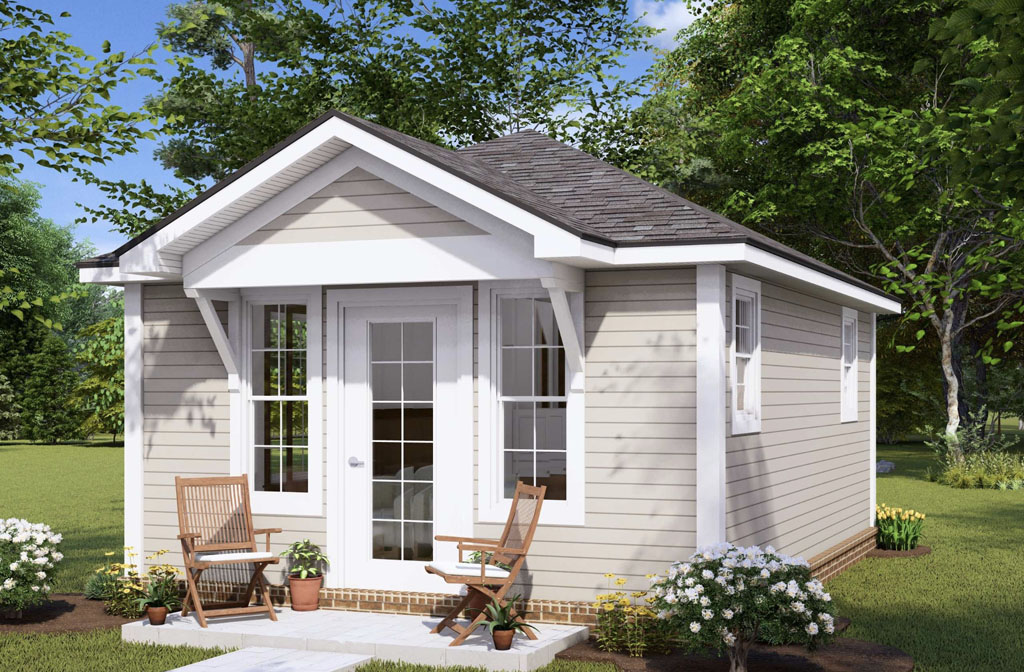
Over the past decade, the housing market has gone through somewhat of a transformation. Tiny homes, compact dwellings typically ranging between 100 and 400 square feet, have captured the imagination of both homeowners and developers. These homes offer more than just a smaller footprint; they embody a shift in how we think about living spaces, prioritizing affordability, sustainability, and smart design. For developers, tiny home plans represent a creative solution for meeting housing demands while catering to modern lifestyles.
Tiny homes resonate with a wide variety of people, from young professionals and first-time buyers to retirees seeking to downsize. But they’re not just for individuals. Entire developments of tiny homes are springing up, creating communities that emphasize shared values, efficient land use, and a simplified way of life. This trend has been propelled by growing awareness of housing affordability issues and the desire for environmentally friendly living.
Why Tiny Homes Work
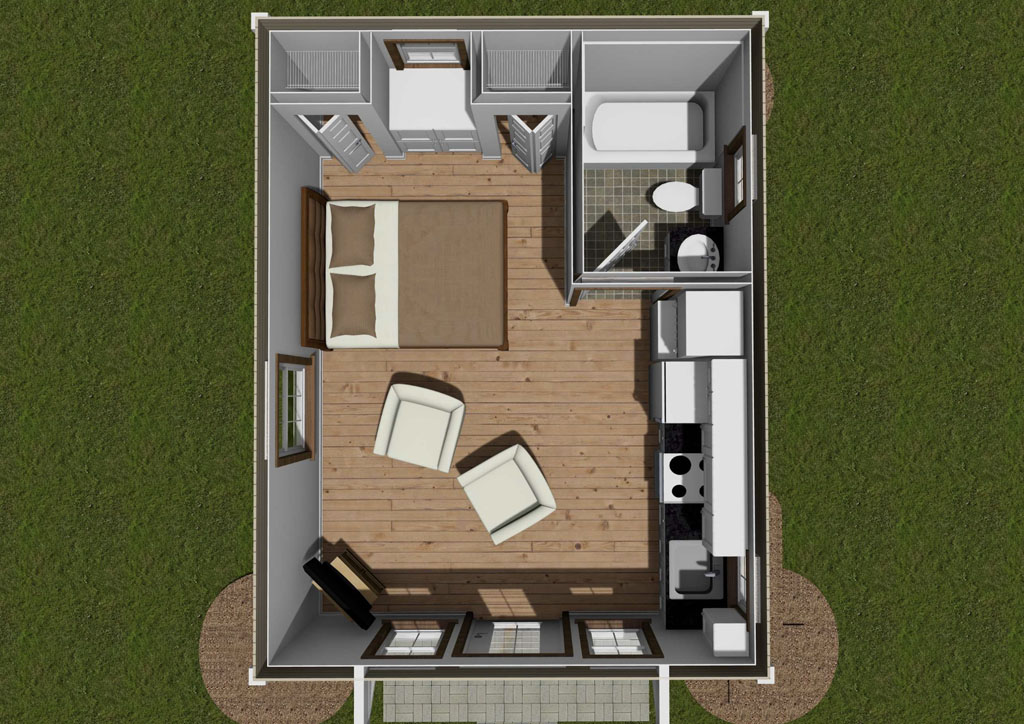
Tiny homes are often designed to maximize efficiency without sacrificing comfort. Developers usually enjoy the challenge of designing spaces that make every square foot count. From open floor plans that eliminate unnecessary walls to clever built-in storage solutions, these homes deliver a balance of practicality and style in a small footprint. The compact size naturally encourages a minimalist lifestyle, but it’s the thoughtful details that make them livable and enjoyable.
Energy efficiency is another major selling point. Tiny homes require fewer resources to build and maintain, meaning they have a lower environmental impact. For developers, this is an opportunity to meet growing demand for green housing options. Pairing tiny home plans with energy-efficient appliances, sustainable building materials, and renewable energy sources like solar panels not only benefits the planet but also appeals to eco-conscious buyers.
Affordability is a central factor in the rise of tiny homes. The cost to build a tiny home is significantly lower than traditional housing. Some estimates of tiny homes put the average price around $23,000. This affordability makes them particularly attractive to young buyers and developers working on budget-conscious residential projects. Furthermore, their smaller size allows for higher density developments, maximizing the use of available land without overcrowding.
Tiny Homes in Action
The impact of tiny homes can be seen in many areas around the United States and within certain housing initiatives. Urban areas, for example, are adopting tiny homes to address housing shortages while revitalizing unused spaces. In suburban and rural areas, these homes are being developed as affordable starter communities or retirement villages. Developers are also exploring tiny home plans for vacation rentals, creating compact, modern cabins that fit seamlessly into nature.
Tiny homes aren’t just for private buyers, they are becoming a key part of larger developments and lifestyles. Some projects involve clusters of tiny homes designed as co-housing communities, where residents share communal spaces like gardens, kitchens, or recreation areas. This model fosters a sense of community while keeping costs low for developers and buyers alike.
Designing with Purpose
At WL Martin Home Designs, we understand the unique demands of designing for tiny home living. Our tiny home plans are created with developers in mind, offering flexibility for customization while maintaining the high standards required for successful builds. Those looking to develop an eco-friendly community, an affordable housing project, or a collection of investment properties, our tiny home plans are tailored to meet specific needs.
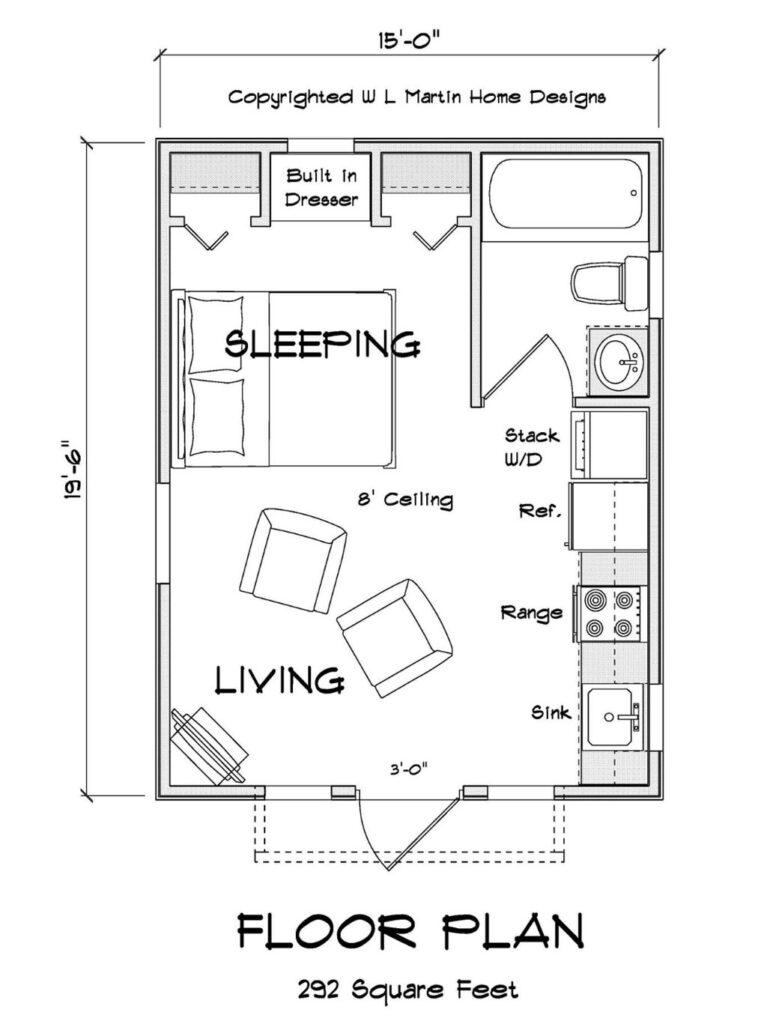
The design process of our homes, including tiny homes, goes beyond simple aesthetics. We include many features like open layouts, natural lighting, and dual-purpose furniture spaces that feel larger than they are. Moreover, we ensure our plans align with local building codes and regulations, simplifying the permitting process for developers.
We believe that the tiny home movement is more than a passing trend or something that will fade away in our lifetime. It’s a reflection of evolving needs in housing. Developers who embrace such a shift are not only meeting the demands of today’s market but also laying the groundwork for a more sustainable future. Tiny homes demonstrate that smart design and creative solutions can redefine what we expect from residential developments and the future of homebuilding.
If you’re a developer looking to bring innovation and value to your next project, explore our collection of expertly crafted tiny home plans at WL Martin Home Designs. With designs that balance form, function, and affordability, we’re here to help you create communities that thrive.