If you spend any time talking with builders right now, a theme comes up again and again. Everyone is trying to do more with less. Construction costs keep climbing, labor is tight, and yet buyers still expect homes that feel unique rather than “copy and paste” from one lot to the next. According to the National Association of Home Builders, direct construction expenses now make up around 60 percent of the final sales price of a typical new home, which leaves developers very little room for inefficient design or rework (NAHB, 2022 Cost of Construction Survey). That is exactly where the concept of a plan family can quietly transform a project from “it pencils” into “this neighborhood really performs.”
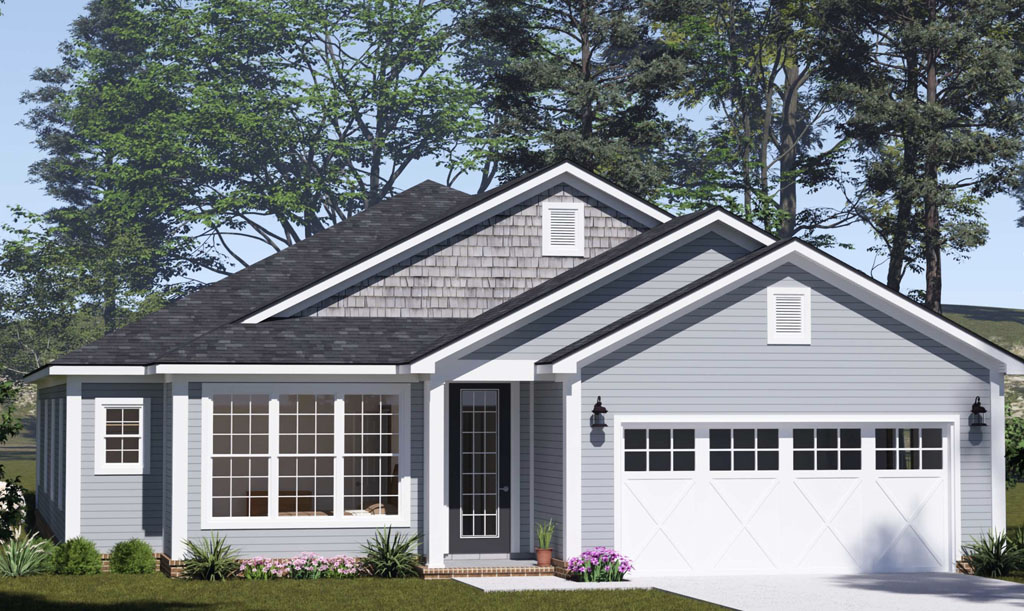
A plan family starts with one well considered core layout. From that base, you create a series of related homes that share the same underlying structure but offer different exteriors, bedroom counts, or interior style choices. For developers, this approach brings real financial advantages. Framing crews become extremely efficient when they see similar footprints day after day, material orders get simpler, and trade partners spend less time figuring things out in the field. With more than one million new housing units started each year in the United States, even small percentage gains in efficiency can translate into very real money saved and schedules tightened across multiple projects (U.S. Census Bureau, 2023).
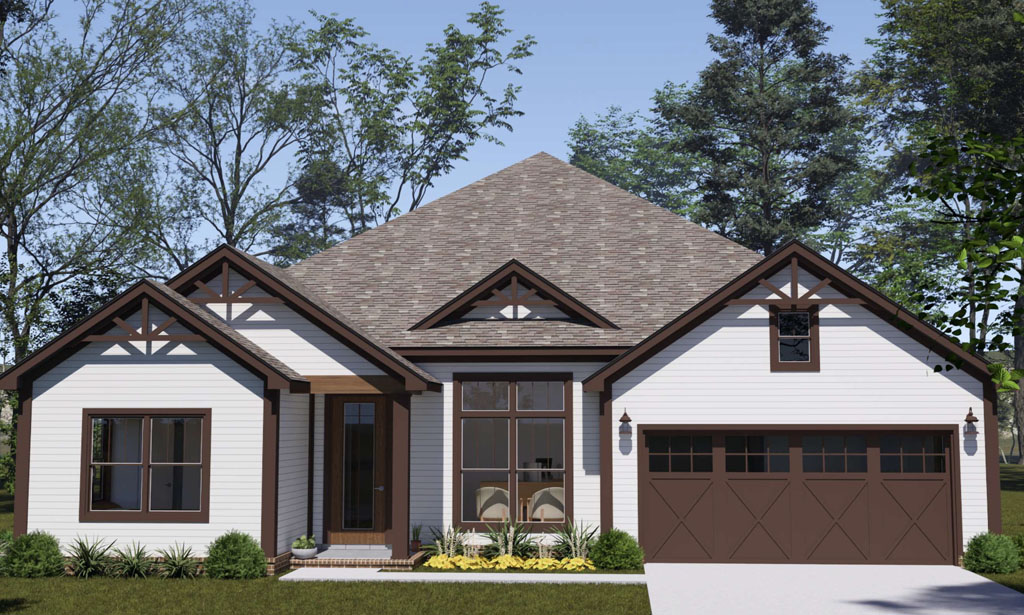
Buyers, on the other hand, experience something very different. They do not see repeated framing grids or familiar roof truss packages. They see streets that feel varied and interesting, where each home has its own personality but the neighborhood still feels cohesive. Research from the National Association of Realtors shows that exterior appearance and neighborhood look are among the top factors buyers consider when choosing a home, right alongside price and location (NAR, 2023 Profile of Home Buyers and Sellers). A thoughtful family of related plans lets you meet that emotional need for individuality without sacrificing the efficiencies you need as a builder.
Plan families also make it easier to fine tune a community for different price points and buyer profiles. One version of the plan might keep finishes simple and square footage lean for a first time buyer, while another variation adds a larger primary suite or expanded outdoor space for a move up buyer on a nearby lot. Because all of those options grow from the same original design, you avoid restarting the engineering and permitting process from scratch each time. For developers working across multiple markets in North America, this “one core idea, many local expressions” approach can help a single community feel tailored to its site and its buyers without exploding design costs.
There is a marketing advantage here too. A plan family gives your sales team an easy language to use in listing copy and model home tours. They can talk about “this series of homes” and show how small shifts in elevation, window layout, or interior configuration meet different buyer needs while still clearly belonging to the same collection. That kind of simple story is powerful in online listings and social media posts, where buyers often make quick decisions about which neighborhoods are worth visiting in person. When your plans are designed with related variations in mind, your visuals look intentional and curated instead of random.
At W.L. Martin Home Designs, visitors can browse through a wide range of designs and start imagining how one core concept might support a collection of homes rather than just a single build. Whether a developer is planning a small cluster of infill houses or an entire new subdivision, thinking in families instead of one offs can unlock better margins, smoother builds, and streetscapes that attract both buyers and future investors. It all starts with choosing one strong, flexible design and then letting that idea grow into a community.
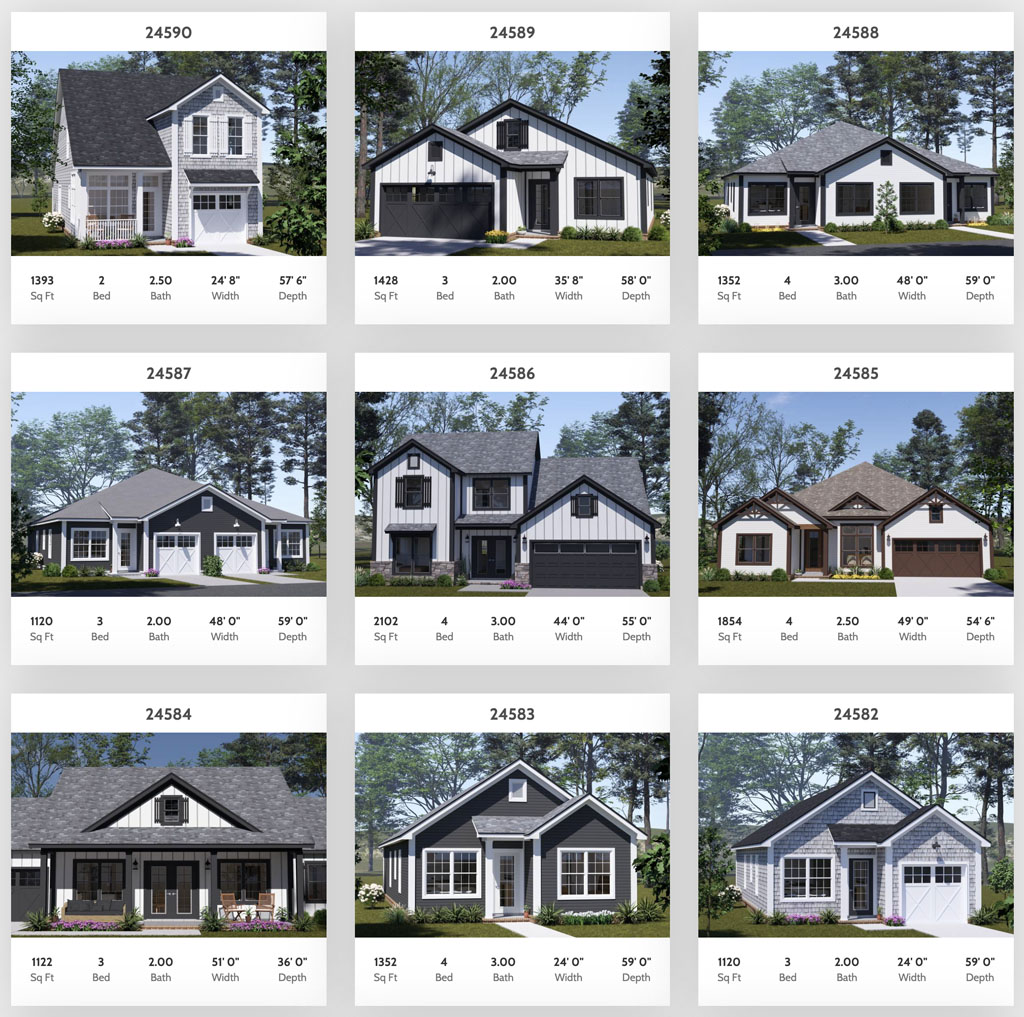
W.L. Martin Home Designs has released ten new house plans this week spanning 1,120 to 2,102 square feet. The collection is intentionally versatile, with a mix of single story and two story layouts and a couple of thoughtfully crafted one story duplex designs. These plans are aimed at real projects and real budgets, offering developers and new home buyers fresh options that build efficiently and live comfortably.
Across the release you will see an emphasis on livability for different life stages. The square footage range keeps construction approachable for starter homes while still giving growing families room to breathe. Several plans also work well for multigenerational living, with layouts that make it easier to support an older family member while maintaining privacy and comfort.
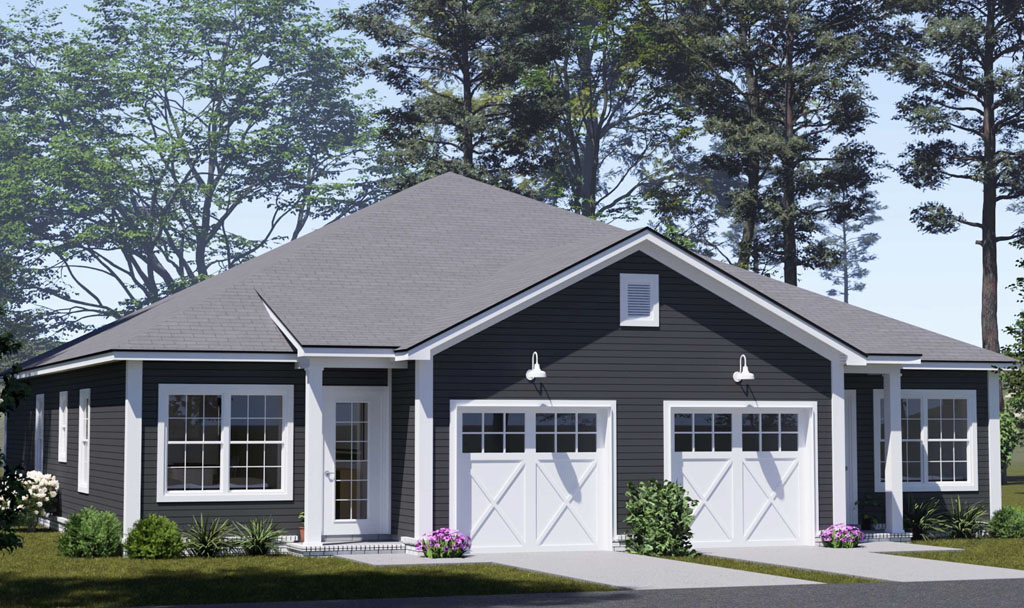
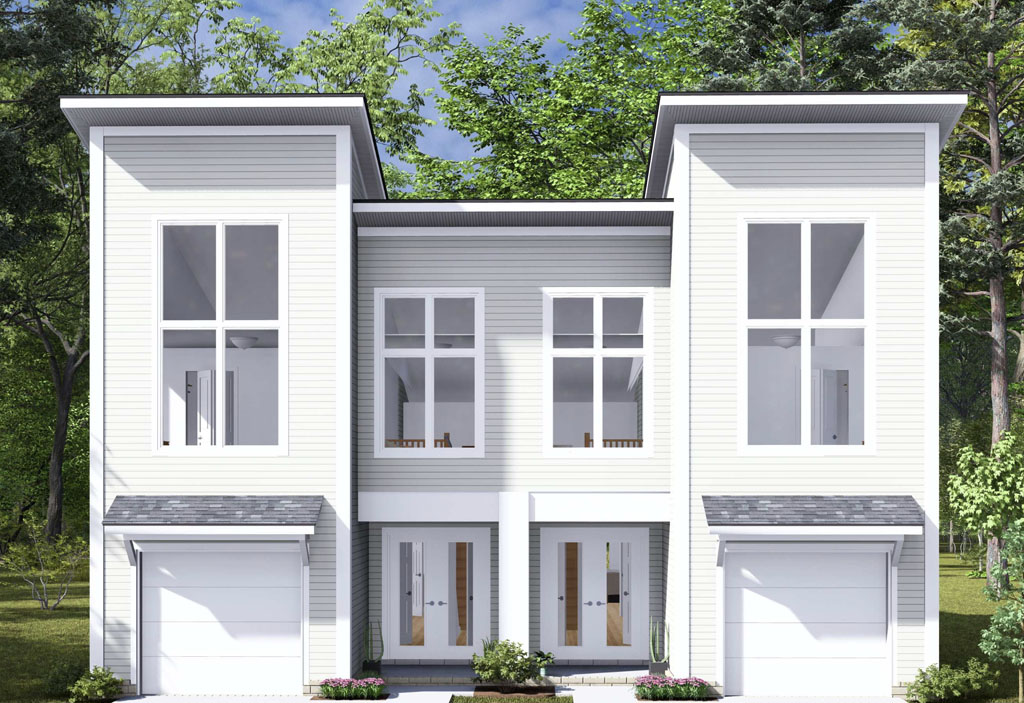
New features found in our new home designs include our latest approach to combining the laundry area with a convenient pantry near the kitchen. This places everyday tasks in one central zone, which shortens trips during grocery unloads and keeps linens and cleaning supplies close to the heart of the home. We have also added new one story duplex designs. These bring neighborhood friendly fronts with individual entries and give builders flexible ways to add variety and attainability within a development. Alongside those, the collection includes both one story and two story single family homes, so you can match product to lot conditions and buyer preferences without leaving the series.
These choices track with what buyers consistently say they want. AARP’s Home and Community Preferences research has repeatedly found that a large majority of adults age 50 and over want to remain in their homes as they age, often cited around the seventy percent range in recent survey waves, which supports plans that make daily routines easier and more central. The National Association of Home Builders reports that a dedicated laundry room ranks among the most desired features in new construction and that a walk in pantry is also highly valued in kitchen planning.
The U.S. Census Bureau’s Survey of Construction shows that many new single family homes cluster around three bedrooms with two or more bathrooms and that typical sizes fall in the low to mid two thousand square foot range, so our 1,120 to 2,102 square foot plans align with the market segments that prioritize attainability and efficient space. Browsing is disabled here, so these citations reference well known surveys from AARP, NAHB, and the U.S. Census published in recent years rather than live linked sources, but the direction is consistent across editions.
Whether you are planning a compact starter, a comfortable home for a growing household, or a layout that supports an older parent with day to day convenience near the kitchen, this release was shaped to meet those needs without excess square footage. We welcome you to explore the new plans at wlmartinhomes.com. We believe they fit a wide range of family types and give developers fresh, buildable choices for communities focused on this size range. If you need small plan adjustments such as mirrored layouts or elevation tweaks, our team is ready to help you move from selection to permit with confidence.
Hybrid work is not a blip. It is simply how millions of people organize their week now, which means the floor plan has to carry more weight than it used to. The good news for developers is that thoughtful, work friendly layouts do not have to be large or expensive. A few smart moves in the 1,000 to 2,000 square foot range can make a home live better, list better, and sell faster.
If you want the quick context. McKinsey’s American Opportunity Survey found that 58 percent of workers have the option to work from home at least one day per week and 35 percent can do so five days per week, and when people have the option 87 percent take it at least some of the time. That survey is widely cited because it confirms what buyers are feeling on the ground. Pew Research Center reported in 2023 that among workers whose jobs can be done remotely, hybrid became the most common arrangement and more than a third were fully remote. Gallup’s 2023 reporting reached the same conclusion. Hybrid is stabilizing as the preferred setup for remote capable roles. In other words, a real home office is no longer a nice to have feature. It is table stakes for a large slice of the market.
Below are the design choices that reliably make a difference, pulled from what buyers ask for and what appraisers and inspectors actually see in the field.
A real office, not a leftover corner
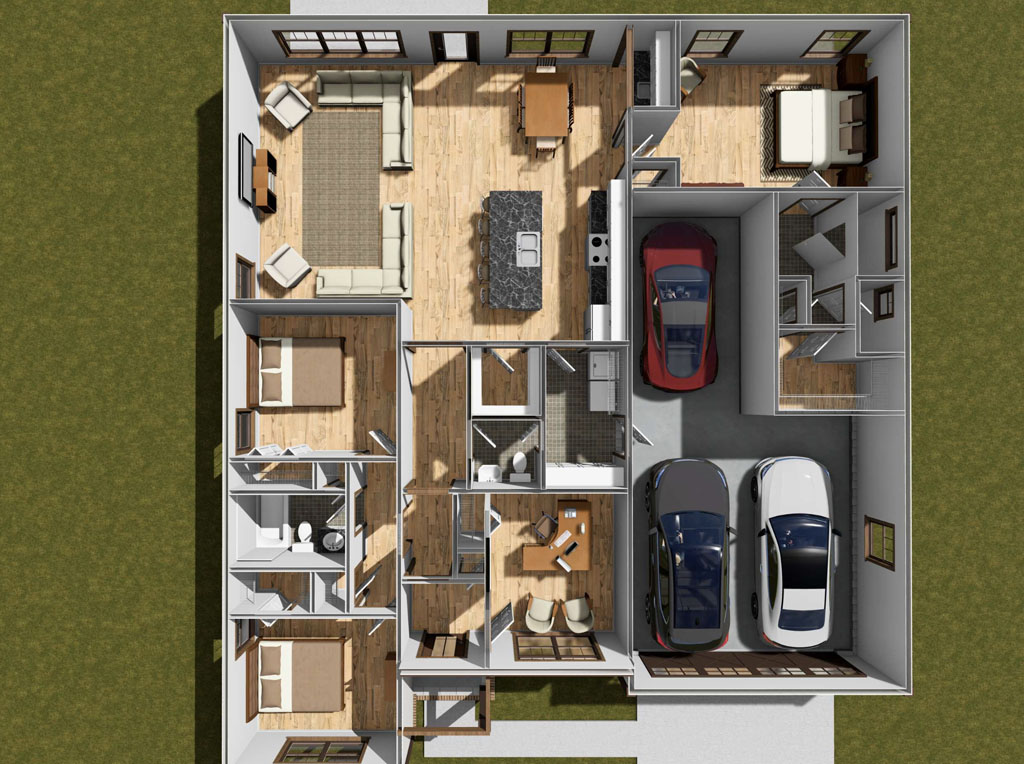
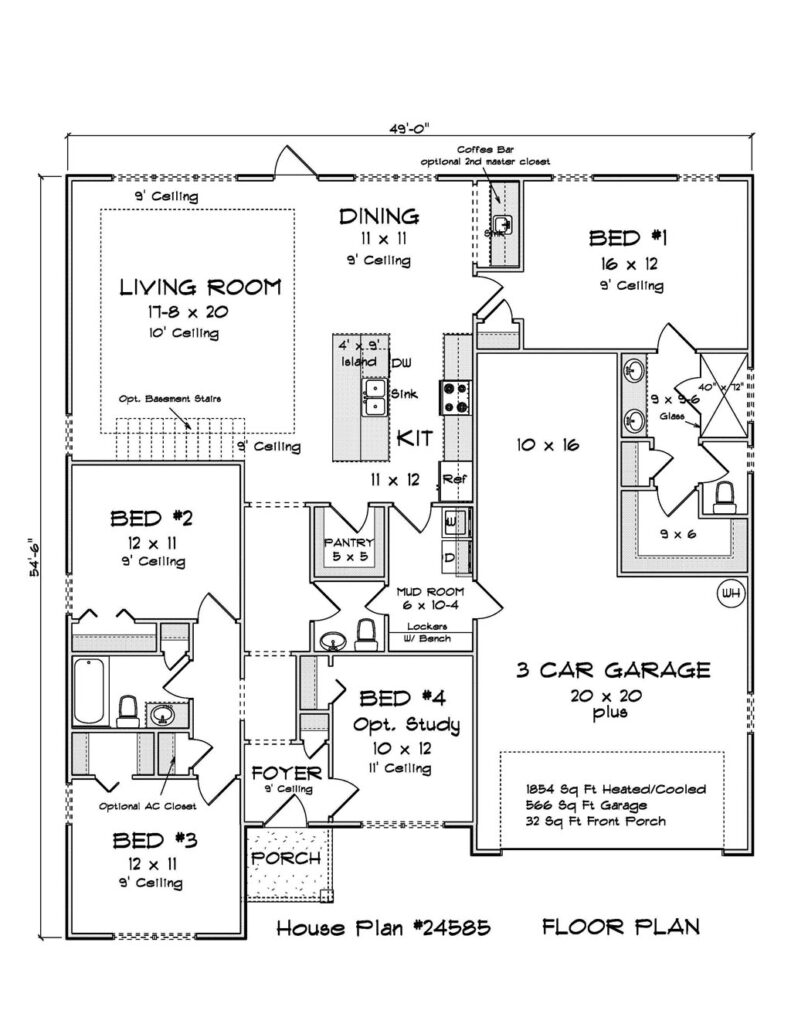
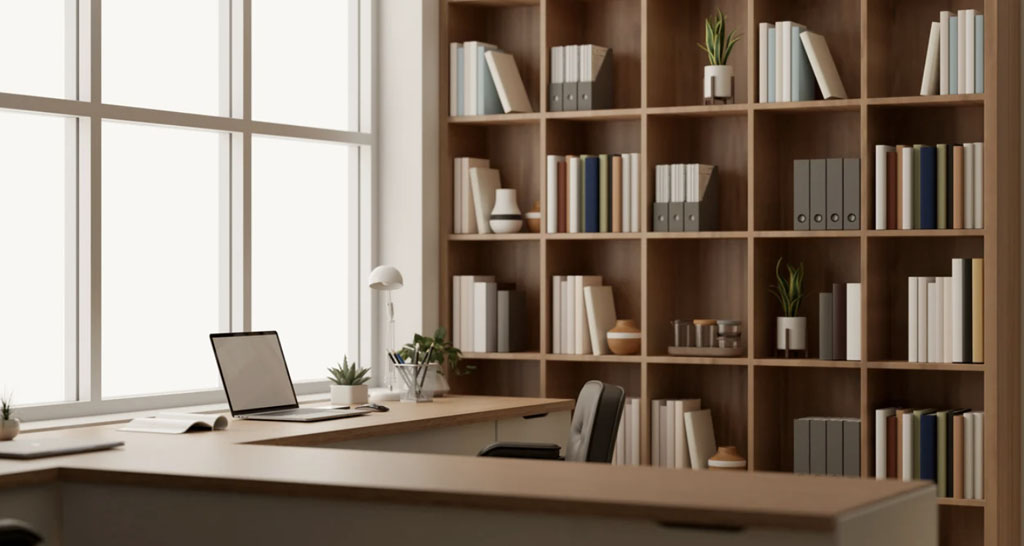
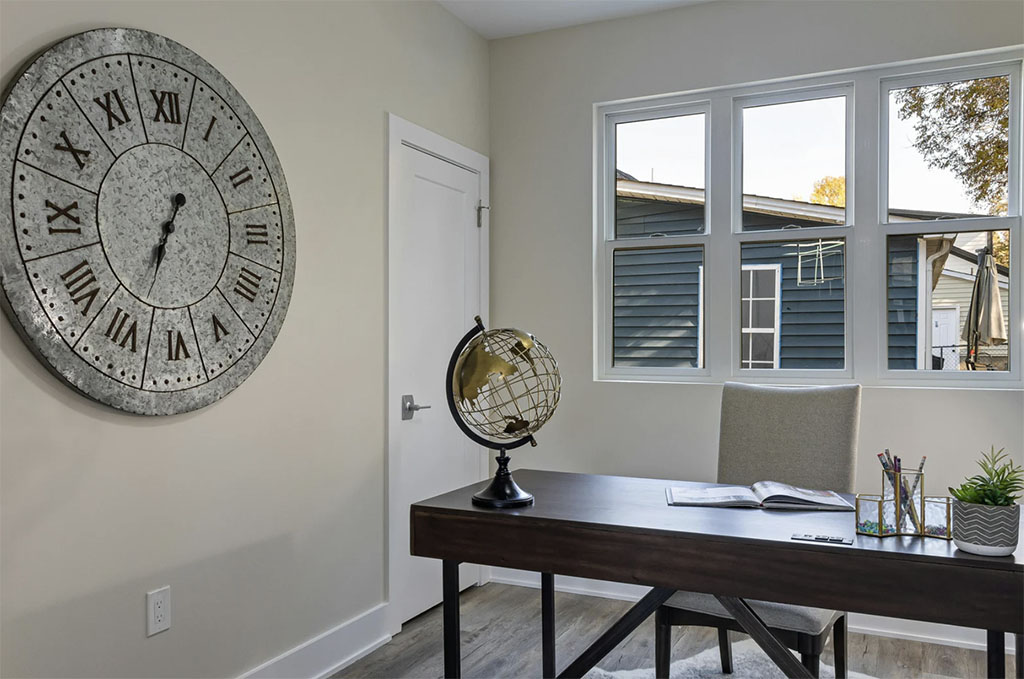
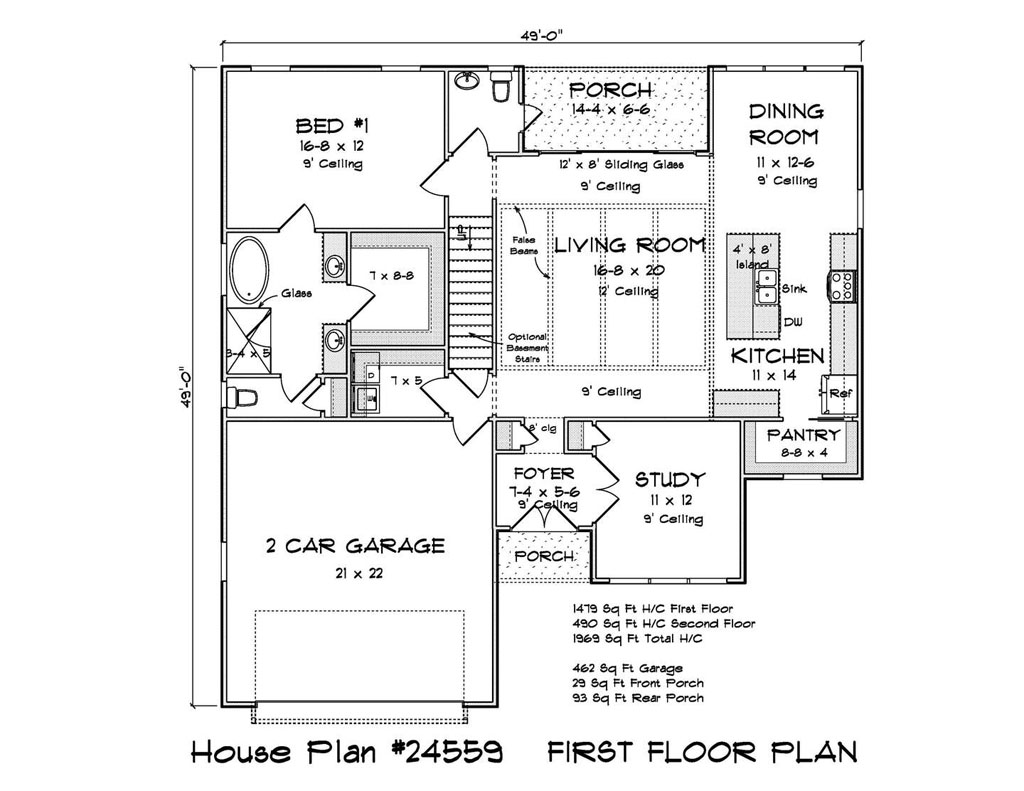
The dining nook with a laptop is past its prime. What works now is a compact but intentional room that can close off and that feels good on camera. Aim for 8 by 10 feet or larger if possible. Place it near the entry but with acoustic separation so calls do not bleed into the living room. A glazed door keeps light moving while a solid core slab and weatherstripping keep sound where it belongs. If the lot and plan allow, give this room its own exterior door. That small tweak supports client drop ins, tutoring, or just a quiet entrance during nap time.
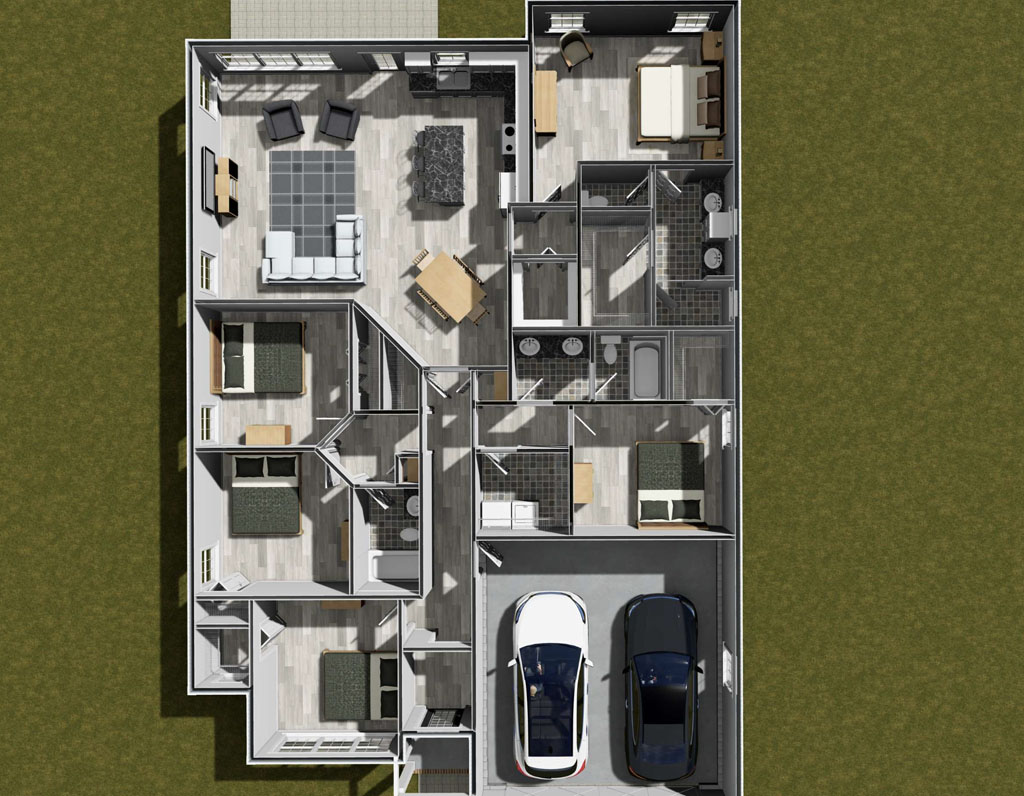
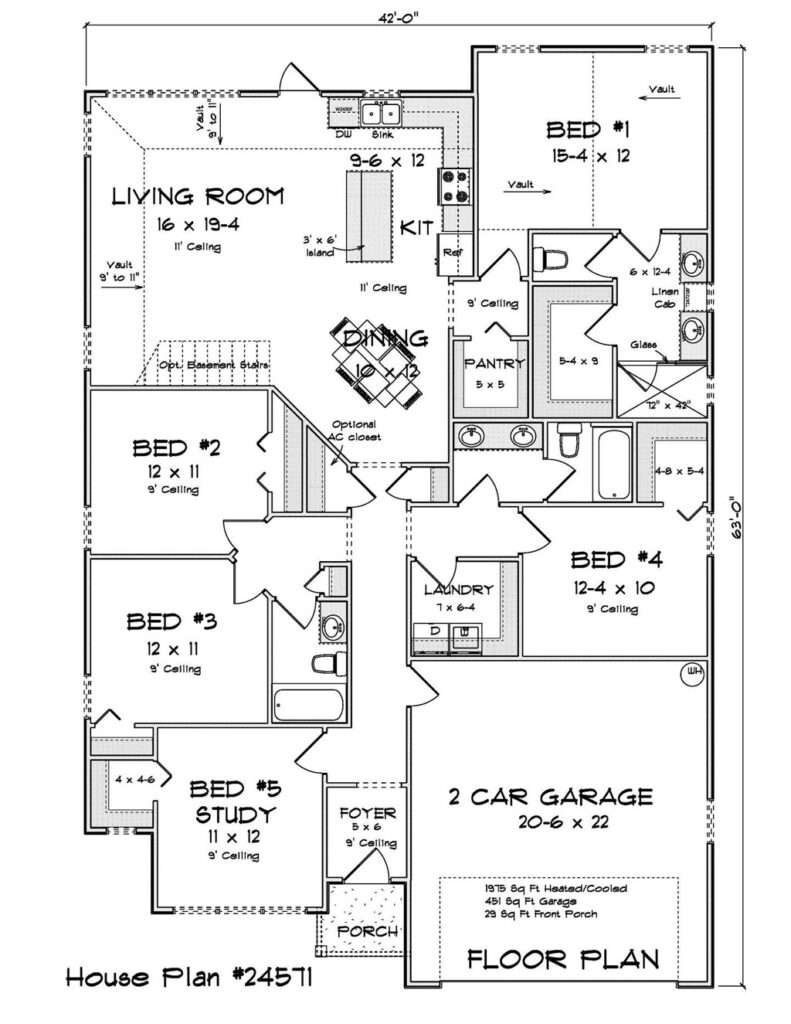
Many W. L. Martin Home Designs plans already include study rooms, pocket offices tucked off the entry, and optional exterior access to a study. Those touches translate directly into day to day usability for remote workers and freelancers.
Plan for two remote workers, not one
Plenty of households now have two people taking calls. Treat the office plus a secondary focus space as standard. That second zone might be a niche with a built in desk on the landing, a window bay with a counter in the primary suite, or a bedroom that converts with a wall bed. Give each zone a hardwired data jack, two standard outlets on separate circuits, and a quiet return air path so HVAC noise does not hijack a call.
Light that flatters and reduces eye strain
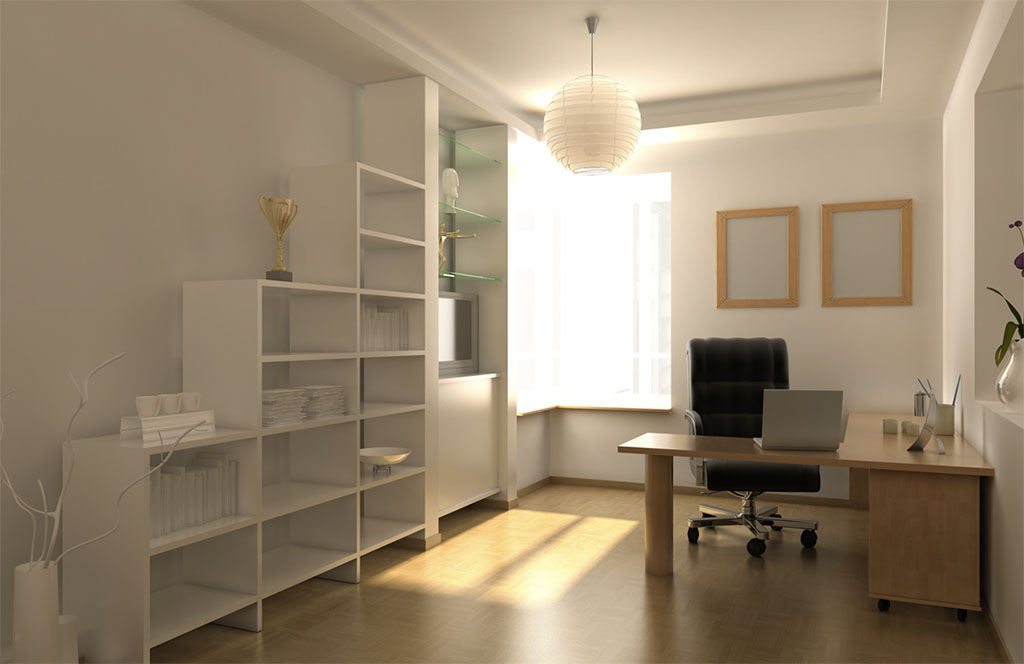
Video calls made everyone an amateur lighting designer. Favor north or east light for offices to avoid harsh shadows. If the only option is west facing, add a small roof overhang or exterior shading and specify soft white interior fixtures around 3000 to 3500 Kelvin with high CRI. Simple rules work. Put the window in front of or beside the desk, never directly behind it. Add a ceiling fixture on a dimmer plus a task light at the desk. It looks better and it feels better at 3 p.m. when eyes are tired.
Quiet is a feature buyers can feel
Noise is the number one complaint about improvised offices. You do not need exotic details to fix it. Use a solid core office door. Insulate the office walls with mineral wool. Decouple one side of the shared wall with resilient channel if budget allows. Keep loud spaces like laundry, powder rooms, and the fridge wall away from the office when possible. These moves are inexpensive on paper but they add up to a perceptible difference during a showing.
HVAC and fresh air that do not distract
A comfortable office is one where the vent does not howl into a headset. Use a larger supply register with a lower face velocity in the office and consider a dedicated return or transfer grille that keeps the door from whistling. Balanced ventilation with an ERV is increasingly common in efficient homes. That lines up with all electric strategies and with wellness focused buyers. It also keeps the office from getting stuffy during long calls.
Connectivity that just works
Wi Fi is great until it is not. Run at least one Cat6 data jack to every likely desk location and to a central media panel that can host a router and a small UPS. Conduit from the exterior to the panel preserves future flexibility for fiber or satellite internet. If you like repeatable details, specify a simple tech closet layout with a vented door and a duplex outlet on a dedicated circuit. Small effort, big payoff.
Flexible storage that looks neat on camera
Background clutter reads as stress. Built in shelving or a shallow closet in the office lets buyers hide printers, sample kits, and cords behind doors. A 24 inch deep cabinet run with a countertop can double as a standing desk and a video backdrop. If you are building a series, standardize a clean, simple millwork package that looks custom without the custom price.
Outdoor work zones that truly work
A small covered patio off the office or living area can double as a fresh air work spot for part of the year. Add a duplex outlet, a ceiling fan, and a step light. Position for shade during prime work hours. Buyers respond well to homes that offer multiple places to take calls, and this is an easy way to create one more.
Space planning that sells in any market
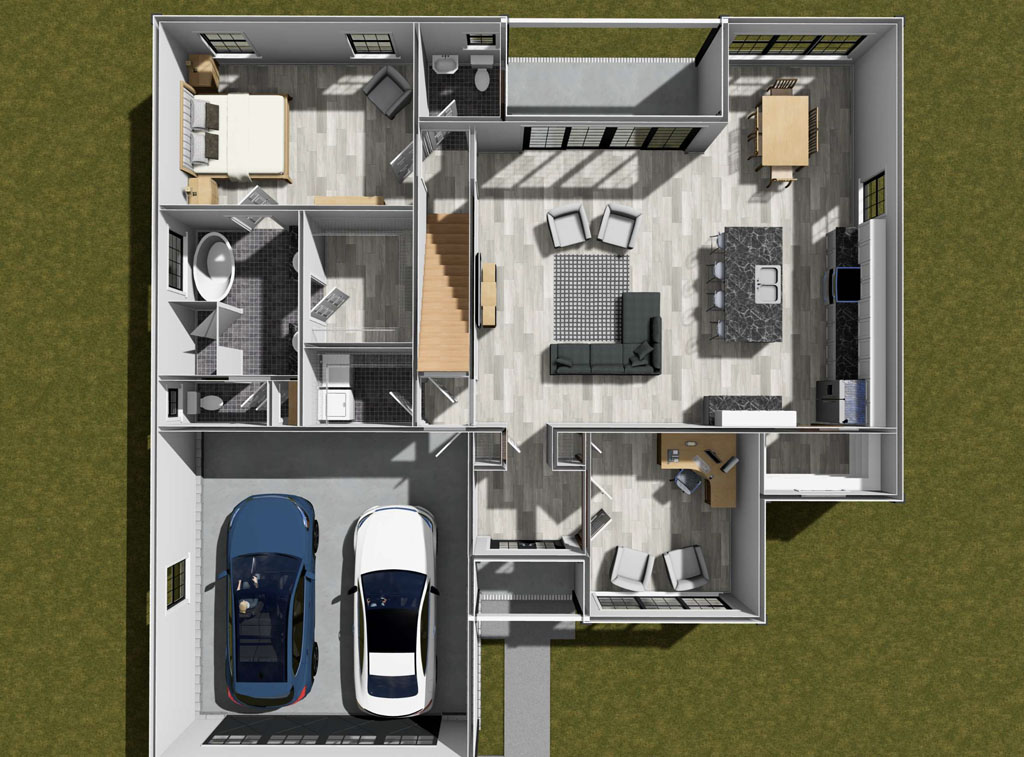
Developers do not need larger homes to deliver better work from home. They need smarter adjacencies. The patterns that perform are consistent across markets. Office near the front with optional exterior door. Open living in the middle. Bedrooms grouped for quiet in back or upstairs. Laundry clustered near bedrooms or garage, not next to the office. Wet walls stacked to simplify plumbing and to free up quiet walls around the office. Simple rooflines that make future solar and battery tie in easier.
Why this matters for value and leasing
Trusted sources keep telling the same story. McKinsey’s data shows the pool of hybrid capable workers is massive. Pew confirms hybrid is sticky, not temporary. Gallup reports that employee preference has settled around hybrid because it balances flexibility and teamwork. On the housing side, the National Association of Home Builders has tracked a steady rise in demand for specialty spaces, and the home office ranks near the top of buyer wish lists in recent years. Harvard’s Joint Center for Housing Studies has also noted the way pandemic era shifts reshaped design priorities, with space for work and study consistently cited in homeowner surveys.
You can feel this in leasing statistics and on tours. When a plan gives a buyer two legitimate places to work, they stop trying to mentally force a desk into the dining room. That reduces friction and it widens your pool of qualified buyers or renters.
A quick developer checklist
Provide one dedicated office plus a secondary focus spot
Solid core office door with perimeter weatherstripping
Insulated office walls, optional resilient channel on one side
Two data jacks and four outlets at the main desk wall
North or east light preference, dimmable overhead plus task light
ERV or balanced ventilation and a quiet supply register
Optional exterior door to the office where the lot allows
Built in storage that lets the room stage cleanly in minutes
How W. L. Martin Home Designs fits in
W. L. Martin Home Designs offers several plans across 400 to 3,500+ square feet that already bake in this thinking. You will find true study rooms instead of improvised corners, pocket offices off the foyer, and optional layouts with easy exterior access to a study so clients or students can come and go without crossing the whole house. Many plans include secondary focus nooks, smart wiring stubs for hardline internet, and quiet mechanical placement that respects call time. If you are building in a community that skews hybrid, our team can also adapt top sellers with a lockable study, more acoustic separation, or a different window orientation to tame afternoon glare.
Hybrid work is here to stay, and buyers have learned what makes a home easy to work in. Give them quiet, light, and just enough separation. Keep the structure simple so the budget behaves. Then market the plan clearly as hybrid ready. If you would like plan suggestions, we can point you to W. L. Martin designs with studies, exterior access options for those studies, and flexible layouts that make work from home feel effortless.
When we think of modern home design, it’s easy to imagine a crisp, newly built home with fresh paint, open floor plans, and clean lines. But many of the design elements we use today have deep roots that stretch back hundreds, even thousands, of years. From classical European influences to the sturdy sensibility of early American homesteads, today’s homes often reflect the heritage of global architecture. At W.L. Martin Home Designs, many of our house plans carry forward these timeless elements, offering designs that appeal to developers looking for reliable, regional-friendly styles that are both practical and appealing.
Colonial Style Homes: A Classic Design That Endures
Take, for example, the Colonial style. Originating from the 1600s, Colonial homes were first built by settlers in New England, drawing heavily from British architecture. Symmetrical facades, central chimneys, and gable roofs were all hallmarks of the style and are still widely used today, particularly in the Northeastern United States. You’ll find that W.L. Martin offers a number of compact and mid-sized home plans that include these traditional characteristics, though updated for modern living with open interiors and improved energy efficiency.
Craftsman Style Homes: From British Roots to American Neighborhoods
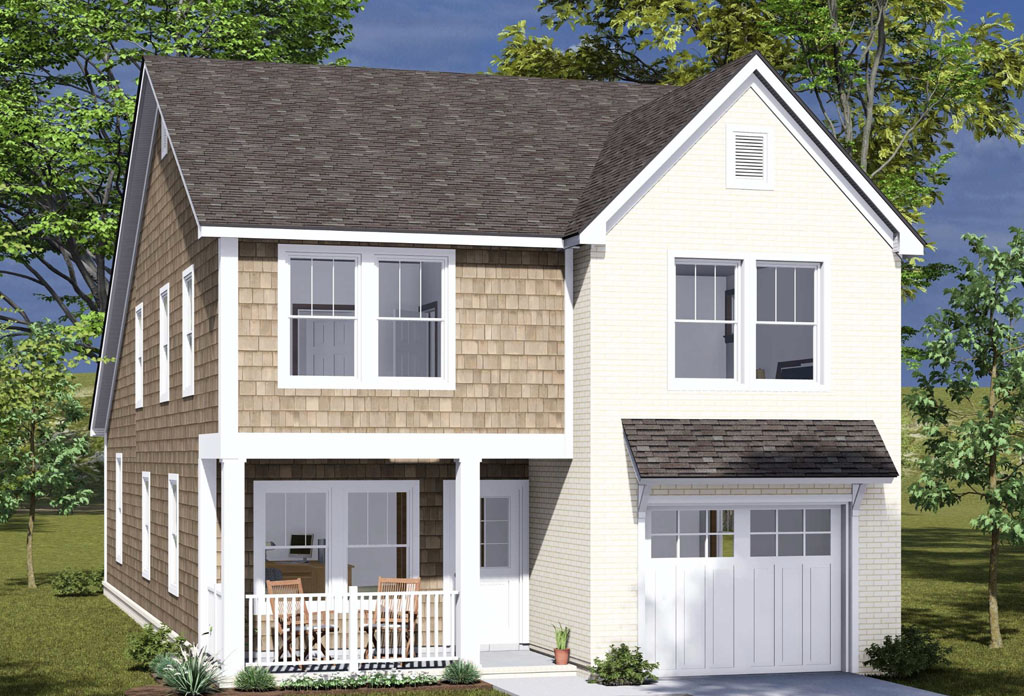
Another long-standing influence is the Craftsman style, which can be traced back to the British Arts and Crafts movement in the late 19th century. The style gained popularity in the United States in the early 1900s, especially in California. Today, Craftsman homes remain popular across much of the country, especially in the Midwest and Northwest, thanks to their charming curb appeal and functional layouts. The deep front porches, low-pitched roofs, and exposed rafters seen in Craftsman homes are featured in several of W.L. Martin’s plans, which are tailored to developers seeking classic American styling with wide regional appeal.
Spanish and Mediterranean Home Designs in Warm-Weather Regions
Further south, the Spanish Revival and Mediterranean-inspired homes dominate in states like Florida, Texas, and parts of California. With origins in Spain, Italy, and other parts of the Mediterranean, these styles are known for stucco exteriors, red tile roofs, and arched windows and doorways. Their design fits naturally with warm climates and often emphasizes indoor-outdoor living. While W.L. Martin’s core collection leans more toward conservative and versatile layouts, we do incorporate certain Mediterranean elements in our warmer region home plans to meet regional developer needs without straying too far from traditional preferences.
Ranch Style Homes: American Simplicity with Historic Roots
The Ranch-style home is another distinctly American design that actually owes a debt to Spanish colonial architecture as well. These single-story homes with long, low profiles became wildly popular in the post-WWII era and are still favored throughout the southern and western U.S. for their simplicity and ease of access. At W.L. Martin, we continue to offer a variety of ranch and ranch-influenced home plans, especially in the 1,200 to 2,000 square foot range, perfect for developers building in suburban and rural markets.
Small Footprint Homes: Drawing Inspiration from Historic Efficiency
Even smaller footprint designs—those under 1,000 square feet—have historical roots. The classic Shotgun house, common in the South and originating in New Orleans in the 19th century, features a narrow profile and rooms laid out one behind the other. While modern tastes have shifted toward more open floor plans, the efficient use of space in small homes continues to influence how we design compact houses today. W.L. Martin includes several small home plans ideal for infill lots, accessory dwelling units, and budget-conscious developments.
Regional Appeal and Conservative Design for Today’s Developers
What makes many of W.L. Martin’s home plans stand out is their ability to blend these historical inspirations with practical, regionally sensitive design. We tend to focus on styles that are conservative—not flashy or overly trendy—but ones that work well in a variety of neighborhoods and climates. Developers across North America find value in designs that respect traditional forms while still accommodating the expectations of modern homebuyers.
From time-tested colonial symmetry to Craftsman warmth and the casual feel of the American ranch, today’s homes are built on a legacy of global architecture. At W.L. Martin Home Designs, we honor those roots by offering house plans that reflect history, function, and regional sensibility—all with the flexibility builders need to bring them to life.
Let us help you find the perfect plan that fits not only your project but the community it’s meant for.
For residential developers, efficiency isn’t just a buzzword — it’s a critical part of creating homes that meet buyer expectations, pass energy codes, and remain competitive in the market. With homebuyers increasingly focused on sustainability, energy savings, and smart living, developers are under pressure to find solutions that align with those demands. That’s where choosing the right home plan becomes a foundational step.
W.L. Martin Home Designs offers a diverse collection of thoughtfully crafted house plans, many of which are designed with efficiency and buildability in mind. From compact footprints to simplified rooflines and modern building materials, these plans offer developers a solid foundation to build homes that are energy efficient, cost-effective, and attractive to today’s buyers.
According to the U.S. Department of Energy, homes built to modern energy codes can be as much as 30 percent more efficient than homes built just a decade ago. For developers, this is a clear opportunity. Building from the ground up allows you to integrate high-efficiency systems, up-to-date insulation, and layout designs that promote better heating and cooling flow from the very beginning. In contrast, retrofitting older homes can be both costly and limited in its return on investment.
One of the biggest advantages of starting with a plan from W.L. Martin Home Designs is that many of the homes are designed with modern living in mind, which naturally supports efficiency goals. Many plans in the 1,200 to 2,000 square foot range are already laid out to take advantage of passive heating and cooling strategies, such as open-concept living areas that promote air circulation and strategically placed windows that can reduce the need for artificial lighting during the day.
For example, many of W.L. Martin’s plans allow developers to incorporate these efficiency-friendly features:
Simple, compact shapes that reduce construction waste and heating and cooling loads
Rooflines designed to support solar panel installations
Covered porches and deep eaves that help with passive shading
Proper orientation potential to optimize solar gain and natural light
Open layouts that reduce unnecessary hallways and walls, improving airflow
Attic and wall framing that accommodates high-R-value insulation
Smart home technology compatibility for energy monitoring and automation
Tankless water heater options and efficient HVAC zones
As the U.S. Environmental Protection Agency reports, heating and cooling typically account for about 42 percent of a home’s energy use. By building from scratch using a plan that’s been designed with airflow, sunlight, and insulation in mind, developers can drastically reduce those numbers and appeal to cost-conscious buyers.
The growing demand for energy-efficient homes is also backed by the National Association of Home Builders, which found in a 2024 report that over 70 percent of homebuyers rank energy efficiency as a “very important” factor in their purchasing decision. For developers, this trend underscores the value of choosing plans that not only look good on the outside but also function efficiently on the inside.
In addition to energy savings, efficient homes often benefit from reduced maintenance and fewer callbacks after move-in. Thoughtful design leads to fewer construction errors, better moisture control, and longer-lasting materials, all of which contribute to long-term homeowner satisfaction.
At W.L. Martin Home Designs, we believe that building smart starts at the drawing board. That’s why our plans are created to be builder-friendly, code-conscious, and future-focused. Whether you’re developing a single infill lot or an entire community, you’ll find options that help you meet your goals — and your buyers’ expectations — when it comes to efficiency, comfort, and modern living.
By starting with the right plan, developers can streamline construction, control costs, and deliver homes that live better and perform better from day one. And in today’s housing market, that’s a clear competitive edge.
The U.S. housing market has been in flux over the past few years, with skyrocketing prices, limited inventory, and intense competition defining the post-pandemic boom. However, 2025 is shaping up to be a turning point—especially in certain regions where active home listings have returned to or exceeded pre-pandemic levels.
For homebuyers, this shift means increased negotiating power. For developers and builders, it presents a prime opportunity to invest in new construction projects, as many of these markets are seeing a more balanced supply-demand dynamic. If you’re looking for high-quality, ready-to-build house plans, W.L. Martin Home Designs offers a diverse selection of customizable home designs that cater to the growing demand in these transitioning markets.
Where Are the Buyer’s Markets in 2025?
According to recent data, among the nation’s 200 largest housing markets, 41 metro areas now have more active listings than they did in early 2019. Many of these markets are concentrated in the Gulf Coast and Mountain West regions, which were some of the fastest-growing areas during the pandemic but are now experiencing price corrections.
Key Markets Where Buyers Have More Power:
Punta Gorda, FL – A popular pandemic boomtown now seeing increased supply and more balanced pricing.
Austin, TX – Once one of the hottest real estate markets, now adjusting to more sustainable price levels.
Phoenix, AZ – An area with significant new construction activity, providing more options for buyers.
Boise, ID – Another pandemic hotspot now normalizing with improved inventory levels.
In these areas, builders are adjusting their strategies by offering incentives, reducing prices, and focusing on affordability. This trend makes new construction an attractive option for buyers who may have been priced out in previous years.
Why This Matters for Home Builders and Developers
For developers looking to capitalize on this shift, the increasing inventory levels signal an opportunity to enter markets where demand is steady but pricing has softened. Rather than competing in tight housing markets where resale homes remain scarce, builders can focus on regions where buyers are actively looking for affordable, well-designed new homes.
At W.L. Martin Home Designs, we provide house plans tailored to the needs of today’s homebuyers—whether they’re looking for compact, efficient designs under 1,000 square feet or spacious family homes up to 2,500 square feet. With the right home design plan, developers can build properties that appeal to cost-conscious buyers in these shifting markets.
How to Choose the Right Home Plans for the Current Market
With affordability playing a crucial role in 2025’s housing market, developers should consider:
Smaller, More Efficient Home Designs – Many buyers are looking for practical, well-designed homes that don’t stretch their budget. Plans like our 1,000–2,000 sq. ft. models provide comfortable living without excessive costs.
Multi-Generational and Flexible Floor Plans – With rising mortgage rates, some buyers are pooling resources with family members. Home designs with in-law suites or adaptable layouts are increasingly popular.
Energy Efficiency and Sustainability – Buyers in today’s market are keen on reducing long-term costs. Choosing house plans that incorporate smart energy-saving features can give new builds a competitive edge.
Single-Family Homes in Growth Markets – While some areas remain seller’s markets, Gulf Coast and Mountain West cities present new-build opportunities. Home plans that match the architectural style and local demand can help developers maximize their investment.
Whether you’re building in a newly balanced market like Austin or a steady-growth area in the Midwest, we provide cost-effective, stylish, and buildable home plans that align with current buyer expectations.
Explore our house plan collection today and take advantage of emerging opportunities in the 2025 housing market!