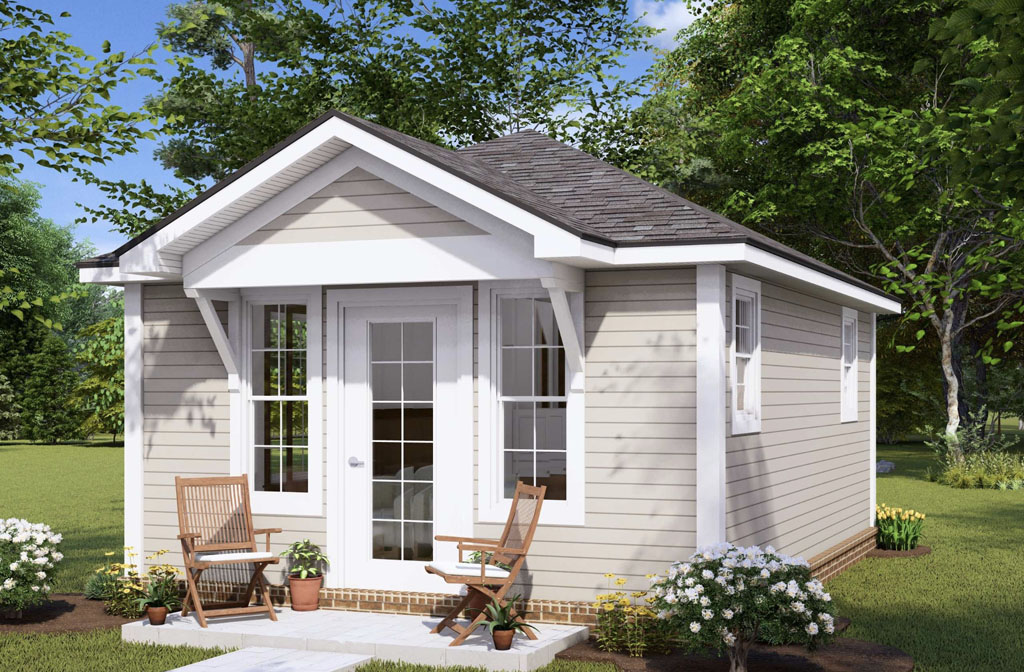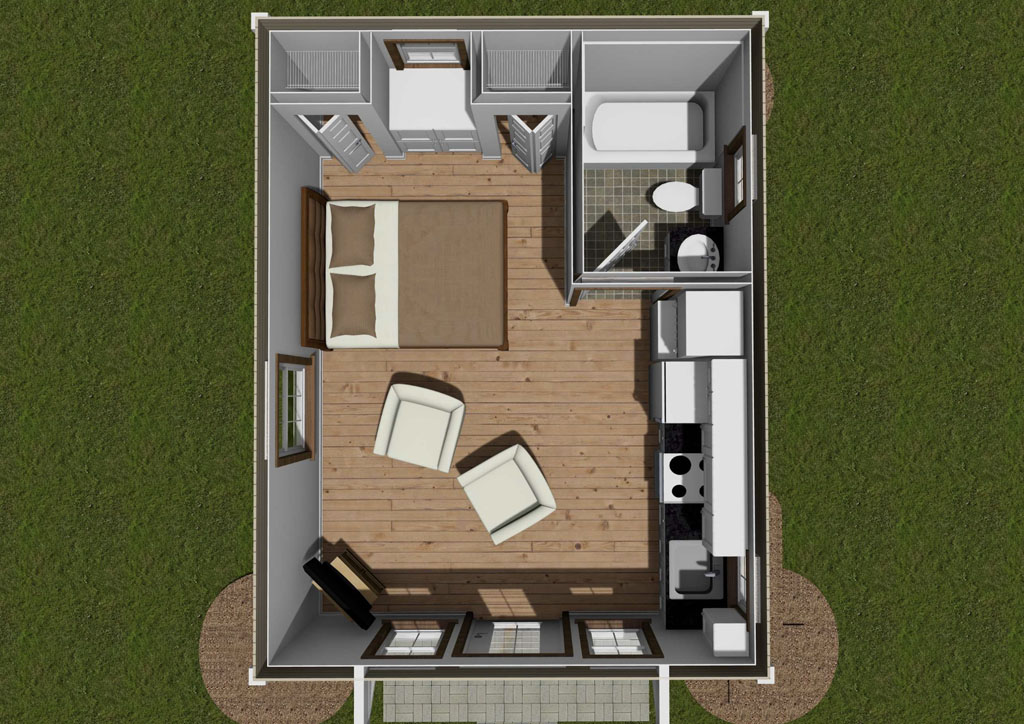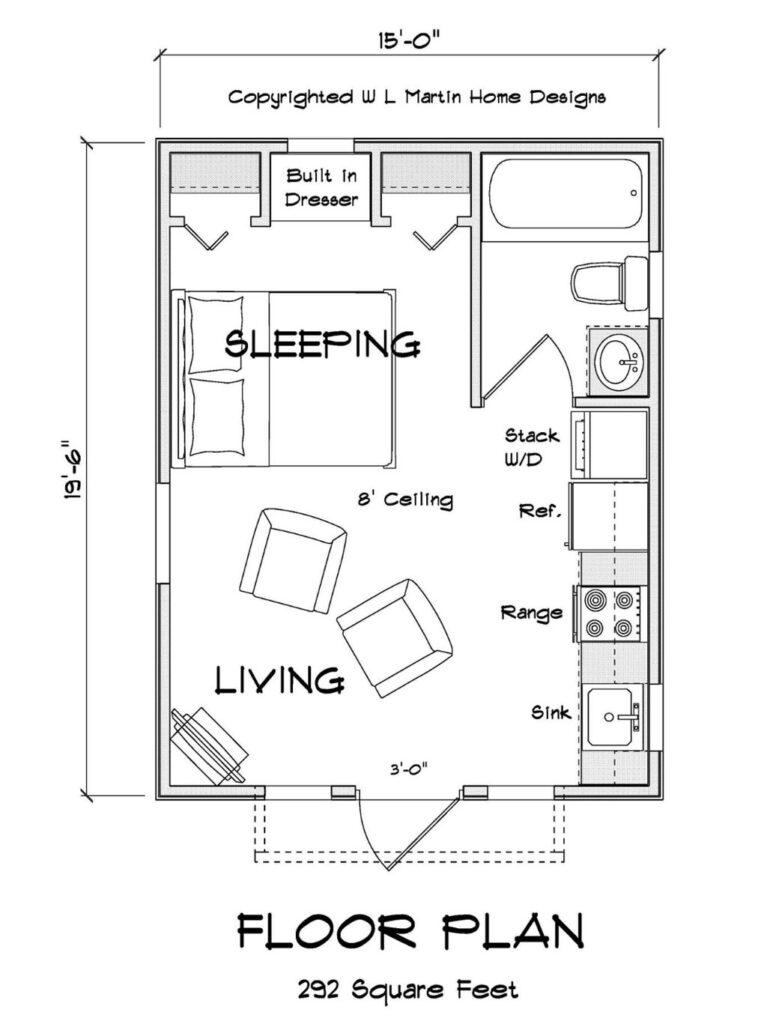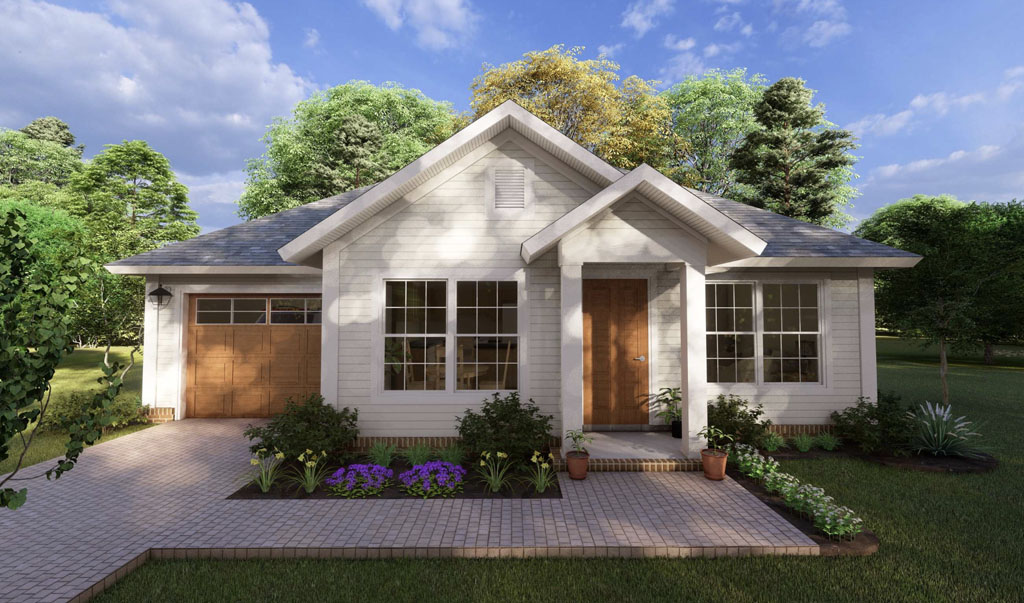
The growing popularity of small homes is reshaping and somewhat redefining the housing market. Whether it’s young professionals seeking affordable living options, empty nesters downsizing, or homeowners embracing a minimalist lifestyle, small homes are proving that less can truly be more without much compromise. Less square footage doesn’t mean making sacrifices in the area of comfort or functionality. Innovative design can also make these compact homes feel natural and not cramped as some may think.
Why Small Homes Are in Demand
On multiple levels theres a newfound appeal of small homes, and developers have a unique opportunity to capitalize on this trend. Here’s why smaller homes have become popular:
- Affordability
- With rising housing costs, small homes offer buyers an accessible entry point into the market. Their reduced size naturally lowers building costs, making them attractive for developers too.
- Lower Maintenance
- Fewer square feet mean less upkeep, which is a major draw for busy professionals, retirees, and anyone looking to simplify their lifestyle.
- Eco-Friendly Living
- Smaller homes consume fewer resources than larger ones, for both the construction process and daily energy use. Paired with energy-efficient designs, these homes align with the growing demand for sustainable living.
- Urban Accessibility
- Compact designs are ideal for maximizing the use of smaller plots of land, particularly in urban or suburban areas where space is at a premium.
Smart Design Strategies for Small Homes
Designing small homes requires creativity and a clear understanding of how to maximize every square foot.
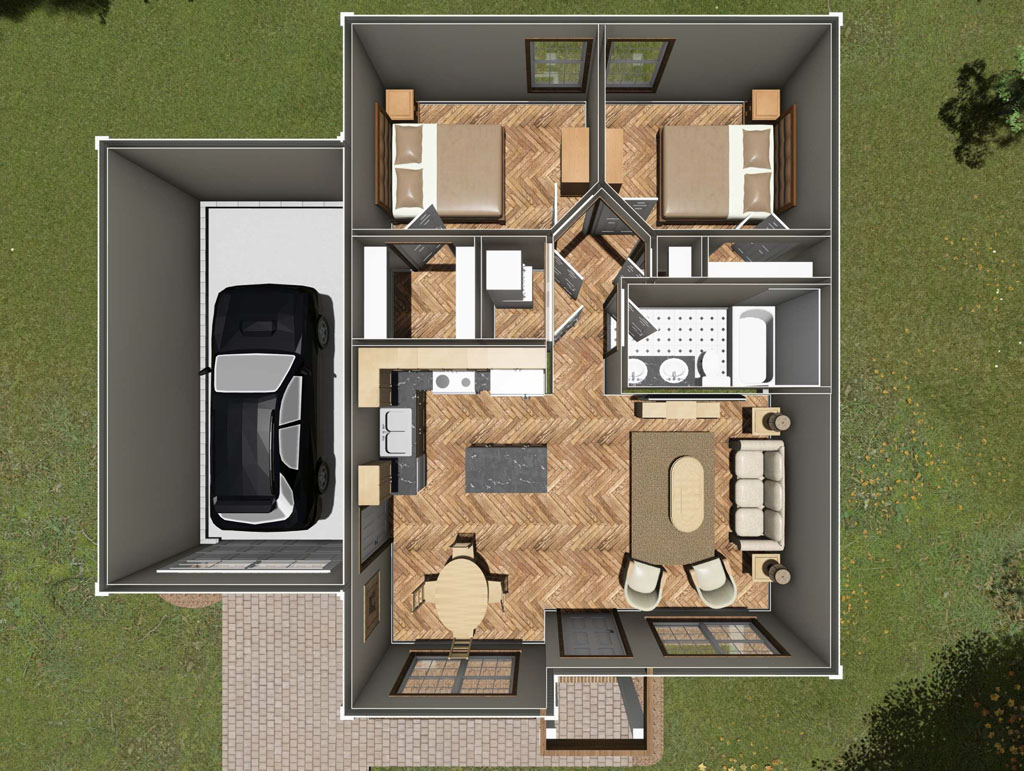
With the right design elements and strategies, even a 400-square-foot home can feel open, comfortable, and luxurious. Here are some ideas to incorporate into your designs:
- Open Floor Plans
- Removing unnecessary walls creates a sense of spaciousness. Combining living, dining, and kitchen areas into one seamless space ensures a more functional layout.
- Multi-Functional Rooms
- Spaces that serve multiple purposes, like a living room that doubles as a guest bedroom with a pull-out couch, help make the most of limited square footage.
- Built-In Storage
- Clever storage solutions, such as built-in shelving, under-stair storage, and furniture with hidden compartments, help maintain a clutter-free environment.
- Vertical Design
- Utilizing vertical space with lofted sleeping areas or tall cabinets adds usable square footage without expanding the home’s footprint.
- Natural Light
- Large windows, skylights, and light-colored interiors can make a small home feel more open and airy.
The Appeal of Small Homes Without Sacrificing Comfort
Compact homes don’t have to feel restrictive or small, for that matter. Thoughtful layouts ensure functionality, while innovative design elements maintain a sense of luxury. High ceilings, efficient kitchens, spa-like bathrooms, and cozy outdoor spaces can transform smaller homes into highly desirable living spaces.
For developers, offering house plans that embrace these elements can attract a diverse range of buyers, from first-time homeowners to retirees looking to downsize. Small homes also provide an excellent opportunity to explore modern and minimalist aesthetics that are in high demand.
Meeting the Market with Flexible Designs
One of the keys to success in small home development is flexibility. Buyers want homes that fit their unique lifestyles, and customizable plans make that possible. By starting with designs that prioritize efficient use of space, developers can easily tailor homes to meet individual buyer needs or meet certain regional restrictions or regulations.
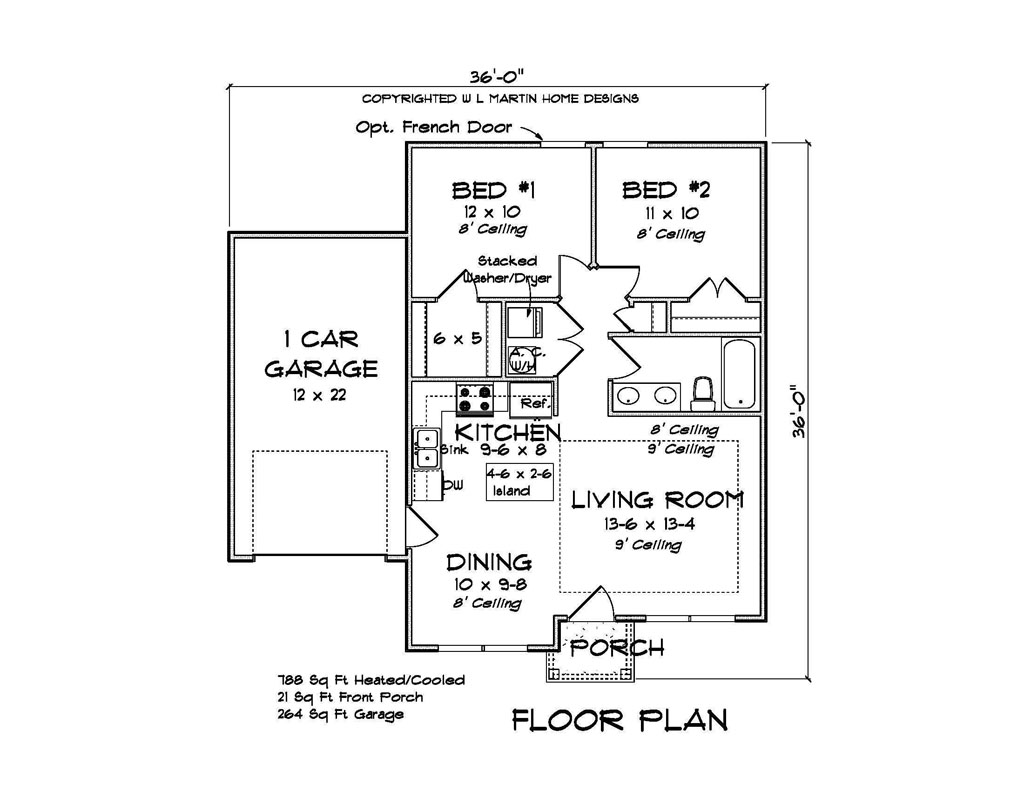
Why Small Homes Are Big Business for Developers
Building small homes doesn’t just cater to a niche market, it opens the door to a growing trend that shows no signs of slowing down in today’s housing market. These homes are perfect for urban developments, vacation properties, and even eco-friendly communities. As demand grows for affordable, sustainable, and stylish living spaces, developers who offer innovative small home options are poised for success.
Whether you’re creating a compact single-family home or developing a community of small residences, thoughtful design is key, which we offer to developers who choose our house design plans at W.L. Martin Home Designs. Buyers are looking for spaces that fit their lives while feeling anything but small. By prioritizing comfort, efficiency, and modern aesthetics, you can deliver homes that exceed expectations—no matter their size.
View our extensive catalog of small home design plans at W.L. Martin Home Designs and choose a small home design that doesn’t compromise on comfort.